La Brasserie des Haras

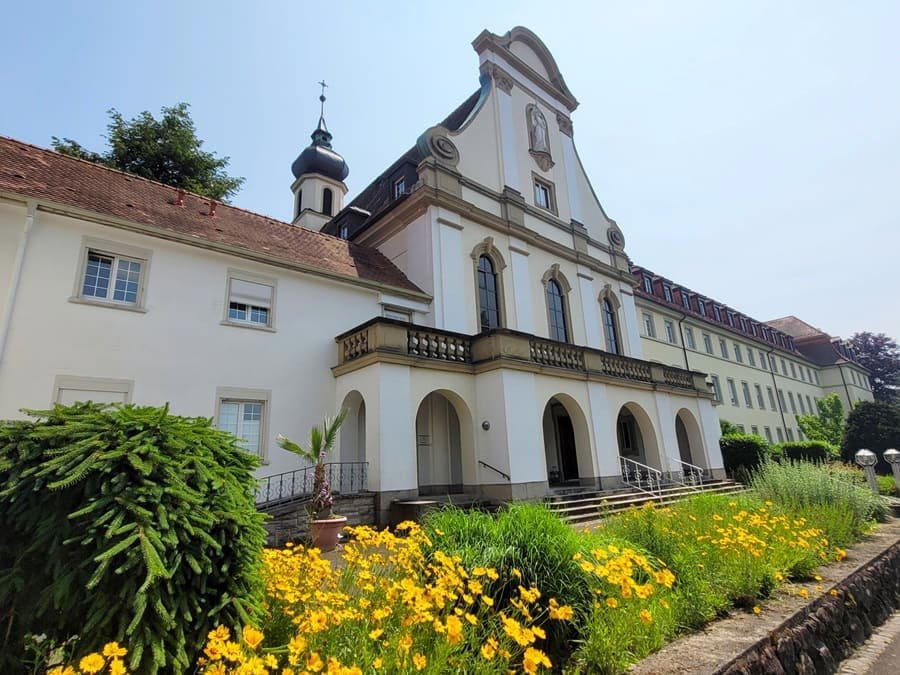
Set within a 19th-century tannery on Rue des Glacières, La Brasserie des Haras occupies one of Strasbourg's most architecturally compelling dining rooms.
Pearl is the En Primeur Club membership app — saves, bookings, and concierge access live there. Same editors, same standards.
- Address
- 23 Rue des Glacières, 67000 Strasbourg, France
- Phone
- +33 3 88 24 00 00
- Website
- les-haras-brasserie.com
- Directions
- Get directions
 Saves & bookings on Pearl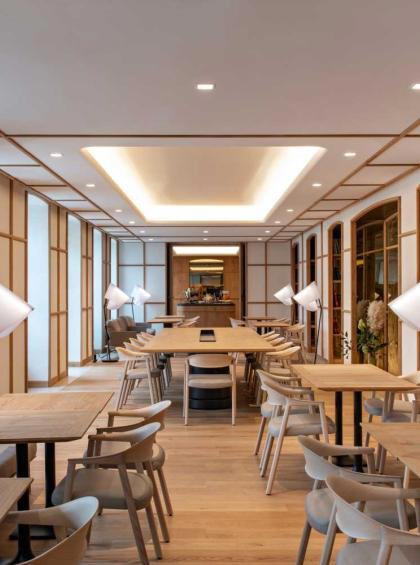
Stone, Iron, and the Bones of a 19th-Century Tannery
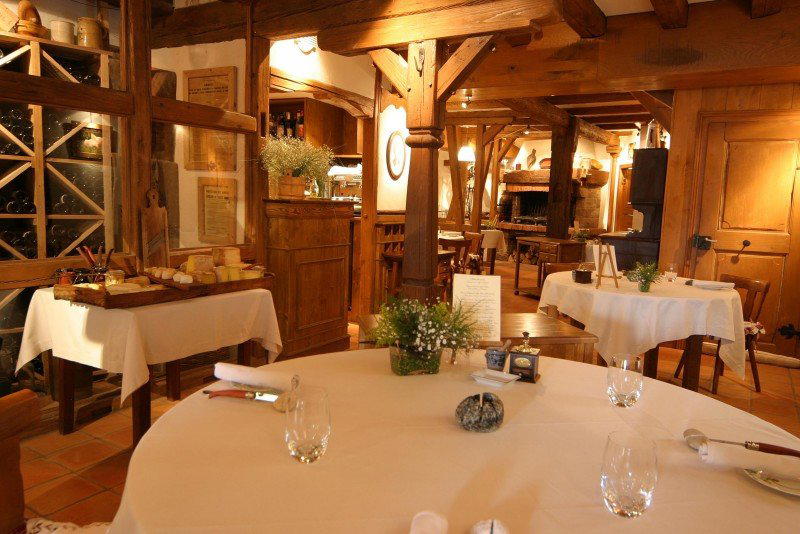
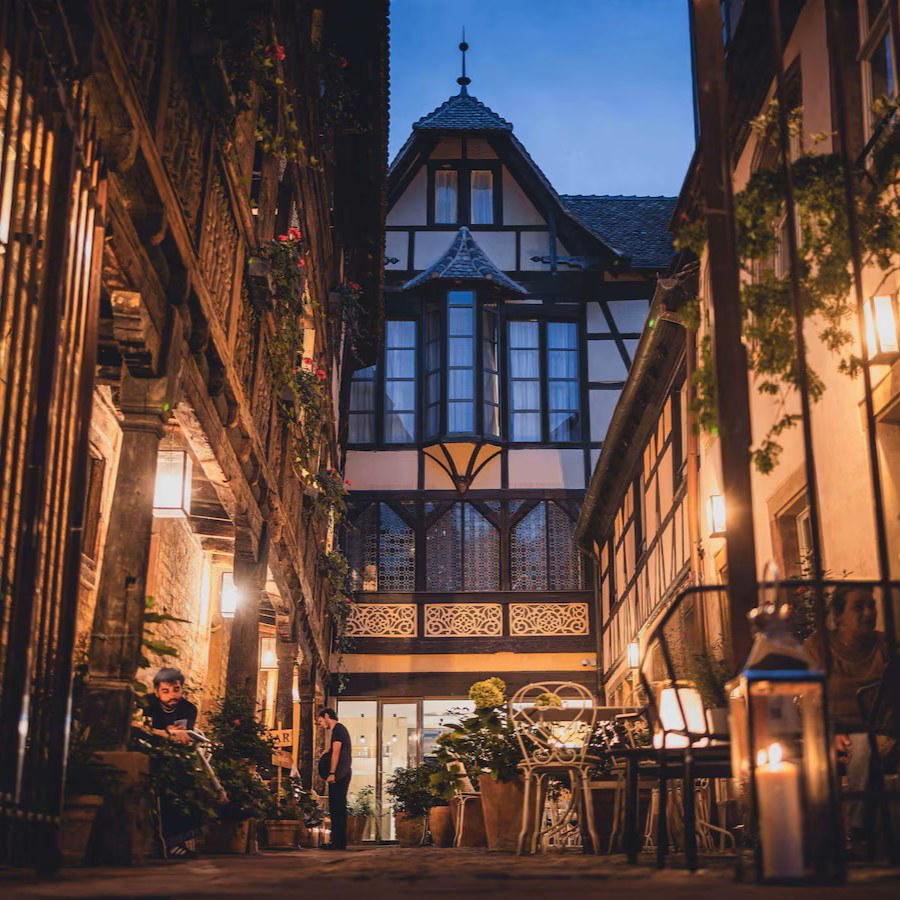
Strasbourg's dining scene divides along a familiar axis: the high-formality Michelin-starred rooms clustered around the Grande Île, and the more accessible mid-tier addresses that draw on the same Alsatian larder without the full ceremony. La Brasserie des Haras, occupying a converted tannery complex at 23 Rue des Glacières, sits squarely in that second tier, and the space itself is the strongest argument for its continued relevance. The building's bones are those of 19th-century industrial Alsace: exposed timber, limestone walls, and the kind of vaulted ironwork that resists any attempt at superficial decoration. The room doesn't so much set a mood as impose one.
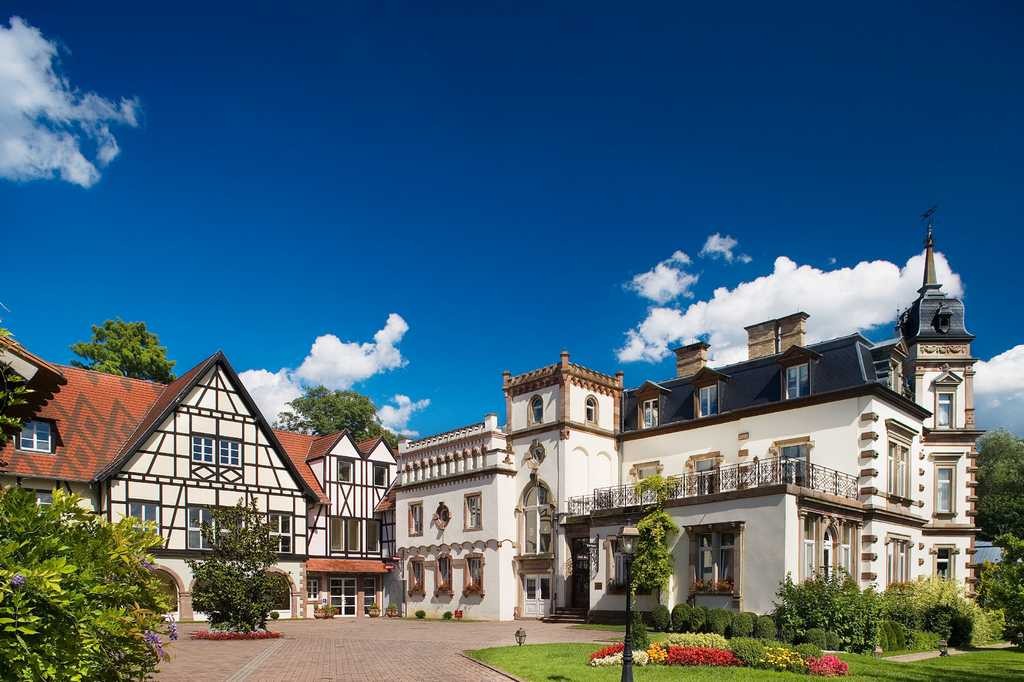
This matters because Strasbourg is a city where architectural context shapes the dining experience as much as what arrives on the plate. The old town is compact and dense with heritage, and restaurants that occupy historic structures carry an ambient authority that newer build-outs rarely replicate. The Haras building, haras means stud farm, a reference to an adjacent equestrian history, is among the city's more distinctive dining containers. Arriving from the street, the scale registers before the menu does.
Where the Room Positions the Experience
Interior architecture in French brasseries typically follows one of two conventions: the mirrored grand-café model descended from Parisian tradition, or the more regionally rooted approach that foregrounds local materials and vernacular craft. La Brasserie des Haras leans toward the latter. The stone and timber structure sets a register that calls for modern cuisine without excess abstraction, cooking that acknowledges the building's Alsatian identity without becoming a museum piece.
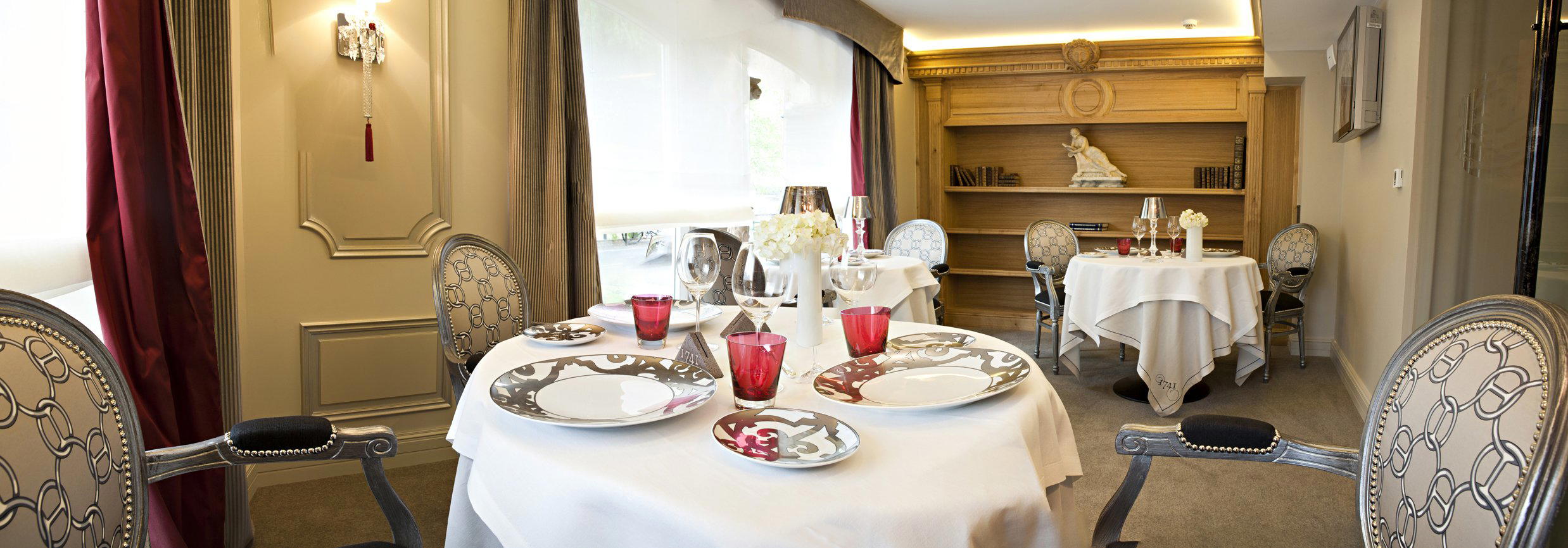
Within Strasbourg's current mid-premium tier, that positioning has a specific competitive logic. Gavroche and Les Funambules operate in adjacent territory, while the starred bracket, 1741 at the €€€€ level with a Michelin star, and de:ja with its creative tasting format, commands higher price points and different expectations.
For context on what Michelin recognition at the Plate level signals: the designation marks restaurants that Michelin inspectors consider to offer good cooking, placing them above the general population of restaurants without conferring the star-level distinction held by addresses like 1741 or Auberge de l'Ill in Illhaeusern, the latter being one of Alsace's most historically significant fine dining addresses. The Plate is a credibility marker, not a ceiling claim.
Modern Cuisine in an Alsatian Frame
Strasbourg's culinary identity is among the more defined in France: riesling-braised dishes, choucroute in its many registers, game from the Vosges, freshwater fish, and a cheese tradition rooted in Munster. Modern cuisine in this context doesn't mean abandoning that framework, it means applying contemporary technique and editing to ingredients that have defined the region for centuries. Particularly accomplished addresses in this mode, from Auberge de l'Ill at the heritage end to younger kitchens like Umami, tend to use Alsatian produce as a starting point rather than a constraint.
La Brasserie des Haras operates in that same mode at its price tier. The brasserie format, as a category, carries expectations of generosity and accessibility that distinguish it from the more austere tasting-menu model favoured by rooms like 1741 or, at the international end of the modern cuisine spectrum, Frantzén in Stockholm. What the brasserie format offers is a different contract with the diner: more flexibility, broader coverage of the menu, and a room designed for duration rather than brevity.
The Alsatian wine tradition is an obvious pairing framework here. The region produces riesling, pinot gris, gewurztraminer, and sylvaner at price points that sit naturally alongside €€€ dining, a structural advantage that starred rooms in other French regions don't always enjoy. Booking a table with the regional wine list in mind is one direct way to anchor the experience to place.
Planning a Visit: Timing, Booking, and the City Around It
Strasbourg's dining calendar peaks in two distinct windows. The Christmas market season, running through Advent, draws visitors from across Europe and compresses reservation availability across the mid-to-upper tier significantly. The summer months bring a second wave tied to tourism along the Rhine and the Alsace wine route. For the restaurant, which holds consistent ratings across a large review base, demand appears steady rather than purely seasonal, but securing a table for a Friday or Saturday evening, particularly during either peak window, warrants advance planning.
The address at 23 Rue des Glacières places it within the broader historic core, accessible on foot from the cathedral quarter and the main tram network.
Those interested in the wider context of modern French cuisine, from Mirazur in Menton and Flocons de Sel in Megève to Troisgros in Ouches and Alléno Paris au Pavillon Ledoyen, will find that the Haras occupies a specific and honest position in that larger picture: a regionally grounded, architecturally compelling room with consistent execution at a price point that doesn't require the commitment of a starred dinner. Blue Flamingo and Bras in Laguiole for those cross-referencing regional French benchmarks.
Comparable Spots
Comparable venues nearby, for context on price, style, and recognition.
| Venue | Cuisine | Price | Notes |
|---|---|---|---|
| La Brasserie des HarasThis venue — the venue you are viewing | Modern Alsatian Brasserie | $$$ | Not listed |
| La Casserole | Modern French Fine Dining | $$$ | Centre |
| Au Coin des Pucelles | Alsatian Bistro | $$$ | Centre |
| La Vieille Tour | Traditional French Bistro | $$$ | Centre |
| Au Fond du Jardin | French Tea Salon & Patisserie | $$$ | Centre |
| Chez Yvonne - S'Burjerstuewel | Traditional Alsatian Winstub | $$$ | Centre |
Recognition history
Dated appearances from independent guides and award organizations, with the underlying list record or original source where available.
Michelin Plate
Michelin
Continue exploring
More in Strasbourg
Restaurants in Strasbourg
Browse all →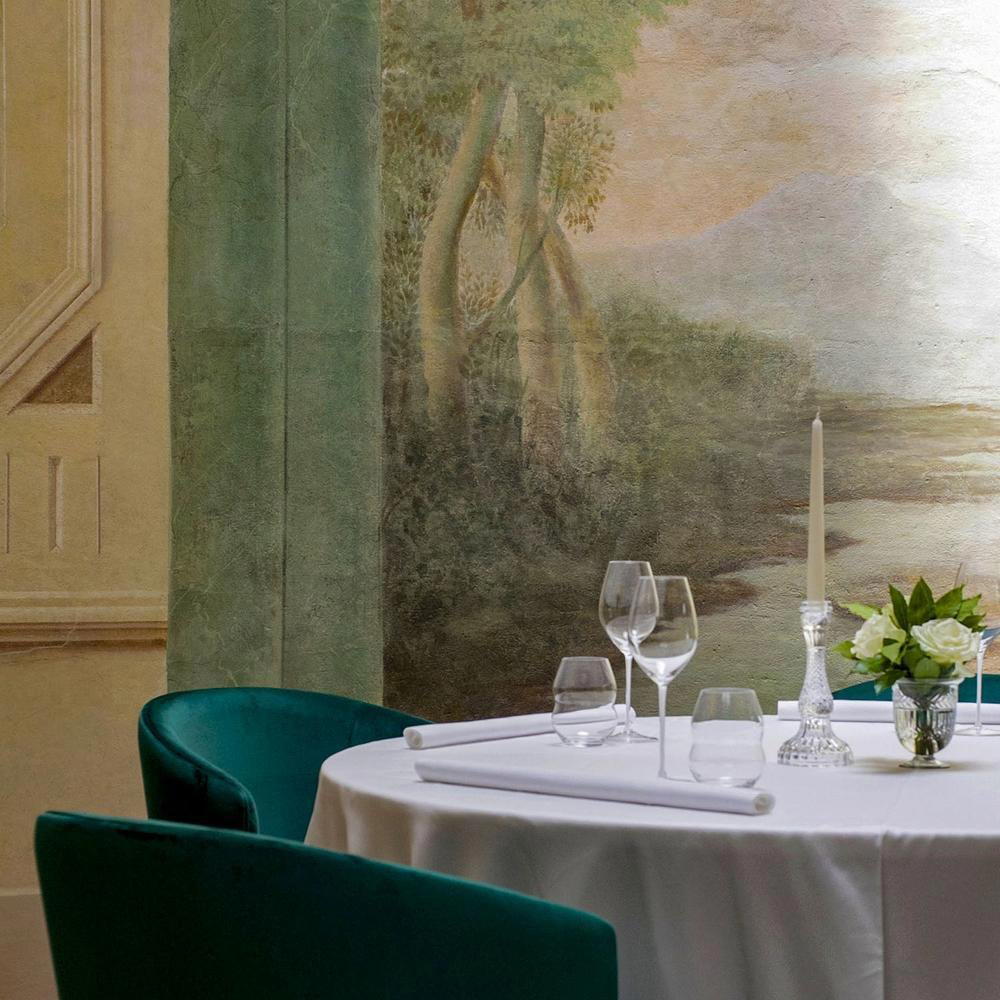

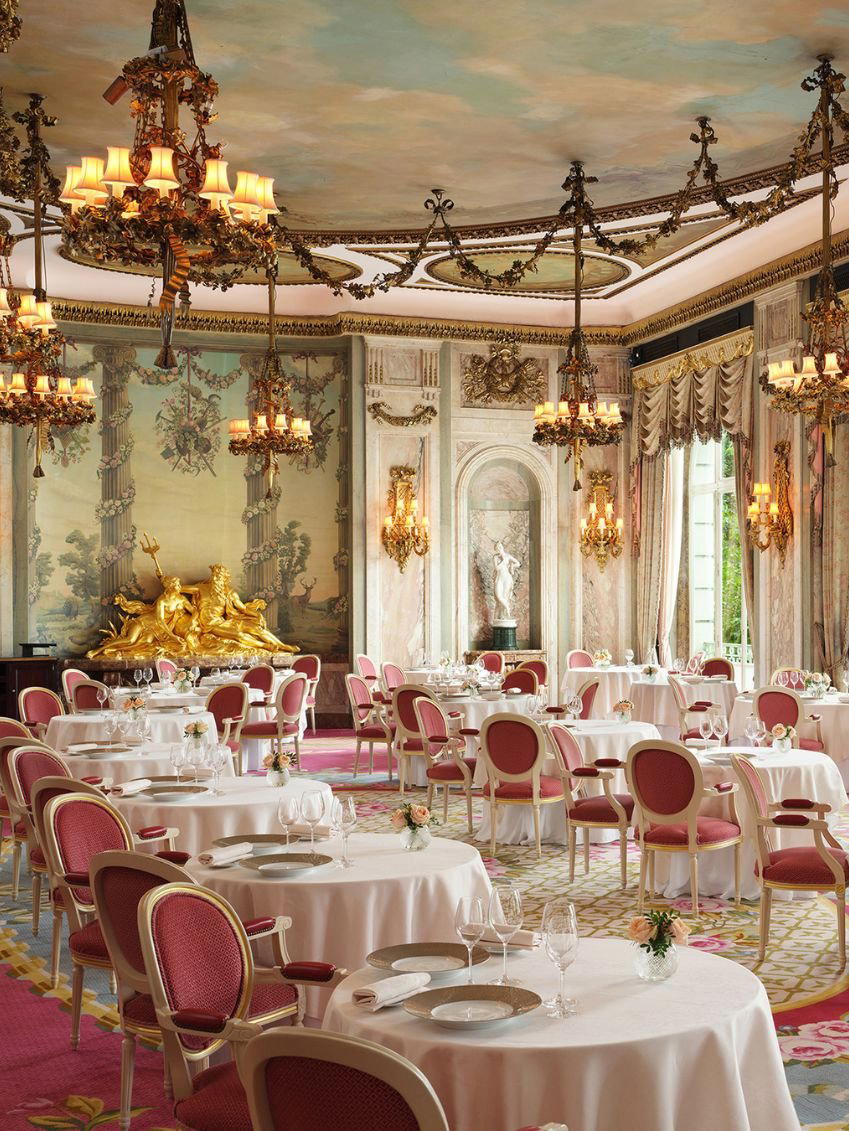
Bars in Strasbourg
Browse all →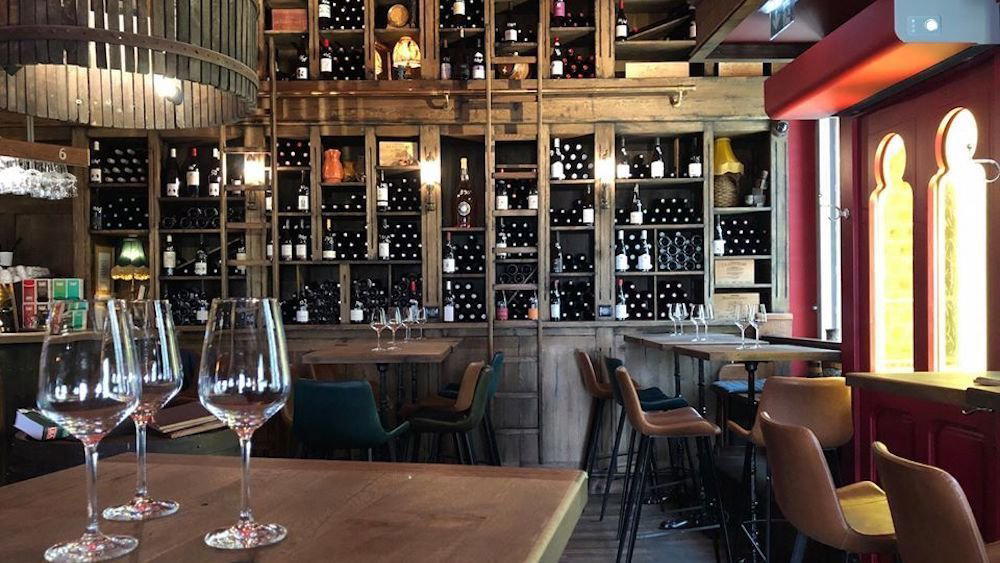
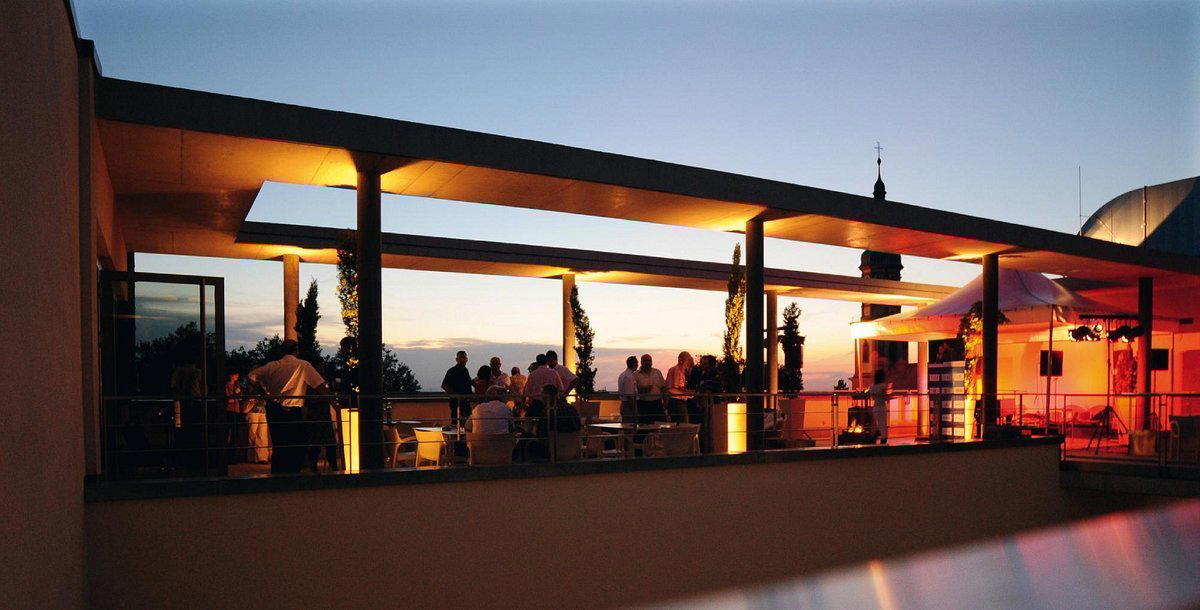
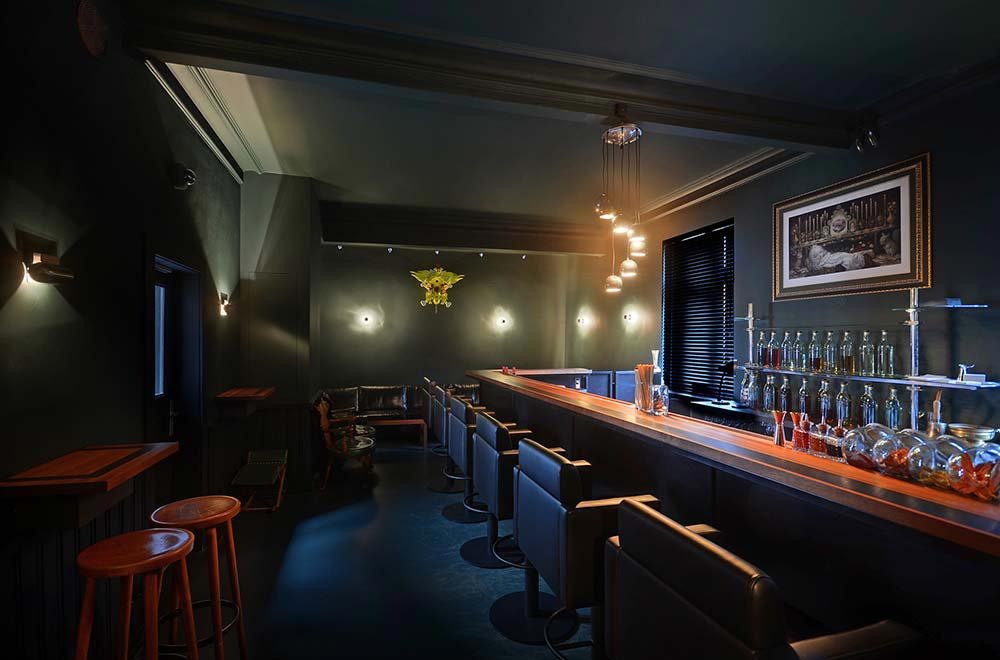


Hotels in Strasbourg
Browse all →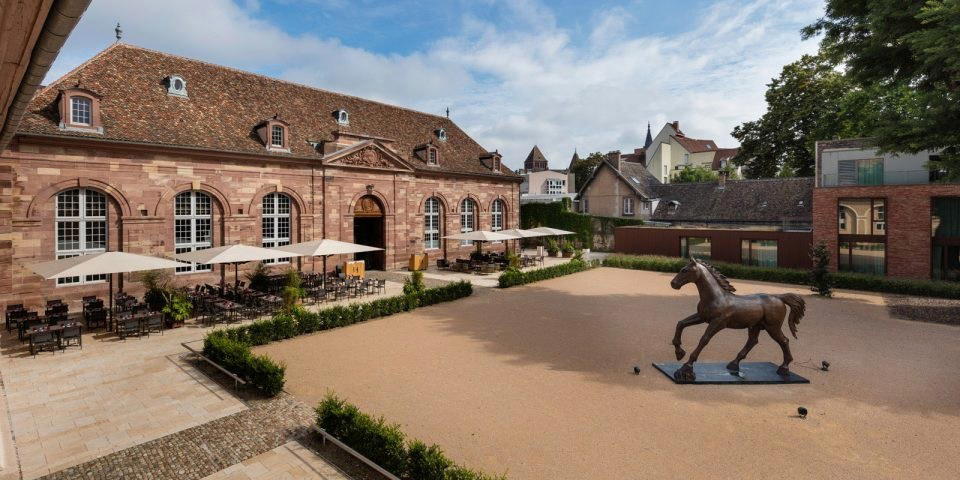
At a Glance
- Elegant
- Classic
- Sophisticated
- Historic
- Cozy
- Date Night
- Business Dinner
- Celebration
- Special Occasion
- Historic Building
- Open Kitchen
- Terrace
- Extensive Wine List
- Local Sourcing
Current opening hours
- Monday
- 11:45 AM–2 PM, 6:45 PM–12 AM
- Tuesday
- 11:45 AM–2 PM, 6:45 PM–12 AM
- Wednesday
- 11:45 AM–2 PM, 6:45 PM–12 AM
- Thursday
- 11:45 AM–2 PM, 6:45 PM–12 AM
- Friday
- 11:45 AM–2 PM, 6:45 PM–12 AM
- Saturday
- 11:45 AM–2 PM, 6:45 PM–12 AM
- Sunday
- 11:45 AM–2 PM, 6:45–11:45 PM
Hours can change for holidays and private events. Last verified .
Warm wooden interiors with leather scents, high ceilings, soft lighting, and a multisensory historic atmosphere.