La Catedral Cafe - North Lawndale
La Catedral Cafe sits on South Washtenaw Avenue in North Lawndale, a Chicago neighborhood where community anchors carry cultural weight alongside their menus. The cafe operates at the intersection of everyday accessibility and deeper culinary tradition, making it a reference point for understanding how informal dining spaces shape identity in underserved urban corridors. For visitors tracing Chicago's full food geography, it belongs on the itinerary alongside the city's more decorated addresses.
Pearl is the En Primeur Club membership app — saves, bookings, and concierge access live there. Same editors, same standards.
- Address
- 1407 S Washtenaw Ave., Chicago, IL 60608
- Phone
- +17734757196
- Website
- lacatedralcafe.com
- Directions
- Get directions
 Saves & bookings on Pearl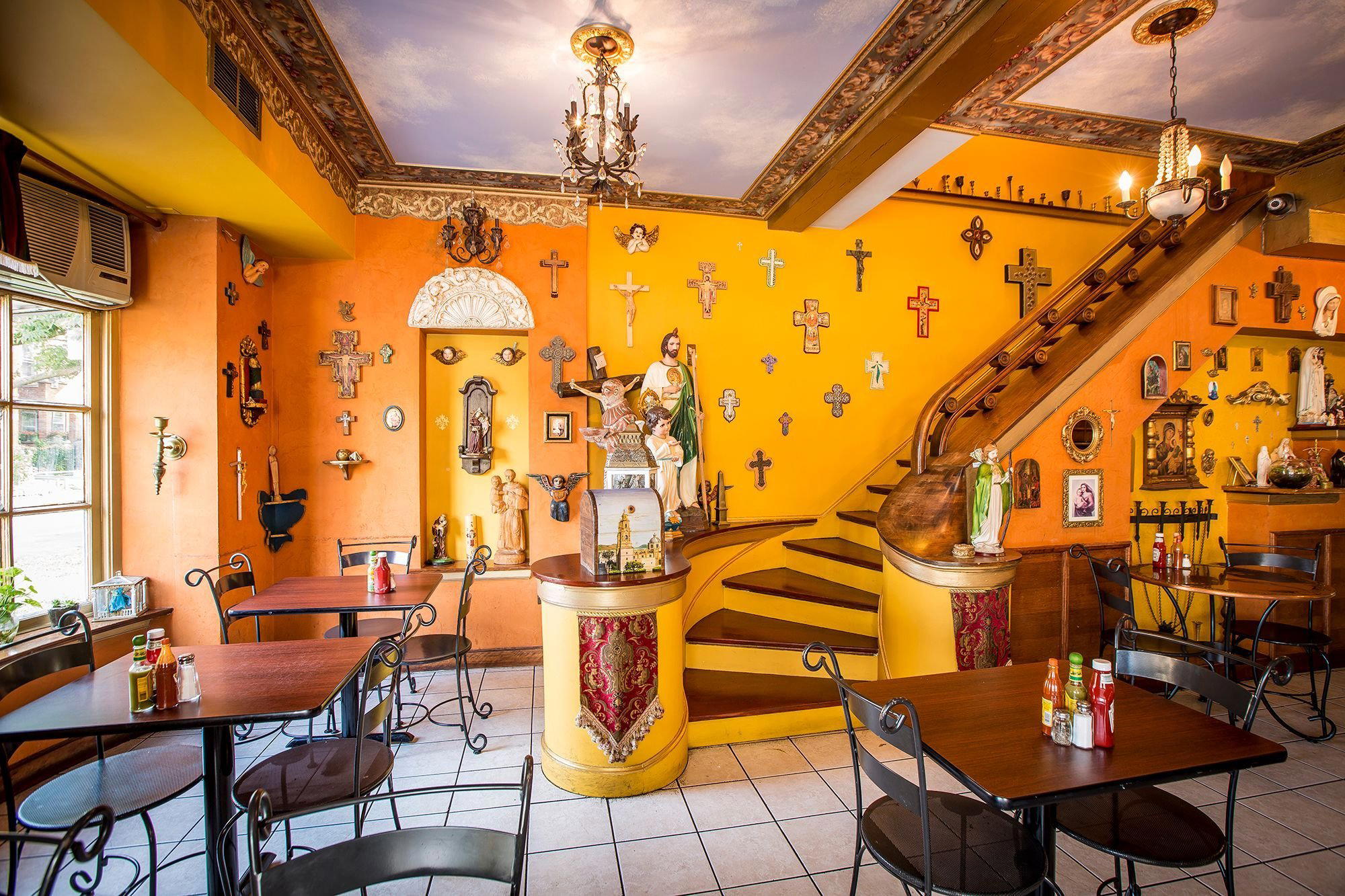
South Washtenaw and the Weight of the Corner Cafe
Along South Washtenaw Avenue, the built environment tells a story of persistence: community organizations, churches repurposed into gathering spaces, and small food businesses that do work the city's celebrated restaurant corridor does not attempt. La Catedral Cafe sits at 1407 S Washtenaw Ave in that context, and understanding what it represents requires reading the block before reading the menu.
Chicago's dining conversation concentrates heavily on the Near North Side and the West Loop, where Alinea, Smyth, and Oriole define one version of the city's culinary identity. The tasting-menu tier, which also includes Next Restaurant and the Filipino-inflected ambition of Kasama, operates at price points and booking cadences that orient them toward a specific demographic. North Lawndale's food culture operates by different logic entirely, one rooted in accessibility, cultural continuity, and the practical reality of feeding a community that has historically been underserved by both investment and infrastructure.
Where Local Ingredients Meet Imported Method
The editorial angle that matters most for a cafe in this zip code is not the wine list or the tasting menu format. It is the question of how culinary traditions travel and take root. Across the United States, neighborhoods with significant Latin American populations have become sites where cooking techniques imported from Mexico, Central America, and the Caribbean meet the practical constraints and opportunities of the American Midwest. Chicago's South and West Sides are no exception. The name La Catedral, the cathedral, signals something beyond casual branding. Cathedral imagery in Latin American Catholic communities carries civic and communal resonance; it frames the space as a place of gathering, not merely transaction.
That framing connects to a broader pattern visible in cities from San Antonio to Chicago: informal cafes operating as de facto community centers, where the food anchors neighborhood life in ways that more formally decorated establishments cannot replicate. Compare that function to the farm-to-table mission of Blue Hill at Stone Barns in New York or the ingredient-sourcing rigor of Single Thread Farm in Healdsburg, and a different relationship between place and food emerges. Those operations build provenance narratives from above; neighborhood cafes like La Catedral build them from within the community itself.
The intersection of imported technique and local context is where interesting American food stories currently live. Lazy Bear in San Francisco and Providence in Los Angeles have both articulated versions of this thesis at higher price points. The version that plays out in North Lawndale is less documented but no less legitimate as a culinary and cultural statement.
North Lawndale as a Dining Destination
Visitors who limit their Chicago food itinerary to River North and Fulton Market miss a substantial portion of the city's actual food culture. The neighborhoods along the western corridor, including North Lawndale, Pilsen, and Little Village, contain some of the densest concentrations of Mexican and Latin American cooking in the Midwest. Pilsen's taqueries and bakeries have attracted attention from national food media; Little Village's 26th Street commercial strip is, by some accounts, one of the highest-grossing retail corridors in the state. North Lawndale sits adjacent to that density and shares its culinary reference points.
For visitors building a broader sense of Chicago's food geography, the full Chicago restaurants guide provides the wider context. But the guide's decorated tier, which parallels award-recognized addresses like The French Laundry in California or Addison in San Diego at the national level, should not be treated as the only map worth reading. Cities reveal themselves most fully when the itinerary includes both the Michelin-tracked and the community-anchored.
Internationally, the instructive parallel may be the role of the working cafe in densely populated urban neighborhoods from Mexico City to Hong Kong. 8½ Otto e Mezzo Bombana represents one end of Hong Kong's dining spectrum; the neighborhood tea house or noodle shop represents the other, and both are essential to understanding how that city eats. Chicago works the same way.
What the Sparse Record Tells You
That data absence is itself informative. Particularly formally documented Chicago restaurants, from the James Beard-recognized to the Michelin-starred, have had substantial institutional attention directed at them. A cafe on South Washtenaw without a website or a listed phone number is operating in a different register of visibility, one that corresponds to its neighborhood position and its likely function as a local regular's spot rather than a destination dining address.
That pattern holds across American cities. Emeril's in New Orleans and Bacchanalia in Atlanta carry the documentation infrastructure of recognized destination restaurants. The cafe in an underinvested neighborhood carries its reputation through local word of mouth and repeat patronage rather than press cycles. Atomix in New York and The Inn at Little Washington operate in ecosystems where formal recognition is part of the business model. La Catedral's ecosystem works differently, and that difference is worth acknowledging rather than treating as a gap to paper over.
Planning a Visit
Visitors should approach La Catedral Cafe as they would any neighborhood-embedded spot: arrive in person and check the posted hours at the address (1407 S Washtenaw Ave. Chicago, IL 60608). Reservations: walk-in friendly. Dress: casual. Budget: about $15 per person. Getting there: The address is 1407 S Washtenaw Ave. Chicago, IL 60608. Timing: daily from 7 AM to 3 PM.
Cuisine-First Comparison
Comparable venues nearby, for context on price, style, and recognition.
| Venue | Cuisine | Price | Notes |
|---|---|---|---|
| La Catedral Cafe - North LawndaleThis venue — the venue you are viewing | Guadalajara-Inspired Mexican | $$ | Not listed |
| Asadito | Authentic Mexican Taqueria | $$ | West Loop |
| Su Casa Mexican Restaurant | Traditional Mexican | $$ | River North |
| Big Star West Town | Mexican Seafood Taqueria | $$ | West Town |
| La Catedral Cafe Little Village | Guadalajara-inspired Mexican Cafe | $$ | Little Village |
| Moe's Cantina River North | Mexican Cantina | $$ | River North |


At a Glance
- Cozy
- Rustic
- Brunch
- Casual Hangout
Current opening hours
- Monday
- 7 AM–3 PM
- Tuesday
- 7 AM–3 PM
- Wednesday
- 7 AM–3 PM
- Thursday
- 7 AM–3 PM
- Friday
- 7 AM–3 PM
- Saturday
- 7 AM–3 PM
- Sunday
- 7 AM–3 PM
Hours can change for holidays and private events. Last verified .
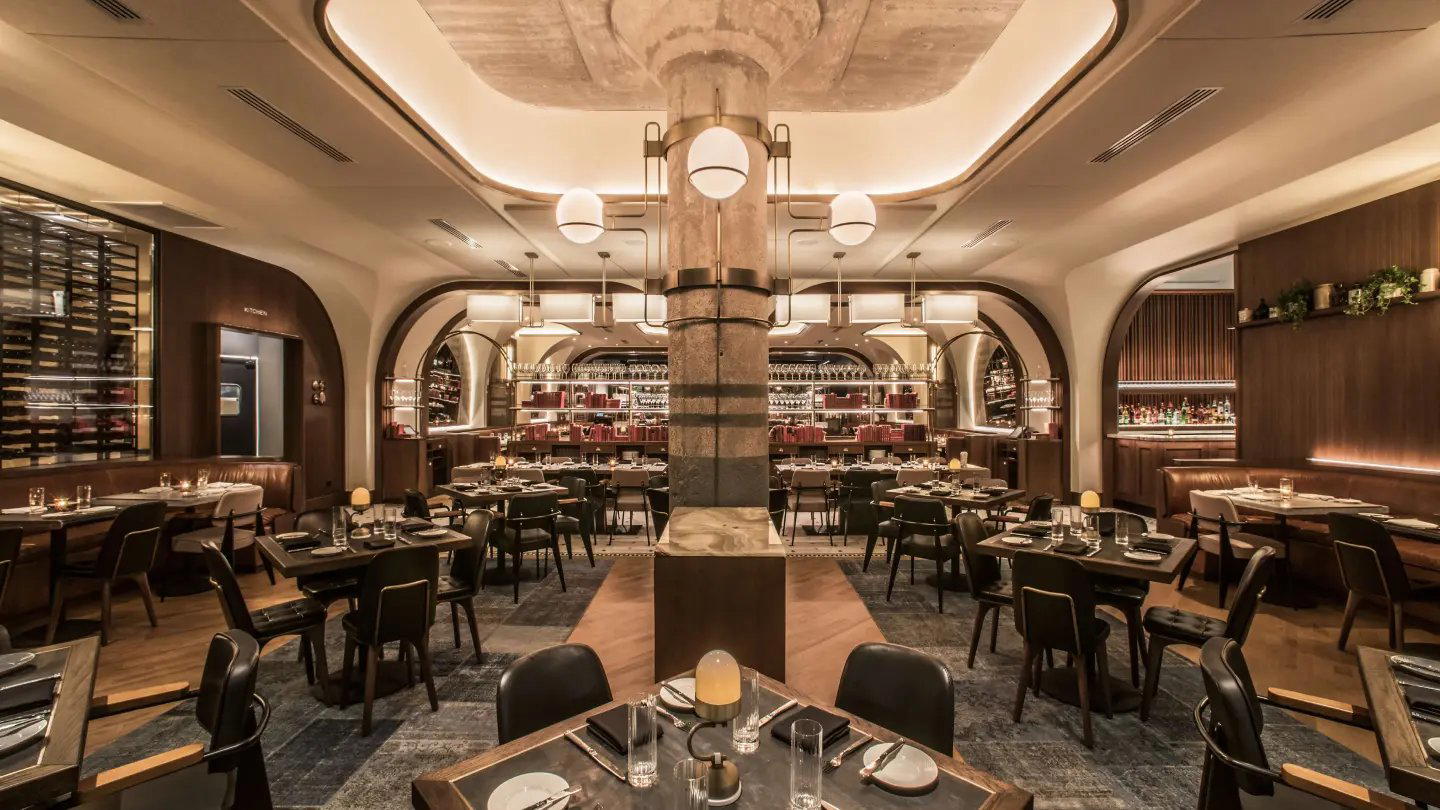
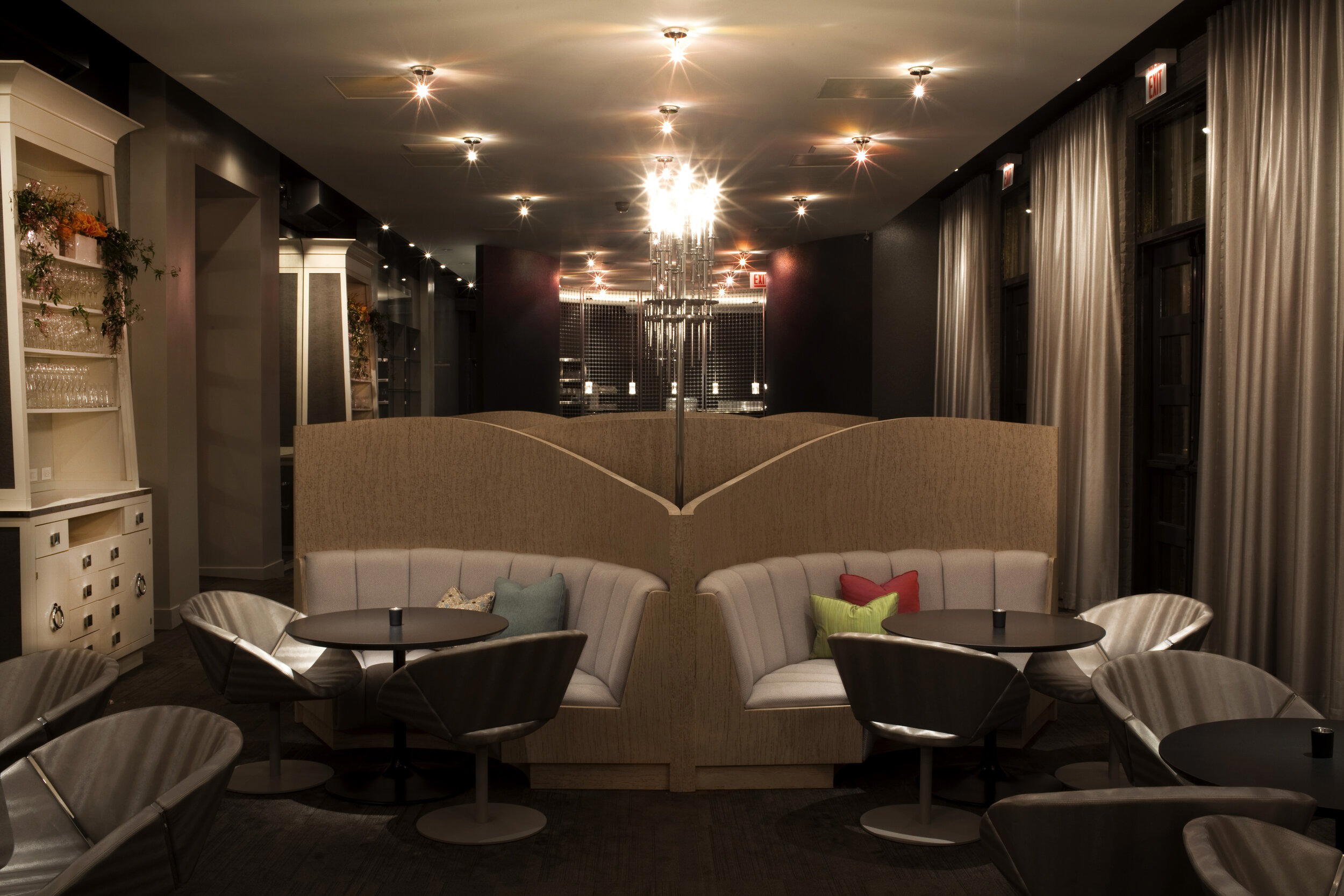
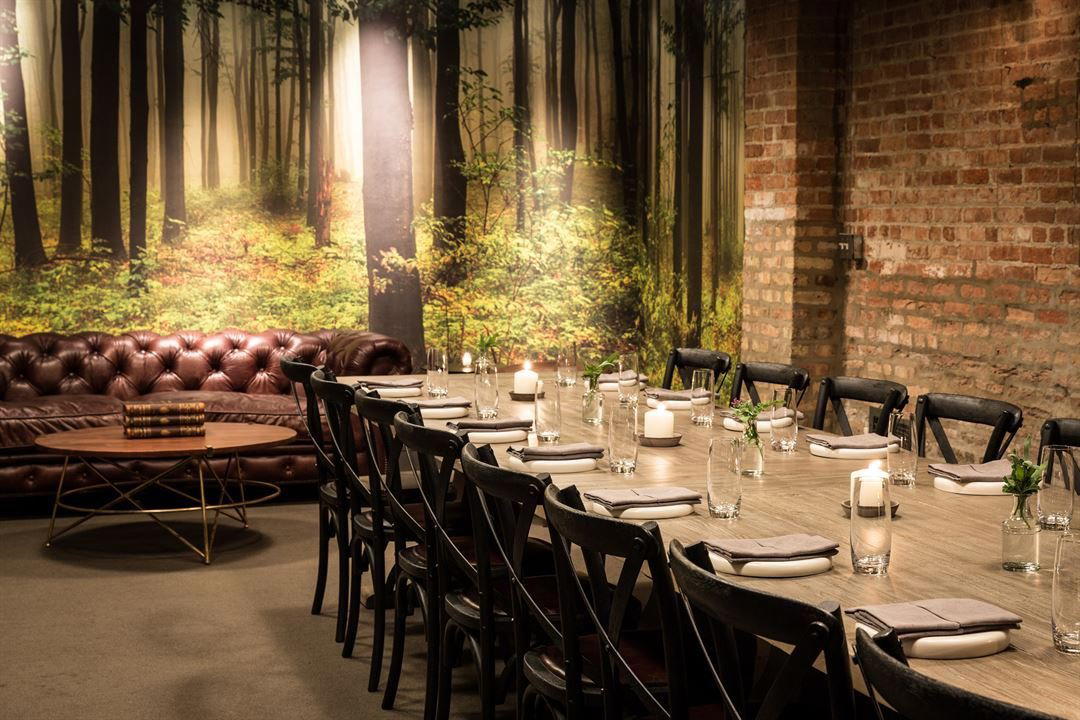
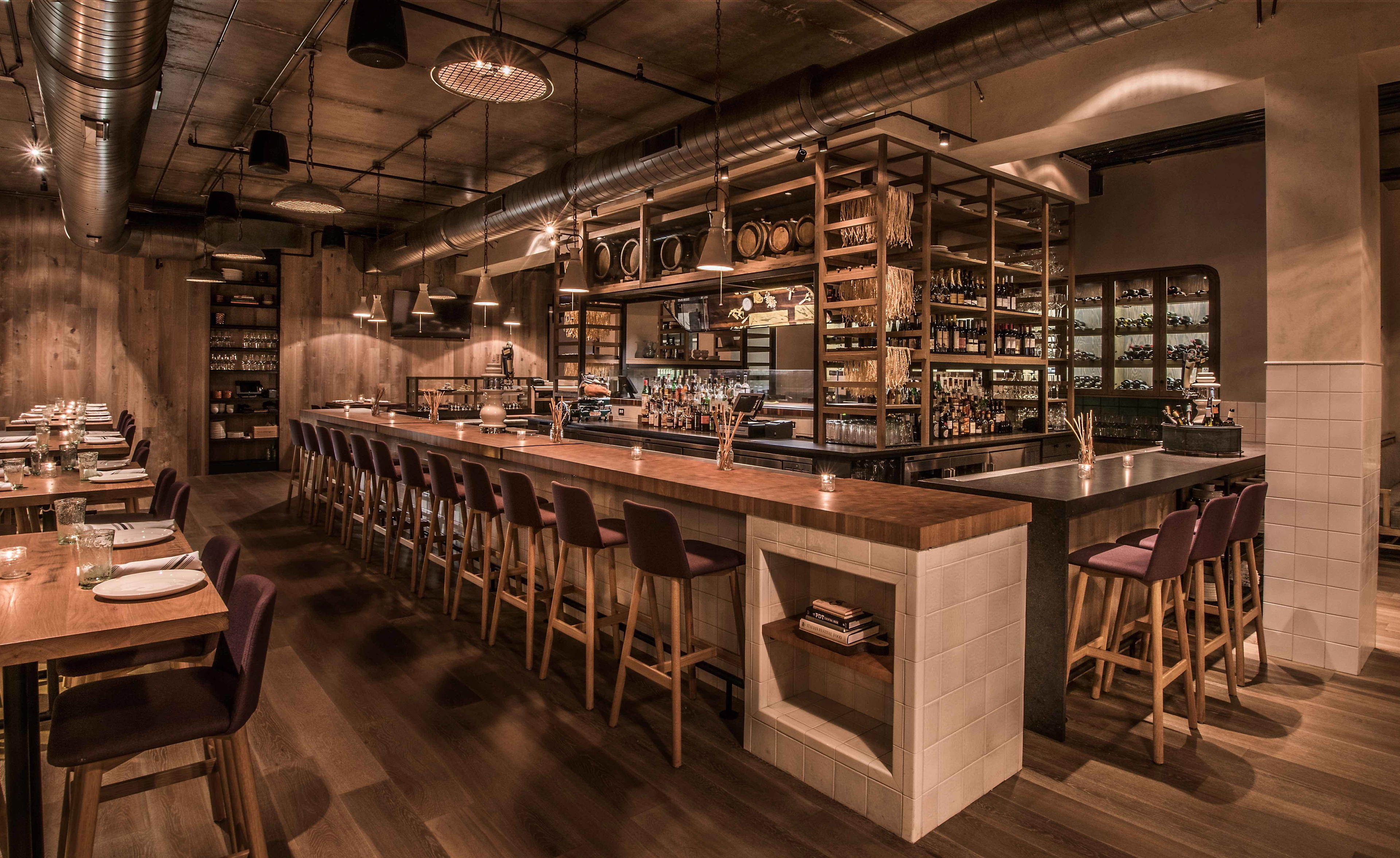
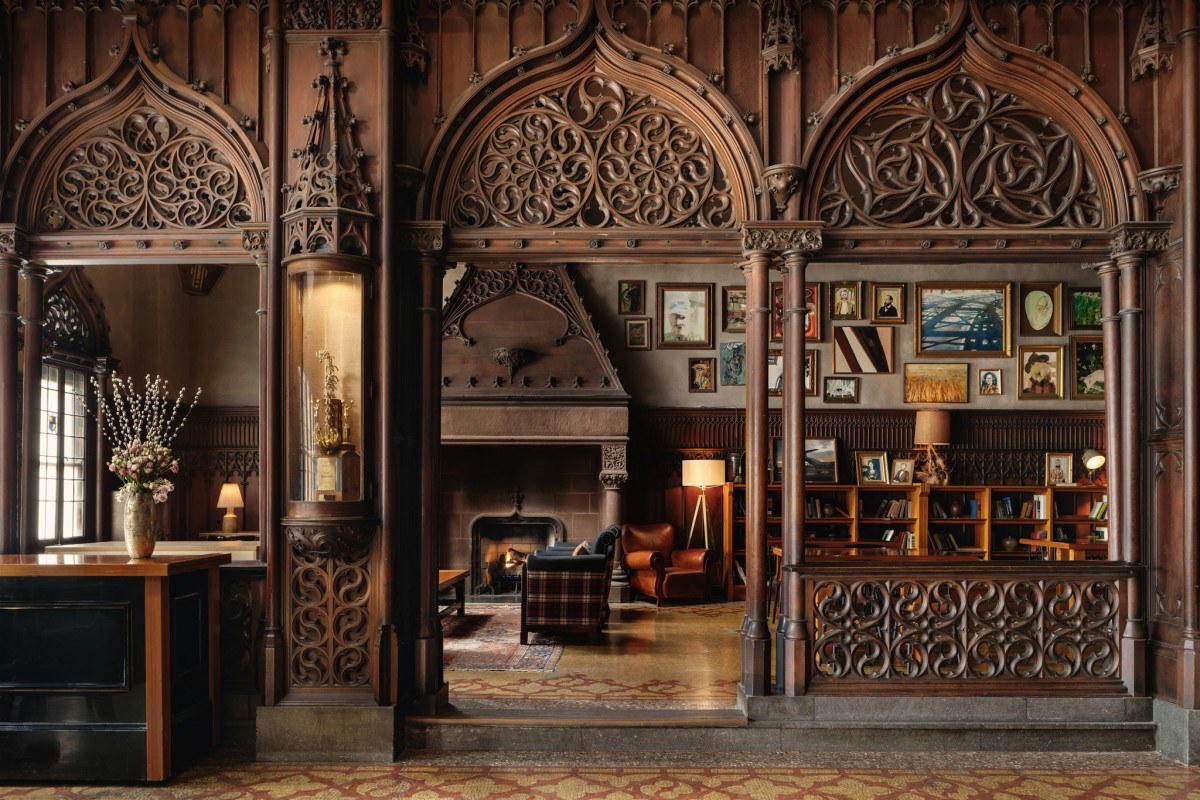
Cozy chalet-style interior with heavenly Catholic-based religious artifacts on ceilings and walls, creating an inciting dining atmosphere.