On Rue Fourcroy in the 17th arrondissement, La Cantine de Samuel occupies a quieter register than the grand-room institutions of the 8th. Where Paris's €€€€ tier runs toward formal architecture and multi-hour ceremony, this address reads as a more intimate proposition, one where the wine list and the kitchen work in close enough alignment to reward the kind of attention most diners bring to a tasting menu destination.
Pearl is the En Primeur Club membership app — saves, bookings, and concierge access live there. Same editors, same standards.
- Address
- 11 Rue Fourcroy, 75017 Paris, France
- Phone
- +33173732341
- Website
- lacantinedesamuel.com
- Directions
- Get directions
 Saves & bookings on Pearl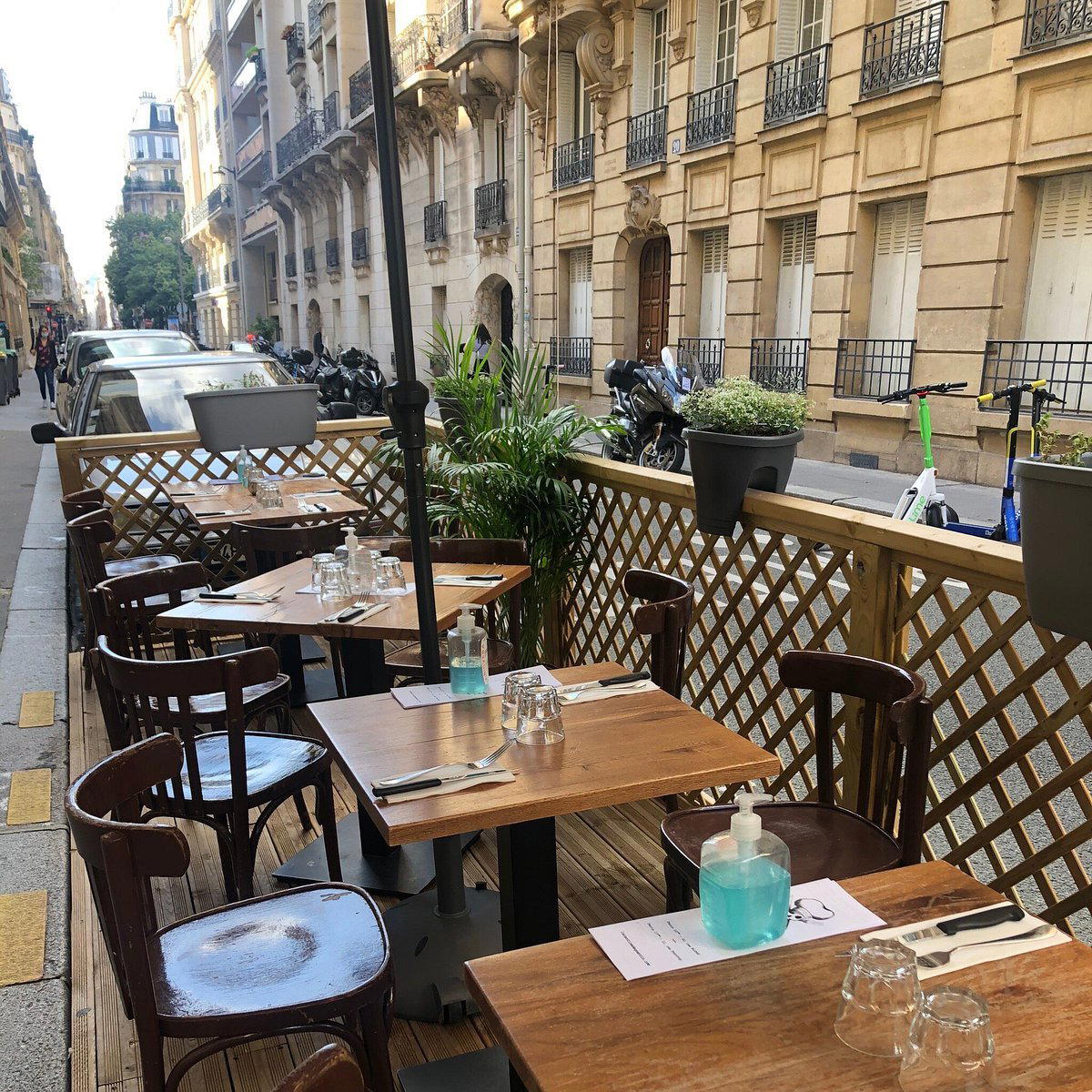
The 17th and the Question of Register
Paris has long sorted its serious restaurants into two broad camps: the grand institutions anchored in the 6th, 7th, and 8th arrondissements, where the room itself signals occasion, and the quieter neighbourhood addresses that earn loyalty through repetition rather than ceremony. The 17th arrondissement sits closer to the second tradition. Rue Fourcroy, where La Cantine de Samuel operates at number 11, is residential in character, the kind of street where a restaurant's reputation travels by word of table rather than by guidebook placement. That geography matters when calibrating expectations. This is not the register of Alléno Paris au Pavillon Ledoyen or Le Cinq at the Four Seasons George V, where the room architecture does half the work before the first course arrives. It belongs to a smaller, more particular category of Paris dining where the kitchen and the cellar are expected to carry the full weight of the experience.
Wine as the Primary Lens
In Paris's mid-to-upper tier, the gap between a restaurant with a wine list and a restaurant built around wine is wider than it appears on paper. Many addresses in this price bracket maintain cellars that function as inventory, competent, coverage-focused, oriented toward the classics that diners expect to find. A smaller cohort treats the cellar as an editorial statement, where the selection reflects a point of view about producers, regions, and the relationship between glass and plate. La Cantine de Samuel signals membership in that second category through its name alone: a cantine, in French culinary tradition, implies something personal and proprietorial, a place where the person behind the counter has decided what matters and what does not.
That framing connects to a broader pattern visible across French provincial dining as well. Houses like Auberge du Vieux Puits in Fontjoncouse and Bras in Laguiole have long demonstrated that cellar depth in a provincial setting can rival or exceed what Paris institutions offer, precisely because ownership structures allow for longer-term acquisition. The capital's neighbourhood restaurants are increasingly aware of this comparison. An address like La Cantine de Samuel, positioned outside the formal fine-dining circuit, has the flexibility to build a list that reflects genuine curation rather than the expectations of a hotel group or a starred-restaurant clientele accustomed to a fixed canon of Burgundy and Bordeaux.
Kitchen and Plate in Context
French cuisine at the neighbourhood level in Paris is not a single tradition. It spans everything from the bistrot classique, steak frites, marrow bone, a chalkboard list of natural wines, to the more ambitious contemporary addresses that operate without the ceremony of a grand restaurant but expect the same level of engagement from the diner. The 17th has historically leaned toward the former: it is a quarter for regulars rather than tourists, and its restaurants reflect that. The question La Cantine de Samuel poses is where it sits along that spectrum, and the answer, based on the address and the name's framing, is somewhere in the more considered middle, not a bistrot in the casual sense, but not a destination in the way that Arpège or L'Ambroisie use that term.
That middle register is actually where Paris's most interesting wine-forward dining has been developing. Places in this tier can price bottles aggressively because their overheads are lower than the palace hotels, and they can take risks on lesser-known producers because their clientele is more likely to follow than to resist. The comparison set is closer to the natural wine bars of the 11th than to the grand tasting menu addresses, even if the kitchen ambition may exceed what those bars typically offer. Internationally, the parallel is something like the approach taken by Le Bernardin in New York, where the beverage program carries as much critical weight as the kitchen, though in a different price register and format.
France's Broader Dining Geography as Context
Understanding what a Paris neighbourhood address can offer requires some sense of what French dining looks like beyond the capital. The three-star circuit, Troisgros in Ouches, Flocons de Sel in Megève, Auberge de l'Ill in Illhaeusern, operates with accumulated cellars that reflect decades of acquisition. Paul Bocuse's Auberge du Pont de Collonges is one extreme example of this: a cellar whose depth reflects the institution's longevity as much as any curatorial philosophy. Mirazur in Menton and AM par Alexandre Mazzia in Marseille represent the other end of the contemporary spectrum, kitchens where the beverage program is expected to match the technical ambition of the cooking. A Paris neighbourhood address operates in a different economy, but the expectation that wine and food should speak to each other rather than coexist has filtered down from those reference points into the broader dining culture.
Regional diversity in French wine is also increasingly visible at this tier. Where a grand restaurant might anchor its list in Premier and Grand Cru Burgundy, a wine-forward neighbourhood address is as likely to reach into the northern Rhône, the Loire's less-heralded appellations, or the emerging producers in the Jura and Savoie. The sommelier's role in such places is curatorial in a genuine sense: the list should tell you something about what the person behind it finds interesting, not simply confirm what the clientele already knows. Assiette Champenoise in Reims and Au Crocodile in Strasbourg both demonstrate how regional anchoring in a cellar can sharpen a restaurant's identity, even within a broader French framework. The same logic applies at the neighbourhood level in Paris, where a list that reflects a specific point of view about French wine geography is a stronger signal of seriousness than sheer volume.
Planning a Visit
The 17th's dining scene is not structured around tourist traffic, which means the rhythm of a meal here will feel different from the grand-room addresses in the 8th. Given the neighbourhood character of the address and the wine-forward positioning implied by the name and format, booking ahead is recommended. For contemporary references that sit closer to the technical end of the Paris spectrum, Kei and Atomix in New York illustrate how the wine-and-kitchen dialogue plays out in more formally structured tasting menu environments, useful comparisons for calibrating what a less ceremony-bound address like La Cantine de Samuel is choosing not to do.
A Minimal comparable set
Comparable venues nearby, for context on price, style, and recognition.
| Venue | Cuisine | Price | Notes |
|---|---|---|---|
| La Cantine de SamuelThis venue — the venue you are viewing | Ternes, French Bistro | $$ | Not listed |
| Ferdi | Not listed | $$ | Louvre / Palais-Royal, French Brasserie with Latin American & Mediterranean Influences |
| Le Grand Pan | Not listed | $$ | 15th Arr. - Vaugirard, Classic French Bistro |
| Lulu la nantaise | Not listed | $$ | 10th Arr. - Entrepôt, Breton Creperie |
| Season Marais | Le Marais, Modern Healthy French Café | $$ | Not listed |
| Le comptoir de la traboule | Gros-Caillou, Creative French Bistro | $$ | Not listed |




At a Glance
- Cozy
- Intimate
- Casual Hangout
- Date Night
- Extensive Wine List
Current opening hours
- Monday
- 12–2 PM
- Tuesday
- 12–2 PM
- Wednesday
- 12–2 PM, 7–10 PM
- Thursday
- 12–2 PM, 7–10 PM
- Friday
- 12–2 PM, 7–10 PM
- Saturday
- Closed
- Sunday
- Closed
Hours can change for holidays and private events. Last verified .
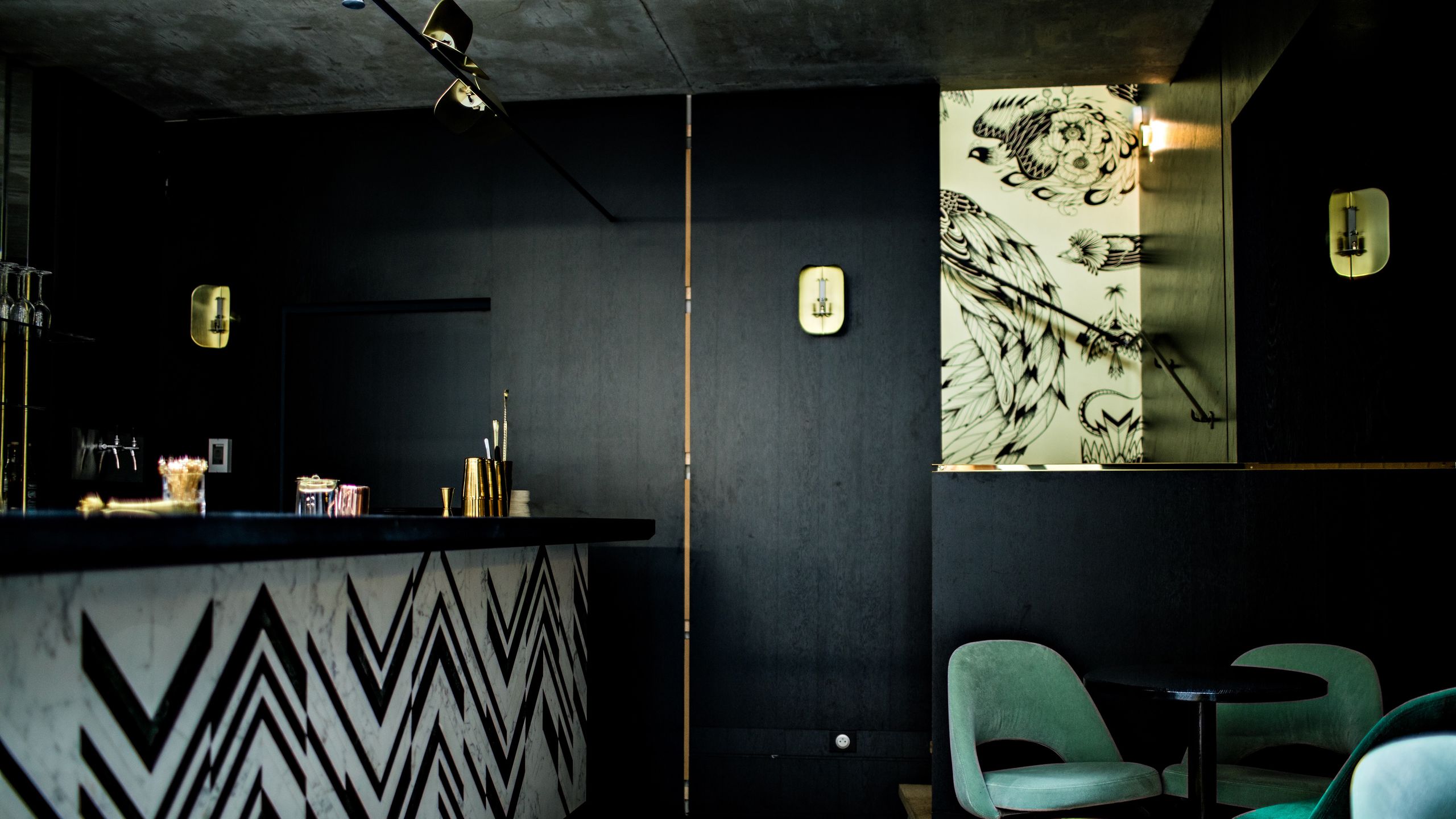
Cadre chaleureux et convivial avec atmosphère intime.