Season Marais occupies a specific position in the Le Marais dining scene, where the 3rd arrondissement's shift toward considered, produce-led cooking has created space for restaurants that prioritise kitchen-floor collaboration over individual star power. Located on Rue Charles-François Dupuis, the address places it within walking distance of the Place de la République axis and the older Marais restaurant corridor.
Pearl is the En Primeur Club membership app — saves, bookings, and concierge access live there. Same editors, same standards.
- Address
- 1 Rue Charles-François Dupuis, 75003 Paris, France
- Phone
- +33 1 42 71 52 97
- Website
- season-paris.com
- Directions
- Get directions
 Saves & bookings on Pearl
Le Marais and the Rise of Collaborative Kitchens
The 3rd arrondissement has spent the last decade quietly repositioning itself. Where the broader Marais once meant tourist-facing brasseries and late-night falafel queues along Rue des Rosiers, the streets north of the Arts et Métiers metro have attracted a different category of restaurant: smaller rooms, shorter menus, and kitchens where the relationship between chef, sommelier, and service team shapes what arrives at the table as much as any single technique. Season Marais is a Modern Healthy French Café at 1 Rue Charles-François Dupuis, 75003 Paris, France.
The city's leading table conversation is often dominated by the grands établissements, places like Alléno Paris au Pavillon Ledoyen or Arpège, where a named chef's vision anchors everything. But below that tier, a different model has taken hold: rooms where the cooking, the glass pairings, and the pacing of service function as a unified proposition rather than a hierarchy with the kitchen at the leading. Season Marais represents that model in one of Paris's most architecturally layered neighbourhoods.
The Room and What It Signals
Approaching the address from Boulevard du Temple, Rue Charles-François Dupuis narrows into the quieter residential grain of the upper Marais. This part of the 3rd has less foot traffic than the Haut-Marais gallery circuit and considerably less than the tourist pressure of the 4th, which means the restaurant's immediate context is local rather than destination-heavy. In Paris, that distinction matters. Restaurants that survive and build reputation in genuinely local pockets of the city tend to do so on repeat custom, which disciplines the kitchen toward consistency over spectacle.
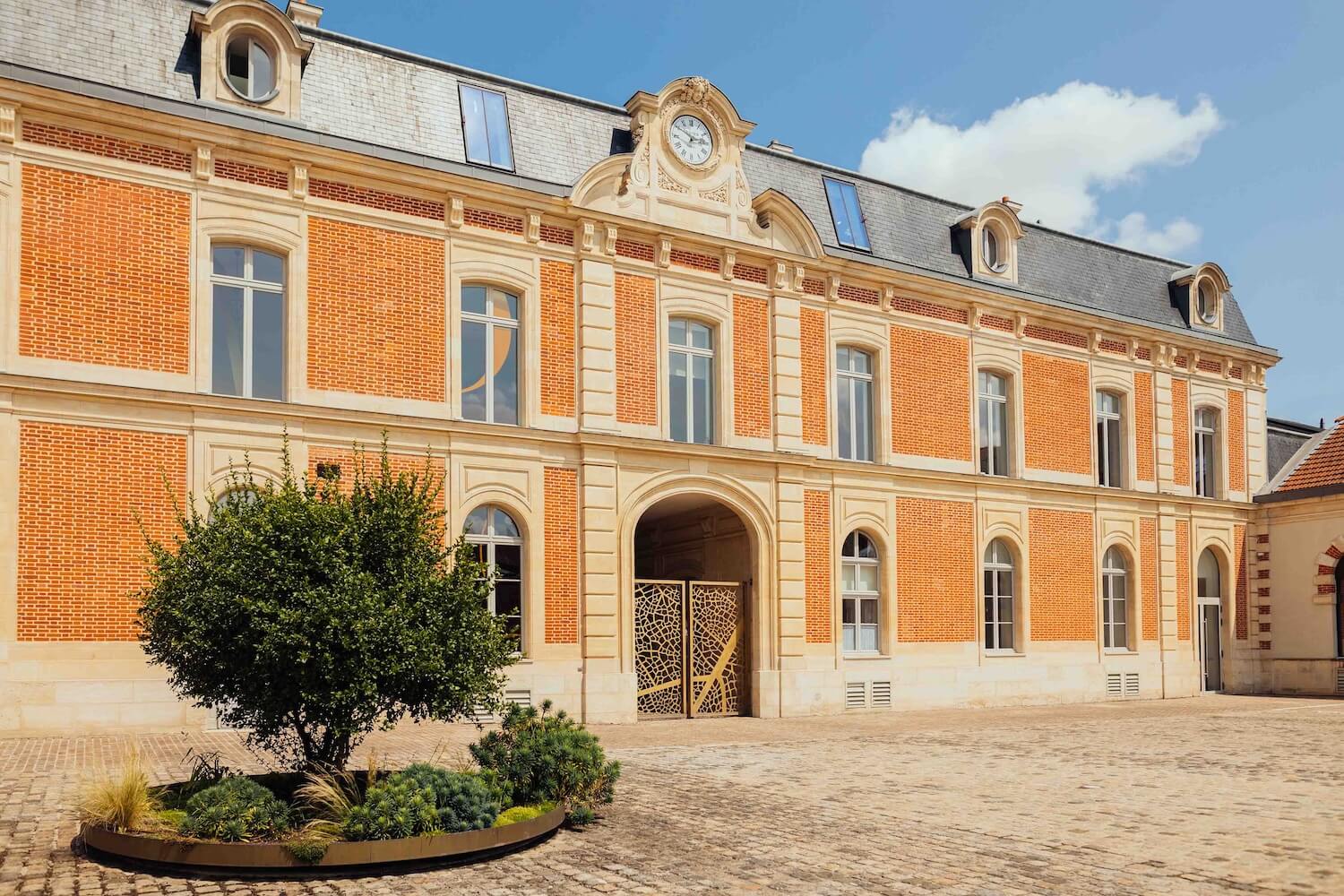
The physical environment here belongs to a category of Parisian dining room that prizes restraint in decoration. Stone, wood, and considered light are the materials of choice across this neighbourhood tier, and the format generally runs to fewer than fifty covers, which keeps service ratios tight enough to allow the kind of attentive, personalised interaction that defines the collaborative front-of-house model.
Team Dynamics as Editorial Subject
The editorial angle on Season Marais is best understood through the relationship between kitchen and floor. In rooms where the sommelier has genuine creative input, the wine list stops functioning as a revenue tool and starts functioning as a second menu. The pairing conversation moves from recommendation to dialogue, and the progression of a meal changes accordingly.
This is different from what happens at the formal end of Parisian dining. At a place like L'Ambroisie on the Place des Vosges, or Le Cinq at the Four Seasons George V, the service model is hierarchical and codified, with decades of tradition behind every gesture. The collaborative format that defines the restaurant and its comparable set is structurally looser, which allows for more variation across services but also demands that every member of the team understands the menu deeply enough to adapt in real time. It is a harder model to sustain than it appears.
Across France, the restaurants that have made this model work over sustained periods tend to share a common characteristic: the sommelier and the chef taste together, the menu and the list evolve in response to each other, and the front-of-house team has enough autonomy to make decisions at the table rather than deferring to a rigid script. You see versions of this at Mirazur in Menton and, in a more rustic register, at Bras in Laguiole. The Parisian version has a different pressure: the city's critical attention and the density of competition mean that inconsistency gets noticed quickly.
Paris's Wider Dining Field
Understanding where the restaurant sits requires some sense of the competitive field it operates within. Paris's restaurant scene stratifies sharply. At the leading, institutions like Kei, which brings Japanese precision to classical French structure, or the grande maison tradition represented by Flocons de Sel in Megève and Troisgros in Ouches, occupy a tier defined by multi-decade reputation and formal critical infrastructure. Further down the price and formality curve, Paris has more options than it has ever had, but the quality floor is uneven.
The 3rd arrondissement, and the upper Marais more broadly, has developed a cluster of restaurants that occupy the space between casual bistronomie and formal gastronomy. This is not an easy position to hold. The cooking needs to be technically serious enough to justify prices above the neighbourhood bistro, but the room and the service need to feel approachable enough to work for the local audience that sustains these places between weekend dinner rushes. The venues that get this calibration right tend to last; those that tip too far toward formality or too far toward casualness tend not to.
For comparison, international kitchens with strong collaborative team cultures, such as Le Bernardin in New York or the community-driven format of Lazy Bear in San Francisco, operate with similar underlying logic even if the price point and scale differ substantially. The thread connecting them is that the meal's quality depends on how well the whole team functions, not just on what the kitchen sends out.
Provincially, the French tradition of destination dining, from Auberge de l'Ill in Illhaeusern to Paul Bocuse in Collonges-au-Mont-d'Or and Les Prés d'Eugénie in Eugénie-les-Bains, built reputations over generations on exactly this kind of holistic team approach. The Parisian neighbourhood version compresses that tradition into a smaller room and a faster-moving context, but the underlying logic is the same. See also Georges Blanc in Vonnas, La Table du Castellet, and Auberge du Vieux Puits in Fontjoncouse for regional examples of the model at its most coherent.
Know Before You Go
- Address: 1 Rue Charles-François Dupuis, 75003 Paris, France
- Arrondissement: 3rd (upper Marais, near Arts et Métiers and Place de la République)
- Metro access: Arts et Métiers (lines 3 and 11) is the nearest station; République (lines 3, 5, 8, 9, 11) is a short walk
- Booking: Walk-in friendly; reservations are not required.
- Price range: Around $15 per person.
The Essentials
Comparable venues nearby, for context on price, style, and recognition.
| Venue | Cuisine | Price | Notes |
|---|---|---|---|
| Season MaraisThis venue — the venue you are viewing | Le Marais, Modern Healthy French Café | $$ | Not listed |
| Jaja | Marais, Modern French Bistro | $$ | Not listed |
| Brasserie Flo | Not listed | $$ | 10th arrondissement, Classic French Alsatian Brasserie |
| Café de la Nouvelle Mairie | Latin Quarter, Traditional French Bistro | $$ | Not listed |
| ANCO | Bercy, Modern French Bistronomic | $$ | Not listed |
| La Mère Catherine | Montmartre, Traditional French Bistro | $$ | Not listed |
Continue exploring
More in Paris
Restaurants in Paris
Browse all →
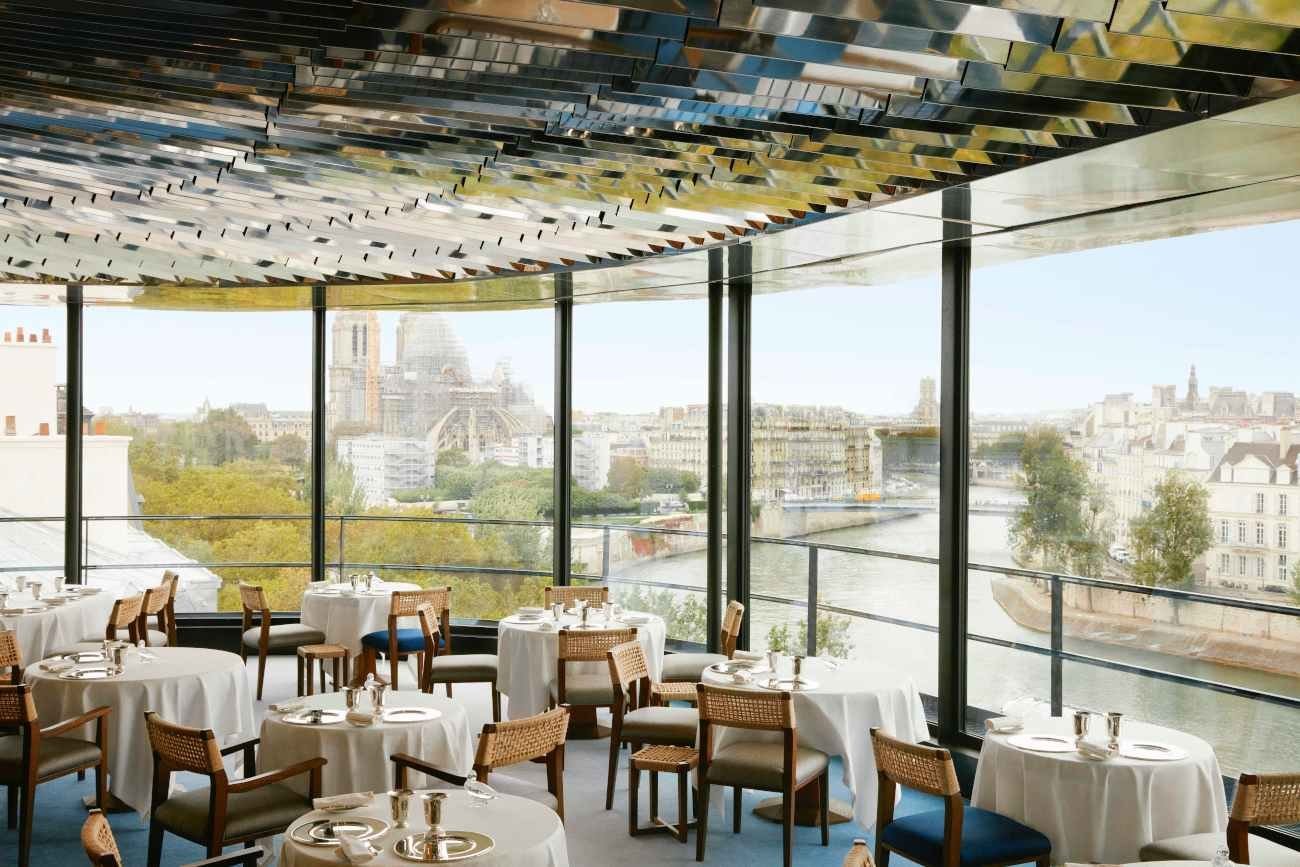
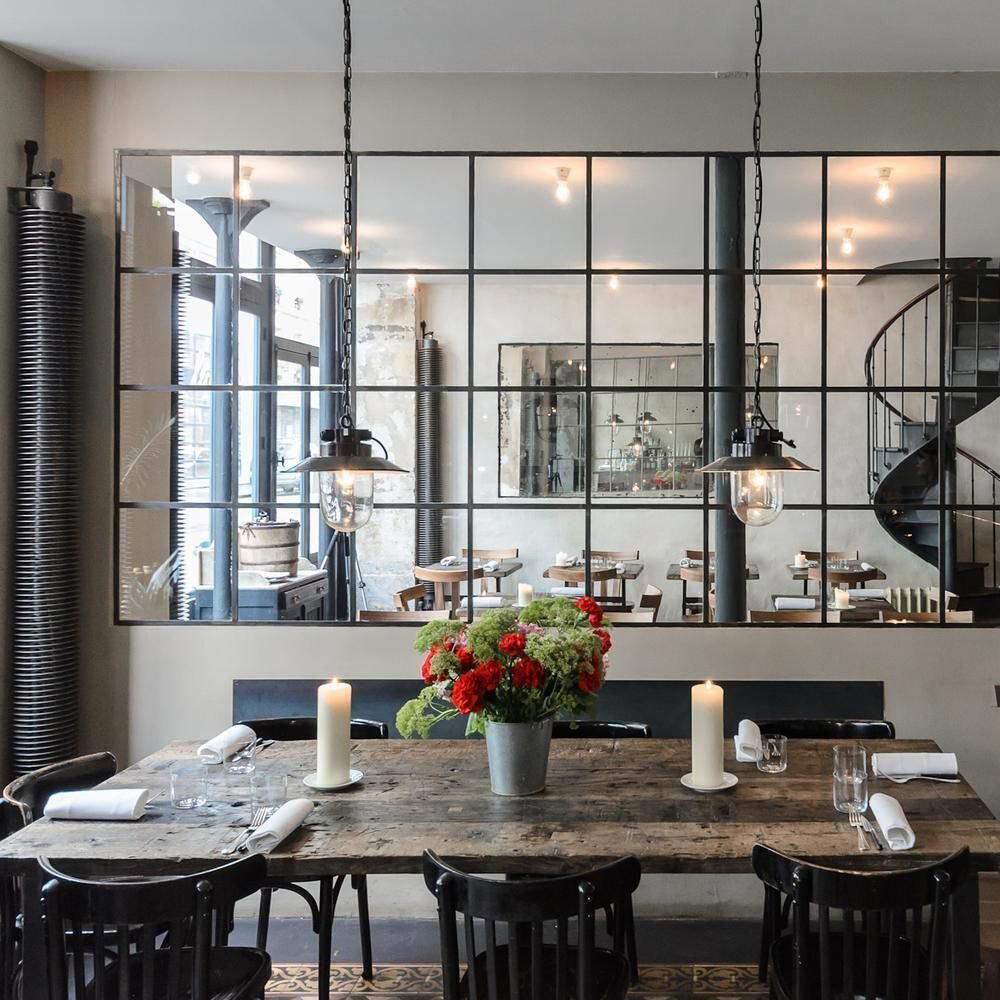
Bars in Paris
Browse all →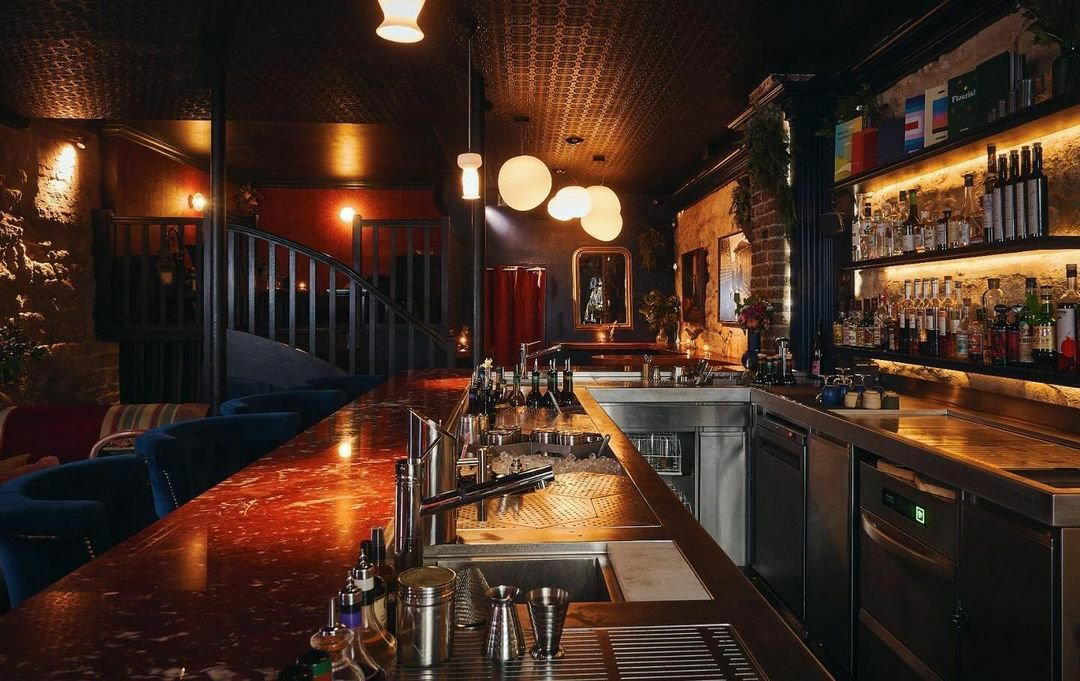
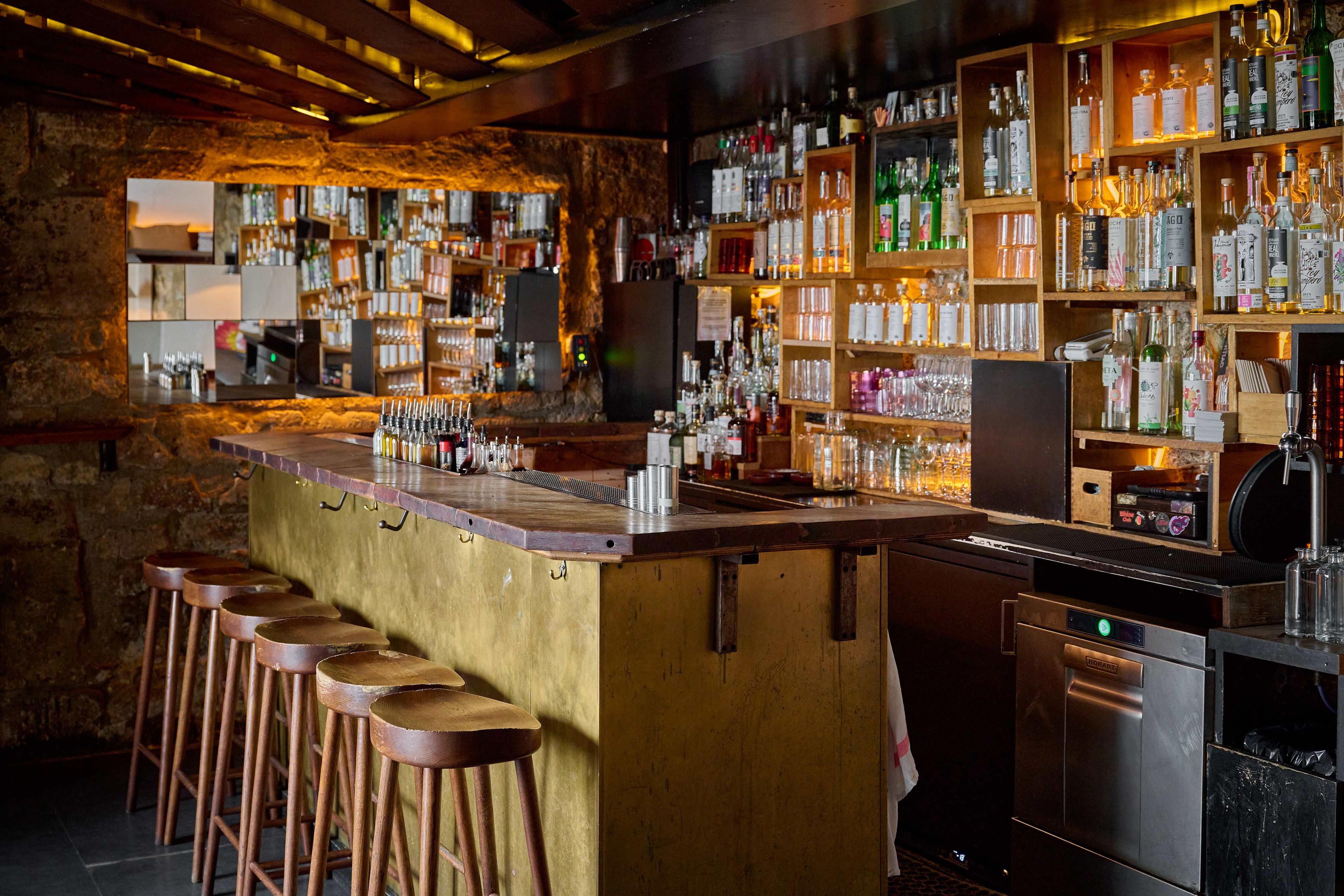
Hotels in Paris
Browse all →



At a Glance
- Trendy
- Modern
- Casual
- Brunch
- Casual Hangout
- Solo
- Standalone
- Zero Proof
Current opening hours
- Monday
- 8:30 AM–5 PM
- Tuesday
- 8:30 AM–5 PM
- Wednesday
- 8:30 AM–5 PM
- Thursday
- 8:30 AM–5 PM
- Friday
- 8:30 AM–5 PM
- Saturday
- 9 AM–6 PM
- Sunday
- 9 AM–6 PM
Hours can change for holidays and private events. Last verified .
Bright, casual, and energetic with a focus on fresh, light aesthetics that appeals to health-conscious diners and Instagram enthusiasts.