.png)
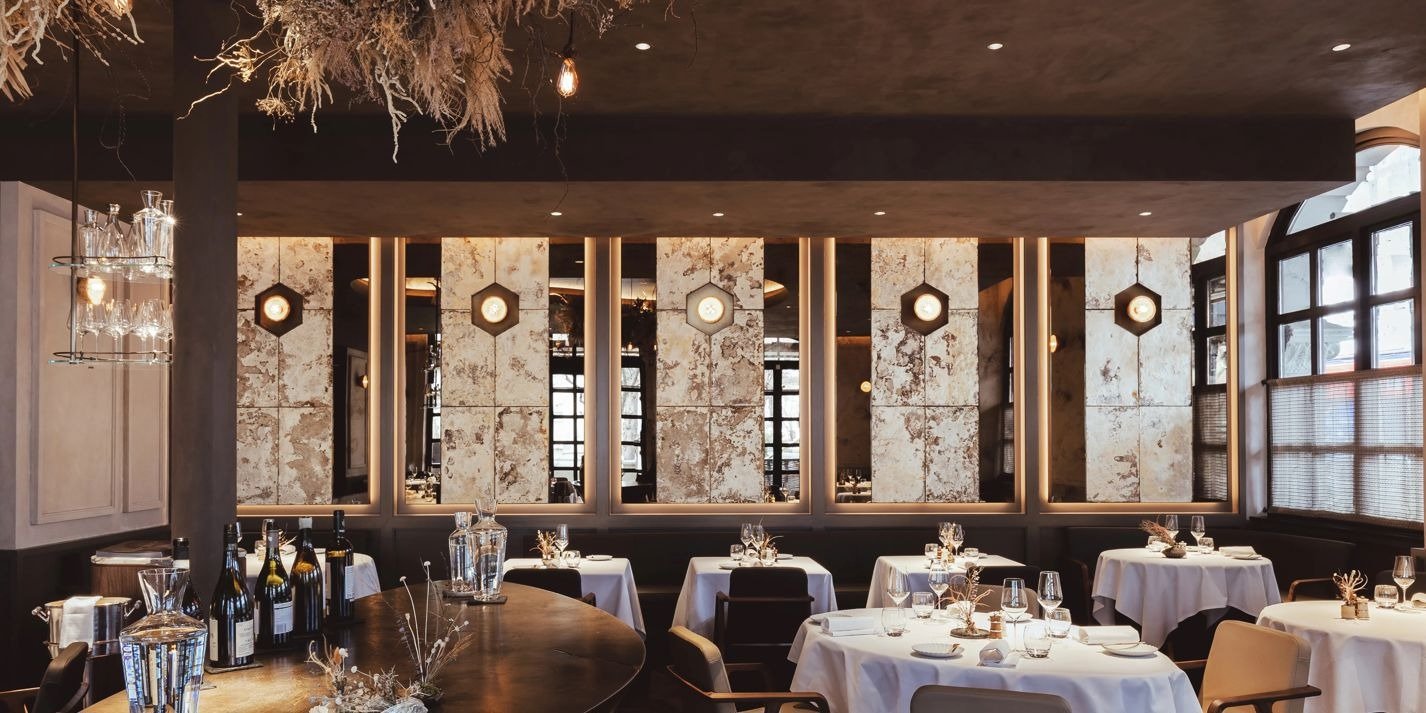
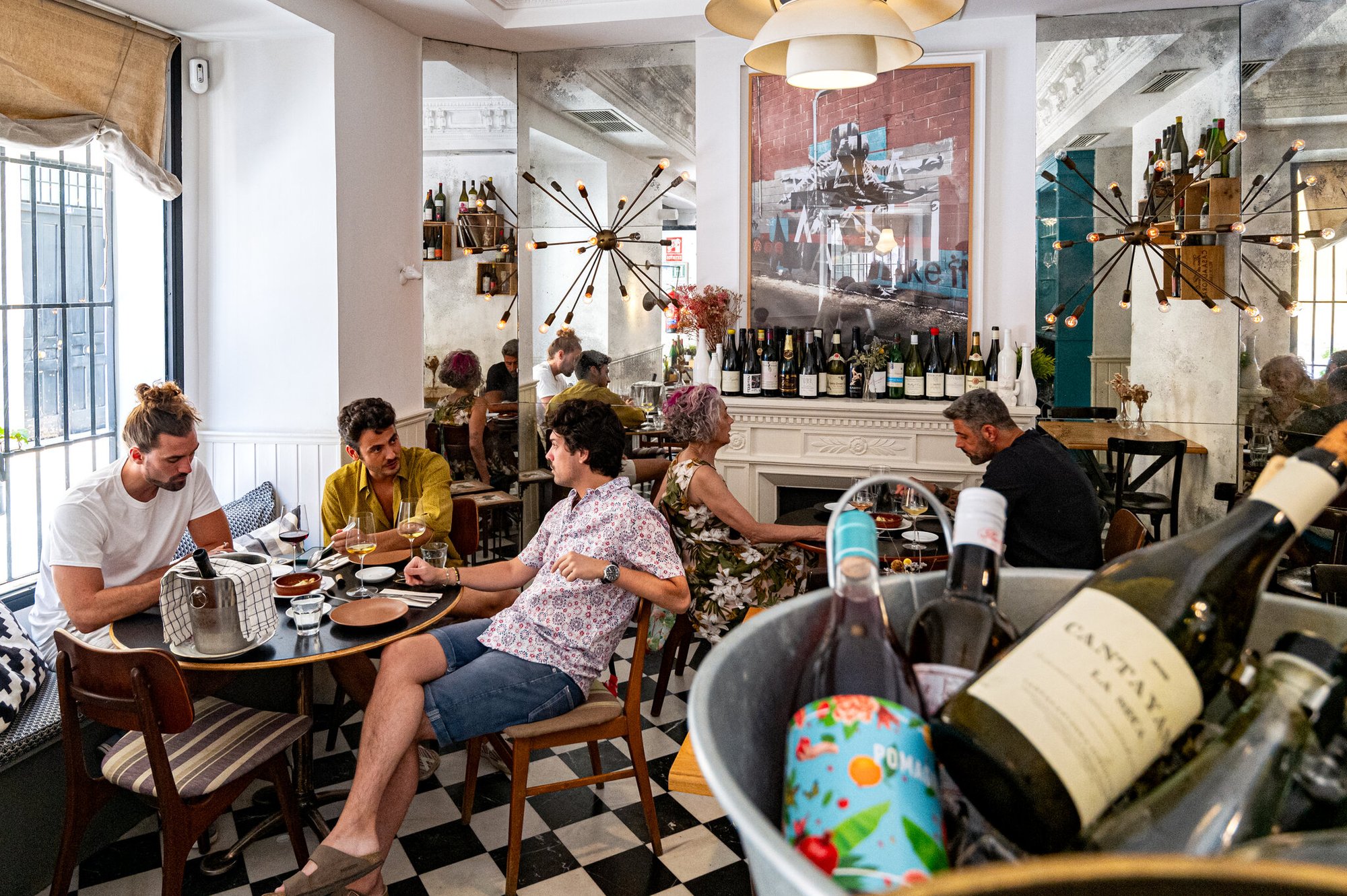
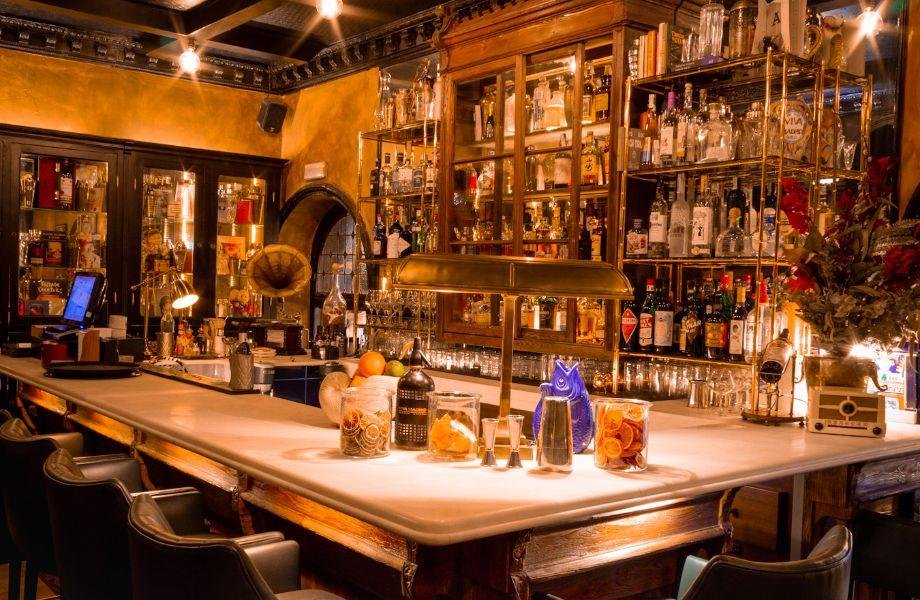
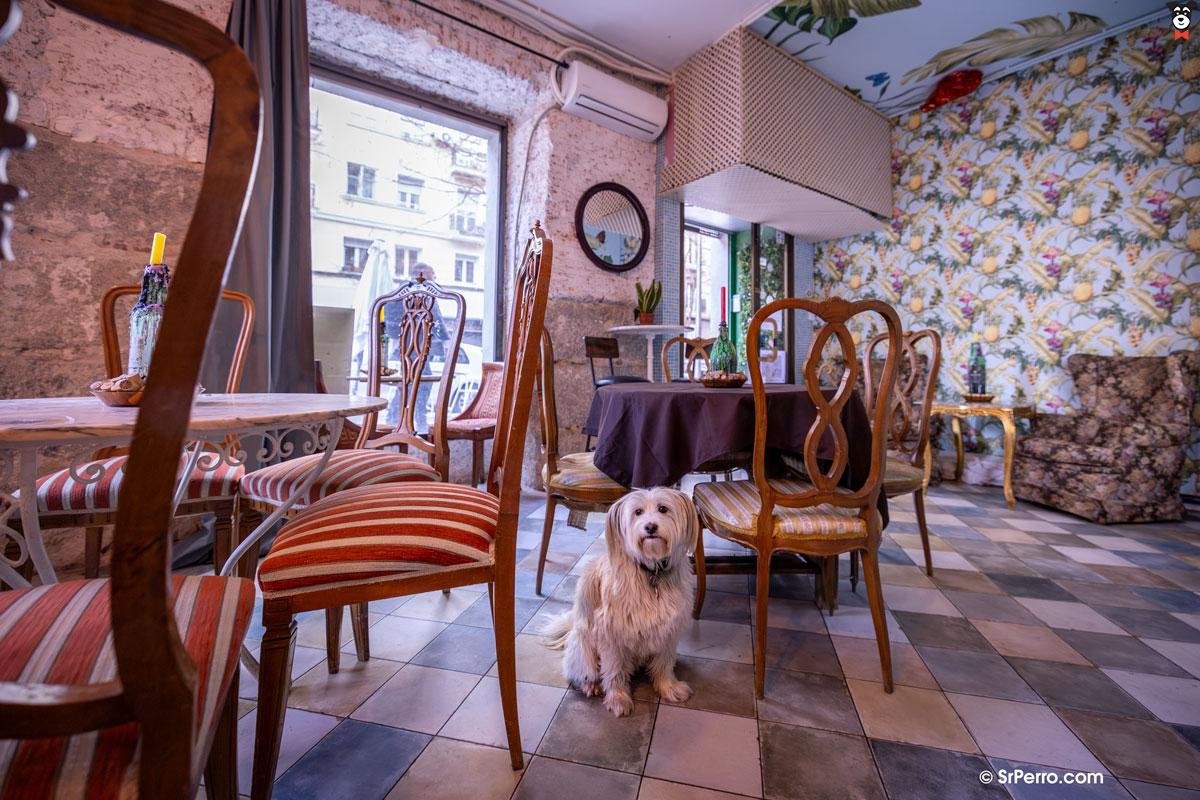
A Michelin Plate-recognised address on a narrow street metres from Toledo's cathedral, La Cábala occupies a converted taberna where white walls and exposed brickwork frame a contemporary à la carte built around sharing plates and focused individual bites. At the €€ price tier, it sits in Toledo's mid-range contemporary bracket alongside Tobiko and El Albero, offering two set menus alongside the main card.
 Discover on Pearl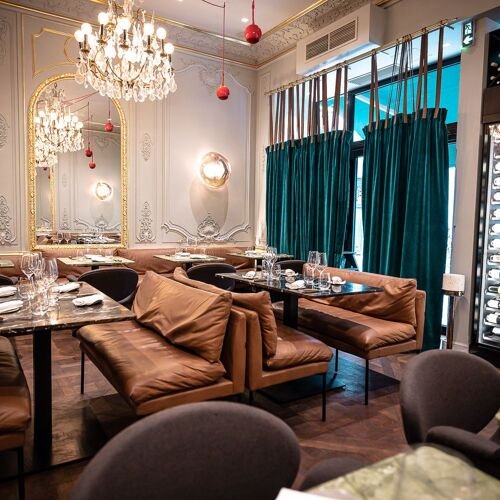
A Street's Width from the Cathedral
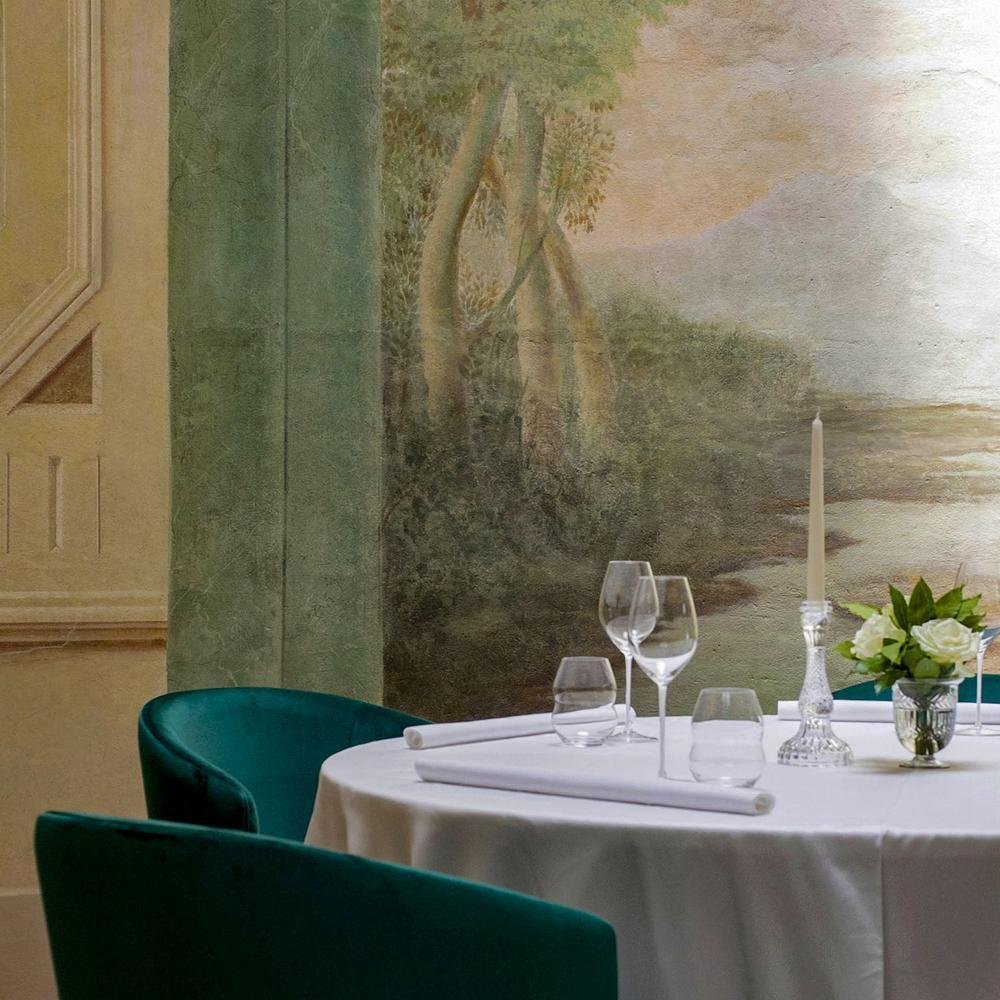
Toledo rewards the pedestrian who ignores the obvious arterials. Calle Sinagoga, a few metres from the cathedral's southern flank, is the kind of narrow medieval passage that encourages hesitation at every doorway. In this city, where the density of historical monuments per square kilometre is among the highest in Spain, the street's character does a great deal of the contextual work before you even consider what's on the plate. La Cábala occupies a former taberna on this stretch, and the transformation from traditional tavern to contemporary dining room is one of the more considered conversions in Toledo's €€ tier. White walls, open brickwork, and a deliberate absence of period clutter create a room that reads as modern without pretending the building's history isn't there. The architecture does what good renovation should: it acknowledges the shell without being enslaved to it.
Where La Cábala Sits in Toledo's Dining Structure
Toledo's restaurant scene has stratified in a way that mirrors the pattern across Spain's smaller historic cities. At the summit sits a handful of addresses with serious culinary ambition: Iván Cerdeño, carrying two Michelin stars, operates at the €€€€ tier and represents Toledo's most technically demanding kitchen. Below that, Adolfo holds the €€€ bracket with a long-established modern Castilian approach. La Cábala operates a tier lower still, alongside peers like Tobiko and El Albero in the €€ band. That peer set is worth understanding, because it defines the proposition. At this price point in Toledo, the question is not whether a kitchen can match the technical ambition of Spain's headline addresses — El Celler de Can Roca, Arzak, or DiverXO are playing a different game entirely. The question is whether a kitchen can deliver genuine craft and flavour coherence without the budget or scale of those operations. La Cábala's Michelin Plate recognition in both 2024 and 2025 signals that the guide's inspectors found quality worth noting. A Plate is not a star, but in a city of Toledo's size, consecutive recognition at this price tier is a meaningful indicator of consistent cooking.
The Menu Format and What It Prioritises
The contemporary à la carte at La Cábala is structured around two formats: sharing plates and what the restaurant describes as small individual bites. This dual-format approach has become one of the dominant menu architectures in Spanish casual-contemporary dining, and La Cábala uses it to allow tables to calibrate their own pace and spend. The bite format, in particular, functions as a kind of informal tasting experience within a non-tasting context: a way to move through a range of flavours without committing to a full set menu's length or formality.
Two set menus run alongside the à la carte. The Tradición menu operates at lunchtime on weekdays only, a format that signals deliberate positioning: it reads as a local lunch offer rather than a tourist convenience. The Gastronómico menu represents the fuller, more structured option for those who want a sequenced experience. The database record flags two dishes specifically: Iberian ham croquettes with torrezno-style popcorn, and spider crab ravioli with saffron cream. Both point toward a kitchen that is working within recognisable Spanish idiom while applying enough technique to lift the results beyond the generic. Torrezno — cured pork belly fried to a crackled exterior , appears here deconstructed into a popcorn format alongside croquettes, a pairing that takes a classic Castilian pantry combination and reframes its texture. The spider crab ravioli with saffron cream is a more overtly contemporary construction: a pasta format not native to Castilian tradition, using seafood and a spice with deep Iberian resonance.
Guests who place more weight on traditional Castilian cooking without contemporary interpretation will find El Albero a useful counterpoint at the same price tier. Those interested in farm-to-table approaches to the region's produce might consider Víctor Sánchez-Beato as an alternative frame of reference. On a global scale, the contemporary format at La Cábala shares its mid-market positioning with addresses like Jungsik in Seoul and César in New York City, though the specific culinary reference points are firmly Spanish.
The Neighbourhood as Context for the Experience
Calle Sinagoga sits within the tight historic core where Toledo's three cultural identities , Christian, Jewish, and Moorish , remain physically layered. The street name references the proximity of what was once one of the city's synagogues, and the cathedral, which defines this quarter's skyline, is genuinely close. This matters for the dining experience less in a symbolic sense and more in a practical one: arriving at La Cábala usually means walking through some of Toledo's most dense historical fabric, often in the company of other visitors doing the same. The rhythm of that arrival shapes how the interior reads. A room stripped of decorative noise and built around light and clean plaster is a relief after the compressed medieval streetscape outside, and the conversion's restraint becomes more legible in that context.
Toledo itself sits roughly 70 kilometres south of Madrid, reachable in around 30 minutes on the high-speed Avant train from Atocha, which makes it a viable day trip or short break from the capital. But the dining scene here is not organised around day-trippers, and La Cábala's weekday-only Tradición lunch menu is a signal in that direction: the kitchen is also cooking for the city's own residents, not just visitors moving through. For a full picture of what else to eat, drink, and experience in Toledo, the EP Club guides cover the city's restaurants, hotels, bars, wineries, and experiences in detail.
Google reviewers have given the restaurant a 4.7 rating across 741 reviews, a volume of feedback that is harder to dismiss than a lower sample. For Spain's broader contemporary dining reference points , addresses like Aponiente, Azurmendi, or Cocina Hermanos Torres , La Cábala is operating in an entirely different register. But within Toledo's mid-range contemporary tier, and particularly for visitors who want genuine cooking craft without a tasting menu's time or cost commitment, La Cábala's location, track record, and menu structure make it a credible and well-positioned choice.
Planning Your Visit
La Cábala is at Calle Sinagoga 6, 45001 Toledo, within easy walking distance of the cathedral. The weekday-only Tradición lunch menu makes Tuesday through Friday the most flexible visit windows for those who want the set-menu option. Phone and booking details are not listed in the current EP Club database; checking directly via the address or a search is advisable before planning around a specific time. No dress code information is on record. Given Toledo's high visitor density in summer and during Semana Santa, and given the restaurant's central location, booking ahead rather than walking in is the lower-risk approach regardless of season.
The Minimal Set
These are the closest comparables we have in our database for quick context.
| Venue | Notes | Price |
|---|---|---|
| La Cábala | This venue | €€ |
| Iván Cerdeño | Modern Cuisine, €€€€ | €€€€ |
| Adolfo | Modern Cuisine, €€€ | €€€ |
| El Albero | Traditional Cuisine, €€ | €€ |
| Tobiko | Creative, €€ | €€ |
| Víctor Sánchez-Beato | Farm to table, €€ | €€ |
Continue exploring