.png)

A Michelin Plate recipient in the Murcian town of Ceutí, El Albero operates as a neighbourhood bistro with a genuinely gastronomic edge. Under young chef-owner Ismael Suleiman, the kitchen centres on seasonal ingredients and slow-cooked traditions, partridge stew, stuffed oxtail, presented with a precision that places it well above its informal surroundings. At €€ pricing, it represents serious cooking at accessible rates.
Pearl is the En Primeur Club membership app — saves, bookings, and concierge access live there. Same editors, same standards.
- Address
- C. Mallorca, 10, 30562 Ceutí, Murcia, Spain
- Phone
- +34 868 92 34 00
- Website
- restauranteelalbero.net
 Saves & bookings on Pearl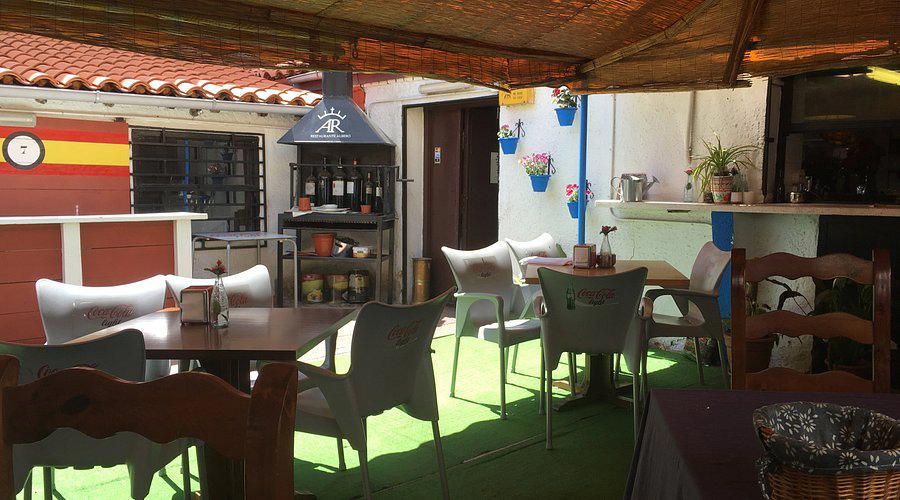
Where the Stew Takes Precedence
In Ceutí, a small Murcian town with no particular culinary reputation to lean on, El Albero sits on Calle Mallorca in a residential pocket that draws no passing tourist traffic. The approach is unpretentious: a single dining room opening onto a pavement terrace, the kind of setup you associate with a long-running neighbourhood institution rather than a destination with Michelin recognition. That tension, between the informality of the setting and the precision of what arrives on the plate, is precisely what makes it worth the detour. The restaurant's recognition confirms what regular diners here have understood for some time: the cooking is considered and consistent in a way that few restaurants at this price tier in the region can match.
Seasonal and Regional: How the Kitchen Sources
Murcia's agricultural identity is not incidental to a kitchen like this one. The region produces a substantial share of Spain's fresh vegetables, fruit, and legumes, and the seasonal logic that governs El Albero's menu is inseparable from that local supply chain. The recognition specifically calls out the kitchen's focus on seasonal ingredients, and in Murcia that means access to some of the region's most diverse produce across a long growing season. Game, pulses, and slow-braised meats form the structural backbone of the menu, rooted in a Castilian and broader Spanish tradition that treats the stew as a serious culinary form rather than a casual afterthought.
The Toledo-style partridge stew with white beans that appears in the venue's Michelin citation places the kitchen squarely within a lineage of Spanish guisos that require sourcing discipline as much as cooking skill. Partridge, in season, demands timing and supply relationships; white beans, at their leading, need provenance that goes beyond the nearest wholesaler. The stuffed oxtail with red wine follows the same logic: a cut and technique that rewards patience and quality raw material in equal measure. This is cooking where ingredient decisions made days or weeks before service determine what arrives at the table.
A Second Flowering for an Established Address
El Albero carries several years of history in Ceutí, which gives it a different starting position from a newly opened bistro building its identity from scratch. Michelin's own framing describes the current chapter as a second golden age, a renovation of purpose rather than a reinvention of format. That distinction matters when reading the room. The bistro character has been retained, the neighbourhood feel preserved, but the kitchen has moved toward a more gastronomic register under chef-owner Ismael Suleiman. What changed is the level of intent applied to traditional forms, not the forms themselves.
This pattern, established address, inherited audience, renewed culinary ambition, appears with some regularity in Spanish regional cooking, where family-run or long-standing restaurants periodically redefine themselves without abandoning their community role. The result at El Albero is cooking that reads as traditional in style while demanding sourcing and technique that traditional bistros do not always bring. The 4.6 rating across 1,013 Google reviews suggests the existing local audience has followed the kitchen in its new direction rather than resisting it.
Reading El Albero Against the Spanish Restaurant Scene
Spain's most decorated kitchens operate at a considerable remove from what El Albero represents. Restaurants such as El Celler de Can Roca in Girona, Arzak in San Sebastián, Azurmendi in Larrabetzu, and DiverXO in Madrid operate at three-star level with tasting menus priced to match. Martin Berasategui in Lasarte-Oria, Cocina Hermanos Torres in Barcelona, Mugaritz in Errenteria, Quique Dacosta in Dénia, Ricard Camarena in València, Aponiente in El Puerto de Santa María, and Atrio in Cáceres similarly anchor the upper tier of Spanish fine dining. El Albero exists in a different category entirely: the Michelin Plate signals quality cooking that merits attention without placing it in competition with haute cuisine formats.
The more instructive comparison is within the €€ bracket across Murcia and the wider Levante, where the gap between restaurants that take sourcing seriously and those that do not is substantial. El Albero's Michelin recognition at mid-market pricing positions it as the kind of address that provides the most compelling case for eating outside the obvious tourist circuits. For context on how international bistro formats at a similar price tier operate in other settings, Loumi in Berlin and Haubentaucher in Rottach-Egern offer reference points for the same neighbourhood-bistro-with-ambition model in European contexts.
Planning a Visit
El Albero is located at C. Mallorca, 10, in Ceutí, Murcia, a residential address that sits away from any central commercial strip. The €€ price range puts it in accessible territory for most visitors, and the combination of Michelin recognition with that price point makes advance planning sensible: the restaurant draws both local regulars and visitors specifically seeking it out. The pavement terrace extends the seating in warmer months, which in Murcia means a long season.
Quick Comparison
Comparable venues nearby, for context on price, style, and recognition.
| Venue | Cuisine | Price | Awards | Notes |
|---|---|---|---|---|
| El Albero | Murcian-Japanese Fusion | $$ | Michelin Plate | Ceutí |
| El 22 | Modern Mediterranean-Spanish-Japanese Fusion | $$ | Michelin Plate | Colmenar Viejo |
| Ona Cuina Oberta | Contemporary Mediterranean Market Tasting Menu | $$ | Michelin Plate | La Ciudad Ducal |
| Coto de Quevedo Origen | Traditional Spanish Game Cuisine | $$ | Michelin Plate | Torre de Juan Abad |
| Kuoco | Global Fusion | $$$ | Michelin Plate | Justicia |
| Pakta | Nikkei (Peruvian-Japanese Fusion) | $$$$ | , | Poble Sec |
At a Glance
- Rustic
- Modern
- Cozy
- Date Night
- Family
- Group Dining
- Special Occasion
- Open Kitchen
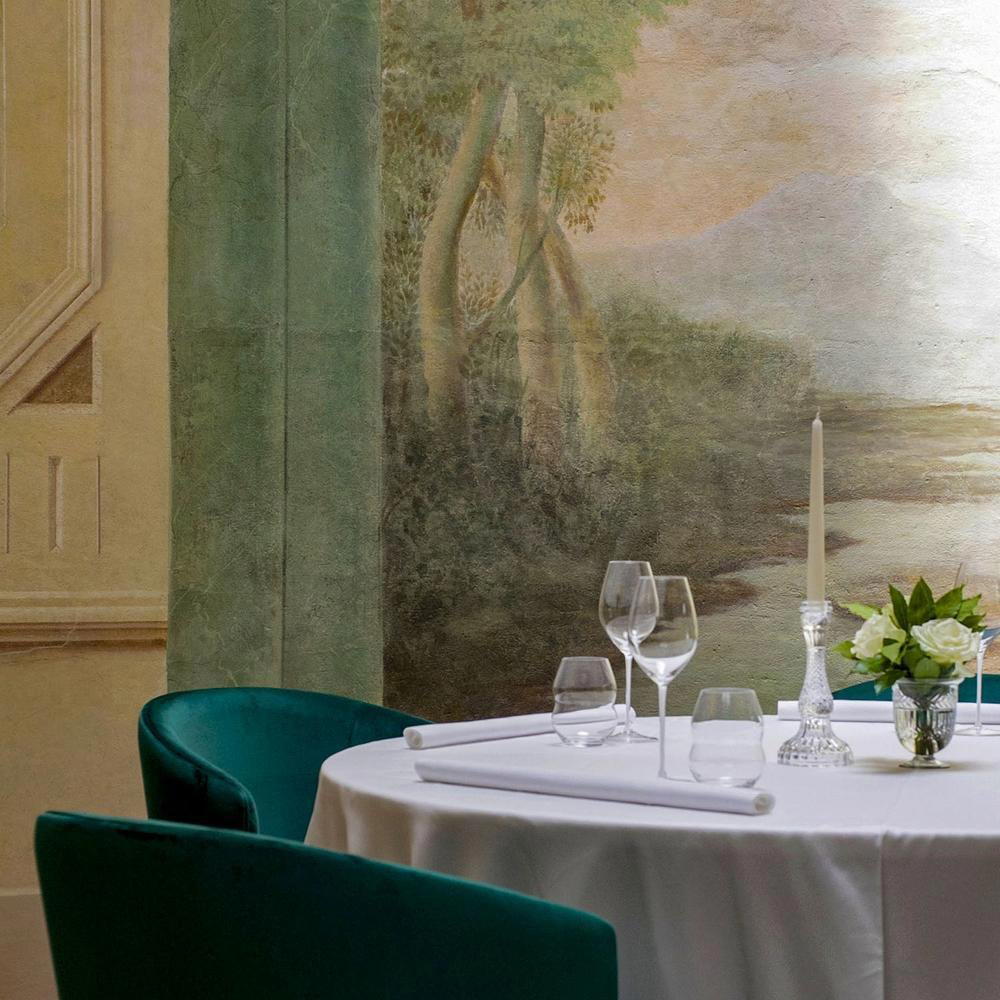
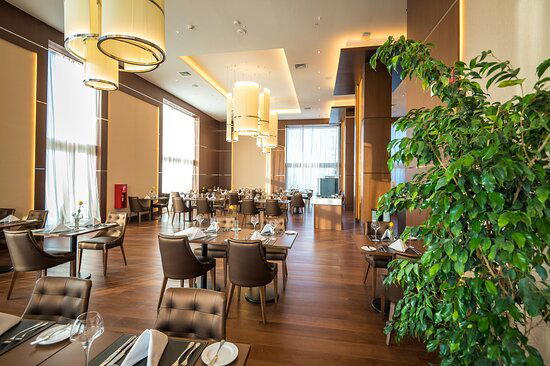
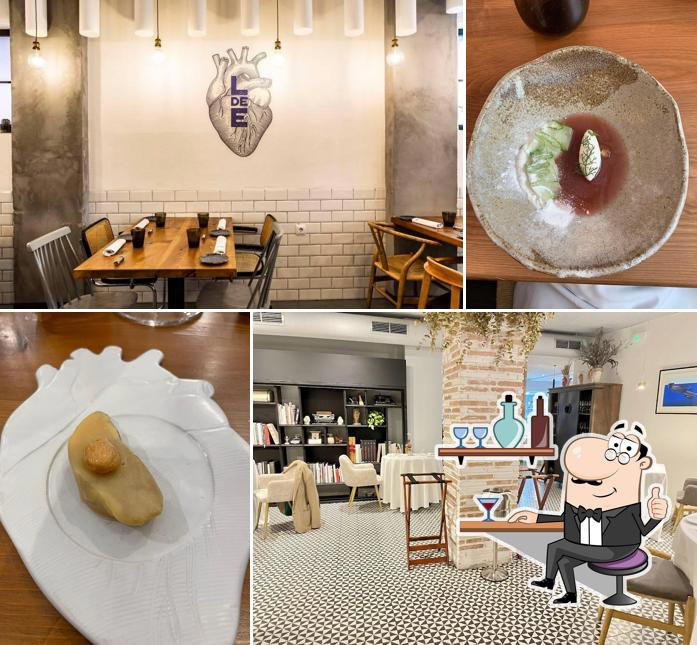
Two distinct ambiences: unpretentious bar decorated with bulls’ heads for daily menu, and meticulously arranged contemporary dining room for à la carte and tasting menus.