



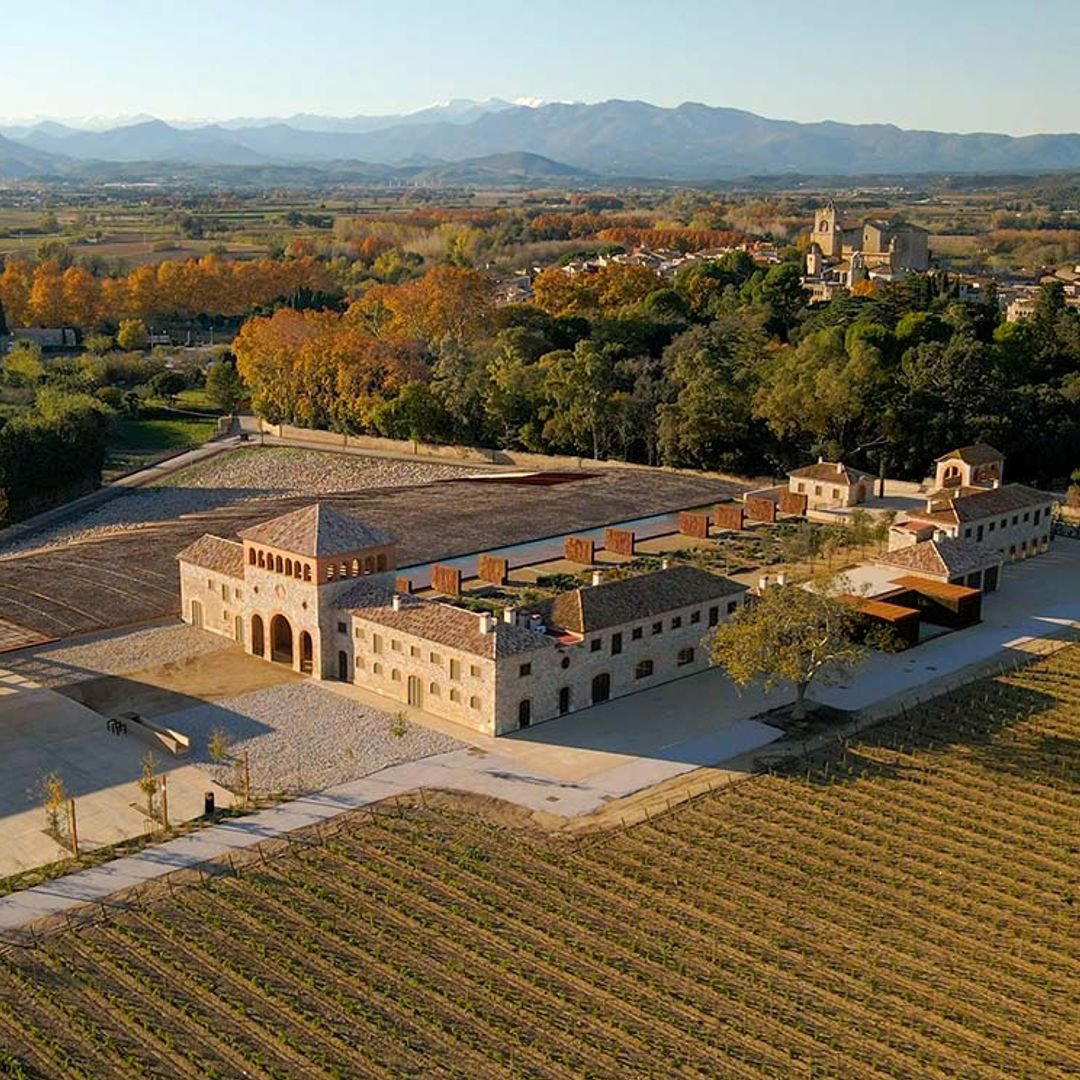
A Michelin-starred creative restaurant in rural Lleida, La Boscana sits inside glass-fronted buildings overlooking gardens, groves, and a lake on the Catalan plain.
Pearl is the En Primeur Club membership app — saves, bookings, and concierge access live there. Same editors, same standards.
- Address
- Carretera Bell-lloc d'Urgell, Bellvís, 25142, Spain
- Phone
- +34 973 56 55 75
- Website
- laboscana.net
- Directions
- Get directions
 Saves & bookings on Pearl
Where the Catalan Plain Feeds the Kitchen
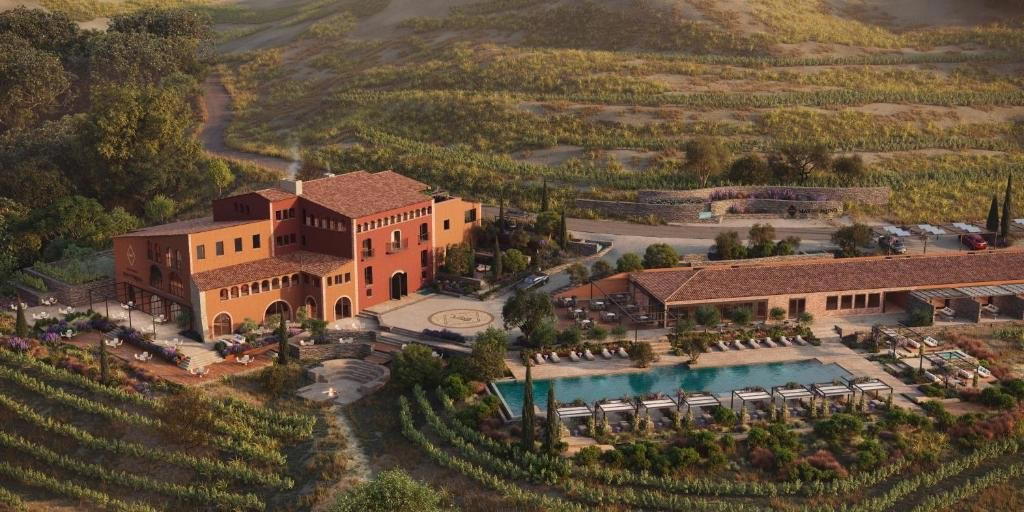
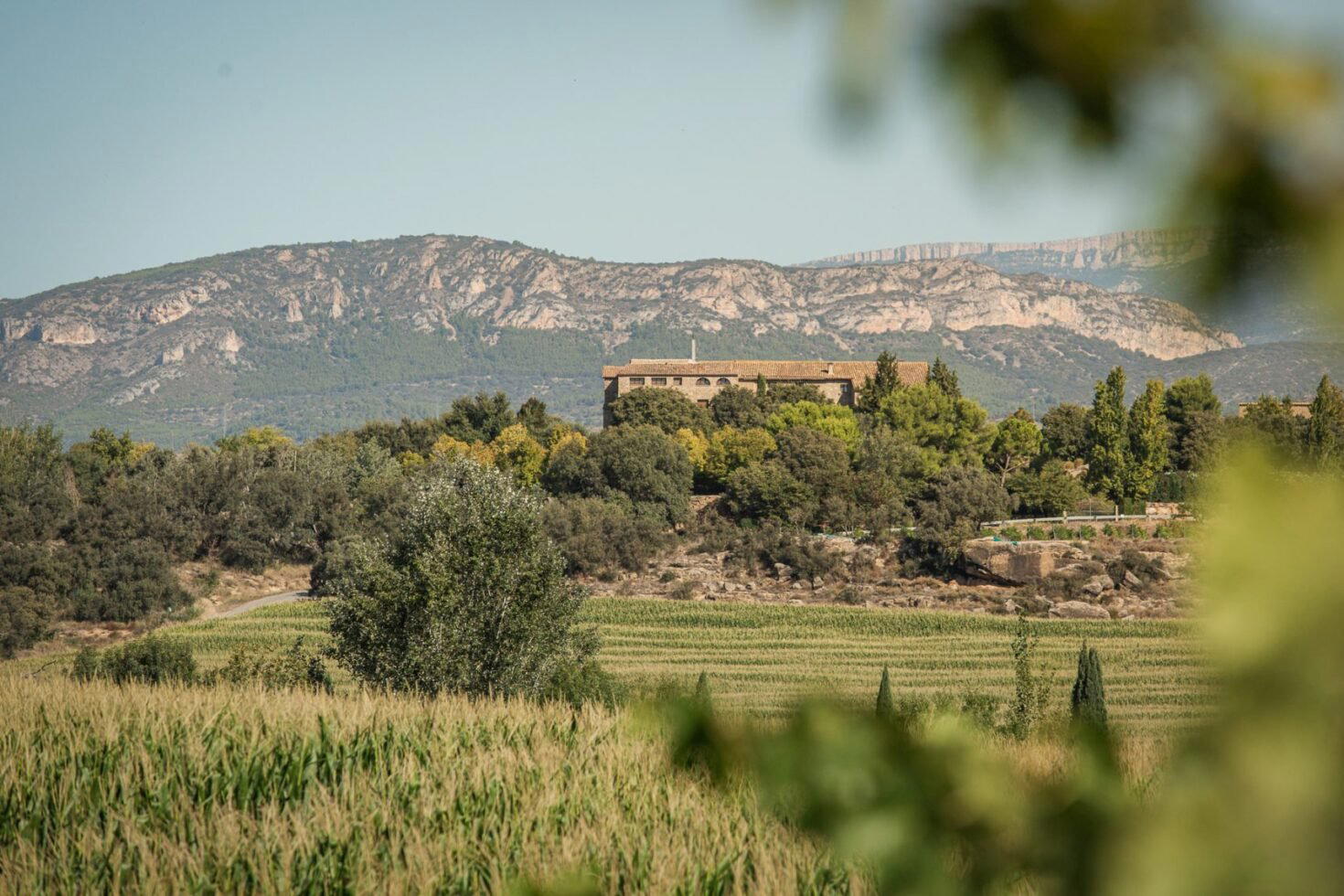
The drive into Bellvís from Lleida takes you through particularly productive agricultural land in Catalonia. Orchards of apples, pears, and stone fruit line the roads between flat-topped villages; irrigation channels cut through cereal fields. This is Lleida province in its working form, a region that feeds much of Spain yet rarely appears on fine-dining maps. La Boscana, positioned along the Carretera Bell-lloc d'Urgell, is the clearest argument for why it should. The restaurant occupies glass-fronted pavilion buildings set against gardens, leafy groves, and a lake, and the effect on arrival is one of considered remove: you are, unmistakably, somewhere agricultural, somewhere particular.
That particularity is not incidental. The relationship between this landscape and what arrives on the plate is the structural logic of the kitchen. La Boscana sits firmly in the latter category, and the sourcing decisions here carry the same weight as the technique. For those accustomed to the coastal creative tradition represented by venues like Aponiente in El Puerto de Santa María or the urban laboratory approach of Disfrutar in Barcelona, La Boscana offers a different register: inland, orchard-rooted, and grounded in a cuisine that predates modernist intervention by several generations.
Fruit as a Structural Ingredient
Lleida's fruit-growing identity is not a marketing story; it is an agricultural fact. The province accounts for a substantial share of Spain's apple, pear, and peach production, with irrigation infrastructure that has shaped the landscape since the mid-twentieth century. What makes La Boscana's program editorially significant is not that it uses local fruit as garnish or gesture, but that it treats fruit as a primary flavour partner to savoury preparations, sourcing from named farms in the surrounding area as well as from the restaurant's own garden.
The kitchen, under chef Joël Castanyé, operates two menu formats: a more concise option and a longer, seasonal program that changes to reflect what the orchards and garden are producing at any given time. This dual-menu structure is common in Spanish fine dining, but the emphasis here on fruit-to-savoury pairing gives the menus a compositional logic that is specific to this territory. The pork and apple tartlet that appears in the restaurant's documented dishes is a precise example: two ingredients with deep roots in Lleida's food culture, brought together through contemporary technique.
Recognition from that platform signals something different from a Michelin star and, in some ways, more specific: that the sourcing and the cooking are genuinely integrated rather than decoratively presented.
The Setting as Editorial Context
The physical environment at the restaurant is not decorative backdrop; it is a functional extension of the ingredient philosophy. The kitchen garden provides daily produce and, in practical terms, the shortest possible supply chain for certain ingredients. The glass-fronted architecture keeps the surrounding landscape present throughout the meal, so the visual experience of eating here and the intellectual experience of understanding where the food comes from are aligned. Natural light defines the dining room's character across service, shifting as the meal progresses and connecting the interior to the orchard and water outside.
In the broader geography of Spain's destination restaurants, the lakeside, garden-set format is rare at this price tier. The Basque creative tradition, exemplified by venues like Arzak in San Sebastián, Mugaritz in Errenteria, and Martin Berasategui in Lasarte-Oria, tends toward residential or semi-urban settings. El Celler de Can Roca in Girona is city-adjacent. Azurmendi in Larrabetzu integrates a greenhouse and garden but within a more architecturally assertive structure. The restaurant's relationship with its site is quieter, more agricultural in grain, closer in spirit to the farm-set restaurants of rural France or northern Italy than to the destination-restaurant infrastructure of coastal Spain.
Michelin Recognition and Peer Position
The restaurant holds one Michelin star as of the 2024 guide, a recognition that places it clearly within Spain's broader creative fine-dining tier without positioning it at the multi-star level of DiverXO in Madrid or Quique Dacosta in Dénia. Within that single-star category, its point of difference is geographical and conceptual: it operates in a province that does not generate significant fine-dining tourism, which means its audience is primarily composed of deliberate visitors rather than incidental ones.
For European comparison, the creative format pursued here aligns with what venues like Alléno Paris au Pavillon Ledoyen and Enrico Bartolini in Milan represent in their respective cities: technically serious creative cooking within a prestige-tier price bracket. The difference is context. In Paris or Milan, a Michelin-starred creative restaurant operates within a dense competitive set and draws from an established luxury tourism base. In Bellvís, the restaurant occupies a more singular position, and the decision to eat here requires more intentionality from the visitor.
Visiting La Boscana: What to Know Before You Go
Bellvís sits roughly 15 kilometres southeast of Lleida city, reachable by road in under twenty minutes from the centre. Lleida is connected to Barcelona by high-speed rail, placing it approximately ninety minutes from the Catalan capital; from Barcelona, a car or taxi onward to Bellvís makes practical sense. The restaurant's address on the Carretera Bell-lloc d'Urgell is navigable by standard GPS, though the rural approach gives little advance indication of what lies behind the turning. The price bracket, marked €€€€, is consistent with Spain's starred creative tier: expect tasting menu pricing comparable to single-star peers in Barcelona or the Basque Country, with the dual-menu format offering some flexibility on commitment and spend.
Given the setting and format, the restaurant draws a dining public that skews toward occasions rather than casual visits. The garden and water views, the natural-light dining room, and the emphasis on produce sourced from the surrounding land make it a natural choice for a longer afternoon or evening at table. Booking in advance is advisable; the combination of a small rural address and sustained critical recognition creates a mismatch between capacity and demand that will be familiar to anyone who has tried to book comparable countryside addresses in France or Italy.
For those building a broader itinerary around the region, Lleida's wine culture, while less exported than that of Priorat or Penedès, includes several producers working with indigenous varieties on the plains and foothills; pairing a visit to the restaurant with winery visits in the wider province adds a further layer to the ingredient-and-territory logic that defines the restaurant's identity.
Compared with destination-restaurant visits to Extremadura, where Atrio in Cáceres requires a similar degree of geographical commitment, or the Valencian coast, where Ricard Camarena in València anchors a different kind of food trip, the restaurant asks visitors to orient around a landscape rather than a city. That is, ultimately, the point. The cooking here is not exported produce made elegant in an urban kitchen. It is Lleida on a plate, in a building surrounded by Lleida's orchards and water, at a table that looks out onto the same land that fills it.
At-a-Glance Comparison
Comparable venues nearby, for context on price, style, and recognition.
| Venue | Cuisine | Price | Awards | Notes |
|---|---|---|---|---|
| La BoscanaThis venue — the venue you are viewing | Modern Catalan Fine Dining | $$$$ | Michelin 2 Star | Not listed |
| Bo. TiC | Modern Catalan Fine Dining | $$$$ | Michelin 2 Star | Corçà |
| Flores Raras | Creative Valencian Fine Dining | $$$$ | Michelin 2 Star | Sant Francesc |
| Can Fabes | Modern Catalan Fine Dining | $$$$ | World's 50 Best #11 | la Nova Esquerra de l'Eixample |
| Molino de Urdániz | Creative Spanish Fine Dining | $$$$ | Michelin 2 Star | Urdaitz |
| Cal Pep | Authentic Spanish Seafood Tapas | $$$ | World's 50 Best #31 | Sant Pere, Santa Caterina i la Ribera |
Recognition history
Dated appearances from independent guides and award organizations, with the underlying list record or original source where available.
Guía Repsol 2 Soles
Guía Repsol
Macarfi 9.4 Food Rating
Macarfi
Michelin 2 Stars
Michelin
Michelin 1 Star
Michelin
We're Smart World 4 Radishes
We're Smart World
Michelin 1 Star
Michelin

At a Glance
- Romantic
- Elegant
- Intimate
- Rustic
- Scenic
- Special Occasion
- Date Night
- Garden
- Extensive Wine List
- Local Sourcing
- Garden
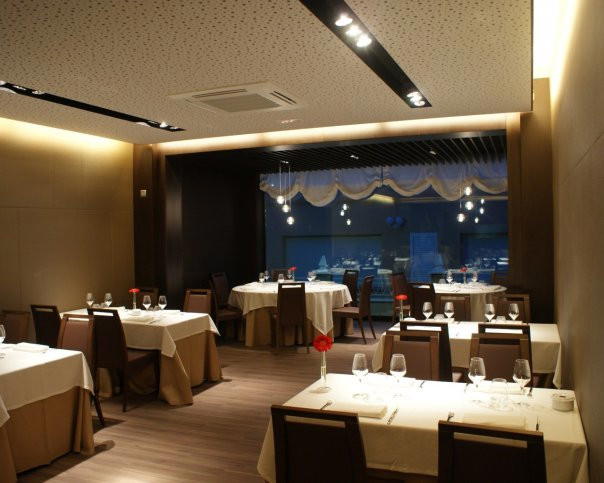
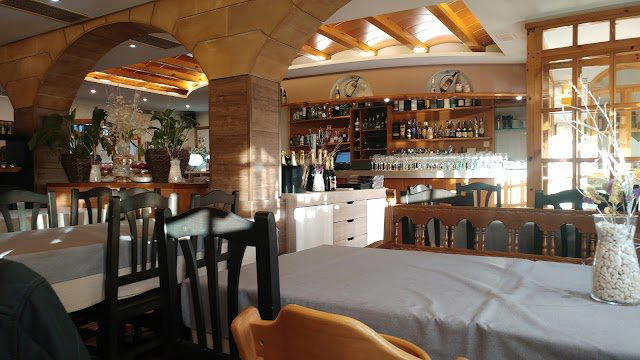
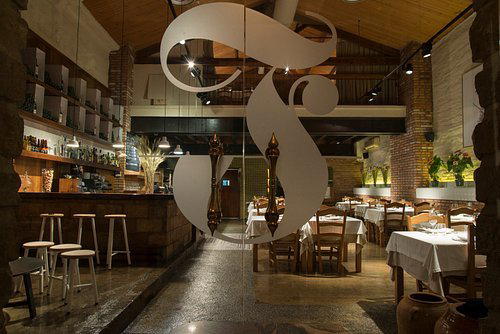
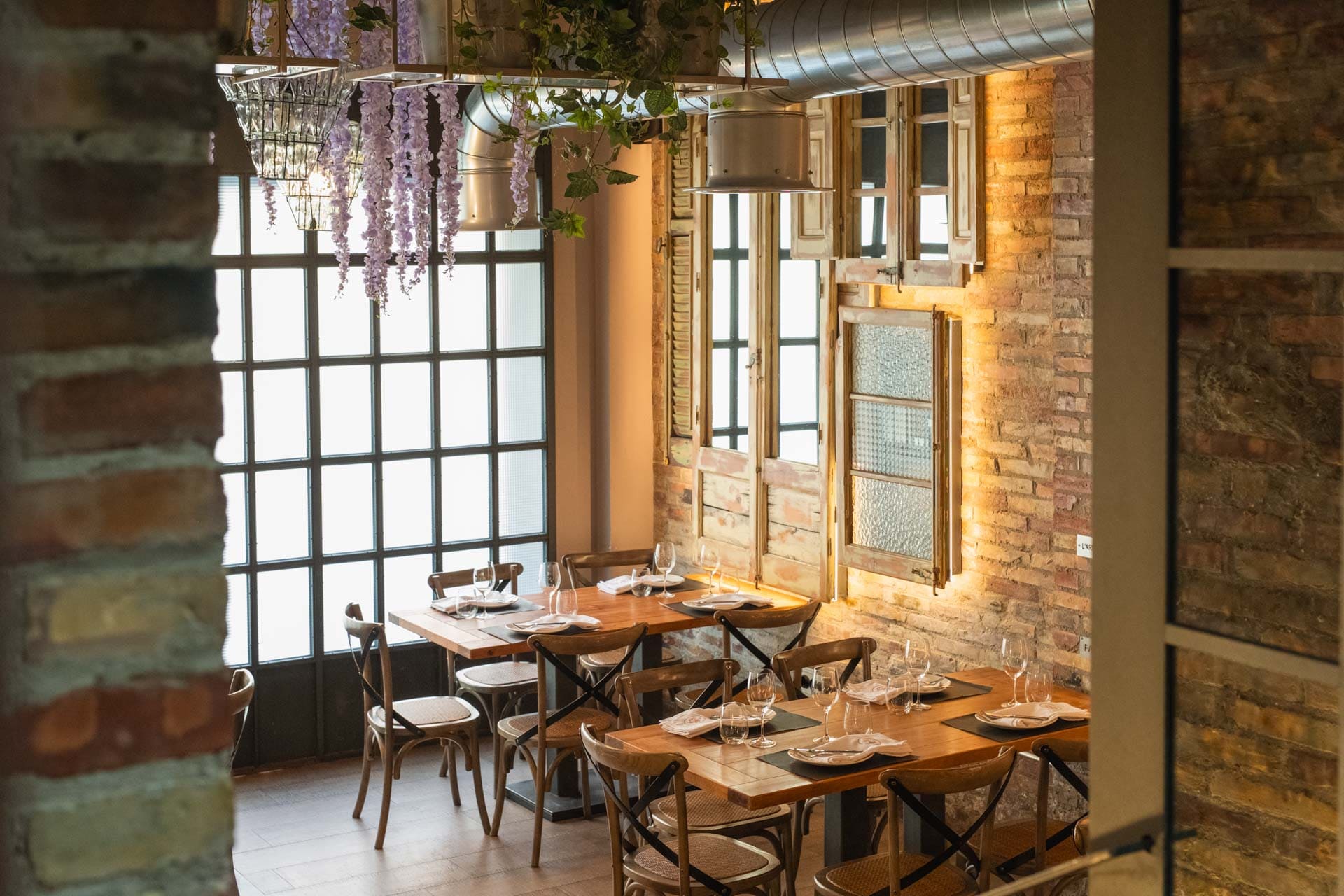
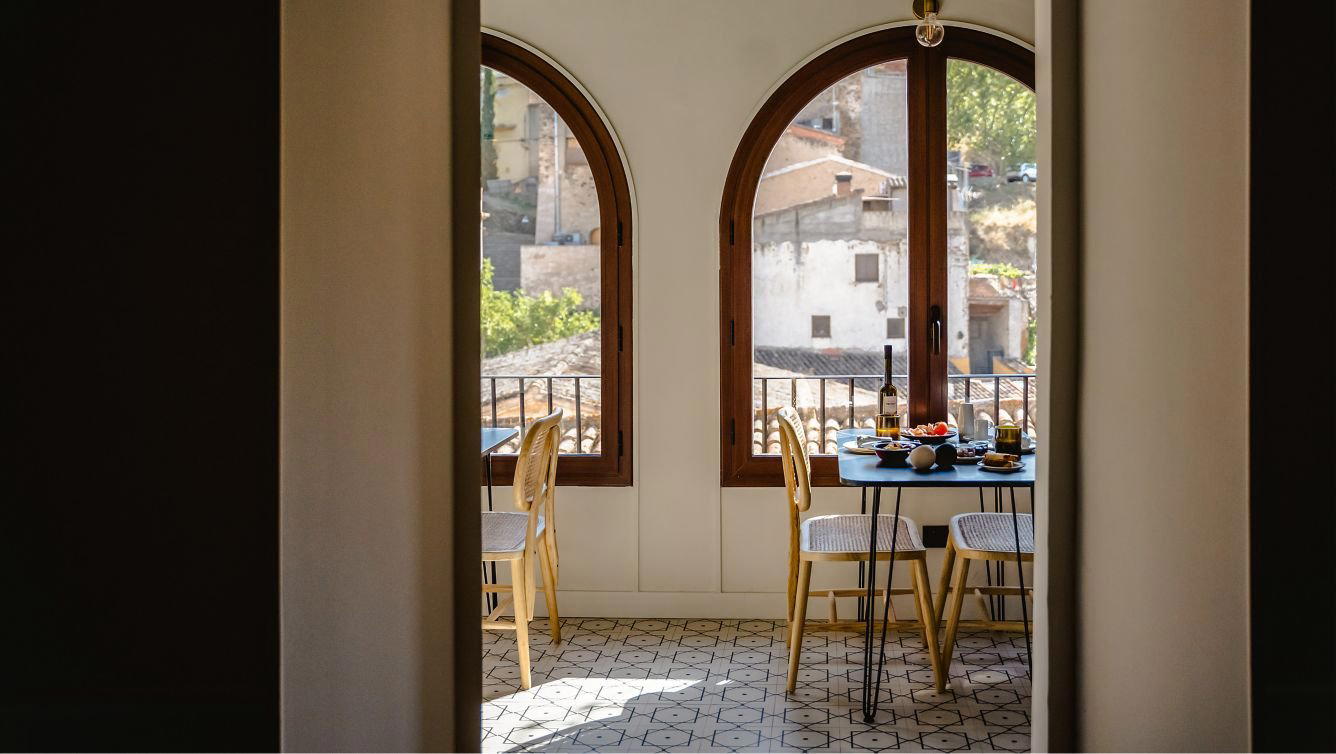
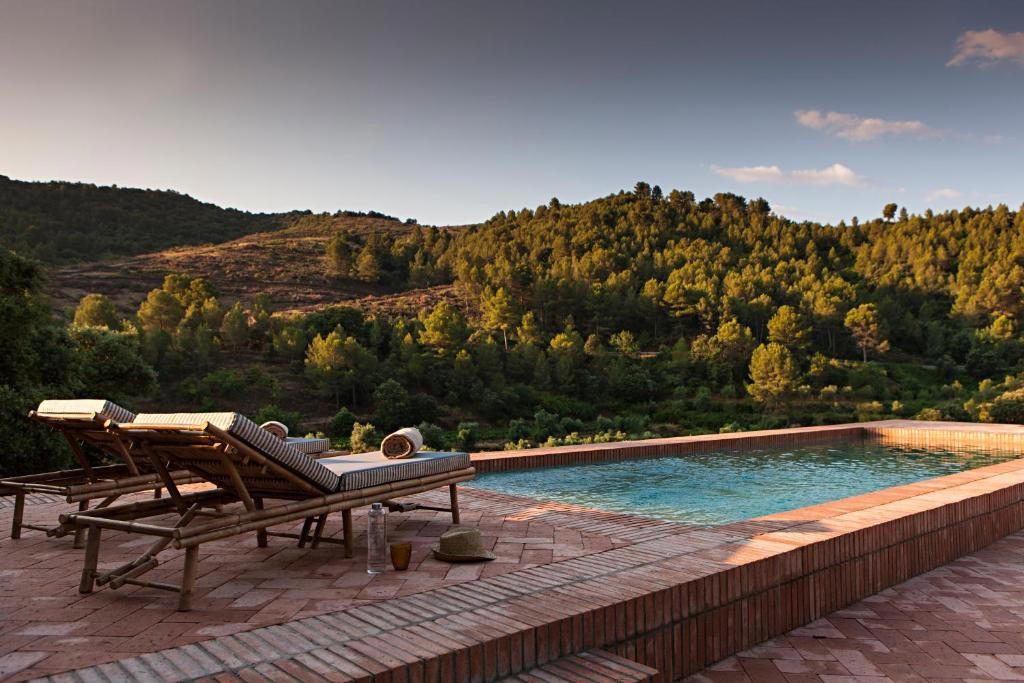
Elegant dining room bathed in natural light with glass walls overlooking pretty gardens, leafy groves, and an idyllic lake, creating a peaceful and romantic countryside atmosphere.