Tagers
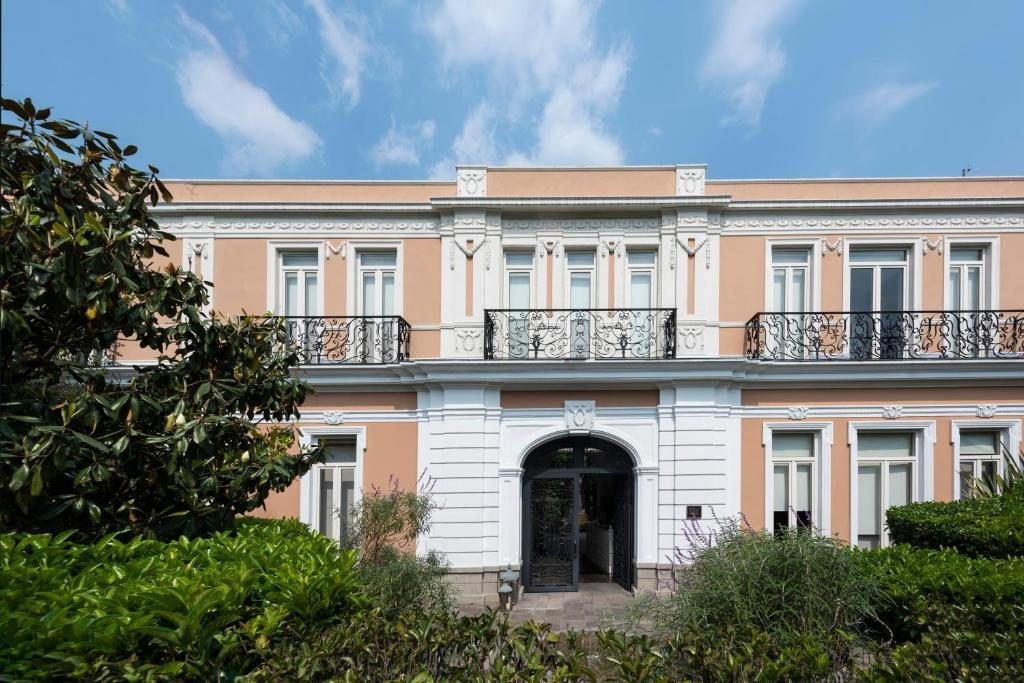
Located on Avenida de la Paz in San Ángel, one of Mexico City's most architecturally distinctive southern neighbourhoods, Tagers occupies a dining tier that rewards advance planning. San Ángel's restaurant scene sits outside the Polanco-Roma axis that dominates most international coverage, making venues here worth tracking for travellers who prefer neighbourhood texture over central convenience.
Pearl is the En Primeur Club membership app — saves, bookings, and concierge access live there. Same editors, same standards.
- Address
- Av. de la Paz 40, San Ángel, Álvaro Obregón, 01000 Ciudad de México, CDMX, Mexico
- Phone
- +522212816591
- Website
- tagers.com
- Directions
- Get directions
 Saves & bookings on Pearl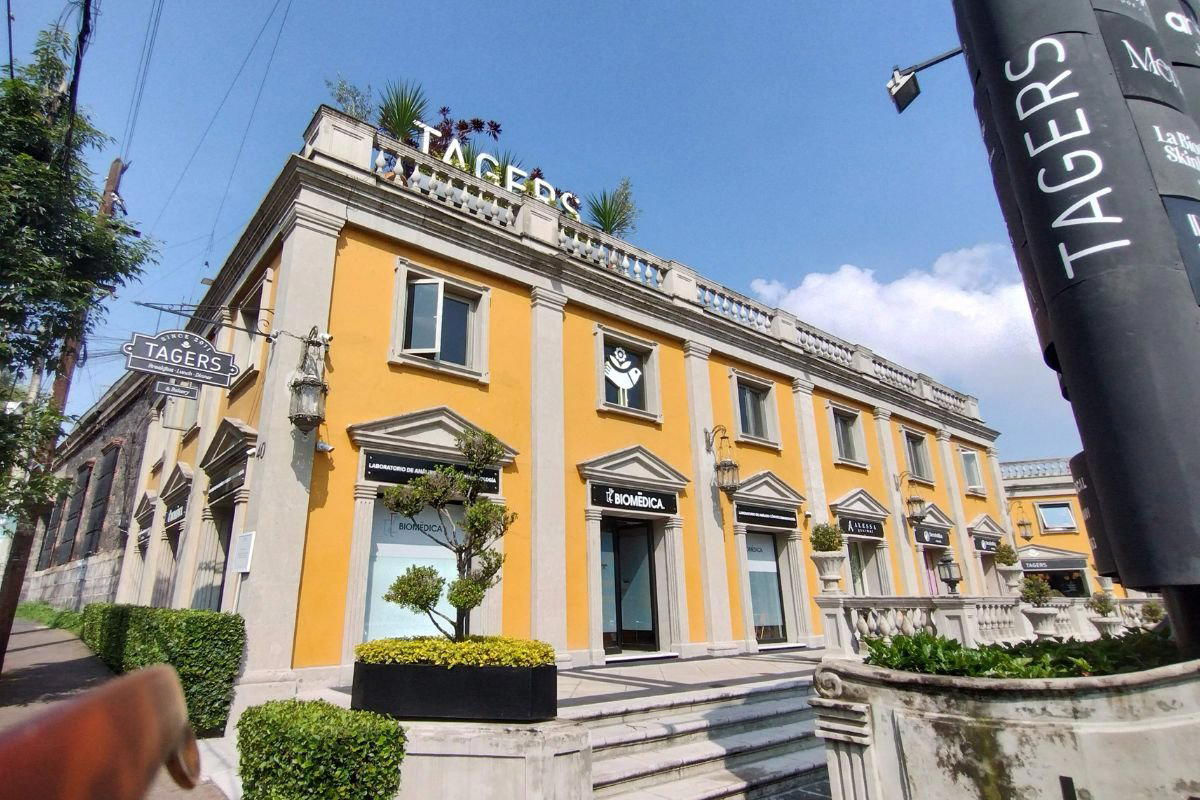
San Ángel and the Case for Dining South of the Periférico
Mexico City's dining conversation tends to collapse around a familiar triangle: Polanco for high-end tasting menus, Roma-Condesa for natural wine bars and casual creative cooking, and the historic centre for market-adjacent eating. San Ángel, the colonial neighbourhood anchored by its cobblestoned plazas and weekend craft market at Plaza San Jacinto, operates at a remove from that axis, both geographically and in terms of media coverage. Venues here serve a more residential audience, and the restaurant programme reflects that: fewer performance-dining spectacles, more places built around repeat visits. Tagers is a Mexican Comfort Food & Brunch restaurant in San Ángel, Ciudad de México, with. Tagers, at Av. de la Paz 40, sits inside that neighbourhood logic.
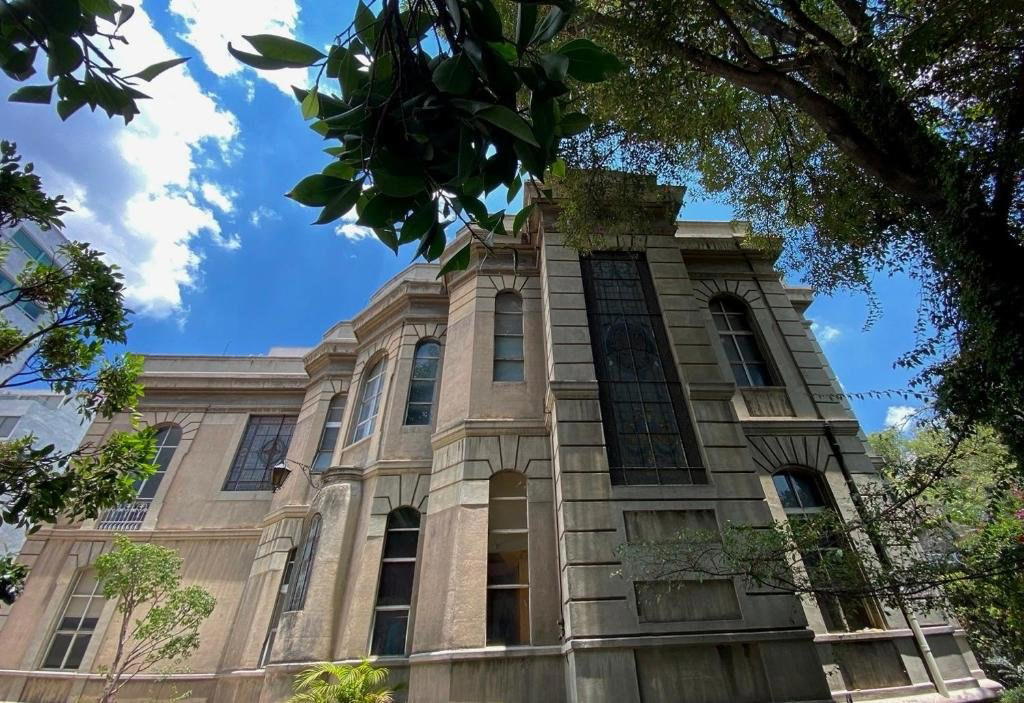
Avenida de la Paz is one of the neighbourhood's quieter commercial corridors, lined with galleries, design studios, and a handful of restaurants that draw from the surrounding streets rather than from hotel concierge lists. Arriving on foot from the San Ángel town square, the walk takes you past colonial-era stone walls and mature jacaranda trees whose canopy closes over the pavement in late winter. The physical context matters because it shapes what a meal here means: this is not the kind of address that competes with Pujol or Quintonil on international ranking lists. It operates in a different register entirely.
Menu Architecture as Neighbourhood Signal
In Mexico City's upper tier, menu structure has become an editorial statement. The omakase-style progression at places like Em and the seasonal tasting formats common at Sud 777 both communicate a particular relationship between kitchen and guest: the chef sequences the experience, and the diner submits to that logic. Neighbourhood restaurants in San Ángel rarely adopt that format. Their menus tend toward à la carte structures that allow a table to compose its own pace, return for a single dish, or eat lightly on a weeknight without committing to a full tasting arc.
That architectural choice, when it appears consistently across the room, tells you something specific: the kitchen is confident enough in individual dishes to let them stand without a curatorial frame around them. At venues in this price bracket and neighbourhood context, the menu is typically built for accessibility rather than spectacle, with a range that accommodates both a full dinner and a shorter visit. What distinguishes the better operators in this segment is whether the à la carte range has genuine internal coherence. The former produces a meal with direction; the latter produces a serviceable but forgettable one.
Mexico City's mid-range creative segment has grown considerably since 2018, with Rosetta's influence on ingredient-forward cooking spreading outward from Roma Norte into neighbourhoods across the city. San Ángel has received some of that energy, with a handful of openings that prioritise local sourcing and technique over volume. How Tagers positions within that shift is the question that determines its relevance here.
What the San Ángel Dining Tier Looks Like in Practice
Pricing in San Ángel's restaurant corridor tends to run below the Polanco tier without dropping to the street-food economy of neighbourhood fondas. That middle band, roughly equivalent to the two-dollar-sign range in Mexico City terms, supports a style of eating that is especially liveable in the city: composed cooking, a short but considered drinks list, and a room that does not require a reservation booked weeks in advance. Comparable venues in this segment include operators across the Roma-Condesa corridor who have chosen neighbourhood locations over high-visibility positioning.
For travellers accustomed to the booking pressure around Mexico City's headline addresses, which at venues like Pujol can require reservations two to three months out, the relative accessibility of San Ángel's mid-tier is worth factoring into any itinerary.
Mexico's Broader Restaurant Moment, and Where San Ángel Fits
The international attention on Mexican fine dining over the past decade has concentrated at the summit of the market, producing a small cohort of restaurants that now compete on a global stage. That visibility has had knock-on effects across the country, raising standards and sourcing ambitions at venues well below the Michelin-cited tier. Across Mexico, the pattern holds from Guadalajara, where Alcalde has anchored a more technical regional cooking movement, to Oaxaca, where Levadura de Olla focuses on pre-Hispanic fermentation traditions, to the Baja wine country, where Animalón in Valle de Guadalupe has built a destination dining format around fire and local produce.
Mexico City sits at the centre of that national movement, absorbing influences from every region and generating its own. San Ángel, despite its lower profile within international coverage, participates in that ecosystem. Chefs and suppliers who work across the city's dining scene do not stop at the Periférico. If a venue in San Ángel is paying attention to what is happening in the broader market, its sourcing, technique, and menu logic will reflect currents running through the whole city.
HA' in Playa del Carmen, Le Chique in Puerto Morelos, Huniik in Merida, and KOLI Cocina de Origen in Monterrey each represent distinct regional approaches. The contrast between those formats and what neighbourhood restaurants in Mexico City's southern boroughs offer is instructive: the latter trades spectacle for durability, serving the city rather than passing through it. Pangea in San Pedro Garza Garcia, Lunario in El Porvenir, and Olivea Farm to Table in Ensenada each show how Mexico's regional cooking identity continues to diversify beyond the capital.
Comparable Spots
Comparable venues nearby, for context on price, style, and recognition.
| Venue | Cuisine | Price | Notes |
|---|---|---|---|
| TagersThis venue — the venue you are viewing | Mexican Comfort Food & Brunch | $$ | Not listed |
| Papa Bill's | Mexican & American Sports Bar | $$ | Cuauhtemoc |
| Un Lugar de La Mancha | Modern Mexican with International Influences | $$ | Del Bosque |
| Café De Tacuba | Traditional Mexican | $$ | Centro |
| Primos | Modern Mexican Bistro | $$ | Bosque de Chapultepec |
| La Mascota | Traditional Mexican Cantina Botanas | $$ | Centro |
Continue exploring
More in Mexico City
Restaurants in Mexico City
Browse all →
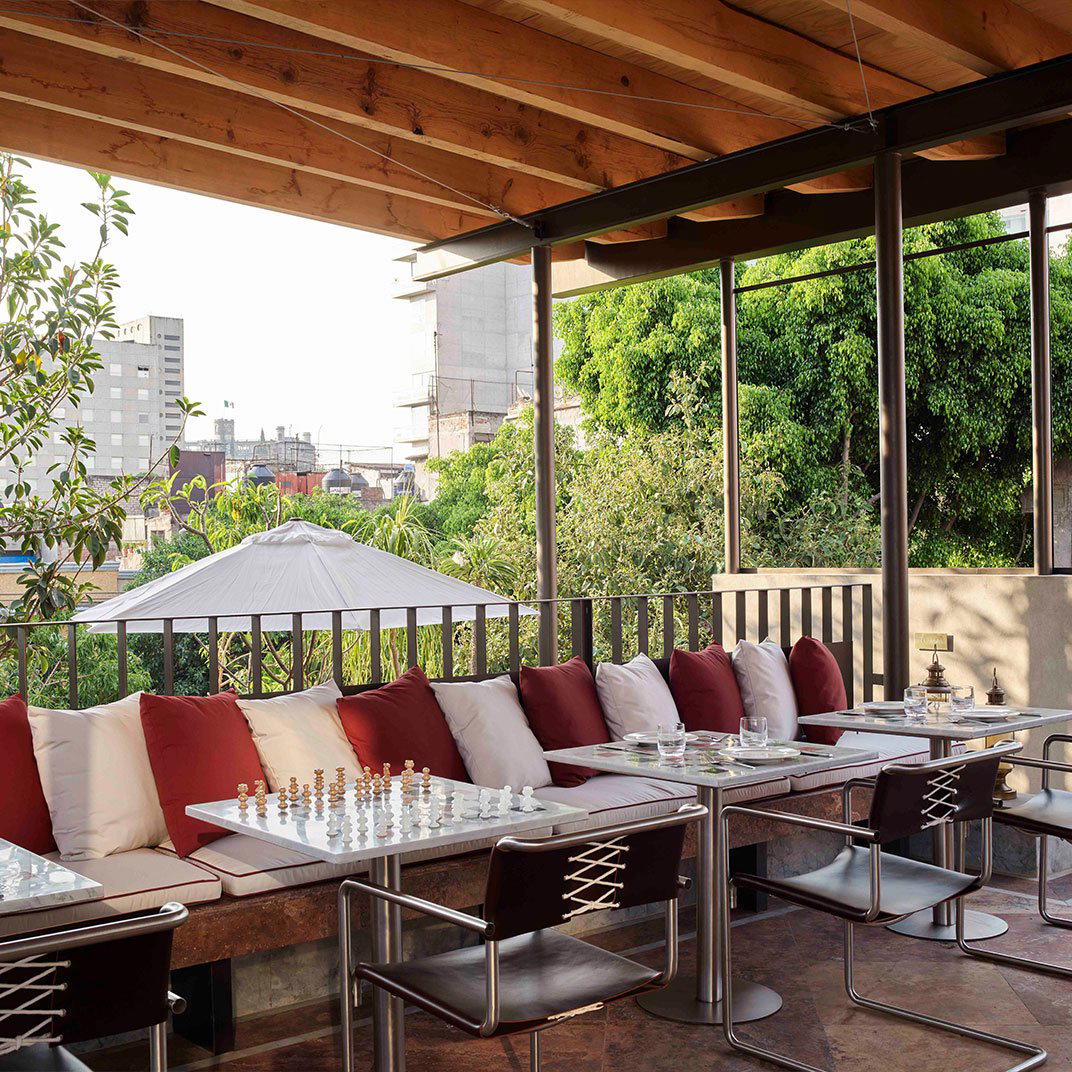
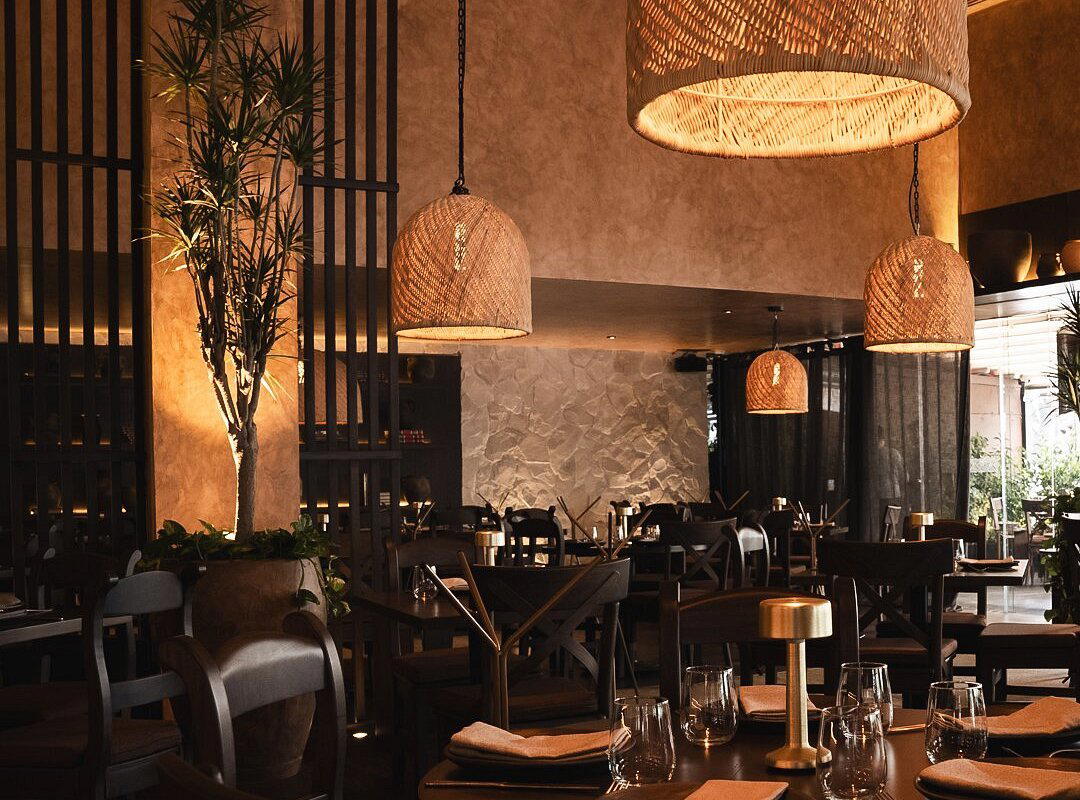
Bars in Mexico City
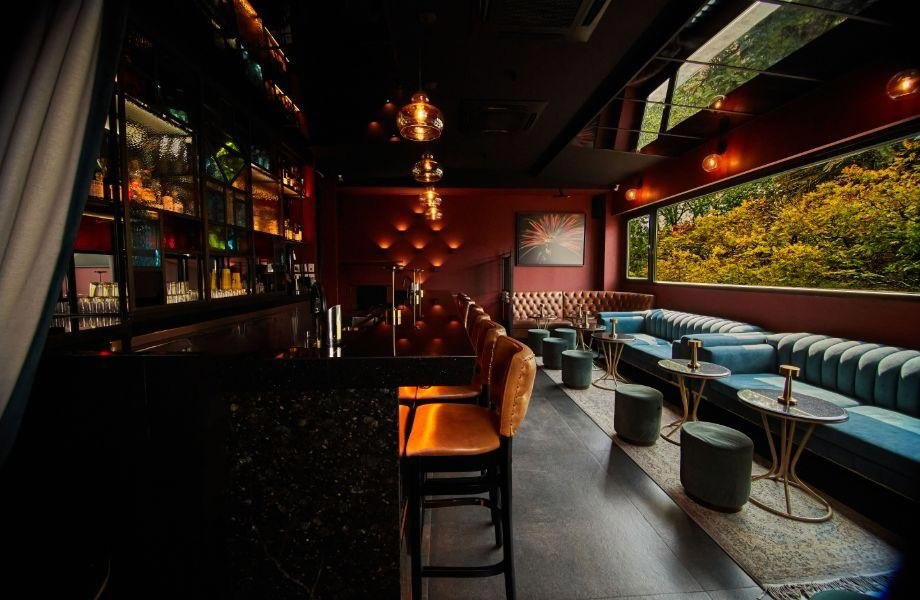
Browse all →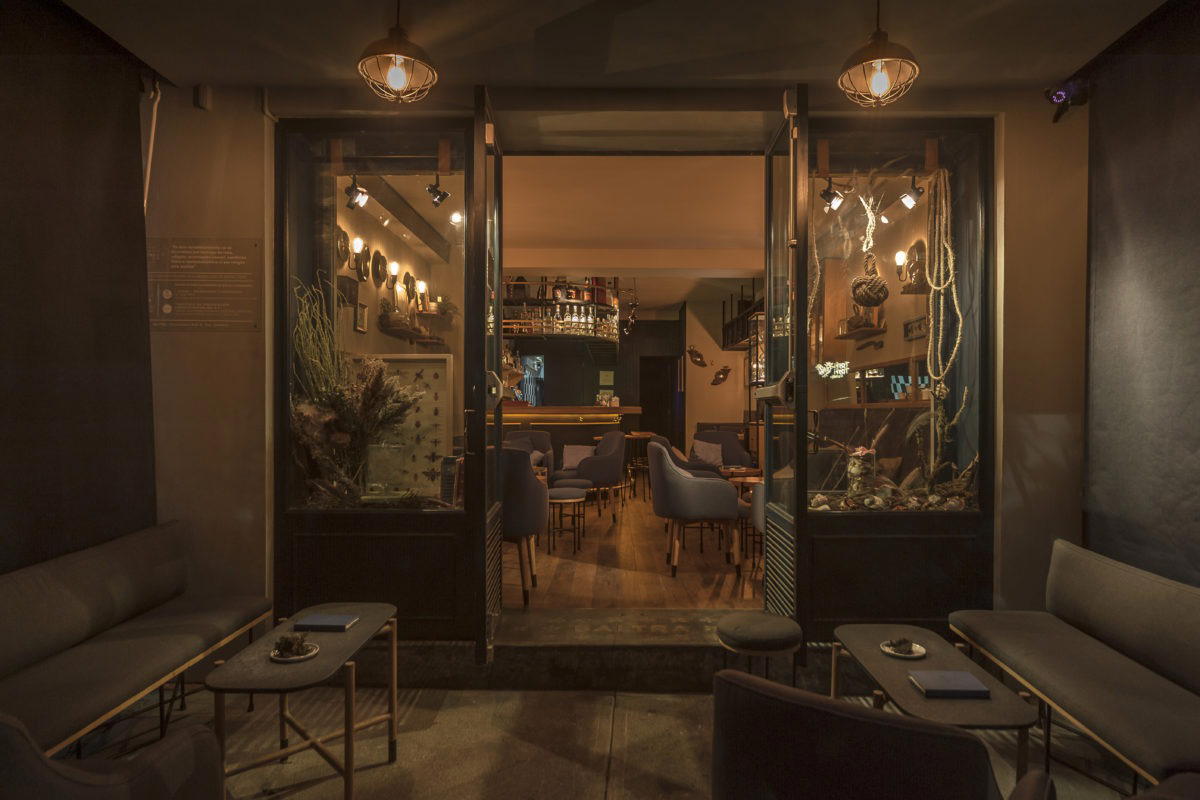


At a Glance
- Cozy
- Modern
- Family
- Brunch
- Casual Hangout
- Craft Cocktails
Current opening hours
- Monday
- 8 AM–9 PM
- Tuesday
- 8 AM–9 PM
- Wednesday
- 8 AM–9 PM
- Thursday
- 8 AM–11 PM
- Friday
- 8 AM–11 PM
- Saturday
- 8 AM–11 PM
- Sunday
- 8 AM–9 PM
Hours can change for holidays and private events. Last verified .
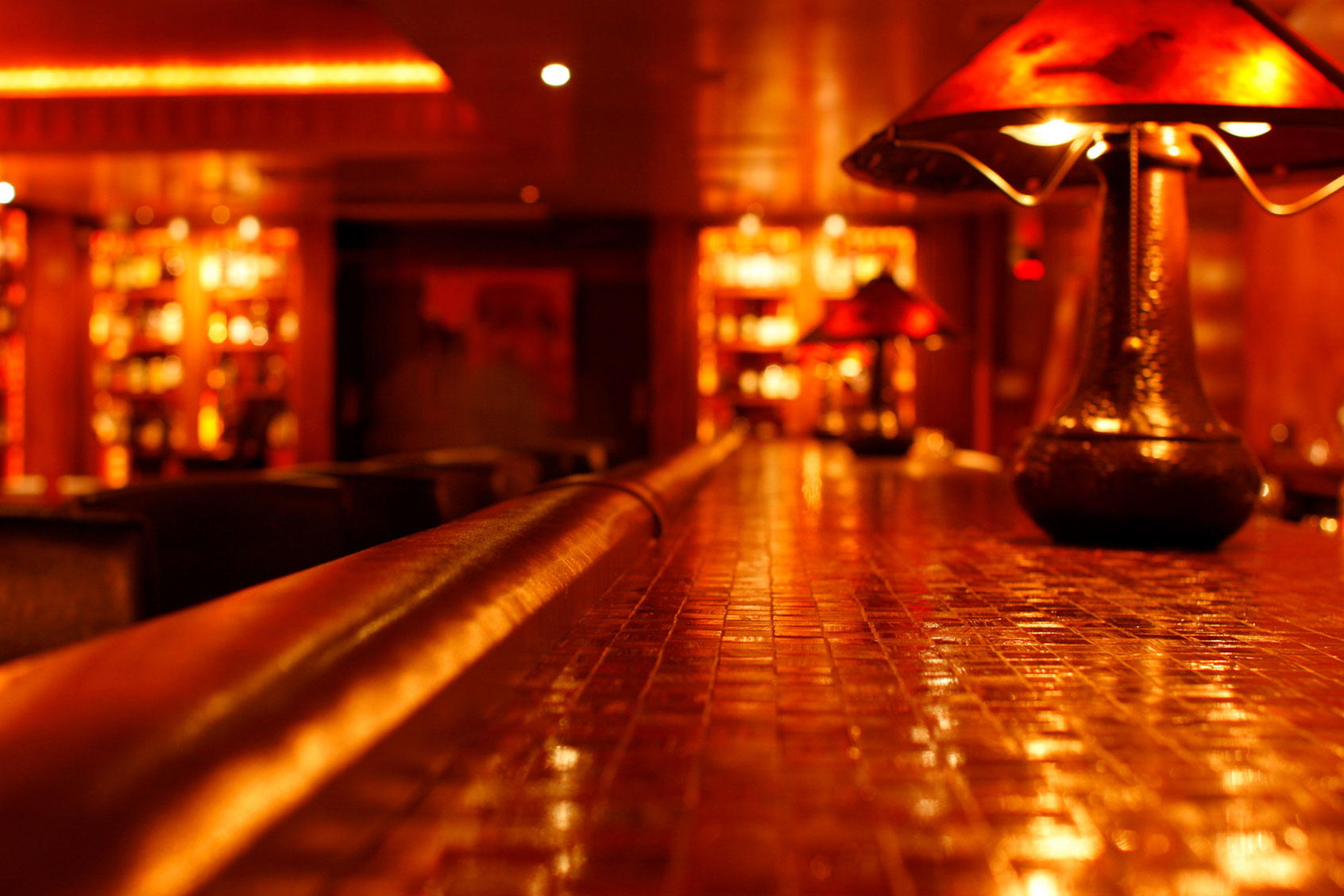
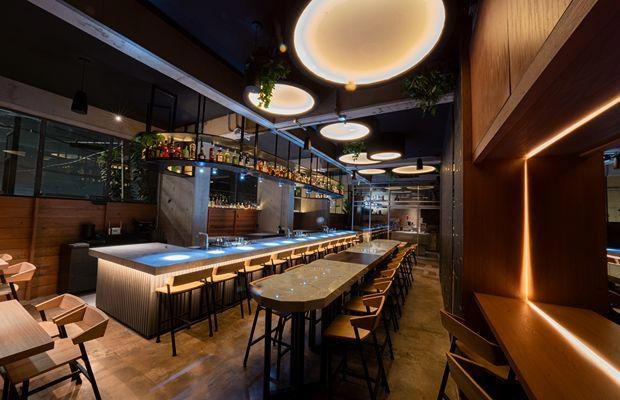
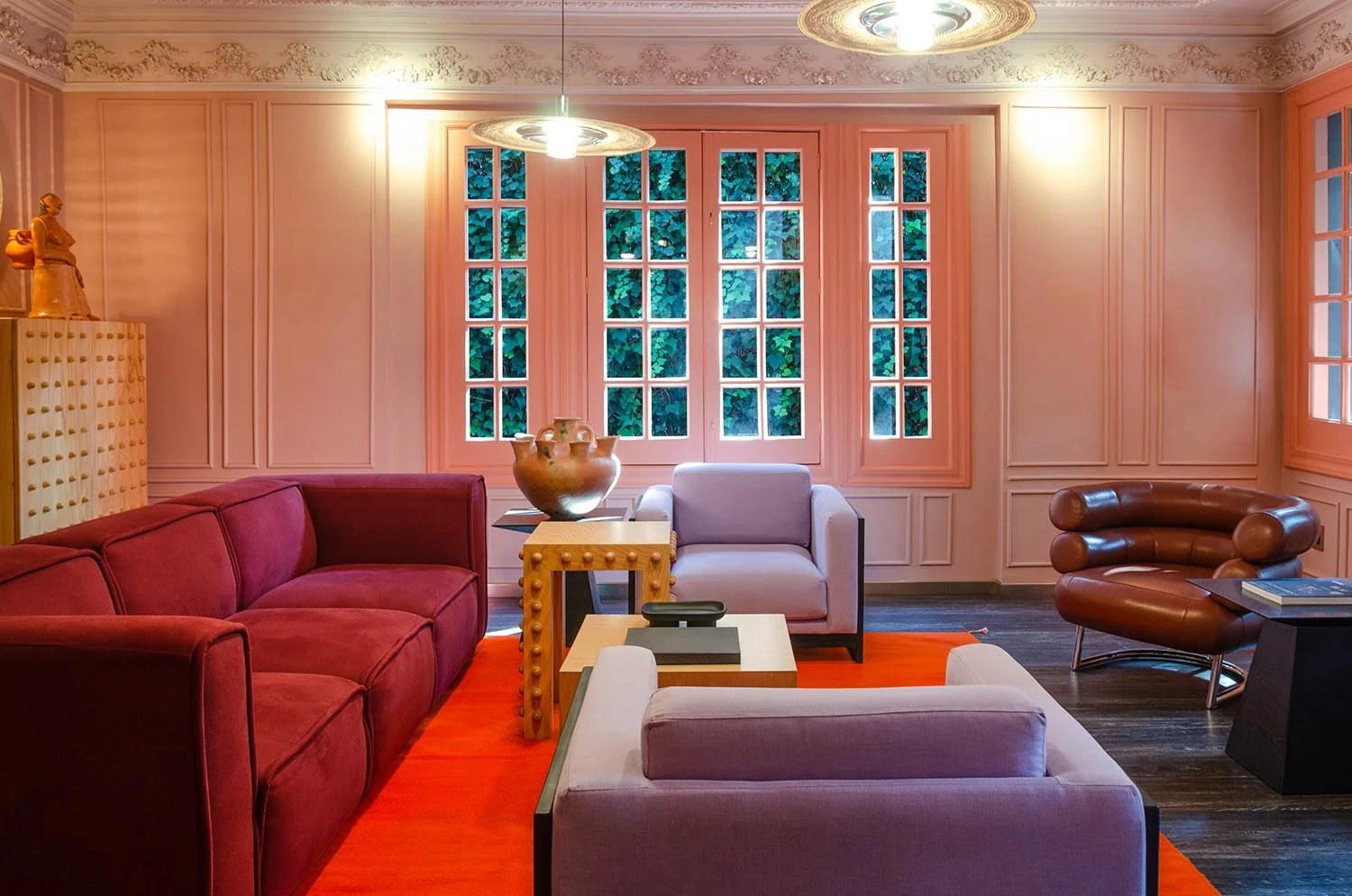
Warm and inviting family atmosphere with comfortable seating.