Caldos de Gallina "Luis"
Our verdict
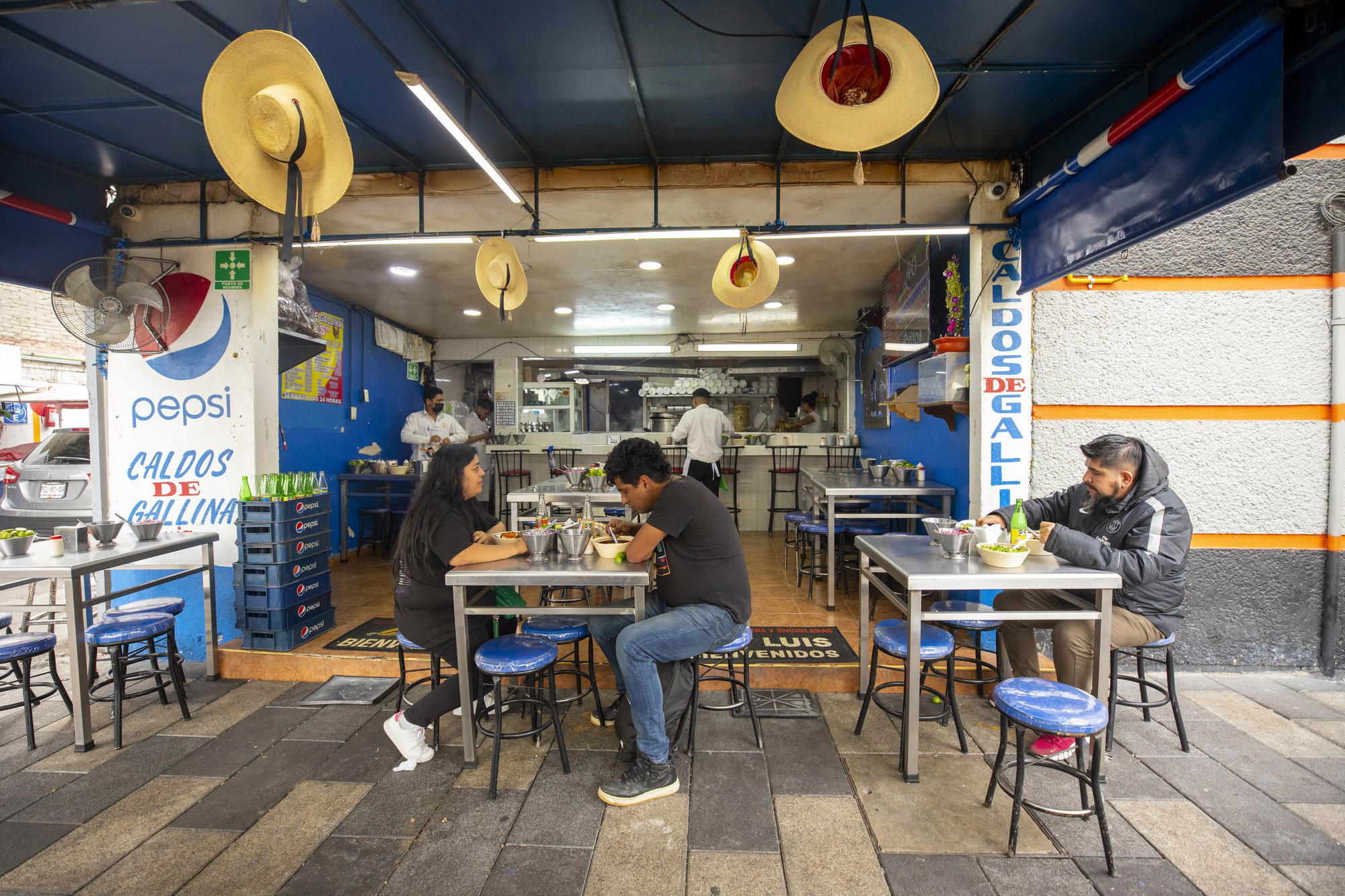
On Puebla 188 in Roma Norte, Caldos de Gallina "Luis" represents a category of Mexico City eating that most visitors overlook entirely: the specialist caldo counter, where a single preparation refined over years anchors an entire visit. The format is spare, the offering focused, and the result positions this address firmly within the neighbourhood's tradition of unadorned, technique-driven street-level cooking.

Pearl is the En Primeur Club membership app, where members save venues, book tables and use the concierge.
The menu
What to order
- Caldo de gallina
- Enchiladas
Roma Norte's Caldo Tradition and Where This Counter Sits
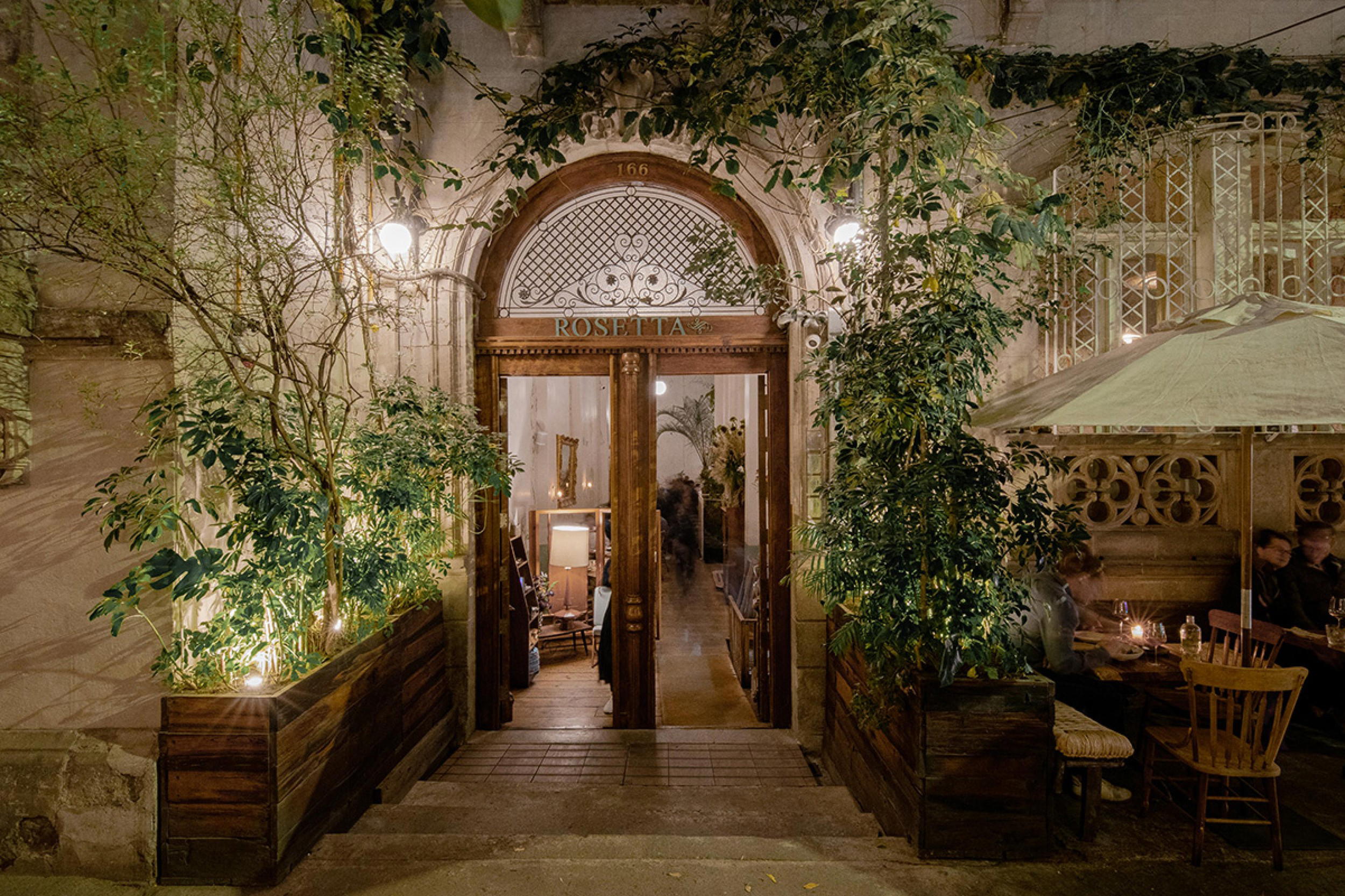
Mexico City's Roma Norte has accumulated enough destination restaurants over the past decade that its foundational eating culture risks being read as background noise. The tasting-menu circuit pulls visitors toward places like Pujol or Quintonil, and the neighbourhood's creative Italian at Rosetta has long attracted its own following. But Roma's street-level cooking operates on different logic entirely. The caldo counter, a form that predates the neighbourhood's design-conscious restaurant wave by generations, is built around a single broth preparation served in quantity, with minimal interruption to the process and almost no concession to the theatrical expectations that have shaped contemporary Mexico City dining.
Caldos de Gallina "Luis", at Puebla 188 in the Roma Norte section of Cuauhtémoc, belongs to that older register. The address places it in a part of the city where the residential and commercial overlap, and where the local eating culture is determined less by chef reputation or price tier and more by consistency, repetition, and the kind of trust that accumulates over years of the same preparation appearing at the same location. This is how the specialist caldo counter works as a category: it earns its standing through accumulated habit rather than critical recognition.
The Arc of a Caldo Meal: Progression Without Courses
Eating at a caldo specialist like this one unfolds on a structure that is easy to misread as the absence of a meal. There are no courses in the tasting-menu sense, no sequenced reveals, no amuse before the main event. The progression instead is thermal and textural: you begin with the broth itself as the orienting force, then allow the accompaniments, which typically include rice, vegetables, and the chicken that has surrendered its flavour to the stock over hours of cooking, to shift the register from liquid to solid. The meal at this kind of counter is as much about time spent in the bowl as about what the bowl contains.
Gallina broth in Mexico City's long caldo tradition is distinct from everyday chicken soup in a way that is partly technical and partly cultural. The hen used, older and fattier than a standard broiler, produces a stock with considerably more body and a longer finish on the palate. The fat does not disappear from the surface; it is part of the flavour architecture. The ritual additions, whether dried chiles, epazote, or lime, function as personal calibration rather than fixed seasoning, and a counter like this one is expected to provide the raw materials for that adjustment rather than prescribe the outcome. This is cooking that trusts the person eating it to know their own preferences, a form of respect that more elaborately plated restaurants rarely extend.
In the context of how Mexico City's dining culture has split, with one tier moving toward the multi-course international-technique formats represented by places like Em and Sud 777, the caldo counter represents a form of resistance that is not ideological so much as structural. The format has not changed because there is no pressure on it to change. Demand is local, regular, and indifferent to trends in a way that the award-circuit restaurants, however accomplished, can never fully replicate.
The Roma Norte Setting and What It Implies
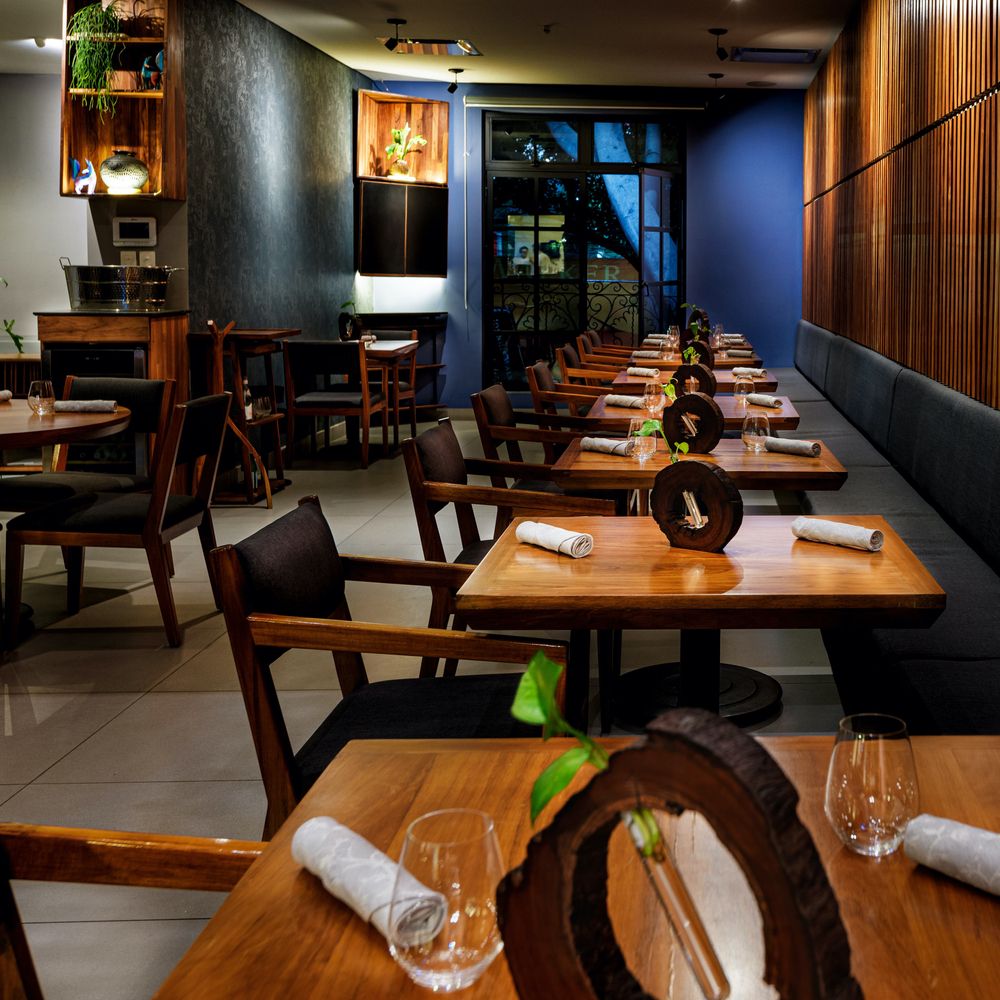
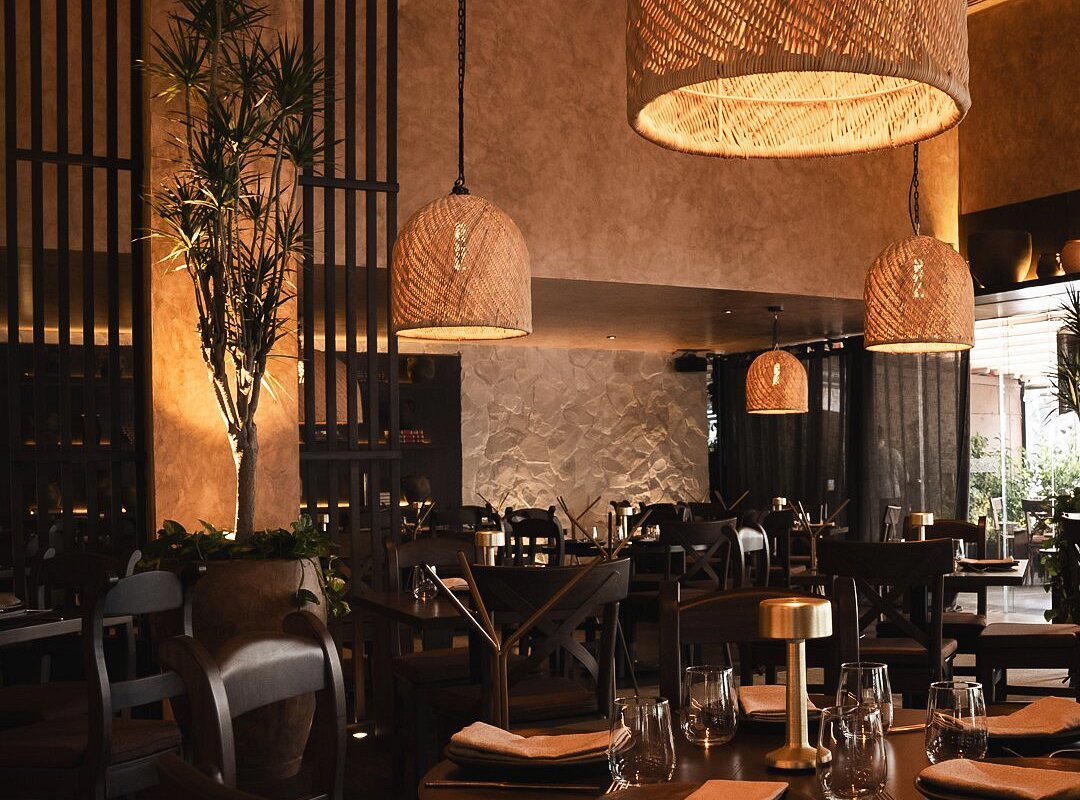
The physical character of a caldo counter in this part of the city tends to be functional rather than curated. Roma Norte has, over the past fifteen years, developed a strong vocabulary of design-led spaces, but the caldo counter exists outside that language. Expect a setting organised around production and throughput: surfaces built for cleaning, seating arranged for efficiency, and an environment where the visible labour of keeping the broth at the right temperature and the bowls moving at the right pace is treated as the decor. This is not a context in which atmosphere is manufactured. The atmosphere is the operation itself.
Arriving at Puebla 188, the surrounding neighbourhood context is Roma Norte as a mixed residential-commercial zone rather than Roma Norte as a destination-restaurant corridor. The street-level energy here is local in a more quotidian way than the blocks closer to Álvaro Obregón or Orizaba, which have attracted higher concentrations of internationally visible restaurants. That positioning is not incidental. The caldo counter depends on proximity to its regular customer base, and that base is built through daily or weekly visits from people who live and work within walking distance. The rhythm is different from anywhere that relies on bookings made weeks in advance.
Planning a Visit: What the Format Requires
A visit to a specialist caldo counter functions leading when approached without the planning logic that applies to Animalón or Le Chique, where reservation windows and tasting formats structure the experience in advance. Here, the operative intelligence is timing rather than booking. Caldo counters of this type in Mexico City tend to operate within a defined window, often morning through midday, with the understanding that the broth prepared for the day is the broth available until it runs out. Arriving early secures the deepest, most concentrated stock; arriving late risks a thinner preparation or no availability at all.
That approach is consistent with how this category of eating works across the city: the counter rewards the visitor who builds in flexibility and is willing to absorb the information that comes from showing up rather than from reading a menu online.
Pricing at counters of this type in Roma Norte typically sits well below the mid-range restaurant tier. Comparable caldo and caldito operations in the Cuauhtémoc borough operate at price points that make multiple visits in a single trip financially direct, and the value logic is built into the format: one central preparation, served at volume, with low overhead and high turnover.
Visitors building a broader Mexico City itinerary can use the EP Club Mexico City guide to map this address within a fuller picture of the city's eating culture, from street-level specialists through to the formal tasting-menu circuit. For those exploring Mexican cooking across regions, the country's range extends from counters like this one through to coastal technique at HA' in Playa del Carmen and the Guadalajara cooking at Alcalde.
Frequently asked questions
Is Caldos de Gallina "Luis" okay with children?
The counter-format setting on Puebla 188 in Roma Norte is low-key and functional, which makes it a practical stop with children. There are no long tasting menus or formal service rhythms to manage around. The format is quick, self-directed, and built around a single straightforward product, which tends to work well for families eating without ceremony.
What should I expect atmosphere-wise at Caldos de Gallina "Luis"?
Expect a working caldo counter, not a designed dining room. Roma Norte has accumulated a decade of destination restaurants around it, but Caldos de Gallina Luis operates in the register that existed before the neighbourhood's transformation: functional seating, focused on the food, with no ambient curation. The address on Puebla 188 puts you in the residential-commercial overlap of Roma Norte, so the crowd tends to be local and habitual rather than destination-driven.
How does Caldos de Gallina "Luis" differ from Roma Norte's destination restaurants?
Where restaurants like Contramar or Merotoro on the same streets require planning and often reservations, Caldos de Gallina Luis operates on a walk-in counter model built around a single product. Located at Puebla 188 in Cuauhtémoc, it represents the working-class eating tradition that predates Roma Norte's restaurant boom rather than participating in it. The visit is structured around the caldo itself, not a broader dining arc.
What should I eat at Caldos de Gallina "Luis"?
The format centres on caldo de gallina, the hen-based broth that defines this category of specialist counter across Mexico City. At a focused operation like this one, the caldo is the meal rather than a component of one. Order it as the kitchen presents it and resist the instinct to treat it as a starter preceding something else.
What part of town is Caldos de Gallina "Luis" in?
Caldos de Gallina "Luis" is located at Puebla 188, Cuauhtémoc, Roma Nte. Cuauhtémoc, 06700 Ciudad de México, CDMX, Mexico, Mexico City.
Standing Among Peers
A quick peer list to put this venue’s basics in context.
| Venue | Cuisine | Price | Awards | Notes |
|---|---|---|---|---|
| Caldos de Gallina "Luis"This venue (the venue you are viewing) | Traditional Mexican Hen Soup | Not listed | Not listed | Not listed |
| Pujol | Modern Mexican Fine Dining | $200–300 | 2 Michelin Stars · World's 50 Best #60 | Mexican |
| Quintonil | Modern Mexican Fine Dining | $300–500 | 2 Michelin Stars · World's 50 Best #4 | Modern Mexican, Contemporary |
| Rosetta | Mexican-Italian Fusion Fine Dining | $30–50 | 1 Michelin Star · World's 50 Best #96 | Italian, Creative |
| Em | Modern Japanese-Mexican Fusion | $200–300 | 1 Michelin Star · World's 50 Best #71 | Mexican |
| Comedor Jacinta | Traditional Mexican | Not listed | Michelin Bib Gourmand | Mexico, Mexican |
Continue exploring
More in Mexico City
Restaurants in Mexico City
All restaurants in Mexico City →

Details
- Rustic
- Cozy
- Casual Hangout
- Family
- Open Kitchen
- Street Scene
- A La Carte
Current opening hours
- Monday
- Open 24 hours
- Tuesday
- Open 24 hours
- Wednesday
- Open 24 hours
- Thursday
- Open 24 hours
- Friday
- Open 24 hours
- Saturday
- Open 24 hours
- Sunday
- Open 24 hours
Hours can change for holidays and private events. Hours as of .
Casual open-air atmosphere typical of a neighborhood eatery.