Set in the Ardennes village of Libin, La Barrière de Transinne occupies a corner of Belgian woodland dining that rewards those willing to travel for it. The surrounding Lesse et Lomme natural park shapes what ends up on the plate, placing this address within a small regional tradition of terrain-driven cooking. For the full Libin picture, see our restaurants guide.
 Discover on Pearl
Pearl is the En Primeur Club membership app — saves, bookings, and concierge access live there. Same editors, same standards.
- Address
- Rue de la Barrière 4, 6890 Libin, Belgium
- Phone
- +32 61 35 02 24
- Website
- barrieredetransinne.be
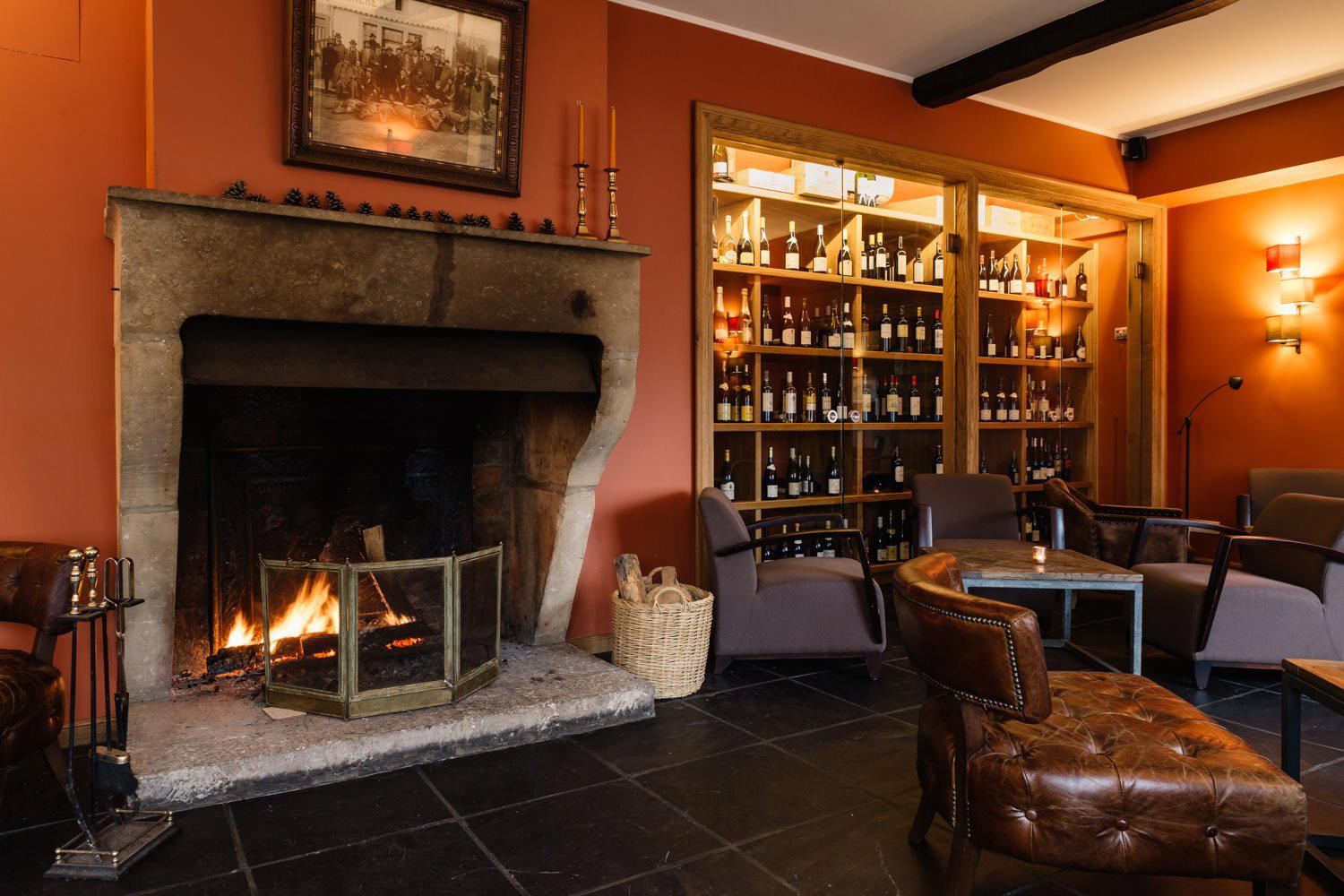
Where the Ardennes Shapes the Plate
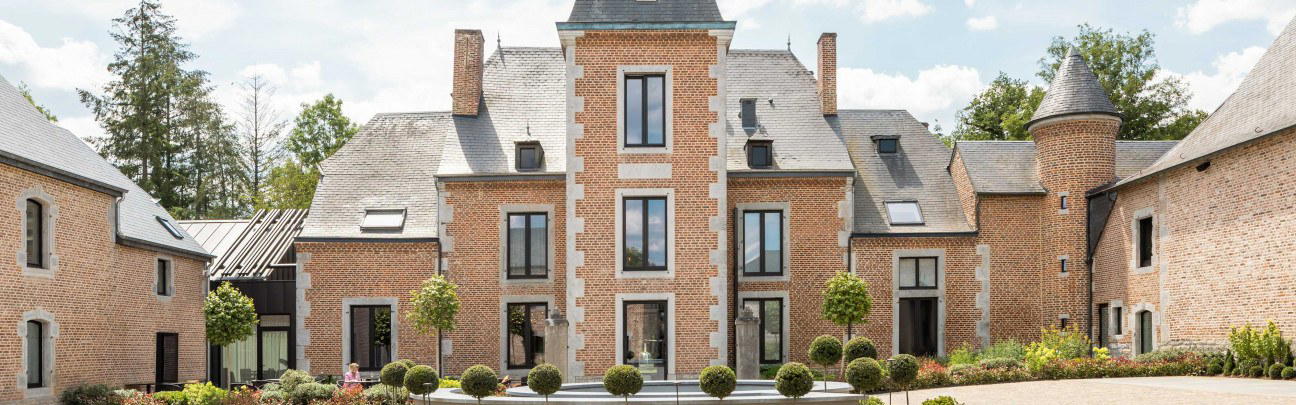
The road into Transinne passes through dense spruce and beech before the village materialises, a handful of stone buildings, a rail halt, and the kind of quiet that urban dining rooms spend considerable effort trying to recreate artificially. La Barrière de Transinne sits on Rue de la Barrière in this setting, and the physical environment is not incidental to what the kitchen does. In the Belgian Ardennes, geography has long been a culinary argument: the forests produce game, the river valleys yield trout and crayfish, and the farms between Libin and Bouillon have supplied cheeses and pork products to regional tables for generations. A restaurant here is either in conversation with that larder or it is ignoring the most obvious resource available to it.
That tension between place and plate defines how serious Ardennes dining gets assessed. The strongest kitchens in this part of Wallonia draw directly from the surrounding terrain, using provenance as a structural ingredient decision.
The Ardennes Larder: Why Sourcing Here Is Different
Belgium's fine dining conversation tends to concentrate in Flanders and Brussels. Addresses like Hof van Cleve in Kruishoutem, Boury in Roeselare, and Zilte in Antwerp anchor the Flemish side of the country's culinary reputation, while Brussels produces its own density of serious kitchens, from Bozar Restaurant to Le Chalet de la Forêt in Uccle. Wallonia operates differently. The population is smaller, the distances between towns are greater, and the restaurant culture is more embedded in rural hospitality than in urban dining-as-destination.
This matters for sourcing. A kitchen in Libin has direct access to ingredients that a Brussels restaurant would have to arrange logistics around: wild boar and venison from the surrounding forests, freshwater fish from the Lesse and its tributaries, foraged mushrooms from the Lesse et Lomme natural park that borders the commune, and small-scale agricultural producers who have supplied Ardennes tables long before farm-to-fork became a recognisable phrase. The ingredient geography here is specific and compressed. What grows or forages within twenty kilometres of Transinne reads like a seasonal menu prompt.
Walloon cooking in this register sits closer to the French tradition than the Flemish one, shaped by proximity to the French border and centuries of cross-influence. The hearty braises and game preparations that define Ardennes cuisine at its most traditional are not heavy-handed by accident, they evolved to match the climate and the physical labour of the region. Contemporary kitchens in this area tend to edit rather than abandon that tradition, applying lighter technique to the same local ingredients rather than replacing them with imported ones. For comparison, L'air du Temps in Liernu has built an approach around similar Walloon terroir principles, demonstrating that this part of Belgium can sustain sourcing-led cooking.
Placing La Barrière in Its Regional Context
Within Libin itself, La Barrière de Transinne shares the dining space with a small number of addresses, including Cultures Restaurant, which represents a different register of the local offering. The Ardennes more broadly has produced kitchens that punch above their geographic weight: La Table de Maxime in Our and d'Eugénie à Emilie in Baudour both demonstrate that rural Wallonia is not simply a gap between urban dining destinations but a region with its own serious kitchen culture.
For reference on how coastal-sourced and terrain-driven approaches compare across Belgium, Willem Hiele in Oudenburg and Bartholomeus in Heist offer the North Sea equivalent of what the Ardennes forests supply: an ingredient-first logic shaped entirely by what the surrounding environment produces. The method is comparable; the larder is categorically different. Further afield, Castor in Beveren, De Jonkman in Sint-Kruis, La Durée in Izegem, and Maison Colette in Tongerlo round out a pattern of serious kitchens operating outside Belgium's primary urban centres, each anchored to specific local sourcing logic.
Planning Your Visit
Libin is not a commuter destination. The town sits roughly 25 kilometres south of Marche-en-Famenne and approximately 30 kilometres north of Bouillon, accessible by car along the N40 or by train to the Transinne halt on the line between Namur and Luxembourg City. Visitors arriving by rail should account for onward transport, as the village itself is compact and walking connections between the station and the restaurant are manageable on foot. The surrounding Lesse et Lomme natural park means that a meal at La Barrière de Transinne fits naturally into a wider itinerary around the region, the caves at Han-sur-Lesse, the château at Bouillon, and the walking trails through the Fagne de Viroin all sit within reasonable driving distance, making this part of Wallonia a viable short-break destination rather than a single-stop journey.
A Quick Peer Check
Comparable venues nearby, for context on price, style, and recognition.
| Venue | Cuisine | Price | Awards | Notes |
|---|---|---|---|---|
| La Barrière de TransinneThis venue — the venue you are viewing | Modern French-Belgian | $$$ | , | |
| Cultures Restaurant | Modern Belgian Bistro | $$$ | 1 recognition | Redu |
| Brasserie François | Traditional French-Belgian Brasserie | $$$ | , | Vieux Namur |
| Het Hooghuys | French-Belgian Brasserie | $$$ | , | Wilderen |
| Pavillon Du Vieux Chateau | Seasonal French Fine Dining | $$$ | , | Modave |
| La P'tite Auberge | Contemporary French Fine Dining | $$$ | , | Ohey |
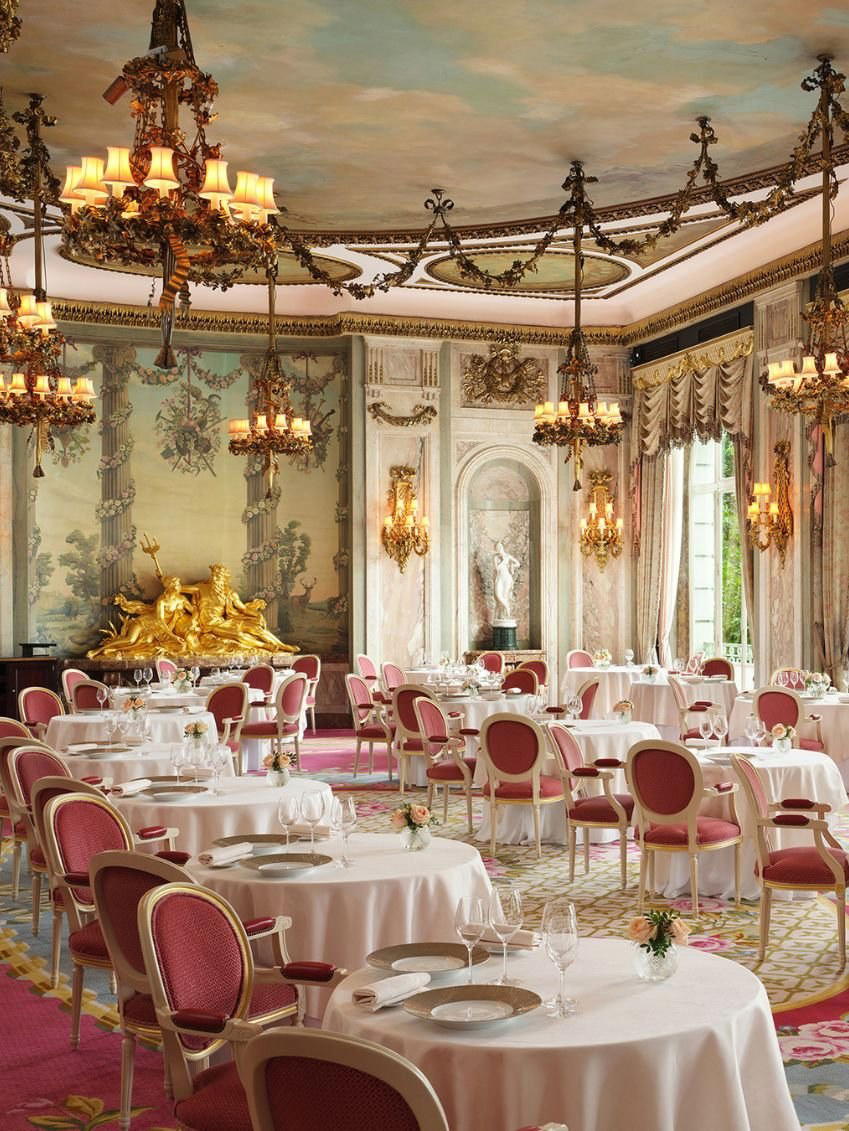
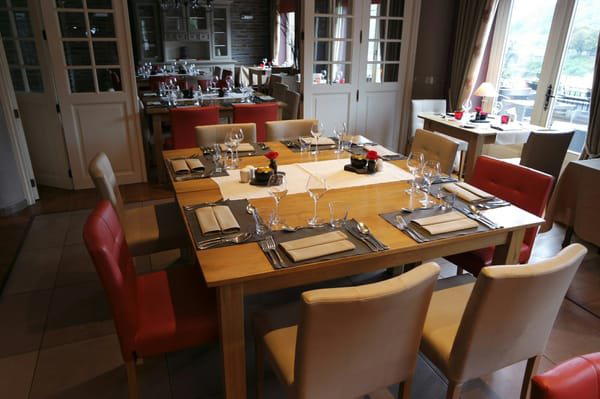
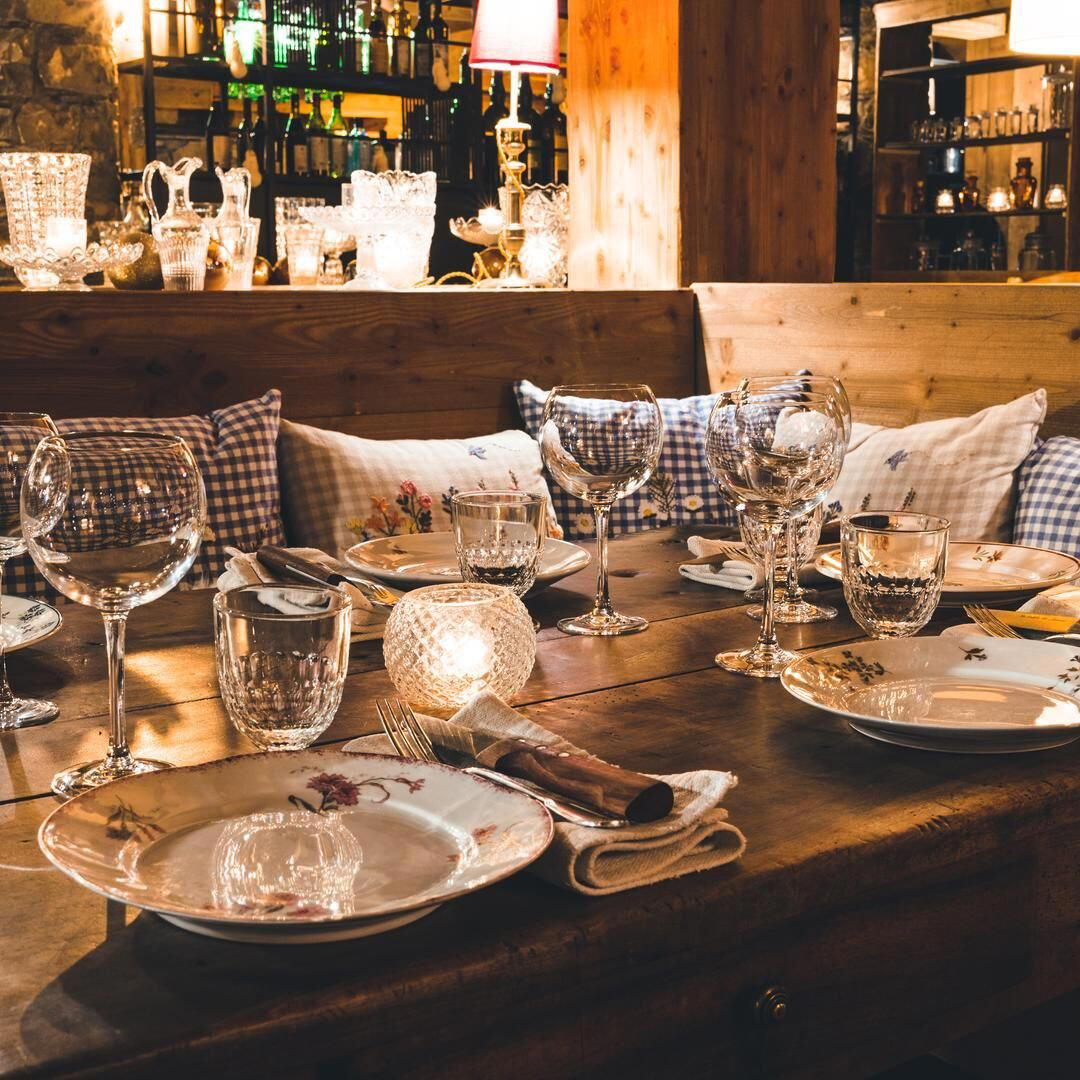
At a Glance
- Rustic
- Cozy
- Elegant
- Family
- Group Dining
- Special Occasion
- Hotel Restaurant
- Terrace
- Extensive Wine List
- Local Sourcing
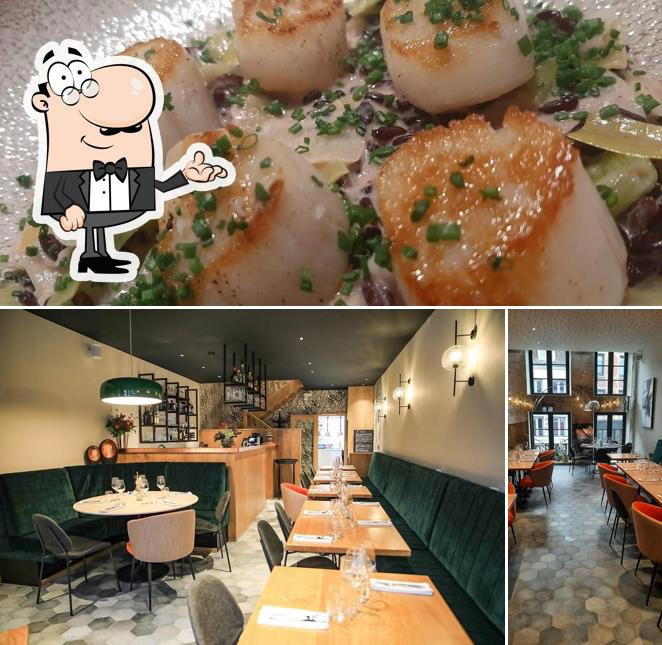
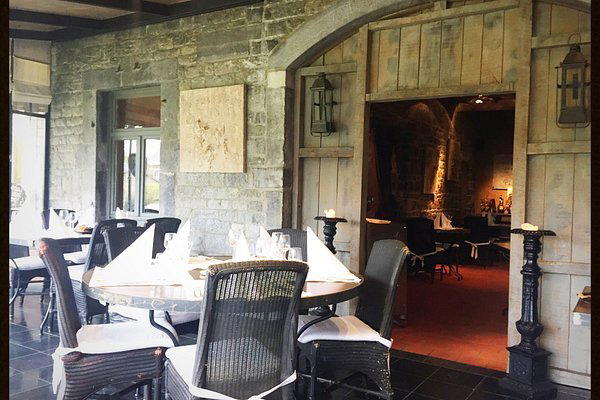
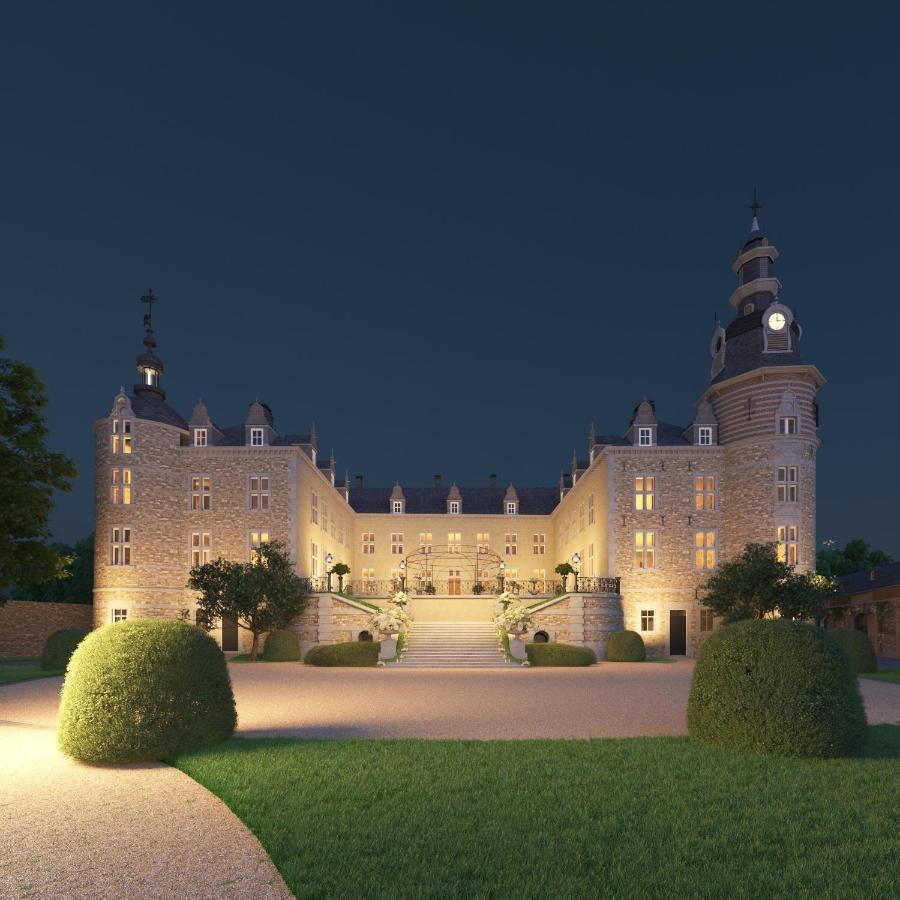
rustic and comfortable atmosphere with cozy lounge featuring an open fire, perfect for relaxed family and group dining.