
A trattoria-delicatessen in Faenza's historic centre, La Baita has held the Michelin Bib Gourmand in both 2024 and 2025 for its commitment to Emilian tradition. Chef Demurger's informal dining room draws locals and visitors alike for house-made pasta, aged salumi, and a cheese selection that reads as a survey of the region's best producers. Entry-level pricing makes it one of the more accessible Michelin-recognised addresses in Romagna.
Pearl is the En Primeur Club membership app — saves, bookings, and concierge access live there. Same editors, same standards.
- Address
- Via Naviglio, 25/C, 48018 Faenza RA, Italy
- Phone
- +39 0546 21584
- Website
- labaitaosteria.it
- Directions
- Get directions
 Saves & bookings on Pearl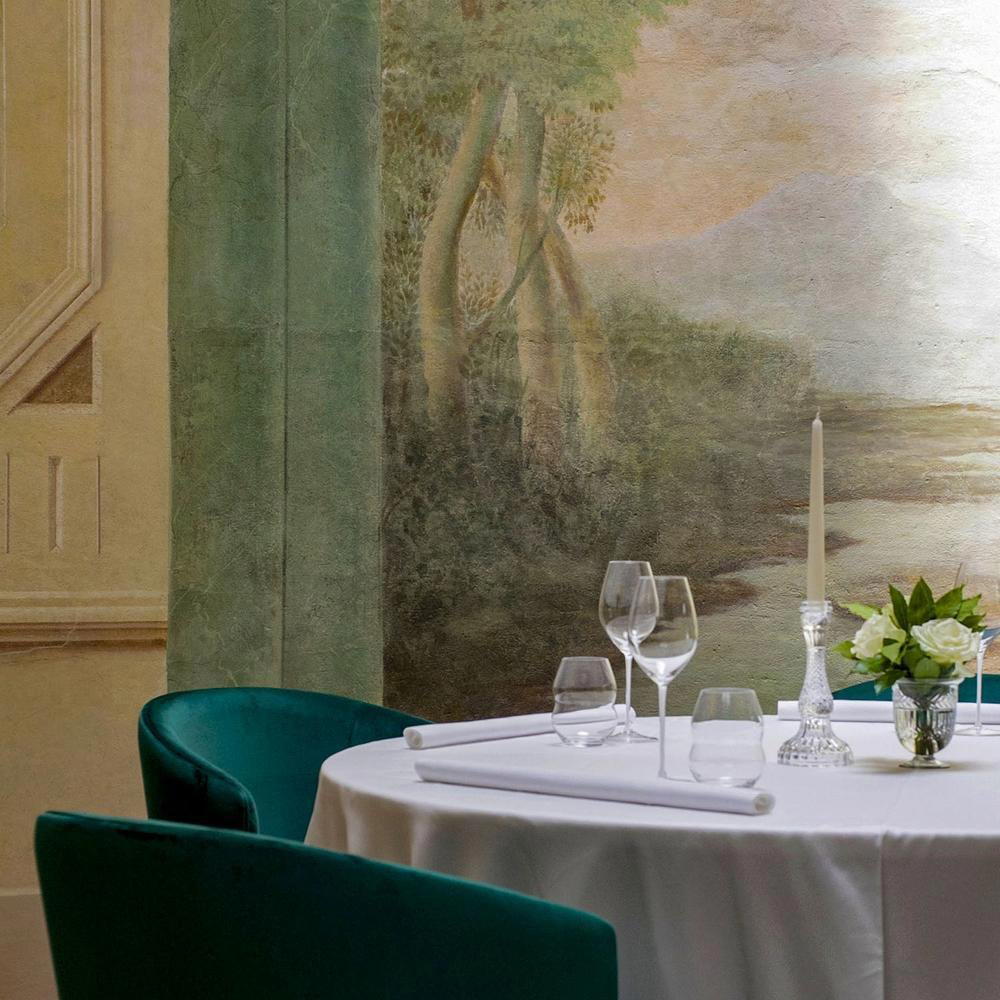
Where the Pantry Defines the Kitchen
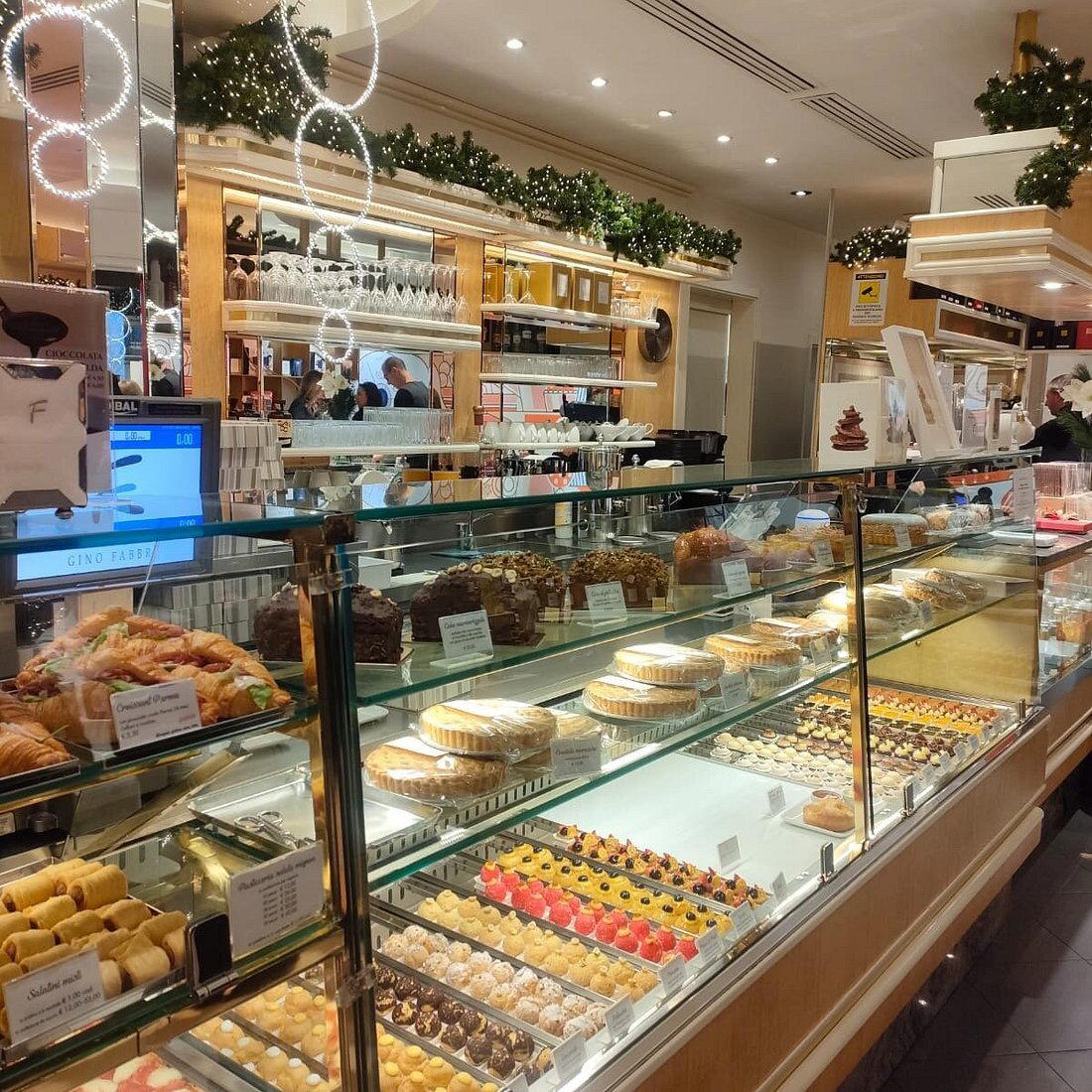
In Emilia-Romagna, the line between a delicatessen and a restaurant has always been deliberately blurred. The region's food culture is built on the idea that notable raw material, handled with minimal interference, constitutes cooking in its own right. Aged Parmigiano-Reggiano, hand-pulled mortadella, culatello air-dried in the Po Valley fog, these are not ingredients waiting to become something else; they are the destination. La Baita, on Via Naviglio in Faenza's historic centre, operates squarely within that tradition. It functions as both a place to sit down and eat and a place to buy what you have just eaten, which tells you something precise about the kitchen's priorities: the sourcing conversation happens before the cooking one.
That dual identity, trattoria and delicatessen under one roof, is not a novelty concept. It is the oldest form of serious eating in this part of Italy, and it is increasingly rare to find it executed with the kind of rigour that earns Michelin's attention. La Baita has held the Bib Gourmand in consecutive years, 2024 and 2025, a designation Michelin reserves for tables that deliver cooking of genuine quality at a price that does not require justification. At the single Euro price tier, it sits at one accessible end of Faenza's restaurant spectrum, and in that context the back-to-back recognition is a specific statement about value-to-quality ratio rather than a consolation for not having stars.
The Emilian Pantry on the Plate
Emilian cuisine is a cuisine of accumulation: years of patient ageing, generations of technique, the slow accumulation of flavour through process rather than through complexity. What arrives at the table at a room like this has often been in preparation for months before a diner sat down. The salumi selection at La Baita reflects that logic. Choosing from a vast range of cured meats means, in practice, reading a map of the region's production heritage, the specific hog breeds, the curing caves, the microclimate variables that distinguish a Parma prosciutto from a Romagna-style culatello made twenty kilometres away.
The cheese programme follows the same geographic specificity. Emilia-Romagna produces more PDO-designated cheeses per square kilometre than almost any comparable Italian region, and a well-curated selection here is effectively an argument about terroir before the word has been applied to anything fermented in a grape. Younger pecorinos from the Apennine hill farms taste categorically different from the dense, granular Parmigiano aged past thirty-six months, and a menu that gives both equal standing is making an editorial choice about regional identity.
Home-made pasta anchors the cooked menu, as it does across this corridor of Italy from Piacenza to Rimini. In Romagna specifically, the sfoglia tradition, a hand-rolled sheet pasta produced daily by a sfoglina, is one of the region's most technically demanding and most geographically specific craft forms. Tagliatelle, tortelloni, and the broader family of egg-enriched pasta shapes derive their character as much from the thickness of the roll and the flour blend as from what accompanies them. A kitchen that makes its own pasta daily is making a commitment to labour that most restaurants at this price point have quietly abandoned. That commitment is part of what the Bib Gourmand recognition is tracking.
The Informal Room and What It Signals
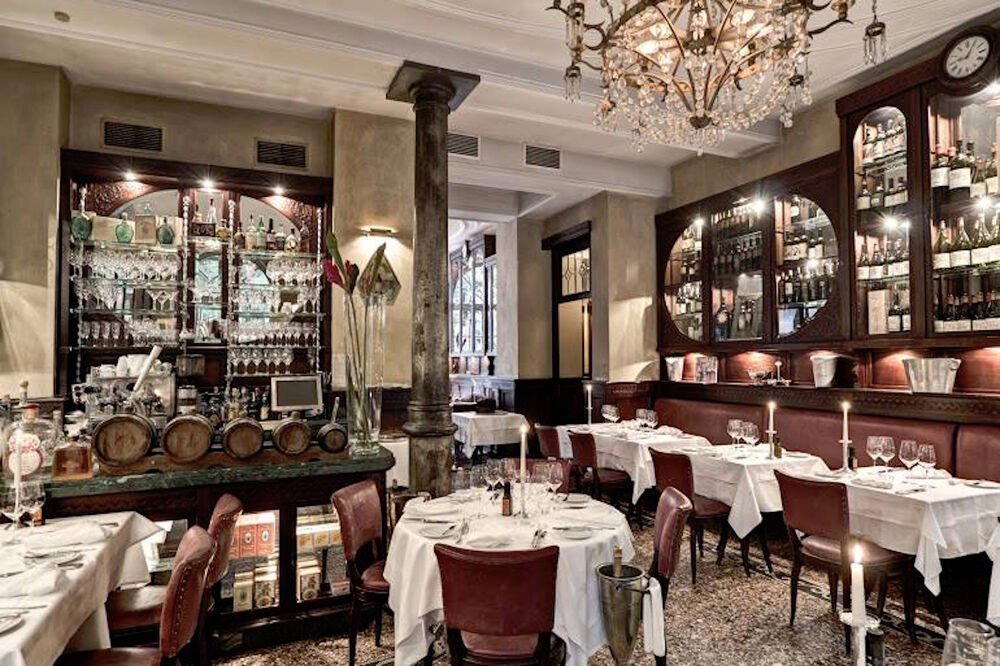
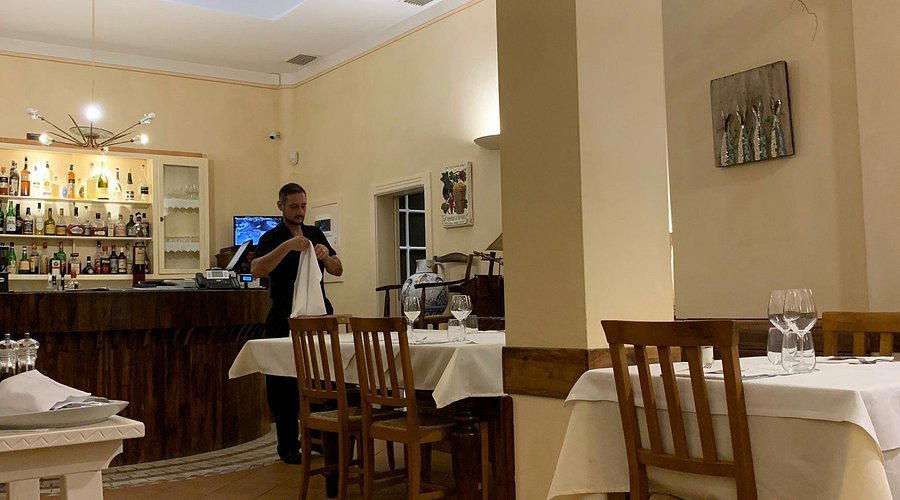
The dining room at La Baita is described as simple and informal, which in the context of the Italian trattoria tradition is not a qualifier but a position. The high-modernist dining room, the tasting menu architecture, the theatrics of tableside service, these are valid registers, and Italy has produced some of the world's most technically sophisticated restaurants in that mode. Osteria Francescana in Modena, Le Calandre in Rubano, Enoteca Pinchiorri in Florence, Dal Pescatore in Runate, Enrico Bartolini in Milan, Piazza Duomo in Alba, Atelier Moessmer Norbert Niederkofler in Brunico, Reale in Castel di Sangro, Uliassi in Senigallia, Quattro Passi in Marina del Cantone, Italy's three-star tier is among the more competitive in Europe.
But the trattoria is a different operating philosophy entirely, one that prizes repetition and reliability over innovation, and communal ease over formal precision. A simple room in Faenza's centro storico is a room that has opted out of the performance economy. Critics visit once; locals return, and they talk.
For comparison within the Emilian trattoria register, Arnaldo - Clinica Gastronomica in Rubiera and Osteria del Viandante in Rubiera represent similar commitments to regional tradition in different parts of the same culinary corridor. Each occupies a distinct position in the Emilian trattoria lineage, and together they illustrate how consistent that lineage has been in producing critically recognised cooking at accessible prices.
Faenza and Its Food Context
Faenza is better known internationally for ceramics than for restaurants. The city gave the world the word faience, and its ceramic tradition continues to define the historic centre. But the food culture here is substantive and local in character, drawing on the Romagna side of the Emilia-Romagna divide rather than the richer, fatter Bolognese register. Romagna cooking tends toward slightly leaner preparations, more lamb and rabbit alongside pork, a greater use of local Sangiovese in both the glass and the pan. The restaurant sits within that context, and its address on Via Naviglio places it among the streets that make up Faenza's walkable centro storico.
For travellers building an itinerary around the city, O Fiore Mio represents a different register of Faenza dining, and our full Faenza restaurants guide maps the broader picture. Our full Faenza hotels guide, bars guide, wineries guide, and experiences guide cover the rest of the city's offer for visitors planning more than a meal.
Planning Your Visit
The restaurant operates at the single Euro price tier, placing it among the more accessible Michelin-recognised restaurants in the region. The address is Via Naviglio, 25/C, in Faenza's historic centre, walkable from the main Piazza del Popolo. The trattoria-delicatessen format means a visit can be calibrated as either a full sit-down meal or a shorter stop for cheese and salumi if time is constrained. Chef Demurger oversees a menu that anchors on house-made pasta and meat dishes alongside the delicatessen offer, so the kitchen's range accommodates both a quick plate and a longer table.
What to Order at La Baita
What's the must-try dish at La Baita?
The Michelin Bib Gourmand recognition in both 2024 and 2025 specifically cites home-made pasta and meat dishes alongside the cheese and salumi selection as the pillars of the menu. In an Emilian kitchen operating at this level, the hand-rolled egg pasta, whether tagliatelle or a stuffed format such as tortelloni, is especially technically telling order: it shows the daily commitment of the kitchen and places the meal in direct conversation with the sfoglia tradition that runs through this entire region. The salumi and cheese board, drawn from the delicatessen side of the operation, is the other anchor, and ordering both gives you the fullest picture of what the restaurant is actually about as a place.
Booking and Cost Snapshot
Comparable venues nearby, for context on price, style, and recognition.
| Venue | Cuisine | Price | Awards | Notes |
|---|---|---|---|---|
| La BaitaThis venue — the venue you are viewing | historic centre, Emilian Trattoria | $$ | Bib Gourmand | Not listed |
| Il Fenicottero Rosa Gourmet | Dining | Not listed | Michelin Plate | Not listed |
| ‘O Fiore Mio | Not listed | $$ | Not listed | historic centre, Modern Neapolitan Sourdough Pizza |
| Da Flavio e Fabrizio "Al Teatro" | Mirano, Venetian Seafood | $$ | Bib Gourmand | Not listed |
| Dei Cantoni | Longiano, Romagna Trattoria | $$ | Bib Gourmand | Not listed |
| Stella | Casaglia, Traditional Umbrian Trattoria | $$ | Bib Gourmand | Not listed |
Recognition history
Dated appearances from independent guides and award organizations, with the underlying list record or original source where available.
Michelin Bib Gourmand
Michelin
Michelin Bib Gourmand
Michelin
Michelin Bib Gourmand
Michelin

At a Glance
- Rustic
- Cozy
- Intimate
- Casual Hangout
- Family
- Historic Building
- Extensive Wine List
Current opening hours
- Monday
- Closed
- Tuesday
- 12:15–2:30 PM, 7–10:30 PM
- Wednesday
- 12:15–2:30 PM, 7–10:30 PM
- Thursday
- 12:15–2:30 PM, 7–10:30 PM
- Friday
- 12:15–2:30 PM, 7–10:30 PM
- Saturday
- 12:15–2:30 PM, 7–10:30 PM
- Sunday
- Closed
Hours can change for holidays and private events. Last verified .
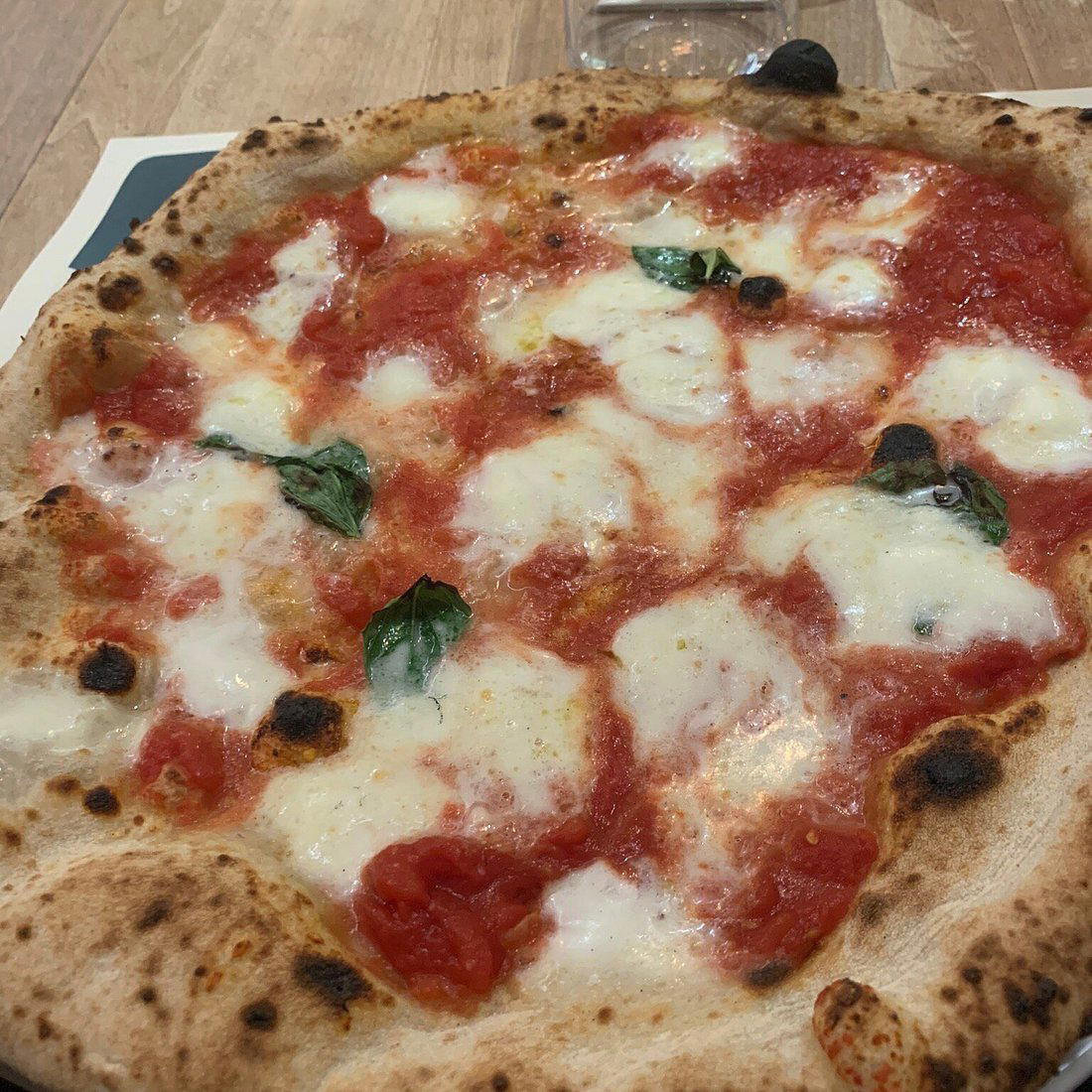
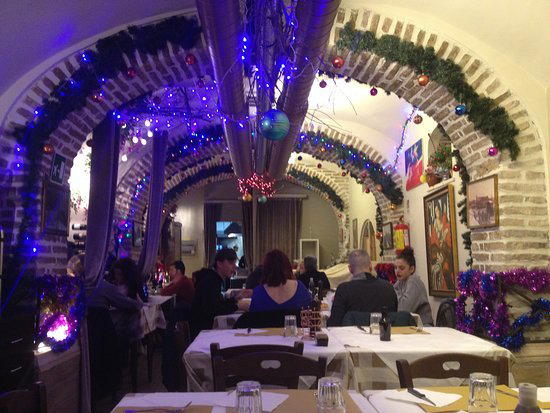
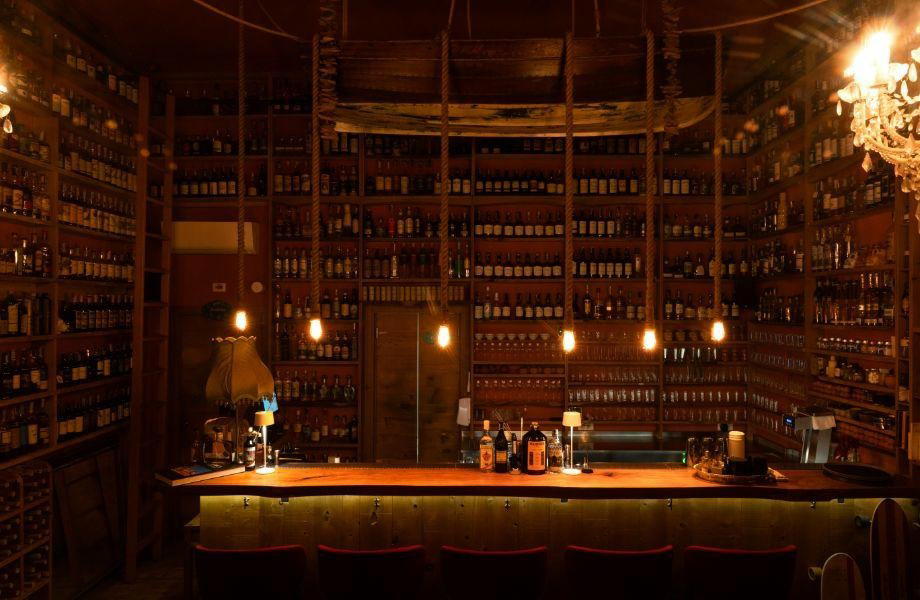
Simple, informal dining room with a warm, rustic, and familial atmosphere filled with wine bottles.