Our verdict
L'Espérance sits on Driftweg 1 in De Haan, the Belgian coast's most architecturally preserved resort town, where the dining scene has quietly developed alongside a broader West Flemish fine-dining tradition.

Pearl is the En Primeur Club membership app, where members save venues, book tables and use the concierge.
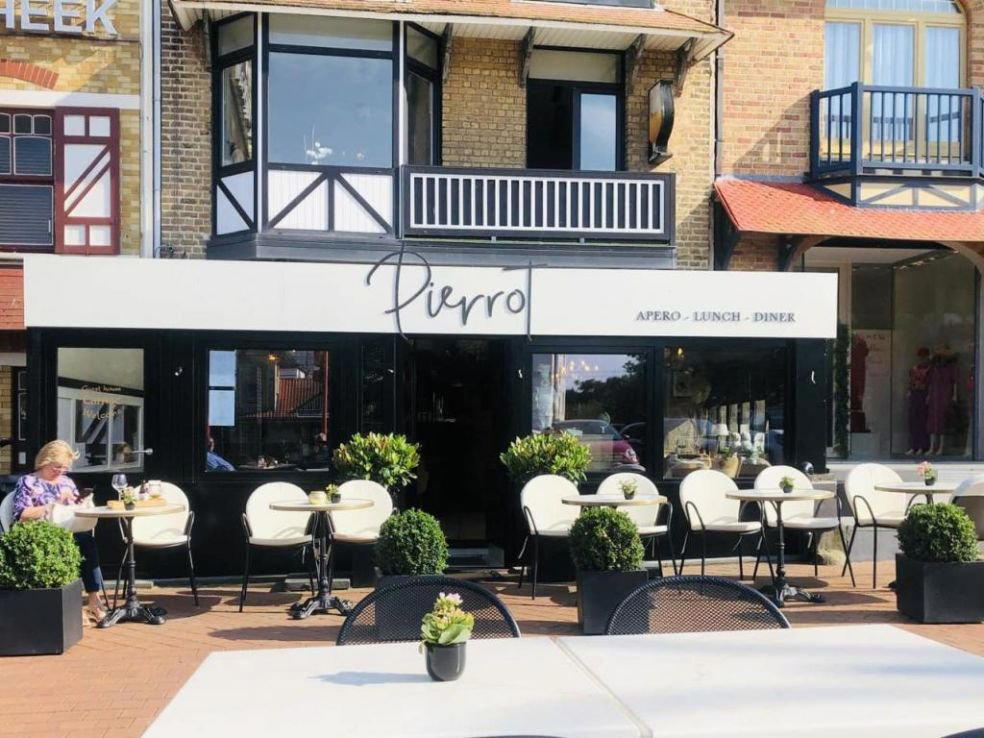
The menu
What to order
- Scallops and black pudding with raw vegetables
- Fawn fillet
- Monkfish
- Trompe l'oeil tiramisu
De Haan's Coastal Table and What the Belgian Shoreline Demands of Its Kitchens
The Belgian coast operates under a specific culinary logic. Within a few kilometres of the North Sea, a kitchen either leans into the material reality of that proximity, grey shrimp, razor clams, plaice, the particular brininess of the Flemish littoral, or it risks feeling disconnected from the place entirely. De Haan, unlike its larger neighbours Ostend and Blankenberge, has retained enough of its Belle Époque character to attract a dining public that expects more than fried fish on a terrace. That expectation has quietly shaped the restaurants that have taken root here. L'Espérance, at Driftweg 1, sits within that context: a coastal address in a town where the built environment itself signals a certain seriousness of purpose.
The broader West Flemish fine-dining corridor running inland from the coast has produced kitchens of genuine ambition. Boury in Roeselare holds three Michelin stars; Hof van Cleve in Kruishoutem has long anchored the region's top tier. Closer to the coast, Willem Hiele in Oudenburg has built a reputation around hyperlocal sourcing and fermentation, and Bartholomeus in Heist has demonstrated that a seaside postcode is no ceiling for ambition. L'Espérance operates within that same regional tradition, where sourcing proximity to the sea is not a marketing narrative but a practical and competitive baseline.
The Sourcing Logic of a North Sea Address
Belgian coastal kitchens at the serious end of the spectrum tend to organise around a specific sourcing discipline. The North Sea is not the Mediterranean: its harvest is cold-water, often undervalued internationally, and requires a kitchen that understands restraint as well as technique. Grey shrimp peeled by hand in Zeebrugge, day-boat sole from the Ostend fish auction, seasonal eel from the estuaries that thread through the polders inland, these are the materials that define the tradition. Where a restaurant on the French Atlantic coast might anchor itself to oysters and turbot, a West Flemish kitchen at its most coherent works with a narrower, more specific palette.
This sourcing discipline is increasingly what separates the credible coastal tables from the seasonal trade. At venues like Zilte in Antwerp and L'air du temps in Liernu, the sourcing story is inseparable from the cooking itself, each kitchen has built a competitive position on knowing exactly where its raw material comes from and why that specificity matters to the plate. The same logic applies along the coastal strip. A restaurant at a De Haan address has access to some of the most direct seafood supply chains in northern Europe, and the question a serious diner asks is how that access is being used.
De Haan Within Belgium's Broader Dining Geography
Belgium's restaurant culture has an unusual structure: it punches well above its population size in terms of Michelin-density, and that density extends beyond Brussels and the major cities into the provinces. Bozar Restaurant in Brussels operates at the capital's cultural and culinary intersection, while coastal and rural Flemish addresses have developed their own self-contained credibility. The pattern holds in De Haan, where a handful of restaurants serve a visitor population that combines weekend trippers from Brussels and Ghent with a more settled community of second-home owners who bring urban dining expectations to a seaside postcode.
Within De Haan itself, the dining options cover a range of registers. Markt XI operates at the €€€ tier with a modern cuisine format. Casanova, Poincaré, and Yelo each occupy their own positions in the local landscape. For a fuller picture of what De Haan's kitchens offer collectively, the EP Club De Haan restaurants guide maps the scene across formats and price points.
The comparison set extends beyond the coast. De Jonkman in Sint-Kruis, Castor in Beveren, La Durée in Izegem, and d'Eugénie à Emilie in Baudour each represent the broader Belgian tradition of serious cooking outside the urban centres, a tradition that values the sourcing relationship between kitchen and terroir in ways that parallel what the leading French provincial tables have always done. Internationally, the conversation around ingredient-led coastal fine dining runs through venues as different as Le Bernardin in New York City and Atomix in New York City, where sourcing precision is the foundational editorial claim of the menu.
Planning a Visit to Driftweg 1
De Haan is accessible by coastal tram, the Kusttram running the length of the Belgian coast stops in De Haan, connecting it to Ostend (with its rail links to Brussels and Ghent) in under thirty minutes. The town's compact walkable centre means Driftweg 1 is reachable on foot from the tram stop. For visitors combining a coastal restaurant meal with broader Belgian fine dining, the West Flemish circuit from Bruges to the coast and back inland covers some of the country's most concentrated serious cooking within a manageable day-trip radius.
Direct contact with the restaurant, or a check against current online listings, is recommended before planning. Belgian coastal restaurants frequently adjust their hours seasonally, with summer service extending further into the evening and some kitchens operating reduced schedules in winter months, a rhythm worth confirming before travelling specifically for dinner.
Frequently asked questions
What part of town is L'Espérance in?
L'Espérance is located at Driftweg 1, 8420 De Haan, Belgium, De Haan.
Is L'Espérance in De Haan worth the trip from Ostend or Bruges?
De Haan sits along the Kusttram route, making it reachable from Ostend in under 20 minutes without a car, a straightforward connection for anyone already on the Belgian coast. Bruges is roughly 30 kilometres inland, accessible via Ostend's rail link. For a coastal dining address that operates within Belgium's demanding restaurant culture, the journey from either city is a reasonable half-day commitment rather than a major detour.
What's the best thing to order at L'Espérance?
With L'Espérance positioned on the Belgian coast in De Haan, the menu logic almost certainly follows the North Sea's seasonal catch, the kind of sourcing discipline that defines serious kitchens within a few kilometres of the shoreline. No current menu details are published, so the practical move is to ask the kitchen what came in that morning and follow that lead. Coastal restaurants at this address tend to let the tide dictate the plate.
Should I book L'Espérance in advance?
De Haan draws steady traffic along the Belgian coast, particularly in summer months when the Kusttram fills with visitors moving between Ostend and the quieter shoreline villages. A restaurant on Driftweg 1 in that context will have limited covers and likely fills faster than comparable city addresses. Contacting the venue directly before your visit is advisable, especially on weekends or during peak coastal season.
Can L'Espérance adjust for dietary needs?
Coastal Belgian kitchens built around daily catch and seasonal sourcing tend to have menus that shift regularly, which can work in favour of guests with specific needs, there is generally less rigidity than in fixed tasting-menu formats.
At-a-Glance Comparison
Comparable venues nearby, for context on price, style, and recognition.
| Venue | Cuisine | Price | Awards | Notes |
|---|---|---|---|---|
| L'EspéranceThis venue (the venue you are viewing) | Refined French-Belgian Seasonal Tasting Menu | $50–100 | Not listed | Not listed |
| Markt XI | Modern Belgian Fine Dining | $100–150 | Michelin Plate · We're Smart World 1 Radish | Klemskerke |
| Yelo | Seasonal North Sea Seafood Fine Dining | $50–100 | Not listed | Wenduine |
| Casanova | Belgian Seafood with Southern Touch | Not listed | Not listed | De Haan |
| Poincaré | Modern Belgian Bistro | $30–50 | Not listed | Wenduine |
| Les Marronniers | French Bistro | $50–100 | Not listed | Saint-Sauveur |
Continue exploring
More in De Haan
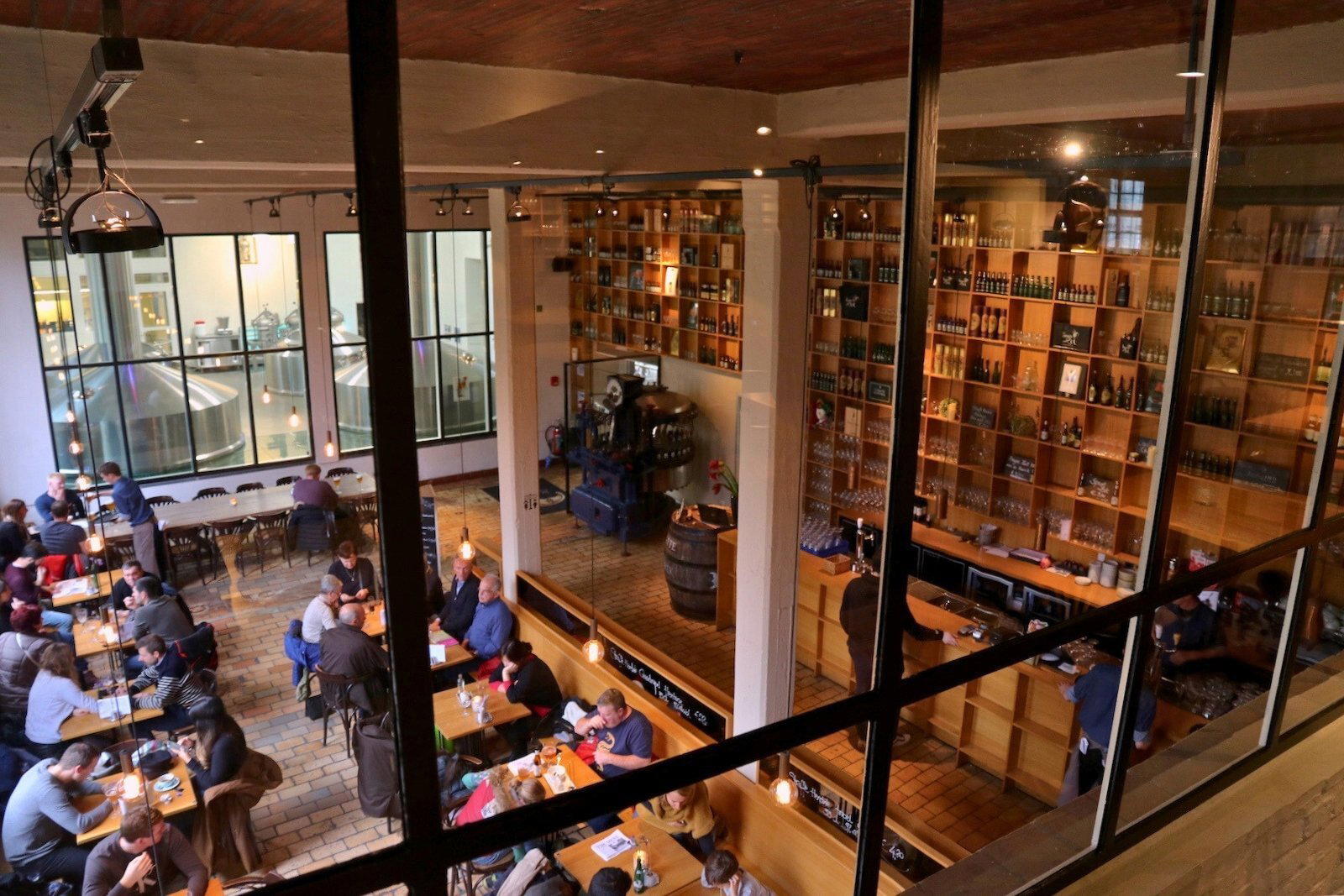
Restaurants in De Haan
All restaurants in De Haan →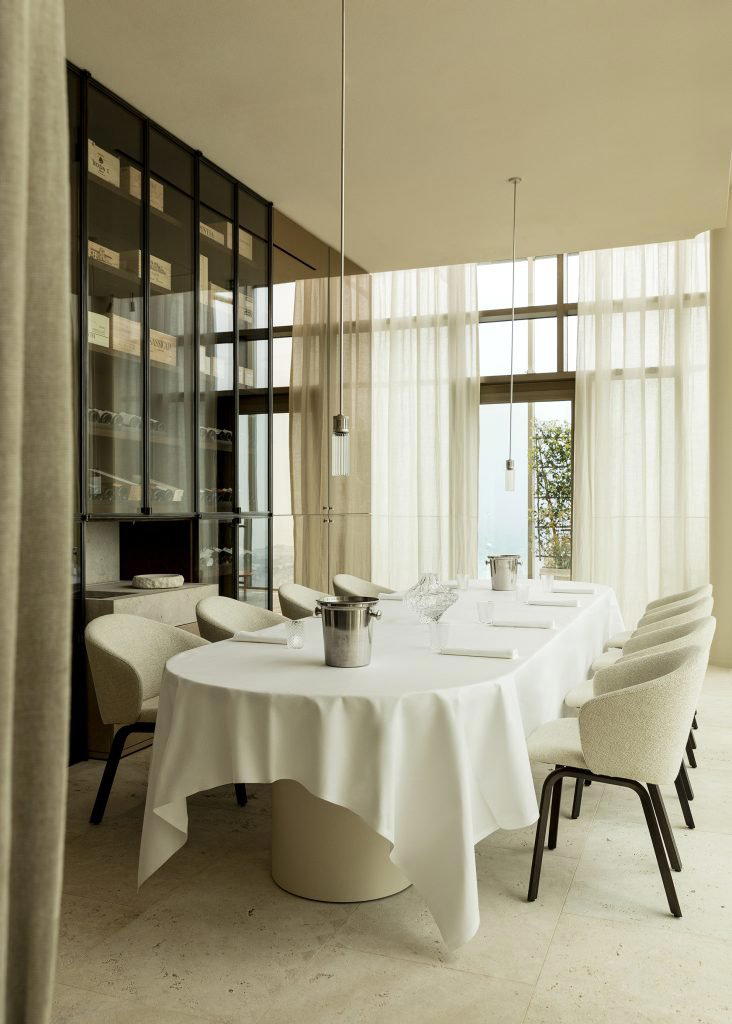
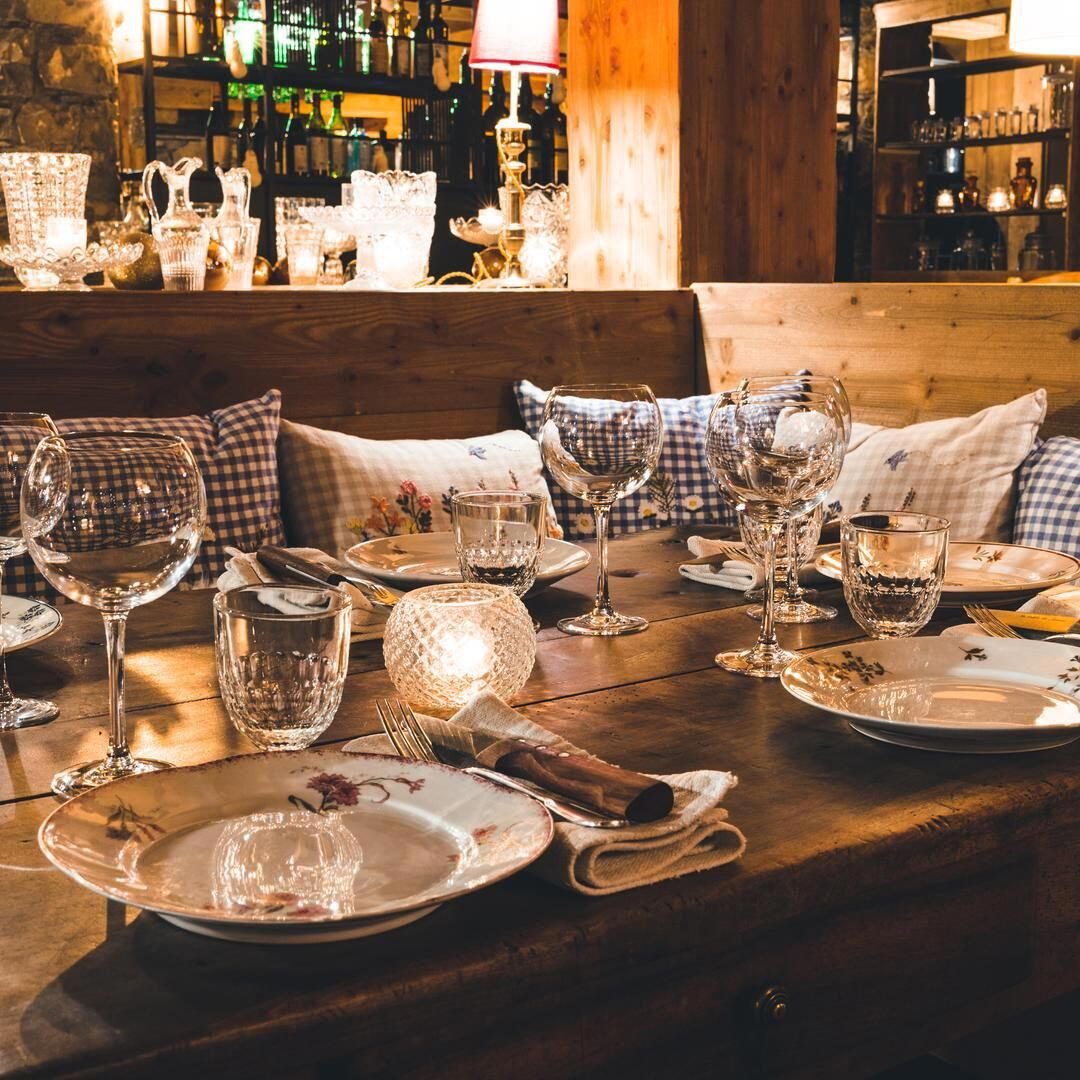
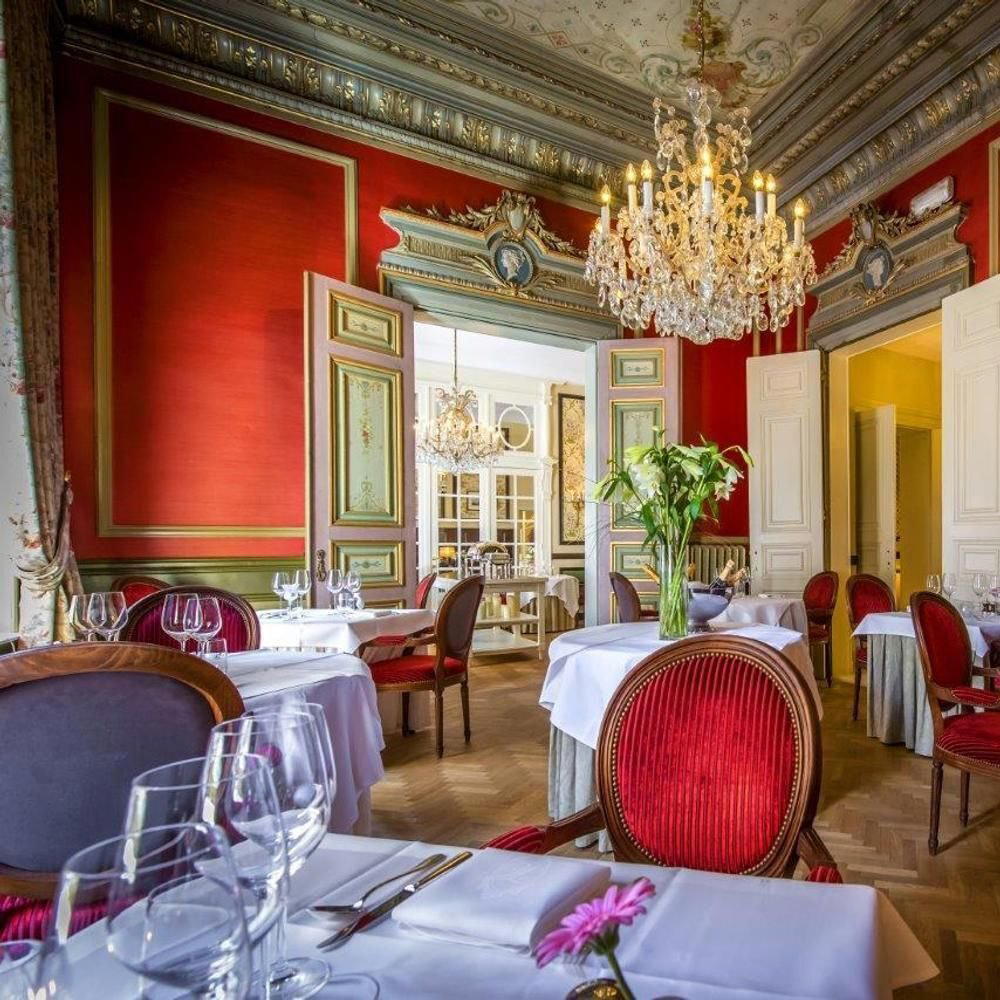
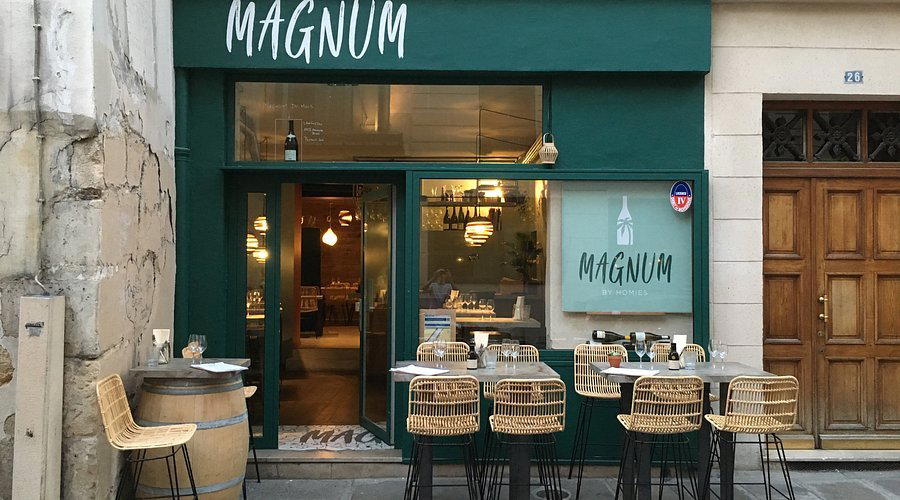
Bars in De Haan
Browse all →
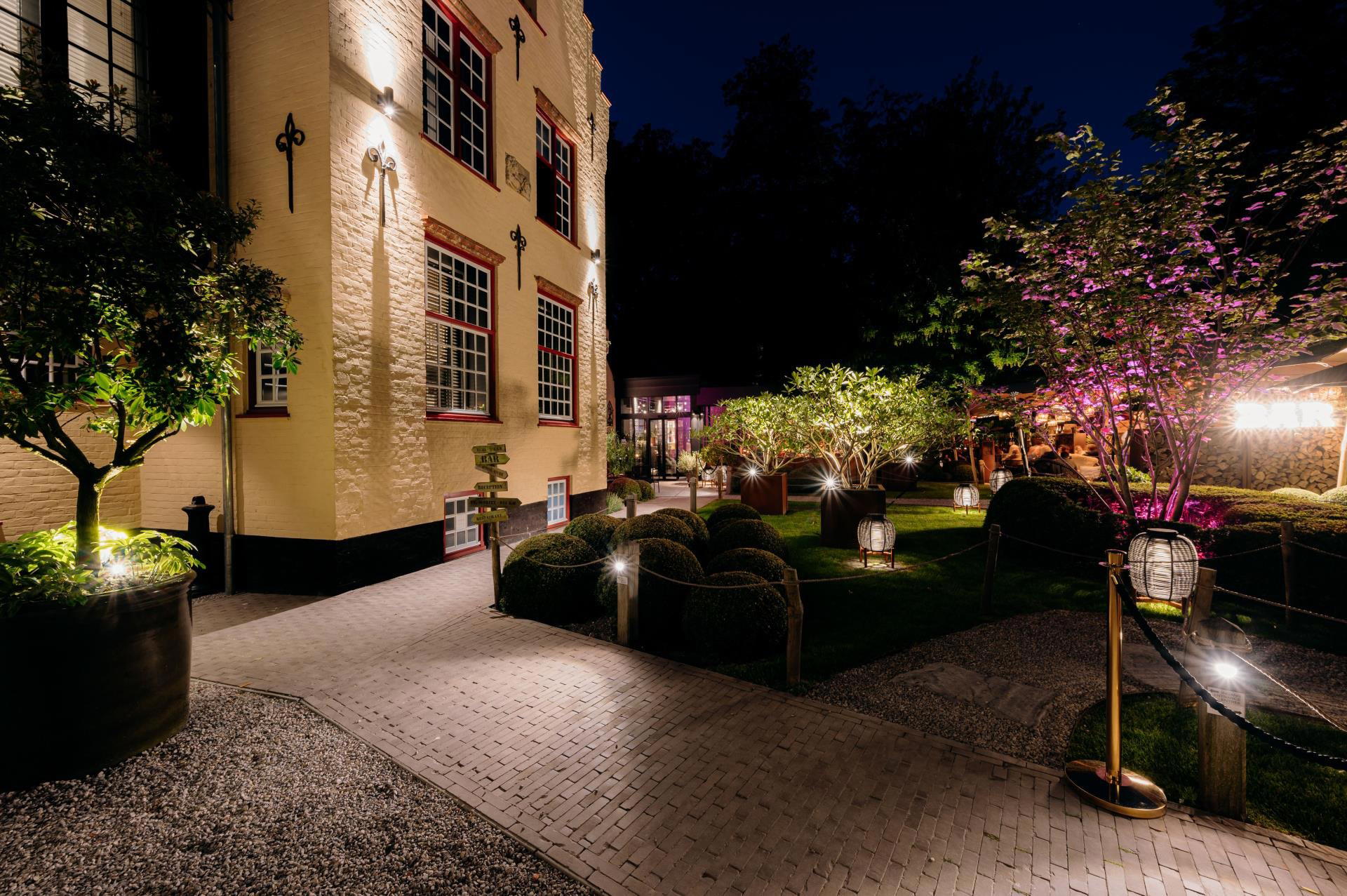
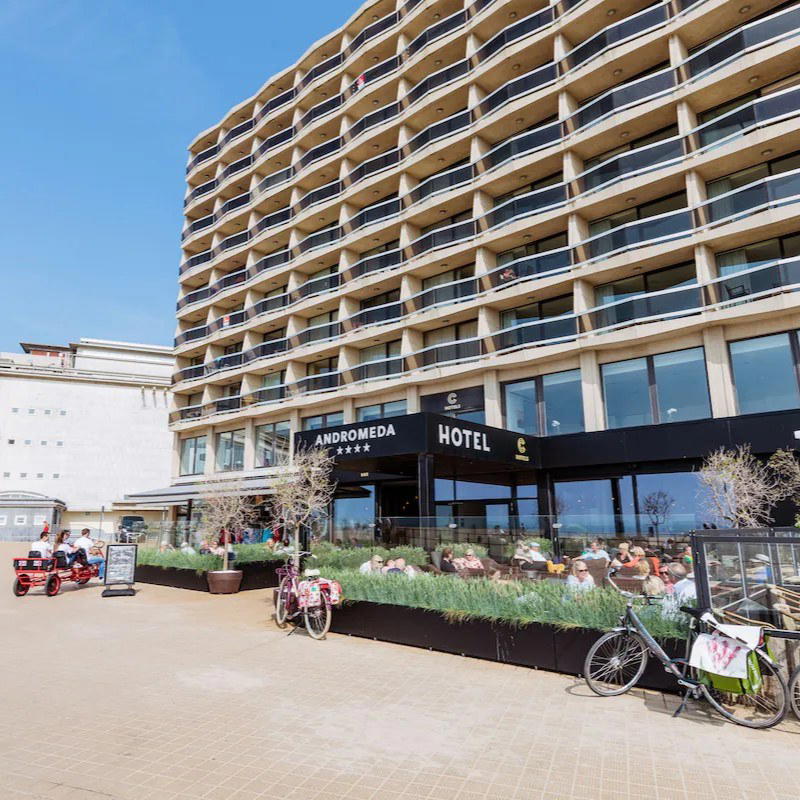
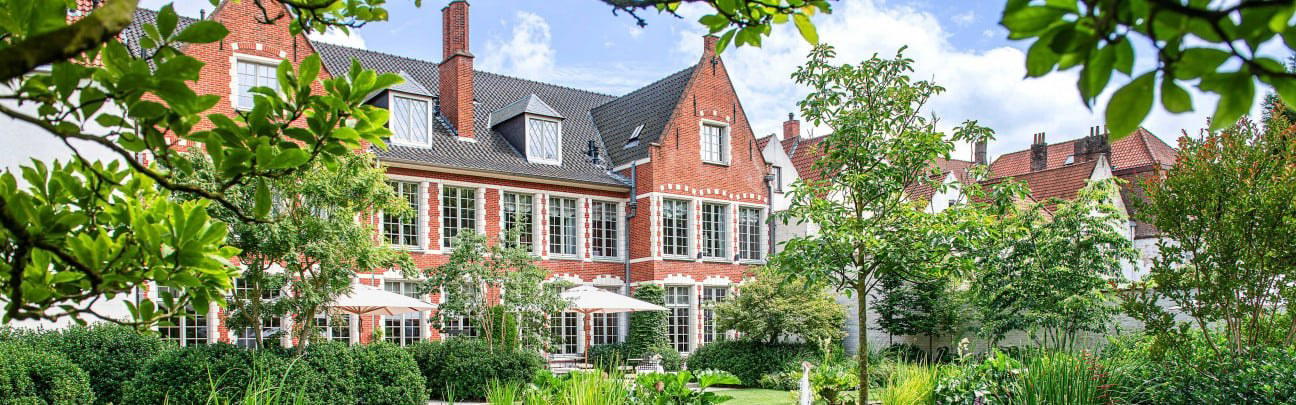
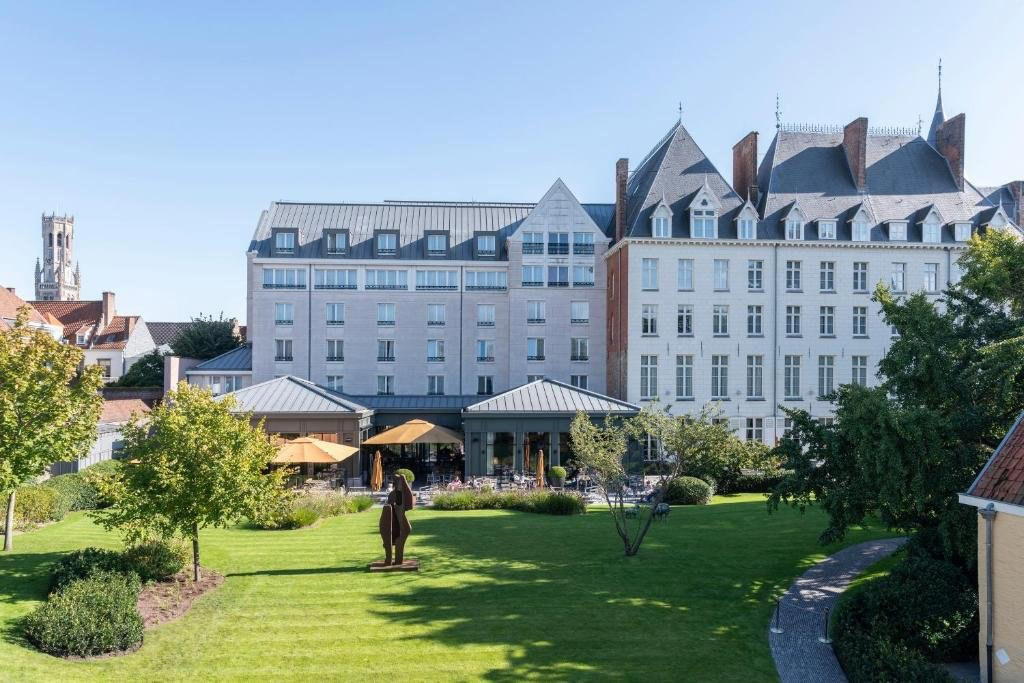
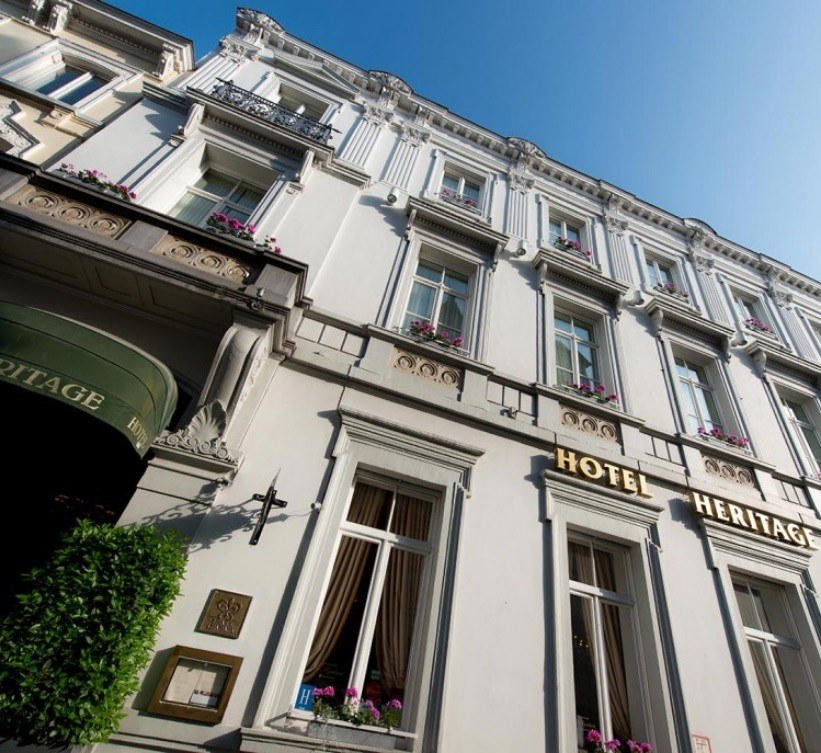
Hotels in De Haan
All hotels in De Haan →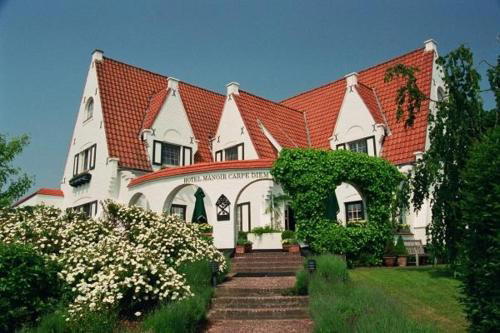
Wineries in De Haan
Browse all →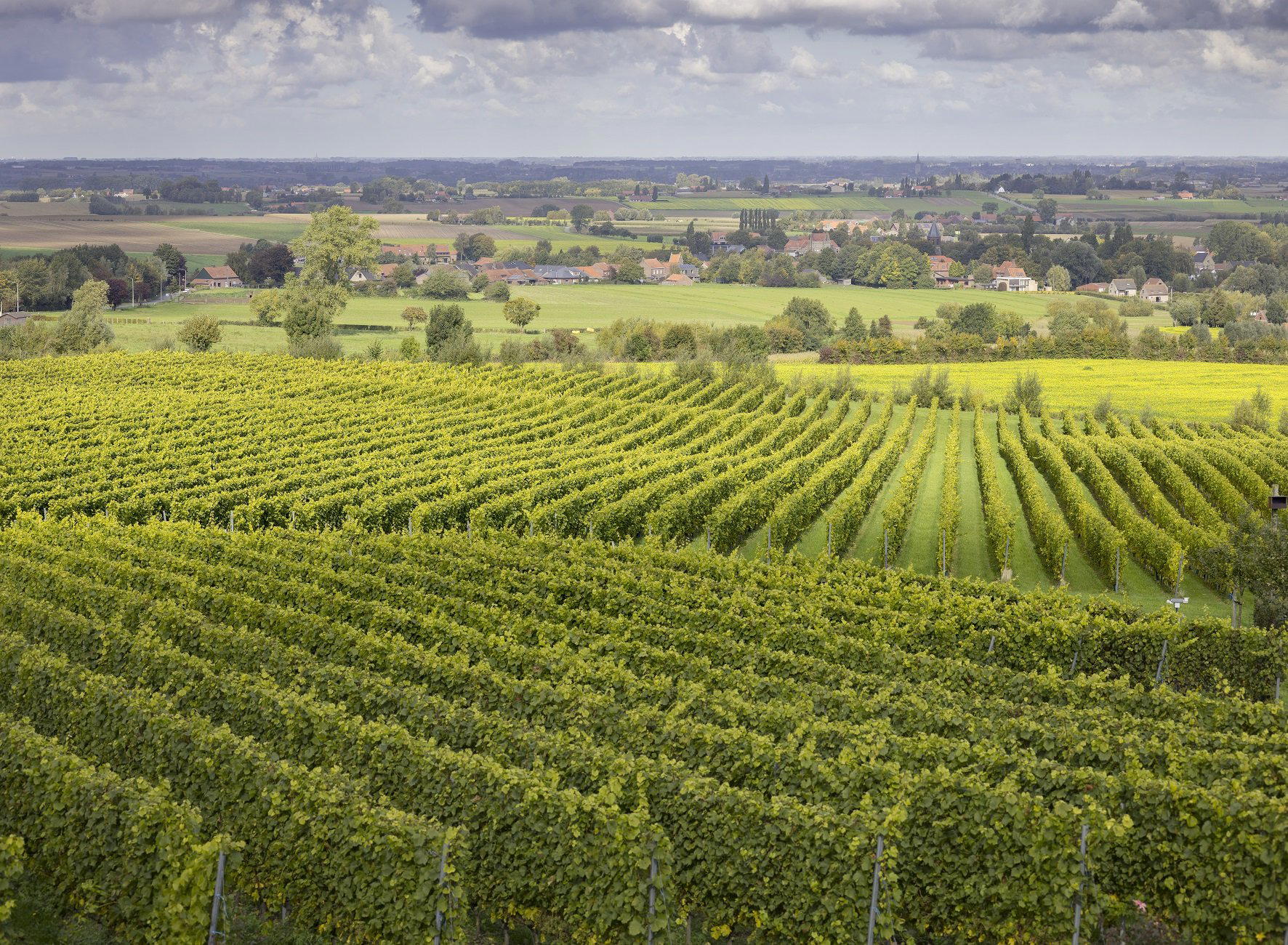
Details
- Intimate
- Elegant
- Cozy
- Romantic
- Classic
- Date Night
- Special Occasion
- Celebration
- Open Kitchen
- Standalone
- Historic Building
- Local Sourcing
- Tasting Menu
- Prix Fixe
- Wine
- Gluten Free Options
- Pescatarian Friendly
Current opening hours
- Monday
- 12–1:30 PM, 6:30–8 PM
- Tuesday
- Closed
- Wednesday
- Closed
- Thursday
- 12–1:30 PM, 6:30–8 PM
- Friday
- 12–1:30 PM, 6:30–8 PM
- Saturday
- 12–1:30 PM, 6:30–8 PM
- Sunday
- 12–1:30 PM, 6:30–8 PM
Hours can change for holidays and private events. Hours as of .
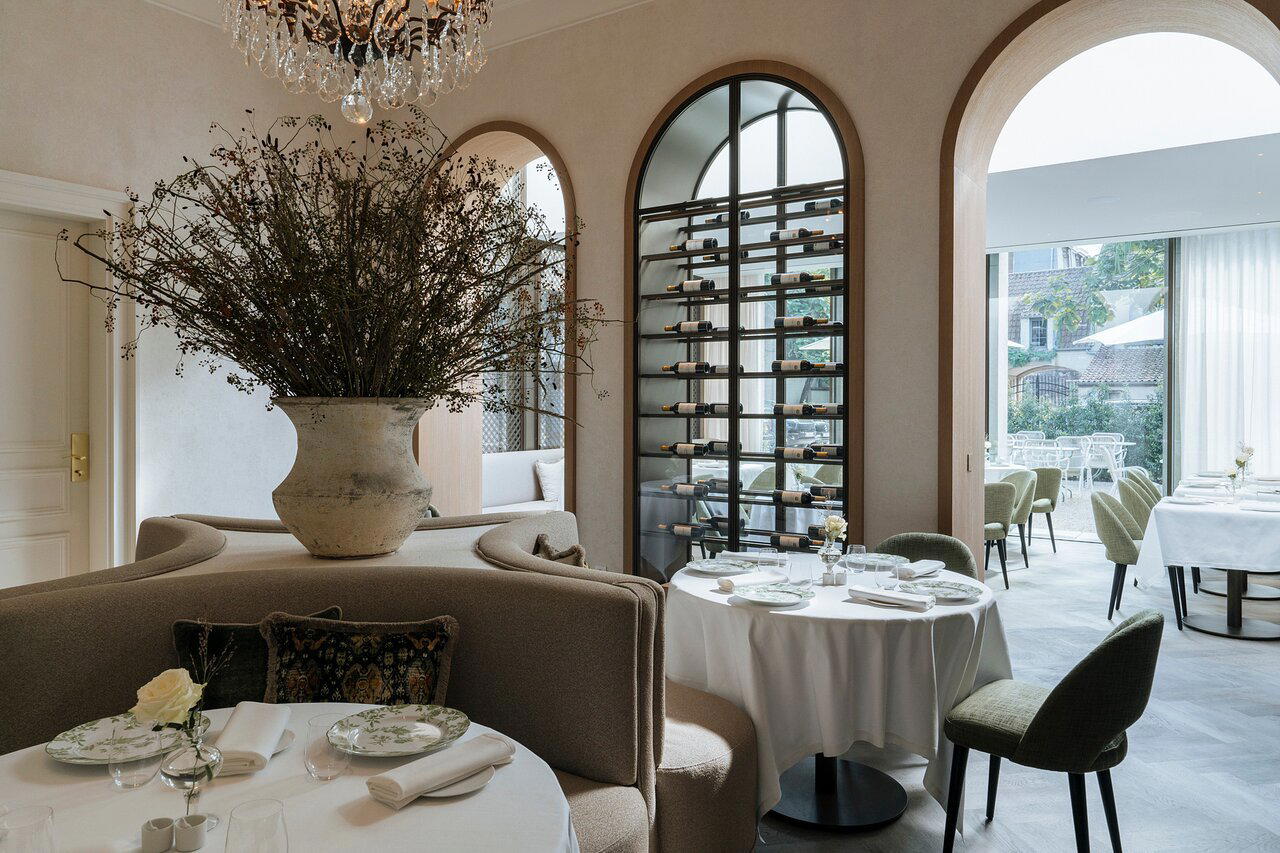
Charming period house with a small, cozy dining room that feels intimate and refined; guests note the warm, welcoming atmosphere despite tight table spacing.