L' Enoteca di Mr. Brunello

Michelin Plate
Our verdict
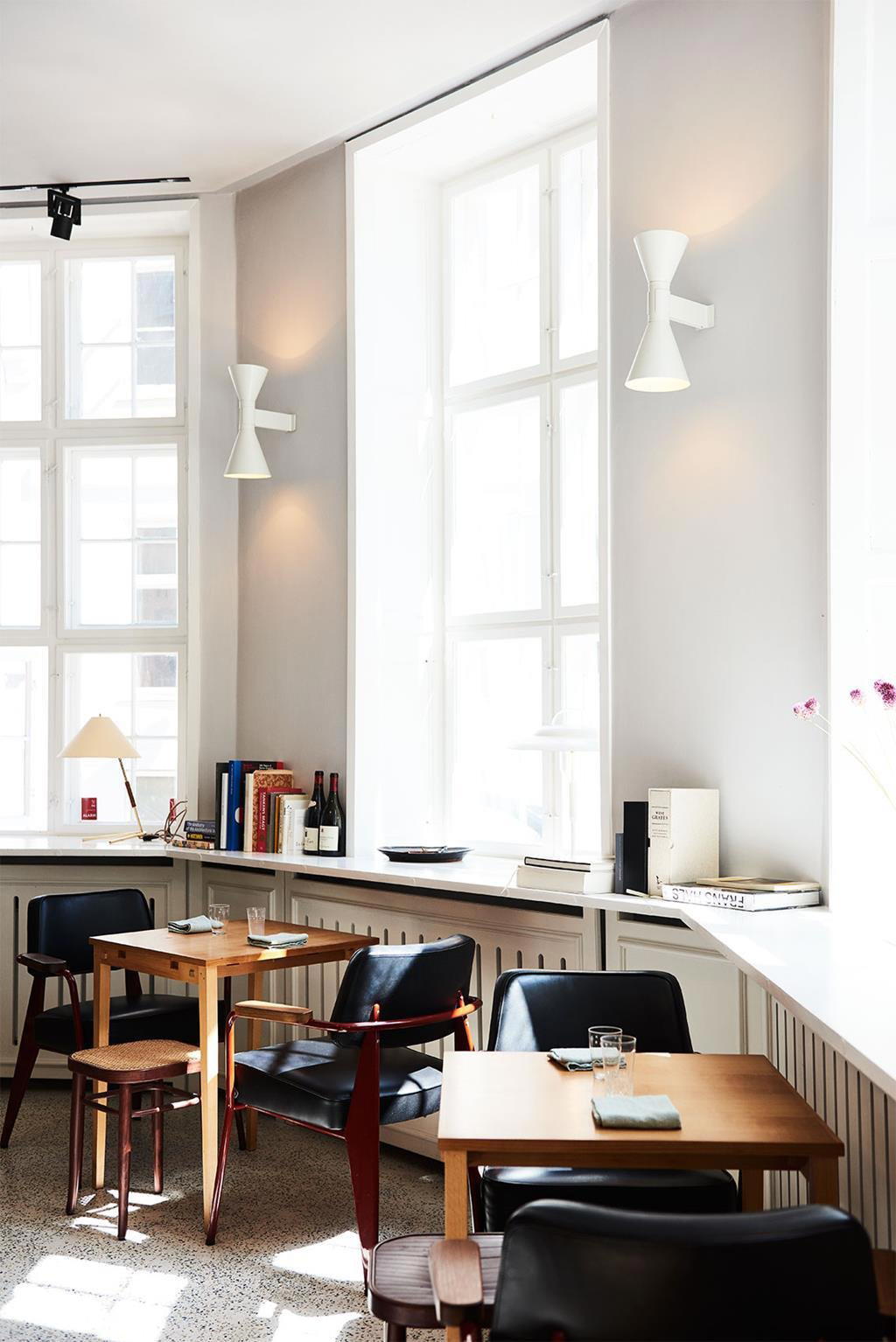
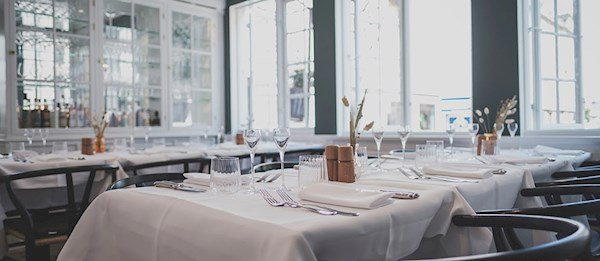
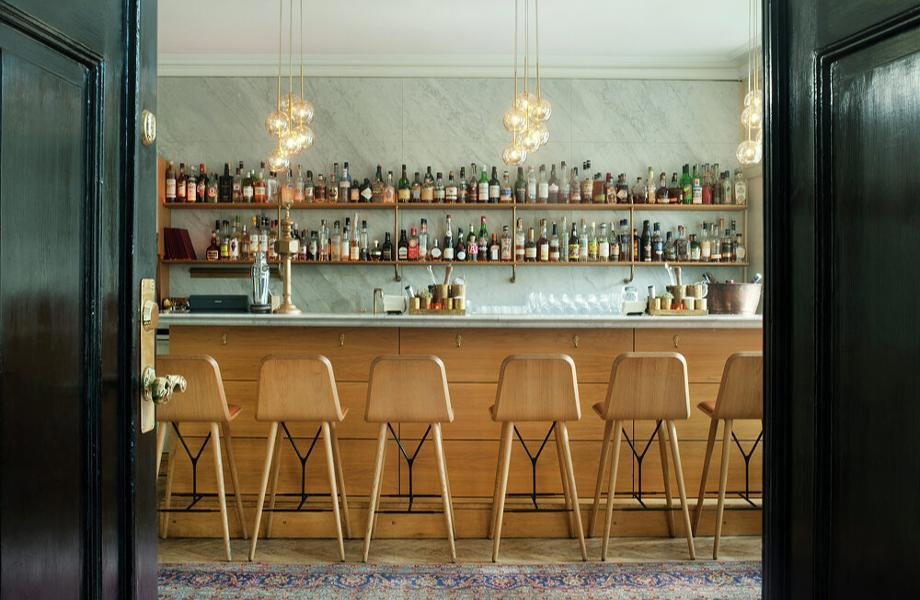
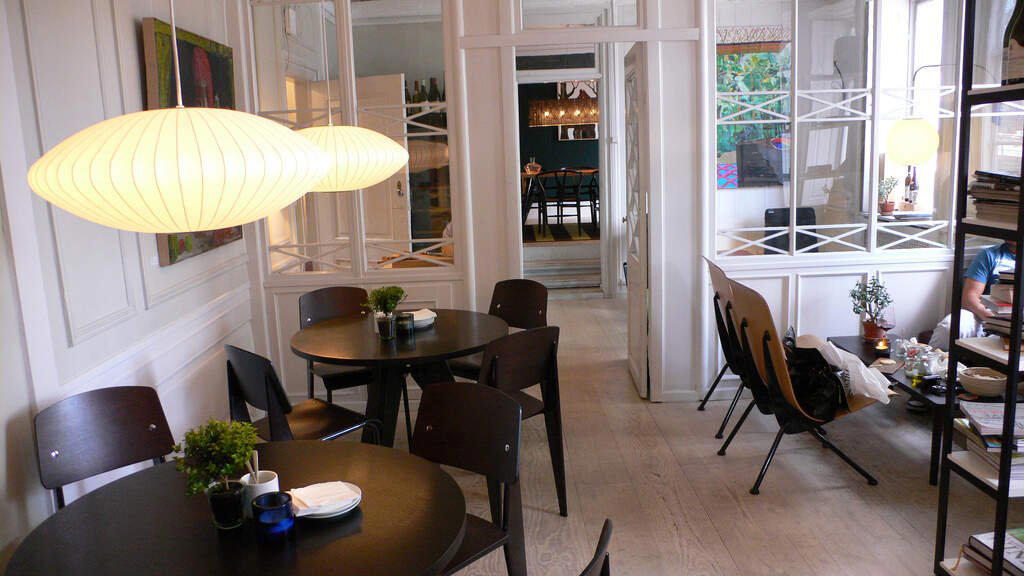
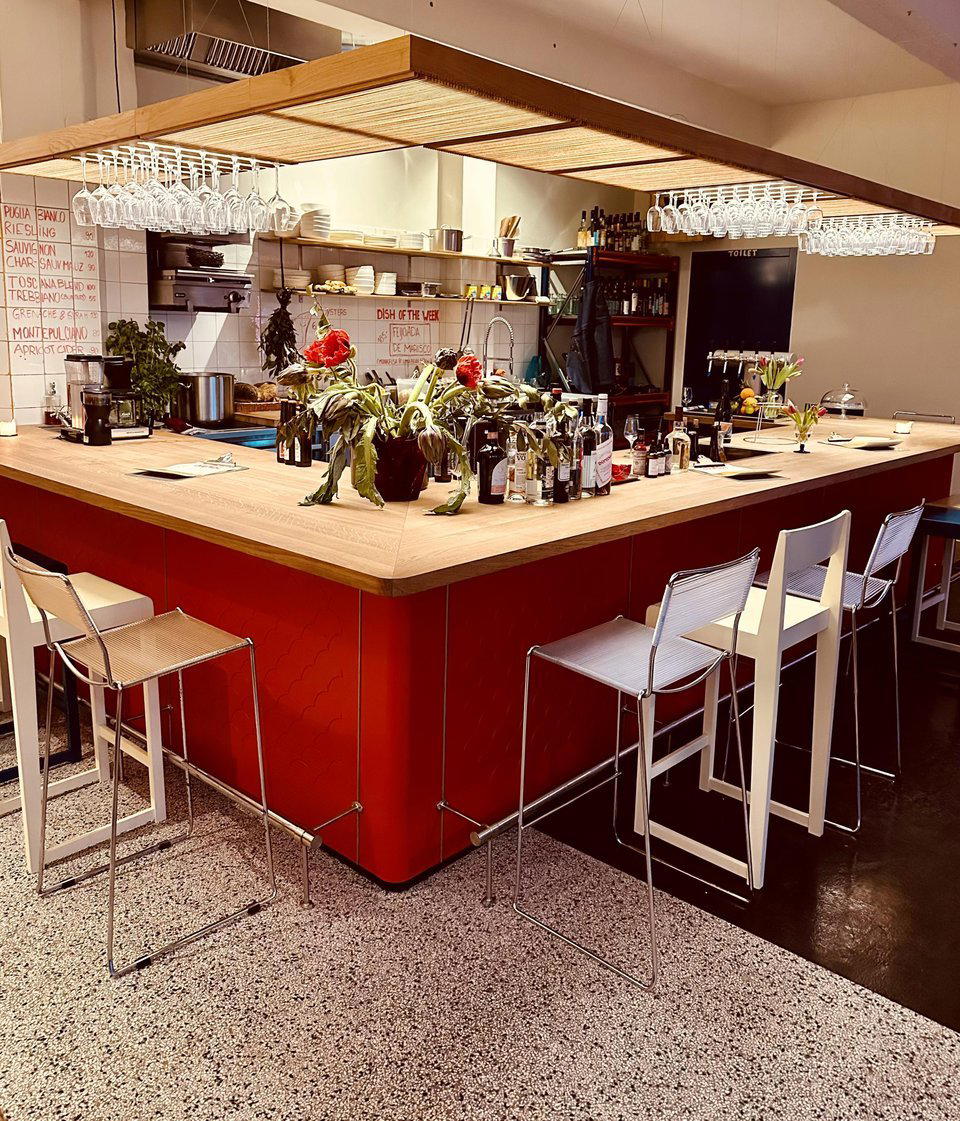
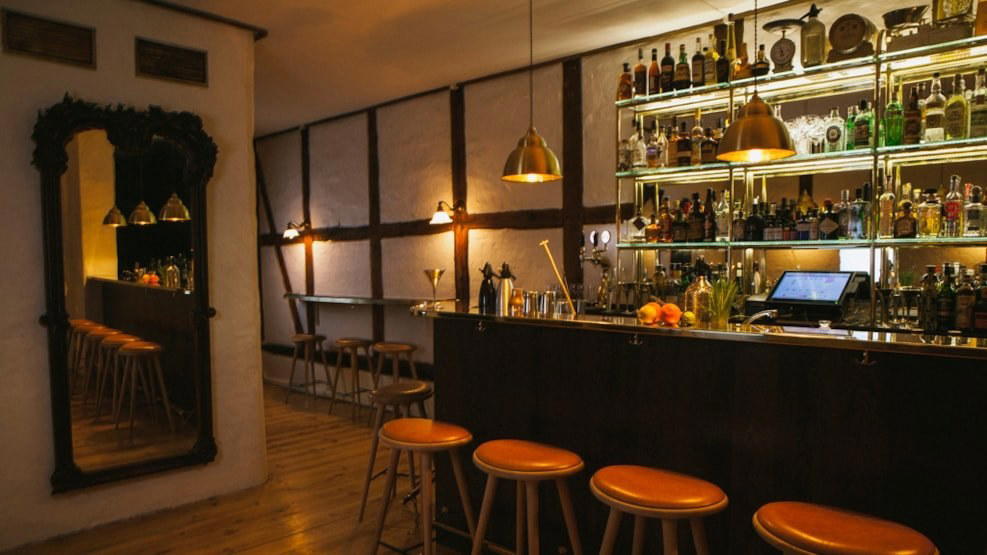
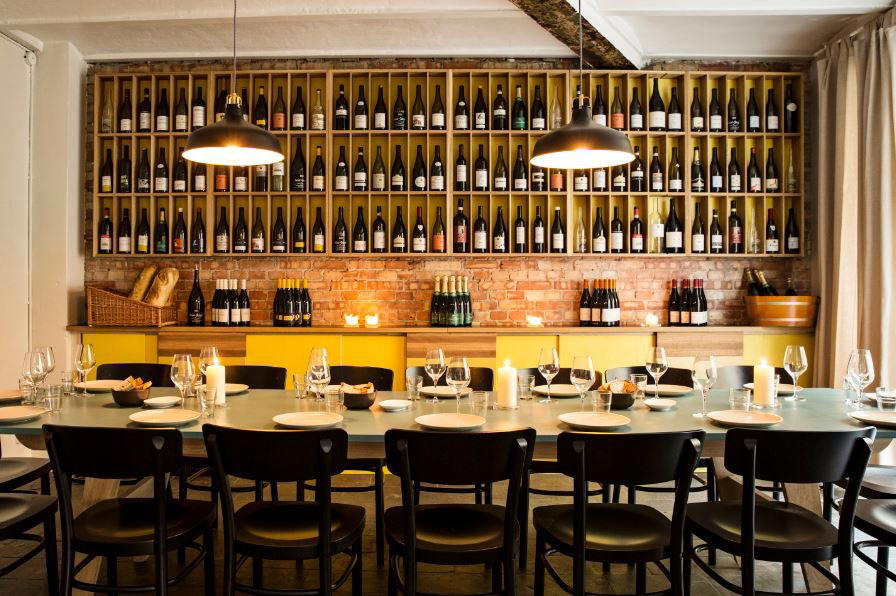
A Michelin Plate-recognised Italian wine bar on Rysensteensgade, L'Enoteca di Mr. Brunello holds a specific position in Copenhagen's dining scene: serious Italian bottles and kitchen-driven food at a price point well below the city's tasting-menu circuit. The address puts it within walking distance of Vesterbro's restaurant corridor.

Pearl is the En Primeur Club membership app, where members save venues, book tables and use the concierge.
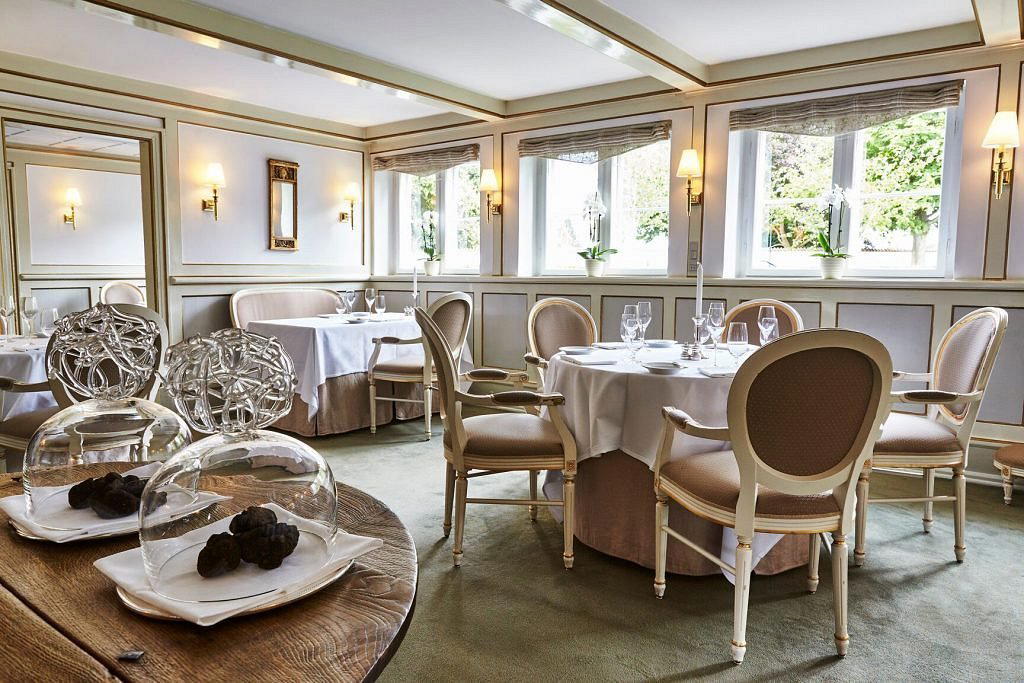
Italian Eating in a New Nordic Capital
Copenhagen's restaurant identity has been shaped so thoroughly by New Nordic doctrine, by Noma's fermentation orthodoxy, by Geranium's precision, by Alchemist's theatrical ambition, that a restaurant operating outside that tradition can occupy an unusual amount of breathing room. The Italian wine bar format, in particular, sidesteps the tasting-menu arms race entirely. It answers a different question: not what can we do to ingredients, but how do we put the right ones in front of people with the right glass in hand.
L'Enoteca di Mr. Brunello, at Rysensteensgade 16 in the Vesterbro-adjacent stretch of Copenhagen V, sits in that category. The name signals the premise clearly enough: an enoteca is a wine shop with food, a format rooted in central Italy where the bottle is the primary text and the plate is the annotation. Mr. Brunello is an obvious nod toward Montalcino, toward Sangiovese in its most serious expression. The question the room has to answer is whether the kitchen matches that level of intent.
Where the Format Comes From
The enoteca tradition emerged from the Italian practice of selling wine directly from producers, with food appearing as an accompaniment to slow the pace of consumption and sharpen the palate. Over time, the food component grew until the distinction between enoteca and trattoria blurred at the edges, though the defining characteristic, that the wine list is curated with the same care as the menu, and neither subordinates the other, persisted. The format travelled well to cities outside Italy. In places with strong Italian immigrant communities, it anchored neighbourhood dining. In cities with serious wine cultures but limited Italian population, it arrived as a more deliberate import.
Copenhagen falls into the second category. The city has the wine infrastructure, strong import networks, a drinking culture that takes natural and traditional production seriously, but no indigenous Italian culinary tradition to build on. That means enoteca-format restaurants here depend on the knowledge and sourcing discipline of their operators rather than on community continuity. This is a more exposed position. It also, when done correctly, tends to produce restaurants with sharper editorial points of view than those sustained by habit.
The wider pattern of Italian cooking exported beyond Italy is worth noting here. 8½ Otto e Mezzo Bombana in Hong Kong and cenci in Kyoto both demonstrate that Italian technique transplanted into non-Italian cities can produce restaurants with their own distinct coherence, provided the sourcing logic holds and the cooking isn't diluted into approximation. The standard, in other words, is set internationally. Copenhagen's Italian restaurants operate in that same conversation.
The Michelin Signal and What It Implies
L'Enoteca di Mr. Brunello received a Michelin Plate recognition in 2024. The Plate designation, introduced by Michelin to acknowledge restaurants serving food of good quality that falls short of star recommendation, functions as a quality floor rather than a ceiling. It places the restaurant inside Michelin's monitored set without the pressure or pricing dynamics that accompany starred status. For an Italian wine bar operating at the €€ price point, that positioning is coherent: the recognition validates the kitchen without pushing the operation toward the tasting-menu format that Michelin starred restaurants in Copenhagen almost uniformly adopt.
For context, the €€€€ bracket occupied by Geranium, Noma, and Alchemist represents a different category of dining commitment, in both cost and time. The enoteca format at €€ serves an evening that runs two hours rather than four, with a check that doesn't require advance financial planning. That gap in Copenhagen's Italian offer is real, and L'Enoteca di Mr. Brunello occupies it with Michelin-noted credibility.
Consistency at the Michelin Plate level is precisely what the designation is meant to reward.
Italian in Copenhagen: The Competitive Frame
Copenhagen's Italian restaurant tier has deepened over the past decade. Brace, a Michelin-starred Italian in the city, has established that a full fine-dining Italian format can earn top-tier recognition here. Paesàno operates at a more casual register with a strong local following. L'Enoteca di Mr. Brunello positions itself between those poles: more wine-bar serious than a pizzeria or casual trattoria, less ambitious in format than a Michelin-starred dining room.
The enoteca format's advantage in this competitive landscape is specificity. A restaurant named after Brunello di Montalcino is making a statement about the seriousness of its Italian wine program. Brunello, produced from Sangiovese Grosso in the hills south of Siena, is among the most age-worthy red wines Italy produces. Using it as a naming anchor implies a list that extends into serious Italian bottles, not merely a token Italian section on a broadly European list. Whether the list delivers on that implication is the practical test for any visitor.
The Intersection of Technique and Place
What makes Italian cooking in Copenhagen an interesting editorial subject is precisely the absence of the usual scaffolding. There is no local Italian produce tradition, no neighbourhood of Italian suppliers, no inherited recipe knowledge passed through generations of immigrant families. What exists instead is Denmark's own larder: exceptional seafood from the North Sea and the Kattegat, dairy from an agricultural tradition with real depth, game and foraged ingredients that have been brought to international attention by the New Nordic movement.
The question an Italian kitchen in Copenhagen must answer is how much of that local material it incorporates and at what point Italian cooking becomes something else entirely. The approaches taken by Italian restaurants working outside Italy range from strict importation, using Italian ingredients exclusively, treating the local market as logistically necessary but culinarily irrelevant, to active synthesis, where Italian technique meets Nordic product and the result is a distinct hybrid. The enoteca format tends to support the latter approach, since wine service already requires engagement with the question of pairing across traditions.
Planning a Visit
Rysensteensgade 16 sits in Copenhagen V, close to the canal that separates Vesterbro from the city centre. The area has enough restaurant density that combining L'Enoteca di Mr. Brunello with a drink elsewhere before or after is easy to arrange. For a broader picture of what Copenhagen's food and drink scene offers at different price points and formats, our full Copenhagen restaurants guide covers the range. Those interested in where to stay will find options across categories in our Copenhagen hotels guide, and our Copenhagen bars guide covers the city's wine bar and cocktail programs. Our Copenhagen wineries guide and our Copenhagen experiences guide round out the picture for visitors planning a fuller stay.
Diners looking to extend their exploration of Denmark's Michelin-recognised restaurants beyond Copenhagen can consider Jordnær in Gentofte, Frederikshøj in Aarhus, Henne Kirkeby Kro in Henne, Alimentum in Aalborg, ARO in Odense, and Domæne in Herning, a set that illustrates how Denmark's quality-dining infrastructure has spread well beyond the capital.
Frequently asked questions
What's the cuisine at L' Enoteca di Mr. Brunello?
L' Enoteca di Mr.
What's the pricing like at L' Enoteca di Mr. Brunello?
Pricing at L' Enoteca di Mr. Brunello is listed as €€.
What distinctions does L' Enoteca di Mr. Brunello have?
L' Enoteca di Mr. Brunello has received recognition including: Michelin Plate (2024).
Where is L' Enoteca di Mr. Brunello in Copenhagen?
L' Enoteca di Mr. Brunello is located at Rysensteensgade 16, 1564 KØBENHAVN V, Denmark, Copenhagen.
At-a-Glance Comparison
Comparable venues nearby, for context on price, style, and recognition.
| Venue | Cuisine | Price | Awards | Notes |
|---|---|---|---|---|
| L' Enoteca di Mr. BrunelloThis venue (the venue you are viewing) | Authentic Italian Fine Dining | $100–150 | Michelin Plate | Not listed |
| Surt | Artisanal Sourdough Pizza | $30–50 | 50 Top Pizza Europe #12 | Vesterbro-Kongens Enghave |
| Tèrra | Modern Italian-Nordic Sustainable | Not listed | Michelin Plate · Star Wine List | Østerbro |
| Rufino Osteria | Traditional Roman Osteria | $50–100 | Star Wine List | Indre By |
| Pinseria C´ho Fame | Roman Pinsa | $20–30 | Not listed | Indre By |
| Restaurant Babylon | Italian & French with Seafood | $50–100 | Star Wine List | Indre By |
Recognition history
Dated appearances from independent guides and award organizations, with the underlying list record or original source where available.
Michelin Plate
Michelin