L'Endroit occupies a corner of Place du Dr Félix Lobligeois in the 17th arrondissement, a square that functions as a genuine neighbourhood anchor rather than a tourist destination. The address places it squarely in the tier of Paris bistros where serious cooking meets unglamorous surroundings, a combination the city has always done well. For visitors willing to cross the périphérique of familiar arrondissements, the reward is a more local register of Parisian dining.
Pearl is the En Primeur Club membership app — saves, bookings, and concierge access live there. Same editors, same standards.
- Address
- 67 Place du Dr Félix Lobligeois, 75017 Paris, France
- Phone
- +33 1 42 29 50 00
- Website
- lendroit-batignolles.fr
- Directions
- Get directions
 Saves & bookings on Pearl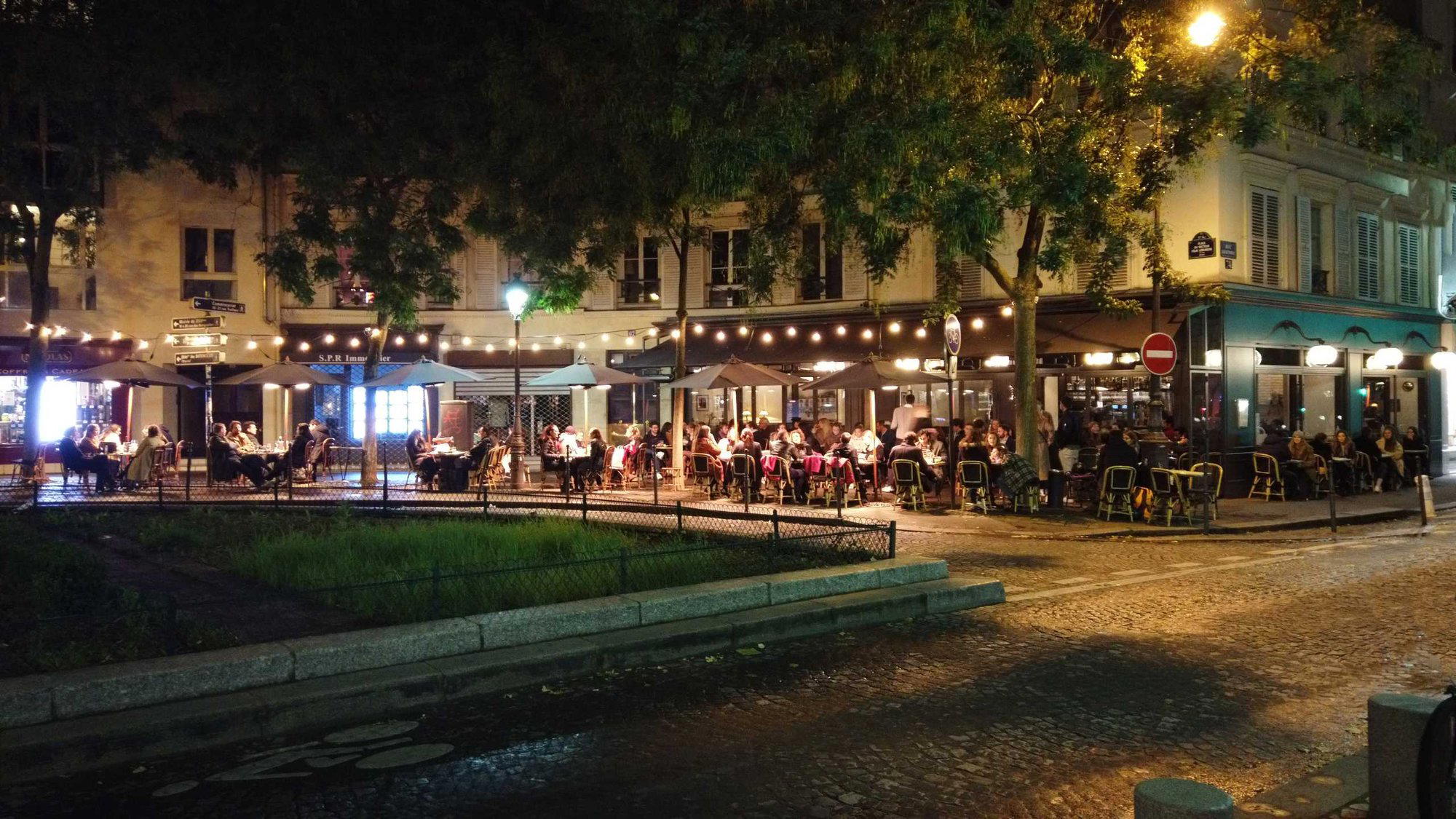
The 17th and the Case for Eating Off the Tourist Map
Paris concentrates its dining reputation in a handful of arrondissements, the 1st, the 6th, the 8th, where Michelin stars cluster and reservation systems fill months in advance. The 17th arrondissement, particularly its Batignolles quarter, operates on a different frequency. L’Endroit is a Paris restaurant in the 17th, serving bistronomic French brasserie cooking at a mid-range price point. The neighbourhood around Place du Dr Félix Lobligeois is residential in the truest sense: a market square, a carousel in season, apartment buildings with no particular architectural ambition. It is exactly the kind of address where Paris has historically hidden its most honest cooking, away from the theatre of the grands boulevards.
L'Endroit sits on this square at 67 Place du Dr Félix Lobligeois, and the positioning is not incidental. Restaurants that locate themselves in working neighbourhoods rather than tourist corridors are making an implicit statement about their intended audience. The clientele is local first, and the atmosphere reflects that: the register is convivial rather than ceremonial, and the rhythm of service follows the pace of the neighbourhood rather than the choreography of a hotel dining room.
L'Endroit is not competing in that category. It belongs to a different and more durable Parisian tradition: the neighbourhood table that earns its loyalty through consistency and place rather than prestige.
Local Ingredients, Wider Technique: How Parisian Bistros Are Changing
One interesting shift in Paris dining over the past decade has not happened at the three-star level, it has happened in the bistro and brasserie tier, where a generation of cooks trained in technically demanding kitchens have chosen to open smaller, more personal rooms in less expensive neighbourhoods. The result is a category of restaurant that brings real technical depth to informal formats: precise saucing, careful sourcing, and the kind of product-first thinking that used to be the exclusive domain of haute cuisine.
This intersection of imported technique and grounded, locally sourced product is the editorial angle that matters most when reading Paris's mid-tier dining scene. Addresses like Kei, which grafts Japanese precision onto French classical structure, represent one version of this convergence. The more common version, and the one most relevant to a neighbourhood address like L'Endroit, involves French culinary training applied to the seasonal produce of the Île-de-France market system, with the bistro format keeping prices around $40 per person and the atmosphere accessible.
The French restaurant tradition has always been geographically diverse. Houses like Bras in Laguiole, Flocons de Sel in Megève, and Auberge du Vieux Puits in Fontjoncouse have built their identities around specific terroir and regional product. In Paris, the equivalent is a kind of urban terroir: the Rungis wholesale market, the city's network of specialist suppliers, and the seasonal rhythms of northern French agriculture. When bistros in neighbourhoods like Batignolles work within this system, they connect to the same tradition that defines Auberge de l'Ill or Georges Blanc in Vonnas, different in scale, but not in underlying logic.
Batignolles in Context: What the Neighbourhood Signals
The Batignolles district has undergone consistent gentrification since the early 2000s, partly driven by the extension of the tramway and the development of the Clichy-Batignolles eco-quarter to its north. The Place du Dr Félix Lobligeois sits at the heart of the older, more established part of the neighbourhood, surrounded by the kind of independent retail, fromageries, bakeries, wine shops, that supports serious restaurant culture at the street level.
This matters for a restaurant's character. Venues in supply-rich neighbourhoods can maintain tighter sourcing relationships and respond more quickly to seasonal availability. The Batignolles market, held regularly in the square itself, is one of the more serious organic markets in Paris, which says something about the demographic and culinary expectations of the local audience. A restaurant on this square is not serving passing tourists; it is anchoring itself to a community with formed opinions about food.
France's Wider Dining Tradition
Placing L'Endroit within French dining more broadly requires acknowledging how different the Parisian bistro tradition is from the grands maisons of the provinces. Addresses like Troisgros in Ouches, Paul Bocuse's L'Auberge du Pont de Collonges, and Les Prés d'Eugénie represent a tradition of destination dining built around a specific place and a specific culinary lineage. The Parisian neighbourhood bistro is a different proposition: it is embedded in the city's daily life rather than positioned as a destination. The comparison with L'Ambroisie on the Place des Vosges, itself a neighbourhood restaurant that became a three-star institution, is instructive. That trajectory, from local table to celebrated address, is part of what makes the Paris bistro tier worth following closely. It is also worth noting that French cooking exports well: Le Bernardin in New York and Mirazur in Menton both demonstrate how French technique travels and transforms when it meets different ingredient contexts. Closer to home, La Table du Castellet shows how the same technical tradition lands differently in the south. L'Endroit's value is precisely that it does none of this, it stays put, in a square in the 17th, and serves the neighbourhood it belongs to. That is not a limitation. In Paris, it is a form of distinction.
Know Before You Go
- Address: 67 Place du Dr Félix Lobligeois, 75017 Paris, France
- Arrondissement: 17th (Batignolles quarter)
- Getting There: La Fourche (Metro Line 13) and Brochant (Metro Line 13) are the nearest stations, both within a short walk of the square
- Booking: Reservations recommended
- Price Tier: Mid-range bistro pricing, about $40 per person
- Hours: Mon to Sun, 8 AM to 2 AM
Quick Comparison
Comparable venues nearby, for context on price, style, and recognition.
| Venue | Cuisine | Price | Notes |
|---|---|---|---|
| L’EndroitThis venue — the venue you are viewing | Bistronomic French Brasserie | $$$ | Not listed |
| Brasserie l'Émil | French Brasserie with Mediterranean Accents | $$$ | 1er arrondissement |
| Philippe Excoffier | Classic French Bistro with Soufflés | $$$ | Gros-Caillou |
| Lipp | Traditional Alsatian Brasserie | $$$ | Saint-Germain-des-Prés |
| Dans le Noir | Modern French Sensory Bistronomic | $$$ | Saint-Merri |
| Brasserie de l'Isle Saint-Louis | Classic French Brasserie with Alsatian Specialties | $$$ | Ile Saint-Louis |
Continue exploring
More in Paris
Restaurants in Paris
Browse all →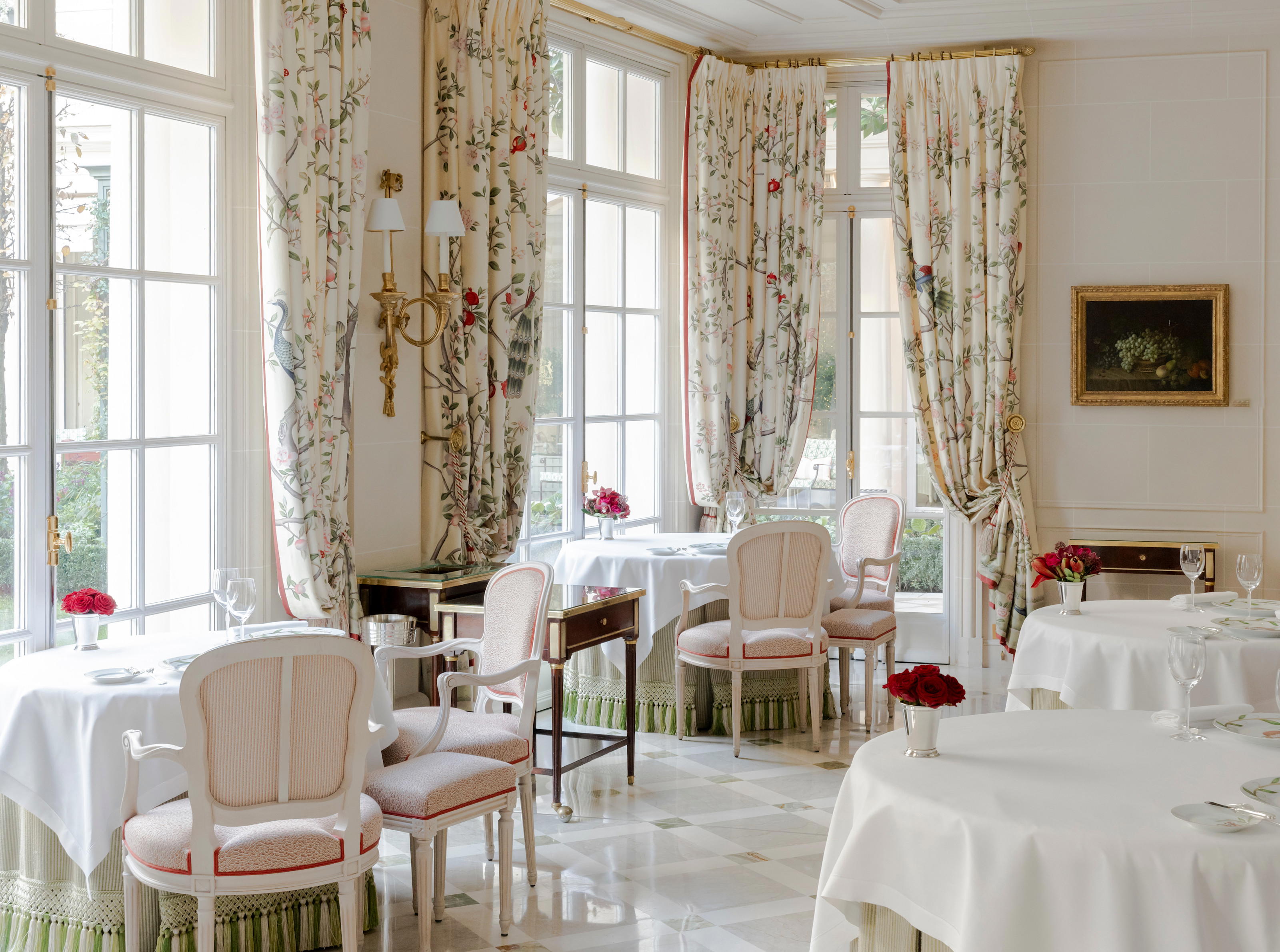

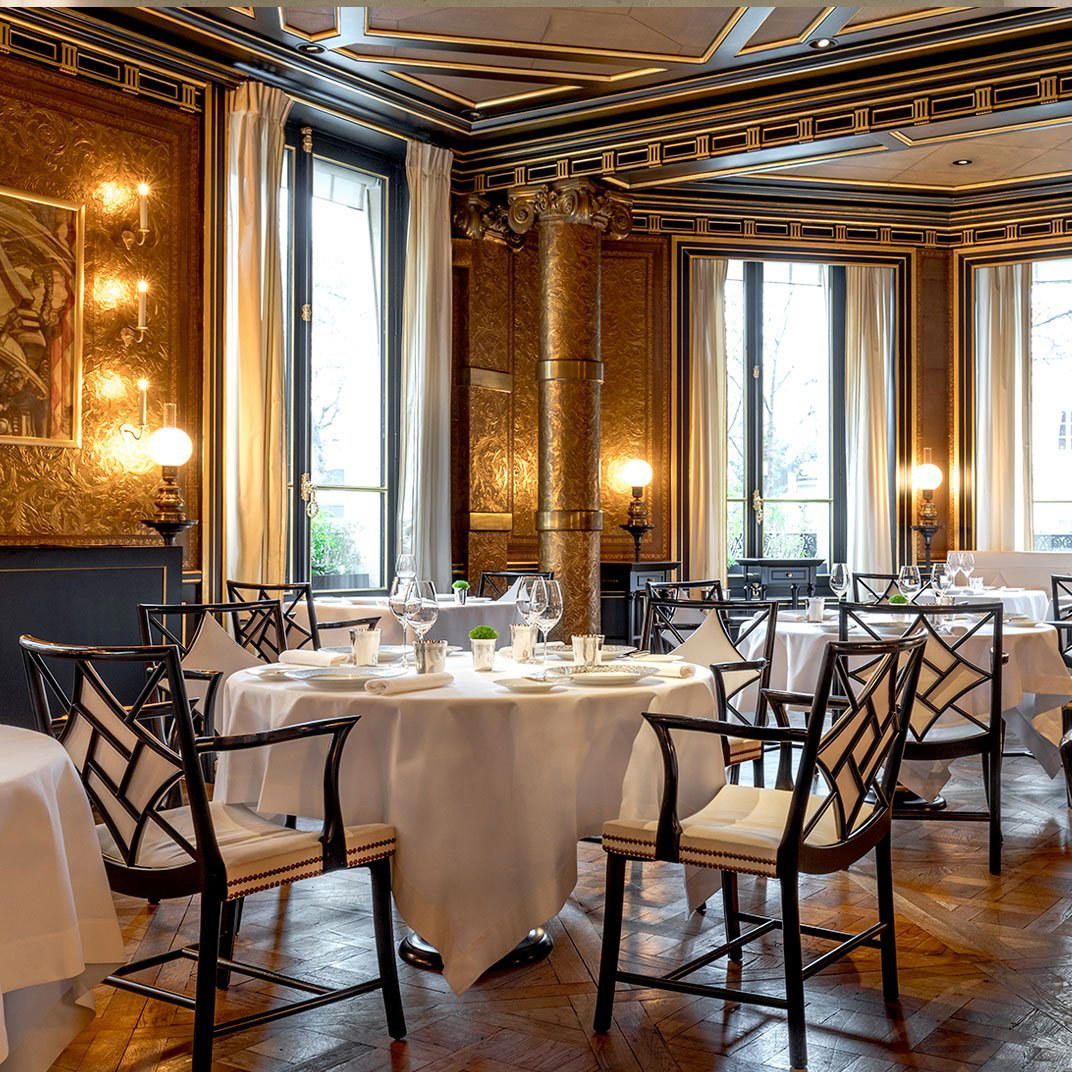
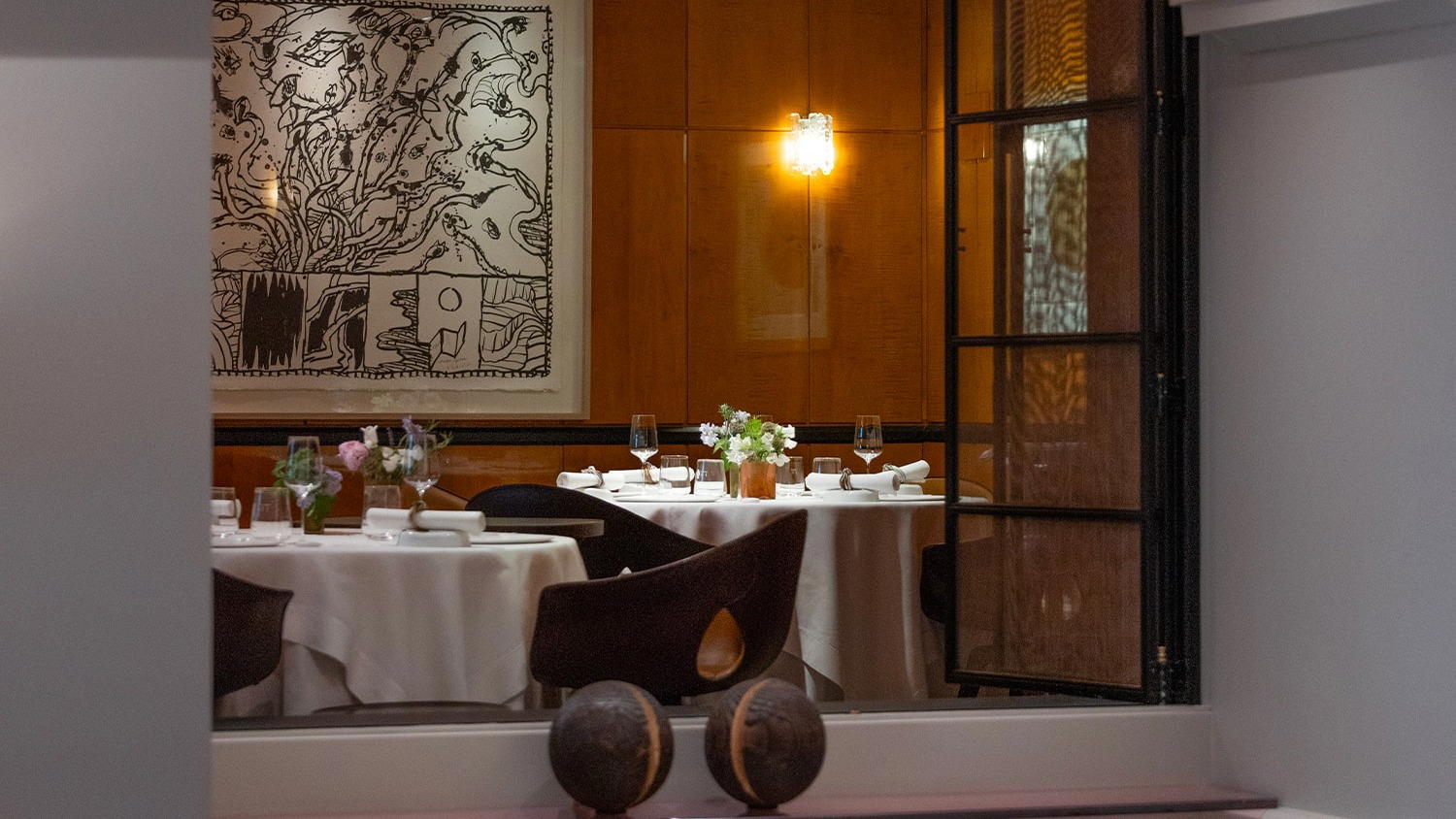
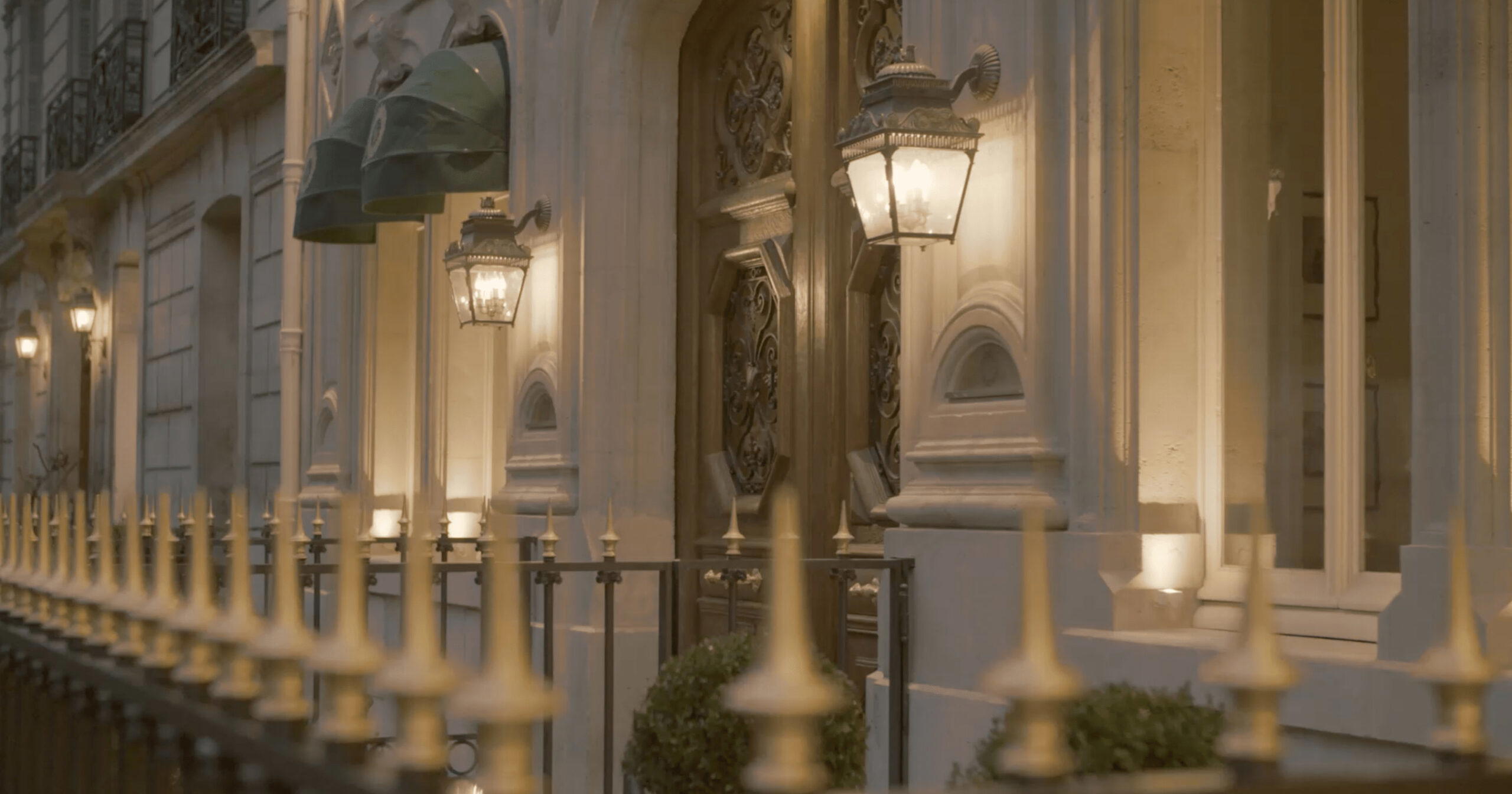
Bars in Paris
Browse all →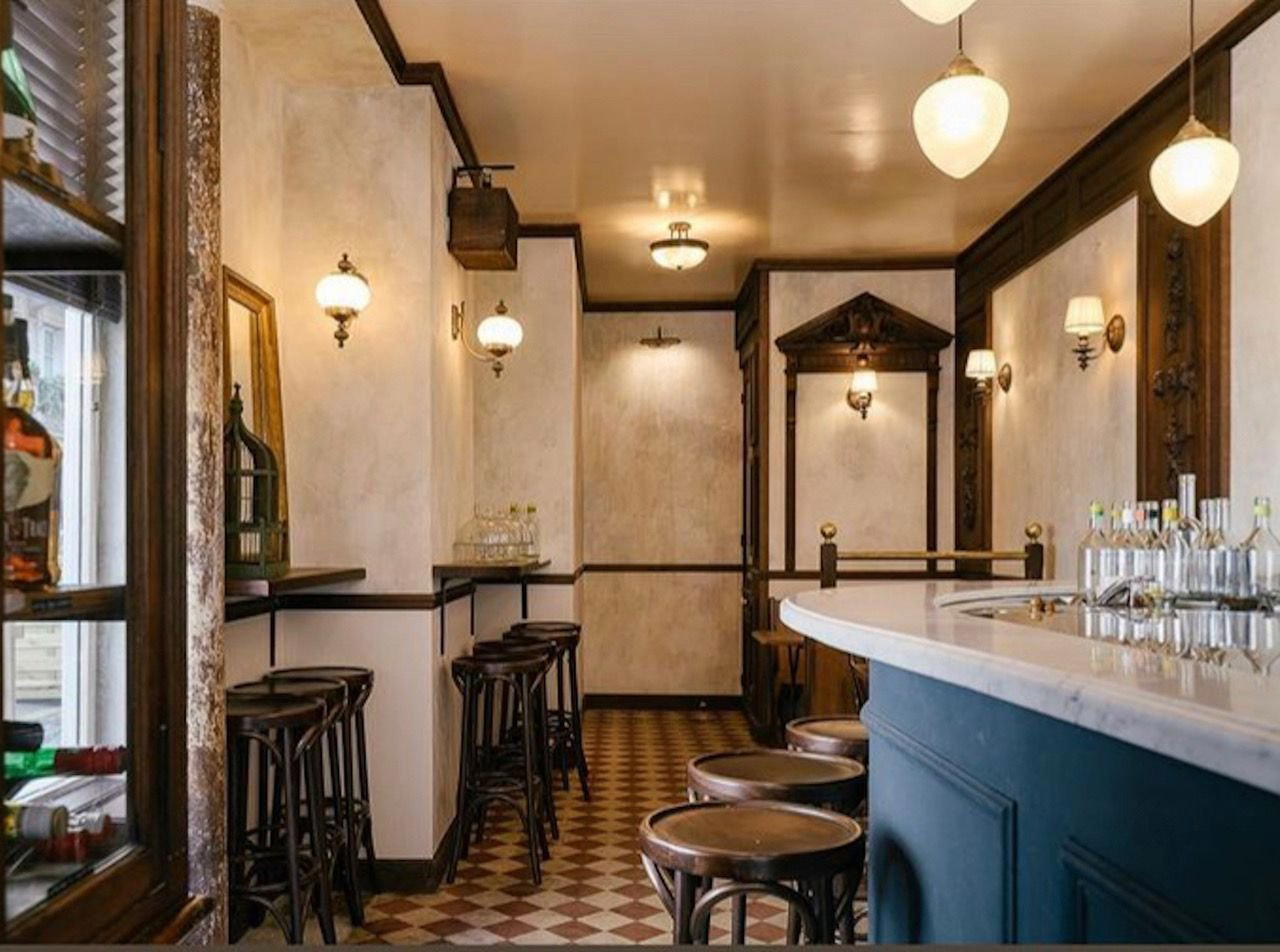
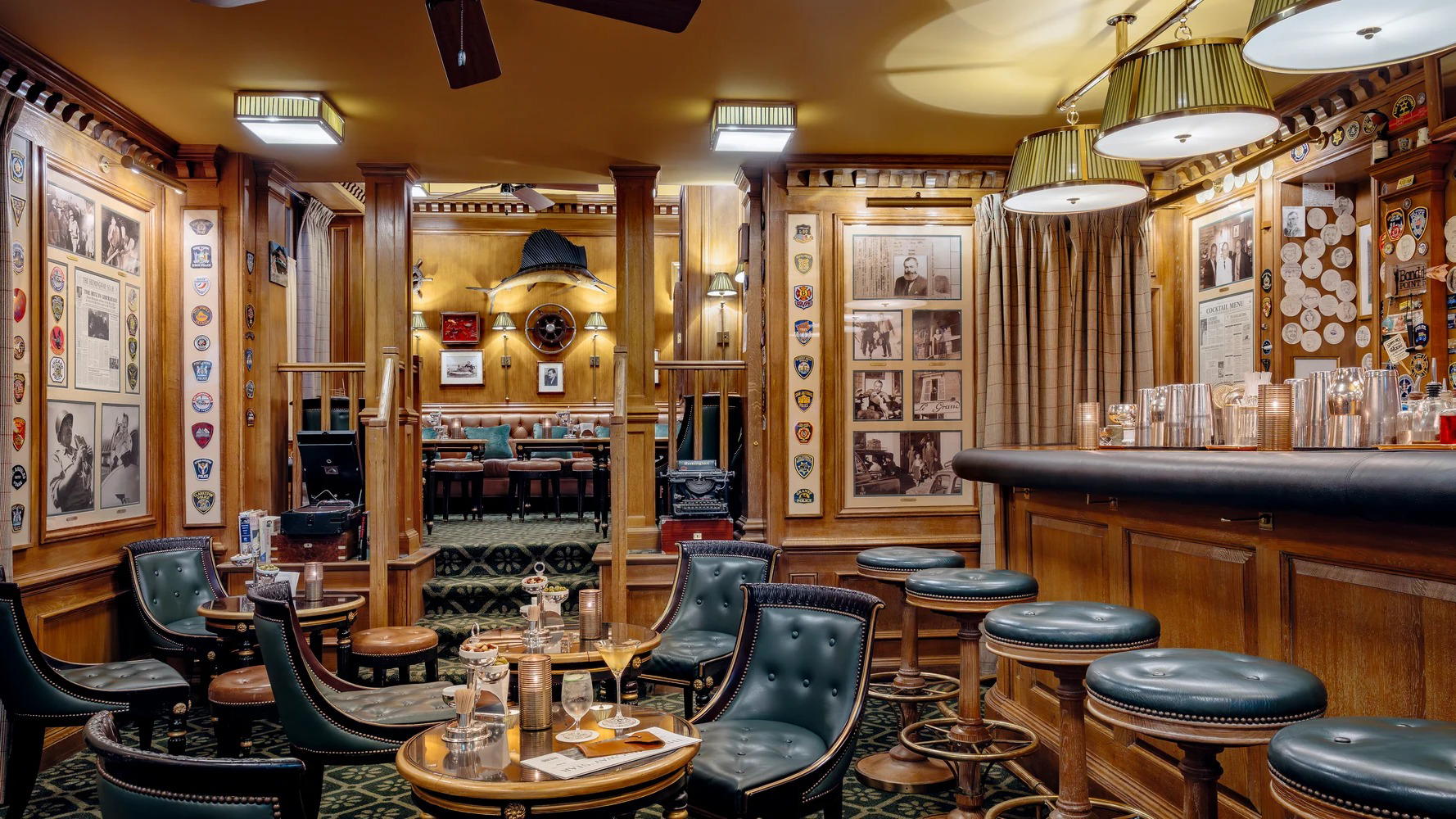
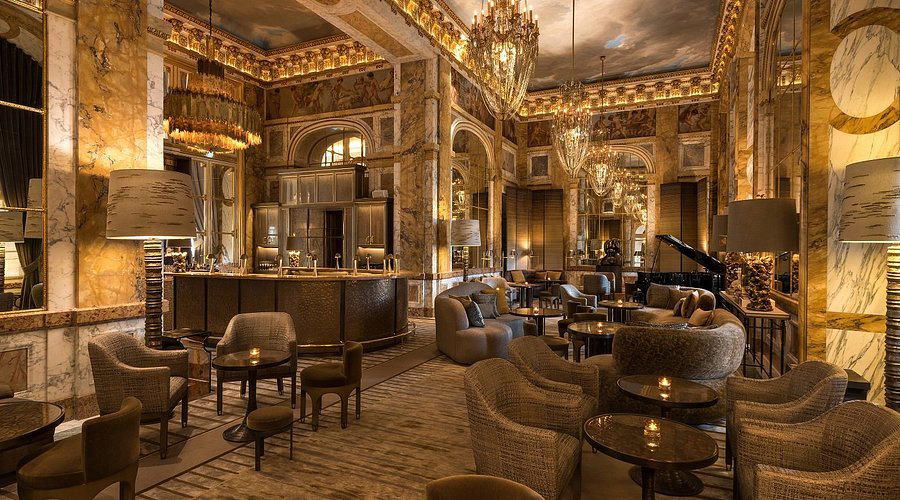
Hotels in Paris
Browse all →




At a Glance
- Modern
- Cozy
- Elegant
- Brunch
- Business Dinner
- Casual Hangout
- Terrace
- Craft Cocktails
- Local Sourcing
- Street Scene
Current opening hours
- Monday
- 8 AM–2 AM
- Tuesday
- 8 AM–2 AM
- Wednesday
- 8 AM–2 AM
- Thursday
- 8 AM–2 AM
- Friday
- 8 AM–2 AM
- Saturday
- 8 AM–2 AM
- Sunday
- 8 AM–2 AM
Hours can change for holidays and private events. Last verified .
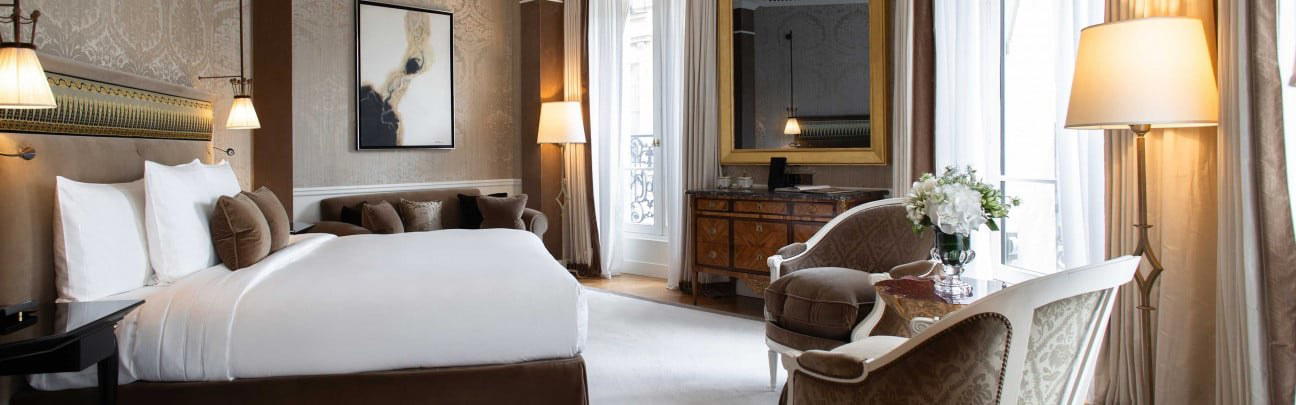
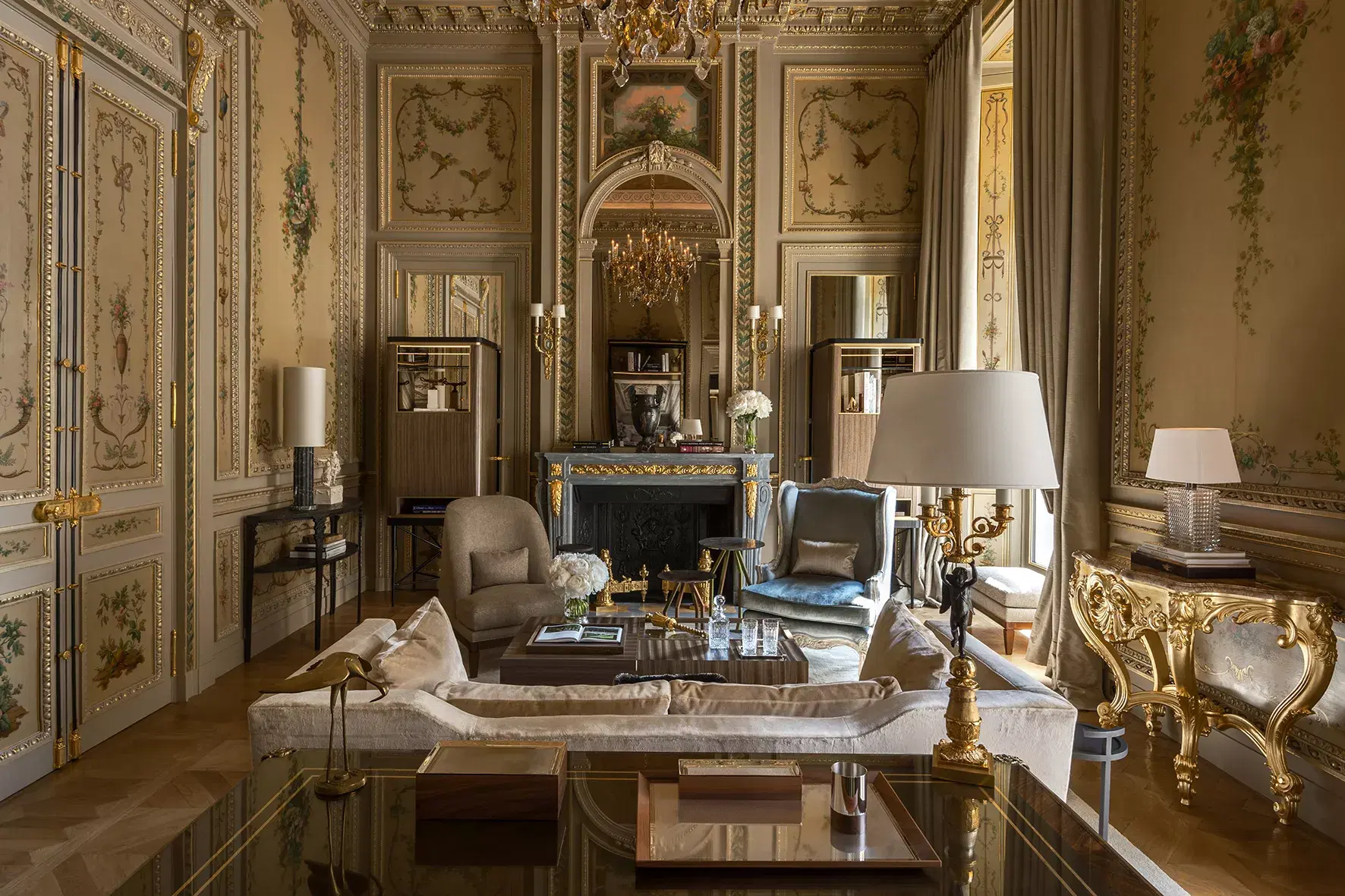
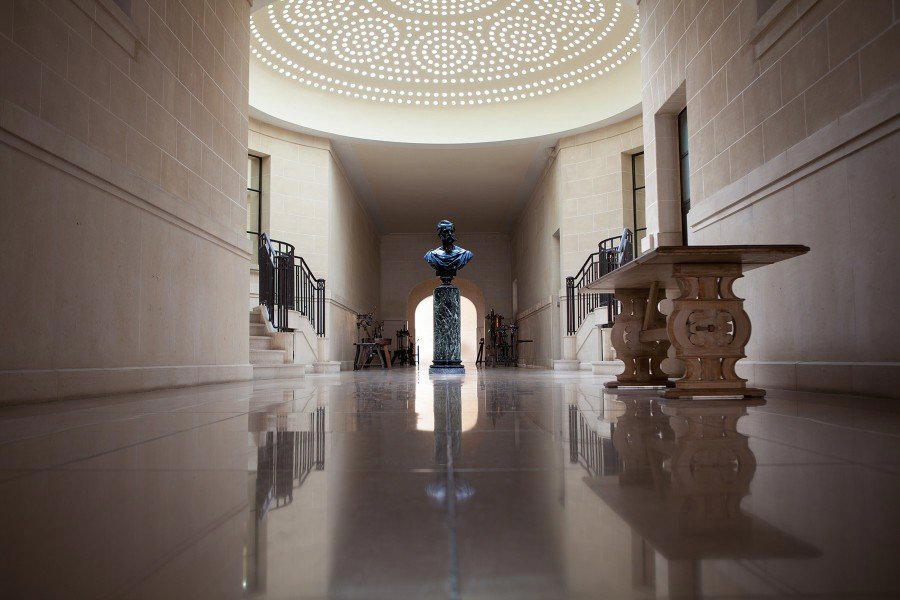
Modern and warm atmosphere with cozy terrace seating, well-suited for day-to-night dining.