On the Île Saint-Louis, Brasserie de l'Isle Saint-Louis occupies a position that few Paris addresses can claim: genuine neighbourhood institution on one of the city's most visited stretches of quai. Where the multi-starred rooms of the Marais and Saint-Germain press forward with evolving tasting menus, this address holds to the rhythms of the classic French brasserie, a different kind of argument for how Paris eats.
Pearl is the En Primeur Club membership app — saves, bookings, and concierge access live there. Same editors, same standards.
- Address
- 55 Quai de Bourbon, 75004 Paris, France
- Phone
- +33143540259
- Website
- labrasserie-isl.fr
- Directions
- Get directions
 Saves & bookings on Pearl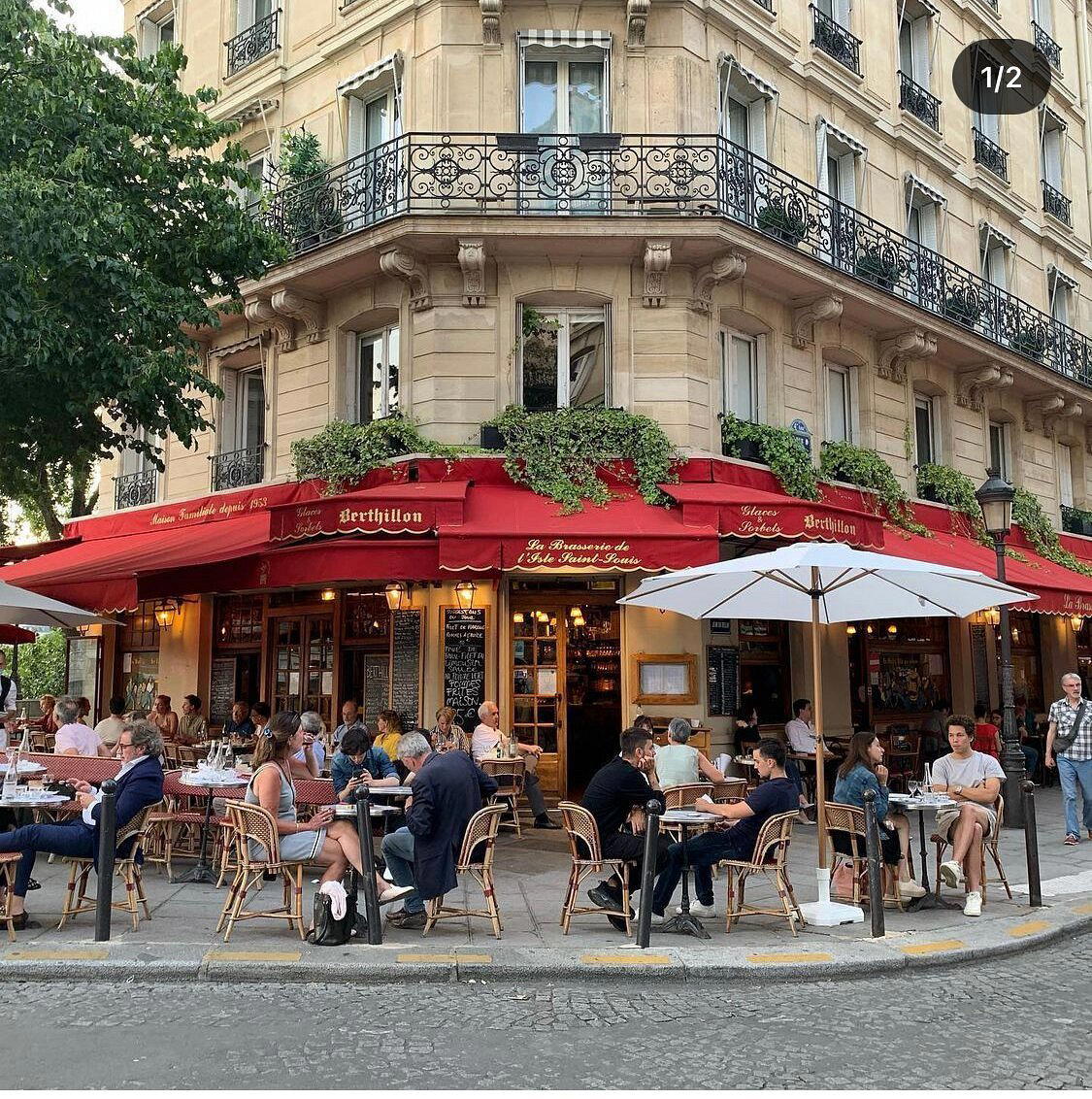
A Quai, a Terrace, and the Logic of the Classic Brasserie
Approach 55 Quai de Bourbon from the Pont Saint-Louis on a clear afternoon and the scene arranges itself almost cinematically: the Seine catching light on both sides of the island, a row of café chairs angled toward the water, and the low hum of a room that has been doing roughly the same thing for decades. The Île Saint-Louis is one of Paris's most geographically contained dining addresses, two bridges, a single main street, and a perimeter quai, which means its institutions tend to earn their longevity through repetition and neighborhood loyalty. Brasserie de l'Isle Saint-Louis sits squarely in that tradition.
The classic Parisian brasserie is a format that sits between the bistro and the grand café. It moves at a particular pace, faster than a table-service restaurant built around tasting menus, slower than a counter lunch, and its menu logic is organised around dishes that hold across service: choucroute, steak frites, onion soup, côte de boeuf for two. The format rewards a reader who understands that the ritual of the meal is part of the proposition. You are not here to be surprised. You are here to eat well within a form that has been agreed upon for generations. That contract is, in its own way, a more demanding standard than novelty.
The Île Saint-Louis in Its Dining Context
Paris's 4th arrondissement contains a wide spectrum of dining registers. On the Île de la Cité and in the Marais, the options range from tourist-trap crêperies to addresses like L'Ambroisie, the three-Michelin-starred room on Place des Vosges that represents among the more formally structured dining experiences in the city. The Île Saint-Louis is smaller in ambition but more coherent in character. Its dining identity is defined not by Michelin brackets but by the logic of neighbourhood use: places where residents eat regularly, where tourists are welcomed without being the primary audience, and where the format is brasserie-French rather than destination-French.
That positions Brasserie de l'Isle Saint-Louis differently from the city's multi-starred rooms. The creative menus at Alléno Paris au Pavillon Ledoyen or the Franco-Japanese precision of Kei operate in a separate register entirely, one defined by chef-driven tasting sequences and substantial per-head investment. Le Cinq at the Four Seasons George V and Arpège belong to that same refined tier. The brasserie format is not competing with those addresses, it is offering something structurally different: a meal organised around familiar categories, executed reliably, served at a pace the diner controls.
The Ritual of Eating Here
The dining ritual at a brasserie like this one follows conventions that have been refined over roughly a century of French café culture. Arrival matters less than it does at a tasting-menu room: a brasserie absorbs walk-ins, regulars, and couples at different points in the evening without the orchestrated sequencing of a multi-course progression. The menu is read rather than received, you make choices, the kitchen executes them, and the interaction is transactional in the leading sense of that word.
The pace of a brasserie lunch is its own argument. Paris has never fully abandoned the two-hour midday meal, and on the Île Saint-Louis, where the foot traffic is high but the island's residential character softens it, that rhythm is easier to find than in the more tourist-dense districts. A terrace table at Quai de Bourbon in the warmer months, roughly April through October, puts you at the edge of one of the more visually arresting stretches of the Seine, with the Pont Marie in view and the north bank's Haussmann façades across the water. The external setting does significant work that no interior designer could replicate.
Wine service at a brasserie of this type tends to prioritise the carafe and the accessible bottle over the cellar deep-dive. That is consistent with the format's logic: the point is not to match the wine program of a destination room like Mirazur in Menton or Troisgros in Ouches, but to provide something honest and appropriate at a price that doesn't strain the logic of a casual weekday lunch.
French Brasserie Tradition at Large
The broader tradition the brasserie format belongs to stretches from Alsace, where choucroute garnie originated as the format's anchor dish, to the grand Parisian rooms like Bofinger and La Coupole that codified brasserie service in the 19th century. Regional variations of the same instinct are visible at addresses like Auberge de l'Ill in Illhaeusern, where Alsatian hospitality has been refined across generations, or Georges Blanc in Vonnas, where the regional kitchen has been refined into something more formally celebrated. These addresses represent what happens when the brasserie instinct, generous food, rooted tradition, a room that feels settled, is pushed toward its most ambitious expression. The Île Saint-Louis address operates at a different point on that spectrum, but within the same cultural lineage.
For readers whose French dining extends beyond Paris, the contrast is instructive. The driven regionalism of Bras in Laguiole, the long-standing heritage of Paul Bocuse's Auberge du Pont de Collonges, and the spa-kitchen philosophy at Les Prés d'Eugénie all demonstrate how French dining identity branches outward from Paris into sharply distinct regional traditions. The urban brasserie is its own branch of that tree, less celebrated in the international press, but no less embedded in how France actually eats.
Planning Your Visit
Address: 55 Quai de Bourbon, 75004 Paris. Reservations: Walk-ins are possible, particularly at lunch on weekdays. Dress: Smart casual fits the room's register.
Just the Basics
Comparable venues nearby, for context on price, style, and recognition.
| Venue | Cuisine | Price | Notes |
|---|---|---|---|
| Brasserie de l'Isle Saint-LouisThis venue — the venue you are viewing | Not listed | $$$ | Not listed |
| Pluto | Le Marais, Creative French Fusion | $$$ | Not listed |
| La Grivoiserie | Not listed | $$$ | Notre-Dame-des-Champs, French Farm-to-Table Bistro |
| La Petite Régalade | Not listed | $$$ | 2nd arrondissement, Aveyronnais Bistro |
| Le Flamboire | Not listed | $$$ | 9th arrondissement, Traditional French Wood-Fired Grill |
| The Tree | Not listed | $$$ | 13th arrondissement, French-Asian Fusion |
Continue exploring
More in Paris
Restaurants in Paris
Browse all →
Bars in Paris
Browse all →
Hotels in Paris
Browse all →

At a Glance
- Classic
- Elegant
- Cozy
- Well Known
- Casual Hangout
- Special Occasion
- Terrace
- Historic Building
- Extensive Wine List
- Local Sourcing
- Waterfront
- Street Scene
Current opening hours
- Monday
- 12–10:30 PM
- Tuesday
- 12–10:30 PM
- Wednesday
- Closed
- Thursday
- 12–10:30 PM
- Friday
- 12–10:30 PM
- Saturday
- 12–10:30 PM
- Sunday
- 12–10:30 PM
Hours can change for holidays and private events. Last verified .
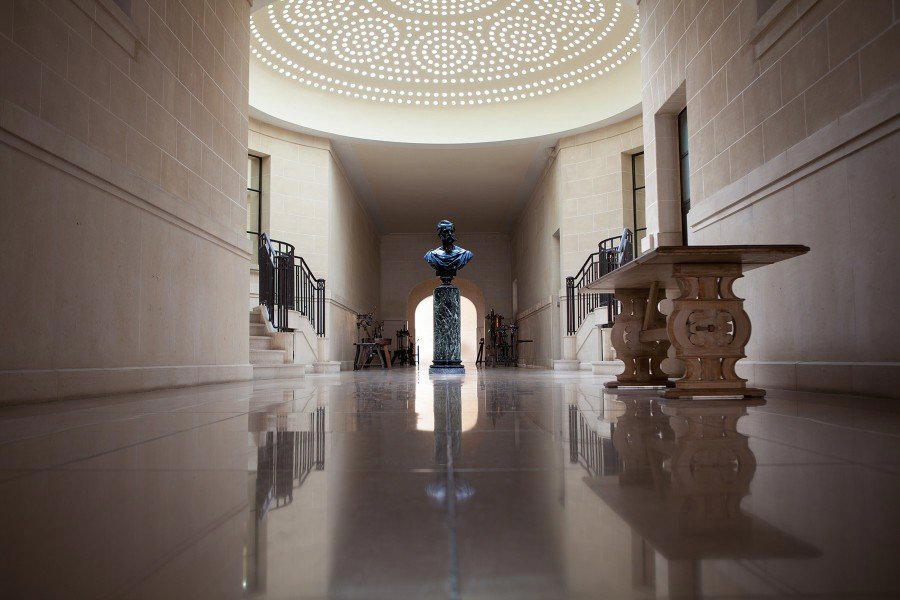
Warm 1930s Parisian brasserie decor with inviting, authentic atmosphere.