
Tabelog 100 #23
Our verdict
L’Assiette Blanche brings French cooking into Shirokane’s quieter dining register: small scale, reservation-only, wine-led, and shaped by a room of just eight seats. Its Tabelog French TOKYO 100 selection in 2025, earlier Tabelog Award Bronze history, and long run since 2000 place it among Tokyo’s enduring French addresses rather than its flashier new openings.

Pearl is the En Primeur Club membership app, where members save venues, book tables and use the concierge.
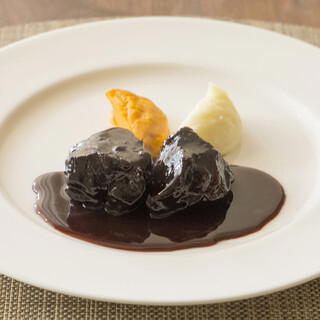
The menu
What to order
- Berry Tart with fresh berries and sour cream
- Seasonal fish and meat dishes with carefully prepared vegetables
Tokyo does not need to announce dinner with neon or spectacle. Its appeal can be quieter: careful rooms, restrained service, and restaurants that reward diners who know why they came. Here, French dining can feel different from larger destination settings and louder counters. The signal is focus. A planned restaurant meal changes the rhythm: fewer distractions, closer attention to plates, pacing, and silence between courses.
L’Assiette Blanche sits within Tokyo’s French dining landscape. It is listed for French cuisine, with a JPY 10,000 to JPY 14,999 price band for both lunch and dinner. That places it below the city’s most expensive trophy-menu tier, but above casual bistro territory. The better comparison is focused French dining where consistency and restraint matter more than novelty.
Tokyo French dining at small-room scale
Tokyo has long absorbed French cuisine, then reworked it through local expectations of seasonality, service precision, and portion rhythm. In Tokyo, that inheritance can feel less performative than in central luxury settings. The city’s dining culture includes Japanese, yakiniku, Italian, and French addresses at different price levels, giving it breadth rather than one dining identity. Comparison venues such as Shirokane Shin, Jumbo Yakiniku Shirokane, Yokoyama, ROZZO SICILIA, and Jumbo Shirokane underline the point: this is not a one-cuisine story, but a city where destination meals sit inside daily Tokyo geography.
Within that mix, French cooking occupies useful middle ground: formal without feeling ceremonial, technical without asking the diner to treat every plate as a manifesto. L’Assiette Blanche is identified with French cooking and a measured dining register. The Tabelog Hyakumeiten recognition in 2025 gives it current recognition in a crowded category. In Tokyo, where new openings can dominate for a season, that kind of listing is a useful marker for diners sorting the field.
The name is easy to overread; the stronger editorial point is discipline. French cuisine in Tokyo often succeeds when it resists both museum-piece nostalgia and fusion clutter, preserving sauces, structure, and sequencing while Japanese produce culture and service habits sharpen the experience. Here, the public listing emphasizes French cuisine rather than maximalism, fitting the restaurant’s role within Tokyo’s quieter French dining register.
Recognition without the spectacle economy
Tabelog’s Hyakumeiten recognition is not the same signal as Michelin stars, but in Japan it remains a meaningful dining-language marker, especially for restaurants with a domestic audience. A 2025 listing shows the restaurant staying visible in a competitive category rather than relying on noise alone. Its Tabelog score is 3.84, which in Tokyo needs local calibration: high-3 ratings can carry more weight than visitors expect, particularly in competitive specialist categories.
The operating feel is more than practical detail. It explains why the restaurant fits a focused dining tradition rather than a purely spectacle-driven model. The appeal is not flexibility for every possible itinerary, but a clear culinary identity. Diners should approach it as a planned meal, not as an interchangeable stop between larger sightseeing blocks.
That focus also defines the meal. This is not a room to treat as a last-minute catchall for every dining plan. It suits diners who want conversation and a measured lunch or dinner more than a scene. The logistical profile is clear: a destination meal within Tokyo, best treated with the same planning discipline as the city’s other in-demand dining rooms.
How to read it against Tokyo's broader dining map
For travellers building a Tokyo itinerary, L’Assiette Blanche works as a counterweight to louder dining categories. It is not competing with late-night casual energy, themed dining, or counter formats. That contrast is useful. A trip that includes other Tokyo dining rooms across casual, specialist, and destination formats will show several Tokyos in quick succession. L’Assiette Blanche occupies the quieter chapter.
That quieter chapter is where planning pays off. The restaurant is in Tokyo, and public transport is usually the simplest way to think about dining movement across the city. Lunch and dinner share the same listed price band, making lunch less a bargain play than an alternate pacing choice. Because restaurants can change schedules and service details, diners should confirm the latest opening pattern, payment methods, and reservation requirements directly before committing a plan.
For a broader Tokyo dining map, start with Our full Tokyo restaurants guide, then use Our full Tokyo hotels guide, Our full Tokyo bars guide, Our full Tokyo wineries guide, and Our full Tokyo experiences guide to build the rest of the trip around city flow rather than isolated reservations. For wider Japan and overseas contrast, compare the category spread with other dining in Japan and beyond, from casual counters to specialist rooms and wine-led bars. The value of L’Assiette Blanche is clearer beside that range: it represents Tokyo’s French dining register, where the reward is not spectacle, but concentration.
What It’s Closest To
Comparable venues to place this listing in its category.
| Venue | Cuisine | Price | Awards | Notes |
|---|---|---|---|---|
| L’Assiette BlancheThis venue (the venue you are viewing) | Classic French Fine Dining | $100–150 | Tabelog 100 #23 | Not listed |
| BLUE BRICK LOUNGE | French-style cafe & dessert lounge with Japanese sweets | $30–50 | Tabelog 100 #72 | Minato |
| ライラ | Modern French | $100–150 | Michelin Plate | Minato |
| Dame Jeanne | French Bistro | $500+ | Not listed | Shibuya |
| A New Trulve V | French Fine Dining | Not listed | Not listed | Shibuya |
| 青山ブション アミュゼ | French Bistro with Italian influences | $50–100 | Not listed | Minato |
Recognition history
Dated appearances from independent guides and award organizations, with the underlying list record or original source where available.
Tabelog 100 #23 · No. 23
Tabelog · Tabelog 100 - French - TOKYO - 2025
Continue exploring
More in Tokyo
Restaurants in Tokyo
All restaurants in Tokyo →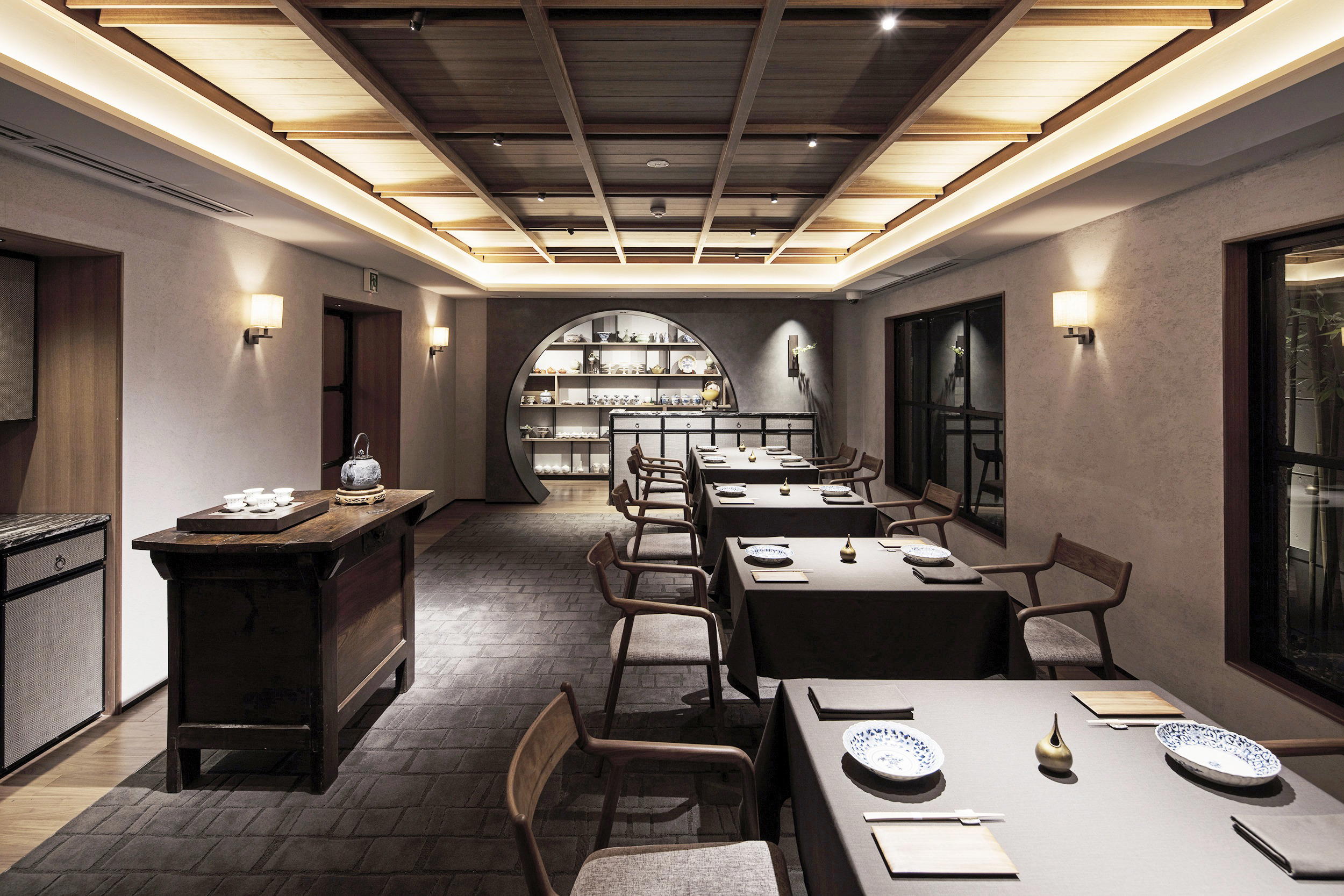
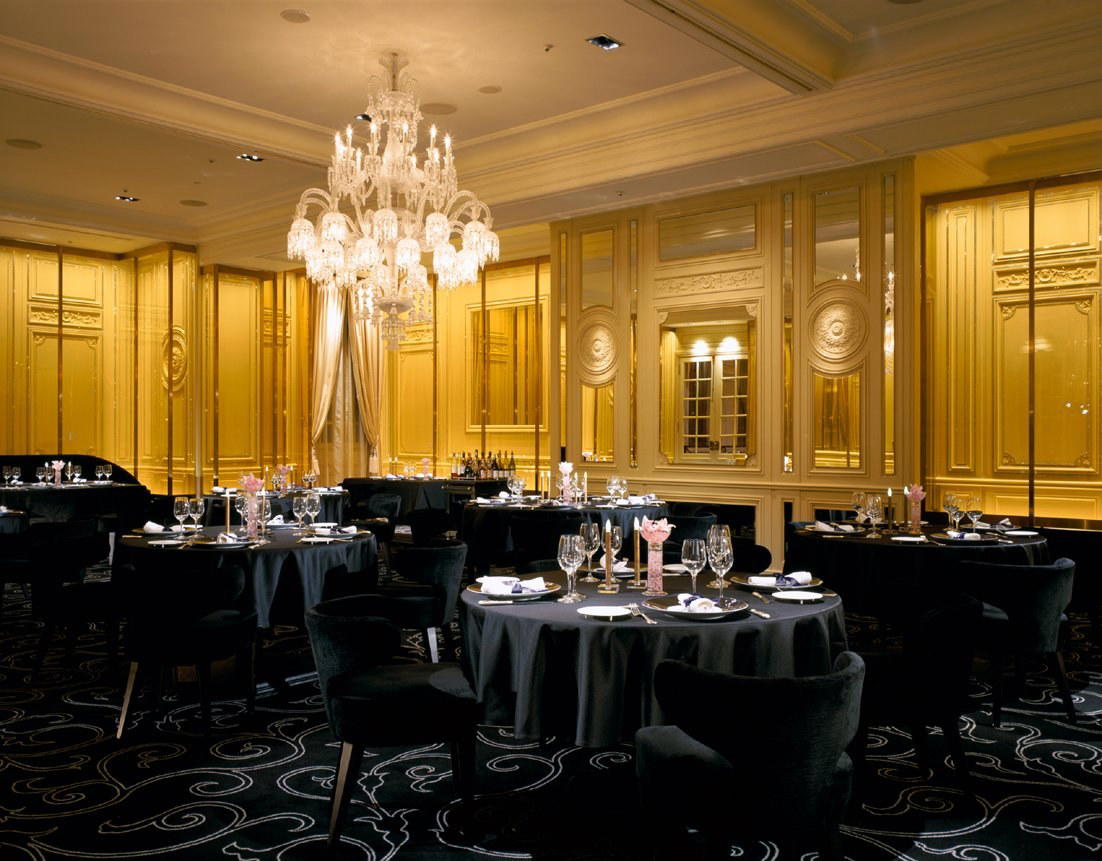
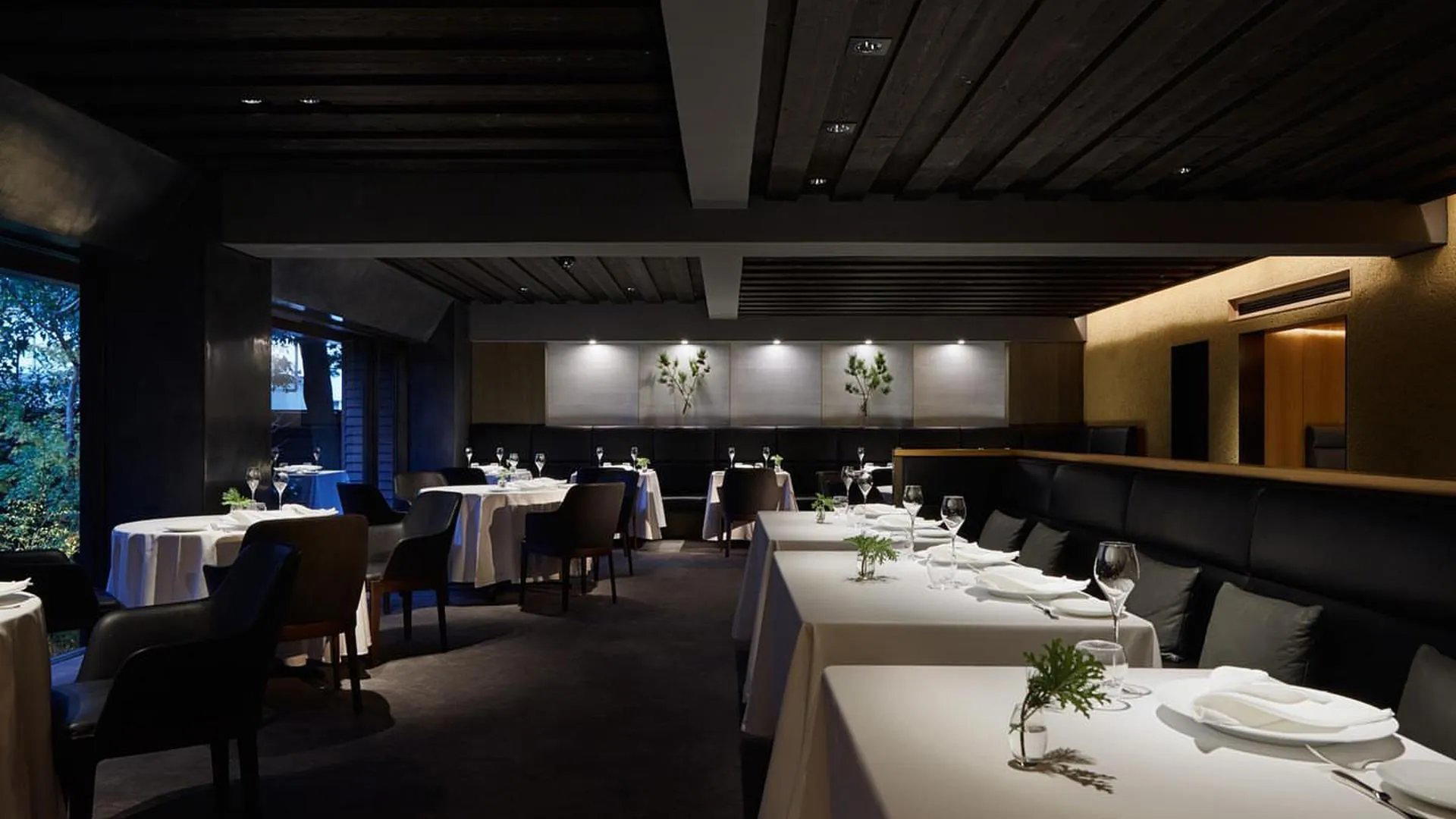
Bars in Tokyo
All bars in Tokyo →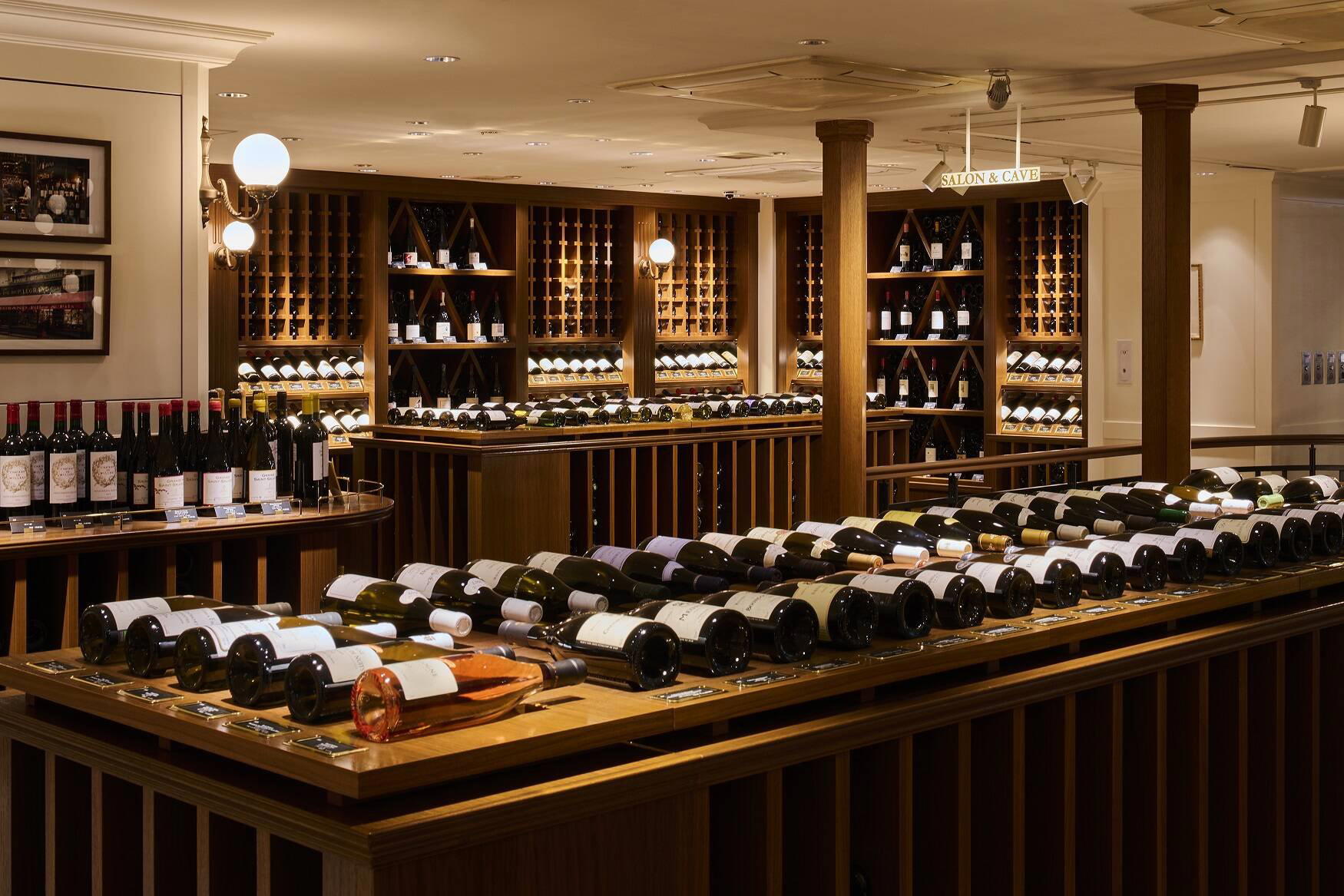
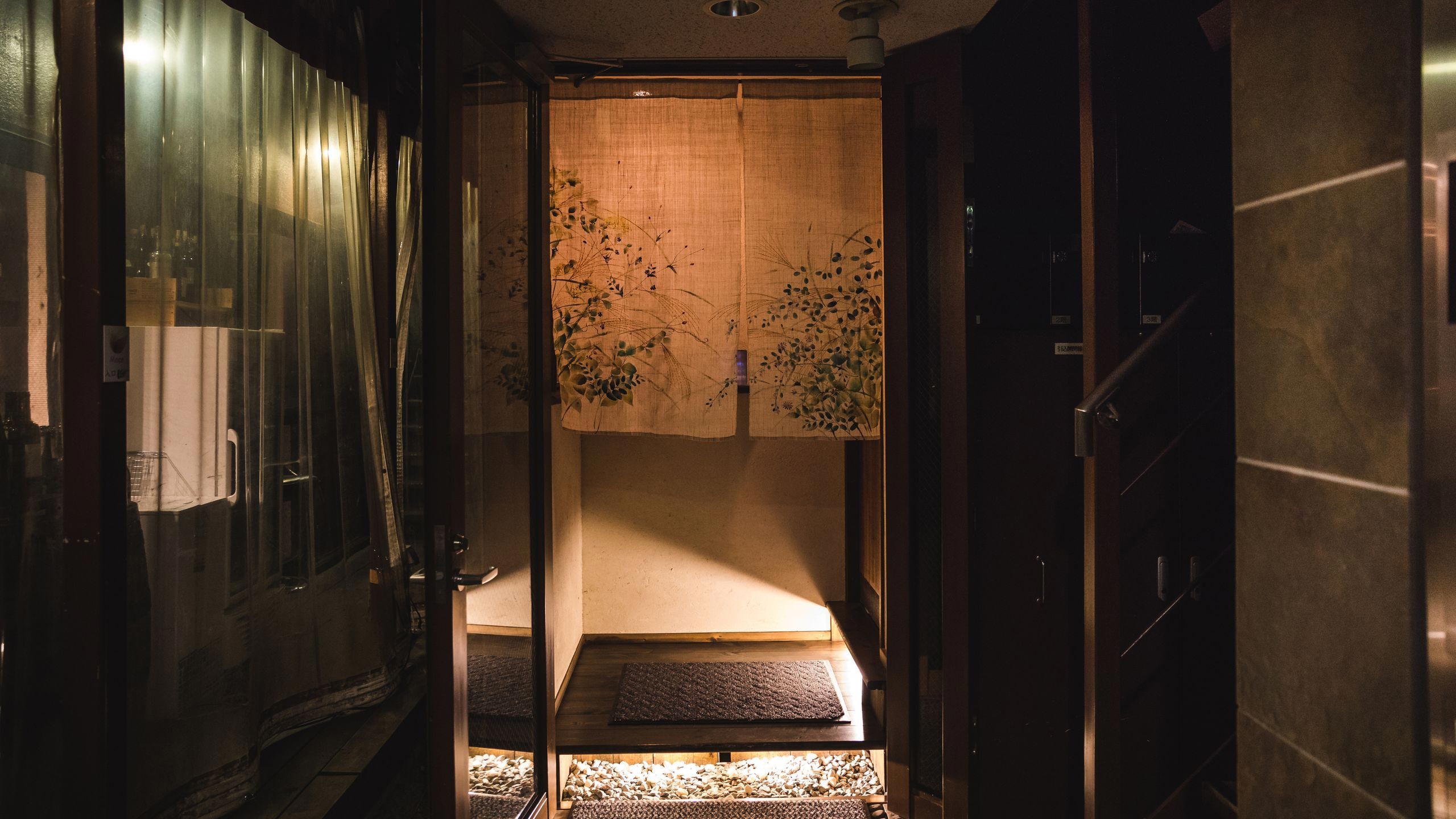
Details
- Classic
- Elegant
- Intimate
- Quiet
- Cozy
- Date Night
- Business Dinner
- Solo
- Special Occasion
- Celebration
- Standalone
- Extensive Wine List
- Set Menu
- A La Carte
- Wine
Current opening hours
- Monday
- 12–3 PM, 6–10 PM
- Tuesday
- 12–3 PM, 6–10 PM
- Wednesday
- 12–3 PM, 6–10 PM
- Thursday
- 12–3 PM, 6–10 PM
- Friday
- 12–3 PM, 6–10 PM
- Saturday
- 12–3 PM, 6–10 PM
- Sunday
- 12–3 PM, 6–10 PM
Hours can change for holidays and private events. Last verified .
A small, classic French dining room with only eight seats, relaxed but with a pleasant sense of tension, spaciously arranged tables, non‑smoking, and jazz background music that supports a calm, refined atmosphere suited to focused dining.