
Tabelog 100 #8
Our verdict
Kyoto Neze belongs to Kyoto’s compact Italian counter culture, where the meal reads less like imported trattoria theatre and more like a local sequence shaped by wine, pacing, and a small room. Its Tabelog Italian WEST “Tabelog 100” selections in 2021, 2023, and 2025 give it a clear credential in a city better known internationally for kaiseki and temple-side sweets.

Pearl is the En Primeur Club membership app, where members save venues, book tables and use the concierge.
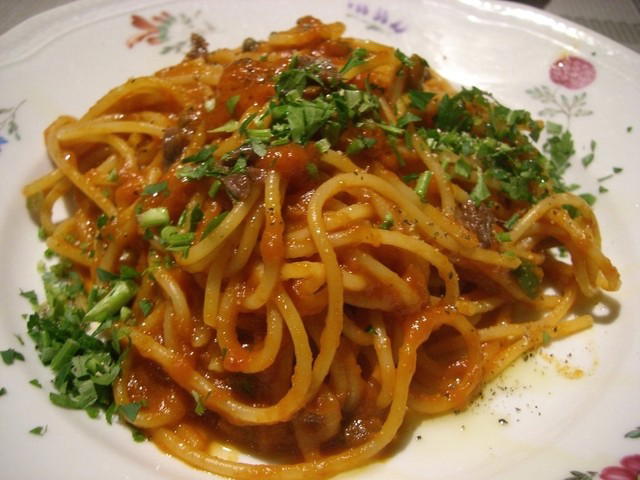
The approach to Kyoto Neze is urban rather than postcard Kyoto: Kyoto, evening traffic, and a restaurant experience framed by the city rather than spectacle. That matters. Kyoto’s Italian restaurants often work best when they resist grand dining-room choreography and behave like personal restaurants: conversational, carefully paced, and shaped by small decisions. Here, Italian cooking can be read as a sequence shaped by appetite and the rhythm of the evening.
Kyoto’s restaurant culture has always understood progression. Kaiseki made course order a language; obanzai made variety and restraint domestic; the city’s better Western restaurants learned from both without imitating either. Kyoto Neze sits in that lane. The format is best understood as flexible rather than ceremonial, so the meal can move between loose ordering and a deliberate arc. That flexibility suits Kyoto, where visitors may arrive after temple days, bar plans, or a second dinner elsewhere, and locals may want an Italian evening rather than a formal tasting-menu mindset.
A Kyoto Italian meal built around pacing, not pageantry
The comparison is not hotel Italian rooms or destination fine dining built around long menus. It is Kyoto’s smaller, personality-driven restaurants, where service rhythm and atmosphere can create two speeds in one evening. Kyoto Neze belongs in the tier where pacing is part of the value. The experience is less about procession than about how the meal is allowed to unfold.
That is why the restaurant’s Tabelog Hyakumeiten recognition in 2025 carries weight beyond badge collecting. The listing places it inside a serious Italian cohort, not simply Kyoto’s tourist dining circuit. In a city where French, Italian, kappo, sushi, soba, and wagashi all compete for serious evening slots, recognition signals consistency across changing tastes. It also marks a restaurant whose reputation is not dependent on novelty alone.
The meal is better understood as an editorial choice than a rigid menu promise. Italian dining in Japan can be sharper when progression is handled with restraint: a dinner can begin lightly, gather savoury weight, then return to balance before closing. Kyoto’s best small-format Western restaurants often use that shape because it suits local habits. Diners do not need theatrical crescendo; they need a sequence that works with the evening, whether quick, lingering, or somewhere in between.
For a broader Kyoto itinerary, this is the Western-dining counterpoint to the city’s other traditions. Obanzai at Oryori Menami works through Kyoto home-style variety; sukiyaki at Morita Ya Kiya machi ten sits in a more established Japanese register; casual local stops such as Honke Gepaikeya Naomasa and Honke Funahashiya occupy another price and occasion band. Kyoto Neze belongs to the evening bracket where Italian cooking, service rhythm, and Kyoto confidence matter more than speed.
Italian cooking in Kyoto has to answer the city around it
Kyoto is not an easy city for Italian food. The audience is demanding, though not always like Tokyo’s luxury dining public. Kyoto diners notice proportion, seasonality, and restraint; visitors often arrive expecting Japanese tradition and can underestimate the city’s European kitchens. The more convincing Italian restaurants here do not try to out-Italian Italy. They work through Kyoto cadence: lighter openings, careful seasoning, respect for produce, and a finish that does not crush the evening.
The stronger point is structural rather than biographical: Italian cooking in Kyoto has to find a rhythm between appetite and arranged progression. This is not banquet dining. It is dinner as controlled progression, loose enough for regulars and shaped enough for visitors planning an evening.
That distinction also helps place it against other Kyoto searches. Readers building a city plan can use a full Kyoto restaurants guide for the wider dining map, then decide where Italian fits among temples, bars, and ryokan dinners. The city’s hospitality context sits separately in a full Kyoto hotels guide, while late-evening planning belongs in a full Kyoto bars guide. Kyoto’s broader cultural calendar is better handled through Our full Kyoto experiences guide; wine-focused travellers can also scan a full Kyoto wineries guide, though restaurant lists and pairings remain a separate lens from this meal.
How to place it within a Kyoto dining run
Kyoto Neze makes sense when the evening calls for a grown-up meal without kaiseki’s formal pressure. It is strongest as dinner anchored by Italian cooking and conversation, especially for diners who care about progression but do not want every course predetermined. The listed dinner budget of JPY 10,000 - JPY 14,999 places it above casual Kyoto eating and below the grander tasting-menu tier, exactly where many rewarding Western restaurants in the city operate.
For contrast inside Kyoto, other dining rooms point to different moods in the non-Japanese dining field, while casual stops and specialist counters show how broad a Kyoto food day can become before dinner. The point is not to rank them; it is to avoid treating Kyoto as a single-cuisine city.
Travellers extending the Japan circuit can place this category-specific dining beside different regional choices across the country. For readers coming from abroad rather than moving through Japan, Japanese dining outside Japan can underline a different point: categories often become clearer at a distance, while Kyoto blurs them elegantly. Kyoto Neze is valuable because it sits comfortably in that blur, Italian by category, Kyoto by pace.
Frequently asked questions
What's the pricing like at Kyoto Neze?
Pricing at Kyoto Neze is listed as JPY 10,000 - JPY 14,999 View spending breakdown.
What's Kyoto Neze's location?
Kyoto Neze is located in Kyoto.
Should I book Kyoto Neze in advance?
Yes. Kyoto Neze is a recognized Kyoto Italian restaurant, and the dinner budget sits at JPY 10,000 - JPY 14,999. The evening-oriented nature of the meal rewards planning.
What has Kyoto Neze built its reputation on?
Its strongest credential is Tabelog Hyakumeiten recognition in 2025, alongside a Tabelog score listed as 3.67. The format is telling too: Italian cooking and a Kyoto setting.
Can Kyoto Neze accommodate dietary restrictions?
Restrictions should be flagged in advance when arranging a table with Kyoto Neze.
How It Stacks Up
Side-by-side context: comparable cuisine and price.
| Venue | Cuisine | Price | Awards | Notes |
|---|---|---|---|---|
| Kyoto NezeThis venue (the venue you are viewing) | Seasonal Kyoto Italian | $50–100 | Tabelog 100 #8 | Not listed |
| ドーディチ | Modern Italian with Kyoto Influences | $200–300 | 1 Michelin Star · Tabelog 100 #73 | 京都市役所前 |
| Cucina Italiana Todo | Seasonal Italian Course Dining in Kyoto | $50–100 | Tabelog 100 #57 | Nakagyō |
| Ristorante Noro | Italian with Japanese and French influences | $50–100 | Tabelog 100 #90 | Nakagyō |
| en boca Kyoto | Italian-Japanese wood-fired pizza & vegetables | $50–100 | Tabelog 100 #53 | Nakagyō |
| ルシュルシュル | Ingredient-Focused Italian | $100–150 | Not listed | Nakagyo-ku |
Recognition history
Dated appearances from independent guides and award organizations, with the underlying list record or original source where available.
Tabelog 100 #8 · No. 8
Tabelog · Tabelog 100 - Italian - WEST - 2025
Continue exploring
More in Kyoto
Restaurants in Kyoto
All restaurants in Kyoto →
Bars in Kyoto
All bars in Kyoto →
Hotels in Kyoto
All hotels in Kyoto →
Wineries in Kyoto
Browse all →
Details
- Intimate
- Cozy
- Date Night
- Special Occasion
- Solo
- Chefs Counter
- Standalone
- Extensive Wine List
- Local Sourcing
- A La Carte
- Counter Dining
- Wine
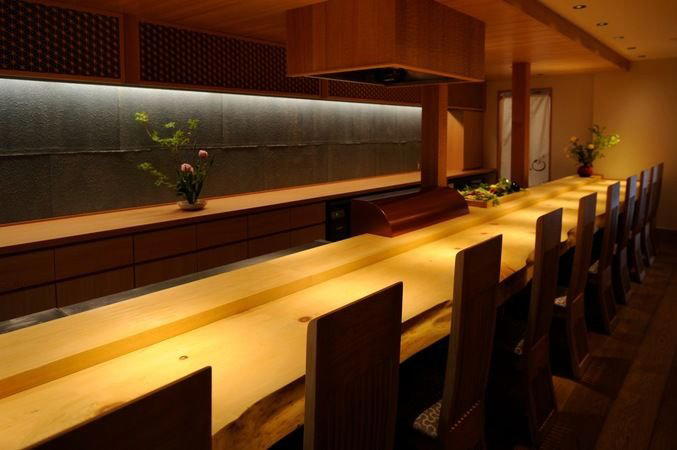
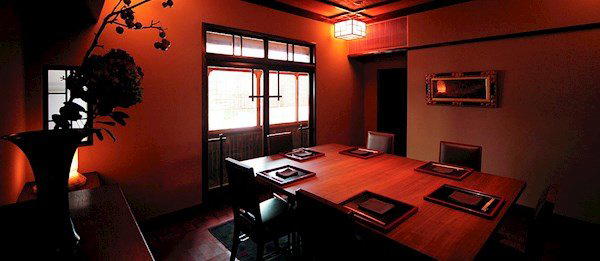
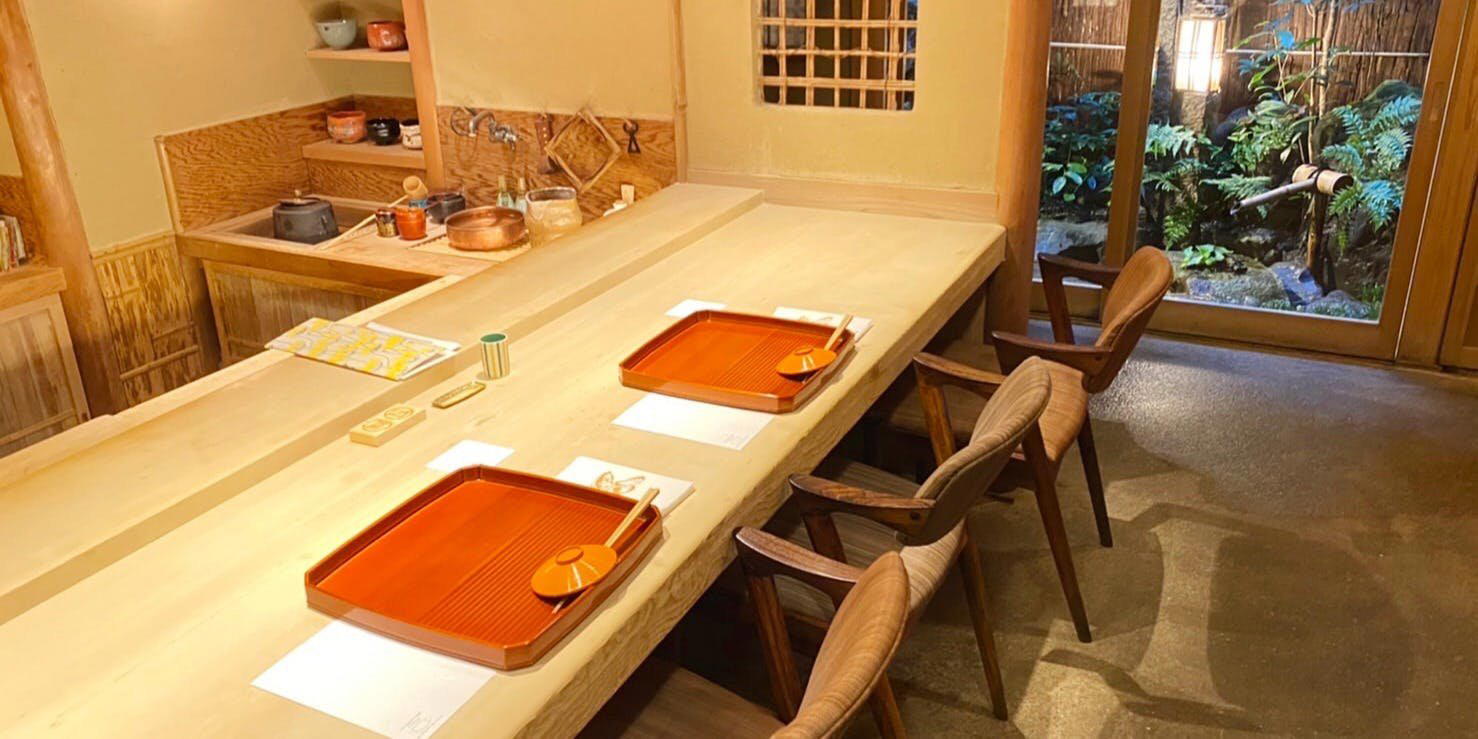
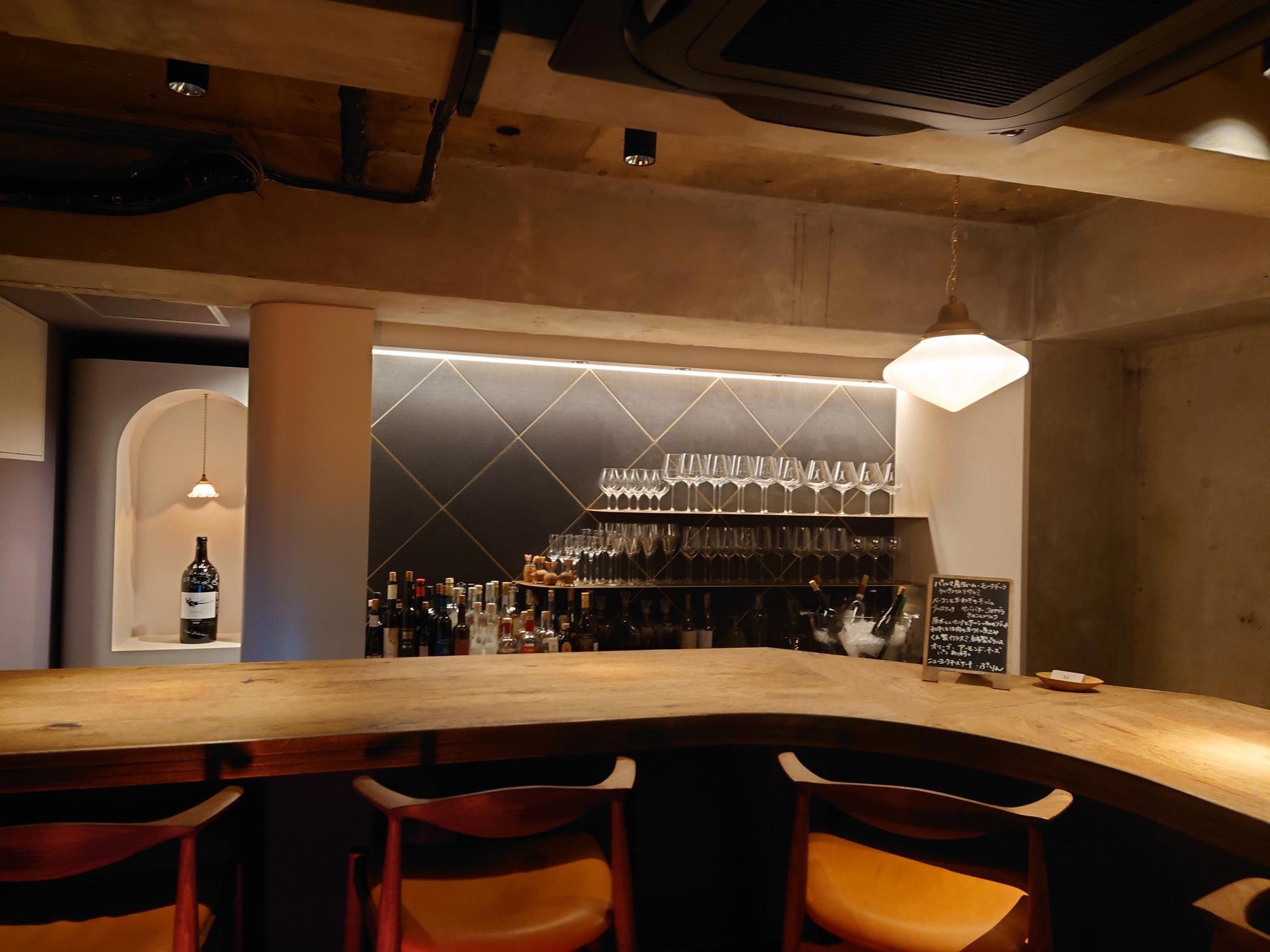
Warm and low-key with only eight counter seats and eight table seats, giving a cozy, intimate feel typical of a small Kyoto Kiyamachi hideaway; reservations are stressed due to the limited seating.