

Kyoto’s Okazaki district gives this udon and soba house its real context: museum traffic, shrine walks, and a dining culture that prizes disciplined comfort over ceremony. Kyo Udon Nama Soba Okakita sits in the casual noodle tier, with Tabelog 100 Udon WEST selection and OAD Casual in Japan recognition placing it above ordinary sightseeing-area lunch stops.
Pearl is the En Primeur Club membership app — saves, bookings, and concierge access live there. Same editors, same standards.
- Address
- Japan, 〒606-8334 Kyoto, Sakyo Ward, Okazaki Minamigoshocho, 34
- Phone
- +81 75-771-4831
- Website
- kyoto-okakita.com
 Saves & bookings on Pearl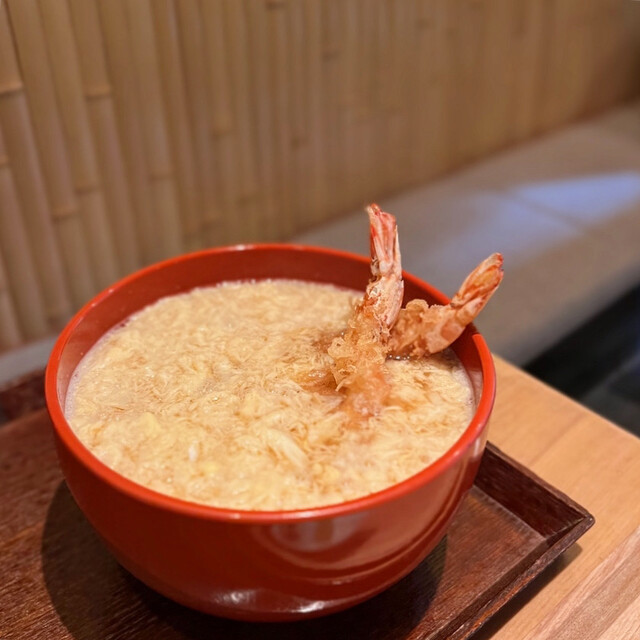
Okazaki has a particular Kyoto rhythm: temple gates, museum façades, canal-side walks, and visitors moving between culture and lunch rather than staging a meal as the day’s main event. In that setting, the appeal of udon and soba is not theatrical. It is practical, regional, and exacting, the kind of cooking that has to satisfy families, solo diners, and regulars without leaning on long tasting-menu choreography.
Kyo Udon Nama Soba Okakita belongs to that part of Kyoto dining. The category matters. Kyoto is often sold through kaiseki, tea, wagashi, and counter dining, but its everyday noodle rooms carry another form of precision: house-made udon, fresh soba, and donburi served in a format that reads quickly yet depends on repetition. Selection for Tabelog 100 Udon WEST in 2024, alongside a 2026 OAD Casual in Japan ranking, puts the restaurant in a narrower group than the average noodle shop near a sightseeing route.
Okazaki's culture corridor makes noodles feel like the right Kyoto meal
The neighbourhood shapes the decision. Around Okazaki, a formal lunch can feel out of step with the day, especially when the itinerary moves between Heian-jingu, the museums, and Higashiyama’s eastern edge. A noodle house here works because it matches the tempo: sit down, order within a familiar Japanese format, and let the meal reset the afternoon without turning into a production.
That is also where Kyoto’s casual dining hierarchy becomes useful. At one end are destination kaiseki rooms such as 瓢亭 and higher-spend Japanese counters such as Higashiyama Ogata, where the meal itself becomes the anchor. At the other end are casual specialists, where the measure is consistency, queue tolerance, and whether a narrow category has enough authority to justify planning around it. Okakita sits firmly in the latter camp, closer in price tier to Yamamoto Menzou than to the city’s formal Japanese restaurants.
The menu frame is deliberately broad for a specialist room: udon, soba, and donburi. That matters in Kyoto, where mixed-generation dining is common and not every meal should require everyone at the table to want the same degree of intensity. The house-restaurant format and non-smoking room keep it accessible, while the recognition signals that the operation is not merely convenient to Okazaki’s cultural circuit.
A casual noodle specialist, judged by discipline rather than ceremony
Kyoto’s noodle tradition rewards restraint. Udon and soba do not need luxury vocabulary to communicate quality; they depend on noodle texture, broth balance, pacing, and temperature control. Those details are not decoration, and they are the reason casual noodle rooms can occupy serious positions in Japanese dining guides. The useful comparison is not with a chef’s counter, but with other low-friction specialists that deliver a focused meal under pressure.
For travellers building a wider Kyoto dining map, this is the counterweight to reservation-led evenings. A day might carry from Aburi Mochi Honke Nemoto Kazariya for old Kyoto sweets to a more contemporary room such as [ki:], or from central casual addresses like 3TOKU6MI Shijo karasuma ten and 551蓬莱 to a French-leaning table such as Abbesses. Okazaki’s value is different: it gives a culturally dense part of the city a serious casual meal that does not demand a full evening’s commitment.
The restaurant’s recognition history strengthens that reading. Tabelog 100 selections across multiple years, including the WEST udon list, indicate sustained relevance in a crowded category. OAD’s Casual in Japan ranking adds another editorial signal, particularly useful for visitors trying to separate reliable specialist cooking from places that simply benefit from foot traffic. Neither award turns the room into fine dining; it clarifies the competitive set.
How to place it in a Kyoto itinerary
This is a daytime Kyoto decision, not a grand-dinner substitute. It suits an Okazaki or Higashiyama plan, especially when the rest of the day involves walking and museums rather than taxis between destination restaurants. The listed capacity is compact enough that timing matters, and public guidance notes that exterior waiting may be managed when the sidewalk becomes crowded. That is a useful Kyoto reality check: the city’s casual specialists can require patience even when the meal itself is inexpensive and informal.
Payment and comfort details also point to the proper expectation. This is a no-private-room, non-smoking, family-friendly setting with children welcome, stroller access noted, and children’s bowls and forks available. The lack of private dining is not a flaw; it is consistent with a noodle restaurant built around turnover and shared everyday use rather than occasion dining.
For a broader Kyoto plan, use Okakita as the practical anchor for the eastern side of the city, then build the rest of the trip by category. See Our full Kyoto restaurants guide for dining across price tiers, Our full Kyoto hotels guide for where to stay, Our full Kyoto bars guide for evening drinking, Our full Kyoto wineries guide for regional wine context, and Our full Kyoto experiences guide for culture-led planning. Travellers comparing casual Japanese formats beyond Kyoto can also look at -Grilled beef Sukiyaki- KAMAKURA TANUKIAN 鎌倉 たぬき庵 in Kamakura. 鮪と炭火焼き うお炭 秋葉原店 in Tokyo.cafe in Osaka.know in Kumamoto, (Shoku) Vietnam in Kawasaki, [Curry Senmon Ten] Maruyama Kyoju. in Sapporo, Jōdo Saké Bar in Los Angeles, and Onigiri Time in Pasadena.
A Tight Comparison
Comparable venues side-by-side for orientation.
| Venue | Cuisine | Price |
|---|---|---|
| Kyo Udon Nama Soba Okakita | Sakyō, Traditional Kyoto udon and soba | $ |
| Kissho Karyo Gion honten | Higashiyama, Kinako Japanese sweets cafe | $ |
| MASH Kyoto | Shimogyō, Kyoto bakery & sweet breads | $ |
| Tsukemen Kirari | Fushimi, Kyoto tsukemen & ramen shop | $ |
| 実伶 | Nakagyō, japanese | $ |
| 熙怡 | Shimogyō, Kyoto Saba Sushi | $ |
Recognition history
Dated appearances from independent guides and award organizations, with the underlying list record or original source where available.
Opinionated About Dining Casual in Japan Ranked #52
Opinionated About Dining
Tabelog 100 #46 · No. 46
Tabelog · Tabelog 100 - Udon - WEST - 2024
Continue exploring
More in Kyoto
Restaurants in Kyoto
Browse all →
Bars in Kyoto
Browse all →
Hotels in Kyoto
Browse all →
Wineries in Kyoto
Browse all →
At a Glance
- Classic
- Cozy
- Solo
- Family
- Casual Hangout
- Standalone
- Historic Building
- Local Sourcing
Current opening hours
- Monday
- 11 AM–6 PM
- Tuesday
- Closed
- Wednesday
- Closed
- Thursday
- 11 AM–6 PM
- Friday
- 11 AM–6 PM
- Saturday
- 11 AM–6 PM
- Sunday
- 11 AM–6 PM
Hours can change for holidays and private events. Last verified .
A simple, traditional Kyoto house-restaurant with counter and table seating, bright but unpretentious lighting, and a bustling, casual atmosphere that often includes a waiting line yet still feels warm and low-key.