
Tabelog 100
Our verdict
Kusa Makura is a compact Nishishinbashi kissaten for readers who care about Tokyo’s coffee-shop tradition rather than café spectacle. Its Tabelog 100 Kissaten selections in 2021 and 2022, small 11-seat format, non-smoking room, and modest JPY 1,000–1,999 spend place it in the city’s serious everyday-coffee tier.

Pearl is the En Primeur Club membership app — saves, bookings, and concierge access live there. Same editors, same standards.
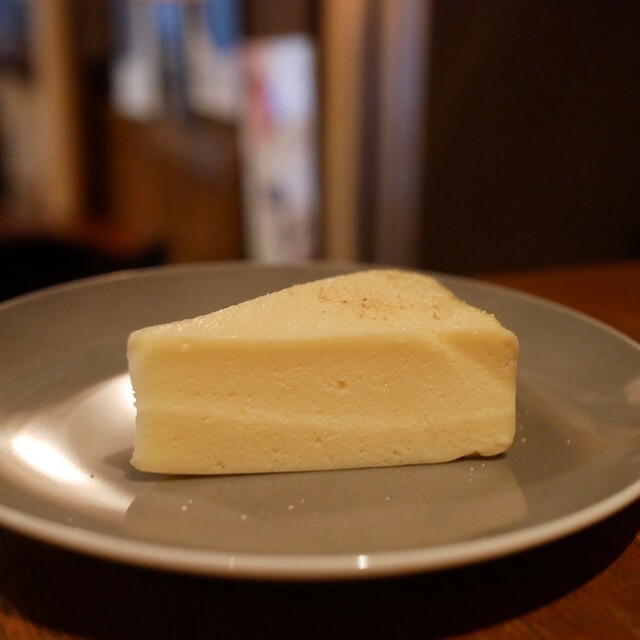
The approach to a Tokyo kissaten is often quieter than the reputation behind it. In Tokyo, the appeal is not theatrical design or dessert staging. The format is disciplined, and the point is coffee culture at a human scale: a focused rhythm, a clear category, and the kind of deliberate service cadence that separates a kissa from a chain café.
Kusa Makura belongs to that older Tokyo category where the drink and the setting matter more than visual novelty. Kissaten culture has always been partly about the cup itself: beans chosen for character, preparation treated as house identity, and service handled with more seriousness than the casual setting suggests. The city’s specialty-coffee wave changed the vocabulary, but it did not erase the kissa grammar. Here, the attraction is that grammar rather than a lifestyle café built mainly for circulation.
Tokyo coffee culture, scaled to a focused room
Tokyo’s independent coffee rooms divide into several tribes: modern roasters with retail bags and standing counters, dessert-led cafés built around photography, hotel lounges priced for lingering, and kissaten where the drink remains the anchor. Kusa Makura sits in the last group. Its listing as a kissa and café, plus recognition in Tabelog’s Kissaten 100 selections for 2022, gives it a clearer identity than many hybrid cafés that blur into light meals and social media décor.
The format matters. A kissa can feel closer to a quiet pause than a roomy café, which changes the way the visit functions. Solo use is not a consolation prize in this genre; it is part of the design logic. A focused kissa suits one cup, one book, one pause between meetings, or a short Tokyo detour. The practical constraint is obvious: coffee rooms reward flexible timing.
The award signal is also useful because kissaten are hard to judge from the outside. Many of Tokyo’s serious coffee rooms do not explain themselves through tasting menus, chef biographies, or luxury fittings. A Tabelog 100 Kissaten selection is not the same kind of credential as a Michelin star, but it does indicate a venue being sorted within a specific Japanese category rather than a general café pool. For visitors, that distinction is valuable.
Ingredient choices are the story, not café decoration
Better way to read a kissaten is through inputs and method. Coffee is unusually exposed as a product: poor sourcing cannot hide behind sauce, garnish, or plating architecture. Even when a shop does not publish bean origins in English, the genre asks the guest to pay attention to the basic chain of decisions: roast depth, grind, extraction, temperature, and cup size. That is why older coffee rooms can feel stricter than they look.
Tokyo’s café scene often rewards novelty, but the kissa tradition rewards repeatability. A dedicated coffee-room format can make service feel less anonymous, yet the editorial interest is not personality-driven. It is the persistence of a category in which the everyday cup is treated as a craft object. That is also why pricing in the JPY 1,000 - JPY 1,999 tier can be more revealing than luxury pricing: value is measured through care, not spectacle.
The modern kissa equation is partly about continuity and partly about adaptation. Historically, many kissaten were associated with newspapers, long afternoons, and an older urban cadence. Contemporary guests may read the format differently, looking for the same coffee-shop seriousness without expecting every heritage detail to be reproduced wholesale. Kusa Makura is best approached through that lens: a Tokyo kissa whose category matters as much as its decoration.
For a fuller read on the city around it, use Our full Tokyo restaurants guide, then widen the itinerary through Our full Tokyo hotels guide, Our full Tokyo bars guide, Our full Tokyo wineries guide, and Our full Tokyo experiences guide. Adjacent Tokyo eating styles can be cross-checked through other dining rooms, cafés, and coffee stops across the city.
How to place it in a Tokyo day
Kusa Makura makes more sense as a deliberate coffee stop than as a long dining appointment. Tokyo gives it a different tempo from weekend café clusters, and the kissa format means it works cleanly for a focused visit rather than a group meal. The experience is best read close to the traditional kissa model: modest in scale, category-led, and centered on the cup rather than on extended dining rituals.
The competitive frame is useful. Japanese dining such as 味享, 新ばし 笹田, Shimbashi Sasada, and Soba Kiri Sake Daigu occupies a different register, while Heckeln points toward another Tokyo kissaten and café reference point. Kusa Makura’s position is narrower: coffee-shop seriousness, recognized kissa category, and a price band that keeps it accessible without making it casual in standards.
Outside Tokyo, the same question of category clarity applies across Japan and beyond: other cafés, bars, and casual dining rooms may sit in different traditions, but each rewards reading the format before judging the meal. Kusa Makura benefits from that same discipline. Treat it as a kissa first, rather than forcing it into a restaurant, dessert-café, or hotel-lounge frame, and the appeal becomes much clearer.
Frequently asked questions
What time does Kusa Makura open and close?
Current opening hours are not provided here. Check directly with Kusa Makura before making a special trip.
What's the price range at Kusa Makura?
Pricing at Kusa Makura is listed as JPY 1,000 - JPY 1,999.
What part of town is Kusa Makura in?
Tokyo.
What's Kusa Makura best at?
Kusa Makura is strongest as a kissaten stop, with a Tabelog 100 Kissaten selection for 2022. The setting suits a focused coffee break in Tokyo, not a long meal.
Can Kusa Makura adjust for dietary needs?
The venue details point to a kissaten format, so it is better suited to a simple coffee stop than a heavily tailored order.
Is Kusa Makura a family-friendly restaurant?
Kusa Makura is listed as a kissa and café rather than a full restaurant. It reads more naturally as a focused Tokyo coffee stop than as a family dining destination.
Fast Comparison
Comparable venues by category and price.
| Venue | Cuisine | Price | Awards | Notes |
|---|---|---|---|---|
| Kusa MakuraThis venue (the venue you are viewing) | Japanese Kissaten / Coffee Shop | Not listed | Tabelog 100 | Not listed |
| Teuchi Soba Narutomi | Traditional Ginza soba & tempura | $20–30 | Tabelog 100 #51 | Chūō |
| 赤坂 島袋 | Japanese Robatayaki | Not listed | Tabelog 100 #86 | Minato |
| Zaichi | Premium Hida Beef Yakiniku & Horumon | $50–100 | Tabelog 100 #9 | Chūō |
| Agezuki | Tonkatsu (Japanese Pork Cutlet) | $20–30 | Tabelog 100 #21 | Shinjuku |
| Amanoya | Traditional Japanese sweets café & okonomiyaki | $20–30 | Tabelog 100 | Chiyoda |
Recognition history
Dated appearances from independent guides and award organizations, with the underlying list record or original source where available.
Tabelog 100
Tabelog · Tabelog 100 - Kissaten - 2026
Full recognition history (2 entries)
Tabelog 100 #50 · No. 50
Tabelog · Tabelog 100 - Kissaten - 2022
Continue exploring
More in Tokyo
Restaurants in Tokyo
All restaurants in Tokyo →
Bars in Tokyo
All bars in Tokyo →

Details
- Quiet
- Classic
- Cozy
- Intimate
- Solo
- Casual Hangout
- After Work
- Standalone
- A La Carte
- Coffee
Current opening hours
- Monday
- Closed
- Tuesday
- 11 AM–7:30 PM
- Wednesday
- 11 AM–7:30 PM
- Thursday
- 11 AM–7:30 PM
- Friday
- 11 AM–7:30 PM
- Saturday
- 12–5:30 PM
- Sunday
- Closed
Hours can change for holidays and private events. Last verified .
Tranquil, hidden-away, and unpretentious, with a relaxing old-school kissaten mood suited to quiet solo visits.