
Kuroiwa Curry Hanten is a compact Sapporo curry counter in Odori’s west side, recognised in Tabelog Curry EAST 100 selections across 2019, 2020, 2023, and 2024. The appeal is cultural as much as practical: Japanese curry and Sapporo soup curry meet in a low-friction format built for solo dining, counter service, and a city that takes spice seriously.
Pearl is the En Primeur Club membership app — saves, bookings, and concierge access live there. Same editors, same standards.
- Address
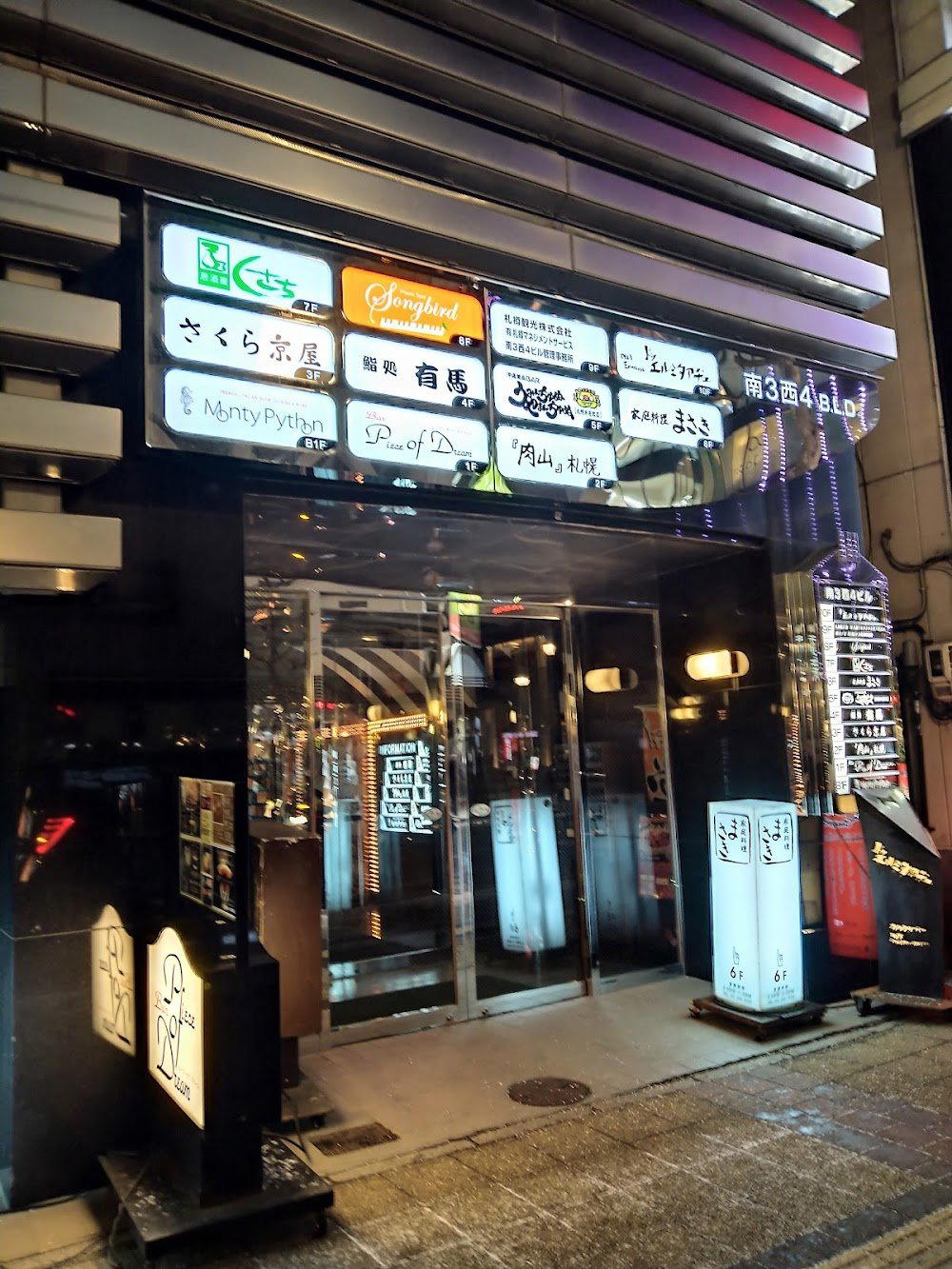
- Japan, 〒060-0042 Hokkaido, Sapporo, Chuo Ward, Odorinishi, 8 Chome−2-39 北大通ビル B1F
- Phone
- +81 11-596-9987
- Website
- kuroiwa-curryhanten.com
 Saves & bookings on Pearl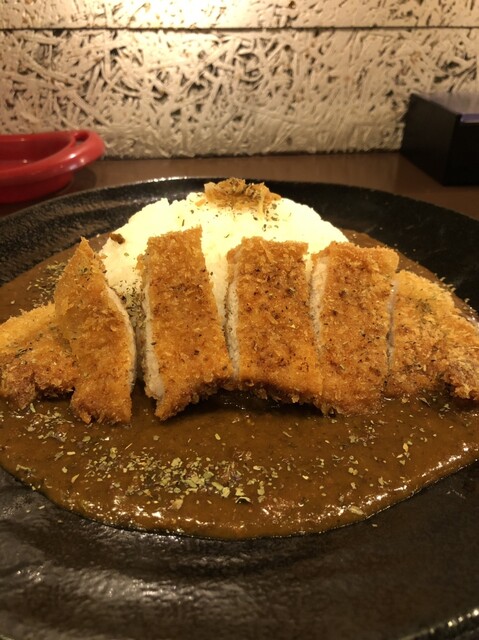
The approach is basement-level, urban, and matter-of-fact: a curry counter below Odori’s street grid, away from the theatrical dining rooms that dominate many visitor itineraries. That setting matters. Sapporo’s curry culture has never depended on white tablecloth ceremony; its seriousness is in broth, spice structure, rice, heat level, speed, and repeat custom. Kuroiwa Curry Hanten belongs to the everyday-but-specialist category: small room, focused cooking, and a meal chosen less for occasion than intent.
In Sapporo, curry has two strong local readings. One is Japanese curry rice, thickened, comforting, and adapted over decades into a national staple. The other is soup curry, a Sapporo-associated form built around lighter spiced broth and a different relationship between rice and liquid. The city’s curry counters are not interchangeable; some lean nostalgic, some Indian-inflected, some toward soup curry’s Hokkaido identity. Kuroiwa Curry Hanten sits at the intersection of curry and soup curry, useful for travellers trying to understand why Sapporo’s curry conversation is broader than one bowl style.
A compact Odori counter in Sapporo's curry grammar
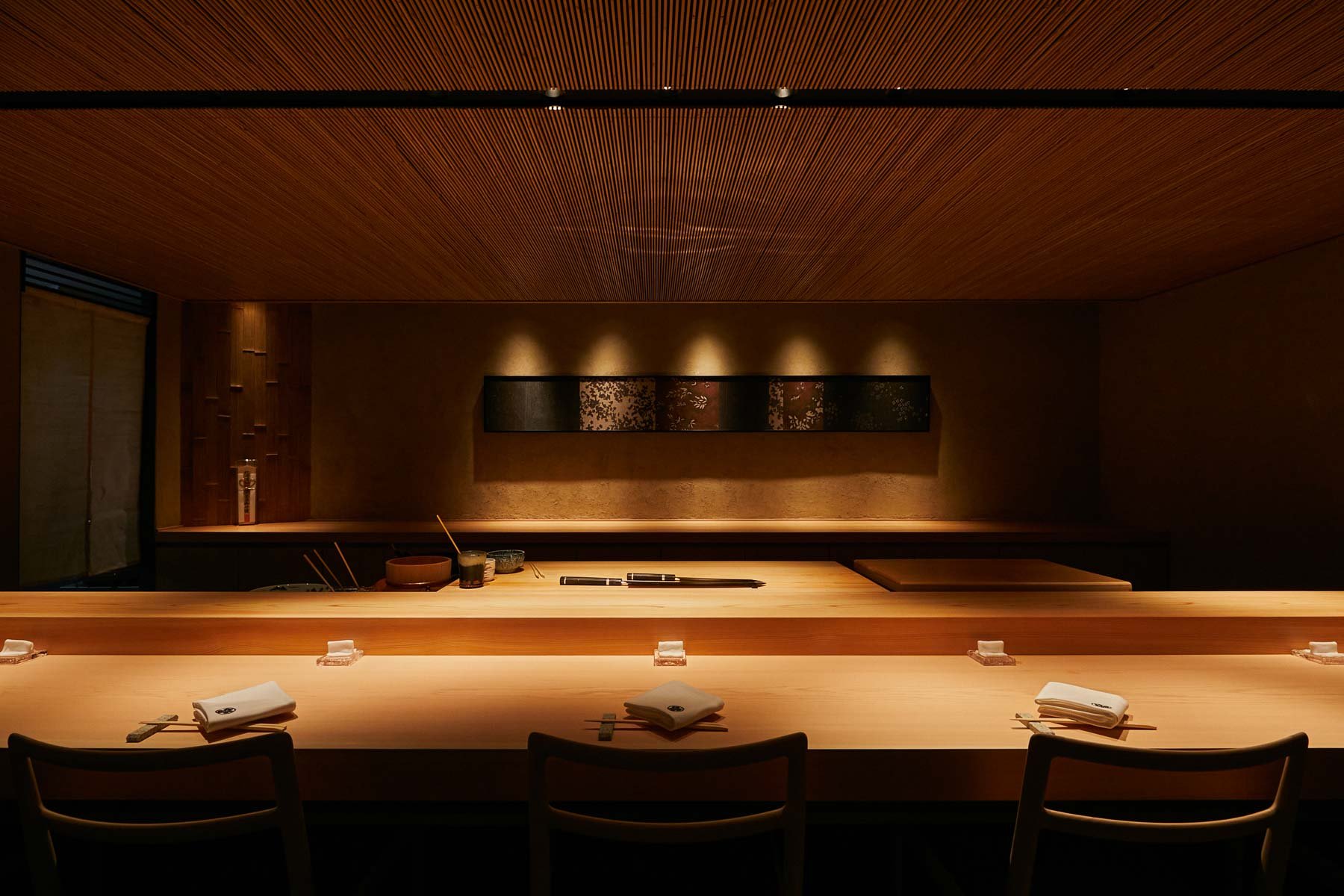
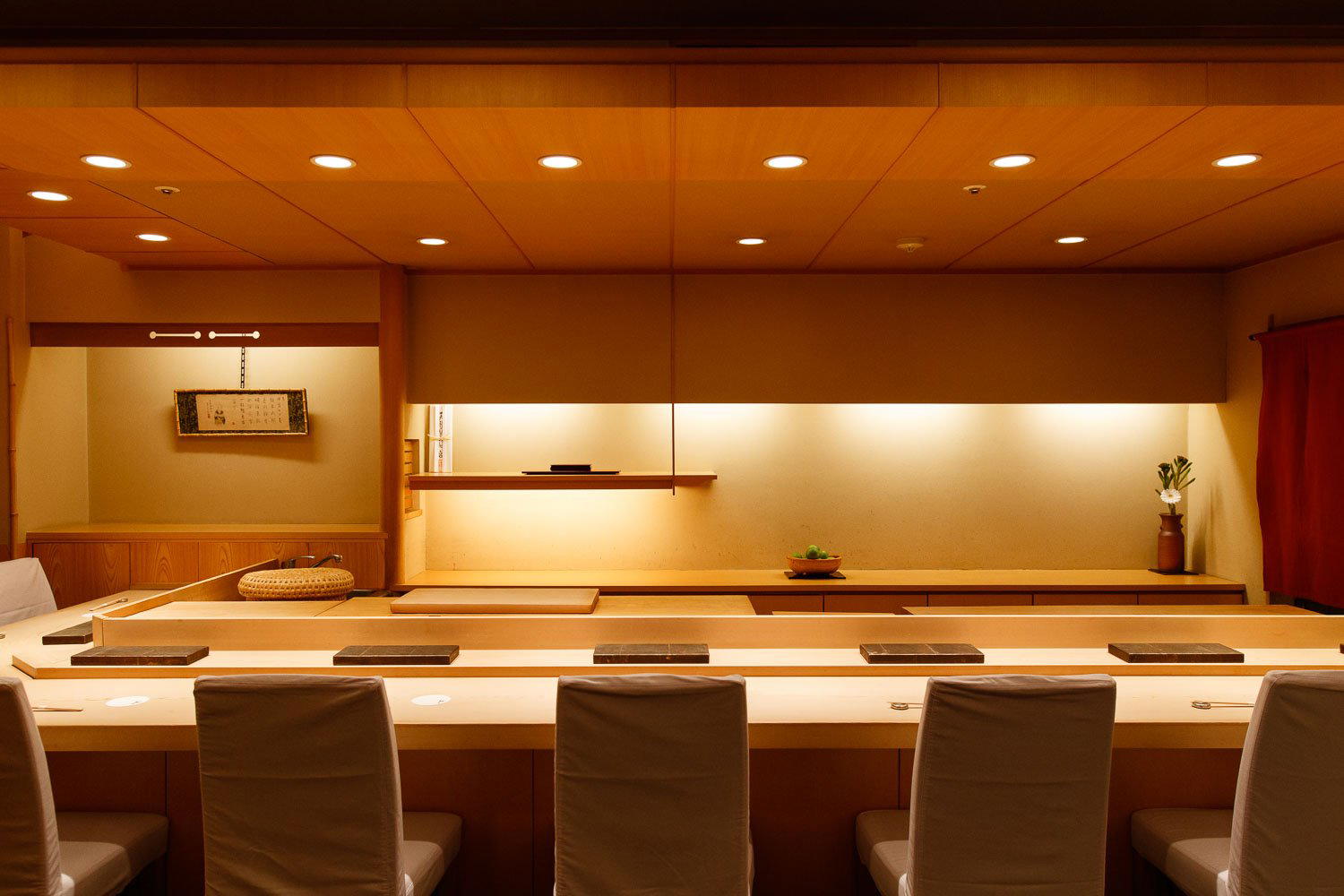
The format is part of the argument. Fourteen counter seats create a different rhythm from larger casual restaurants: turnover is direct, solo diners fit naturally, and the kitchen-counter relationship suits a dish category where heat, aroma, and timing carry the meal. This is not polished tasting-menu Japan. It is closer to working lunch tradition, but with enough recognition to rise above anonymity.
The Tabelog Curry EAST 100 selections in 2019, 2020, 2023, and 2024 give the restaurant a clear trust signal in a category visitors can struggle to read from the street. Tabelog’s curry lists are not international trophy culture; they are granular, Japan-facing recognition in a field where regional distinctions matter. For Sapporo, that matters more than a generic restaurant ranking: the counter is judged inside a specialist curry conversation, not as a catch-all casual stop.
Price is also part of the local story. Sapporo supports serious eating at modest spend levels, especially in ramen, curry, and set-meal formats. In the city comparison set, Ramen Senju occupies an even lower spend band, ZORA sits in a similar casual range, and Yum cha Haru no Sora stretches higher at dinner. The spread says something about Sapporo’s dining structure: depth does not always track with formality. Curry counters, ramen shops, and small specialist rooms can carry as much local identity as elaborate restaurants.
Soup curry as a Sapporo signal, not a tourist shorthand
Soup curry is often flattened into a checklist dish for Hokkaido visitors, but it is better read as a city habit. It reflects Sapporo’s appetite for warming, spiced, flexible meals, especially in a climate where seasonality is felt physically. The category resists one fixed template: broth weight, spice profile, vegetable handling, and rice pairing all change the experience. A counter working across curry and soup curry lets diners read that range without turning lunch into research.
The kitchen’s daily soup curry limit adds another layer. A small cap creates a different expectation from endless availability. It need not be romanticised; it is a production signal. If soup curry is the target, arrive earlier. If not, the wider curry category remains the point. The distinction is important: this is a curry specialist first, not a generic basement diner using curry as one item among many.
There is no chef biography to lean on here, and that is not a weakness. Many of Japan’s strongest casual food traditions are understood through repetition, constraint, and category fluency rather than personality-led storytelling. In Sapporo, a counter can earn attention through narrow focus: curry, soup curry, counter seating, takeaway, no private-room theatre. Those facts place Kuroiwa Curry Hanten closer to the city’s specialist everyday dining culture than to destination dining built around ceremony.
How to place it within a Sapporo food itinerary
Odori is a useful base for this kind of meal because it sits between transit, shopping, offices, and central Sapporo’s westward spread of smaller dining rooms. The neighbourhood encourages practical eating: short walks, compact rooms, and meals that fit between museum time, hotel check-in, or an evening elsewhere. For travellers mapping the city, curry belongs alongside ramen, izakaya, and seafood rather than replacing them.
The strongest editorial case is for diners who want Sapporo’s food culture without turning every meal into a reservation project. Reservations are unavailable, payment is cash-led, and the counter is small, so planning is about timing and flexibility rather than access privilege. That is a useful corrective in a city often reduced to winter seafood and miso ramen. Curry is one of Sapporo’s everyday languages, and this counter speaks it with enough consistency to earn repeated specialist recognition.
For a broader Sapporo plan, place it within a city-wide spread rather than treating it as a standalone trophy. Compare its curry focus with the spice-and-noodle pull of 175°DENO Tantanmen Sapporo kitaguchi ten, the curry specialism of [Curry Senmon Ten] Maruyama Kyoju., and the regional curry tradition represented by Ajanta Indo Curry Ten and Ajanta Sohonke. For a different Hokkaido food lens, Aigues Vives points toward the area’s bakery and coastal-day-trip culture. Use Our full Sapporo restaurants guide for dining context, then cross-check lodging, drinking, wine, and activities through Our full Sapporo hotels guide, Our full Sapporo bars guide, Our full Sapporo wineries guide, and Our full Sapporo experiences guide.
Readers building a wider Japan file can keep the contrast sharp: -Grilled beef Sukiyaki- KAMAKURA TANUKIAN 鎌倉 たぬき庵 in Kamakura shows a different comfort-food register. 鮪と炭火焼き うお炭 秋葉原店 in Tokyo moves toward tuna and charcoal cooking.cafe in Osaka sits in a cafe idiom.know in Kumamoto belongs to another regional scene, (Shoku) Vietnam in Kawasaki tracks Japan’s Vietnamese dining thread, and [ki:] in Kyoto gives a Kyoto counterpoint. Outside Japan, Jōdo Saké Bar in Los Angeles and Onigiri Time in Pasadena show how Japanese formats translate abroad.
Price and Recognition
Comparable venues to calibrate price, style, and recognition.
| Venue | Cuisine | Price | Notes |
|---|---|---|---|
| Kuroiwa Curry HantenThis venue — the venue you are viewing | Not listed | $$ | Not listed |
| Haruichiya Sandaime Menjuku Honten | Toyohira, Ramen & Tsukemen | $$ | Not listed |
| Gop no Anagura | Not listed | $$ | Nishi, Sapporo soup curry & spice-driven curry house |
| Soup Curry GARAKU Sapporo honten | Chūō, Sapporo soup curry | $$ | Not listed |
| CAN CUN | Not listed | $$ | Chūō, Sapporo soup curry bar with Mexican resort vibe |
| Magic Spice Sapporo honten | Shiroishi, Sapporo soup curry | $$ | Not listed |
Recognition history
Dated appearances from independent guides and award organizations, with the underlying list record or original source where available.
Tabelog 100 #5 · No. 5
Tabelog · Tabelog 100 - Curry - EAST - 2024





At a Glance
- Cozy
- Classic
- Solo
- Casual Hangout
- After Work
- Standalone
Current opening hours
- Monday
- 11:30 AM–7 PM
- Tuesday
- 11:30 AM–7 PM
- Wednesday
- 11:30 AM–7 PM
- Thursday
- 11:30 AM–7 PM
- Friday
- 11:30 AM–7 PM
- Saturday
- 11:30 AM–7 PM
- Sunday
- Closed
Hours can change for holidays and private events. Last verified .
Small basement, counter-only curry shop with a cozy, classic Sapporo curry-house feel; reviews describe richly aromatic spices, a warm, casual atmosphere, and a relaxed, conversational vibe rather than a loud, bustling spot.