
Haruichiya Sandaime Menjuku Honten puts Sapporo ramen into a quieter Toyohira Ward frame: neighborhood scale, counter-and-table seating, and a menu spanning ramen and tsukemen. Its selection for Tabelog 100 Ramen HOKKAIDO in 2024 and 2025 places it within the city’s serious noodle conversation rather than the tourist circuit around central Sapporo.
Pearl is the En Primeur Club membership app — saves, bookings, and concierge access live there. Same editors, same standards.
- Address
- 6 Chome-1-22 Misono 11 Jo, Toyohira Ward, Sapporo, Hokkaido 062-0011, Japan
- Phone
- +81 11-822-3344
- Website
- haru18.com
 Saves & bookings on Pearl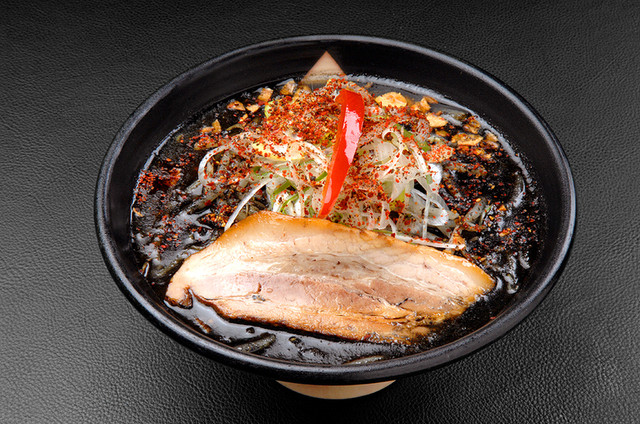
Approaching the Misono side of Toyohira Ward, Sapporo’s ramen culture feels less like a sightseeing checklist and more like daily infrastructure. The city’s noodle houses are not all competing for the same diner: some trade on butter-corn nostalgia, some on miso intensity, some on late-night central convenience. Haruichiya Sandaime Menjuku Honten belongs to the neighborhood end of that spectrum, where counter seats, family tables, and a ramen-tsukemen menu speak to repeat eating rather than occasion dining.
That matters in Sapporo, a city whose ramen identity is often flattened into one shorthand. Miso ramen may carry the exportable image, but Hokkaido’s noodle scene is broader and more competitive than a single bowl style suggests. The Tabelog 100 Ramen HOKKAIDO selections have become a useful signal because they capture range across the prefecture: central shops, suburban rooms, old-school specialists, and newer formats all sit under the same regional lens. Haruichiya Sandaime Menjuku Honten was selected in both 2024 and 2025, a stronger marker than a passing social-media queue.
Sapporo ramen beyond the central station circuit
For travelers, Sapporo’s ramen map often begins around the station, Susukino, and the better-known clusters of tourist movement. The more revealing meals can sit a few subway stops out, where the room is built for locals as much as visitors and the format has to work on an ordinary weekday. In that context, Haruichiya Sandaime Menjuku Honten reads as part of a broader Toyohira Ward pattern: serious noodle shops embedded in residential rhythm, not staged as destination dining theater.
The comparison set helps clarify its position. Menya Saimi remains a reference point for Sapporo ramen recognition, while Mendokoro Maruha BEYOND operates in a slightly higher casual-spend band. At the lower-cost end, European Curry Domon and THIRTY FOUR show how Sapporo’s casual dining culture can stay sharply priced without feeling minor. LOOK-Ka PyPy sits in a nearby value tier but outside the ramen category. The restaurant’s relevance is not that it overwhelms those names; it sits in the same citywide conversation about how much technique can be carried by a modest everyday format.
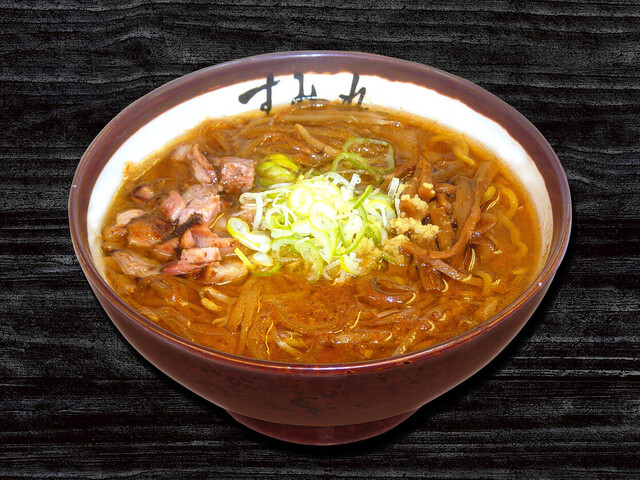
Ramen and tsukemen also signal two different eating traditions under one roof. Ramen is judged through balance in broth, noodles, tare, aroma oil, and timing. Tsukemen shifts attention toward dipping concentration and noodle texture, a format that rewards chew and temperature management. A shop that commits to both has to be more than a broth specialist. It must understand how Sapporo diners move between comfort, appetite, and season, especially in a city where winter makes soup feel almost civic.
The appeal is format discipline, not spectacle
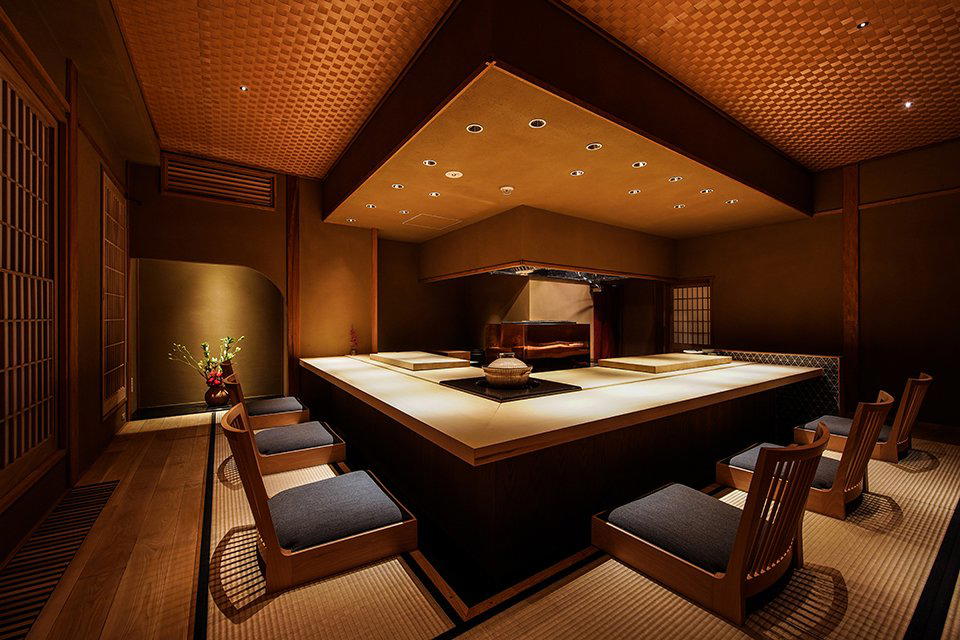
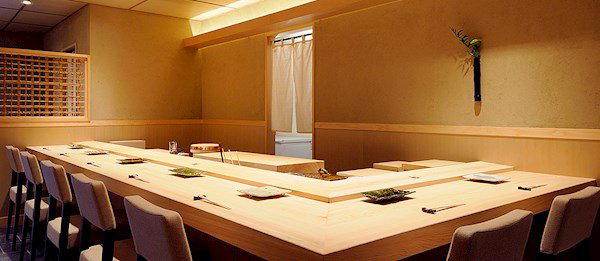
Japan’s ramen rooms are often misunderstood by luxury travelers because they do not perform luxury in conventional ways. The polish is in throughput, consistency, and the refusal to confuse a short menu with a shallow one. Here, the published layout of 35 seats, including counter seating and table seating across two floors, points to a practical neighborhood engine rather than a hushed chef’s counter. That is an asset. Sapporo ramen is strongest when it remains close to the habits that created it: quick meals, repeat visits, solo diners, friends, families, and a bowl calibrated for weather as much as appetite.
The award context is useful but should not be overread. Tabelog’s 2025 Hokkaido ramen list does not make every selected shop identical, and it does not turn a casual noodle counter into a fine-dining room. It does, however, separate this address from the undifferentiated mass of station-area ramen options. The selection tells a visitor that the shop has earned attention inside a local category with depth. In Sapporo, that is more meaningful than generic popularity.
There is also a cultural point here. Hokkaido ramen developed in a northern climate with rich agricultural surroundings, but the city’s current scene is not a museum of old styles. Dipping noodles, lighter broths, thicker broths, spice-driven bowls, and shop-specific noodle work all coexist. For a broader Sapporo itinerary, that makes ramen less a single obligatory stop than a category worth sampling across moods. Pair this address with 175°DENO Tantanmen Sapporo kitaguchi ten for a sesame-and-spice contrast, or move outside noodles with [Curry Senmon Ten] Maruyama Kyoju., Ajanta Indo Curry Ten, and Ajanta Sohonke. Aigues Vives adds another angle on how Hokkaido ingredients travel outside the ramen frame.
How to place it in a Sapporo food itinerary
The right way to use the restaurant is as a calibrated ramen stop, not as a whole evening’s thesis. Its value lies in showing how a Tabelog-recognized Sapporo noodle shop can remain grounded in everyday dining: approachable, compact, and category-specific. Travelers building a food-led trip should resist treating ramen as a single box to tick. Sapporo rewards comparison: miso-leaning bowls against dipping noodles, central convenience against neighborhood purpose, curry shops against wheat-driven noodle rooms.
For planning beyond this meal, Our full Sapporo restaurants guide gives the wider dining map, while Our full Sapporo hotels guide, Our full Sapporo bars guide, Our full Sapporo wineries guide, and Our full Sapporo experiences guide help place the meal within the city rather than isolating it from the trip.
鮪と炭火焼き うお炭 秋葉原店 in Tokyo.cafe in Osaka.know in Kumamoto, (Shoku) Vietnam in Kawasaki, and [ki:] in Kyoto. For a broader overseas Japanese-drinking-and-snacking comparison, Jōdo Saké Bar in Los Angeles and Onigiri Time in Pasadena show how Japanese formats translate outside Japan. The Sapporo lesson is more direct: in Hokkaido, a serious bowl does not need ceremony to carry authority.
Budget and Context
Comparable options at the same price tier.
| Venue | Cuisine | Price |
|---|---|---|
| Haruichiya Sandaime Menjuku HontenThis venue — the venue you are viewing | Toyohira, Ramen & Tsukemen | $$ |
| MEN-EIJI Hiragishi Base | Toyohira, Modern Hokkaido Ramen | $$ |
| Tiger Curry | Kita, Sapporo soup curry | $$ |
| SOUP CURRY KING Sentoraru | Chūō, Sapporo soup curry | $$ |
| Ichimonji Curry Ten | Shiroishi, Sapporo Japanese curry house | $$ |
| Sapporo Soup Curry Senmon Ten Esper Ito Hachiken souhonten | Nishi, Sapporo soup curry | $$ |
Recognition history
Dated appearances from independent guides and award organizations, with the underlying list record or original source where available.
Tabelog 100 #58 · No. 58
Tabelog · Tabelog 100 - Ramen - HOKKAIDO - 2025


At a Glance
- Cozy
- Casual
- Solo
- Casual Hangout
- After Work
- Family
- Group Dining
- Standalone
Current opening hours
- Monday
- 11 AM–3 PM, 5–8 PM
- Tuesday
- 11 AM–3 PM, 5–8 PM
- Wednesday
- 11 AM–3 PM, 5–8 PM
- Thursday
- Closed
- Friday
- 11 AM–3 PM, 5–8 PM
- Saturday
- 11 AM–3 PM, 5–8 PM
- Sunday
- 11 AM–3 PM, 5–8 PM
Hours can change for holidays and private events. Last verified .
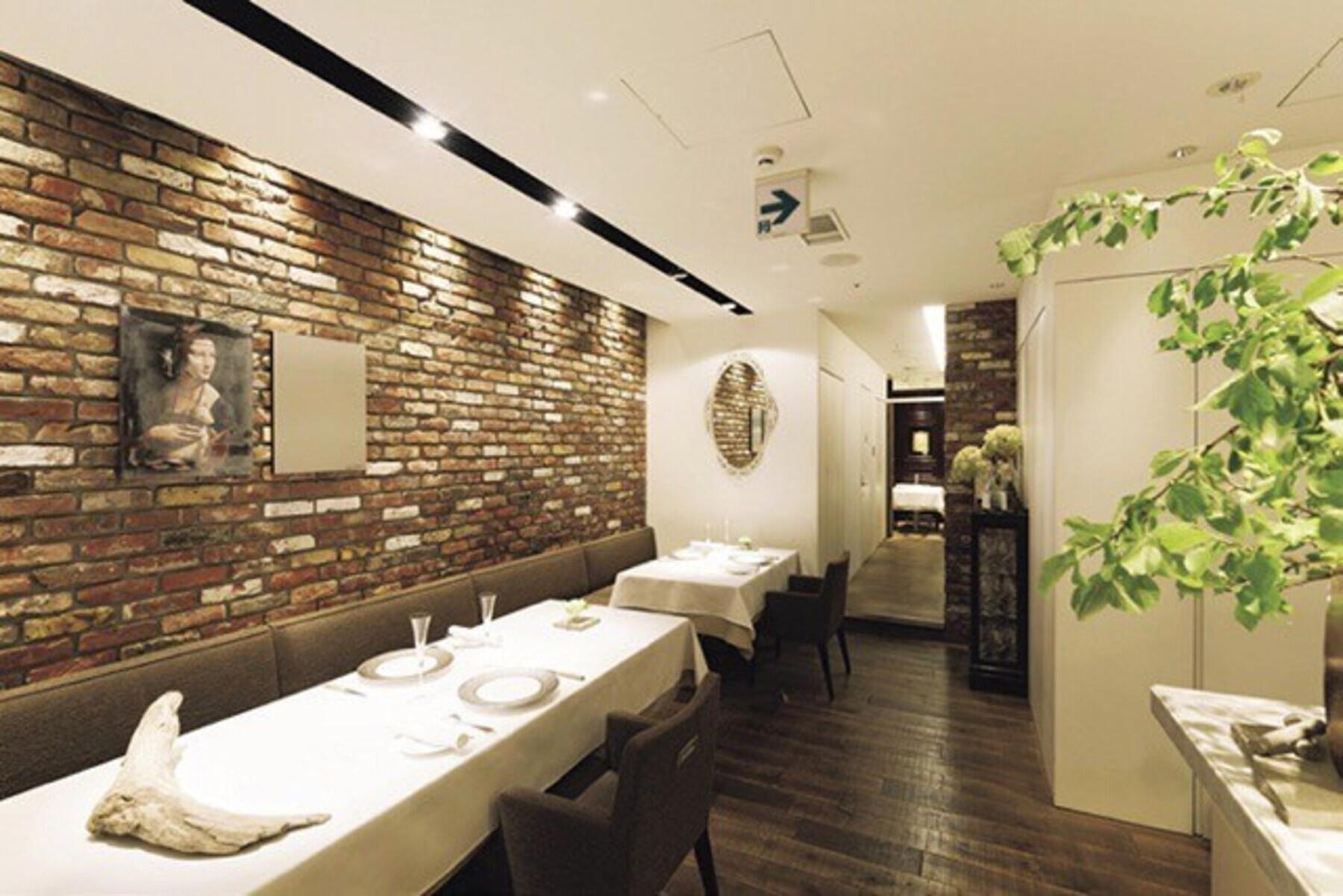
Casual, clean ramen shop atmosphere with a bright, inviting interior and a lively feel during lunch and dinner rushes.