Kung Jung Korean Restaurant
Kung Jung Korean Restaurant occupies Level 3 of PNB Perdana in Kuala Lumpur's Binjai corridor, positioning it squarely within the city's small but consistent cohort of dedicated Korean dining rooms. The kitchen draws on traditional Korean cooking frameworks, making it a practical reference point for anyone mapping the city's broader Asian dining spectrum beyond the dominant Malaysian and Chinese categories.
Pearl is the En Primeur Club membership app — saves, bookings, and concierge access live there. Same editors, same standards.
- Address
- Lot No 3.1 Level 3 PNB Perdana (formerly known as PNB Darby Park, Lrg Binjai, Kuala Lumpur, 50450 Kuala Lumpur, Malaysia
- Phone
- +60321667181
- Website
- instagram.com
- Directions
- Get directions
 Saves & bookings on Pearl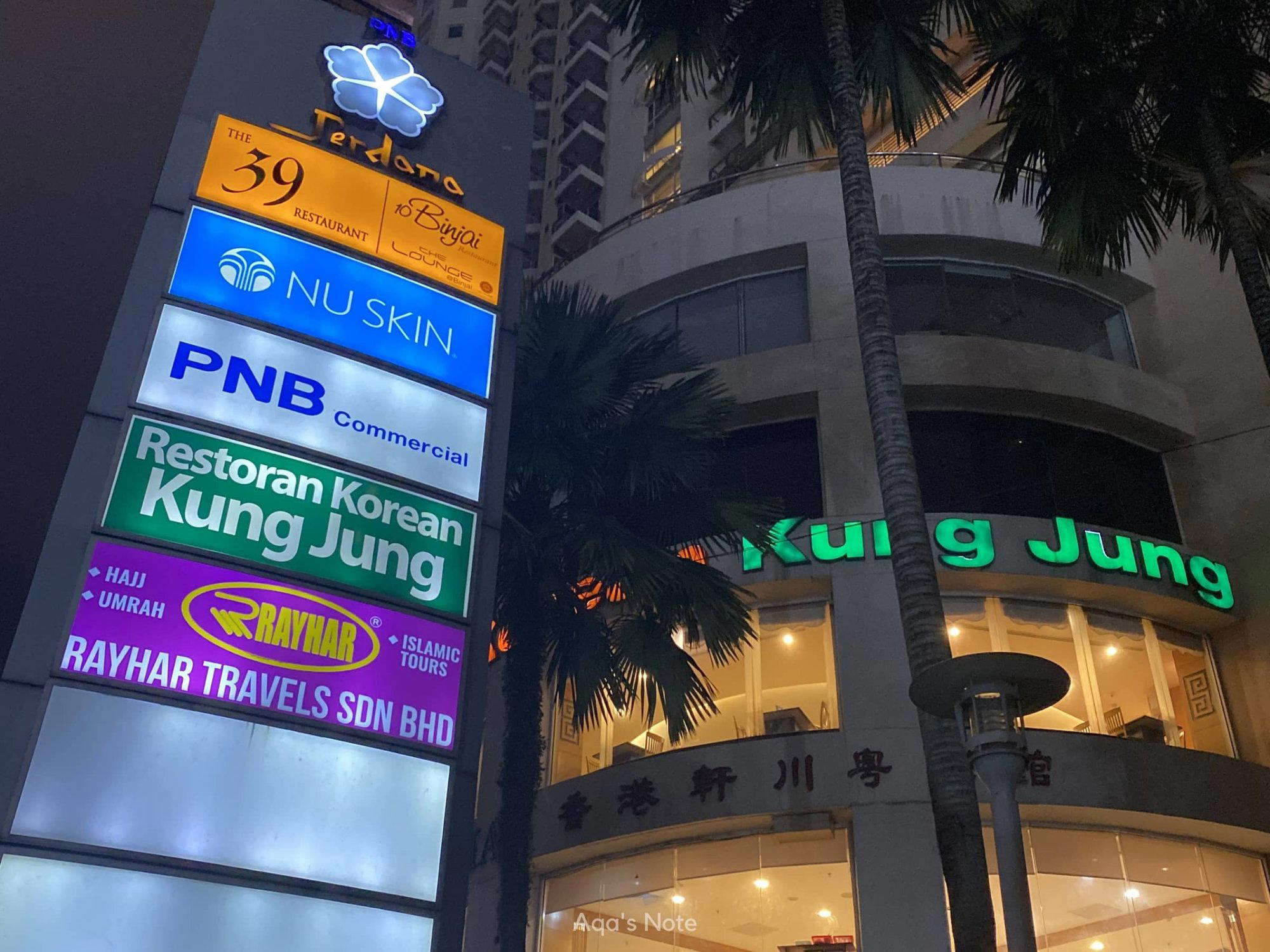
Korean Dining in Kuala Lumpur: Where Kung Jung Sits
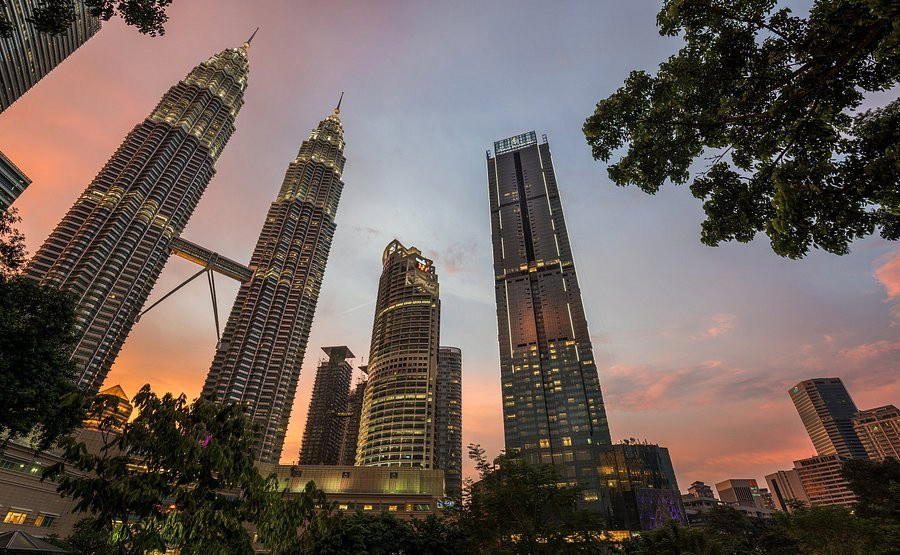
Korean dining in KL tends to cluster in mid-range, sit-down formats that prioritise table-sharing formats and a relatively broad menu structure over omakase-style specialisation. Kung Jung Korean Restaurant, operating from Level 3 of PNB Perdana on Lorong Binjai, sits within that cohort. The address places it in the Binjai corridor, a stretch of Kuala Lumpur's KLCC-adjacent district that draws a mix of office workers, hotel guests, and residents from the surrounding condominium towers.
The building itself, formerly known as PNB Darby Park, carries a certain corporate-residential character that shapes the dining room's atmosphere before a single dish arrives. This is not a venue that signals itself loudly from street level. The approach through the lobby and up to Level 3 sets a tempo that is unhurried by default, which suits the communal, table-sharing logic of Korean food well. Compare this to the more visible, street-activated formats you find at Ling Long or the formal reception energy at DC. by Darren Chin, and the tonal difference becomes clear: Kung Jung operates in a register that is quieter and more functional, prioritising the meal over the arrival ritual.
How the Menu Is Structured, and What That Reveals
Korean restaurant menus, when built with any seriousness, tend to operate on a layered architecture that reflects the cuisine's underlying logic: a central protein or hot preparation surrounded by banchan, the small side dishes that are not accessories but structural components of the meal. A kitchen that treats banchan as an afterthought signals something about its overall ambition; one that refreshes and sequences them with attention signals something else entirely. The distinction matters because banchan variety and quality are one of the clearest diagnostic tools available to anyone trying to assess a Korean restaurant's kitchen depth without yet having eaten the main courses.
Traditional Korean cooking divides broadly into a handful of structural categories: grilled meats (gui), hot pots and stews (jjigae and jeongol), rice dishes, noodle preparations, and fermented or preserved accompaniments. A menu that spans these categories coherently, rather than simply listing popular export dishes like bibimbap and bulgogi in isolation, tends to reflect a kitchen that understands the cuisine as a system rather than a selection of individually appealing items. This is the framework through which Kung Jung's offering is worth reading, even without verified dish-level detail available here.
For comparison, consider how Korean dining sits alongside the broader Asian-dining conversation in Malaysia. The country's Chinese hot pot category, represented at scale by operations like Haidilao in Malacca and Haidilao in Perai, works on a high-volume, interactive-dining model that has structural similarities to Korean jeongol formats but operates at a completely different scale and price architecture. Dedicated Korean rooms like Kung Jung occupy a more specialist position, where the cuisine's full vocabulary, including fermented preparations, cold dishes, and marinated proteins, can be presented with more fidelity than a pan-Asian menu would allow.
Location and the Practical Case for This Address
PNB Perdana on Lorong Binjai sits within a short radius of the KLCC district, meaning the address is accessible from most of the city's central hotel cluster without significant travel time. For visitors already based in or around the Bukit Bintang or KLCC corridors, the Binjai location sits between the two, making it a reasonable choice for a midweek dinner or a longer lunch. The building's mixed-use profile means the dining room draws from a local lunch trade as well as evening diners, which in practice tends to produce a more consistent kitchen rhythm than venues that operate at extreme lunchtime or dinner peaks alone.
Kuala Lumpur's dining geography rewards specificity. The city's most-discussed addresses in the current period tend to cluster around the Bukit Bintang stretch and the newer KLCC-adjacent blocks, where rooms like Molina have established tasting-menu formats at the upper end of the price spectrum. Kung Jung's position in PNB Perdana represents a different node in the same city: accessible, relatively unfussy about its surroundings, and reliant on the quality of what arrives at the table rather than on architectural theatre or a heavily curated entry sequence.
For anyone building a broader picture of Malaysian dining beyond the capital, it is worth noting that the country's Korean presence in KL sits within a larger regional context. Malaysian dining culture has deep roots in communal, sharing-format meals, which aligns naturally with Korean table conventions. The same cultural logic that makes bak kut teh a shared, slow-eating ritual in places like Borneo's Da De Bah Kut Teh or drives the hawker-table dynamic at Auntie Gaik Lean's in George Town translates reasonably well into Korean dining's own table-sharing framework. KL diners, accustomed to ordering across a wide table and sharing multiple dishes simultaneously, tend to adapt to Korean service formats without difficulty.
For a fuller picture of where Kung Jung fits within Kuala Lumpur's dining options across categories and price tiers, the EP Club Kuala Lumpur restaurants guide maps the city's rooms by cuisine type and format. For reference points at the higher end of the Korean dining spectrum globally, Atomix in New York represents what Korean fine dining looks like when built around a tasting-menu architecture, while Le Bernardin illustrates how a single-cuisine specialist can hold a long-term position at the summit of a competitive market, a model that Korean dining in Asia is beginning to develop its own version of, with varying degrees of ambition depending on the city.
Planning Your Visit
Kung Jung Korean Restaurant is located at Lot No 3.1, Level 3, PNB Perdana (formerly PNB Darby Park), Lorong Binjai, Kuala Lumpur 50450. Reserve ahead if you can, as bookings are recommended. For dining itinerary planning across the city and the wider region, including stops in Taiping, Penang, and Klang, the EP Club Malaysia coverage provides category-by-category guidance across price tiers and regional formats. For those moving between KL and the airport corridor, DIN by Din Tai Fung in Sepang and Kopi Ping Cafe in Tuaran round out the regional picture at opposite ends of the format spectrum. The CRC Restaurant in Georgetown offers a further reference point for dedicated Chinese seafood dining if that category is relevant to your itinerary.
Reputation Context
Comparable venues nearby, for context on price, style, and recognition.
| Venue | Cuisine | Price | Notes |
|---|---|---|---|
| Kung Jung Korean RestaurantThis venue — the venue you are viewing | Authentic Korean BBQ | $$ | Not listed |
| Proof Pizza | Pizza | Not listed | Kuala Lumpur |
| Big Tree Lin Kee Steamed Fish Head • Connaught • 大树头连记蒸鱼头 | Traditional Chinese Steamed Fish Head | $$ | Taman Taynton View |
| TTDI Meat Point | Halal Steakhouse | $$ | Taman Tun Dr Ismail |
| Soo Kee | Classic Cantonese | $$ | Ampang |
| Penrose | Modern Cocktail Bar | $$ | City Centre |
Continue exploring
More in Kuala Lumpur
Restaurants in Kuala Lumpur
Browse all →
Bars in Kuala Lumpur
Browse all →
At a Glance
- Classic
- Cozy
- Group Dining
- Casual Hangout
- Open Kitchen
Current opening hours
- Monday
- 11:30 AM–2 PM, 5:30–9:30 PM
- Tuesday
- 11:30 AM–2 PM, 5:30–9:30 PM
- Wednesday
- 11:30 AM–2 PM, 5:30–9:30 PM
- Thursday
- 11:30 AM–2 PM, 5:30–9:30 PM
- Friday
- 11:30 AM–2 PM, 5:30–9:30 PM
- Saturday
- 11:30 AM–2 PM, 5:30–9:30 PM
- Sunday
- Closed
Hours can change for holidays and private events. Last verified .
Cozy and authentic Korean atmosphere with attentive family service.