Krone
Krone in Heitersheim serves regional German cooking with Mediterranean and Asian influences, alongside an extensive wine list and a leisurely, conversational dining room.
Pearl is the En Primeur Club membership app — saves, bookings, and concierge access live there. Same editors, same standards.
- Address
- Hauptstraße 12, 79423 Heitersheim, Germany
- Phone
- +4949763451070
- Website
- landhotel-krone.de
- Directions
- Get directions
 Saves & bookings on Pearl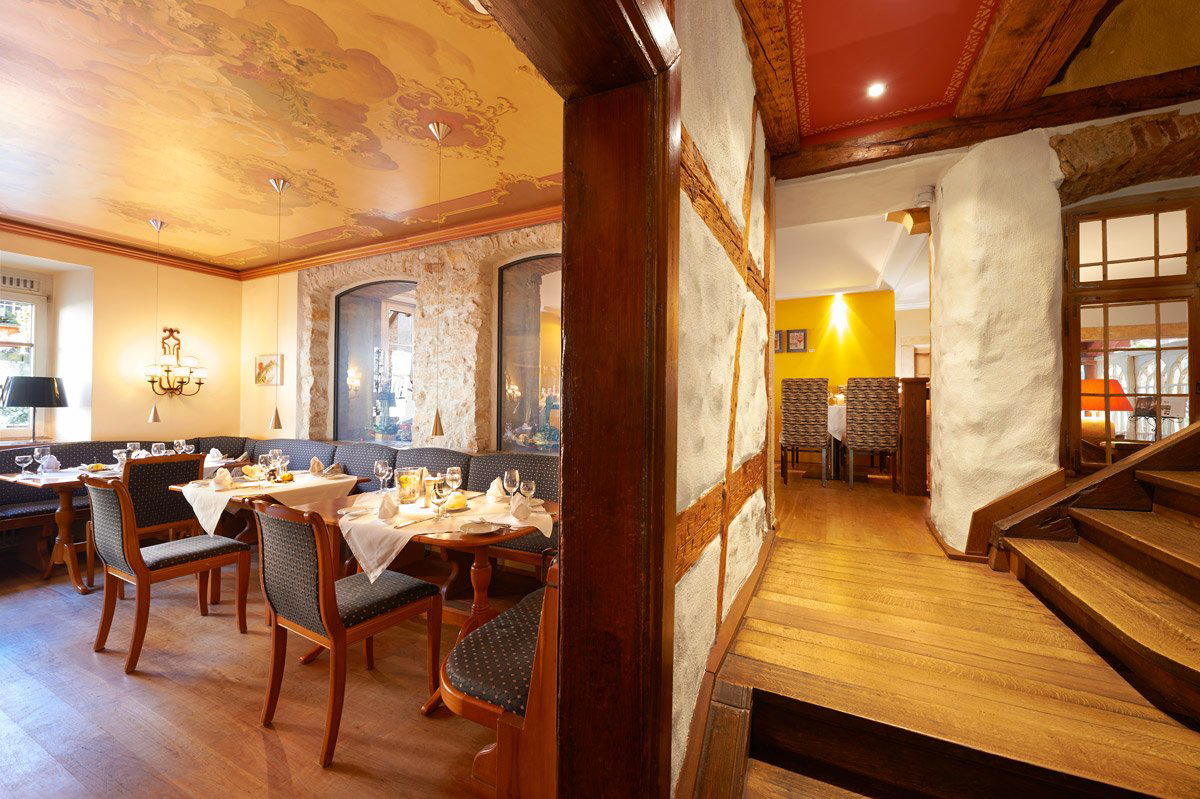
Where the Upper Rhine Valley Sets the Table
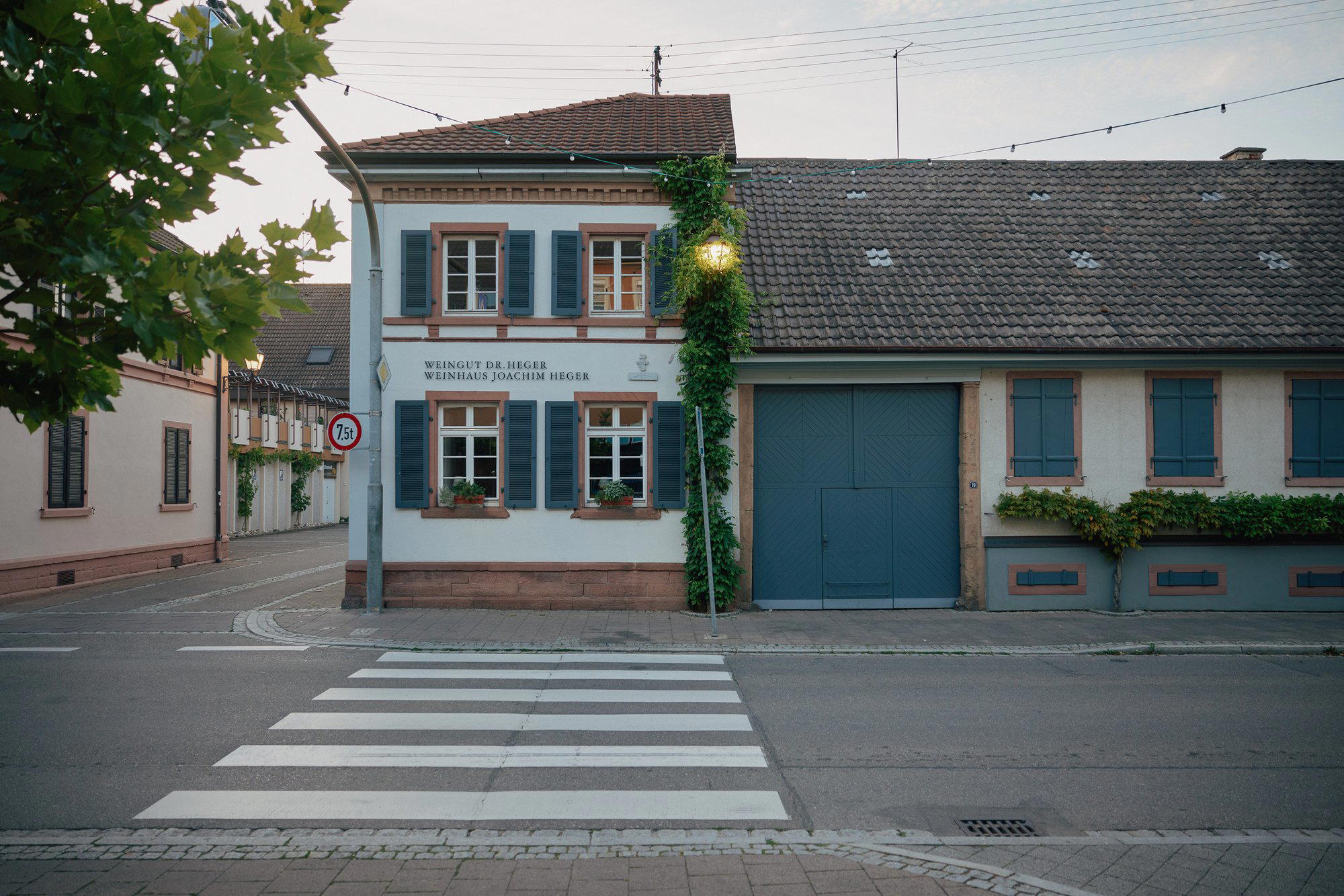
Heitersheim sits in the southern Baden wine corridor, a strip of Germany where the Black Forest slopes meet the Rhine plain and where agricultural seriousness has shaped local cooking for generations. The town is small enough that a restaurant on Hauptstraße is a genuine civic anchor, and Krone occupies that position at number 12. Approaching the address, the architecture reads as the kind of solid, long-established German inn that accumulates meaning over decades: a building that belongs to its street rather than advertising itself against it.
Baden's Ingredient Logic
Southern Baden operates on a sourcing geography that few German regions can match. The Kaiserstuhl wine villages sit within reach, market gardens line the Rhine plain, and Black Forest producers supply game, dairy, and foraged produce across a tight radius. The regional cooking tradition that developed here is sometimes called Badische Küche, and its defining characteristic is an insistence on local material treated with French-influenced technique, a legacy of proximity to Alsace and of generations of cross-border culinary exchange. In this context, ingredient provenance is not a contemporary marketing position; it is the structural logic of how the cuisine was built. Restaurants in the area, from village Gasthäuser to destination dining rooms, tend to organise their menus around what the season and the locality supply rather than what a global supply chain makes available year-round.
That sourcing discipline matters because it connects a restaurant to a place in a way that formal credentials alone cannot. When the cooking calendar tracks the asparagus fields of the Rhine plain in spring, the Pfifferlinge mushroom season in late summer, and the game hunts of the Black Forest in autumn, the menu becomes a record of where and when, not just what and how. Visitors travelling from urban dining scenes in Frankfurt or Munich often note the difference: Baden's kitchens tend to have a groundedness that comes from working with material grown or raised within a short drive.
The Inn Format and What It Implies
The traditional German Gasthaus or Krone-type inn occupies a different social register from the metropolitan fine dining room. Tables are shared across demographics; the format rewards regulars while remaining open to travellers. This is not the sealed, appointment-only world of, say, Aqua in Wolfsburg or Vendôme in Bergisch Gladbach, where the experience is calibrated around a single, controlled format. Nor does it claim the Alsatian-influenced ambition of Schwarzwaldstube in Baiersbronn, where three Michelin stars anchor a destination hotel dining program in the Black Forest proper. The inn model, when it functions well, delivers something those formats cannot: continuity with a place over time, and a menu whose range accommodates the full arc of a meal without demanding a fixed tasting sequence. Baden has preserved this format better than most German regions, partly because the wine culture here supports casual, extended table time in a way that northern Germany's urban dining scenes do not always encourage.
For travellers moving through the southern Rhine corridor, the inn is often a useful dining format: practical enough for a weeknight stop, serious enough about sourcing and preparation to hold interest, and connected to the wine geography in a way that a hotel restaurant in a larger city rarely manages. The Kaiserstuhl and Markgräflerland wine regions, both within close range of Heitersheim, produce Spätburgunder (Pinot Noir) and Grauburgunder (Pinot Gris) at a quality level that German wine drinkers track closely; a regional inn that pours these wines alongside locally sourced food closes a loop that destination fine dining, with its more international wine ambitions, sometimes leaves open.
Placing Krone in Its comparable set
Germany's fine dining attention tends to concentrate on a small number of cities and resort destinations. The three-star tier includes addresses like Victor's Fine Dining by Christian Bau in Perl and Waldhotel Sonnora in Dreis, both operating in the high-formality, destination-stay mode. The creative end of the German scene runs from CODA Dessert Dining in Berlin to ES:SENZ in Grassau. Krone in Heitersheim does not compete in those tiers. Its comparable set is the southern Baden village restaurant: places where the competition is defined by sourcing discipline, wine list coherence, and the quality of the everyday, rather than by creative ambition or formal ceremony. In that comparable set, address-level positioning matters: a restaurant on a town's main street, in a region with Baden's culinary density, is making an implicit commitment to a certain standard of seriousness. For comparison, other regionally grounded Baden operations, including ammolite in Rust, occupy a more decorated formal tier while remaining anchored to the same Rhine plain geography.
Travellers who have moved through Germany's serious dining rooms, from Restaurant Haerlin in Hamburg to JAN in Munich or Schanz in Piesport, often find that the village-inn format in Baden offers a different kind of value proposition: less ceremony, more locality, and a direct connection to the wine and agricultural identity of a specific stretch of German countryside. For international visitors accustomed to destination restaurants like Le Bernardin in New York City or Atomix, the Baden inn represents a useful counterpoint: cooking whose authority derives from place rather than from formal technique alone.
Planning a Visit
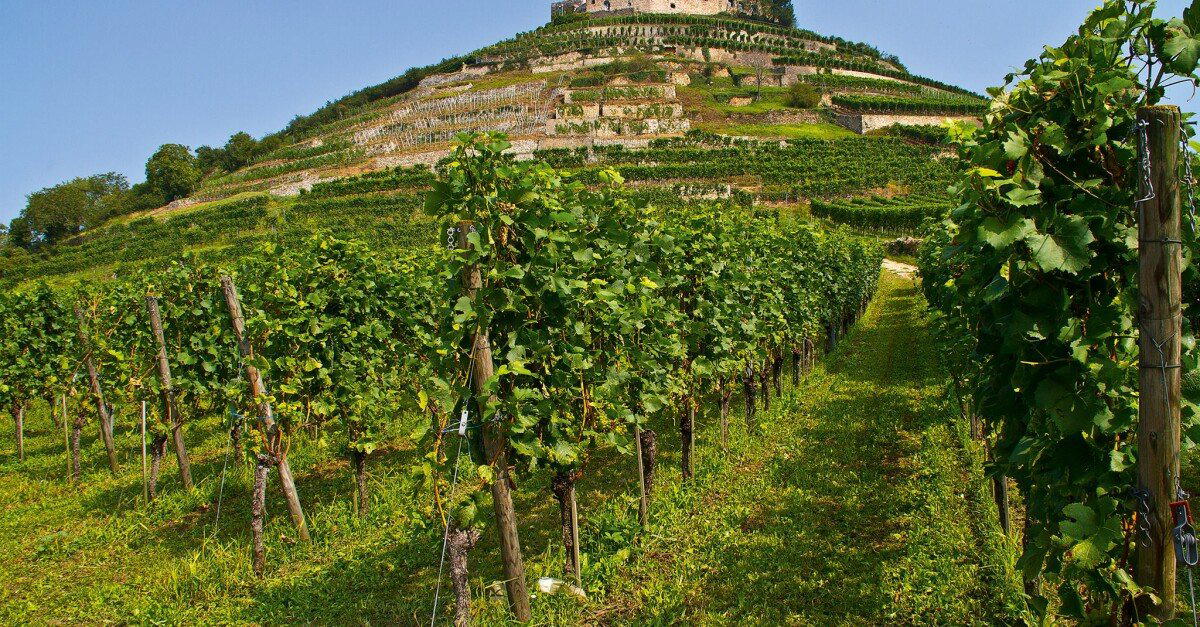
Heitersheim sits between Freiburg and Basel, making it a practical stop on any itinerary that connects the Black Forest to Alsace or continues south toward Switzerland. The town is accessible by regional rail from Freiburg, and the drive from Basel airport runs under thirty minutes in light traffic. For visitors combining the southern Rhine wine route with dining, Heitersheim's position at the edge of the Markgräflerland wine zone means the context for a meal here extends into the vineyards on the slopes above the town. Visitors with a wider Baden itinerary may also find relevant context in the coverage of Bagatelle in Trier and ATAMA by Martin Stopp in Sankt Ingbert for comparison across the German southwest, or AUGUST in Augsburg for a Bavarian counterpoint to Baden's culinary register.
In Context: Similar Options
Comparable venues nearby, for context on price, style, and recognition.
| Venue | Cuisine | Price | Awards | Notes |
|---|---|---|---|---|
| KroneThis venue — the venue you are viewing | Regional German with Mediterranean and Asian Influences | $$$ | Not listed | Not listed |
| Landhotel Krone | Regional German Farm-to-Table | $$ | Bib Gourmand | Heitersheim |
| Stadt Freiburg Hotel | Modern German | $$$ | Not listed | Freiburg im Breisgau |
| Linde Post | Swabian German | $$$ | Not listed | Zimmern ob Rottweil |
| #heimat im Badischen Hof | Modern Baden Regional Cuisine | $$$ | Not listed | Bühl |
| Marstall Festzelt | Traditional Bavarian Oktoberfest | $$ | Not listed | Theresienwiese |
Continue exploring
More in Heitersheim
Restaurants in Heitersheim
Browse all →
Bars in Heitersheim
Browse all →
Hotels in Heitersheim
Browse all →
At a Glance
- Cozy
- Rustic
- Elegant
- Classic
- Date Night
- Family
- Business Dinner
- Special Occasion
- Historic Building
- Hotel Restaurant
- Private Dining
- Extensive Wine List
- Farm To Table
- Local Sourcing
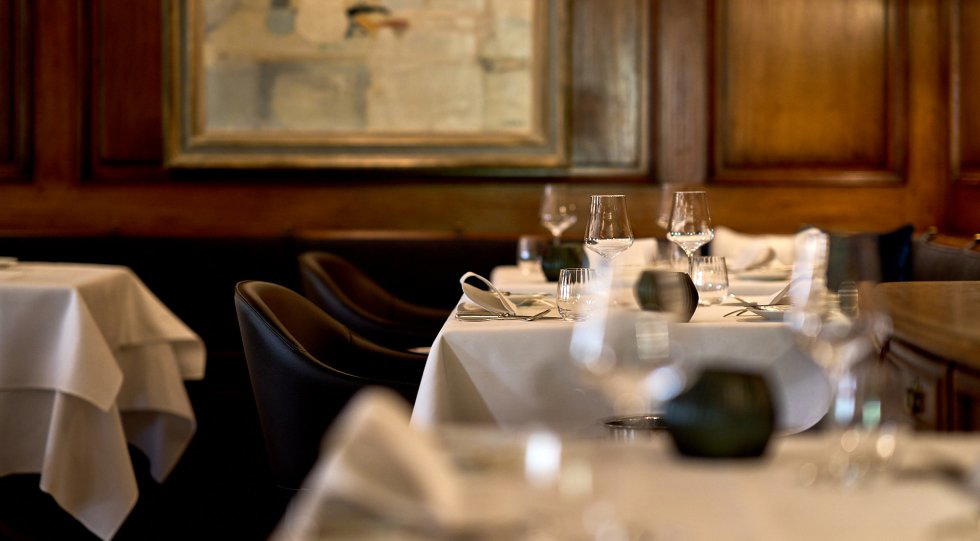
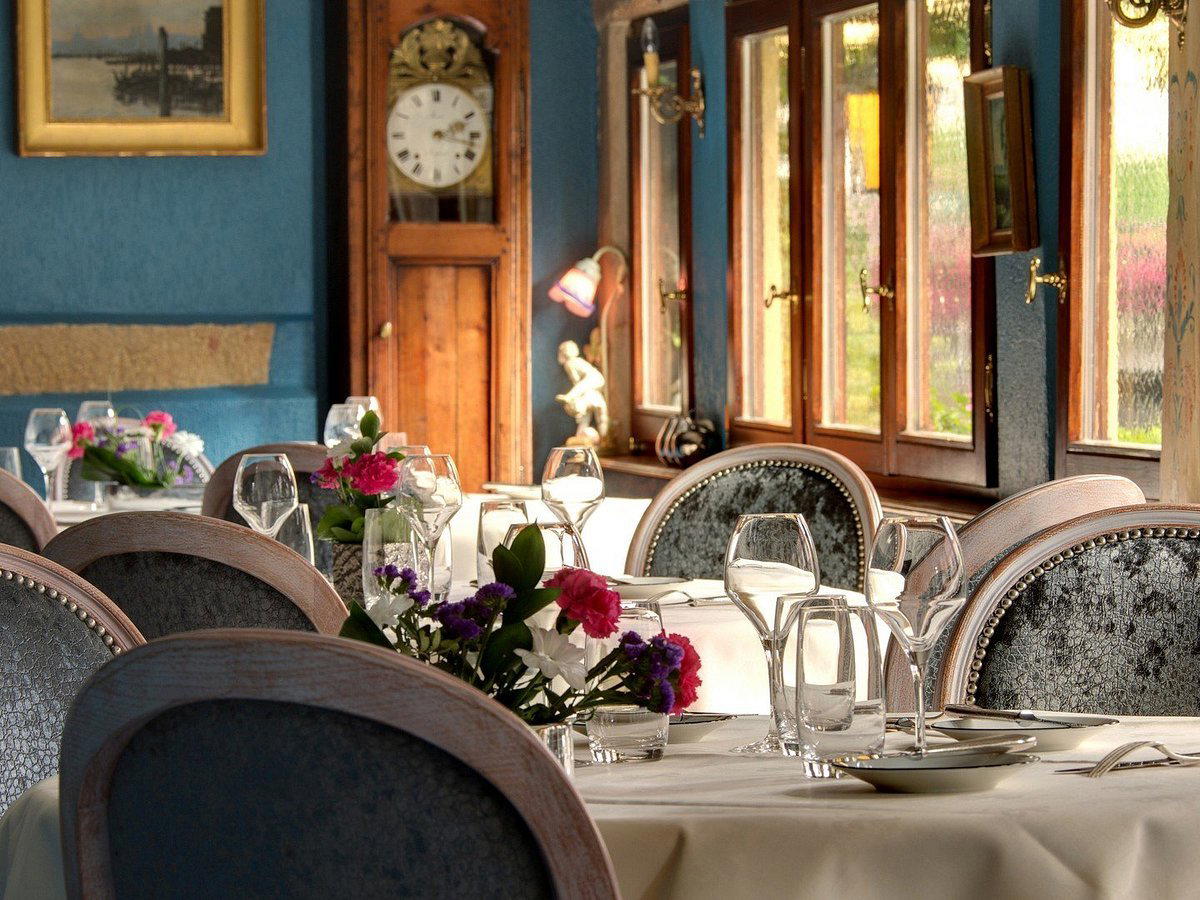
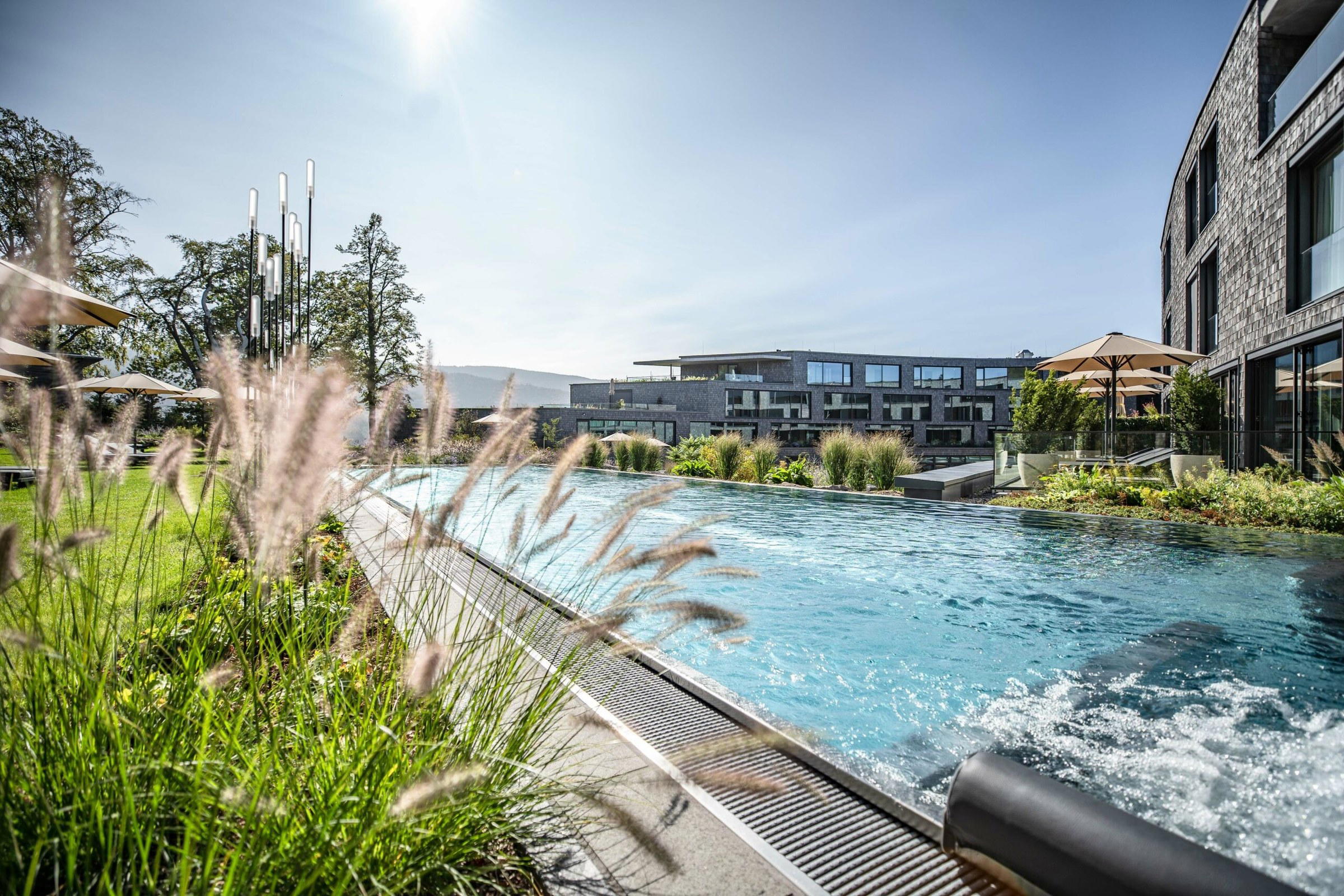
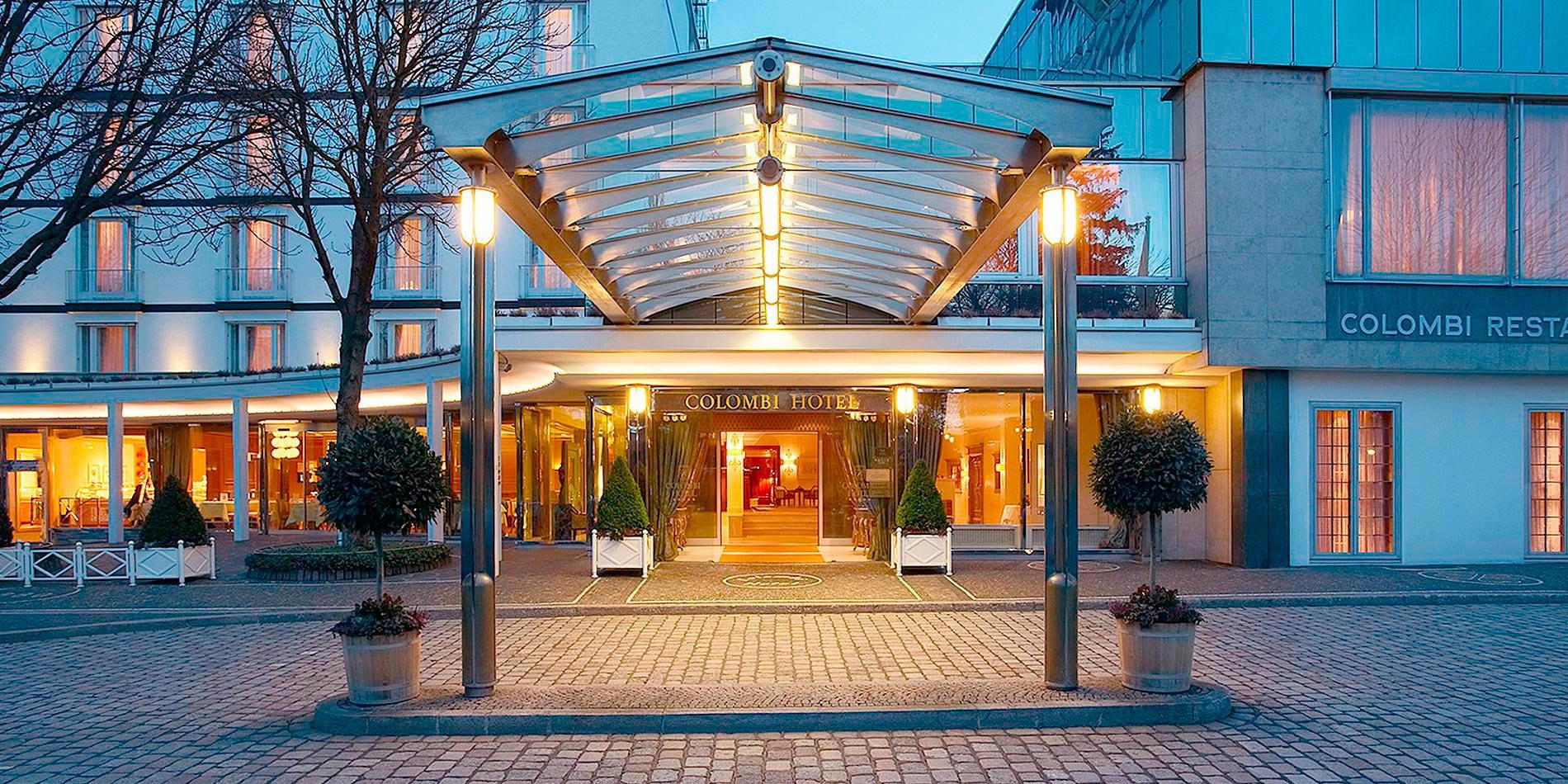
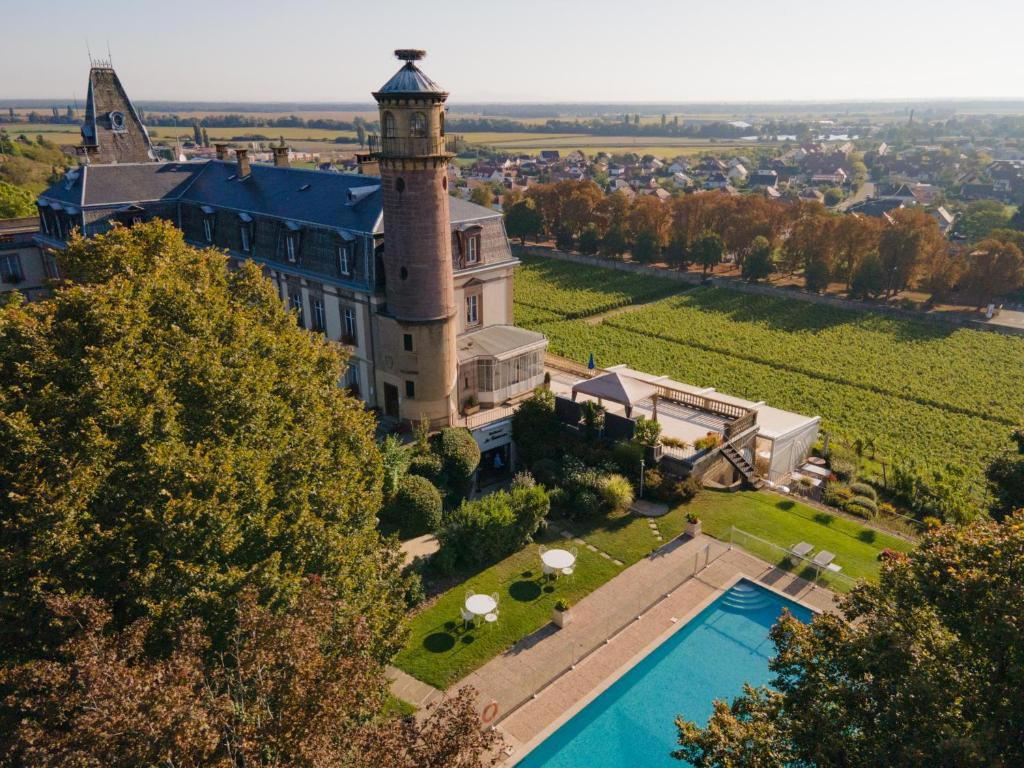
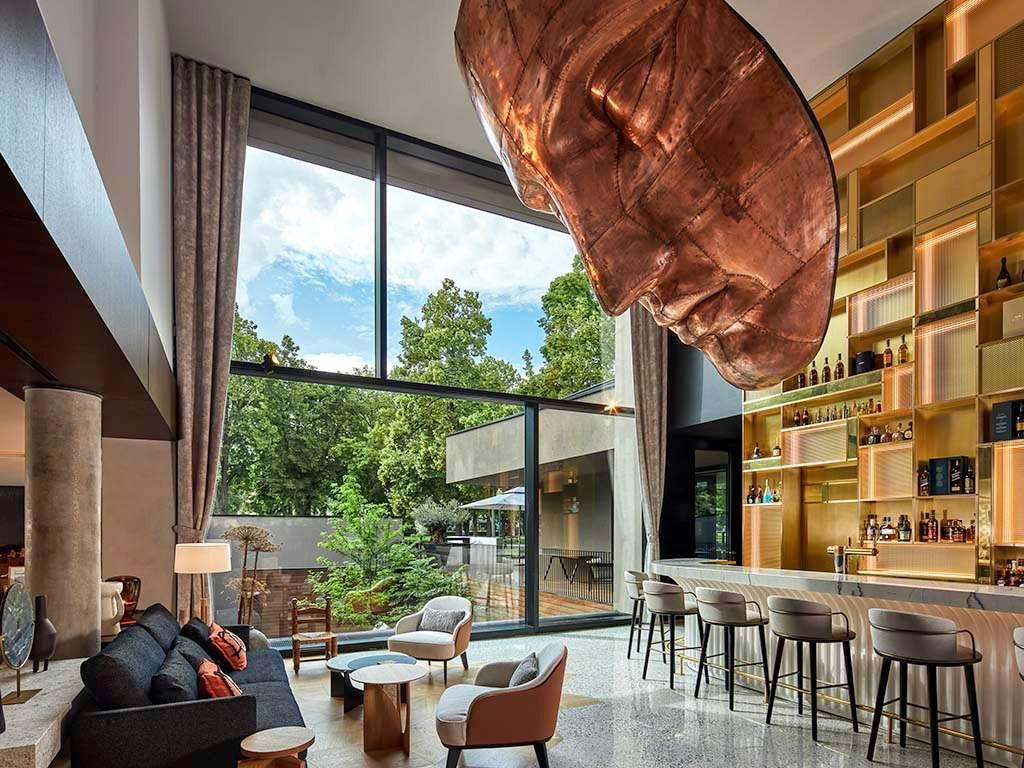
Cozy little spaces with an attractive blend of old brickwork, wood, steel, and glass; warm, softly lit atmosphere.