Linde Post
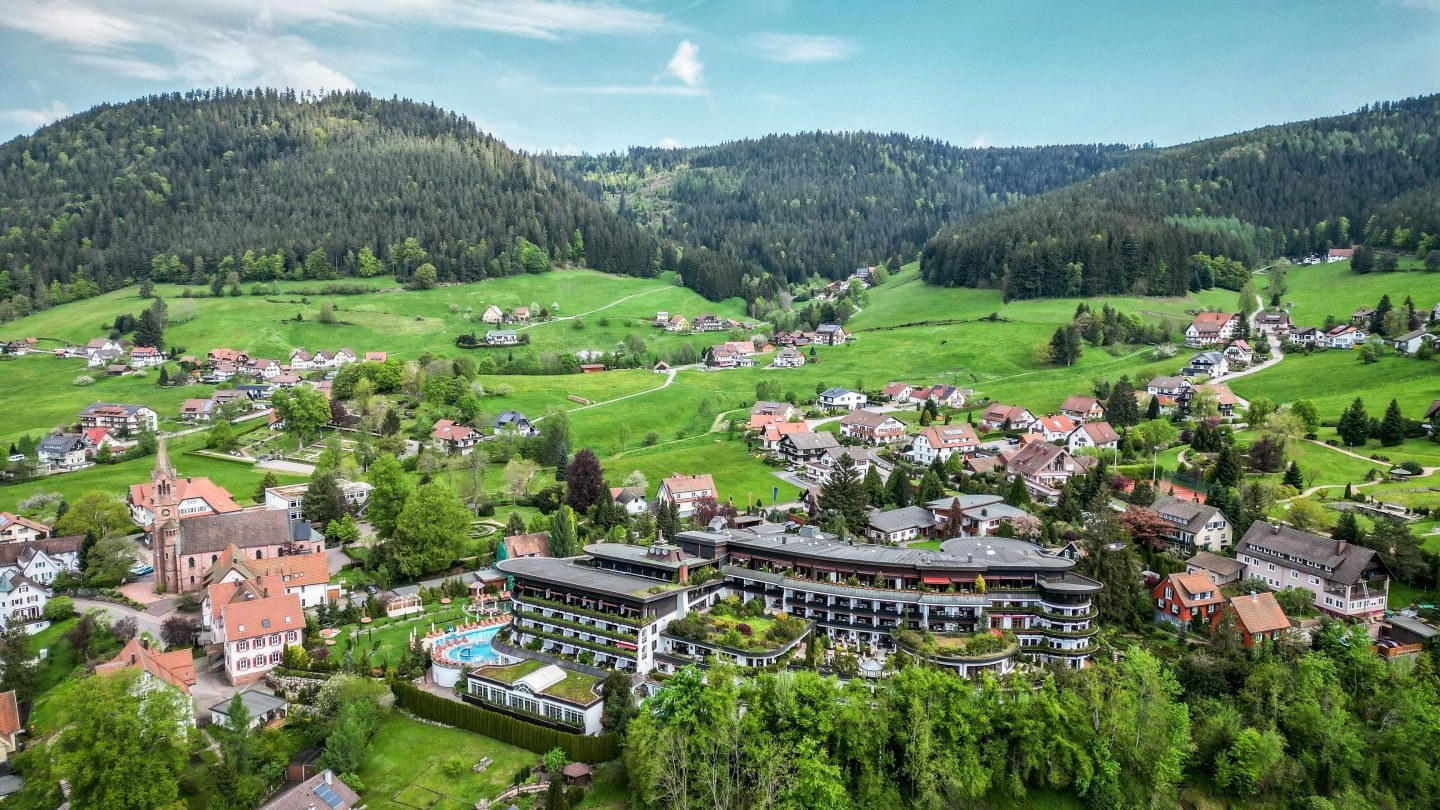
Linde Post sits in Zimmern ob Rottweil, a small town in Baden-Württemberg where the Swabian Alb meets the Black Forest fringe, a region with a long tradition of grounded, produce-led cooking. The address places it well outside Germany's metropolitan fine-dining circuit, which in southwest Germany often means closer ties to local farms, seasonal rhythms, and the kind of regional ingredient culture that urban kitchens have to work harder to access.
Pearl is the En Primeur Club membership app — saves, bookings, and concierge access live there. Same editors, same standards.
- Address
- Alte Hausener Str. 8, 78658 Zimmern ob Rottweil, Germany
- Phone
- +494974133333
- Website
- lindepost.de
- Directions
- Get directions
 Saves & bookings on Pearl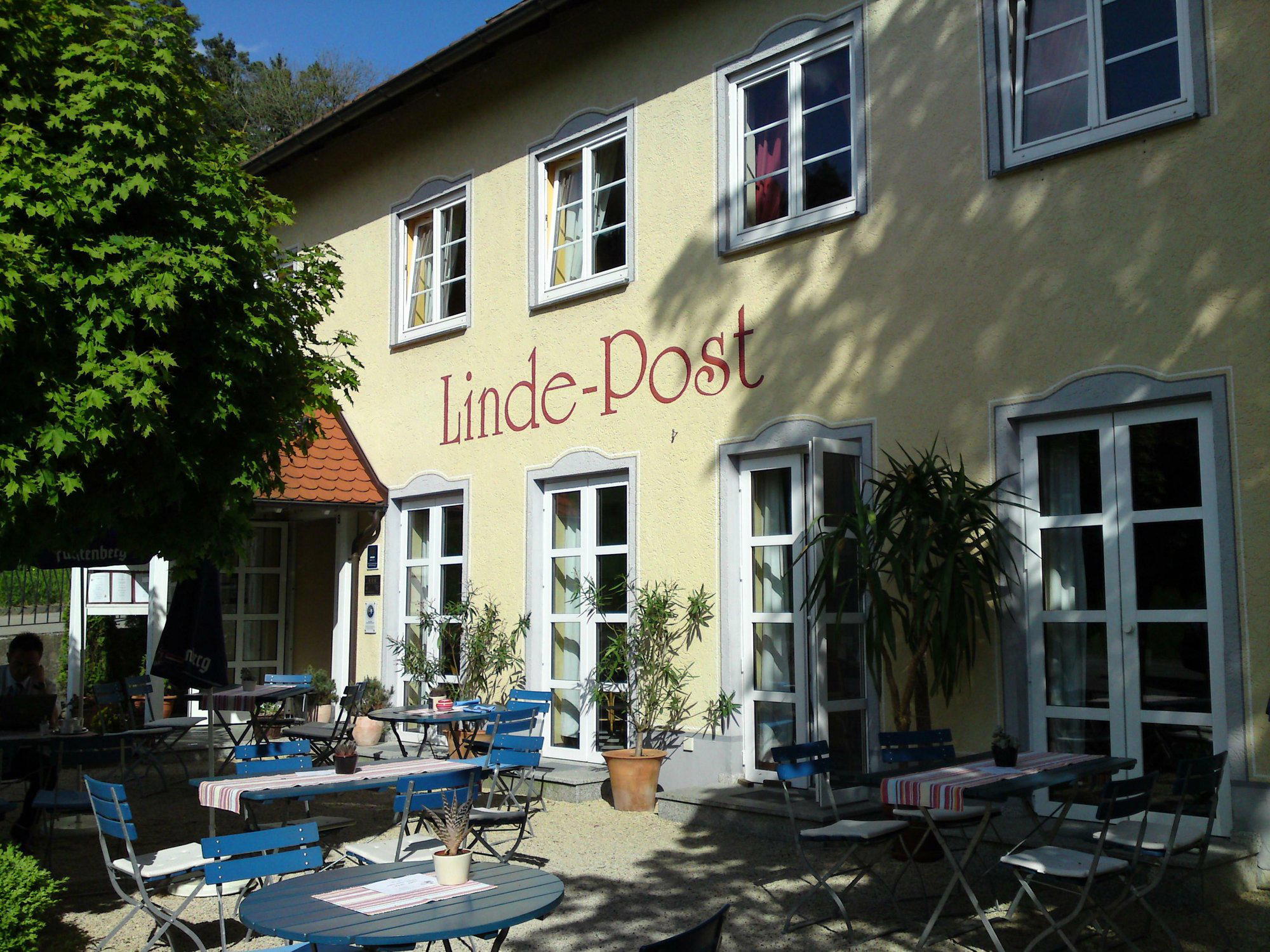
Southwest Germany's Quieter Table
Baden-Württemberg's dining reputation runs through Baiersbronn and the Black Forest corridor, where places like Schwarzwaldstube in Baiersbronn anchor the region's Michelin identity. Zimmern ob Rottweil sits further east, where the Swabian Alb begins to flatten out above the Neckar valley. It is a quieter part of the southwest, agricultural, unhurried, and largely outside the routes that food travelers plot between Stuttgart and Freiburg. Restaurants in this kind of setting tend to operate under a different logic than their city counterparts: the supply chain is shorter, the clientele is local or regional rather than international, and the kitchen's relationship with its surrounding landscape is less curated and more operational.
That context matters when thinking about ingredient sourcing in southwest German cooking. The region produces Swabian Alb lamb, spelt from centuries-old farming traditions, game from managed forest reserves, and a calendar of foraged and cultivated produce that shifts tightly with altitude and season. For our full Zimmern ob Rottweil restaurants guide, understanding where a kitchen sits within that regional supply picture is as useful as any award count.
The Setting at Alte Hausener Strasse
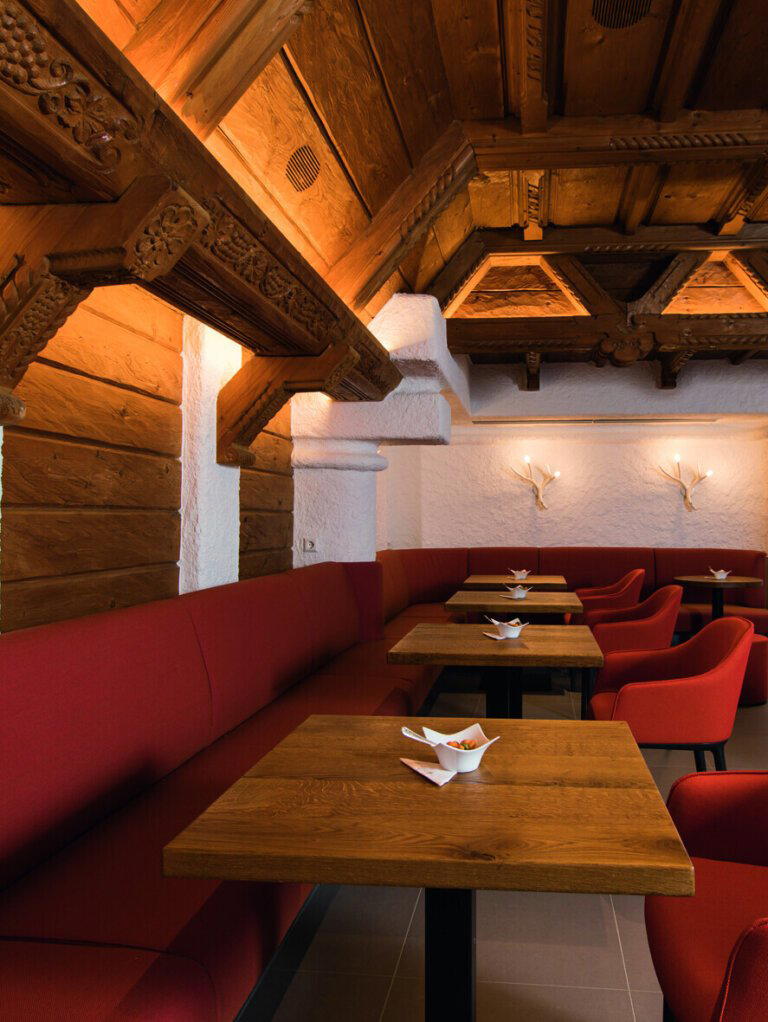
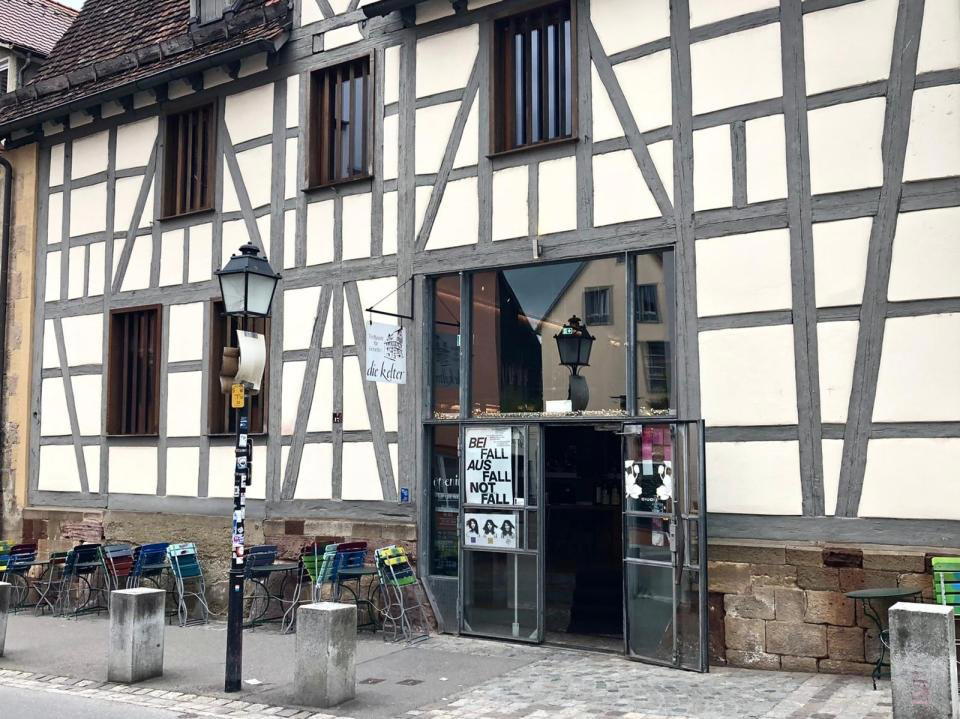
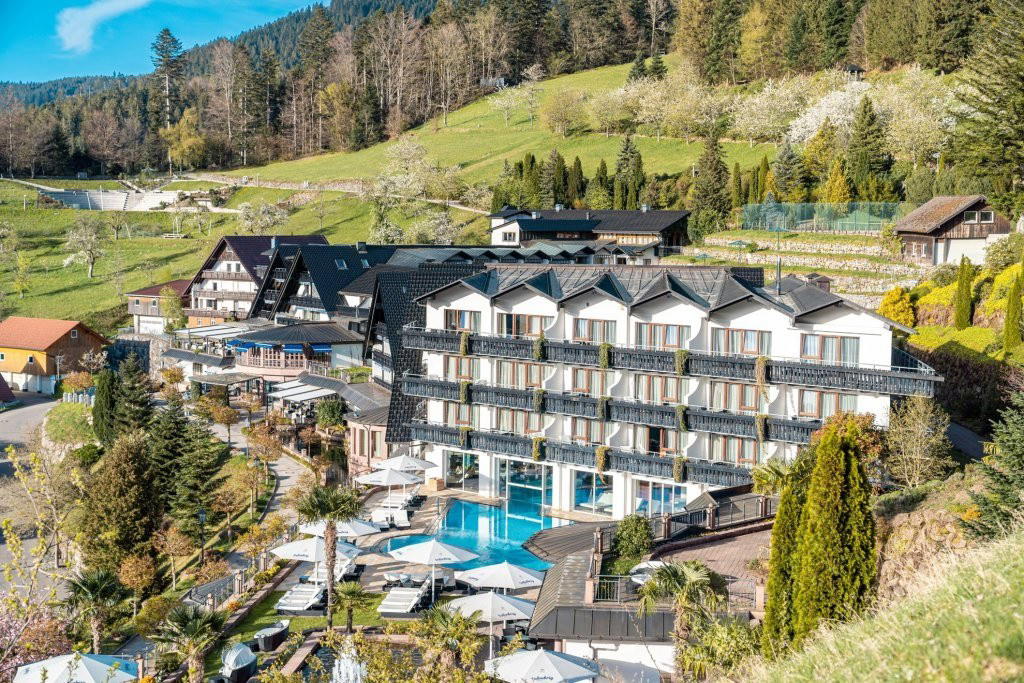
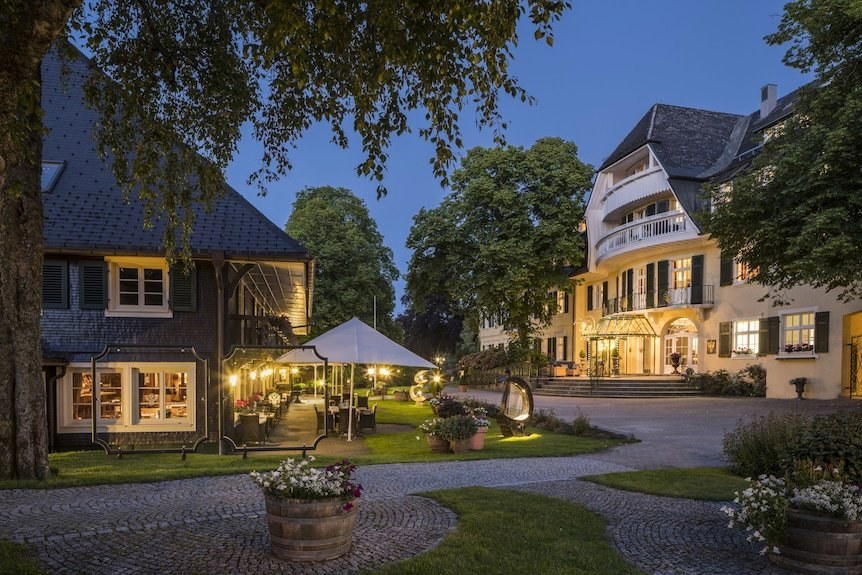
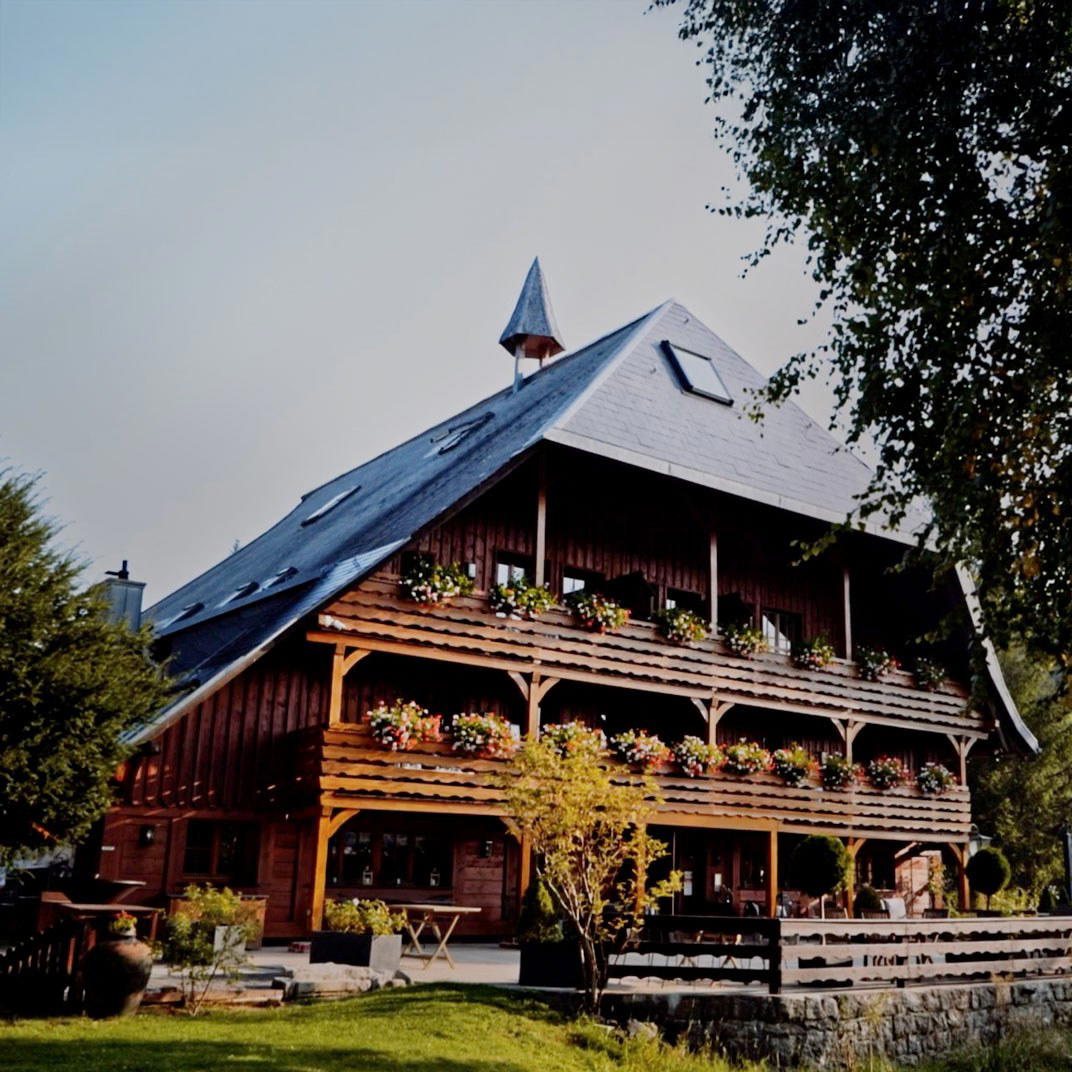
Linde Post occupies an address on Alte Hausener Str. 8 in Zimmern ob Rottweil, a name that carries the dual identity common to Baden-Württemberg's older inn-restaurants. "Post" historically designated a coaching inn, a relay point on longer routes, and the category has produced some of Germany's most durable dining institutions. These buildings tend to be wide-fronted, low-ceilinged in parts, and built for the kind of hospitality that predates the distinction between accommodation and food. Whether that heritage is worn lightly or leaned into as atmosphere varies by house, but the architectural grammar is usually readable from the street: solid masonry, pitched roof, a forecourt or threshold that signals arrival rather than mere entry.
In small Swabian towns, this type of property often serves as the de facto gathering point for the community, a function that shapes the rhythm of service and the register of the room in ways that differ from destination restaurants designed for traveling diners. The result is a dual-audience dynamic that Germany's rural Gasthäuser have long managed: regulars eating simply and efficiently alongside guests who have made the drive specifically to eat well.
Ingredient Sourcing in the Swabian Context
The southwest German kitchen has a specific relationship with provenance that differs from the Nordic or Alpine models that tend to dominate the international conversation about regional sourcing. Here, the tradition is not primarily about foraging theatrics or single-farm narratives, it is about the steady, undemonstrative use of what the area reliably produces. Swabian cooking built its reputation on lentils from the Alb, hand-rolled Spätzle made with local eggs, carp from managed ponds, and cuts of pork from smallholding farms that still outnumber industrial operations in parts of this district.
Restaurants in Rottweil and its surrounding towns sit within reach of that supply network in a way that kitchens in Düsseldorf or Frankfurt cannot easily replicate. Compare this to the position of Aqua in Wolfsburg or Vendôme in Bergisch Gladbach, both operating at the summit of the national fine-dining tier from urban or semi-urban bases where sourcing requires deliberate logistics rather than proximity. In smaller Swabian towns, the sourcing infrastructure is the neighborhood, and the discipline lies in using it consistently rather than selectively.
This is also the context in which Germany's rural Gasthof tradition has survived where comparable formats in other countries have collapsed. The combination of reliable local supply, multi-generational clientele, and a pricing model that does not depend on destination-diner volumes creates a resilience that more celebrated addresses sometimes lack. Venues like JAN in Munich or ES:SENZ in Grassau operate in different commercial and cultural registers, but the question of how to root a kitchen in regional supply is one every serious German restaurant deals with, regardless of tier.
Regional Dining at This Address
Baden-Württemberg's mid-tier restaurant circuit, between the Michelin-starred destination houses and the purely local Wirtschaft, is where most day-to-day serious eating happens in the southwest. This bracket covers restaurants that cook with genuine technique and seasonal awareness without the tasting-menu infrastructure or the three-month booking lead times that define places like Waldhotel Sonnora in Dreis or Restaurant Haerlin in Hamburg. Germany has a deep bench in this space, and it is often where the regional ingredient story is told most directly, without the mediation of elaborate technique or international influence.
For travelers mapping a serious eating itinerary through the southwest, the towns between Rottweil and Tuttlingen represent an understudied corridor. The area lacks the marketing infrastructure of the Black Forest or Lake Constance, which means pricing tends to be anchored to local expectations rather than visitor premiums. Contrast that with ammolite in Rust or ATAMA by Martin Stopp in Sankt Ingbert, which operate in locations with stronger destination-diner traffic and price accordingly. The Rottweil district offers a different proposition for the reader who wants serious regional cooking without the signal-to-noise of a tourist corridor.
It is worth placing this against a broader European and global frame: in cities like New York, the farm-to-table sourcing narrative has become a marketing device almost entirely detached from actual supply chains. Places like Le Bernardin in New York City or Atomix in New York City source with genuine rigor, but they are the exception in a market where proximity to origin is rare by structural necessity. In rural southwest Germany, the question is almost inverted: the supply is present, and the discipline lies in building a kitchen that uses it consistently over decades rather than as a seasonal talking point.
Planning a Visit
Zimmern ob Rottweil sits roughly ten kilometers north of Rottweil, which is itself accessible by rail from Stuttgart in under two hours. The town is navigated most practically by car, as local connections are infrequent outside peak commuting times. Linde Post's address on Alte Hausener Strasse places it in the older residential core of the village rather than on a main through-road, which is typical of Gasthof properties that predate modern infrastructure.
Quick Comparison
Comparable venues nearby, for context on price, style, and recognition.
| Venue | Cuisine | Price | Notes |
|---|---|---|---|
| Linde PostThis venue — the venue you are viewing | Swabian German | $$$ | Not listed |
| Design Hotel Restaurant Löwen Ulm | Swabian-International Seasonal Cuisine | $$$ | Söflingen |
| Stanley Diamond | Modern German Comfort Food | $$$ | Goethehaus |
| Stadt Freiburg Hotel | Modern German | $$$ | Freiburg im Breisgau |
| Biohotel Mohren | Organic German | $$$ | Deggenhausertal-Limpach |
| #heimat im Badischen Hof | Modern Baden Regional Cuisine | $$$ | Bühl |
Continue exploring
More in Zimmern Ob Rottweil
Restaurants in Zimmern Ob Rottweil
Browse all →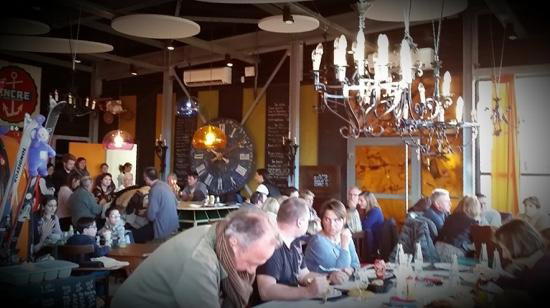
Bars in Zimmern Ob Rottweil
Browse all →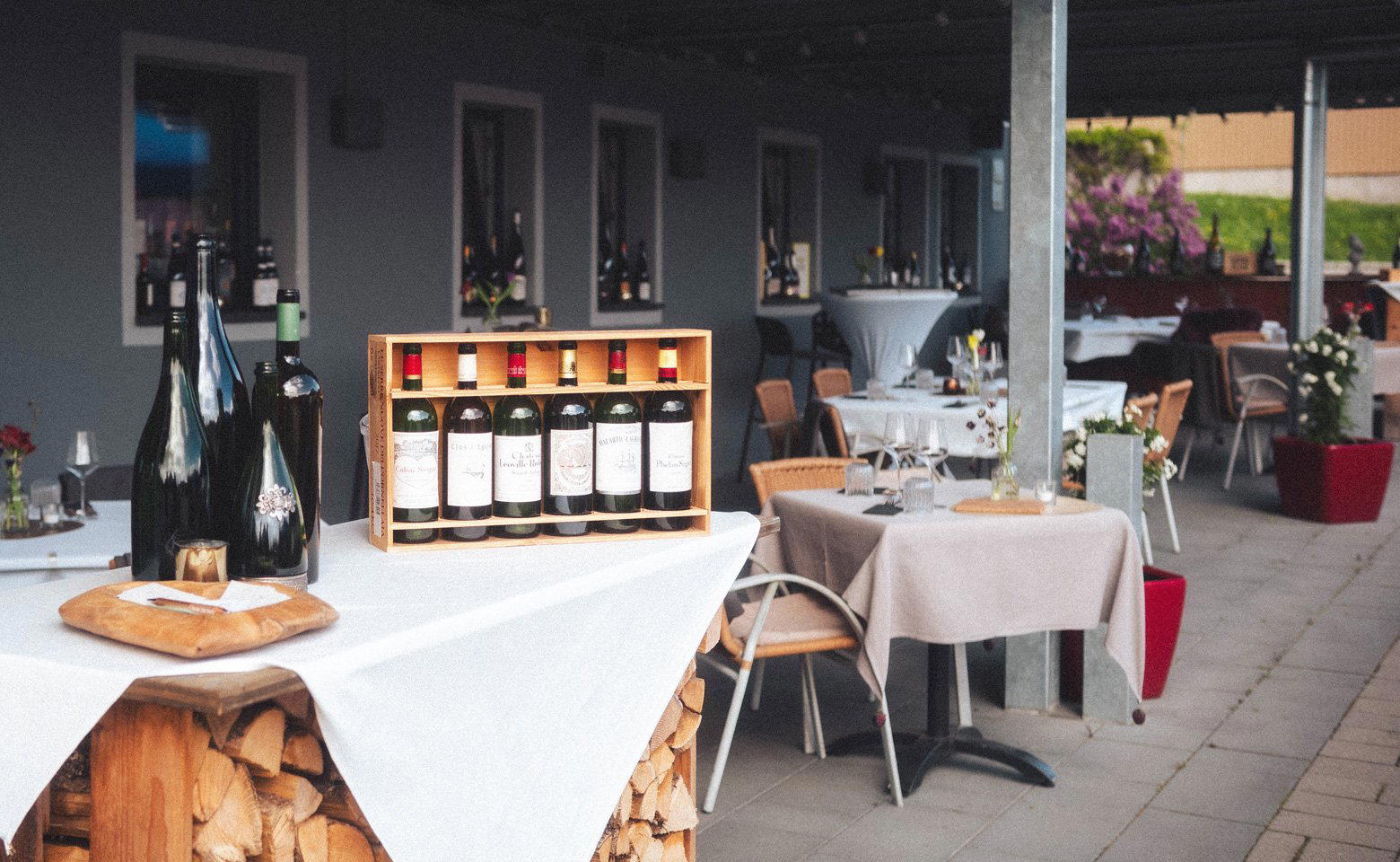
Hotels in Zimmern Ob Rottweil
Browse all →

At a Glance
- Cozy
- Rustic
- Family
- Casual Hangout
- Local Sourcing
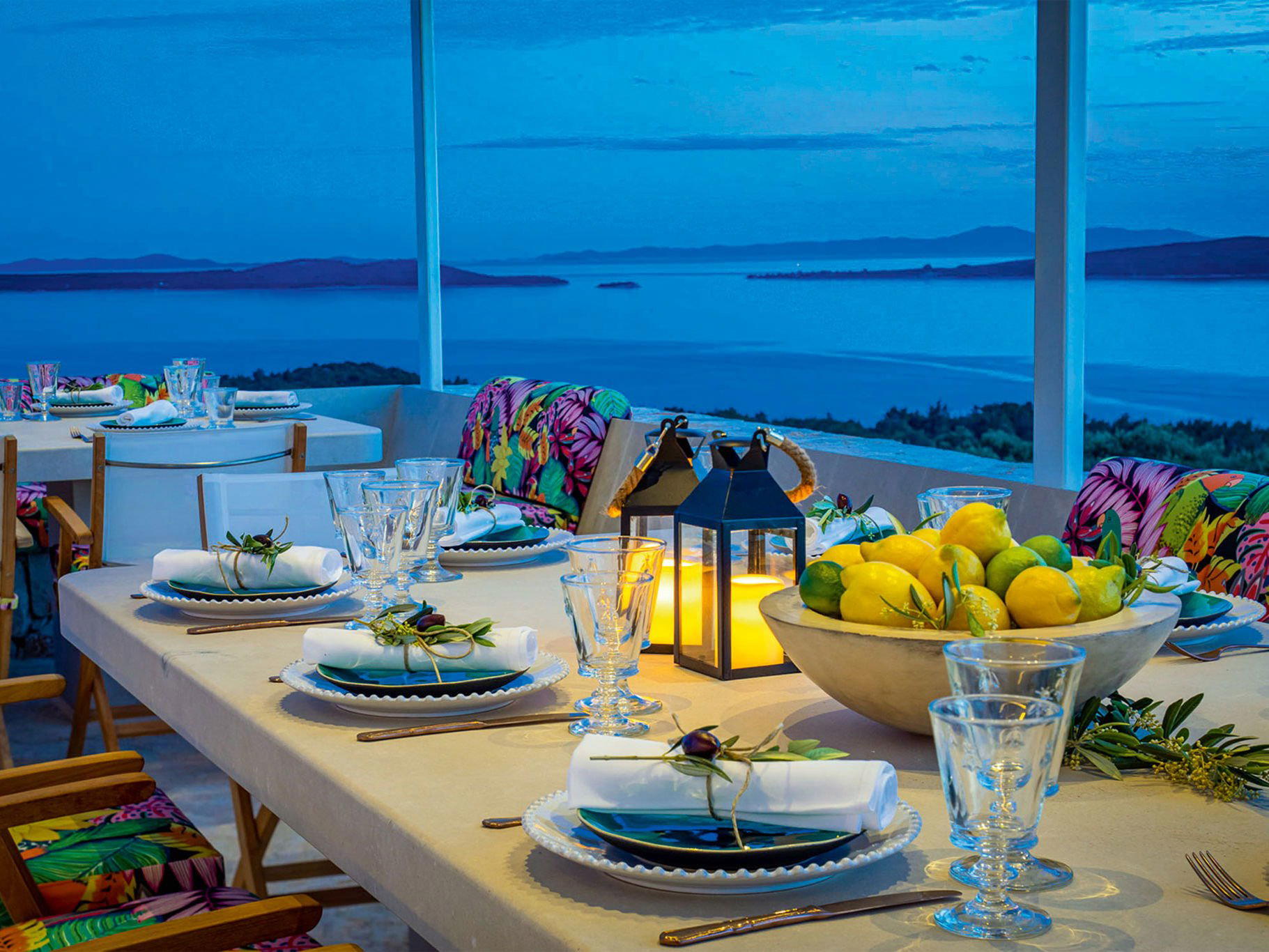
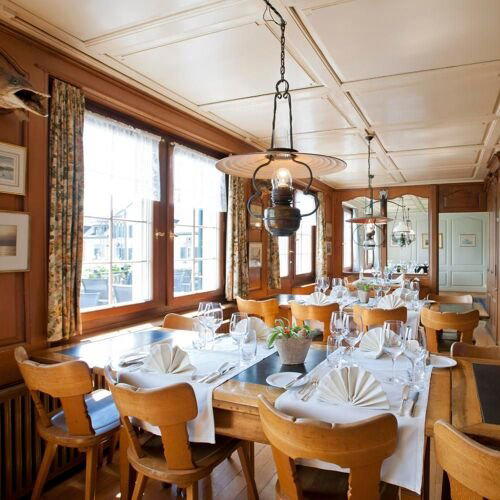
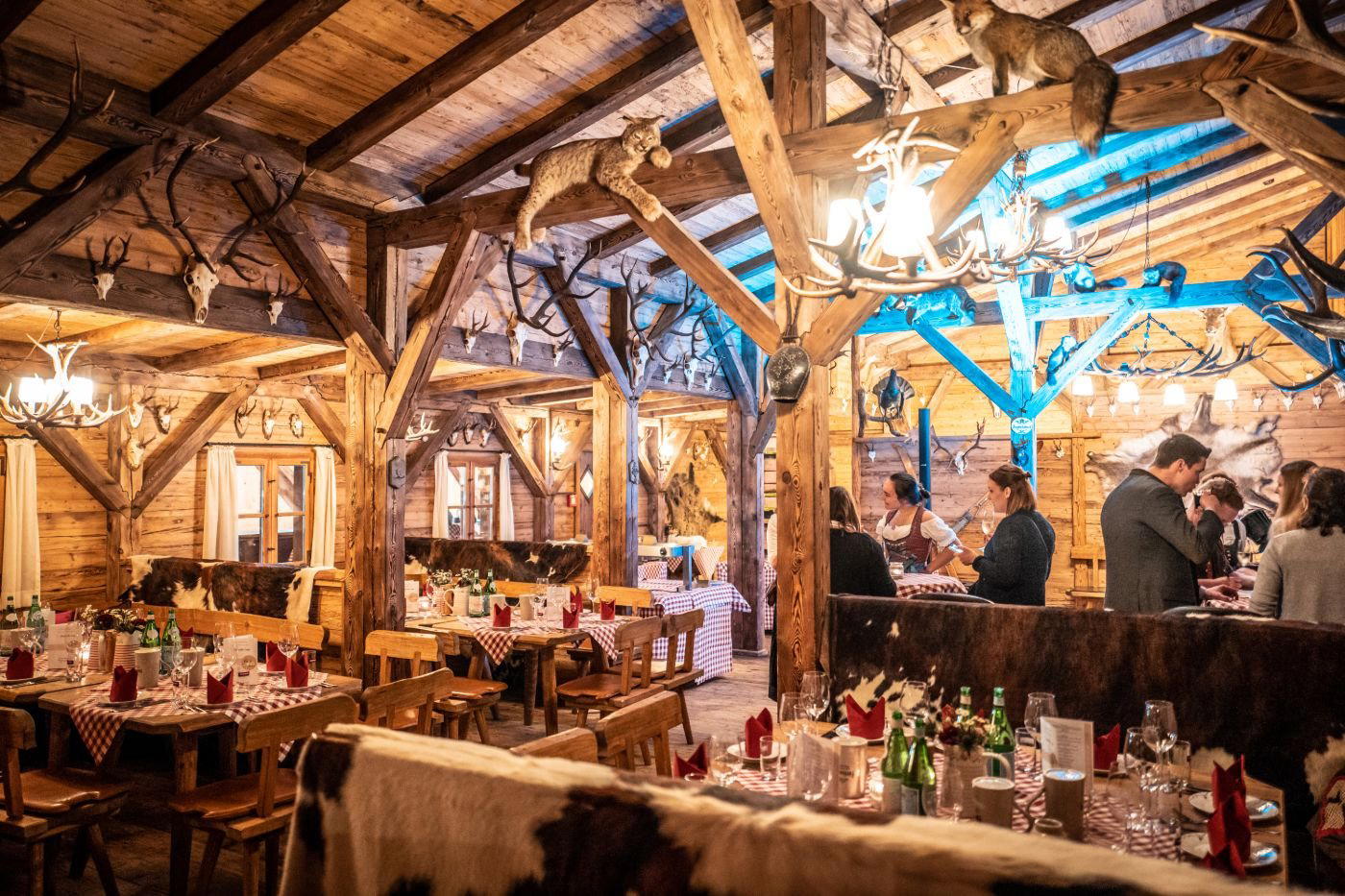
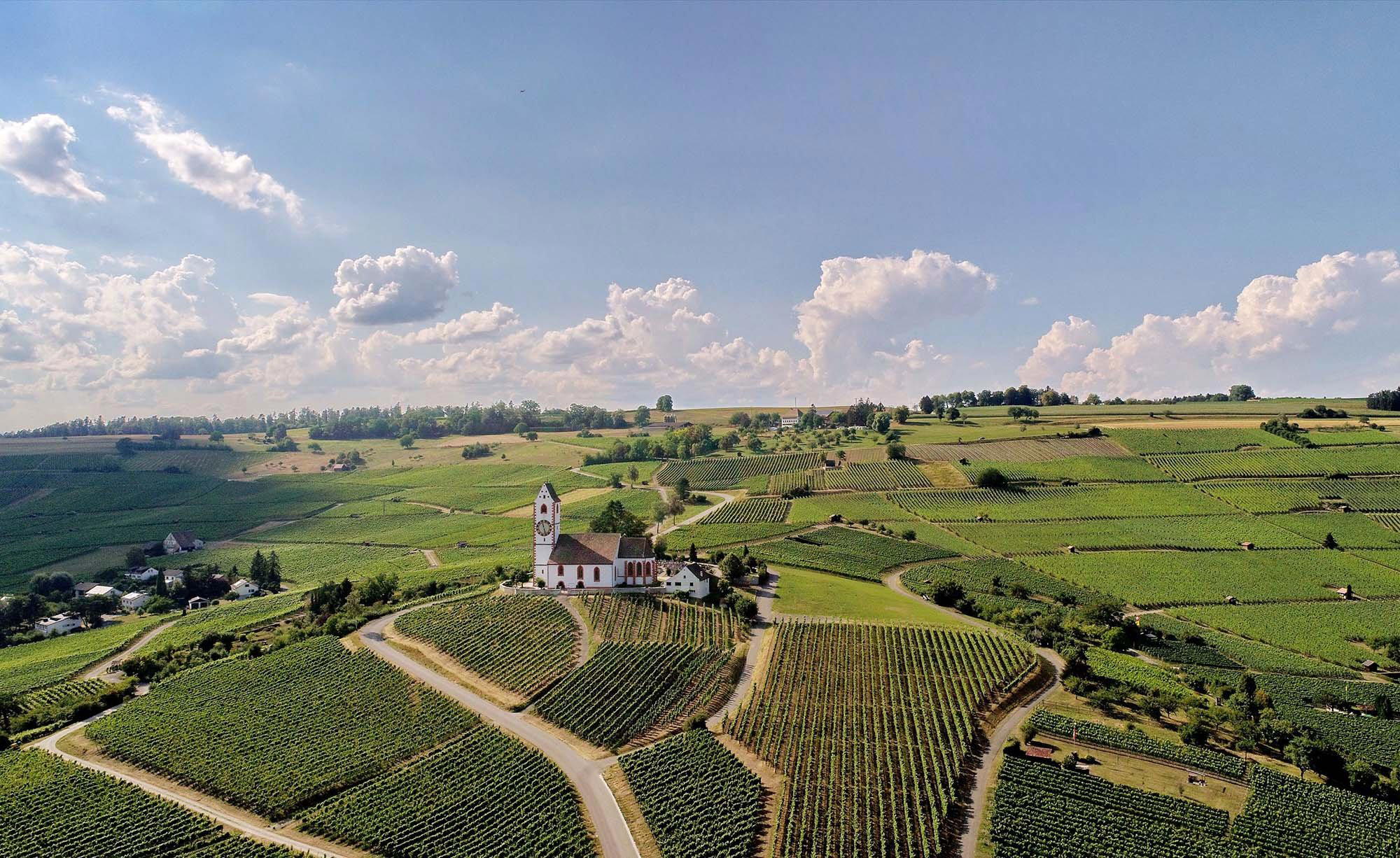
Cozy atmosphere with outdoor dining areas enhancing the rural charm.