Tolin
Tolin occupies a quiet address on Via Chiesa in Lozzo Atestino, a small comune in the Euganean Hills of the Veneto. The restaurant draws from the agricultural depth of its surroundings, positioning it within a regional dining tradition that prizes locally sourced ingredients over culinary spectacle. It represents a quieter, more grounded end of the Italian dining spectrum.
Pearl is the En Primeur Club membership app — saves, bookings, and concierge access live there. Same editors, same standards.
- Address
- Via Chiesa, 6, 35034 Lozzo Atestino PD, Italy
- Phone
- +393942994144
- Website
- macelleriatolin.it
- Directions
- Get directions
 Saves & bookings on Pearl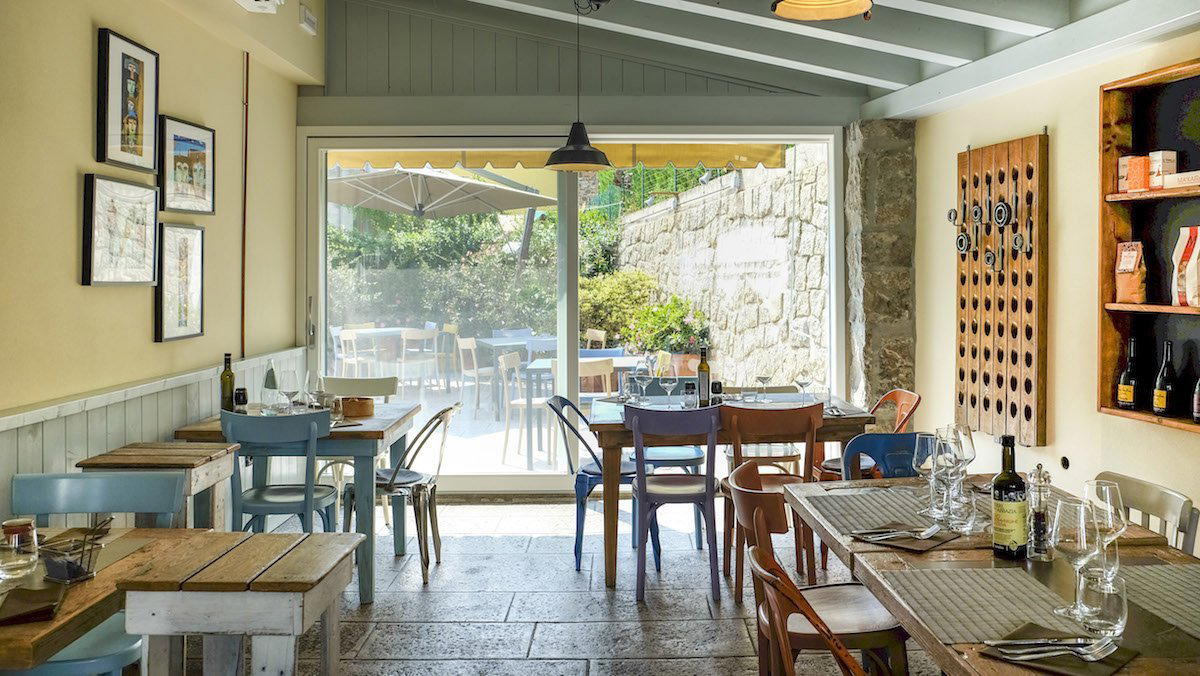
Lozzo Atestino and the Euganean Hills Table
The Euganean Hills, a cluster of volcanic rises roughly forty kilometres south-west of Padua, are not a dining destination in the way that Alba or Modena are. There are no pilgrimage queues, no tasting-menu theatrics designed for international travel media. What exists instead is a network of small towns, family producers, and restaurants that cook close to their supply chains because geography and tradition make that the obvious choice. Lozzo Atestino sits inside that pattern, and Tolin, at Via Chiesa, 6, occupies one of the quieter addresses in a town that most Italian food travellers pass through rather than stop for.
The Veneto's inland dining culture has always run parallel to its more celebrated wine and produce exports. Prosecco moves in bulk to international markets; Soave and Valpolicella carry global name recognition; Radicchio di Treviso earns protected designation status. Yet the cooking that consumes these ingredients day to day happens in rooms like this one, without the infrastructure of awards committees or international press junkets. For context on what Veneto fine dining looks like when institutional recognition arrives, Le Calandre in Rubano and Casa Perbellini 12 Apostoli in Verona represent the region's upper tier. Tolin operates at a different register entirely.
Approaching the Address
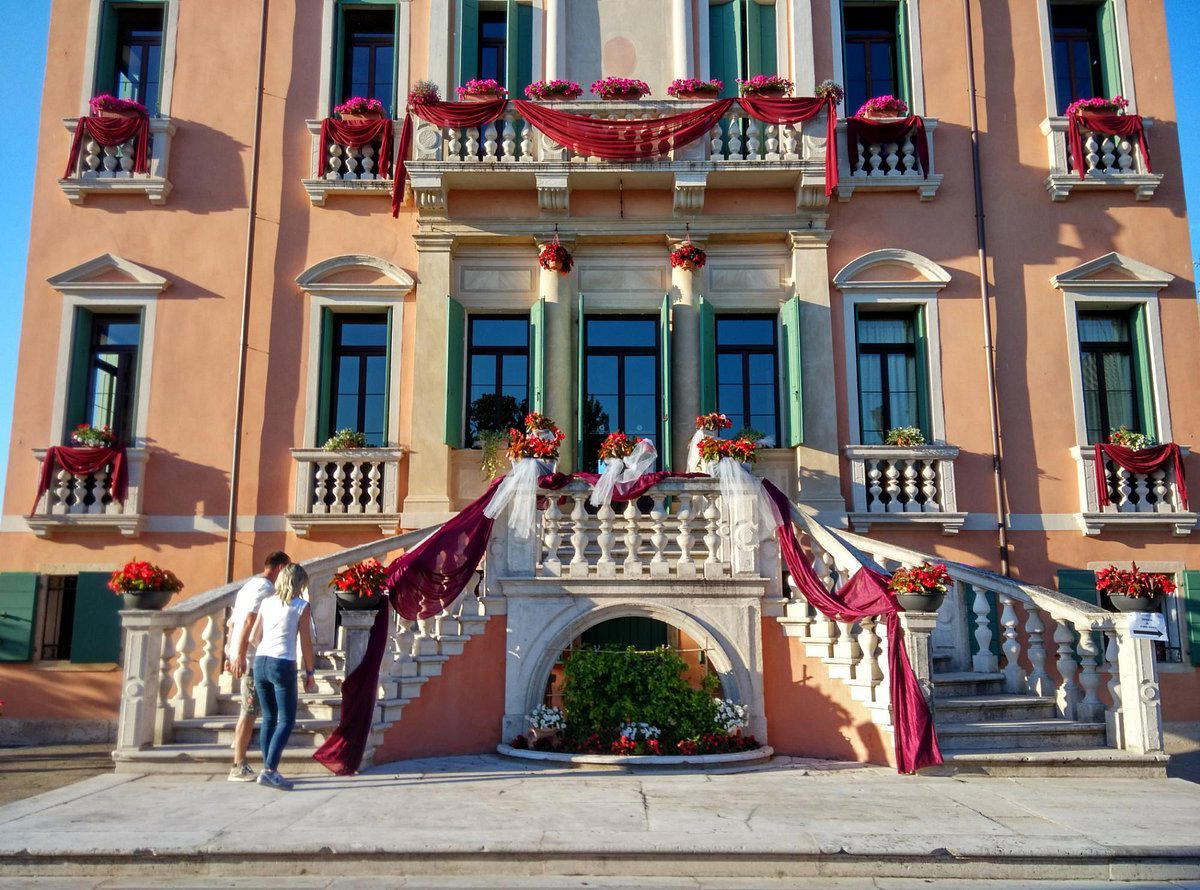
Via Chiesa runs close to the church that gives it its name, in the compressed centro storico that characterises Euganean Hill villages. The physical scale is small. Stone, render, and the sound of a landscape that does not perform for visitors. Restaurants at this kind of address tend to feel like extensions of domestic life rather than hospitality productions, and that distinction shapes everything from the pacing of a meal to the way dishes arrive at the table.
This domestic quality is not incidental to the cooking. In smaller comuni across the Veneto and the Po Valley, the distance between kitchen garden and kitchen pass is often literal, not rhetorical. Producers who supply restaurants in Lozzo Atestino and its neighbouring towns are frequently within cycling distance, which means seasonal menus respond to the week's harvest rather than the month's allocation from a regional distributor. The contrast with how ingredient sourcing works in a city kitchen, even a thoughtful one, is significant. Enoteca Pinchiorri in Florence or Enrico Bartolini in Milan operate supply chains of considerable sophistication, but proximity to source at that scale requires deliberate construction. In a village restaurant, it is simply the default condition.
What Ingredient Proximity Actually Means on the Plate
Italian rural cooking has always derived its authority from knowing exactly where something came from and doing little to obscure that fact. The Veneto in particular produces a larder of unusual range: freshwater fish from the Euganean thermal basins, highland meats, field vegetables that vary sharply by microclimate, and cheeses whose character shifts between valleys. Restaurants embedded in this supply network can respond to that range in ways that urban kitchens, however skilled, cannot easily replicate.
The broader Italian dining conversation, which runs from the hyper-local sourcing of Reale in Castel di Sangro to the classical rigour of Dal Pescatore in Runate, increasingly frames ingredient origin as a primary credential. At the leading end, Osteria Francescana in Modena and Piazza Duomo in Alba have built reputations partly on the specificity of their sourcing stories. The logic applies equally, if more quietly, at village level. A restaurant that can name the farm, the family, or the field has a different relationship to its menu than one working from a catalogue.
For readers more accustomed to coastal Italian sourcing, the contrast with places like Uliassi in Senigallia, Quattro Passi in Marina del Cantone, or Gambero Rosso in Marina di Gioiosa Ionica is instructive. Seafood restaurants at those addresses draw authority from proximity to fishing harbours. The Euganean equivalent is proximity to agricultural terrain, which yields a different but equally specific kind of product character.
Where Tolin Sits in a Wider Field
Italian dining at the premium end has split fairly clearly between the highly institutionalised, those with Michelin recognition, 50 Best placement, or international press profiles, and the unremarked, restaurants that serve a local clientele with consistent competence and no particular appetite for external validation. Tolin appears to belong to the second category. That is not a criticism. Italy's most memorable meals frequently happen outside the systems that produce rankings.
The relevant comparison set is not La Pergola in Rome, Villa Crespi in Orta San Giulio, or Da Vittorio in Brusaporto, all of which operate in the high-investment, internationally recognised tier. Nor is it the technically driven mountain cooking of Atelier Moessmer Norbert Niederkofler in Brunico. Tolin's comparable set is the smaller, localised trattoria-to-osteria range that anchors Italian provincial food culture. For visitors whose usual frame of reference is metropolitan fine dining, whether at Le Bernardin in New York City or Atomix, the shift in register requires recalibration. The metrics that apply are different: depth of local knowledge, quality of produce, and the kind of ease that comes from cooking the same ingredients across many seasons.
Planning a Visit
Lozzo Atestino is accessible by car from Padua in under an hour, and the Euganean Hills area is compact enough that combining a meal at Tolin with the thermal spas of Abano Terme or Montegrotto Terme makes logistical sense. Given the absence of published booking data, phoning ahead is one reliable approach; village restaurants in this part of the Veneto frequently fill on weekends with local families, particularly at Sunday lunch, making advance contact more than a formality. Dress codes are not the operative question at an address like this; what the setting calls for is the kind of unhurried attention that rural Italian dining rewards.
Specific pricing, hours, and booking contacts are best confirmed directly with the restaurant before travelling.
Comparable Spots, Quickly
Comparable venues nearby, for context on price, style, and recognition.
| Venue | Cuisine | Price | Notes |
|---|---|---|---|
| TolinThis venue — the venue you are viewing | Italian Meat & Barbecue | $$$ | Not listed |
| San Benedetto | Traditional Veneto Italian | $$$ | Montagnana |
| Da Marco | Traditional Venetian Italian | $$$ | Stanghella |
| Ristorante La Veneziana | Italian Seafood | $$$ | Longa di Schiavon |
| Sull’Albero Trattoria | Tuscan Trattoria | $$$ | Chiusdino |
| Da Nanni | Seasonal Italian Trattoria | $$$ | Costermano sul Garda |
Continue exploring
More in Lozzo Atestino
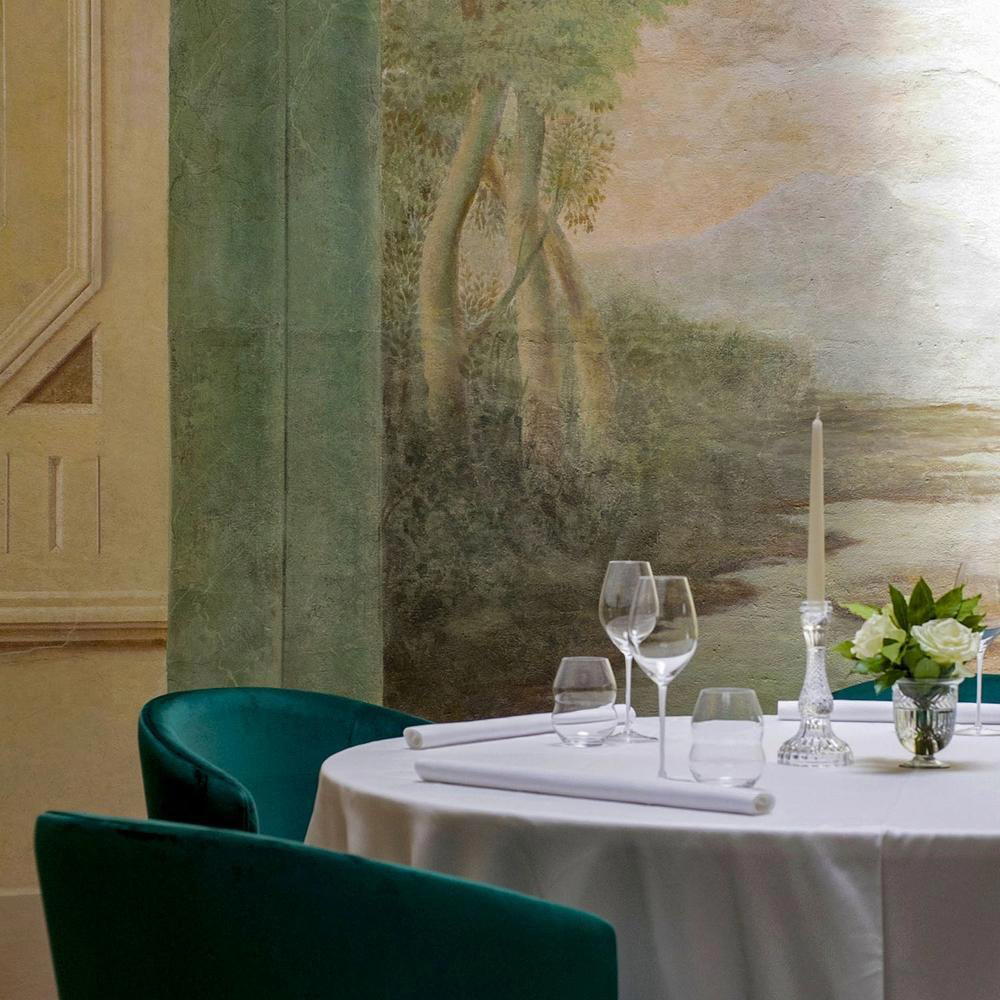
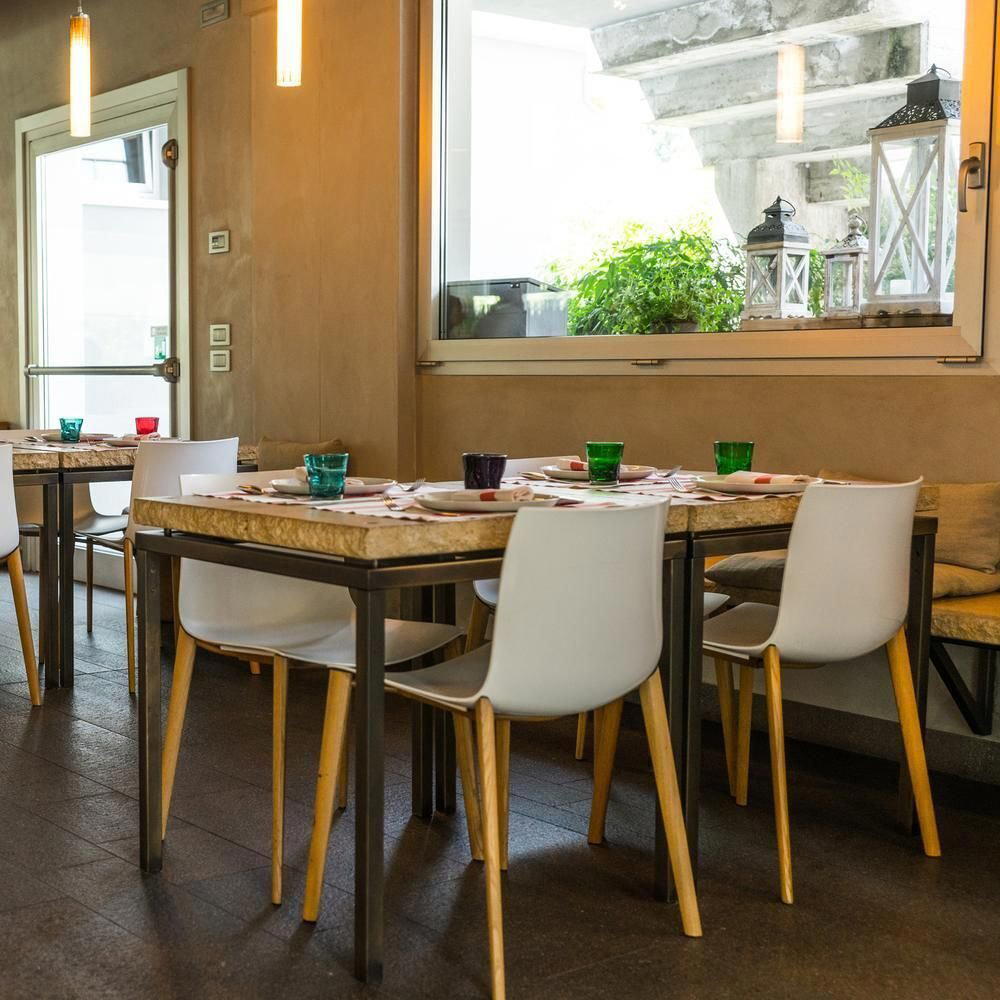
Restaurants in Lozzo Atestino
Browse all →
Bars in Lozzo Atestino
Browse all →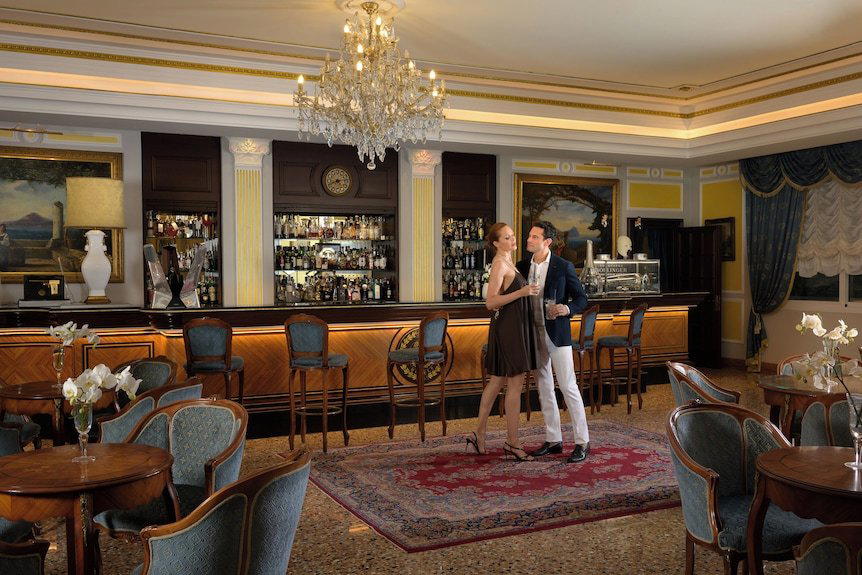
Hotels in Lozzo Atestino
Browse all →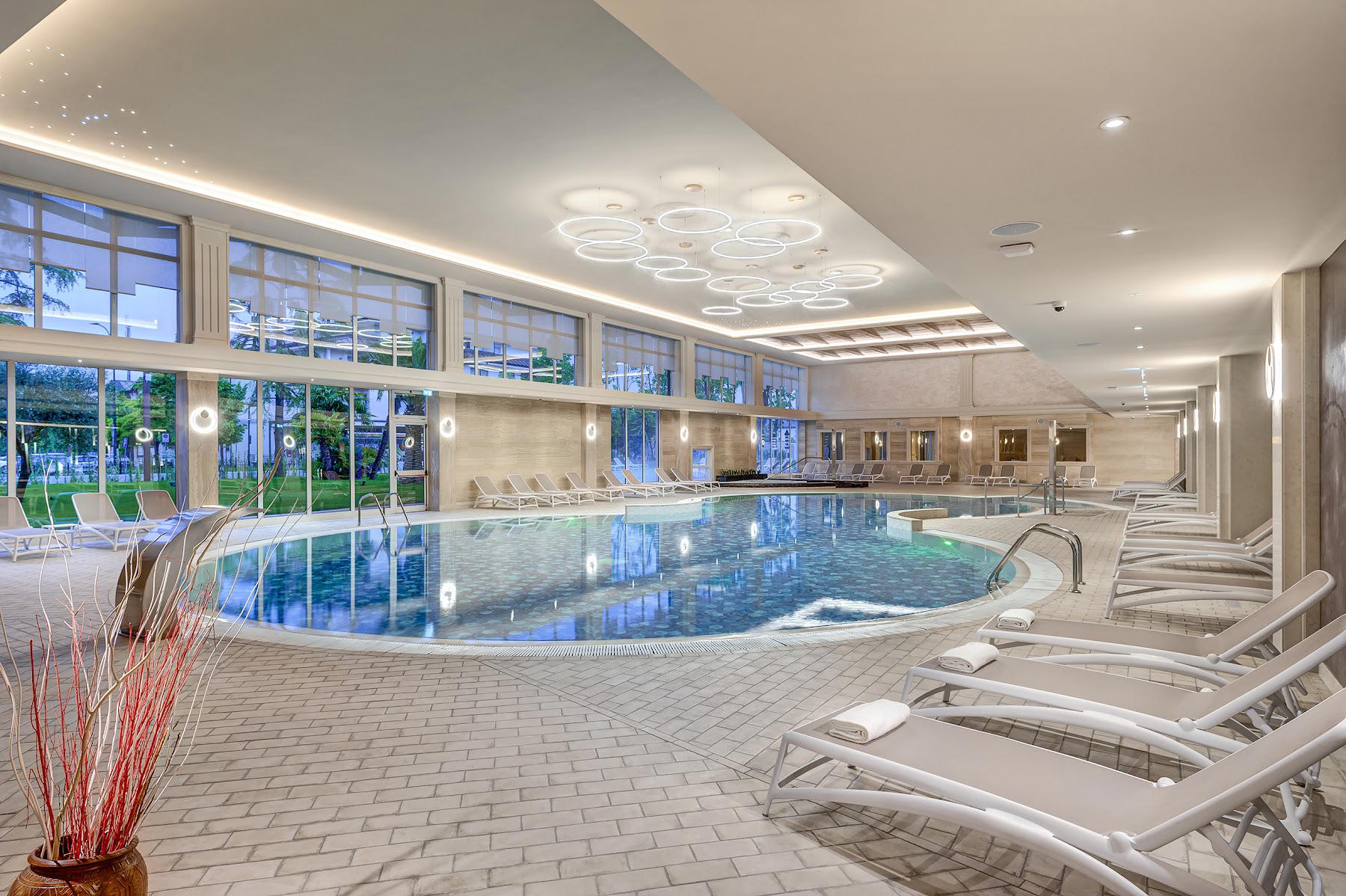
At a Glance
- Rustic
- Cozy
- Group Dining
- Family
- Business Dinner
- Open Kitchen
- Natural Wine
- Local Sourcing
Current opening hours
- Monday
- Closed
- Tuesday
- 8 AM–1 PM, 3:30–7:30 PM
- Wednesday
- 8 AM–2 PM, 8–10:30 PM
- Thursday
- 8 AM–2 PM, 3:30–7:30 PM, 8–10:30 PM
- Friday
- 8 AM–2 PM, 3:30–7:30 PM, 8–10:30 PM
- Saturday
- 8 AM–2 PM, 3:30–7:30 PM, 8–10:30 PM
- Sunday
- 12–2 PM, 8–10:30 PM
Hours can change for holidays and private events. Last verified .
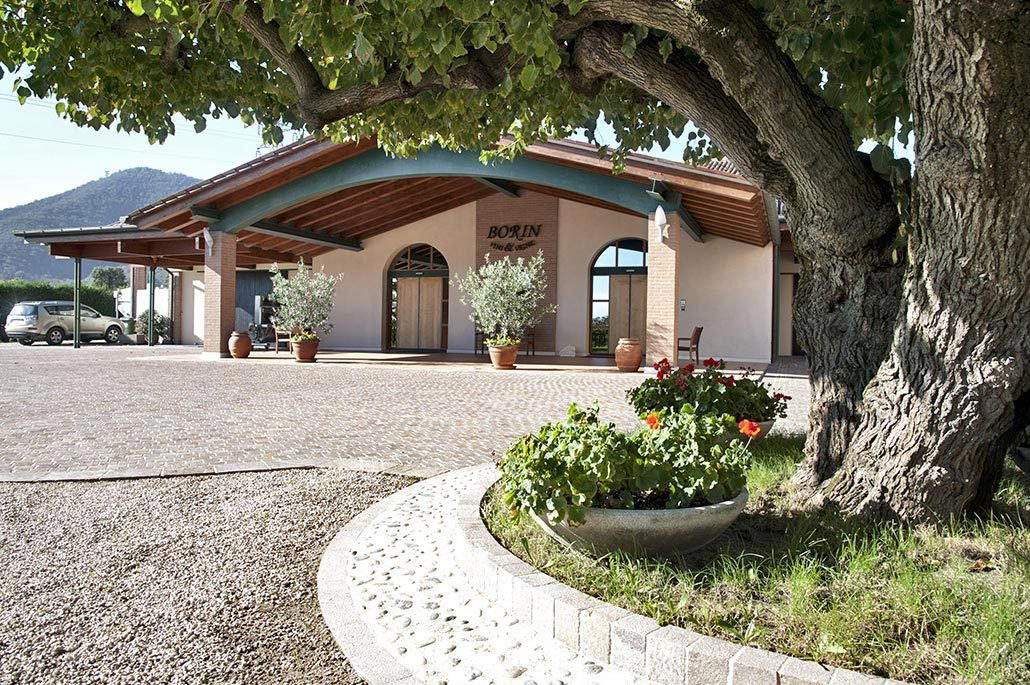
Rustic and welcoming with a visible meat aging showcase, well-spaced tables for privacy, and a cozy veranda area.