KOVAL Tasting Room
Our verdict
KOVAL Distillery's tasting room on Ravenswood Avenue sits at the intersection of Chicago's craft spirits revival and a broader American tradition of grain-to-bottle production. One of the first urban distilleries to open in Chicago since Prohibition, KOVAL offers a direct look at how the city's North Side has become a reference point for small-batch whiskey and grain spirits in the Midwest.

Pearl is the En Primeur Club membership app — saves, bookings, and concierge access live there. Same editors, same standards.
- Address
- 4241 N Ravenswood Ave, Chicago, IL 60613
- Phone
- (312) 878-7988
- Hours
- Mon–Thu 4–10 PMFri 3–10 PMSat 12–10 PMSun 12–8 PM
- Website
- koval-distillery.com
- Directions
- Get directions
- Booking
- Book on the venue's website
The menu
What to order
- Cranberry Gin Spritz
- Bourbon Highball
Where Chicago's Craft Distilling Tradition Takes Shape
Ravenswood Avenue, running through Chicago's North Side, has quietly accumulated a concentration of maker-culture businesses over the past two decades: ceramics studios, independent roasters, small-batch food producers. At 4241 N Ravenswood, KOVAL Distillery's tasting room sits inside that ecosystem, not as an anomaly but as one of its anchoring institutions. When KOVAL opened, it became the first distillery to operate within Chicago city limits since Prohibition — a fact that places it in a specific and short list of American urban distilleries that helped redefine what post-industrial craft production could look like in a major city.
That historical context matters for understanding what the tasting room represents. American craft distilling, particularly in the Midwest, has long been shaped by grain agriculture and the question of how close to the source a producer can get. KOVAL works with organic grains and applies a single-barrel approach, which aligns it with a broader craft philosophy that has since spread across the country but was far less common when KOVAL began operating. For visitors coming from restaurant-focused itineraries — say, after dinner at Kasama or before a booking at Smyth, the tasting room offers a different register of Chicago food culture: production-first, ingredient-focused, and without the performance layer of a fine dining room.
The Grain-to-Bottle Tradition and What It Means Here
American whiskey culture is often discussed through the lens of Kentucky bourbon or Tennessee sour mash, but a parallel tradition of Midwestern grain distilling has always existed, rooted in the agricultural economies of Illinois, Indiana, and Ohio. KOVAL's approach connects to that tradition while departing from it in one specific way: the use of grains like oat, millet, spelt, and wheat alongside the more expected rye and bourbon mash bills. This is not a novelty play. It reflects an older European distilling sensibility, particularly Central European, applied to American grain sourcing.
That cultural cross-reference is part of what distinguishes the KOVAL range within the American craft spirits category. Producers at the premium end of the American spirits market, from Napa Valley's hospitality corridor to San Francisco's craft-forward dining scene, have increasingly aligned with distillers and winemakers who can demonstrate a clear chain of custody from raw ingredient to finished product. KOVAL's single-barrel labeling, which identifies the specific barrel for each release, is a transparency mechanism borrowed from the wine world and applied to spirits, a practice that was unusual in American whiskey at the time of its adoption.
The Tasting Room Format
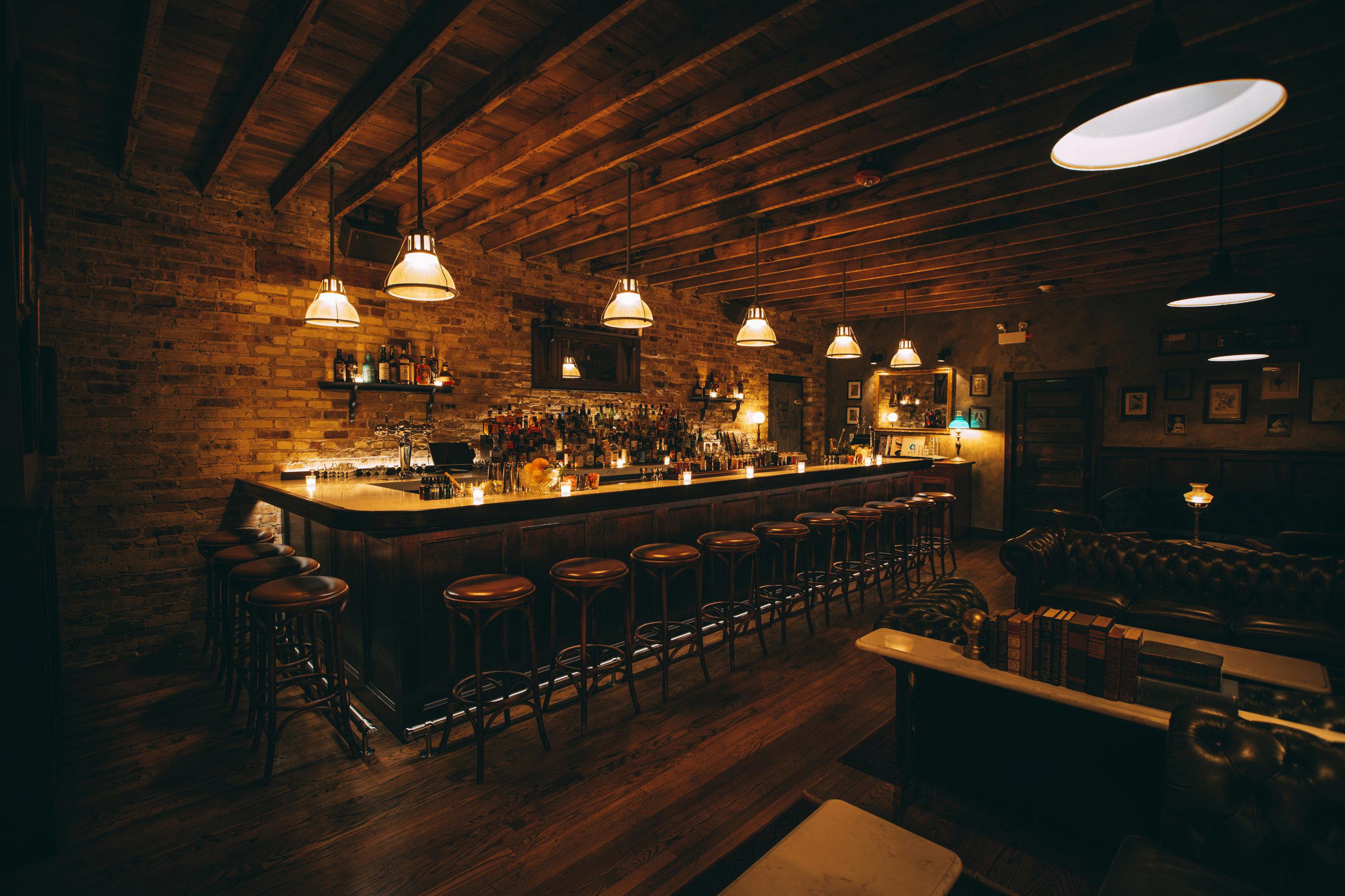
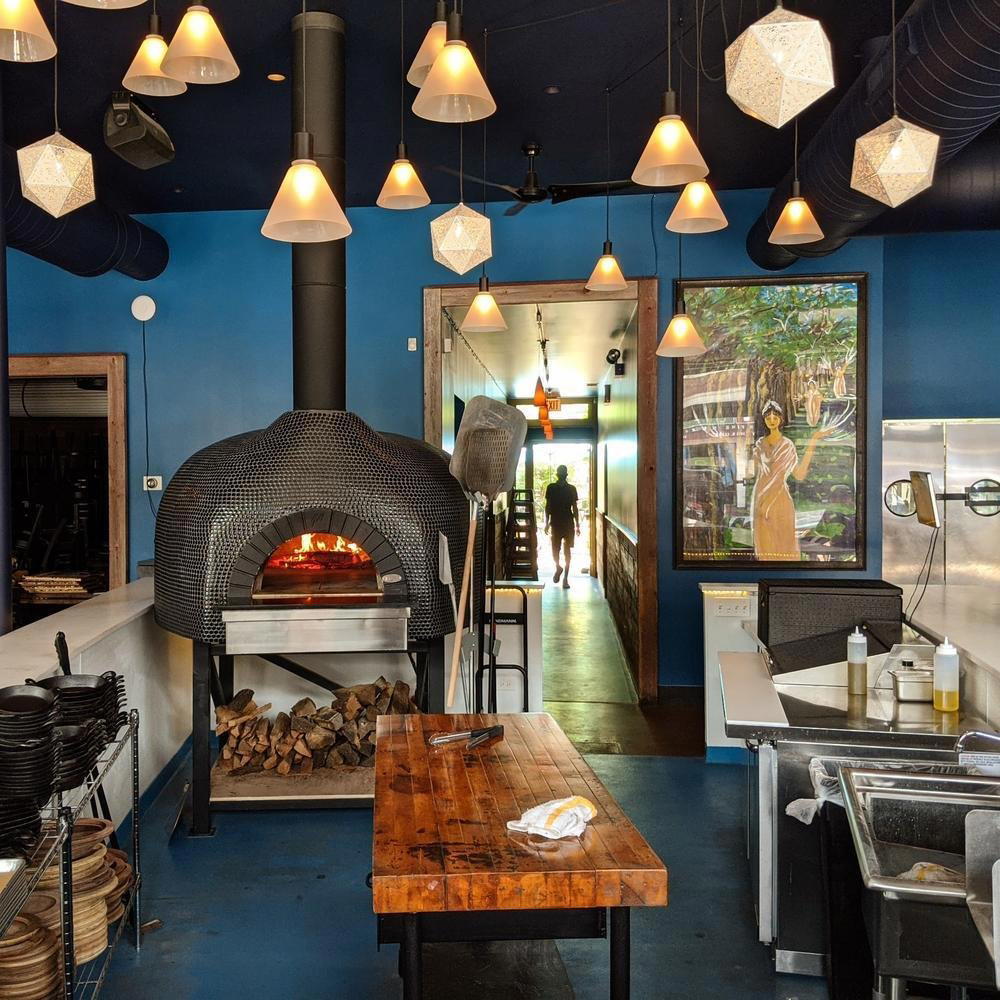
The tasting room at Ravenswood functions as both a retail outlet and an education space. Visitors can work through the range of spirits produced on-site, which spans whiskeys across multiple grain profiles as well as liqueurs. The format is closer to a distillery visit than a cocktail bar: the emphasis is on understanding the production process and the differences between expressions rather than on prepared drink service as a destination in itself.
This positions KOVAL's tasting room differently from Chicago's cocktail bar scene, which has its own distinct tier system. The city's serious cocktail programs, the kind that draw comparisons to New York's more technical bar culture, operate on a different model, with curated menus and bartender-driven experiences. The tasting room is more instructional and more open, accessible without a reservation in a city where the leading dining rooms, from Alinea to Oriole, require advance planning measured in weeks or months. That accessibility is a feature of the format, not a signal of lesser seriousness.
For visitors with time to extend beyond the tasting room itself, the North Side location connects naturally to Chicago's broader food production geography. The Ravenswood corridor is within reach of the city's Andersonville and Lincoln Square neighborhoods, both of which carry a Scandinavian and German commercial heritage that aligns, at least culturally, with the Central European distilling influences present in KOVAL's range. See our full Chicago restaurants guide for neighborhood-level context on where the tasting room sits within the wider city.
KOVAL in the American Craft Spirits Context
Placing KOVAL against the national craft spirits landscape requires acknowledging how much that landscape has changed since the distillery's founding. Dozens of urban distilleries now operate in cities across the country, and the marketing vocabulary of craft, small batch, single barrel, locally sourced, has been adopted widely enough to require scrutiny. KOVAL's position within that context rests on two factors: the length of its operating history as an urban distillery pioneer, and the specificity of its grain portfolio, which goes beyond the standard rye-and-bourbon binary that characterizes most American craft whiskey operations.
Comparable conversations about provenance and production transparency happen at the intersection of food and drink in other American cities. The farm-to-table ethos that drives places like Blue Hill at Stone Barns or Single Thread Farm in Healdsburg has a spirits-world analog in what KOVAL represents: a producer willing to account for every step from grain selection to bottle, and to make that chain of decisions legible to the visitor. It is a different kind of authority than what you encounter at Next Restaurant or Addison in San Diego, but it belongs to the same broad shift in how premium American food and drink culture has reoriented around transparency and craft specificity over the past two decades.
Internationally, the grain-forward, provenance-conscious approach KOVAL represents has parallels in European craft distilling traditions, the kind of sensibility you might find reflected in the food culture around producers who operate at the intersection of local tradition and international technique. In the American Midwest, that synthesis is less common, which gives KOVAL a reference point that remains relatively distinct within its home market.
Know Before You Go
- Address: 4241 N Ravenswood Ave, Chicago, IL 60613
- Neighborhood: Ravenswood, North Side Chicago
- Format: Distillery tasting room and retail; no advance reservation typically required (confirm current hours directly with the venue before visiting)
- Getting There: Accessible via the CTA Brown Line; Ravenswood station is the closest stop, placing the distillery within walking distance of the platform
- Context: Part of a North Side maker corridor that includes independent food and beverage producers; pairs well with exploration of the Lincoln Square and Andersonville neighborhoods nearby
Frequently asked questions
What part of town is KOVAL Tasting Room in?
KOVAL Tasting Room is located at 4241 N Ravenswood Ave, Chicago, IL 60613, Chicago.
Does KOVAL produce whiskey from grains other than corn and barley, and why does that matter?
KOVAL distills whiskeys from single grains including oat, millet, and spelt — grains that are essentially absent from mainstream American whiskey production, which is dominated by corn-forward bourbons and rye blends. Working through these expressions at the tasting room on 4241 N Ravenswood Ave, Chicago, gives visitors a direct comparison that is difficult to replicate at a standard bar because most venues stock only one or two KOVAL expressions. For anyone tracking the breadth of American craft distilling beyond Kentucky and Tennessee, that grain diversity is the clearest argument for visiting the source.
What do people recommend at KOVAL Tasting Room?
KOVAL's whiskey range draws the most consistent attention, particularly expressions made from oat, millet, and spelt — grains that rarely appear in American whiskey production. The on-site tasting room at 4241 N Ravenswood Ave lets visitors compare these expressions side by side directly from the production facility. Their single-barrel releases and liqueurs round out the portfolio for those who want to move beyond the whiskey core.
How hard is it to get a table at KOVAL Tasting Room?
Unlike Chicago's most-demanded dining rooms — Kasama and Alinea require weeks of advance planning — the KOVAL tasting room on Ravenswood Ave operates with a more accessible walk-in format. As a distillery retail and tasting space rather than a reservation-driven restaurant, same-day visits are generally feasible. Distillery tours may benefit from advance booking, particularly on weekends.
What do critics highlight about KOVAL Tasting Room?
American food and spirits media coverage of KOVAL has consistently focused on two points: its position as one of Chicago's earliest post-Prohibition craft distilleries and its use of grains — oat, millet, spelt — that sit well outside the mainstream American whiskey template. The Ravenswood location is frequently cited as a working example of Chicago's North Side maker-culture corridor rather than a purpose-built tourist attraction.
Can KOVAL Tasting Room accommodate dietary restrictions?
As a spirits-focused tasting room rather than a full-service restaurant, dietary considerations center primarily on alcohol content and grain sourcing rather than food allergens. Visitors with specific grain sensitivities should note that KOVAL's whiskeys are produced from single grains including oat, millet, and spelt, which differ from the corn and barley-dominant base of most American whiskeys. Non-drinking guests accompanying a group will find the retail and tour components accessible without requiring a tasting.
Is KOVAL Tasting Room good value for money?
Measured against Chicago's broader premium drinking and dining spending — a tasting menu at Oriole or Smyth represents a significant per-person outlay — a distillery tasting at KOVAL's Ravenswood location occupies a more modest price tier while still offering direct access to a production facility. Purchasing bottles on-site also means retail pricing without the markup common to Chicago cocktail bars that stock the range. The combination of tasting, tour, and retail makes the visit compound in value relative to a standard bar tab.
Credentials Lens
Comparable venues nearby, for context on price, style, and recognition.
| Venue | Cuisine | Price | Awards | Notes |
|---|---|---|---|---|
| KOVAL Tasting RoomThis venue — the venue you are viewing | Craft Distillery Cocktails & Flights | $20–30 | Not listed | Not listed |
| Lush | Wine Bar Small Plates | $30–50 | Star Wine List | West Town |
| Prost | Traditional German Beer Hall | $30–50 | Not listed | Lincoln Park |
| Rosati's Pizza Of Chicago | Chicago-Style Pizza | $20–30 | Not listed | Chicago Loop |
| Ambar Chicago | Modern Balkan Small Plates | $30–50 | Not listed | River North |
| Tanta | Traditional Peruvian Cevicheria | $30–50 | Not listed | River North |
Details
- Modern
- Cozy
- Trendy
- Industrial
- Casual Hangout
- Date Night
- After Work
- Open Kitchen
- Craft Cocktails
- Organic
- Small Plates
- Gin
- Bourbon
Current opening hours
- Monday
- 4–10 PM
- Tuesday
- 4–10 PM
- Wednesday
- 4–10 PM
- Thursday
- 4–10 PM
- Friday
- 3–10 PM
- Saturday
- 12–10 PM
- Sunday
- 12–8 PM
Hours can change for holidays and private events. Last verified .
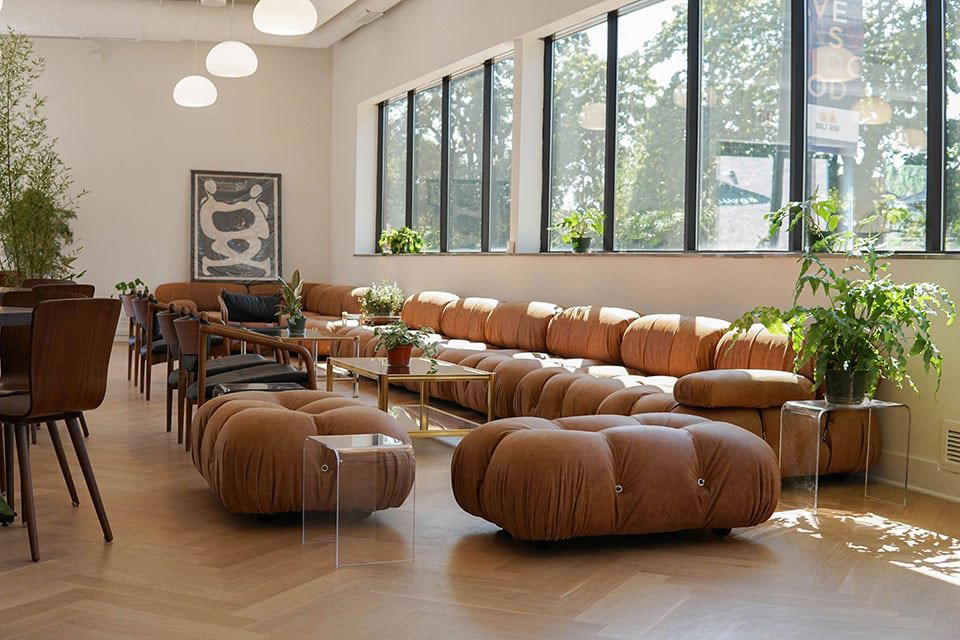
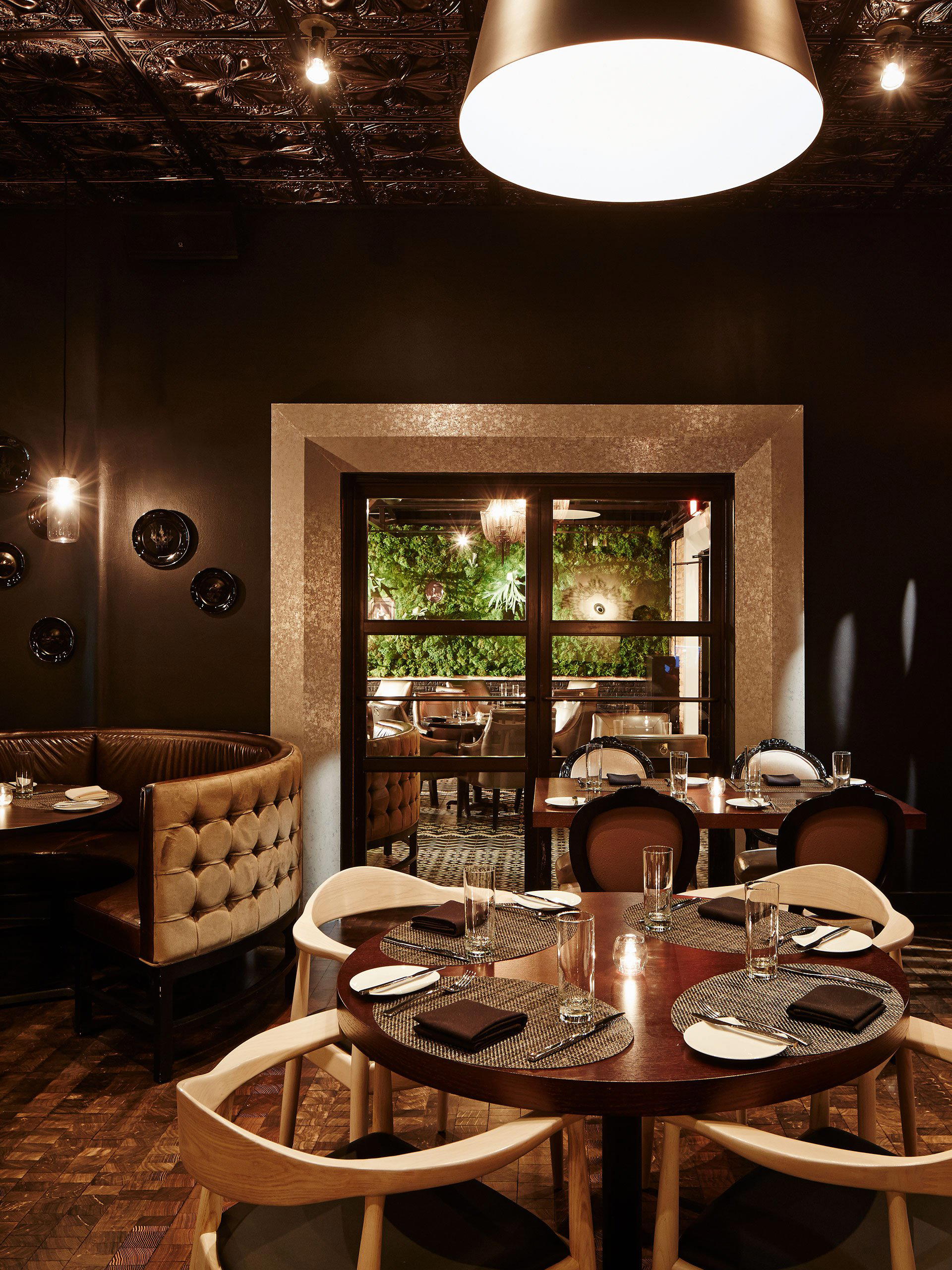
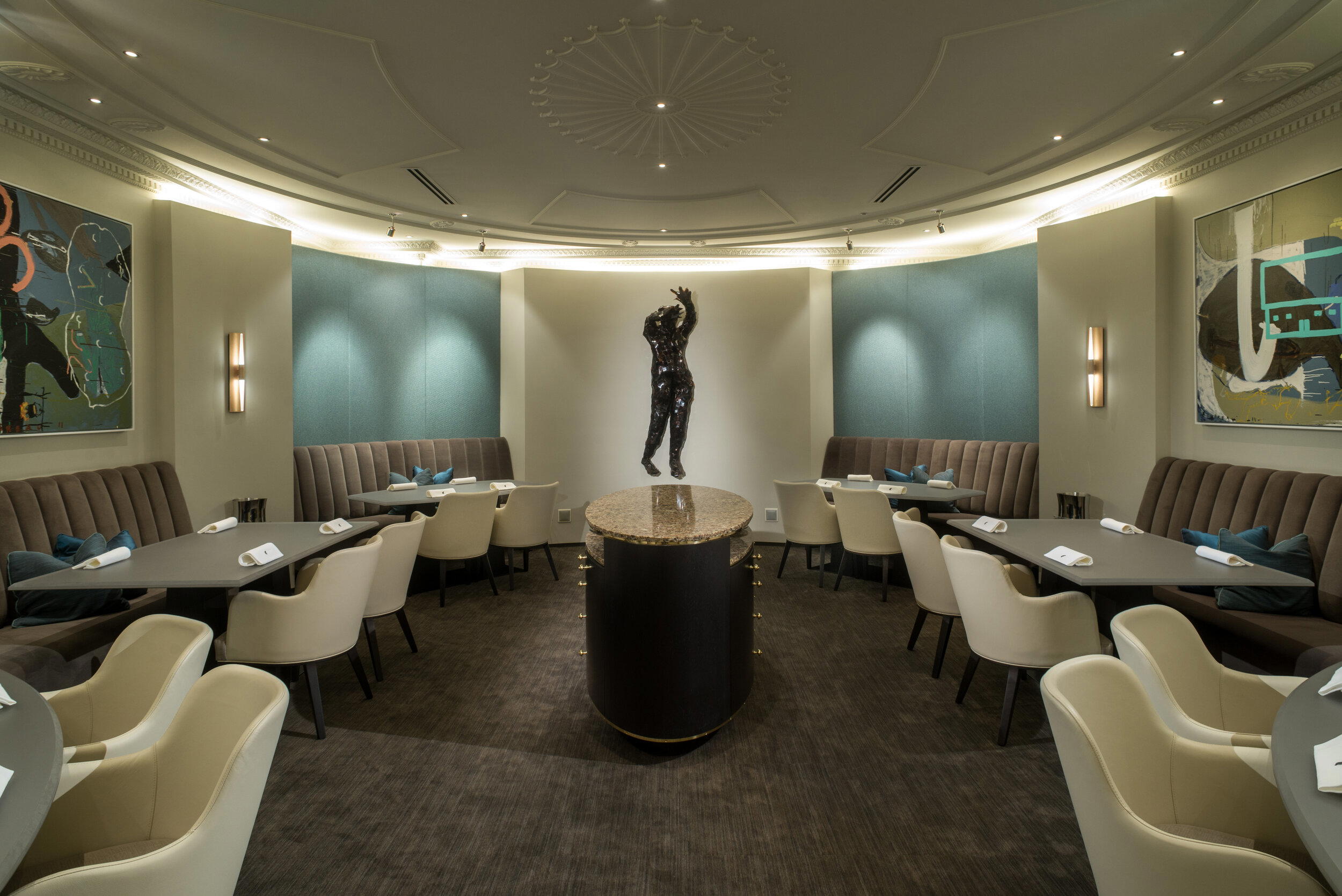
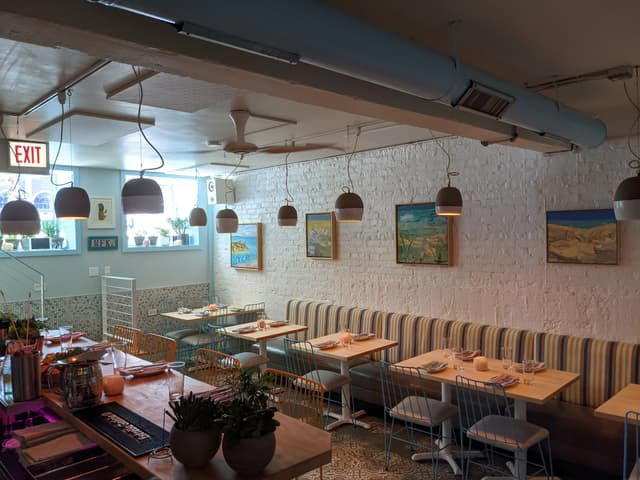
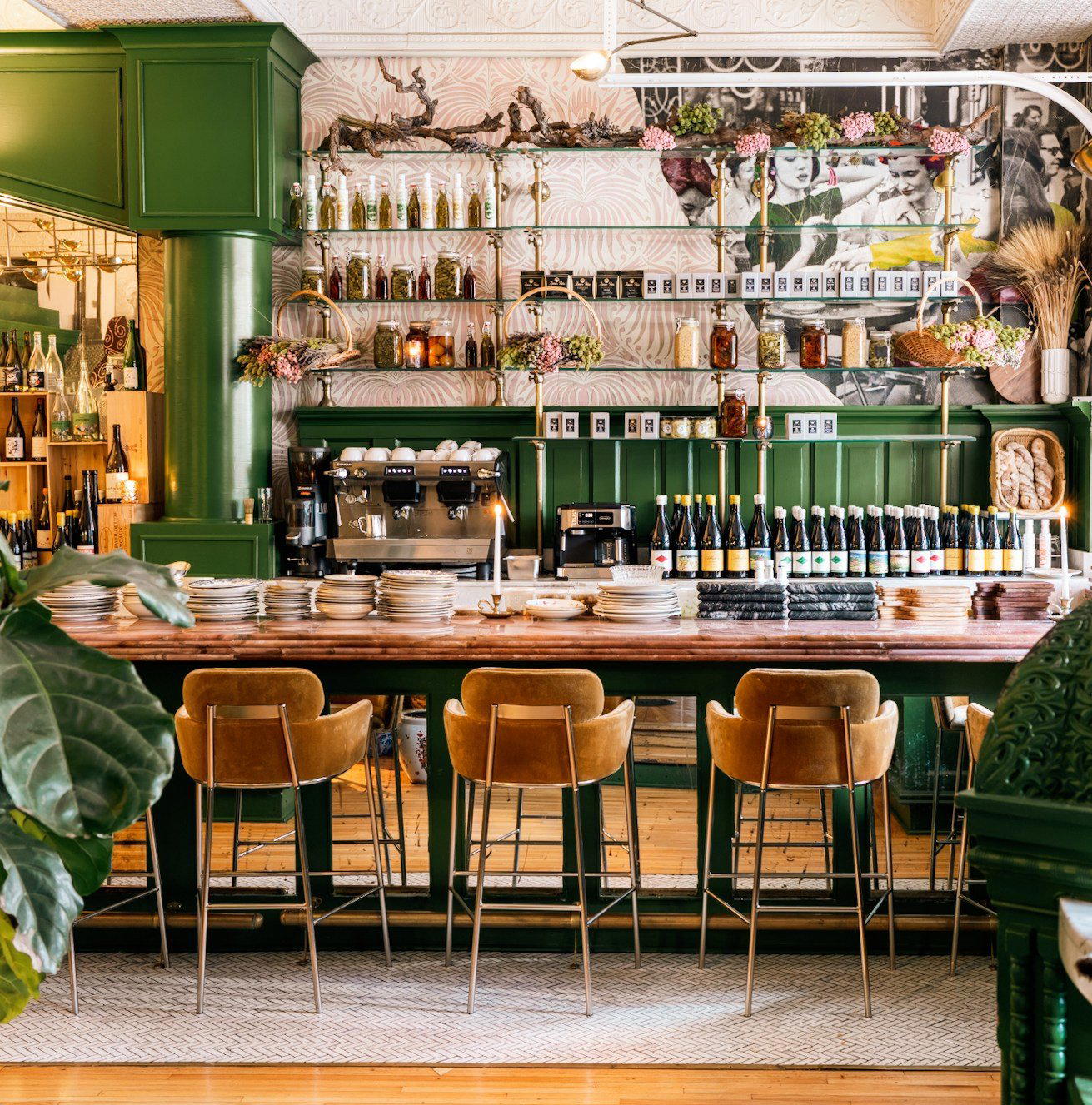
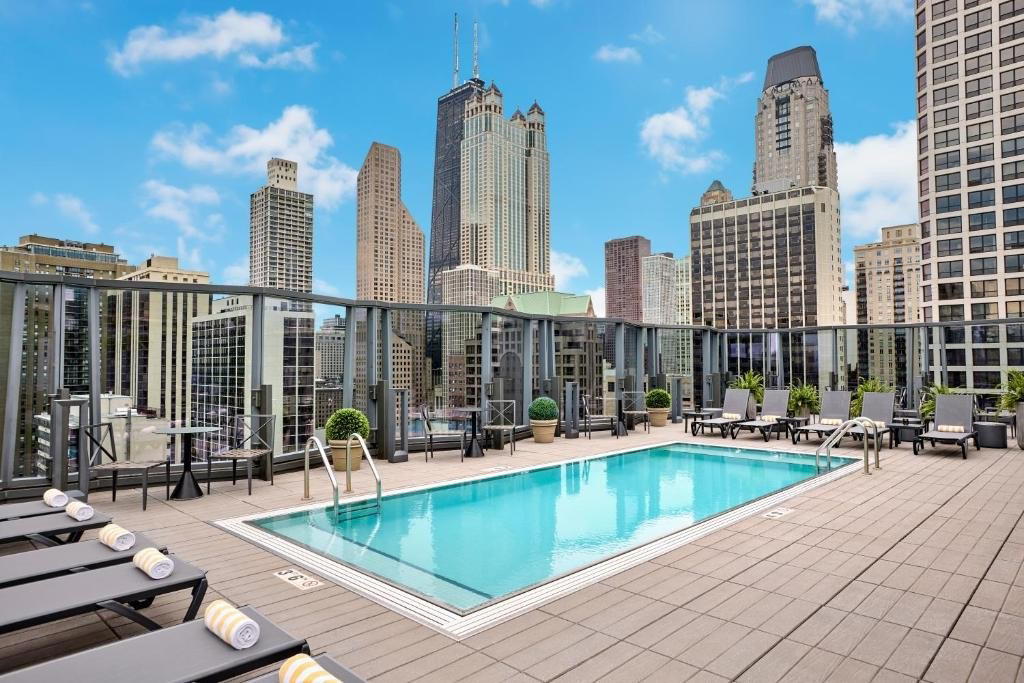
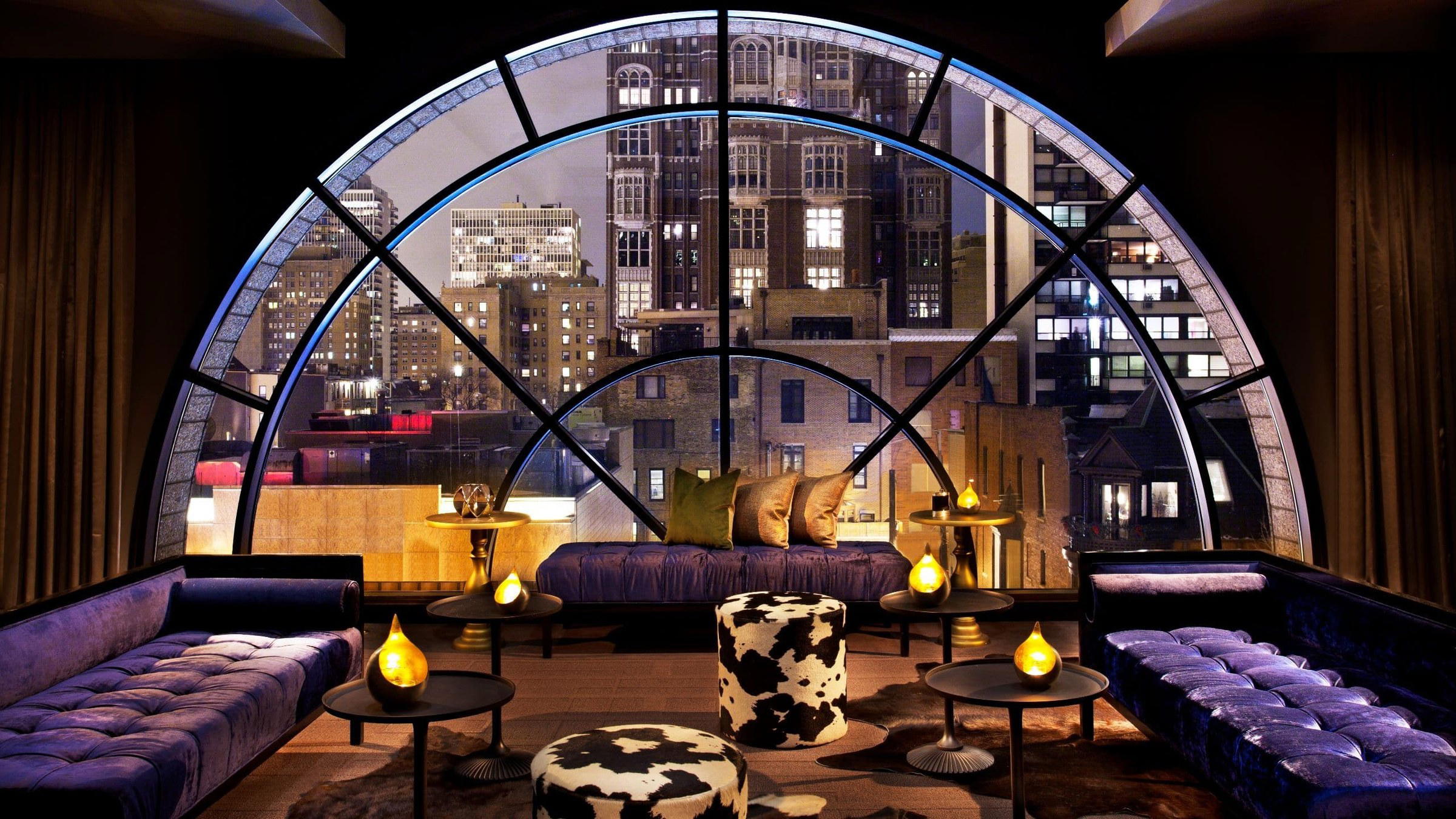
Open, airy space with sun streaming in, blending bar, cafe, and chic living room vibes in a clean, modern, sophisticated aesthetic.