Lush

Star Wine List
Our verdict
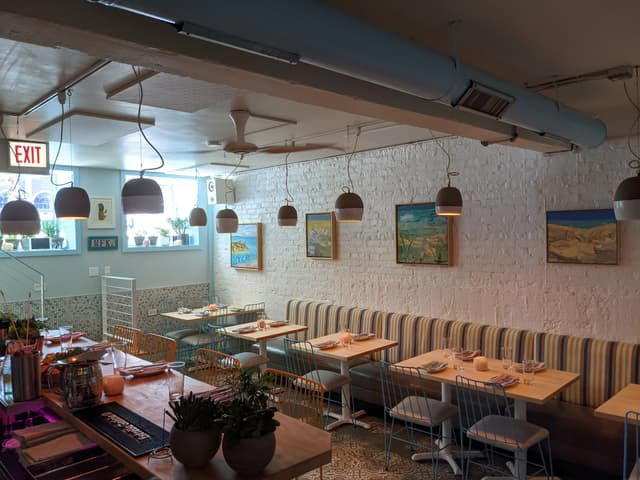
A Roscoe Village wine institution that began as a neighborhood bottle shop two decades ago, Lush has grown into a three-location tasting room, wine bar, and bistro with a loyal following. Its Roscoe Street address anchors the format: approachable wine culture with genuine depth, positioned well outside Chicago's fine-dining circuit but drawing an equally committed crowd.

Pearl is the En Primeur Club membership app — saves, bookings, and concierge access live there. Same editors, same standards.
- Address
- 2232 W Roscoe St, Chicago, IL 60618
- Phone
- (773) 281-8888
- Hours
- Mon–Thu 12–10 PMFri–Sat 12–11 PMSun 12–10 PM
- Website
- lushwineandspirits.com
- Directions
- Get directions
Roscoe Village and the Case for Neighborhood Wine Culture
Chicago's wine bar conversation tends to cluster around the River North corridor or the denser stretches of the West Loop, where bottle lists compete for attention alongside tasting menus at places like Smyth and Oriole. Roscoe Village operates on a different register entirely. The stretch of West Roscoe Street that Lush occupies is quieter, residential, and built around the kind of foot traffic that arrives by choice rather than by tourist itinerary. That context matters: the wine bar format works differently here than it does in high-density dining corridors, and Lush's two-decade presence on this block is evidence of how well it has read that difference.
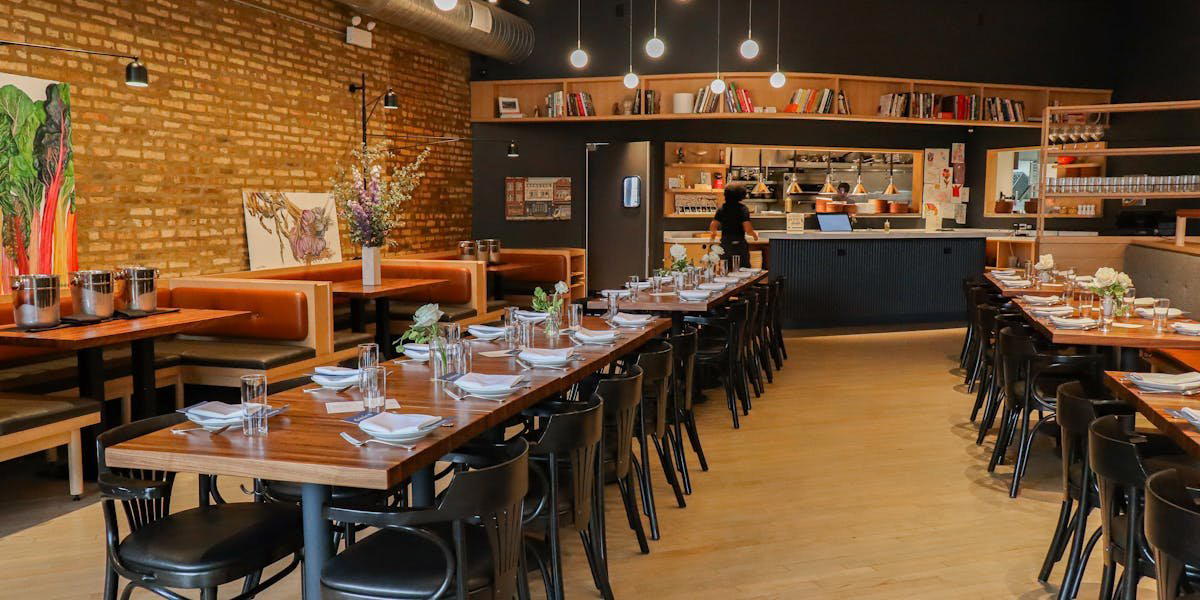
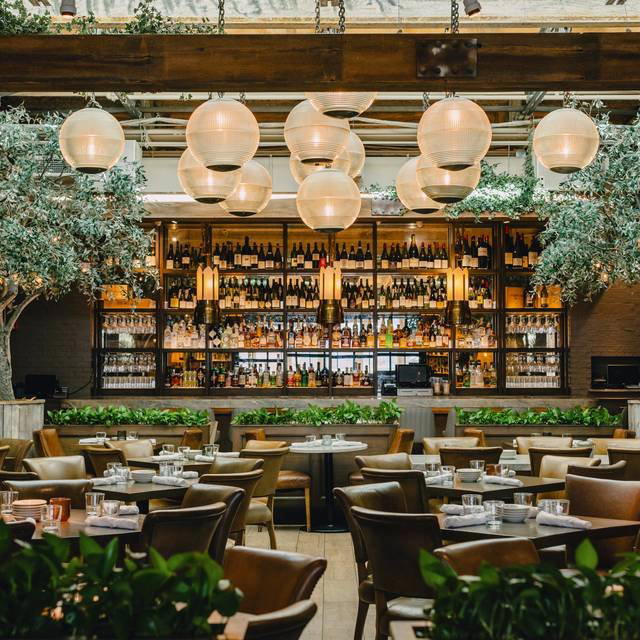
The physical approach sets expectations accurately. West Roscoe Street in this part of Chicago is the kind of block where the storefronts are narrow, the lighting is warm from a distance, and the crowd visible through the window looks less like a destination diner and more like a regular. That visual cue is not incidental. Wine shops that evolve into bars and bistros tend to carry the atmosphere of their origin format: the shelves are still present, the bottle logic is still evident, and the sense that you are in a place organized around wine as a subject rather than wine as a margin line remains intact.
Twenty Years of Format Evolution
Most wine shops in American cities stay wine shops. The ones that successfully absorb a bar and kitchen function over time are rarer, and the ones that do it across three locations while maintaining a coherent identity are rarer still. Lush began as a local bottle shop, built a following over years, and layered in the tasting room and bistro dimensions without abandoning the retail logic that gave it credibility. That sequence matters because it produces a different atmosphere than a wine bar conceived from scratch as a hospitality concept.
The distinction shows up in the way the room feels. In Chicago's higher-end tasting-menu circuit, places like Alinea, Kasama, and Next Restaurant are designed around controlled experiences, sequenced from arrival to departure. A wine shop turned bar operates on an entirely different social contract: you can linger over a glass without committing to a meal, browse bottles while deciding whether to stay, and treat the space as a reference point for what you might open at home. The atmosphere is participatory rather than theatrical.
The Sensory Register of a Bottle-Shop Bar
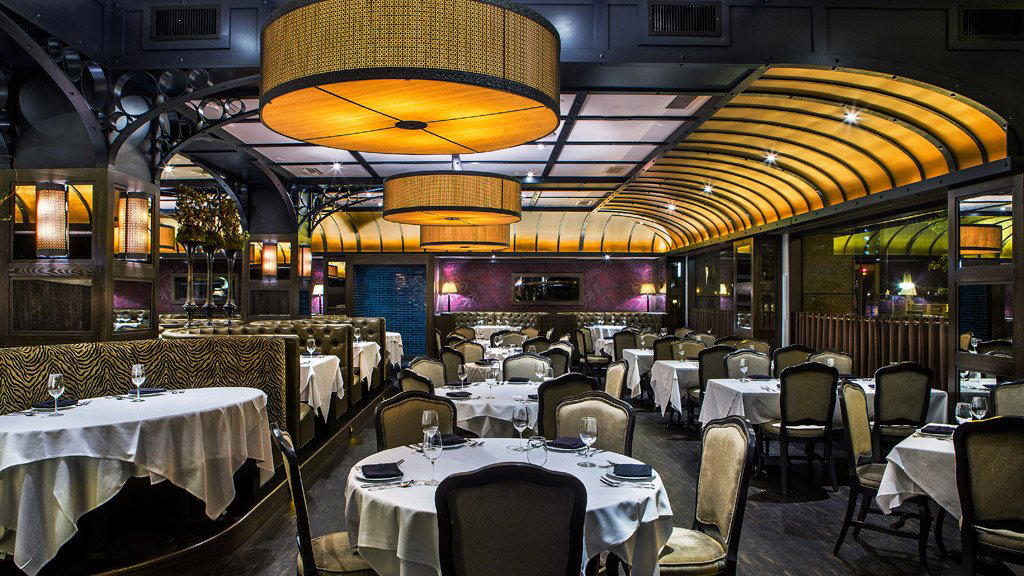
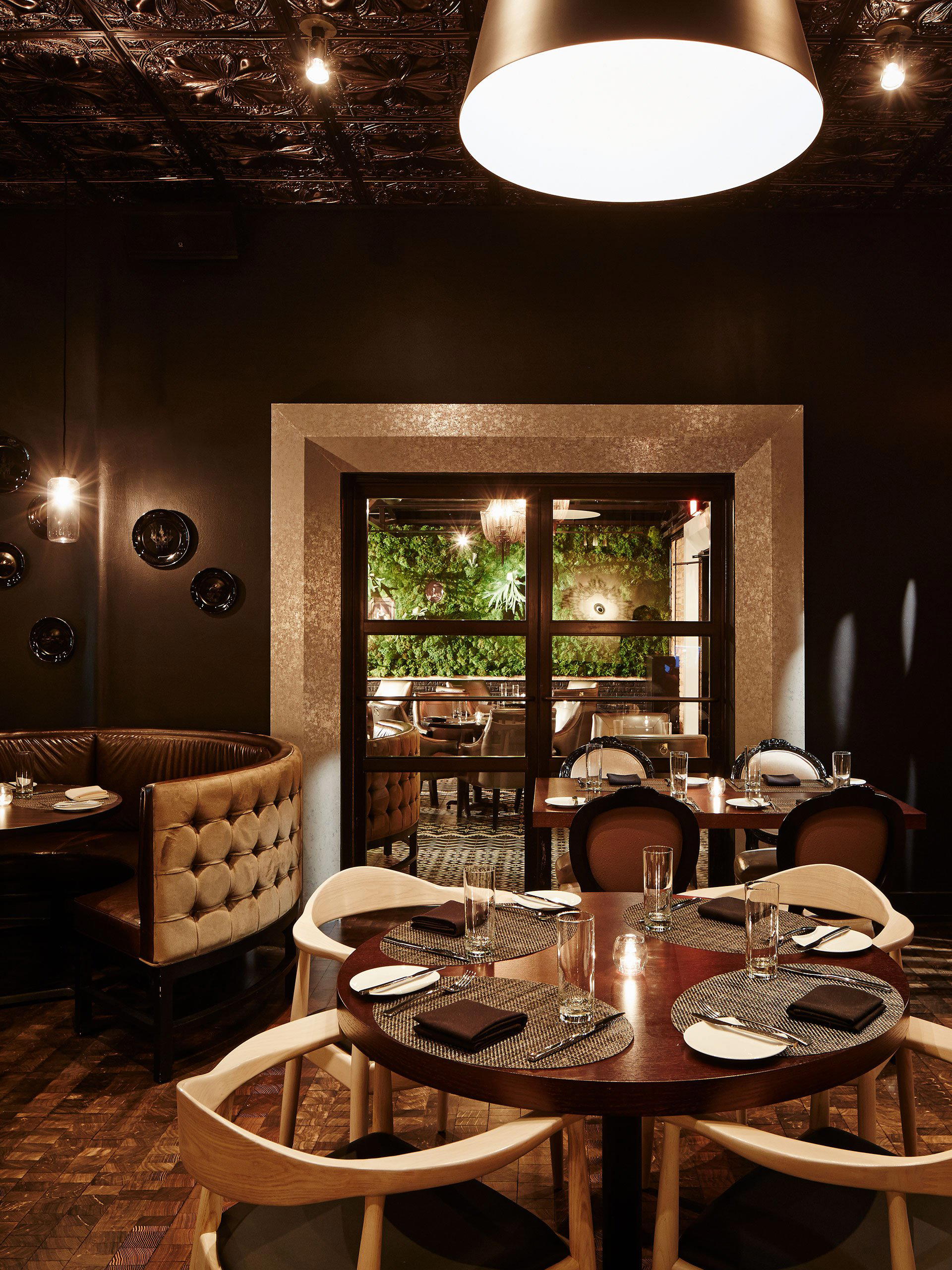
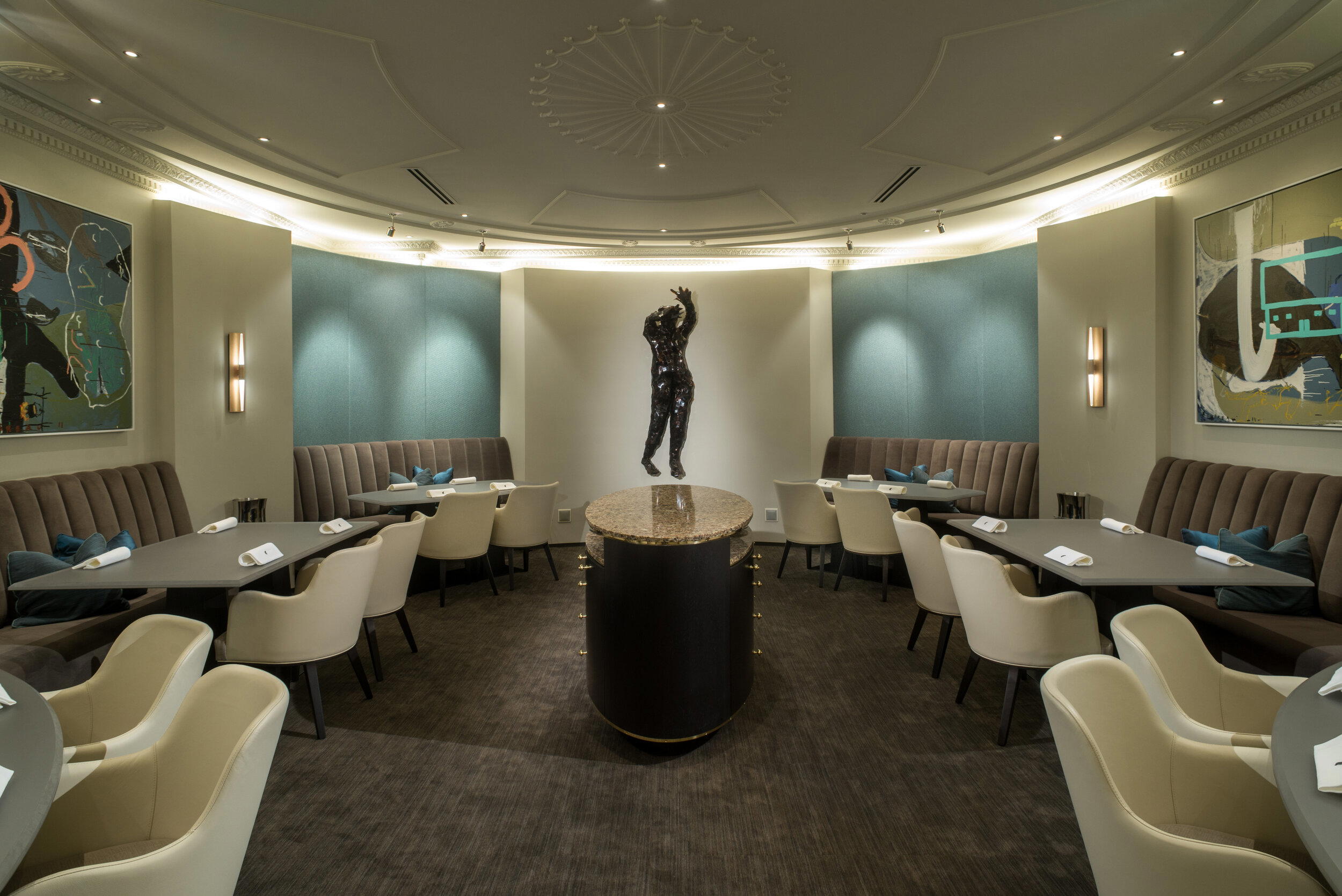
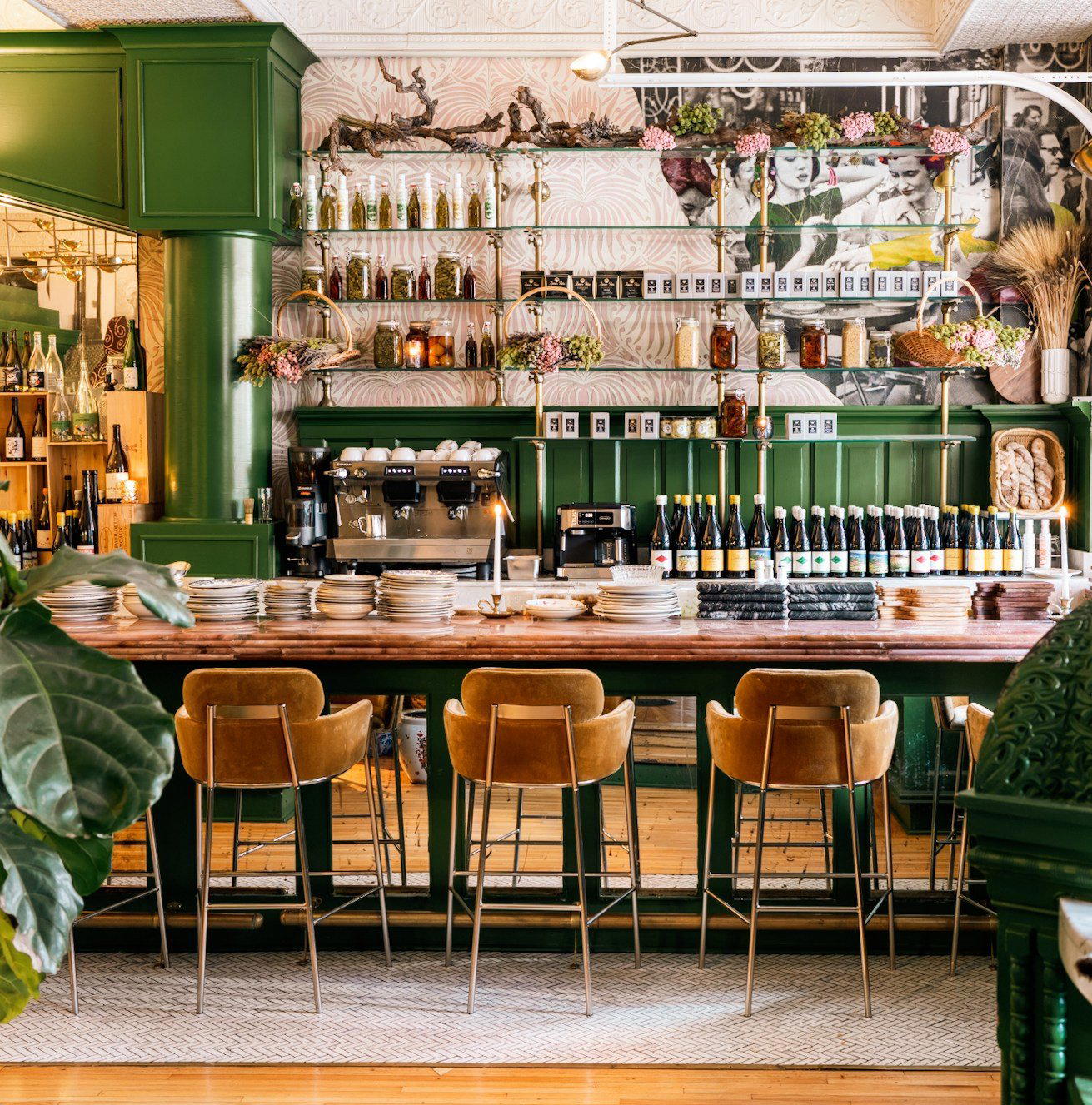
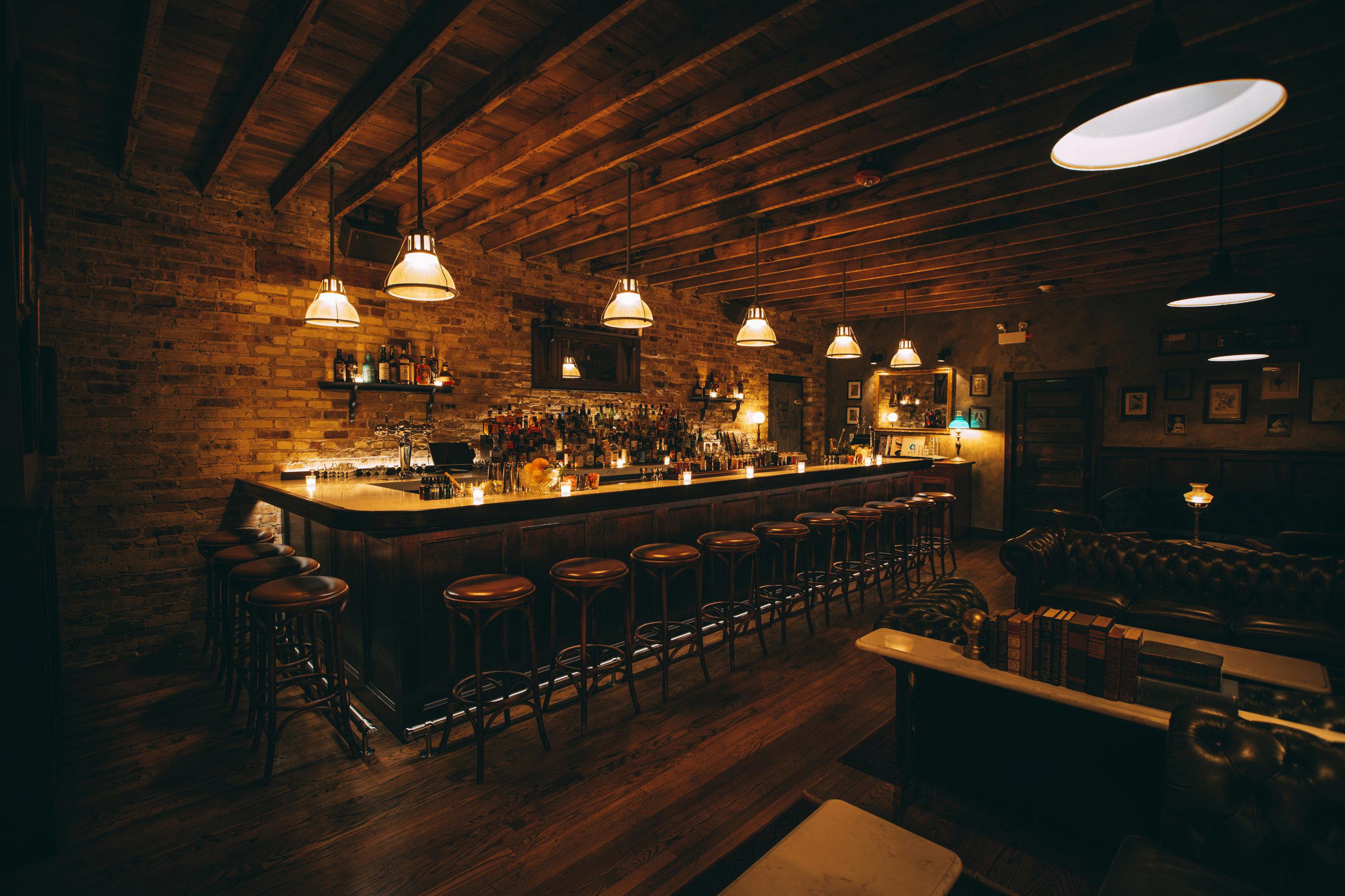
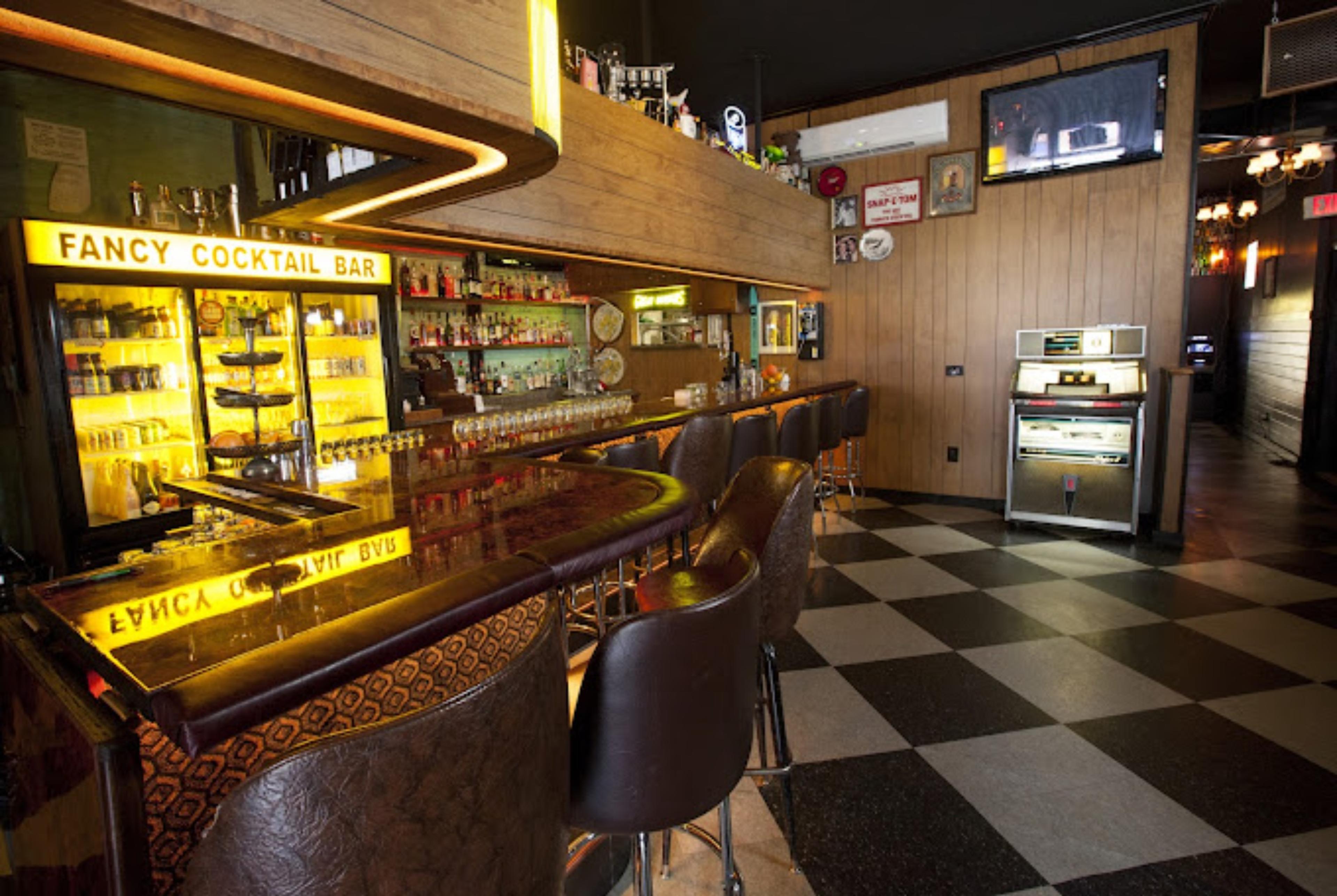
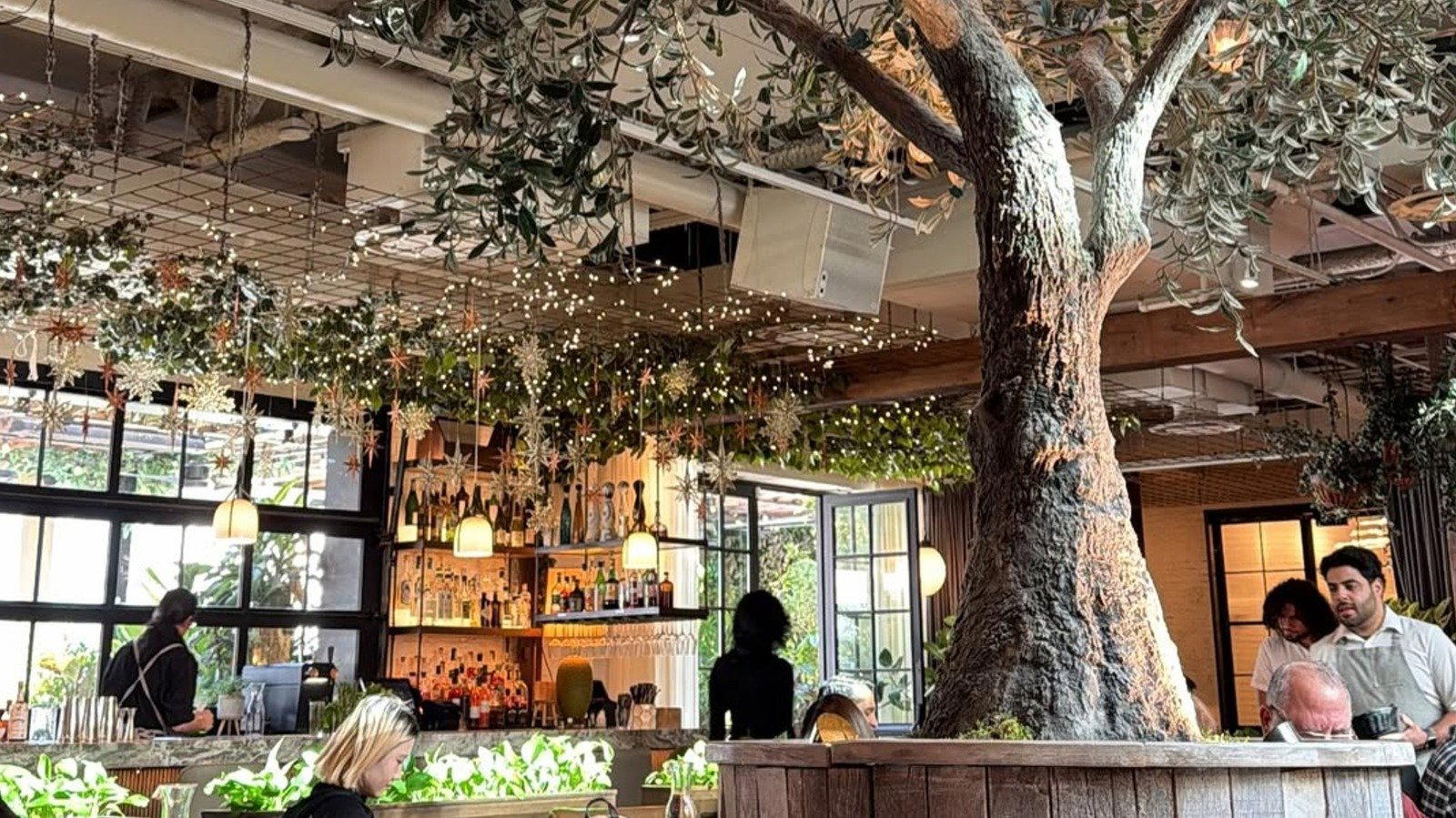
Wine shops that expand into bars carry specific sensory signatures. The smell is different from a restaurant: less kitchen, more cellar, with the low bass note of cork and glass that becomes familiar to anyone who spends time in serious bottle shops. At Lush's Roscoe Village location, the format as a tasting room means that the wine itself is the primary sensory anchor, not the food coming out of the kitchen. The sound profile reflects that: conversation-level noise, not the escalating din that full-service restaurants generate on a Friday night.
This positions Lush in a distinct tier relative to Chicago's broader wine scene. The high-end restaurant wine programs at places like Smyth or Oriole are curated to serve tasting menus; the list follows the kitchen. At a tasting-room format like Lush, the logic inverts: the food, when present, exists to support the wine. That difference is felt in the room as much as it is read on a menu.
For readers accustomed to following wine at the fine-dining level globally, whether at Le Bernardin in New York City, The French Laundry in Napa, or Alain Ducasse at Louis XV in Monte Carlo, the neighborhood wine bar format offers a deliberate decompression. The stakes are lower, the format is self-directed, and the wine is chosen for its own sake rather than in service of a larger tasting progression.
Three Locations, One Identity
Scaling a wine shop concept to three Chicago locations without losing the local-specific character is an operational challenge that most independent operators fail. The fact that Lush has maintained a devoted following across that expansion suggests the format has been consistent enough to carry the identity. The Roscoe Village address remains the anchor, partly because the neighborhood itself is coherent in a way that some of Chicago's busier dining corridors are not. It draws residents rather than destination seekers, which keeps the room's social temperature lower and the repeat-visitor rate higher.
That dynamic is worth noting for anyone planning a Chicago visit around the city's full hospitality range. Our full Chicago restaurants guide covers the spectrum from high-end tasting menus to neighborhood institutions, and Lush sits clearly in the latter category: not a destination in the way that Alinea or Kasama require advance planning, but a place with enough accumulated credibility over twenty years to anchor an evening. The Chicago bars guide and Chicago wineries guide offer adjacent context for building out a fuller itinerary around wine-focused programming in the city.
Planning a Visit
The Roscoe Village location at 2232 W Roscoe Street is accessible by the Brown Line, with the Paulina stop placing you a short walk west. As a wine bar and tasting room that evolved from a retail shop rather than a full-service restaurant, the format is more casual and self-paced than the city's reservation-driven dining circuit. Walk-ins are the norm rather than the exception here, though weekend evenings in a room of this size fill quickly. The bistro component means food is available to anchor a longer visit, but the space rewards arriving with the intention of exploring the bottle list rather than following a fixed menu. For a city stay that balances the intensity of Chicago's tasting-menu scene with something lower-key, Lush offers a twenty-year-old answer to that need. Pair it with a look at our Chicago hotels guide and experiences guide to round out the broader visit.
For readers whose wine bar reference points extend to destination formats like Single Thread Farm in Healdsburg, Lazy Bear in San Francisco, or Providence in Los Angeles, the Lush format operates at a deliberately different register: less theater, more conversation, and twenty years of neighborhood trust behind it.
Frequently asked questions
Where is Lush located?
Lush is located at 2232 W Roscoe St, Chicago, IL 60618, Chicago.
Is Lush award-winning?
Lush has received recognition including: Originally a local-darling of a wine shop started 20 years ago, Lush has since evolved into a tasting room/wine bar/bistro with three locations and a dedicated following of passionate partakers. The R....
What should I order at Lush?
Lush built its reputation as a wine shop before absorbing a bar and kitchen format over two decades, which means the bottle selection is the core draw rather than a food-led menu. The best approach is to ask staff for a pour from whatever they're currently excited about — the shop's longtime local following has shaped a culture of engaged, opinionated floor recommendations. Specific menu items aren't publicly documented, but the wine-first orientation puts bottle selections and by-the-glass pours at the center of any visit.
Can I walk in to Lush?
As a wine bar and tasting room with a dedicated local following built over 20 years, Lush can get busy without notice, particularly at the Roscoe Village location at 2232 W Roscoe St. Walk-ins are generally part of the neighborhood wine bar format, but checking ahead before a weekend visit is advisable. The Brown Line's Paulina stop puts you a short walk from the door if you're coming by transit.
Similar Picks
Comparable venues nearby, for context on price, style, and recognition.
| Venue | Cuisine | Price | Awards | Notes |
|---|---|---|---|---|
| LushThis venue — the venue you are viewing | Wine Bar Small Plates | $30–50 | Star Wine List | Not listed |
| Black Dog Gelato | Artisanal Gelato | $1–10 | Not listed | Ukrainian Village |
| Bar Siena | Modern Italian Street Food & Pizza | $30–50 | Star Wine List | West Loop Fulton Market |
| Giordanos | Chicago-Style Deep Dish Pizza | $20–30 | Not listed | Downtown / The Loop |
| KOVAL Tasting Room | Craft Distillery Cocktails & Flights | $20–30 | Not listed | Ravenswood |
| Indie Sushi Thai | Sushi Thai Fusion | $20–30 | Not listed | Edgewater |
Recognition history
Dated appearances from independent guides and award organizations, with the underlying list record or original source where available.
Star Wine List
Star Wine List