Prost
On Lincoln Avenue in Lincoln Park, Prost occupies a stretch of Chicago's North Side where German-inflected drinking culture has held its ground against waves of craft-cocktail and wine-bar openings. The room rewards those who come with patience for the format and an appreciation for the kind of hospitality that treats the bar as a communal table rather than a service counter.
Pearl is the En Primeur Club membership app — saves, bookings, and concierge access live there. Same editors, same standards.
- Address
- 2566 N Lincoln Ave, Chicago, IL 60614
- Phone
- +17738809900
- Website
- prostchi.com
- Directions
- Get directions
 Saves & bookings on Pearl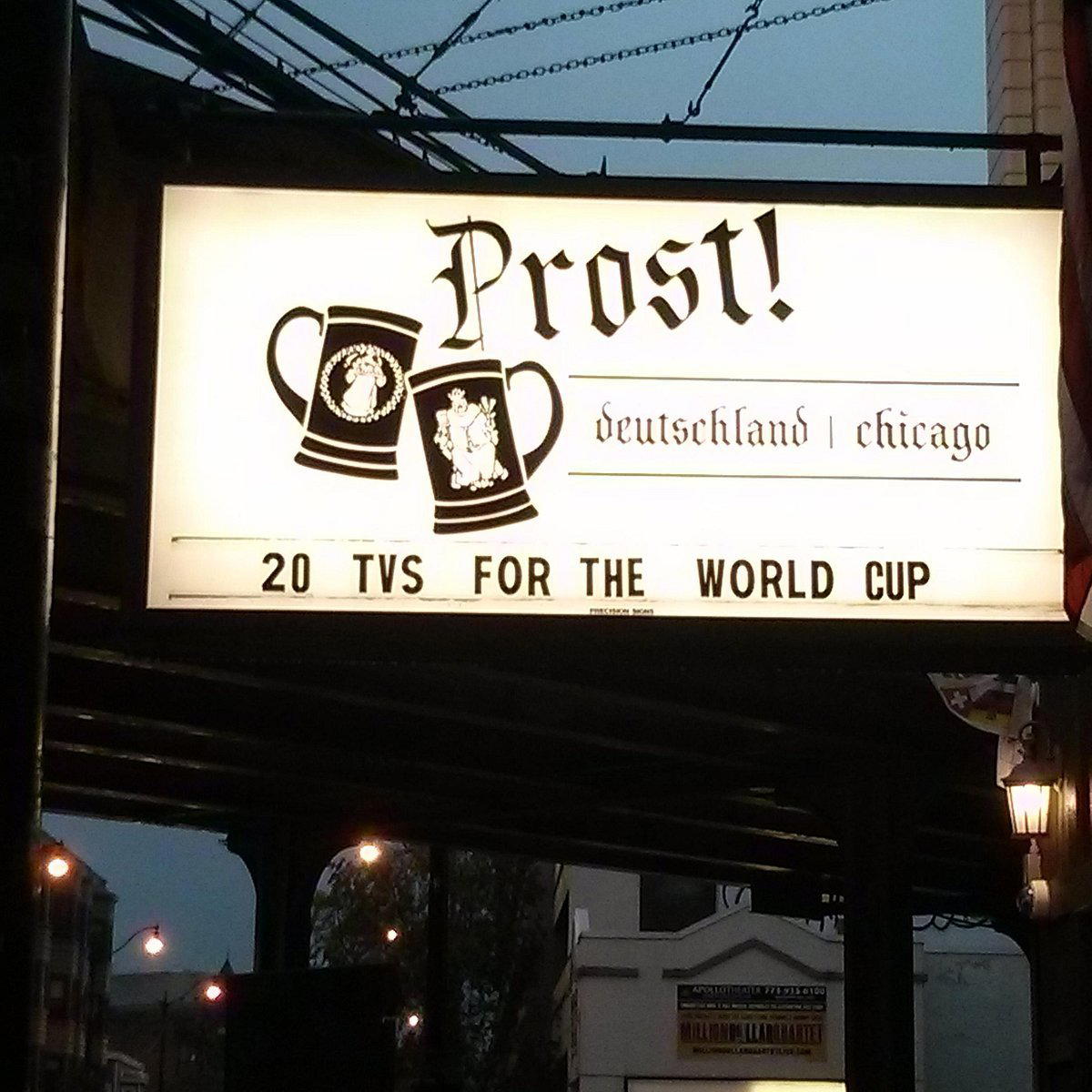
Lincoln Park's German-Inflected Bar Scene, and Where Prost Sits Within It
Lincoln Avenue in Lincoln Park has always been a working street for bars rather than a destination for them. The stretch around 2566 N Lincoln Ave sits in a neighbourhood where the drinking culture skews convivial over curated, and where longevity tends to count for more than concept. Chicago's North Side has historically supported a category of bar that European cities would recognise immediately: the beer-forward, communal-table format where the drink is secondary to the gathering and the staff are expected to manage tempo as much as orders. Prost operates inside that tradition, and understanding it requires understanding the tradition first.
German-American bar culture in Chicago has roots that stretch back to the mid-nineteenth century, when the city's large German immigrant population built neighbourhood institutions around lager, schnapps, and the kind of unself-conscious sociability that didn't require a concept to justify itself. The contemporary version of that format has survived in pockets across the North Side, competing in recent years with the broader Chicago restaurant and bar scene that now includes destination-level tasting menus at places like Alinea and ambitious contemporary programmes at Smyth and Oriole.
The Room and What It Signals
The physical experience of approaching a bar on Lincoln Avenue in Lincoln Park carries specific cues: the sound before the door opens, the light level visible through the window, the ratio of standing to seated guests. These details communicate more about a room's actual character than any description of its interior design. At the German beer-hall format, the tell is usually the table size, the presence or absence of communal seating, and whether the bar itself is the social centre or merely the operational one.
Bars operating in this format across Chicago and comparable American cities tend to organise the room around throughput and conversation simultaneously, which creates a different kind of front-of-house dynamic than a fine-dining counter or a craft cocktail bar. The staff are managing a communal social environment, not a sequence of individual experiences. That distinction matters when assessing what a visit here actually involves.
The Team Dynamic in a Communal Bar Format
The editorial angle most useful for understanding what separates competent German-format bars from genuinely good ones is not the beer list or the food programme in isolation. It is the relationship between whoever is running the floor, whoever is sourcing and maintaining the draft programme, and the kitchen, if one exists. In a format where the social atmosphere is the product, those three functions need to be calibrated against each other with more precision than they do at a venue where the food carries the experience on its own.
At bars in this category across cities like Chicago, New York, and San Francisco, the operations that hold up over time tend to be the ones where front-of-house staff understand the beer programme at a structural level and can guide guests through it without turning the conversation into a lecture. The difference between a server who knows that a Märzen is malt-forward and sessionable and one who can explain why it pairs better with a pretzels-and-cheese plate than with something acidic is the difference between transactional service and actual hospitality. American cities have produced their own versions of this calibration at places as varied as Lazy Bear in San Francisco, where the communal format is applied to a fine-dining context, and the model operates at a completely different price point and ambition level, but the underlying principle of staff-as-host rather than staff-as-server applies across formats.
For context on what genuine collaboration between kitchen and floor looks like at the summit end of the American market, it is worth noting that Kasama, also in Chicago, has built its reputation in part on that integration.
Seasonal Considerations for a Beer-Forward Format
German brewing tradition is more seasonally structured than most American drinking culture acknowledges. The Märzen was historically brewed in March and lagered through summer for release in autumn. Bock styles track the liturgical calendar in ways that most contemporary bar programmes have abandoned. A bar operating seriously within the German format should, at minimum, rotate its tap list with the season, and the leading operators in this category treat the autumn transition from summer lagers to Oktoberfest-adjacent malt-forward pours as a shift worth communicating to regulars.
Chicago's weather adds a specific seasonal argument for the format. Winter on the North Side creates natural demand for the warming, higher-alcohol styles that the German tradition handles better than most. The summer months, by contrast, favour the lighter, more carbonated expressions. Comparable seasonal calibration is visible at operations like Single Thread Farm in Healdsburg and Blue Hill at Stone Barns in Tarrytown, where the seasonal calendar is the programme, though those operate at a price point and formality level that Prost does not approach.
Placing Prost in the Chicago Bar comparable set
Chicago's bar scene at the premium end now includes serious cocktail programmes, ambitious natural wine lists, and Japanese whisky collections that would not look out of place in Tokyo. That tier sits alongside, not above, the neighbourhood beer-hall format. The two do not compete directly because they are solving for different evenings. A guest choosing between Prost and a craft cocktail bar on the same block is not making a quality judgment; they are making a format choice.
The comparison venues most relevant to Prost's positioning are not the tasting-menu restaurants or destination cocktail bars that make Chicago's national reputation. They are the other German-format bars across the North Side and comparable operations in cities with similar Central European hospitality traditions.
Peers Worth Knowing
Comparable venues nearby, for context on price, style, and recognition.
| Venue | Cuisine | Price | Notes |
|---|---|---|---|
| ProstThis venue — the venue you are viewing | Traditional German Beer Hall | $$ | Not listed |
| Pop Up Bagels | Artisan Bagels & Schmears | $$ | Lincoln Park |
| Sapori Trattoria | Traditional Italian Trattoria | $$ | Lincoln Park |
| La Crosta Woodfire Pizzeria Italiana | Authentic Italian Woodfire Pizza | $$ | Lincoln Park |
| Trattoria Gianni | Regional Italian Trattoria | $$ | Lincoln Park |
| yogaview Chicago | Organic Wellness Grab-and-Go | $$ | Bucktown |

At a Glance
- Lively
- Rustic
- Classic
- Casual Hangout
- Group Dining
- After Work
- Standalone
- Beer Program
Current opening hours
- Monday
- 11:30 AM–10 PM
- Tuesday
- 11:30 AM–10 PM
- Wednesday
- 11:30 AM–10 PM
- Thursday
- 11:30 AM–10 PM
- Friday
- 11:30 AM–1 AM
- Saturday
- 11:30 AM–1 AM
- Sunday
- 11:30 AM–9:30 PM
Hours can change for holidays and private events. Last verified .
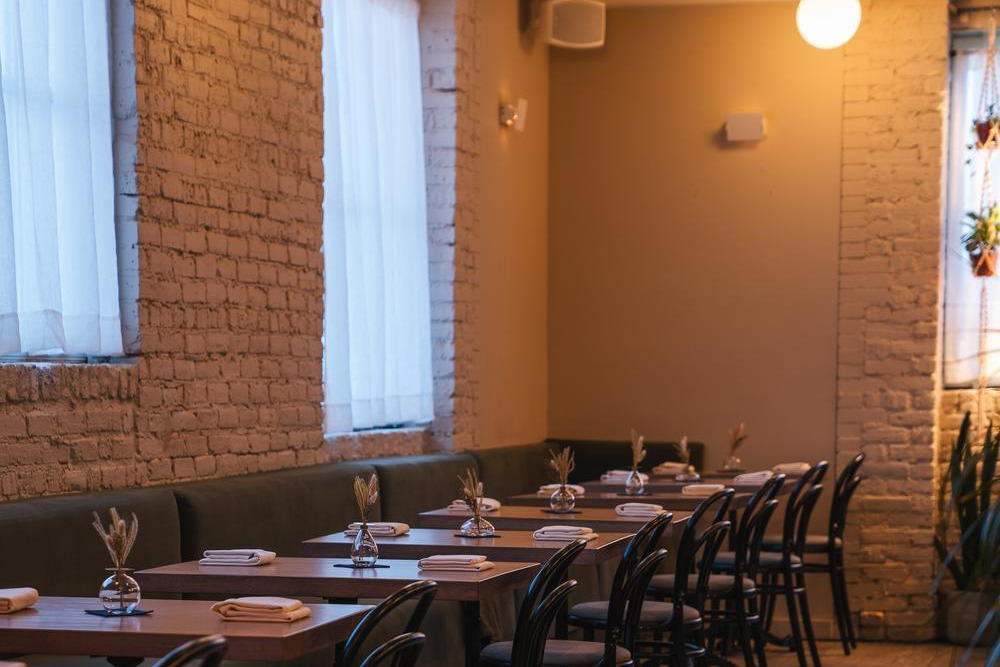
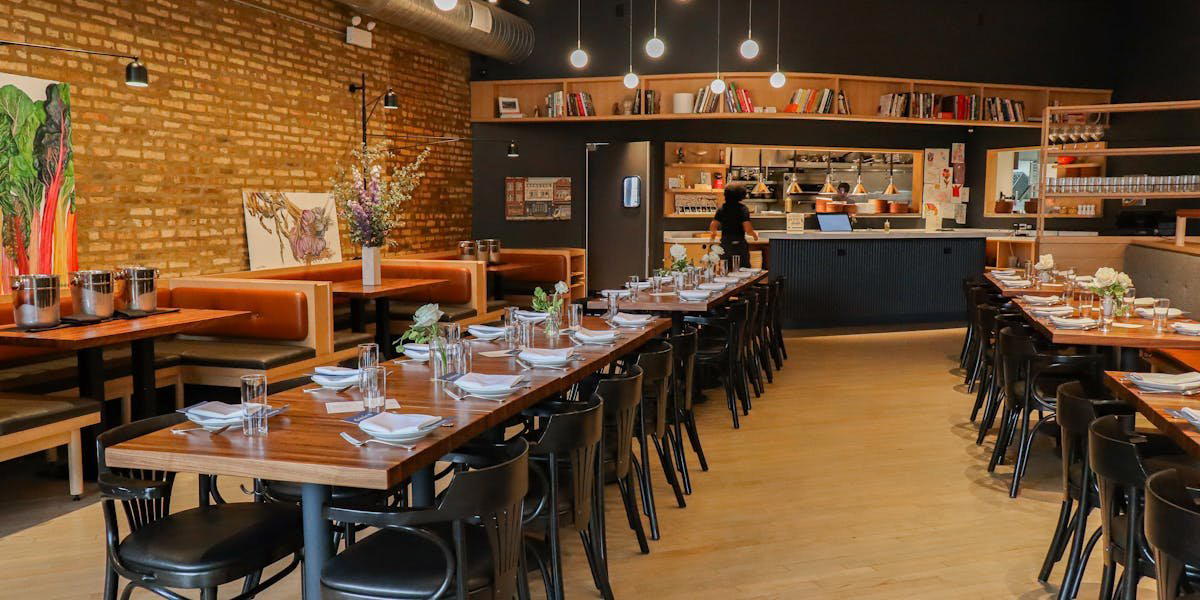
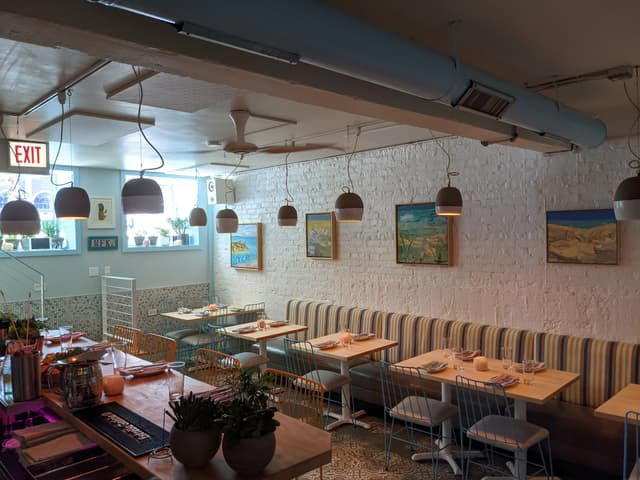
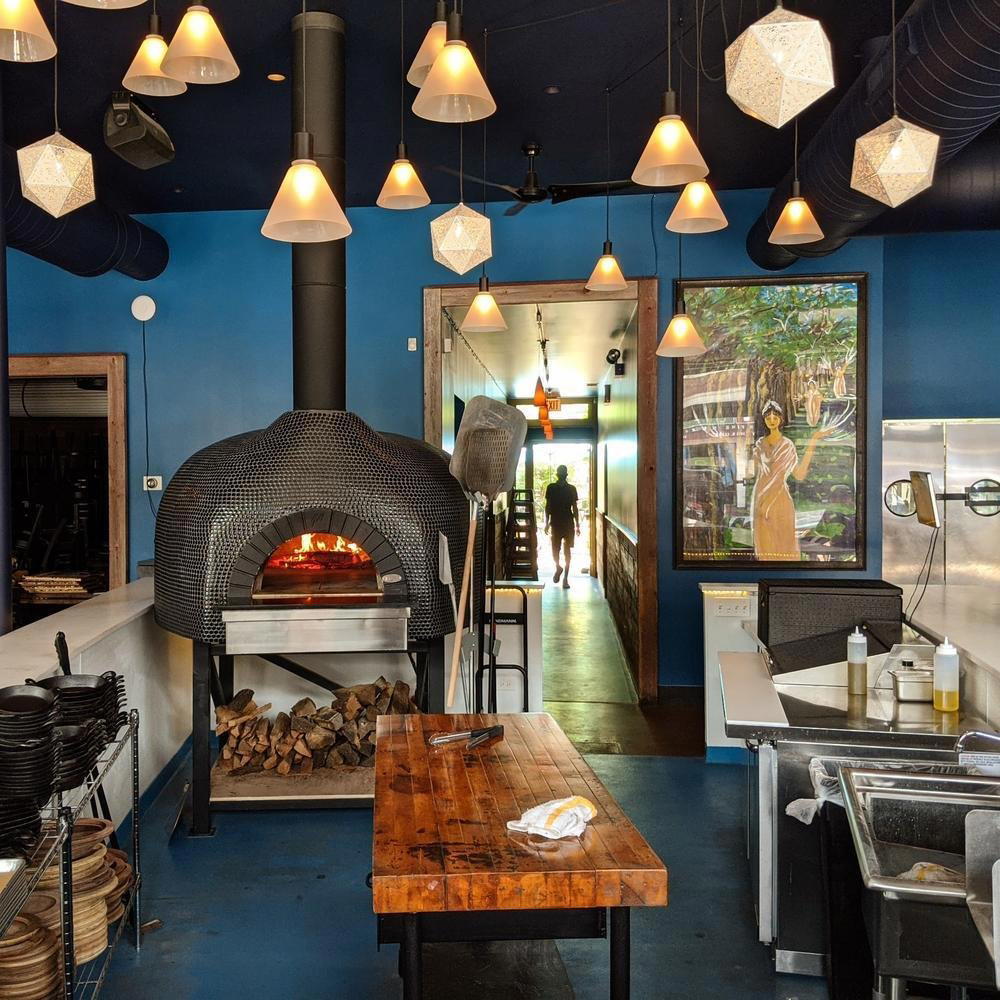
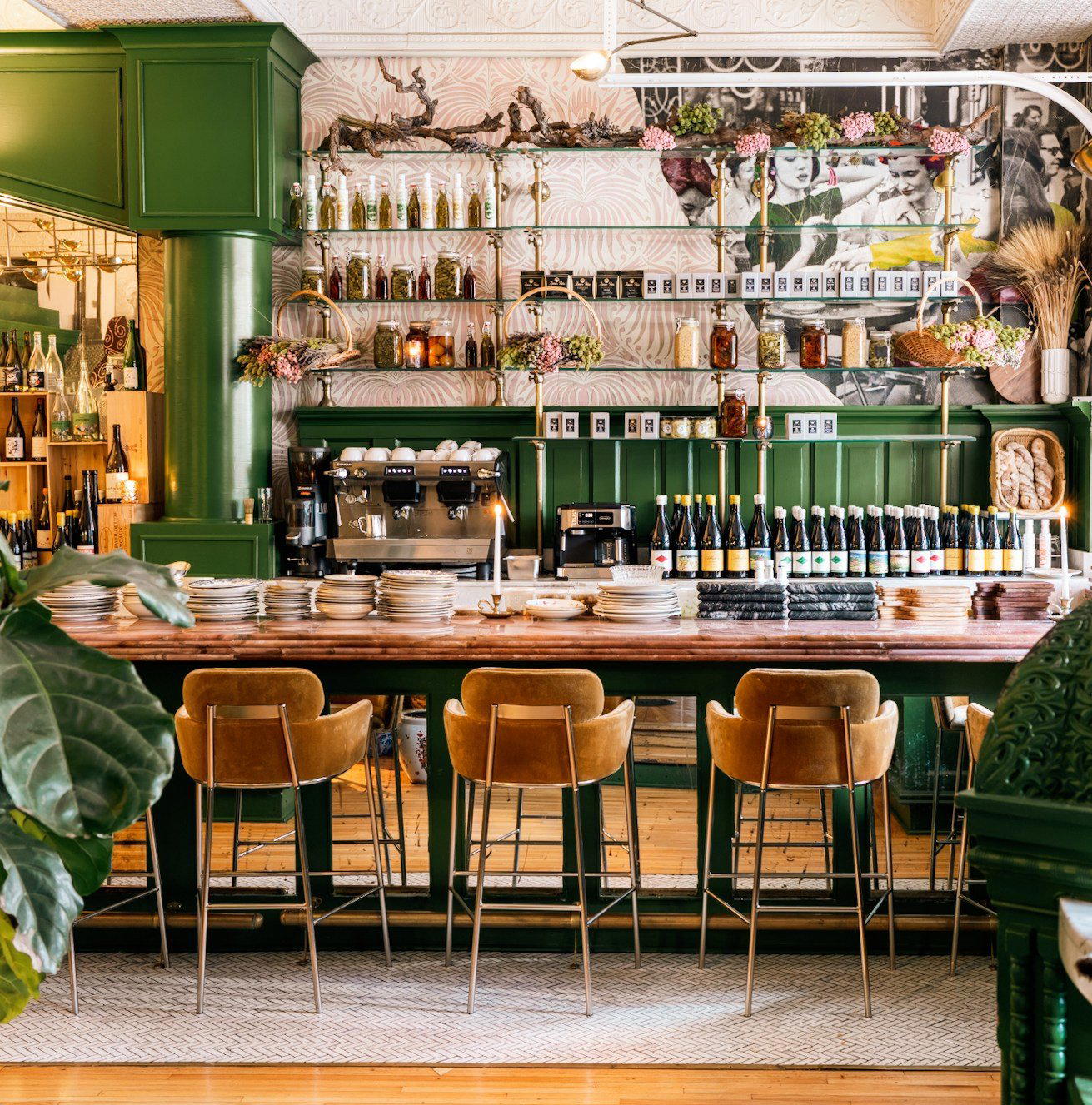
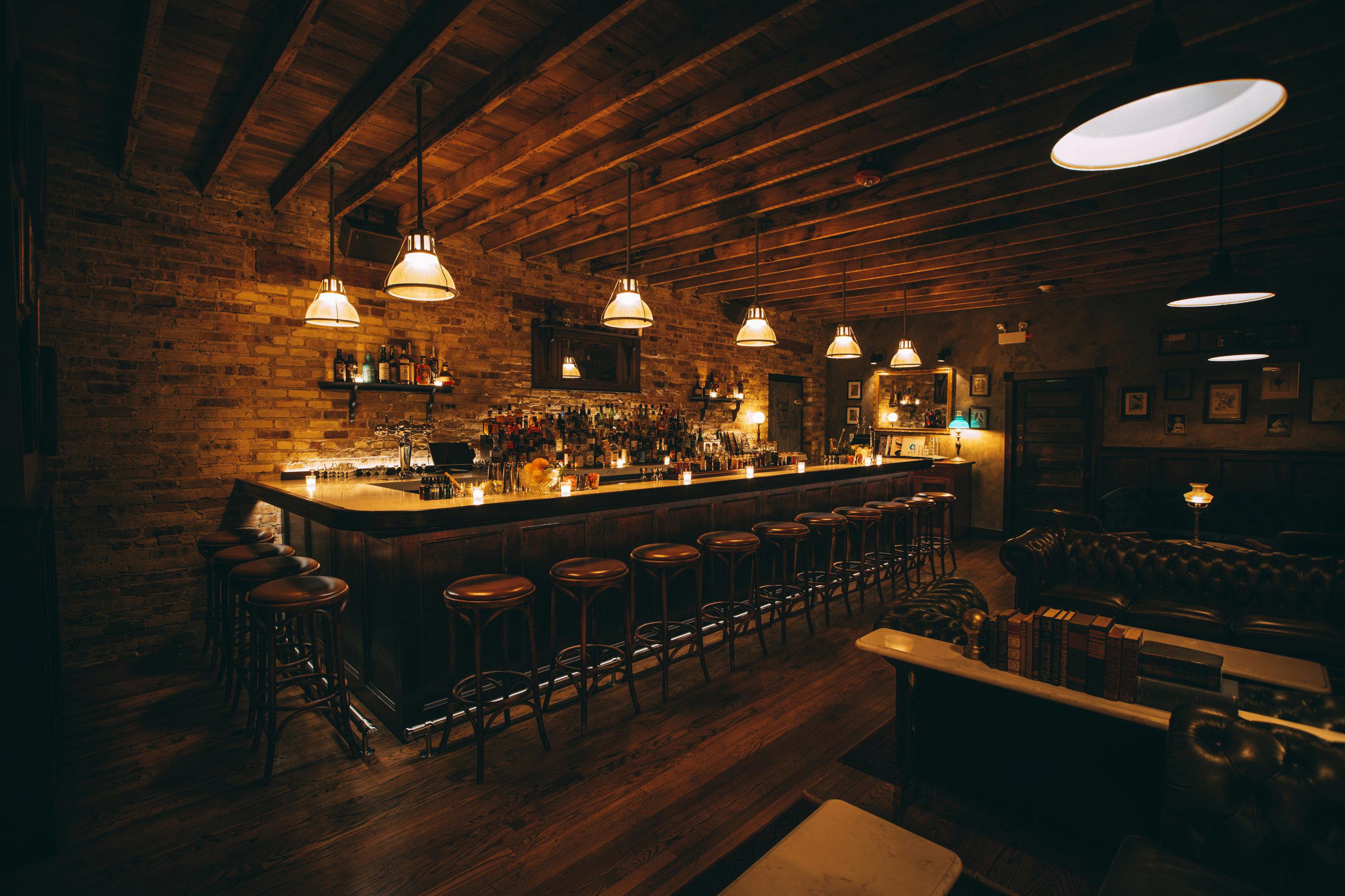
Rustic beer hall with long communal tables and benches, decorated with German architectural details, featuring multiple TV screens; lively and noisy environment reminiscent of traditional German beer halls.