Ambar Chicago
Ambar Chicago occupies a River North address at 700 N Clark St, bringing the Balkan-inflected unlimited small plates format that made the original Washington D.C. location a recurring reservation to the Midwest. The format rewards unhurried grazing, and the mood shifts noticeably between a relaxed lunch pace and a fuller, more social evening service. For Chicago diners who follow the city's broader drift toward shared-plate dining, Ambar reads as a calibrated regional import.
Pearl is the En Primeur Club membership app — saves, bookings, and concierge access live there. Same editors, same standards.
- Address
- 700 N Clark St, Chicago, IL 60654
- Phone
- +13125471700
- Website
- ambarrestaurant.com
- Directions
- Get directions
 Saves & bookings on Pearl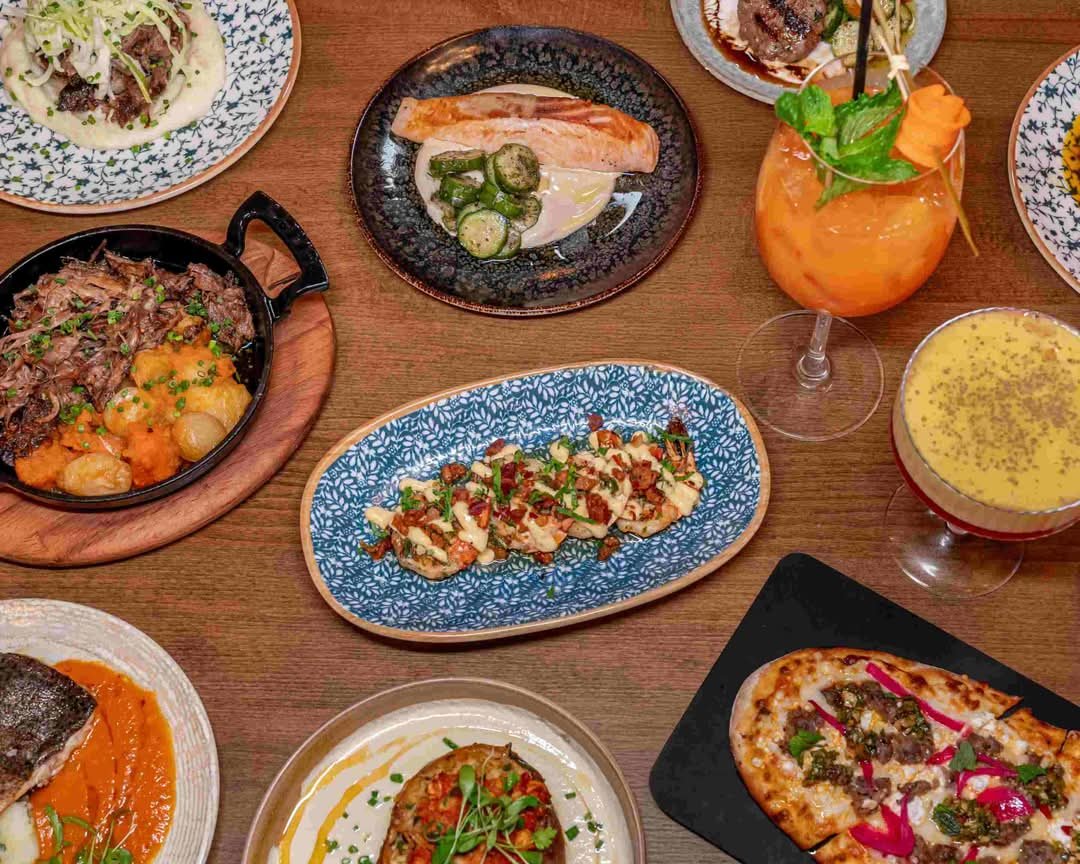
River North and the Shared-Plate Shift
Chicago's River North corridor has, over the past decade, become one of the city's most contested dining blocks, dense with options, competitive on price, and increasingly populated by concepts that travel well from other cities. The shared-plate format, once dominated by Spanish-inflected tapas bars, has broadened considerably. Balkan and Eastern European cuisine now occupy a more visible tier in that conversation, partly because the flavors translate well to communal eating and partly because the format allows kitchens to showcase range without committing diners to a single protein or preparation. Ambar Chicago, at 700 N Clark St, is a Modern Balkan Small Plates restaurant in Chicago.
The River North location places it within easy reach of the Loop and the North Side neighborhoods, and it sits in proximity to some of the city's more formally ambitious tables. Alinea, Smyth, and Oriole represent the upper tier of Chicago's progressive American canon, where tasting menus run long and reservations require planning months in advance. Ambar operates in a different register entirely, the unlimited small plates model is inherently more democratic, built for groups who want to eat broadly rather than follow a prescribed sequence. That distinction matters when reading the room at either lunch or dinner.
What the Format Actually Means at the Table
The unlimited small plates model has a specific logic that is worth understanding before you arrive. Unlike a prix fixe tasting, where pacing is controlled by the kitchen, or à la carte dining, where the check climbs dish by dish, Ambar's format puts the rhythm in the diner's hands. You order repeatedly from a rotating selection of Balkan-inspired plates, think grilled meats, slow-cooked stews, cheese boards, and vegetable preparations drawn from Serbian, Bosnian, and broader Eastern European traditions, and the kitchen keeps the food moving as long as you keep ordering. The appeal is both practical (the per-person price is fixed, regardless of appetite) and social (the table becomes a shared project rather than a series of individual orders).
Chicago has a precedent for this kind of format succeeding. Kasama demonstrated that non-Western culinary traditions, presented with confidence and without heavy translation, can find a serious audience in this city. Ambar's contribution to that conversation is less about invention and more about execution: a cuisine with genuine regional depth, delivered in a structure that encourages curiosity.
Lunch Versus Dinner: A Meaningful Divide
The lunch-to-dinner shift at a restaurant like Ambar is more pronounced than it might be at a traditional à la carte table. At midday, the unlimited format functions almost as a deliberate counterweight to the hurried business lunch. The room is quieter, the pacing more exploratory, and the value proposition is harder to beat in a neighborhood where individual entrées at comparable addresses can approach or exceed the Ambar fixed price on their own. Lunch here reads as an occasion to eat well without the performance pressure that sometimes accompanies evening dining in River North.
Dinner service shifts the register. The room fills, the noise level rises, and the communal format becomes more social in character, better suited to groups who are as interested in the conversation as the cooking. This is not a criticism. The Balkan tradition of long, unhurried meals shared across a table is encoded in the food itself, and evening service at Ambar honors that tradition more openly than a compressed lunch sitting can. If you are planning a group dinner and comparing it against a fixed tasting format at somewhere like Smyth or a high-commitment omakase, the calculus is direct: Ambar prioritizes breadth and conviviality over singularity and precision.
The underlying shift in atmosphere and intent is comparable.
The Balkan Culinary Tradition Behind the Menu
Balkan cuisine remains genuinely underrepresented in most American cities relative to its depth. The region's cooking is built around slow-cooked meats, fermented dairy, charcoal grilling, and seasonal vegetable preparations that have more in common with the Eastern Mediterranean than with Western European traditions. At its core, it is peasant food that aged well, dishes developed for long winters, communal gatherings, and economies of preservation. That heritage makes it particularly well-suited to the shared-plate format, because the cooking was never designed for individual portions in the first place.
The comparison that comes to mind when thinking about restaurants doing justice to a regional tradition outside its home geography is broad. Atomix in New York City has made a case for Korean fine dining as a serious competitive category. Kasama has done something similar for Filipino cuisine in Chicago. Ambar's project is less about fine-dining elevation and more about fidelity, bringing the actual flavors and textures of Balkan home cooking to a room that can hold a hundred people and turn tables without losing the food's character.
Planning Your Visit
Ambar Chicago is located at 700 N Clark St in River North, a neighborhood well-served by public transit and within walking distance of several major hotels. The unlimited small plates format works well when the table commits to it fully, arriving hungry and planning to stay for at least ninety minutes gives the format room to breathe. Reservations are advisable for evening service, particularly on weekends, when River North dining traffic is at its peak. Lunch on a weekday offers one relaxed entry point, with shorter waits and a slower pace that suits solo diners and pairs as well as groups.
Those planning a longer trip might compare the Ambar format against progressive American tables like Oriole or farm-to-table approaches seen at Blue Hill at Stone Barns in Tarrytown, Single Thread Farm in Healdsburg, or Lazy Bear in San Francisco. Elsewhere, Frasca Food and Wine in Boulder, Providence in Los Angeles, Addison in San Diego, Emeril's in New Orleans, The Inn at Little Washington, and Atelier Moessmer Norbert Niederkofler in Brunico each represent a different interpretation of what a committed, format-driven dining experience can be.
Comparison Snapshot
Comparable venues nearby, for context on price, style, and recognition.
| Venue | Cuisine | Price | Notes |
|---|---|---|---|
| Ambar ChicagoThis venue — the venue you are viewing | Modern Balkan Small Plates | $$ | Not listed |
| KOVAL Tasting Room | Craft Distillery Cocktails & Flights | $$ | Ravenswood |
| Kafe Mera | Vintage Cafe | $$ | Chicago |
| Del Sur Bakery | Filipino-Inspired Bakery | $$ | Lincoln Square |
| Barra Rossa | Italian Pizza & Pasta with Strong Gluten-Free Options | $$ | .null |
| Friends Ramen | Japanese Ramen Izakaya | $$ | Near North Side |
At a Glance
- Lively
- Modern
- Trendy
- Group Dining
- Brunch
- Family
- Celebration
- Open Kitchen
- Craft Cocktails
Current opening hours
- Monday
- 12–10 PM
- Tuesday
- 12–10 PM
- Wednesday
- 12–10 PM
- Thursday
- 12–10 PM
- Friday
- 12–11 PM
- Saturday
- 10 AM–11 PM
- Sunday
- 10 AM–10 PM
Hours can change for holidays and private events. Last verified .
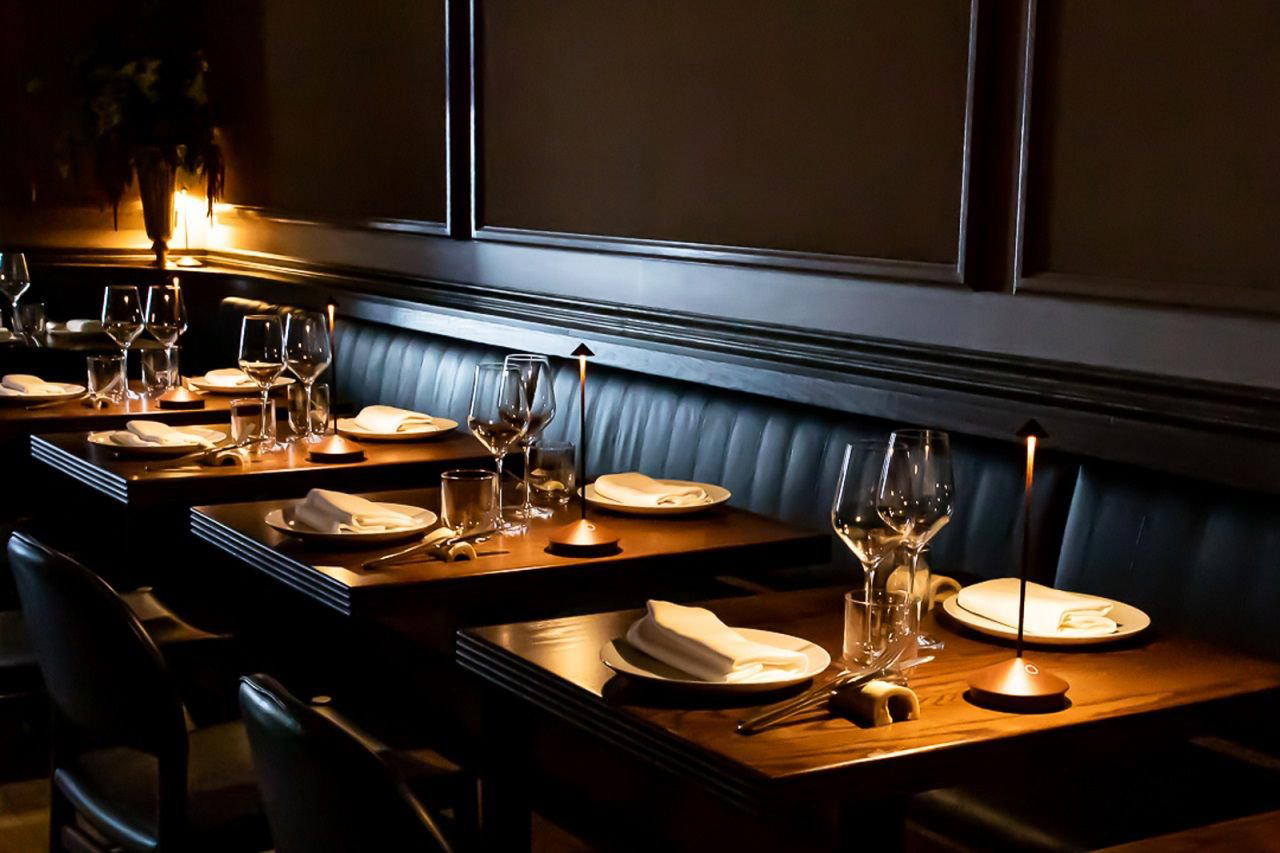
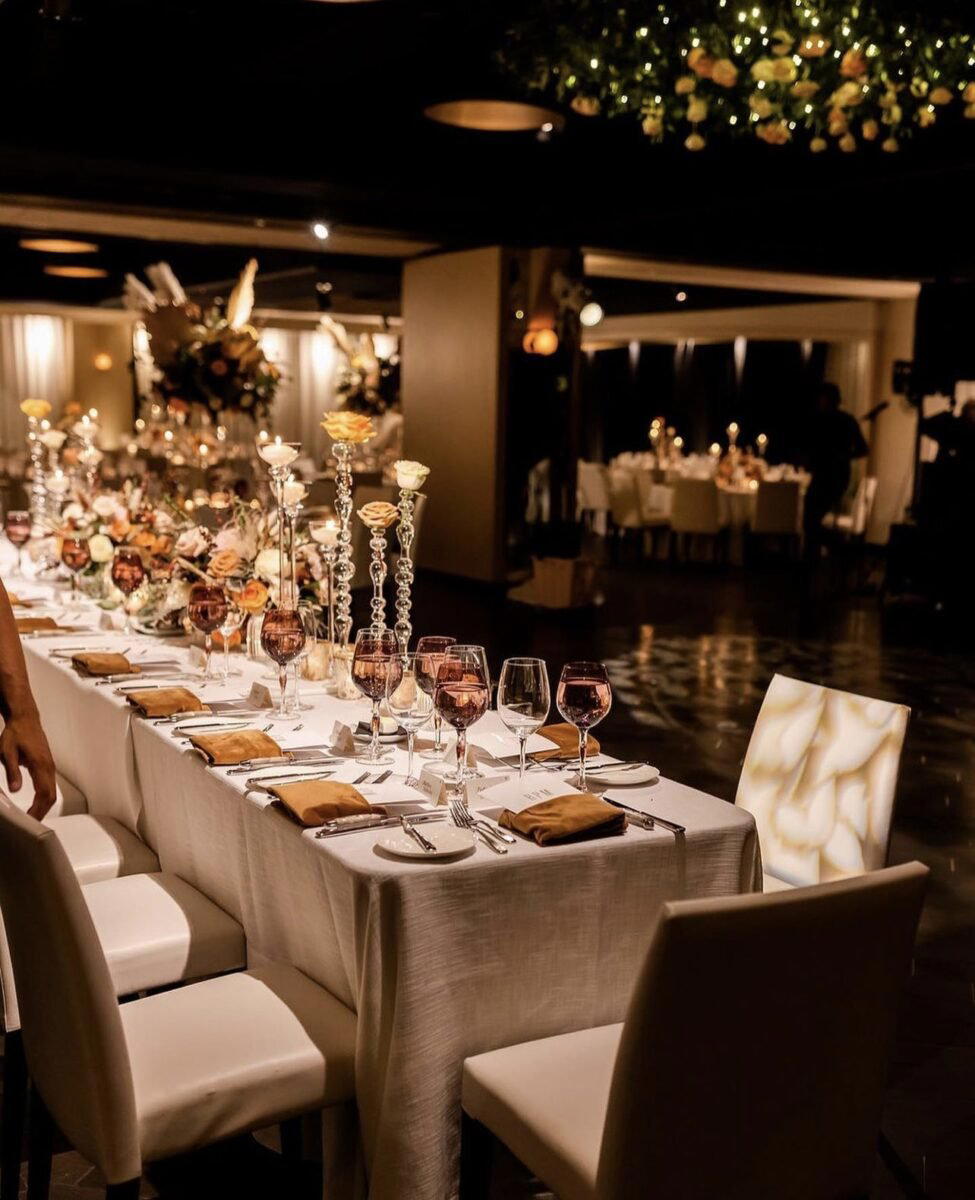
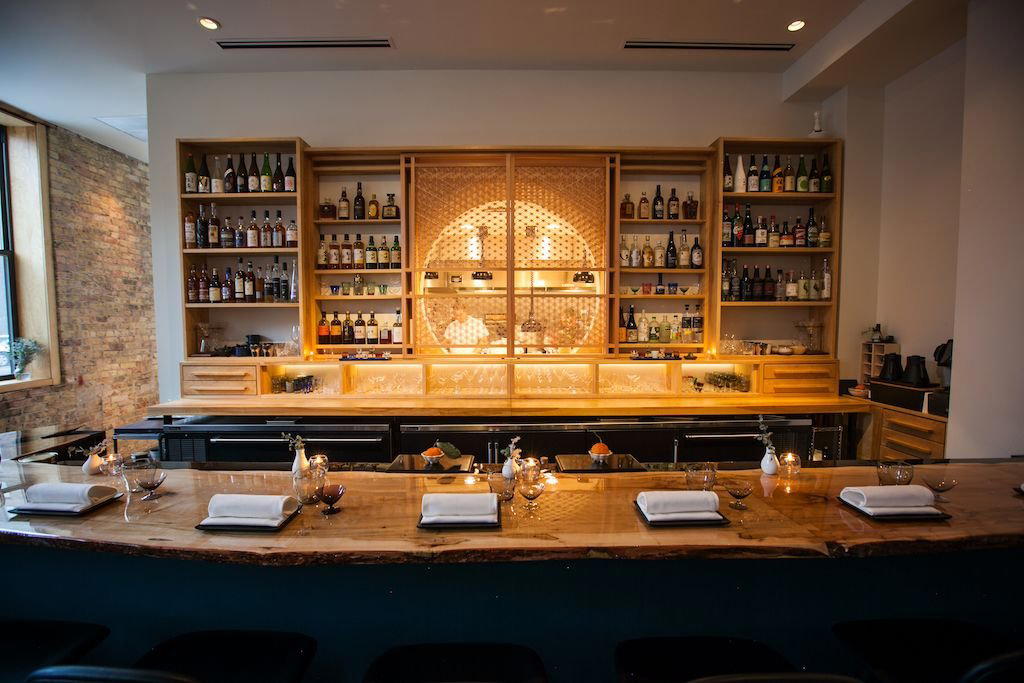
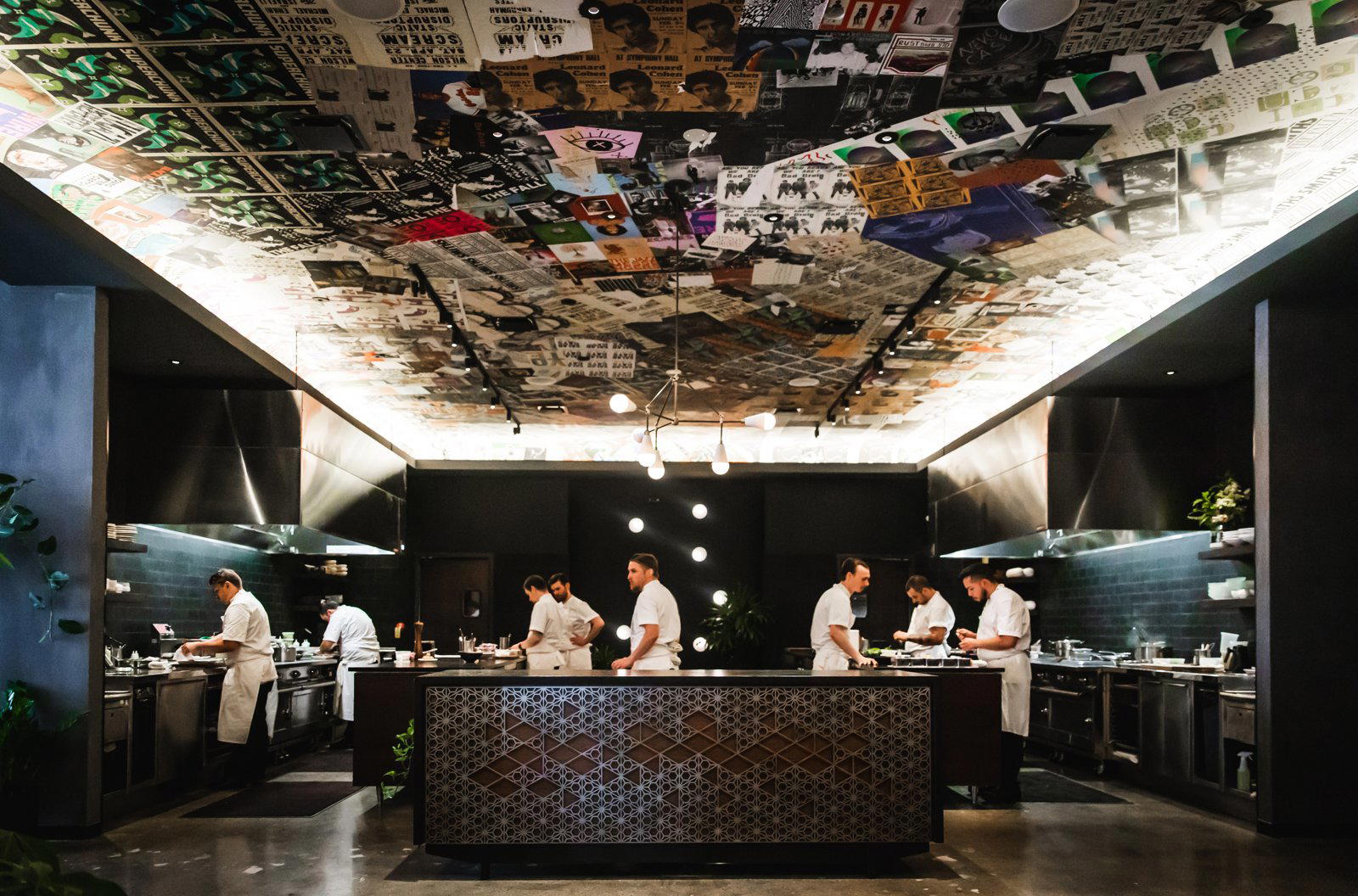
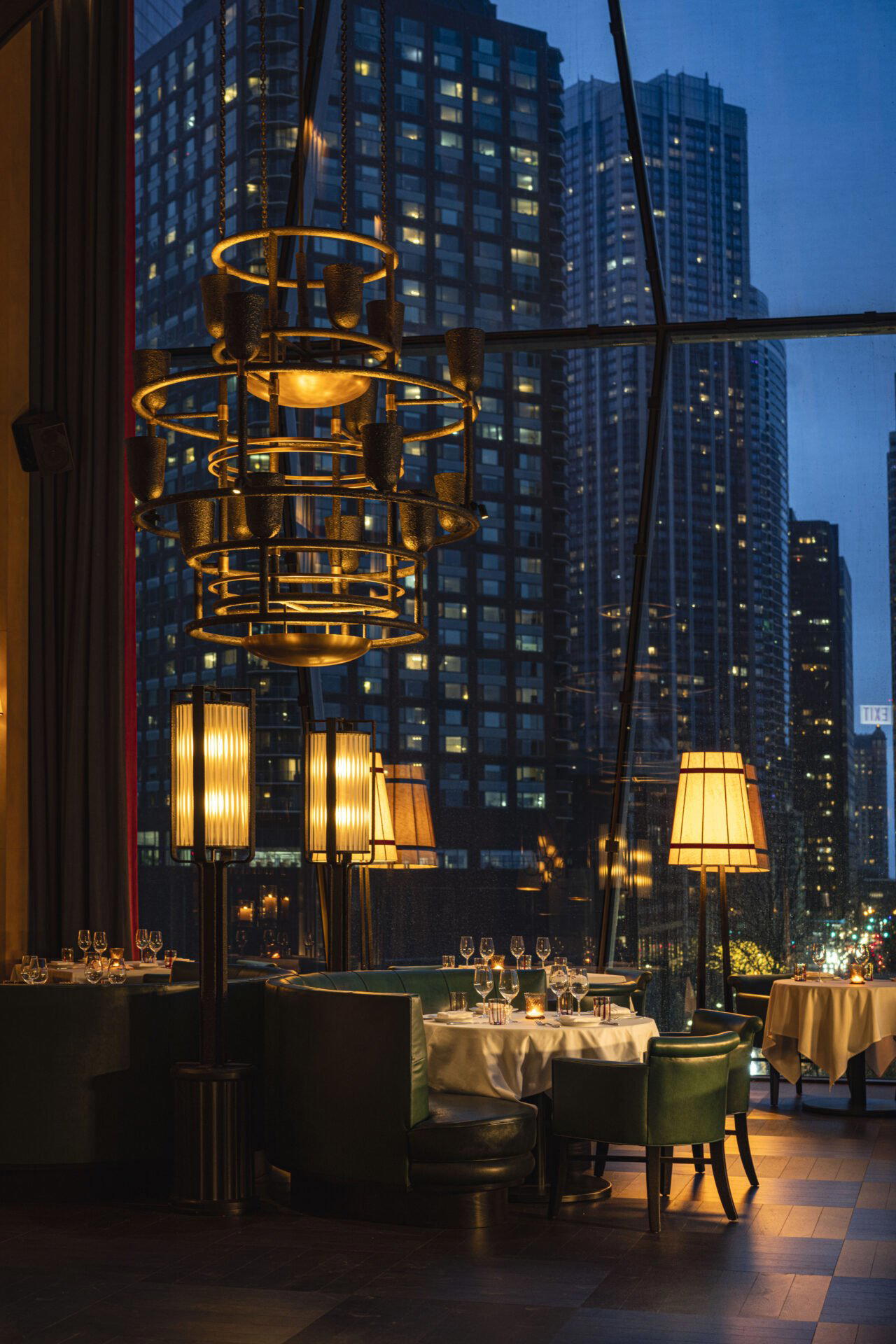
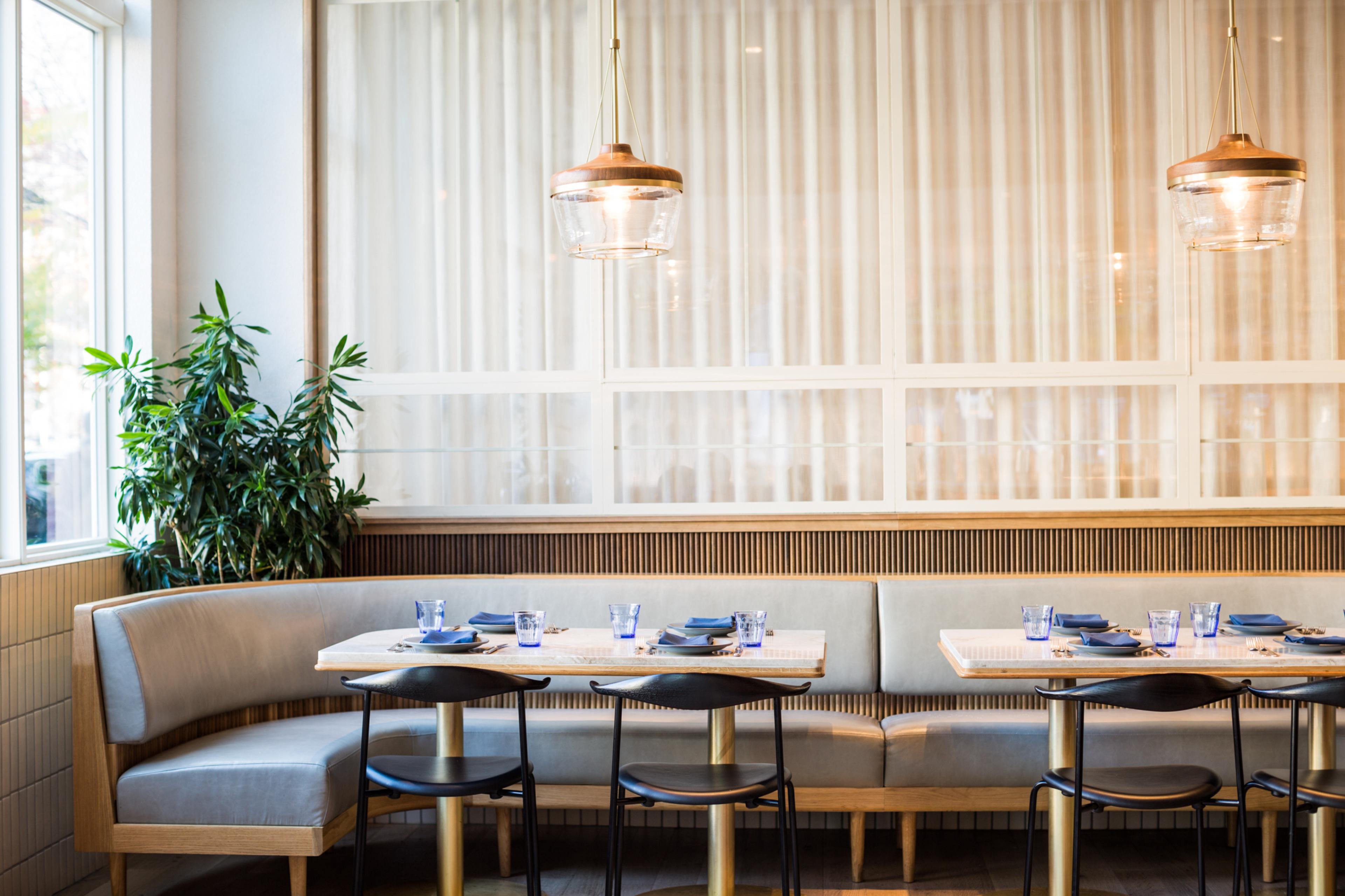
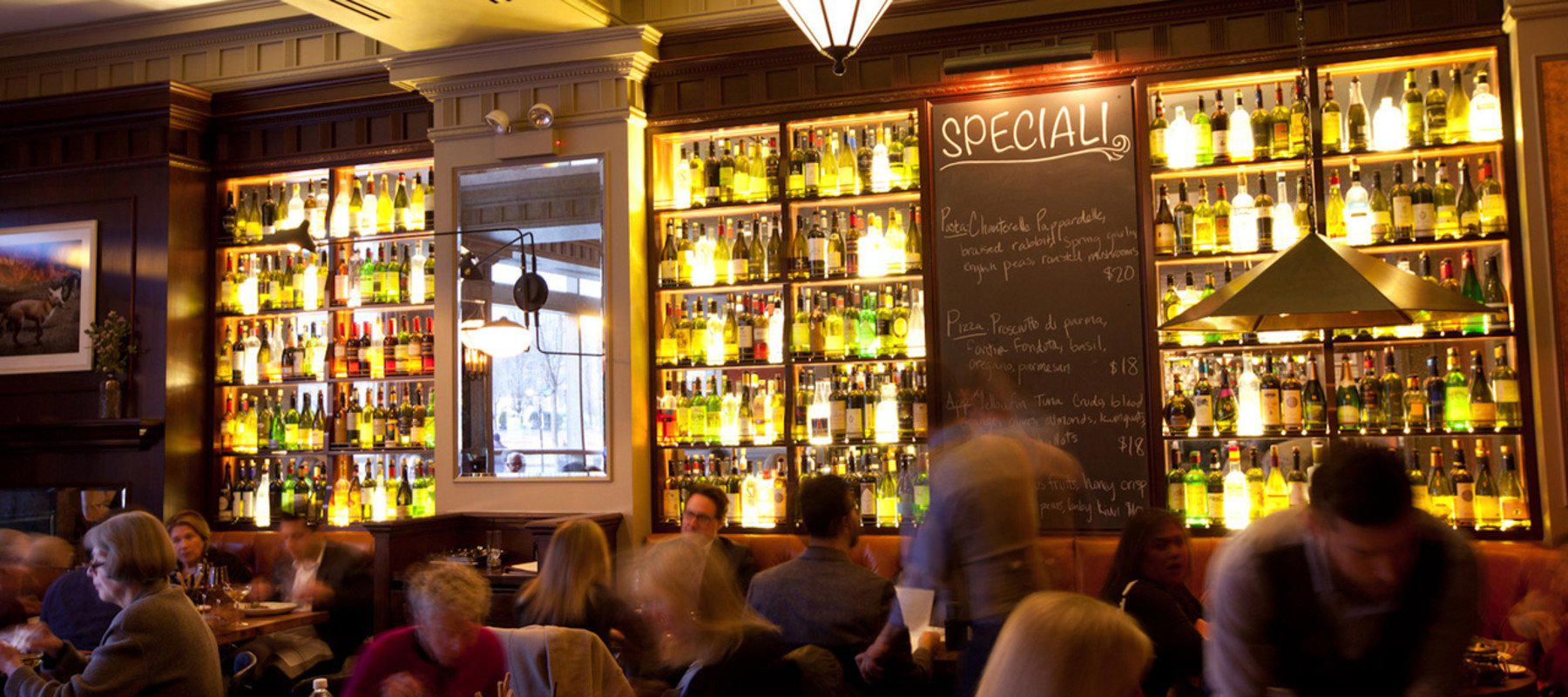
Informal and lively atmosphere with modern design, larger sharing tables inside, and moderate noise levels ideal for communal dining.