Rosati's Pizza Of Chicago
A Logan Square institution on North California Avenue, Rosati's occupies a well-worn spot in Chicago's deep-dish and tavern-style pizza tradition. The address alone signals something about Chicago's neighborhood pizza culture: unpretentious, rooted in craft repetition, and loyal to a local customer base that keeps these counters running across generations.
Pearl is the En Primeur Club membership app — saves, bookings, and concierge access live there. Same editors, same standards.
- Address
- 2218 N California Ave, Chicago, IL 60647
- Phone
- +1 773 741 0001
- Website
- myrosatis.com
- Directions
- Get directions
 Saves & bookings on Pearl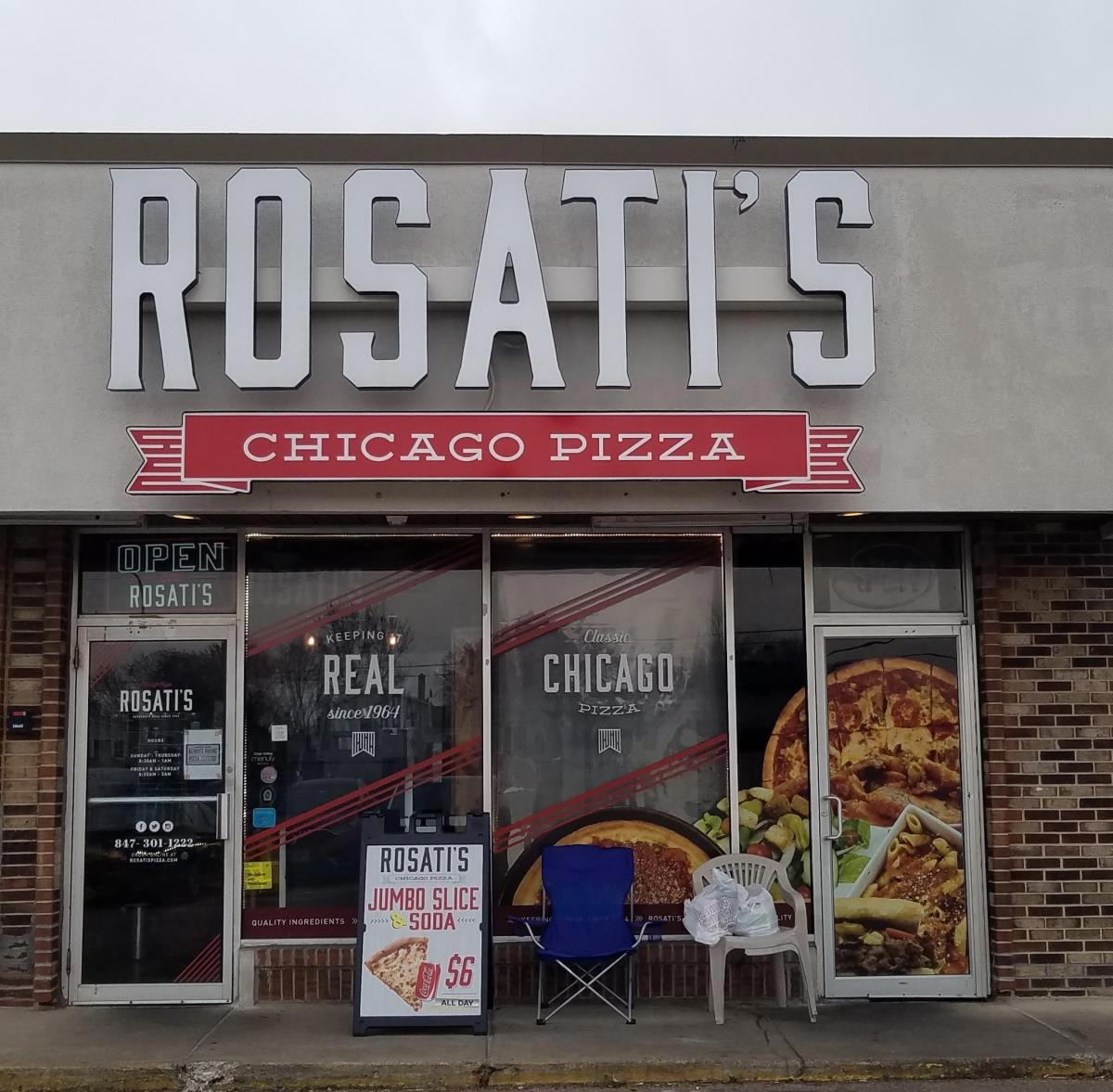
Logan Square and the Grammar of Chicago Pizza
North California Avenue through Logan Square reads like a cross-section of Chicago's working-class culinary inheritance: corner taverns, old-school delis, and pizza spots that have outlasted several cycles of neighborhood reinvention. Rosati's Pizza at 2218 N California Ave sits in that lineage, occupying a spot on a block where the audience skews local and the expectations run toward consistency over spectacle. The storefront itself communicates before you open the door, this is not a concept restaurant, and it is not trying to be one.
Chicago's pizza tradition is one of the more misunderstood American regional formats. Deep dish, the style most associated with the city internationally, is only part of the picture. Tavern-style pizza, thin, cracker-crisp, cut in squares rather than wedges, is the format that Chicagoans actually eat most often, and it is the style that neighborhood spots have anchored for decades. The distinction matters because it separates the tourist-facing version of Chicago pizza from the residential version, and Rosati's belongs firmly to the latter category.
Technique and Tradition in the American Pizza Form
The editorial angle that makes Chicago pizza interesting in 2024 is not nostalgia but technique. American pizza has undergone a serious reassessment over the past fifteen years, with imported Italian method (long-fermented doughs, high-hydration crusts, wood-fire temperature management) applied to domestic ingredients and local formats. The result is a spectrum that now ranges from Neapolitan purists operating in River North to old-school tavern spots in Pilsen and Logan Square where the dough formula has not changed in forty years and that consistency is the point.
Rosati's operates within this second tradition. The value proposition is not innovation, it is the accumulated knowledge of doing one thing repeatedly, in the same neighborhood, for a customer base that returns because the product is reliable. That kind of institutional repetition has its own form of craft discipline, even if it does not announce itself as such. In American pizza culture more broadly, this model, the neighborhood anchor, the family-run or franchise-adjacent spot with deep local roots, represents a distinct category that sits well outside the fine-dining pizza conversation happening at places like Alinea or Smyth but is no less culturally significant for that distance.
Where Rosati's Sits in Chicago's Dining Spectrum
Chicago's restaurant identity has bifurcated sharply over the past decade. At one end, the city has built a credible fine-dining tier with international recognition: Oriole and Kasama represent the kind of chef-driven ambition that draws international comparisons, and Next Restaurant has built a model around format experimentation. These venues compete in the same tier as destinations like Le Bernardin in New York City, Lazy Bear in San Francisco, and Providence in Los Angeles.
Rosati's operates in a completely different register, not below that tier in any meaningful critical sense, but orthogonal to it. The neighborhood pizza spot serves a function in urban food culture that the tasting-menu restaurant cannot: it is daily, accessible, and socially neutral. You do not need a reservation strategy, a dress code, or a $300 budget. Rosati's on California Avenue is the kind of place that feeds the neighborhood on a Tuesday in February, which is a different but legitimate form of culinary value.
For readers comparing American regional dining across cities, the neighborhood anchor model appears in different forms elsewhere: Emeril's in New Orleans represents one version of institutional local dining, while farm-driven formats like Blue Hill at Stone Barns in Tarrytown and Single Thread Farm in Healdsburg sit at the opposite pole of the local-ingredients spectrum. Rosati's occupies neither extreme, but it participates in the same broader American conversation about place-rooted food.
The Local Ingredients Question
The editorial angle around local ingredients and global technique applies to Rosati's in an inverted form. High-end American dining has spent years importing European method, Burgundian precision at Frasca Food and Wine in Boulder, French classical structure at The French Laundry in Napa, Italian alpine sourcing philosophy at Atelier Moessmer Norbert Niederkofler in Brunico, and applying it to domestic product. The neighborhood pizza shop runs the same logic in reverse: it takes a format with Italian roots (dough, sauce, cheese) and fully domesticates it, producing something that is now categorically American regardless of its origins. Chicago's tavern-style pizza in particular has drifted so far from Italian reference points that it functions as its own regional cuisine, with its own grammar and expectations.
The ingredients at a place like Rosati's are not sourced for provenance or seasonality in the way that Addison in San Diego or Atomix in New York City source theirs. The logic is different: consistency of product, affordability at scale, and the specific flavor profiles that a regular customer base expects. That is not a lesser form of ingredient philosophy, it is a different one, and it has kept neighborhood spots like this running through decades of restaurant turnover that has cleared out many more ambitious operations.
Planning a Visit
Rosati's at 2218 N California Ave is accessible by the Chicago Transit Authority's Blue Line, with the California stop placing you within walking distance. Logan Square itself has become one of the more actively developed dining neighborhoods in the city, which means parking can be scarce on weekend evenings, arriving by transit or rideshare is the practical approach. As is common with neighborhood pizza spots of this type, the format is informal: walk-in, counter or table service, and a pace that suits a meal rather than an occasion. It is a casual, walk-in-friendly spot suited to a late-night pizza run.
Reputation First
Comparable venues nearby, for context on price, style, and recognition.
| Venue | Cuisine | Price | Notes |
|---|---|---|---|
| Rosati's Pizza Of ChicagoThis venue — the venue you are viewing | Chicago-Style Pizza | $$ | Not listed |
| Pizza Lobo | New York-Style Pizza | $$ | West Loop |
| Il Girasole Trattoria | Northern Italian Trattoria | $$ | Avondale |
| Neon Gardens | Modern Italian Pizza | $$ | Lincoln Park |
| Oggi Trattoria | Classic Italian Trattoria | $$ | West Town |
| Tuscany | Northern Italian Trattoria | $$ | Little Italy |


At a Glance
- Classic
- Cozy
- Family
- Casual Hangout
- Group Dining
- Standalone
- Beer Program
Current opening hours
- Monday
- 10 AM–3 AM
- Tuesday
- 10 AM–3 AM
- Wednesday
- 10 AM–3 AM
- Thursday
- 10 AM–3 AM
- Friday
- 10 AM–3 AM
- Saturday
- 10 AM–3 AM
- Sunday
- 10 AM–3 AM
Hours can change for holidays and private events. Last verified .
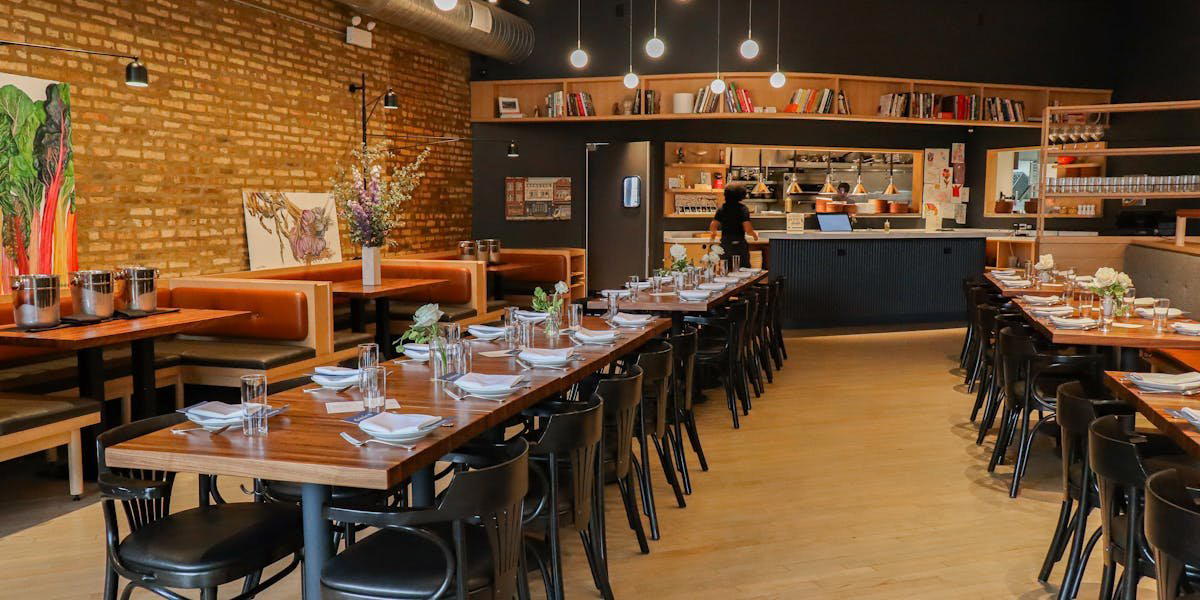
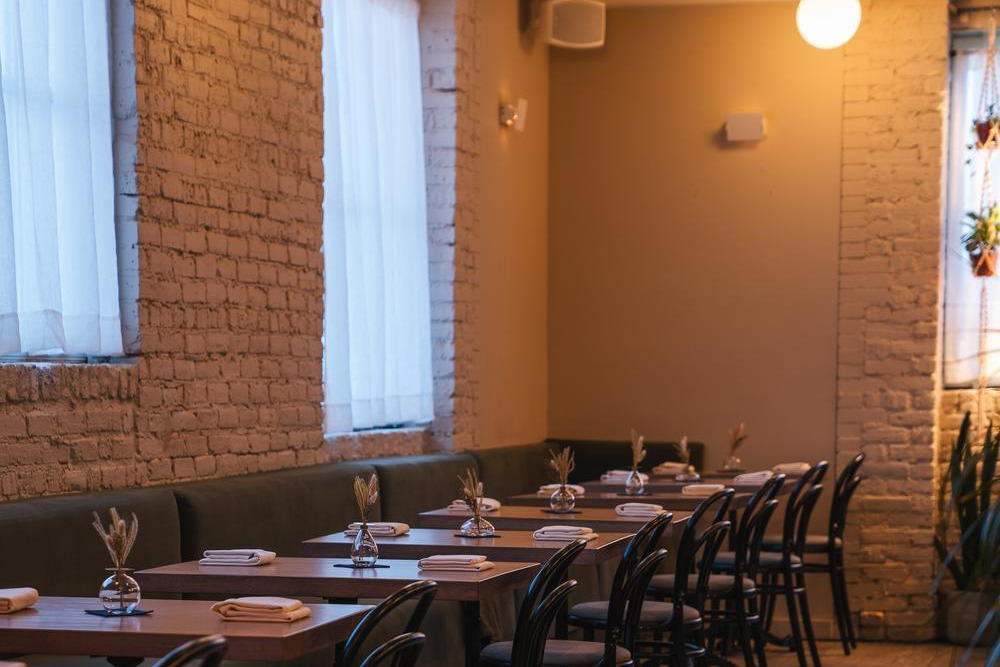
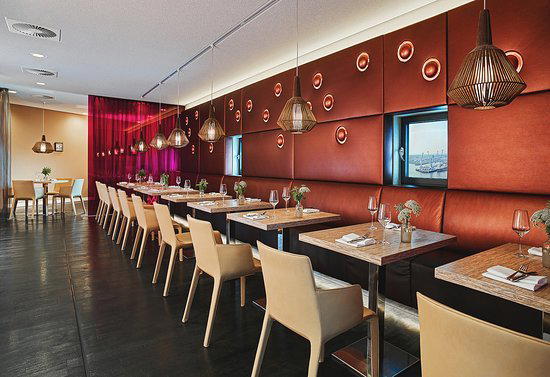
Casual and welcoming with a classic pizzeria atmosphere focused on hearty portions and family-friendly dining.