Korean Kitchen
Korean Kitchen on Main Road in Claremont brings one of Cape Town's more under-explored cuisines to a suburb better known for neighbourhood bistros than pan-Asian cooking. In a city where Korean food remains a genuine minority interest, this address fills a specific gap. The cuisine's structural reliance on fermented, pickled, and grilled components translates well to Cape Town's ingredient-forward dining culture.
Pearl is the En Primeur Club membership app — saves, bookings, and concierge access live there. Same editors, same standards.
- Address
- 103 Main Rd, Claremont, Cape Town, 7708, South Africa
- Phone
- +27 21 671 4604
- Directions
- Get directions
 Saves & bookings on Pearl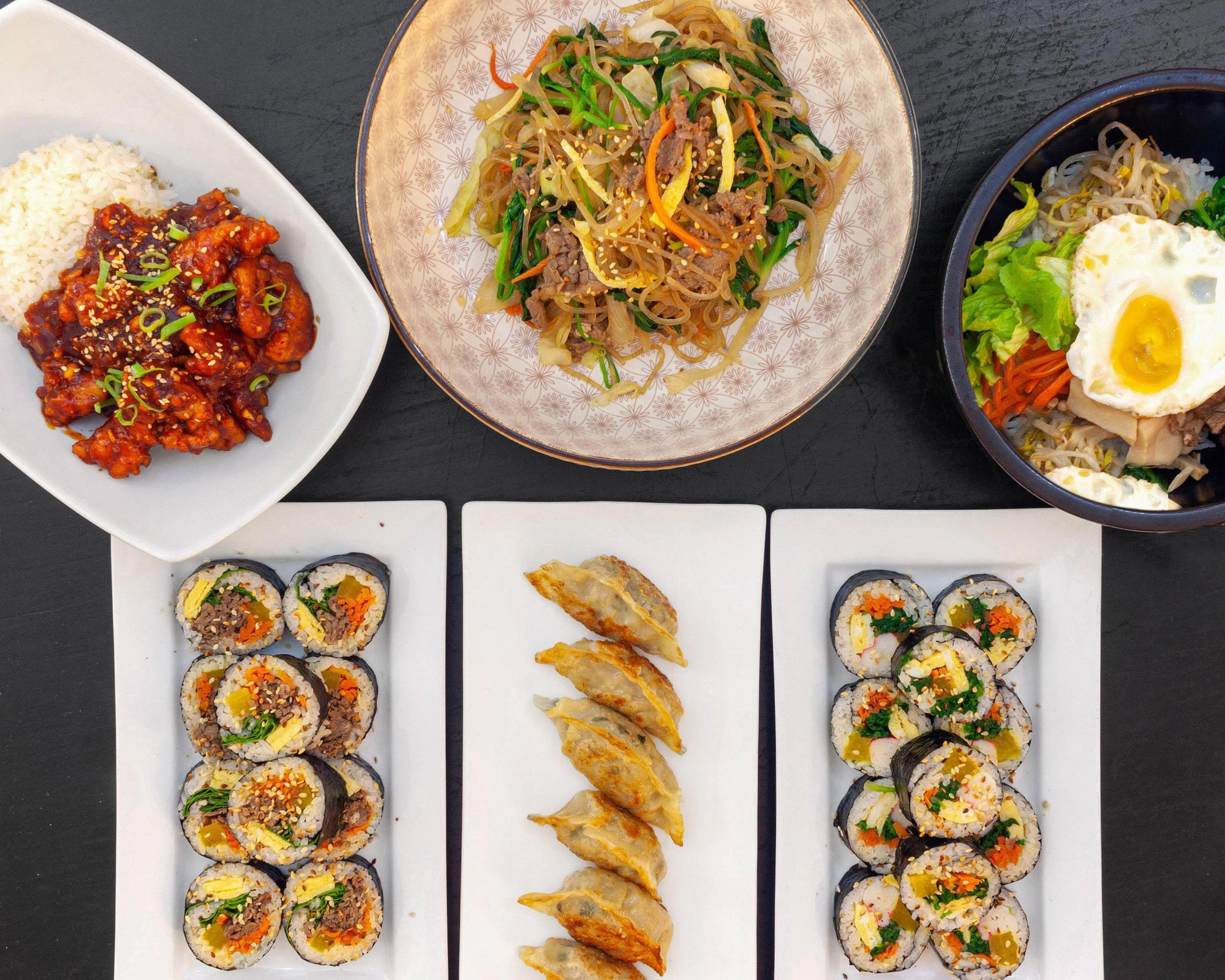
Korean Food in Cape Town: A Cuisine Built on Process, Not Spectacle
Korean cooking occupies an unusual position in Cape Town's dining scene. In a city where the dominant conversation circles around fire, terroir, and Cape Malay spice routes, Korean cuisine's equally rigorous sourcing logic and fermentation culture sit outside the mainstream. The ingredients that define the tradition, gochugaru, doenjang, perilla, and the long-aged kimchi that underpins so much of the flavour architecture, require supply chains and preparation timelines that few restaurants are willing to maintain. Where a kitchen does commit to them, the result reads less like a trendy import and more like a parallel culinary discipline that happens to operate under a different flag.
Korean Kitchen is a restaurant serving Korean BBQ at 103 Main Road, Claremont, Cape Town. Claremont is not the neighbourhood you'd expect to find a serious Korean address. The suburb's dining identity leans toward the accessible: neighbourhood pizza, casual bistros, and the kind of suburban café culture that serves the surrounding residential population. A Korean kitchen here is, practically speaking, more exposed than one planted in the Cape Town CBD or on the De Waterkant edge. The Main Road corridor carries foot traffic, but not the kind of food-curious diner who typically hunts out minority cuisines in larger cities. That positioning either reflects a deliberate community-first approach, or it says something interesting about where Korean food has taken root in South Africa, not in high-end dining districts, but in working suburban strips where rent allows a kitchen to function on its own terms.
The Sourcing Logic Behind Korean Cuisine
The editorial angle that matters most when thinking about Korean food, anywhere in the world, is ingredient sourcing. This is not a cuisine where technique alone carries the dish. The structural backbone of Korean cooking is fermentation: kimchi in its dozens of regional variations, doenjang (fermented soybean paste), ganjang (soy sauce aged in traditional onggi pots), and gochujang (fermented chilli paste) represent months or years of preparation before a single meal is plated. The kitchen that takes these seriously is not buying from a generic Asian grocery distributor. It is either making in-house, sourcing from specialist suppliers, or importing from producers who still follow traditional fermentation schedules.
In Cape Town, the sourcing question for Korean cuisine is particularly pointed. South Africa's Korean diaspora is small relative to Johannesburg, where a more established community has generated dedicated import networks and specialty food businesses. Cape Town kitchens working in this cuisine have historically had fewer local supply options, which creates a meaningful distinction between restaurants that approximate the flavour profile with available substitutes and those that commit to the real fermentation infrastructure. The answer to which side of that line a given kitchen falls on is usually visible on the plate: the depth, funk, and controlled acidity of properly aged ingredients is not something you can replicate with a shortcut.
For diners comparing Korean Kitchen against Cape Town's broader restaurant scene, the relevant peer group is not the city's celebrated fine-dining tier. Restaurants like Fyn, which integrates Japanese and South African techniques at the upper end of the market, or La Colombe and Salsify at the Roundhouse operate in a different conversation entirely. The Test Kitchen and venues like 95 at Parks represent the city's appetite for technically ambitious cooking with local identity. Korean Kitchen belongs to a different but equally legitimate category: the specialist ethnic restaurant that serves a cuisine Cape Town has not fully absorbed into its mainstream.
What Korean Cooking Asks of a Dining Room
The format of a Korean meal matters. At its full expression, the cuisine is communal and table-heavy: banchan (small side dishes) arrive before the main event, grills at the table generate smoke and theatre, and the pacing is longer than a Western service model. Restaurants serving Korean food outside Korea adapt this to varying degrees. Some simplify to single-plate service; others preserve the shared table logic even when it complicates kitchen flow. Which approach a kitchen takes tells you a great deal about its culinary ambition and its read of its local audience.
The Claremont address places the restaurant in the accessible tier of this spectrum. The suburb's dining culture is not structured around long communal meals or theatrical tableside cooking. Nearby options like neighbourhood bistros and casual eateries set an expectation of convenience. A Korean restaurant in this context that preserves the communal format is making a deliberate choice; one that simplifies toward individual plates is reading its audience practically. Either position is defensible, but the distinction shapes the experience significantly.
Cape Town's Minority Cuisine Tier and Where Korean Fits
Cape Town's most-discussed restaurant scene tilts toward South African and Cape Malay traditions, Afro-European fusion, and the kind of fire-forward cooking that channels the region's braai culture through fine-dining language. Venues further afield in the Western Cape, like Wolfgat in Paternoster and Bread & Wine Vineyard Restaurant in Stellenbosch, have built international reputations precisely by leaning into this regional identity. Korean cuisine sits at a different angle: it brings an entirely external tradition and asks whether that tradition can find local traction.
That benchmark is useful not as a comparison point for Claremont, but as a reminder of the range the cuisine is capable of. Korean food is not inherently casual. Its elevation potential is considerable, and the cities where that has happened are ones where the diaspora population and ingredient supply chain developed together over decades.
Cape Town is earlier in that trajectory. Those interested in the wider South African picture can find additional reference points at EAT YOUR HEART OUT in Hillbrow, Foundry in Sandton, and further afield at Klein Jan in Moshaweng Nu.
Planning Your Visit
The restaurant is located at 103 Main Road, Claremont, a Main Road address with good public transit access from the Cape Town CBD via train or the MyCiTi network. Claremont is approximately 10 kilometres south of the city centre. The restaurant is open daily from 11:30 AM to 8 PM and is walk-in friendly. The suburb's parking situation is manageable by Cape Town standards, with street and mall parking available near the Main Road strip.
At-a-Glance Comparison
Comparable venues nearby, for context on price, style, and recognition.
| Venue | Cuisine | Price | Notes |
|---|---|---|---|
| Korean KitchenThis venue — the venue you are viewing | Korean BBQ | $$ | Not listed |
| Talking To Strangers | Modern African Street Food Tapas | $$ | Bo-Kaap |
| The Village Idiot | South African Braai & Pub Fare | $$ | Bo-Kaap |
| Love Thy Neighbour | Authentic Greek Meze | $$ | Bo-Kaap |
| Chapman’s Peak Hotel | Cape Town Seafood | $$ | Hout Bay |
| Plant | Vegan Cafe | $$ | City Bowl |
Continue exploring
More in Cape Town
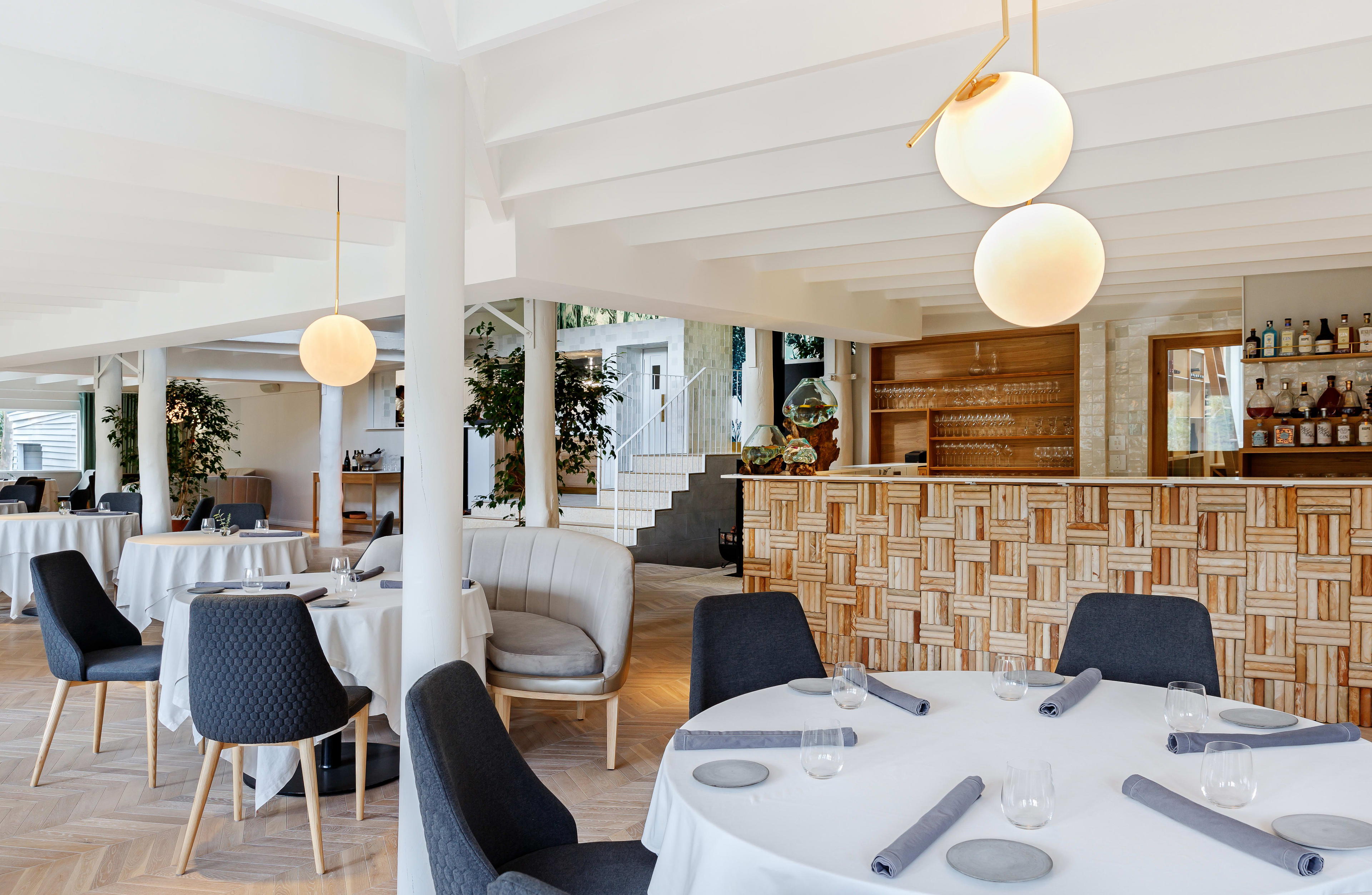
Restaurants in Cape Town
Browse all →
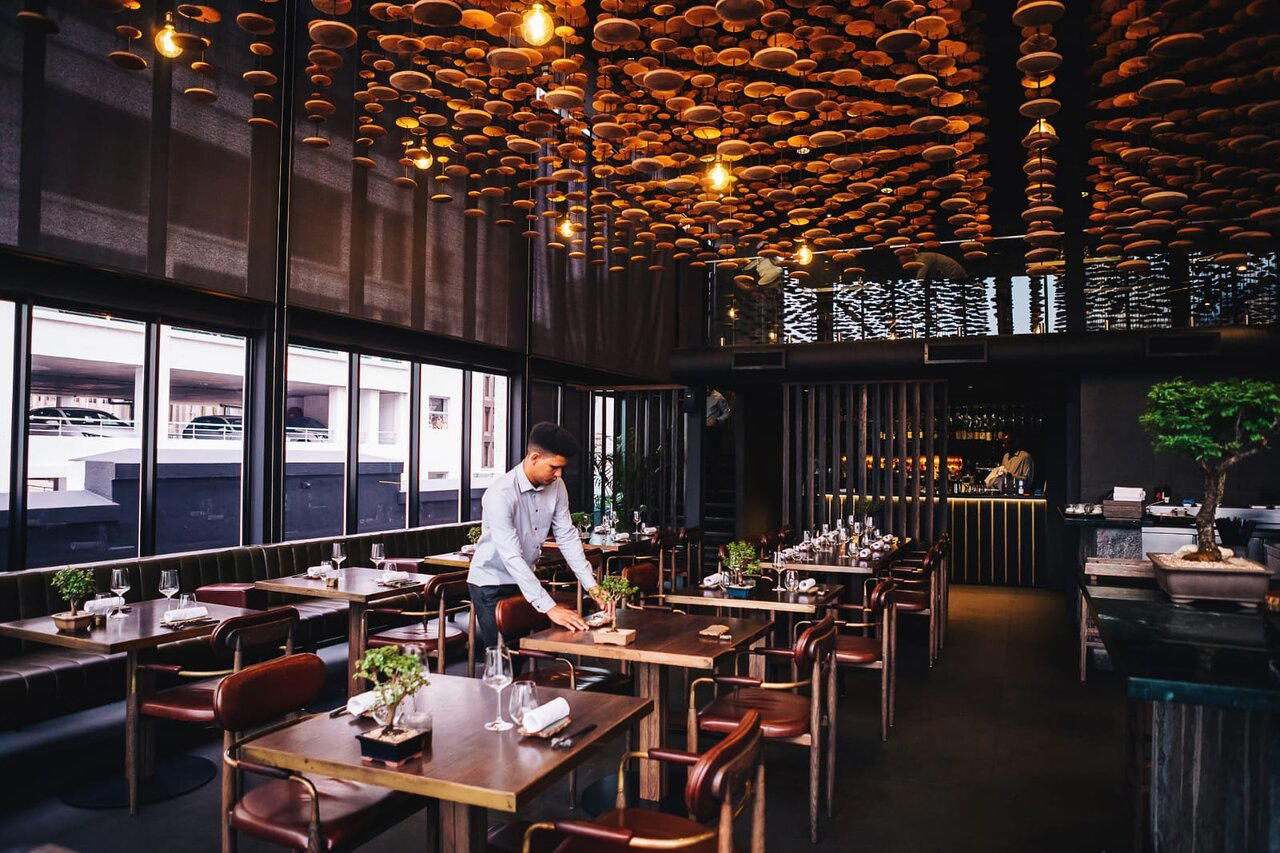
Bars in Cape Town
Browse all →
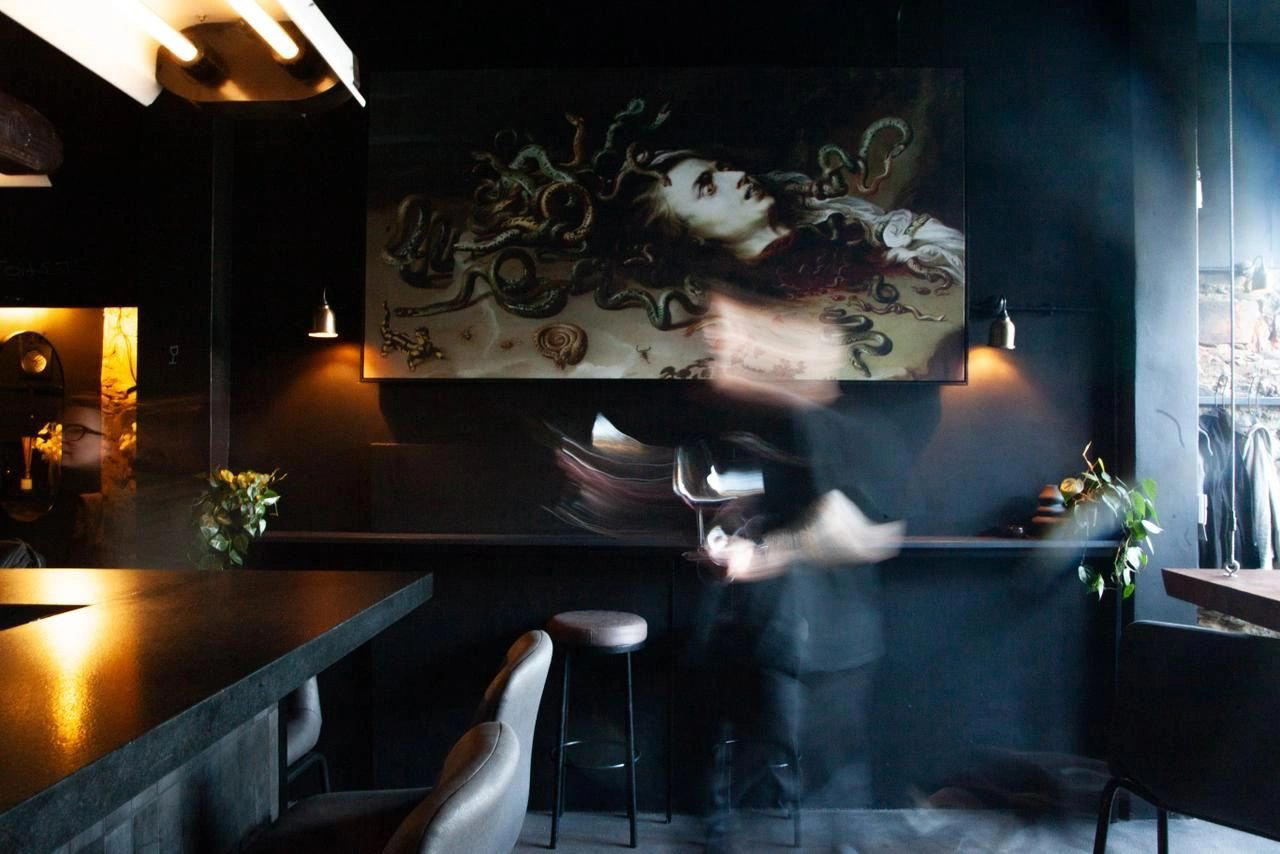
Hotels in Cape Town
Browse all →

At a Glance
- Trendy
- Lively
- Modern
- Casual Hangout
- Group Dining
- Open Kitchen
Current opening hours
- Monday
- 11:30 AM–8 PM
- Tuesday
- 11:30 AM–8 PM
- Wednesday
- 11:30 AM–8 PM
- Thursday
- 11:30 AM–8 PM
- Friday
- 11:30 AM–8 PM
- Saturday
- 11:30 AM–8 PM
- Sunday
- 11:30 AM–8 PM
Hours can change for holidays and private events. Last verified .
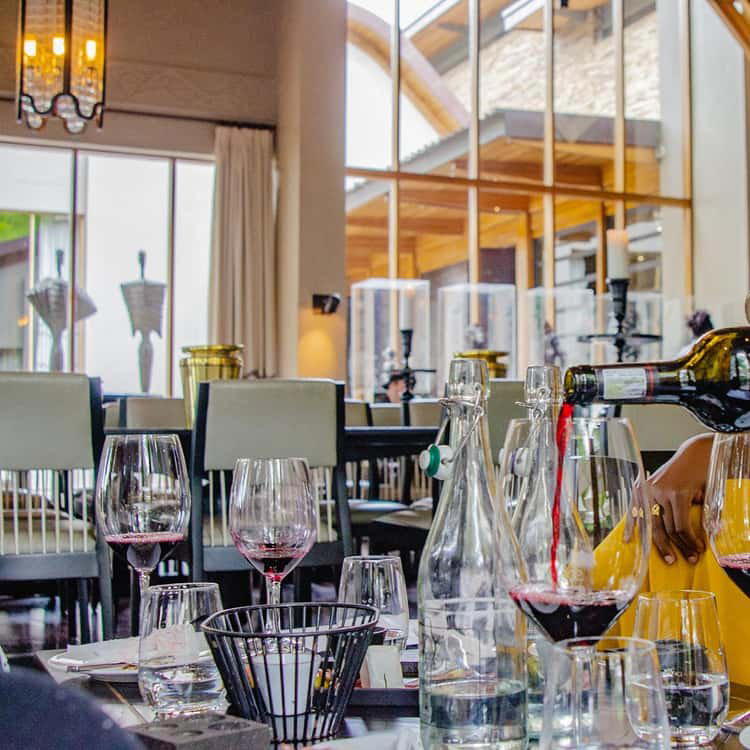
Trendy and energetic atmosphere infused with K-pop vibes and dynamic pop culture elements.