Chefs Warehouse Beau Constantia



Perched at the summit of Constantia Neck on Beau Constantia wine farm, this outpost of the Chefs Warehouse group brings Liam Tomlin's produce-led South African cooking to one of Cape Town's most dramatic hillside settings. La Liste has scored it at 93 to 93.5 points across two consecutive years, placing it firmly in the upper tier of the Cape's fine-dining circuit. The valley views alone justify the drive; the food makes the case for returning.
Pearl is the En Primeur Club membership app — saves, bookings, and concierge access live there. Same editors, same standards.
- Address
- Beau Constantia Wine Farm, 1043 Constantia Main Road, Constantia Neck, Cape Town, 7806, South Africa
- Phone
- +27 21 794 8632
- Website
- chefswarehouse.co.za
- Directions
- Get directions
 Saves & bookings on Pearl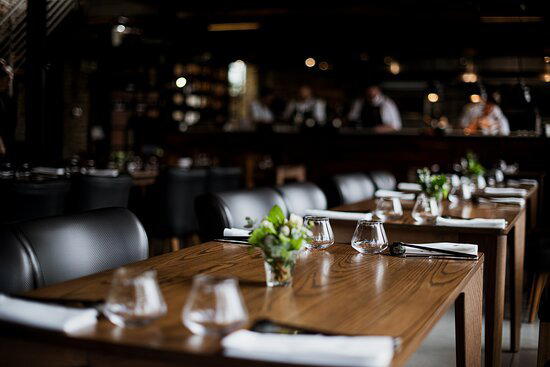
Where the Constantia Valley Becomes the Dining Room
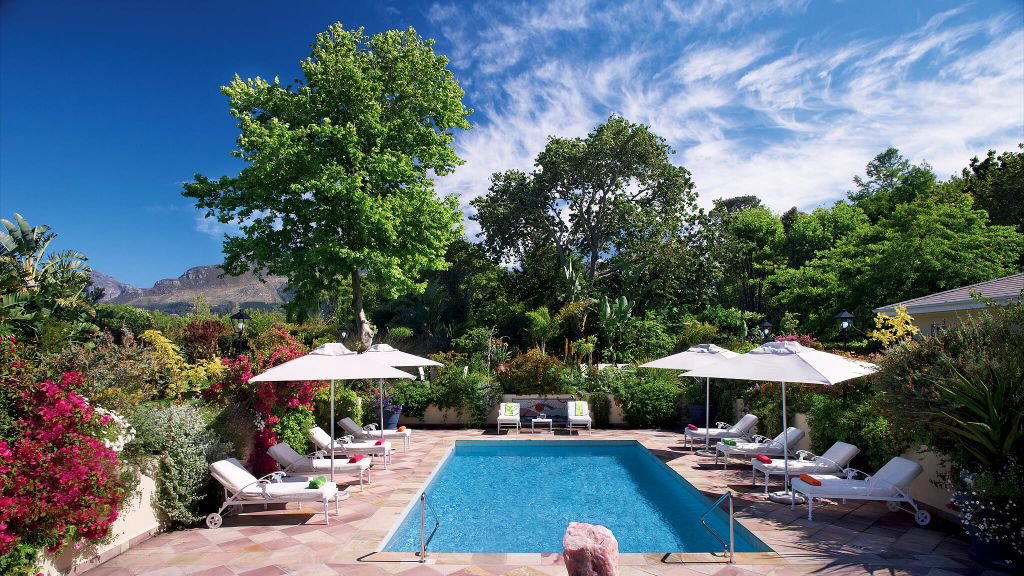
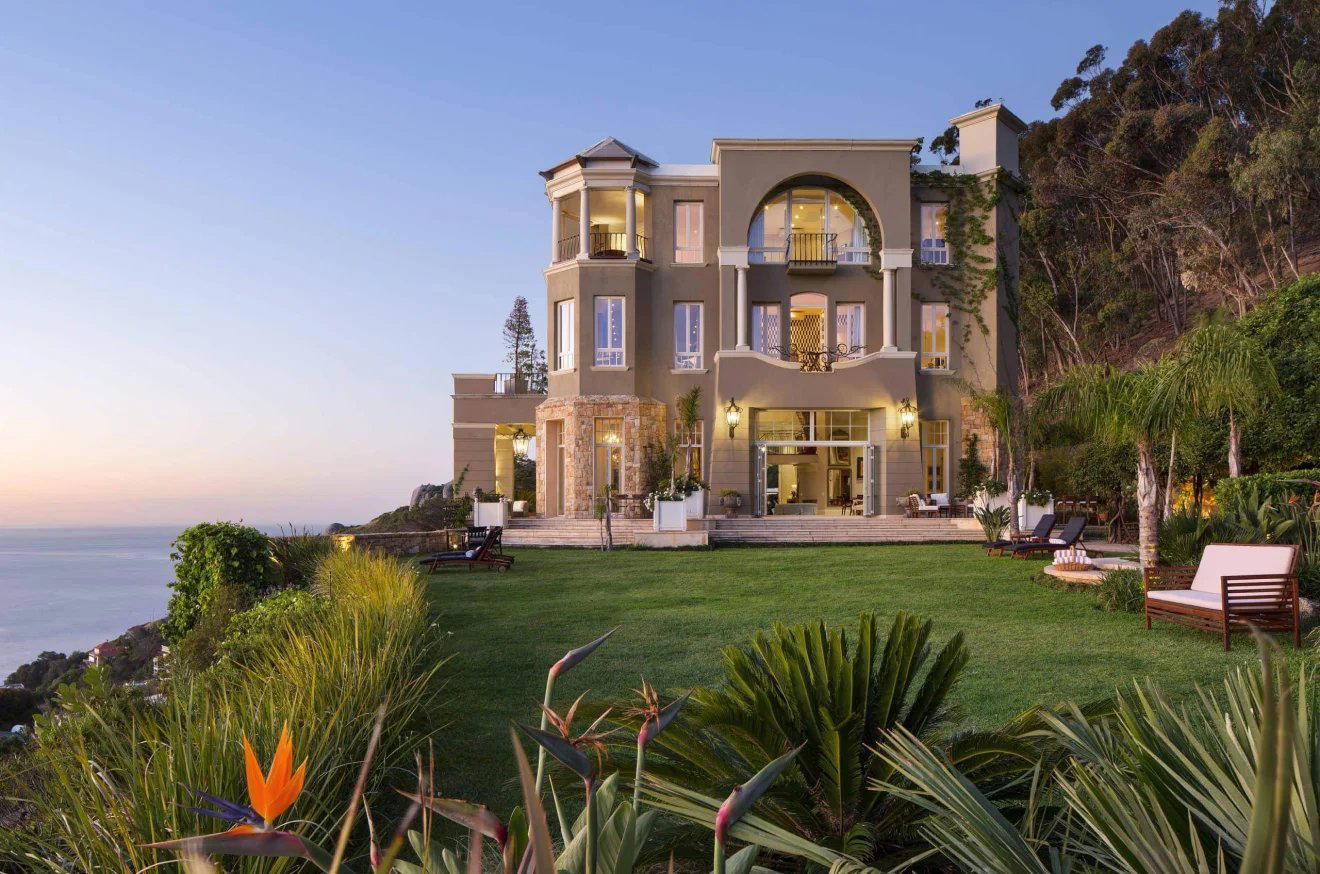
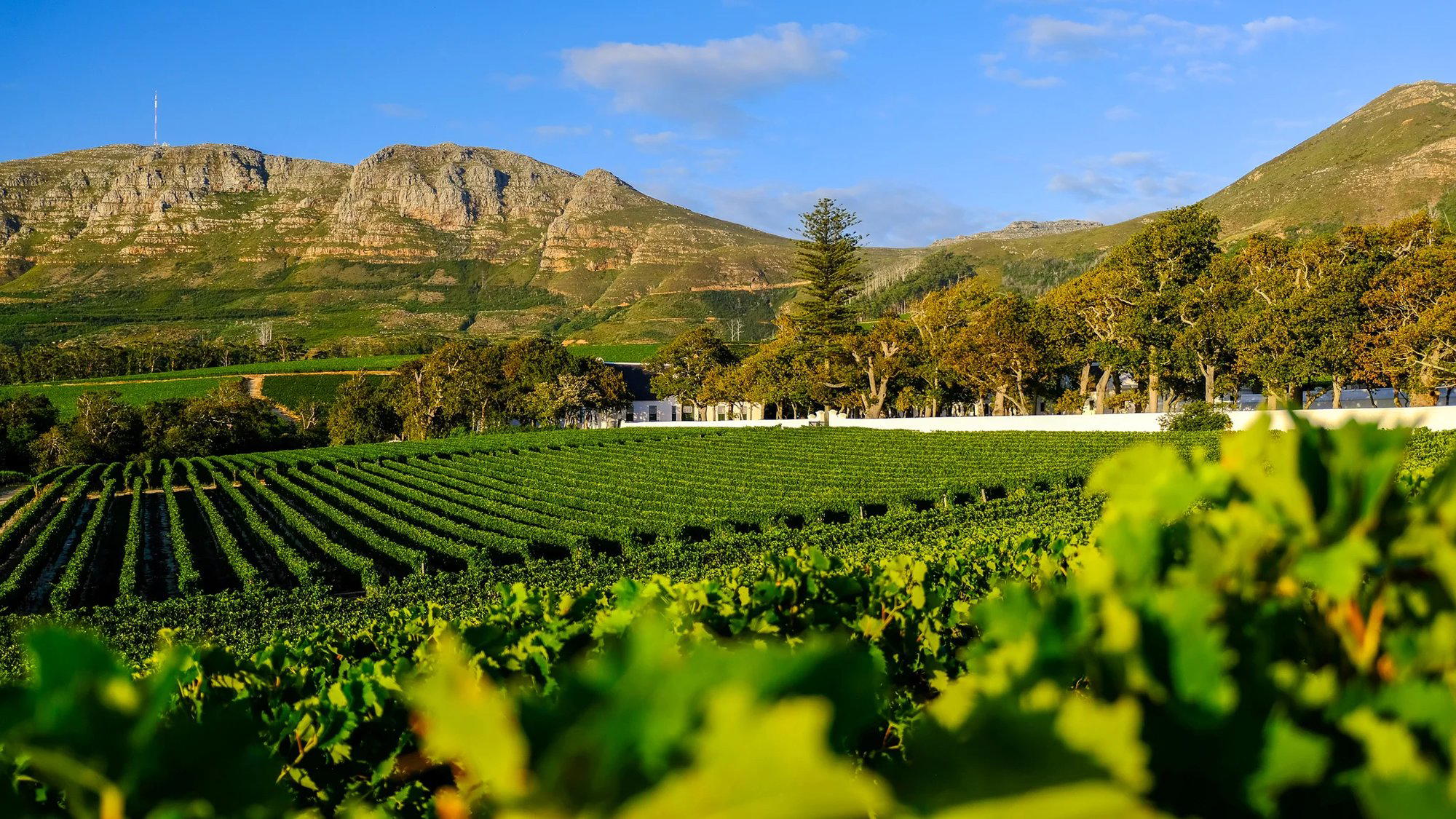
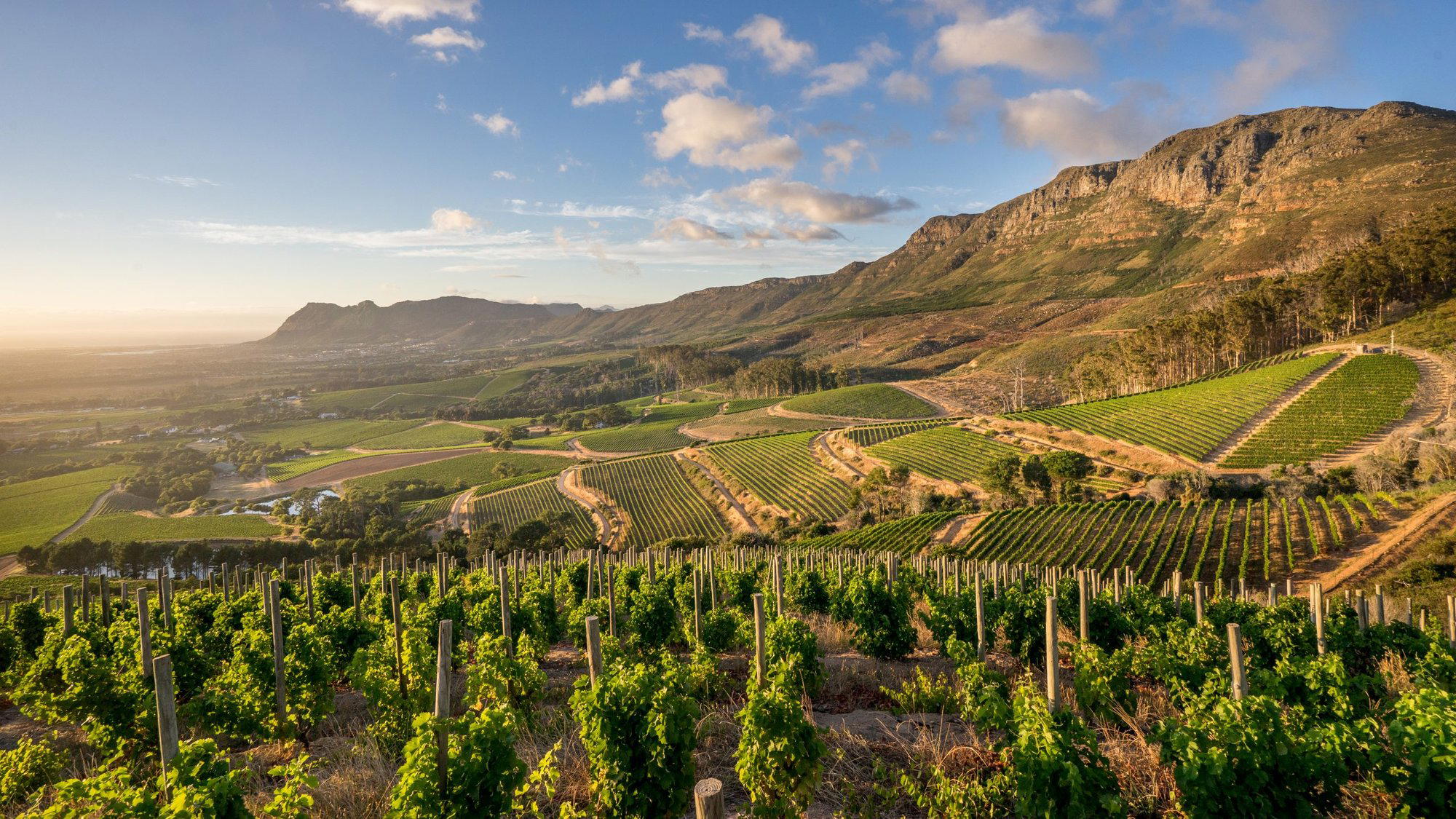
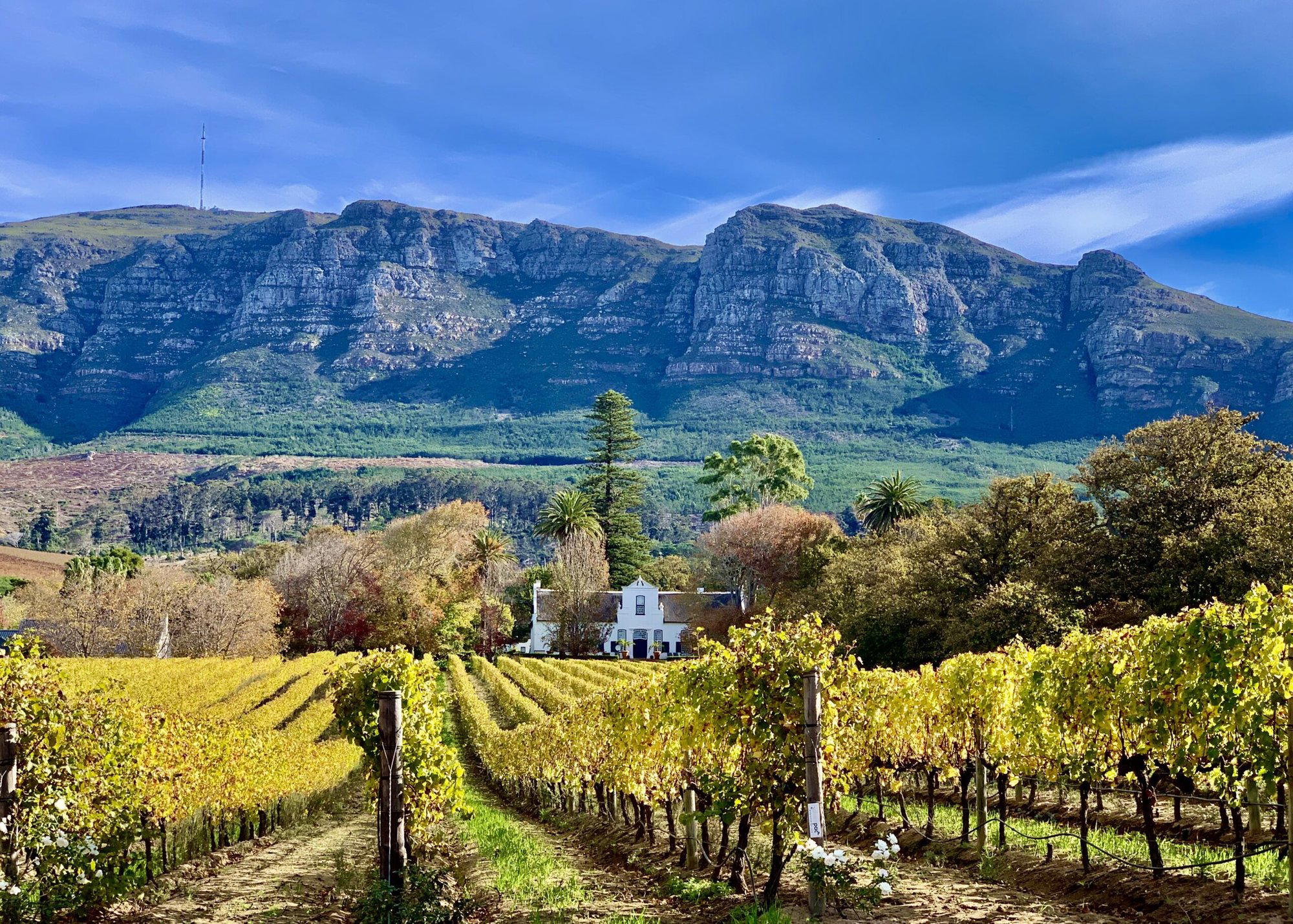
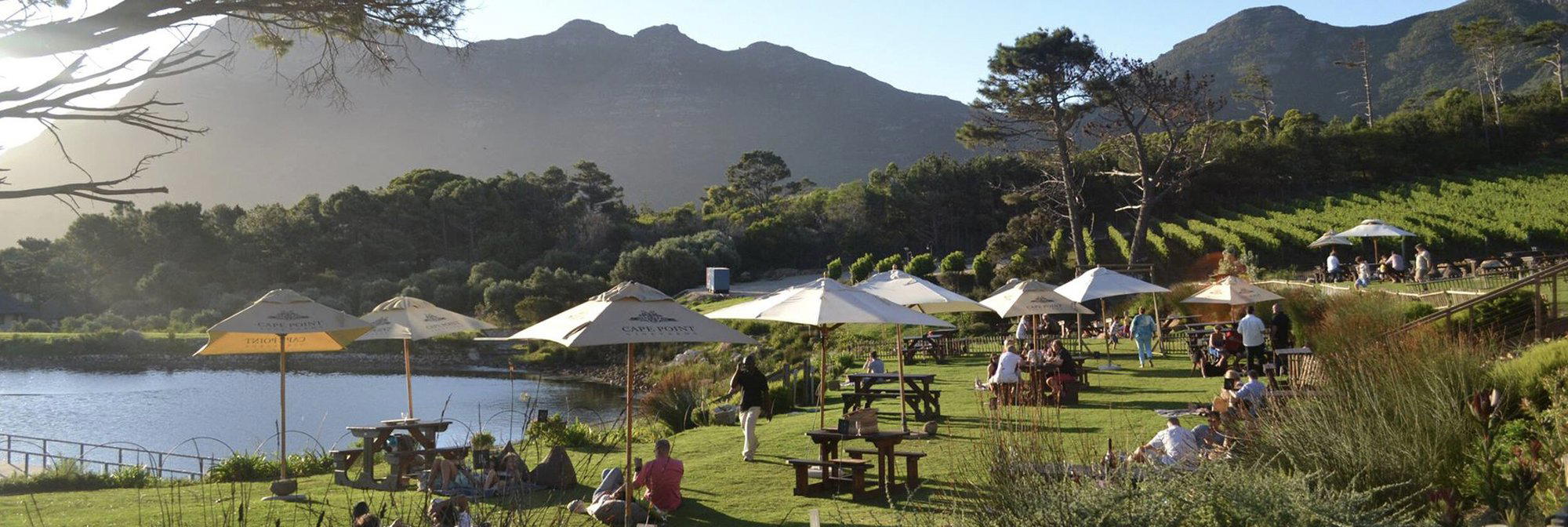
The approach to Beau Constantia wine farm on Constantia Main Road sets expectations that the restaurant itself has to work hard to meet. The road climbs steadily from the valley floor through old Cape Dutch country, the vineyards tightening around the lane as the altitude rises, until a hilltop terrace opens onto one of the widest uninterrupted views in the Cape Peninsula. The Constantia Valley spreads south toward False Bay; on clear mornings the water appears as a flat silver line at the edge of everything. It is the kind of outlook that, in another city, would license a mediocre tourist operation. Here, the kitchen earns its place in it.
South African fine dining has, over the past decade, fractured into broadly two tendencies: a globally oriented register that draws on French and Japanese technique to express local produce, represented by venues like La Colombe and The Test Kitchen; and a more ingredient-forward approach where the landscape's produce, its Cape Malay spice history, its Atlantic seafood, its extraordinary market garden depth, is treated as the primary text rather than the raw material for European interpretation. Chefs Warehouse Beau Constantia sits closer to the second tendency, though the kitchen's ambition keeps it in conversation with the first tier.
The Chefs Warehouse Model and What It Means in Practice
The Chefs Warehouse name carries specific meaning in Cape Town's dining culture. The group's format, rooted in a sharing-plate structure that distributes small, intensively prepared courses across the table rather than locking each diner into a linear tasting sequence, democratises a style of eating that, at comparable price points elsewhere in the world, tends toward the ceremonial. It also creates a different pace: the table becomes collaborative rather than passive, and the kitchen's range shows more completely because multiple dishes arrive in parallel rather than in a fixed procession.
The Beau Constantia site is one of two Cape Town locations for the group, alongside Chefs Warehouse at Tintswalo Atlantic on Chapman's Peak, which operates in a similarly dramatic physical setting but with an entirely different marine character. The two properties represent a deliberate use of South Africa's geographical contrasts: Atlantic coast versus valley farmland, rocky shoreline versus vineyard-terrace elevation.
Cultural Roots on the Plate
Constantia Valley occupies a specific position in South African food history. The oldest wine-producing area in the Western Cape, it was developed under Dutch East India Company administration in the seventeenth century, with Cape Malay labour and craft fundamentally shaping its agricultural character. That history is not merely decorative context. The spice vocabulary of Cape Malay cooking, the preservation techniques developed under conditions of both abundance and scarcity, and the particular produce ecology of this sheltered, south-facing valley are real ingredients in how the Cape understands itself on the plate.
At Chefs Warehouse Beau Constantia, under chef Liam Tomlin, that cultural depth connects to a kitchen practice that La Liste's assessors described in terms of colour, harmony, and a consistent use of vegetables and fresh herbs as structural elements rather than garnish. Scoring 93.5 points in 2025 and 93 points in 2026, the restaurant holds La Liste's two-radish recognition with the assessors noting further potential. That kind of language from a ranking panel reflects a kitchen that is being watched as much as rated, a sign that the work is moving rather than settled.
Across Cape Town's top tier, La Colombe and Salsify at the Roundhouse occupy comparable critical attention. Beyond and Salsify approach South African produce through similarly precise technical frameworks. What distinguishes the Beau Constantia kitchen is the particular combination of site specificity, the farm context, the winery integration, the valley view as a genuine part of the meal's atmosphere, and a sharing format that keeps the register accessible without softening the culinary ambition.
The Broader South African Fine-Dining Circuit
Visitors treating this restaurant as one point on a wider South African itinerary will find it connects naturally to a set of properties making similarly serious arguments about the country's culinary identity. In the Winelands, Le Quartier Français in Franschhoek and Epice in Franschhoek address French-influenced South African cooking from different angles. On the West Coast, Wolfgat in Paternoster has built international attention around strandveld foraging. In Stellenbosch, Dusk represents a newer generation of winelands cooking. Further afield, Ellerman House in Bantry Bay integrates fine dining with a property that functions as a kind of extended private residence. And for those extending into safari territory, Esiweni Luxury Safari Lodge and Jabulani Safari in Hoedspruit show how the country's culinary ambition extends far beyond the Cape. In Johannesburg, Gigi represents the urban counterpoint to all of this farm and landscape-driven cooking.
Together these properties form a loose national circuit that is gathering coherence, a recognisable South African fine-dining conversation rather than a set of isolated achievements. Chefs Warehouse Beau Constantia belongs to that circuit by right of both critical standing and kitchen character.
Planning a Visit
The restaurant sits at 1043 Constantia Main Road, on the Beau Constantia wine farm at Constantia Neck, in Cape Town. The Constantia Neck position means there is a real elevation change from the valley suburbs below; arrive with time to orient to the view before sitting.
Given the farm setting, the wine programme draws naturally from Beau Constantia's own production, giving the meal a further layer of site-specific logic: food and wine from the same hillside, the pairing question partly answered by geography before it reaches the table.
Style and Standing
Comparable venues nearby, for context on price, style, and recognition.
| Venue | Cuisine | Price | Notes |
|---|---|---|---|
| Chefs Warehouse Beau ConstantiaThis venue — the venue you are viewing | Modern Global Fusion with Asian Influences | $$$$ | Not listed |
| ëlgr | Nordic-Inspired Global Small Plates | $$$$ | City Bowl |
| The Pot Luck Club | Modern Global Fusion Small Plates | $$$$ | Mowbray |
| Aubergine | Contemporary European with Eastern Influences | $$$$ | City Bowl |
| The Waterside | Contemporary Fine Dining with South African Influences | $$$$ | Schotschekloof |
| The Granary Café | Contemporary International | $$$$ | Schotschekloof |
Recognition history
Dated appearances from independent guides and award organizations, with the underlying list record or original source where available.
La Liste Top Restaurants
La Liste
La Liste Top Restaurants
La Liste
The Best Chef One Knife
The Best Chef
We're Smart World 2 Radishes
We're Smart World
Continue exploring
More in Cape Town
Restaurants in Cape Town
Browse all →
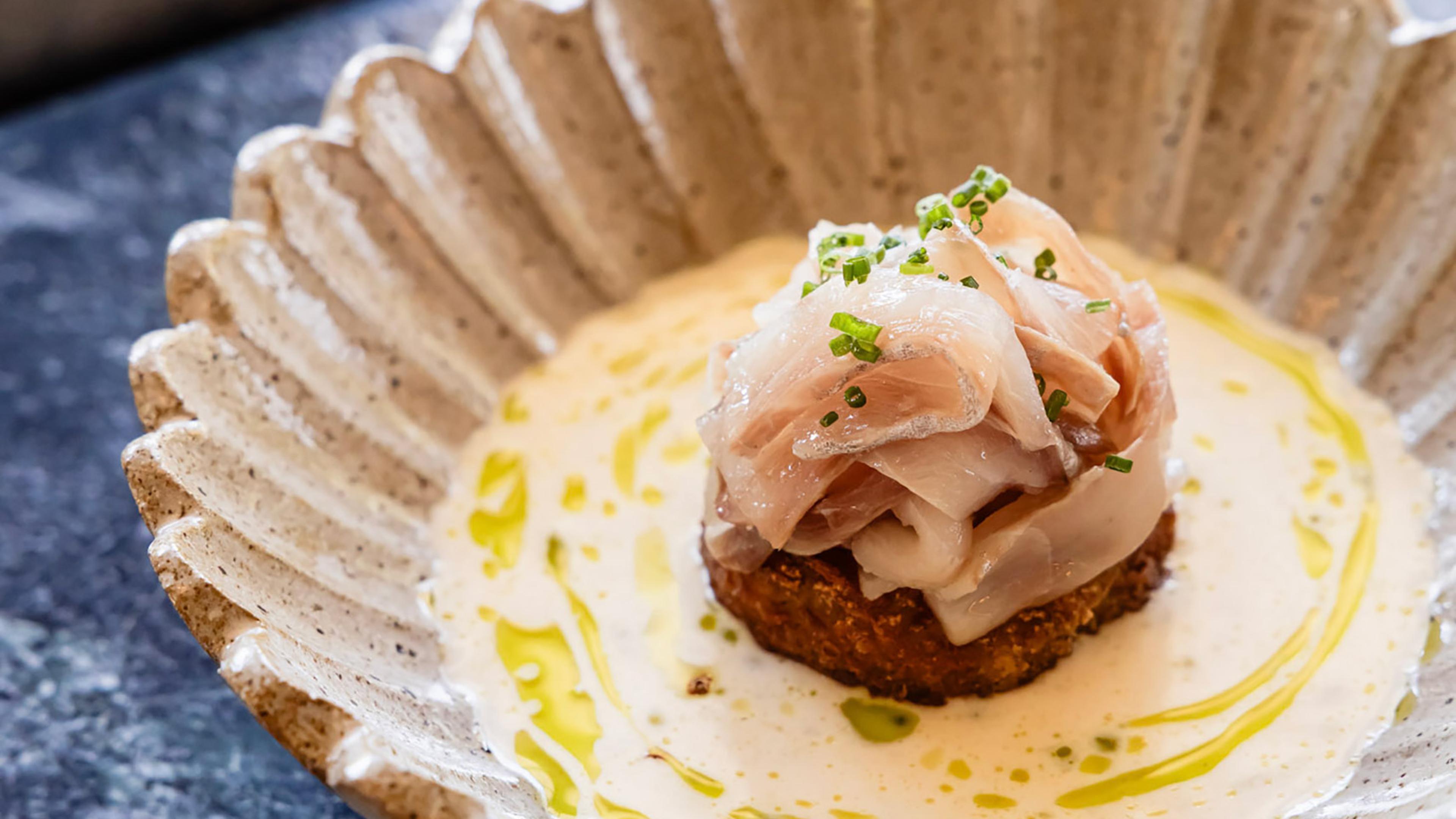
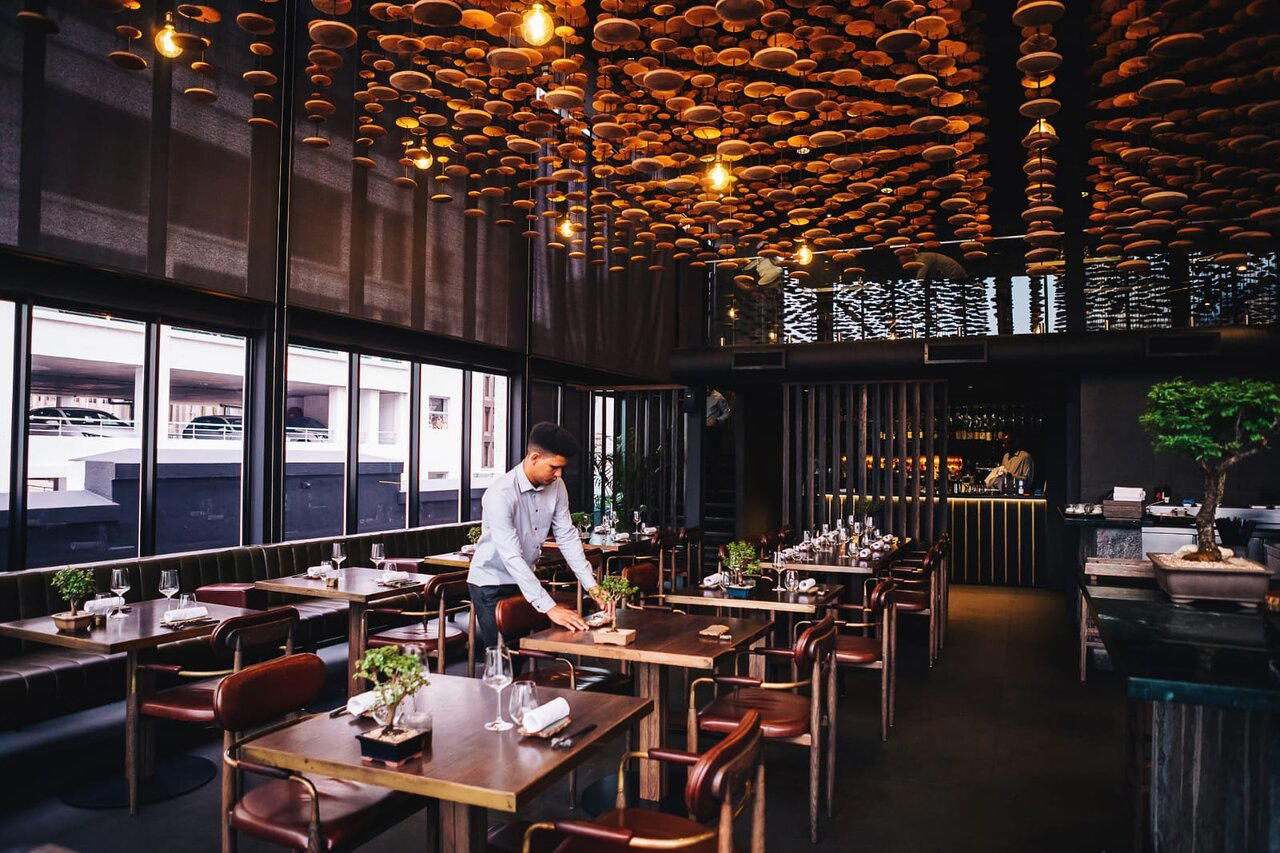
Bars in Cape Town
Browse all →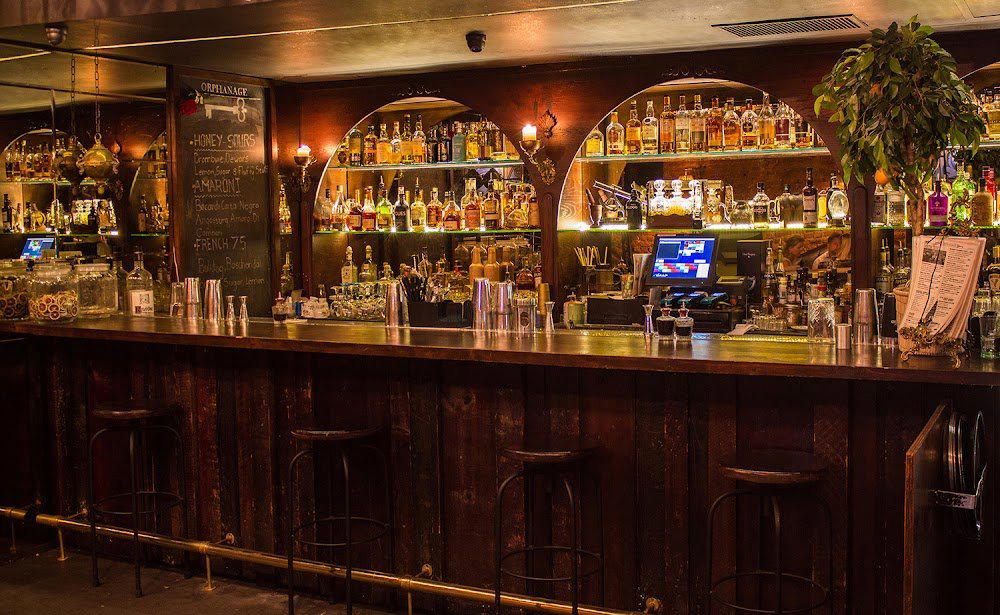
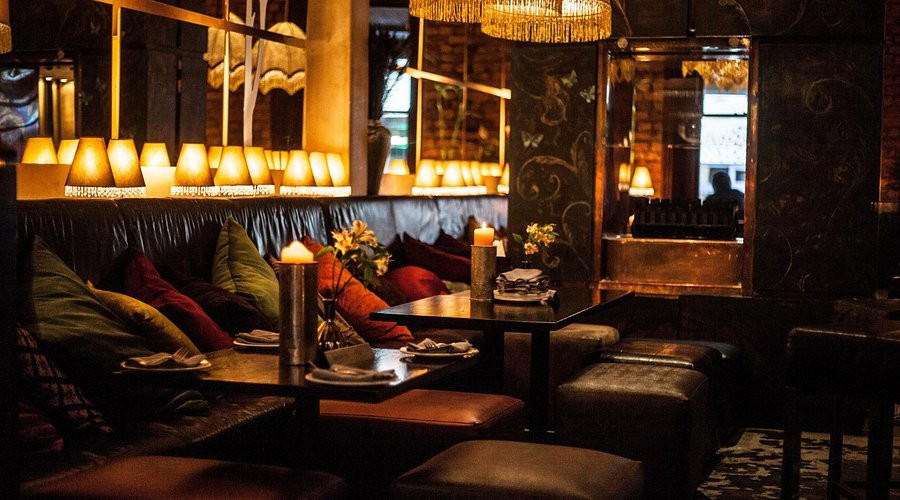
Hotels in Cape Town
Browse all →
At a Glance
- Romantic
- Elegant
- Scenic
- Sophisticated
- Modern
- Date Night
- Celebration
- Special Occasion
- Group Dining
- Open Kitchen
- Terrace
- Panoramic View
- Private Dining
- Garden
- Sommelier Led
- Farm To Table
- Local Sourcing
- Organic
- Vineyard
- Garden
Current opening hours
- Monday
- 12–2 PM, 6:30–8:30 PM
- Tuesday
- 12–2 PM, 6:30–8:30 PM
- Wednesday
- 12–2 PM, 6:30–8:30 PM
- Thursday
- 12–2 PM, 6:30–8:30 PM
- Friday
- 12–2 PM, 6:30–8:30 PM
- Saturday
- 12–2 PM, 6:30–8:30 PM
- Sunday
- 12–2 PM
Hours can change for holidays and private events. Last verified .
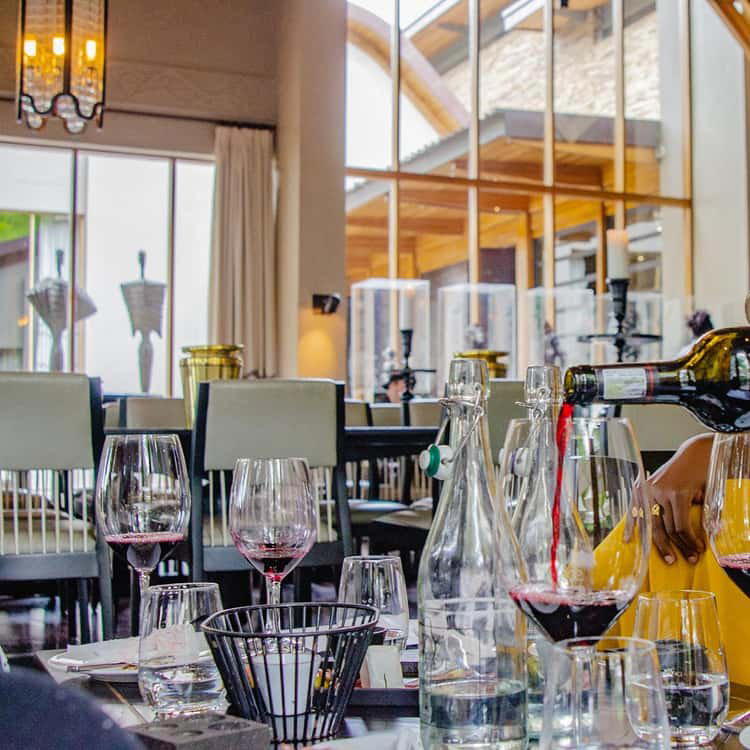
Bright, contemporary glass-enclosed dining room with natural light overlooking terraced vineyards; relaxed yet refined atmosphere with an open kitchen visible to diners; warm service that feels informal despite fine-dining caliber.