The Test Kitchen
The Test Kitchen earned five consecutive placements on the World's 50 Best Restaurants list between 2014 and 2019, peaking at number 22 in 2016, and became the reference point for ambitious South African fine dining during that period. Situated in Woodstock's Old Biscuit Mill, the restaurant is now permanently closed, but its influence on Cape Town's contemporary dining scene remains legible across an entire generation of South African kitchens.
- Address
- The Silo, The Old Biscuit Mill, 373-375 Albert Rd, Woodstock, Cape Town, 7915, South Africa
- Phone
- +27 21 447 0804
- Website
- thepotluckclub.co.za
- Directions
- Get directions
A Closed Kitchen That Rewired South African Fine Dining
There is a particular kind of restaurant that matters not because it still exists but because of what it set in motion. The Test Kitchen was a restaurant at The Old Biscuit Mill on Albert Road in Woodstock, Cape Town, known for its avant-garde fine dining fusion and its #22 peak on the World's 50 Best list in 2016. By the time it closed, it had placed on the World's 50 Best Restaurants list five consecutive times, at number 48 in 2014, number 28 in 2015, number 22 in 2016, number 50 in 2018, and number 44 in 2019, a run that gave South African cuisine a visible seat at the global fine dining table. Understanding what The Test Kitchen was, and why it mattered, helps explain Cape Town's current restaurant scene.
The Setting: Woodstock as a Fine Dining Address
Woodstock was not an obvious location for a restaurant with global ambitions. In the years when The Test Kitchen opened, the neighbourhood was an industrial district in transition, warehouses and tile merchants sharing streets with creative studios and the Saturday market at The Old Biscuit Mill. Choosing Woodstock was itself a statement about what South African fine dining could be: removed from the waterfront hotel circuit and the Constantia wine estate dining rooms, planted instead in a working-class suburb whose character was raw and unresolved. That choice anticipated a broader pattern now visible across Cape Town's competitive restaurant landscape, where serious kitchens deliberately position themselves outside tourist geography. Venues like Salsify at the Roundhouse and Beyond continue in different registers what The Test Kitchen began: the argument that serious cooking in the city happens away from the obvious postcard locations.
The Progression: How a Meal Was Structured
The restaurant ran a multi-course tasting format, which in Cape Town was still relatively unusual. The format allowed a kitchen to build an argument over time, moving through textures, temperatures, and flavour registers in a sequence with its own internal logic. This structural approach, common in European fine dining but less established in South Africa, was part of what the global restaurant community responded to in the World's 50 Best rankings. A meal at the restaurant was designed to be read as a progression rather than a collection of individual dishes, each course setting up the next. This sequencing philosophy is now visible across Cape Town's higher-end kitchens: La Colombe on Constantia Uitsig estate runs its own tasting arc with comparable ambition, and Chefs Warehouse Beau Constantia offers a shared-plates format that structures discovery differently but draws on the same instinct: that a meal should move, should build, should have a shape.
The kitchen drew from South African ingredients and cooking traditions while applying technique associated with contemporary European fine dining. That tension, local material, international method, became a productive one for the whole South African fine dining generation that followed. The challenge for any ambitious South African restaurant is precisely this: how to place local ingredients and food culture inside formats that international diners recognise as fine dining, without flattening what makes those ingredients specific. The restaurant worked that problem out in public, over nearly a decade, in front of a global audience.
What the Rankings Signalled About the comparable set
World's 50 Best rankings operate as much as a cultural signal as a quality assessment. A placement at number 22 in 2016 put the restaurant in a tier that included restaurants from Tokyo, Copenhagen, New York, and San Sebastián. That positioning changed the conversation about where South African fine dining sat relative to global peers. Before the restaurant's run, South Africa registered in international food media largely through its wine output, particularly from the Stellenbosch and Franschhoek valleys. The restaurant rankings shifted attention toward the plate and the kitchen. For comparison, Wolfgat in Paternoster has since built international recognition through an entirely different approach, small coastal format, foraged ingredients, radically local sourcing, which suggests the range that South African fine dining now spans. Le Quartier Français in Franschhoek represents another strand: wine-country dining with its own long-form credibility. The restaurant did not create these trajectories, but it demonstrated that the global appetite for South African fine dining was real and bankable.
The Woodstock Address and Its Practical Legacy
Physical address at The Old Biscuit Mill, 373-375 Albert Road, Woodstock, remains occupied by other food and creative businesses. The Saturday market that runs in the complex has been a Woodstock constant for over a decade and draws a mixed local and visitor crowd. The neighbourhood's food character has deepened since the restaurant operated there: the density of serious restaurants, wine bars, and specialist food producers along Albert Road and its surrounding streets is now high enough that Woodstock functions as a distinct dining quarter rather than an outlier. For visitors planning time in Cape Town, the area warrants an afternoon or evening itinerary of its own. Cape Town's central dining circuit and outlying neighbourhoods like Woodstock remain closely linked.
Where Cape Town Fine Dining Went Next
Closure of the restaurant created space that the current generation of Cape Town kitchens has moved into with varying degrees of ambition and distinct culinary arguments. Chefs Warehouse at Tintswalo Atlantic occupies a spectacular position on the Hout Bay coastal road and takes a sharing-plates approach that democratises the fine dining format without abandoning ingredient quality. Dusk in Stellenbosch and Epice in Franschhoek extend the wine-country fine dining tradition with contemporary technique. Ellerman House in Bantry Bay operates at the intersection of luxury hotel dining and serious kitchen craft. Beyond the Cape, Gigi in Johannesburg signals that the fine dining energy the restaurant helped generate has spread to the country's other major urban centre.
For those interested in South Africa's wider food geography, the country's game lodge dining circuit has also matured considerably. Esiweni Luxury Safari Lodge near Memorial Gate and Jabulani Safari in Hoedspruit represent a lodge dining format that now operates well above the functional level that once defined safari food. The restaurant's legacy is partly this: it raised expectations for what South African cooking could be across every format and setting. Cape Town's broader food and wine scene continues to evolve beyond the restaurant itself.
Comparable Spots, Quickly
Comparable venues nearby, for context on price, style, and recognition.
| Venue | Cuisine | Price | Awards | Notes |
|---|---|---|---|---|
| The Test KitchenThis venue — the venue you are viewing | Avant-Garde Fine Dining Fusion | $$$$ | World's 50 Best #22 | Not listed |
| Fyn | Modern Japanese-South African Fusion | $$$$ | World's 50 Best #37 | City Bowl |
| La Colombe | Contemporary French-Asian Fine Dining | $$$$ | World's 50 Best #12 | Witteboomen |
| Salsify at the Roundhouse | Modern South African Fine Dining | $$$$ | World's 50 Best #88 | Clifton |
| PIER | Contemporary French Fine Dining | $$$$ | Not listed | Schotschekloof |
| Beluga | Euro-Asian Fusion with Sushi | $$$ | Not listed | Schotschekloof |
Recognition history
Dated appearances from independent guides and award organizations, with the underlying list record or original source where available.
World's 50 Best Best Restaurants #44
World's 50 Best
World's 50 Best Best Restaurants #50
World's 50 Best
World's 50 Best Best Restaurants #22
World's 50 Best
World's 50 Best Best Restaurants #28
World's 50 Best
World's 50 Best Best Restaurants #48
World's 50 Best
Continue exploring
More in Cape Town
Restaurants in Cape Town
Browse all →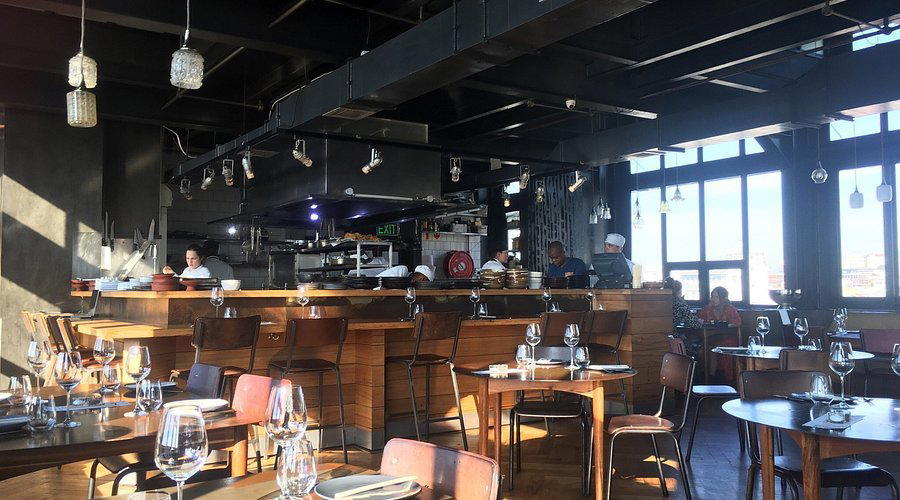

Bars in Cape Town
Browse all →
Hotels in Cape Town
Browse all →
At a Glance
- Modern
- Trendy
- Sophisticated
- Industrial
- Special Occasion
- Date Night
- Open Kitchen
- Chefs Counter
- Extensive Wine List
- Sommelier Led
- Local Sourcing
Current opening hours
- Monday
- 12:30–2 PM, 6–10 PM
- Tuesday
- 12:30–2 PM, 6–10 PM
- Wednesday
- 12:30–2 PM, 6–10 PM
- Thursday
- 12:30–2 PM, 6–10 PM
- Friday
- 12:30–2 PM, 6–10 PM
- Saturday
- 12:30–2 PM, 6–10 PM
- Sunday
- 11 AM–12:30 PM
Hours can change for holidays and private events. Last verified .
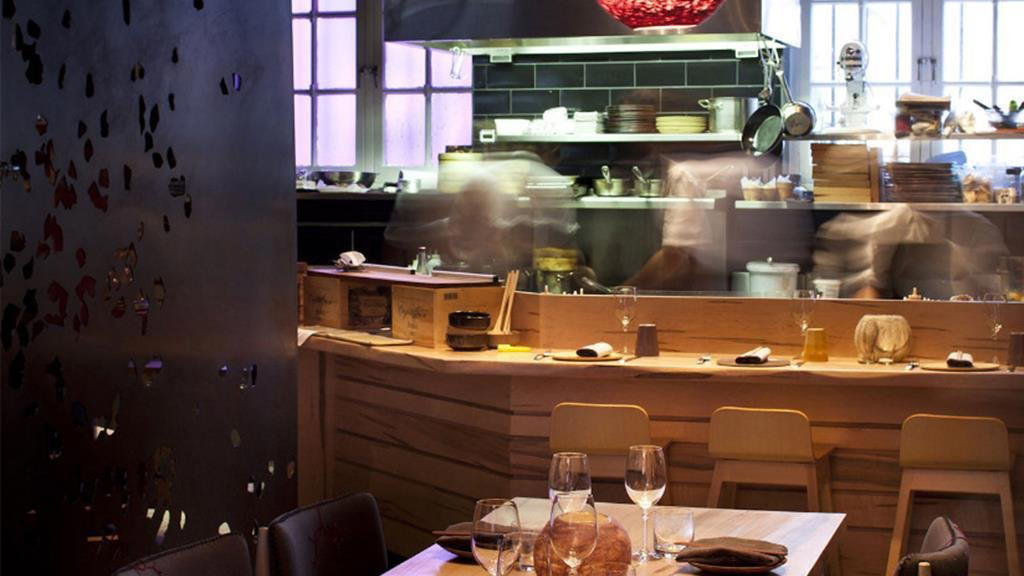
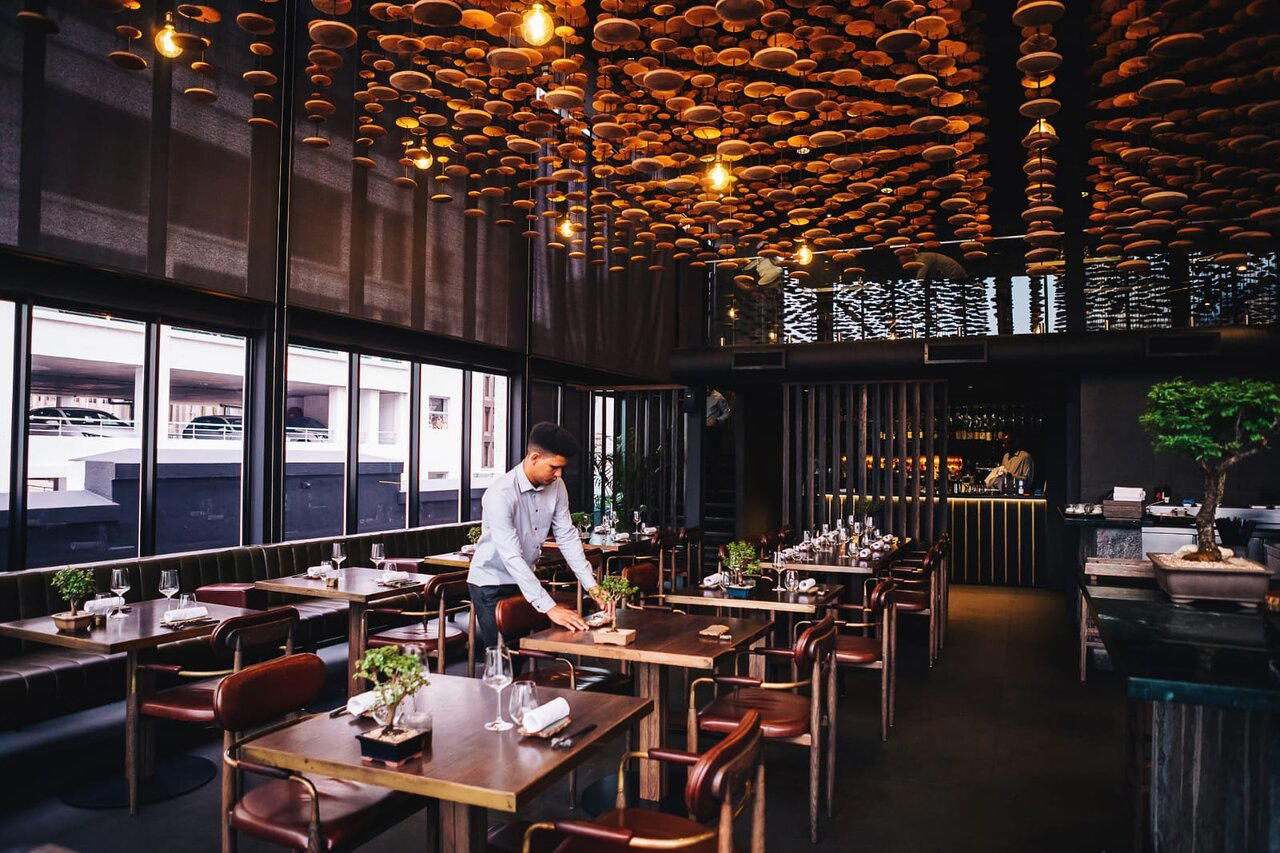
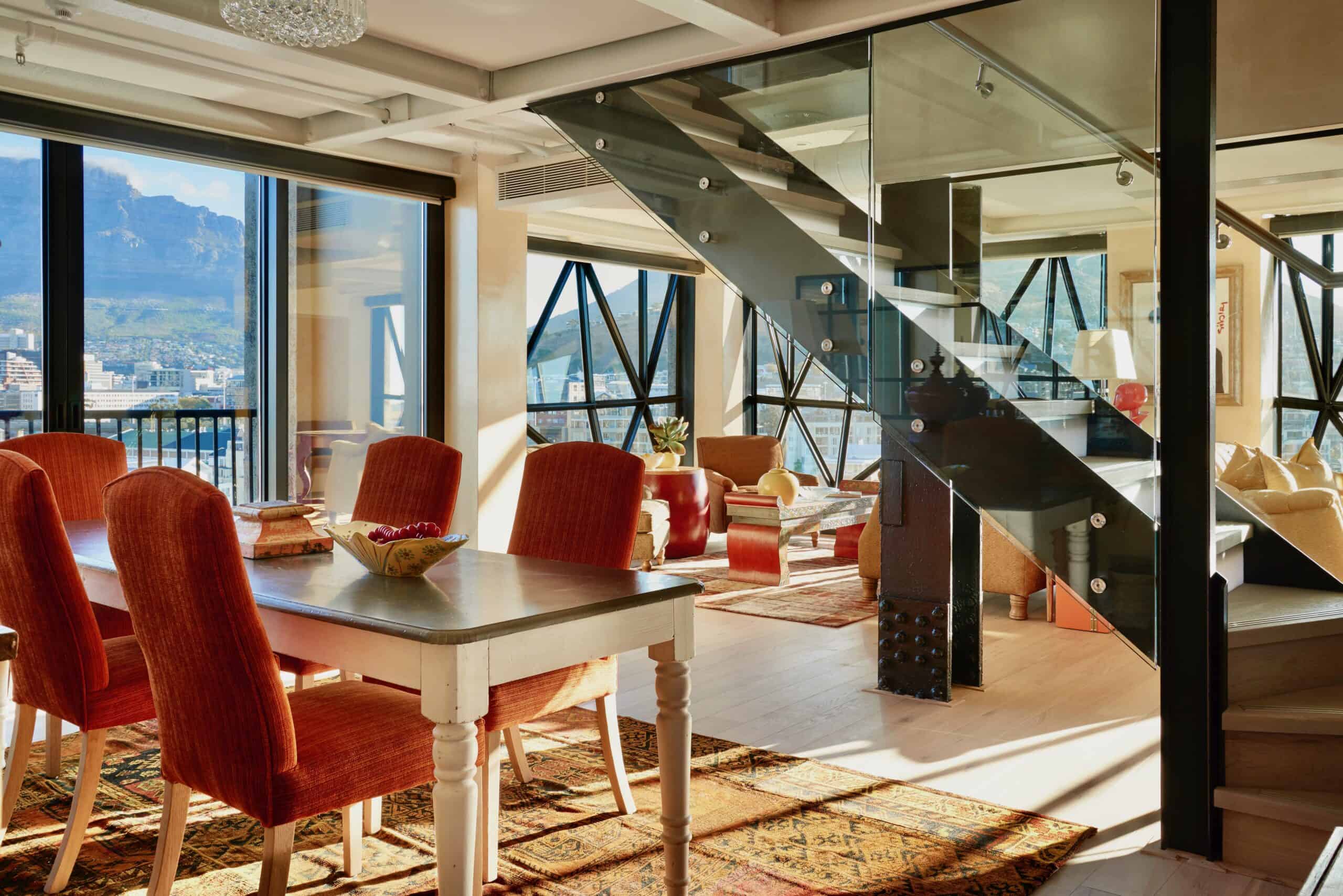
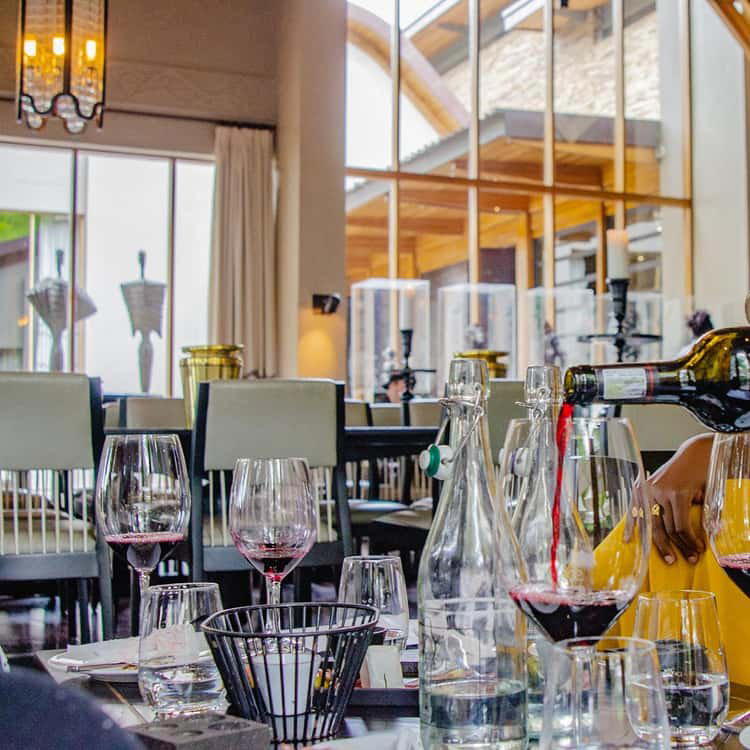
Cool modern industrial chic space with exposed brick, concrete floors, warm staff, and an energetic open kitchen theater.