Beau Constantia
The property positions itself in the restrained, terroir-led tier of Constantia producers, where cool Atlantic air and decomposed granite soils define the character of the wines as clearly as any winemaking decision.

Pearl is the En Primeur Club membership app — saves, bookings, and concierge access live there. Same editors, same standards.
- Address
- 1043 Constantia Main Rd, Constantia, Cape Town, 7806
- Phone
- +27 21 794 8632
- Website
- beauconstantia.com
- Directions
- Get directions
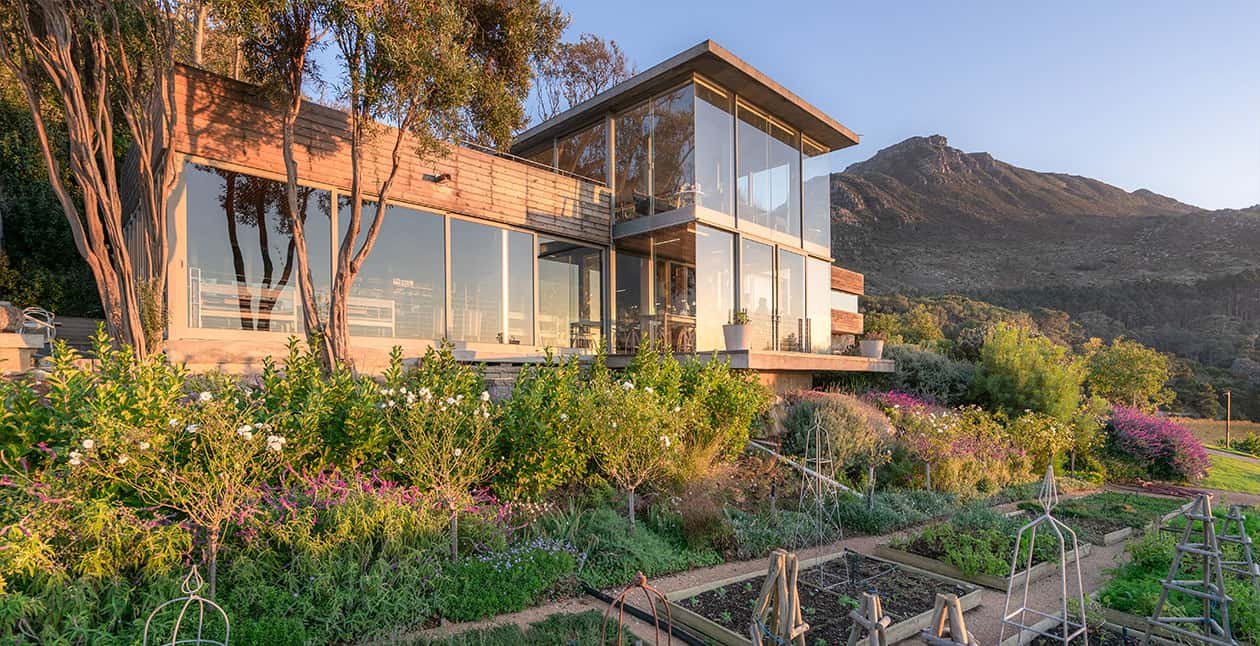
Where the Mountain Meets the Valley Floor
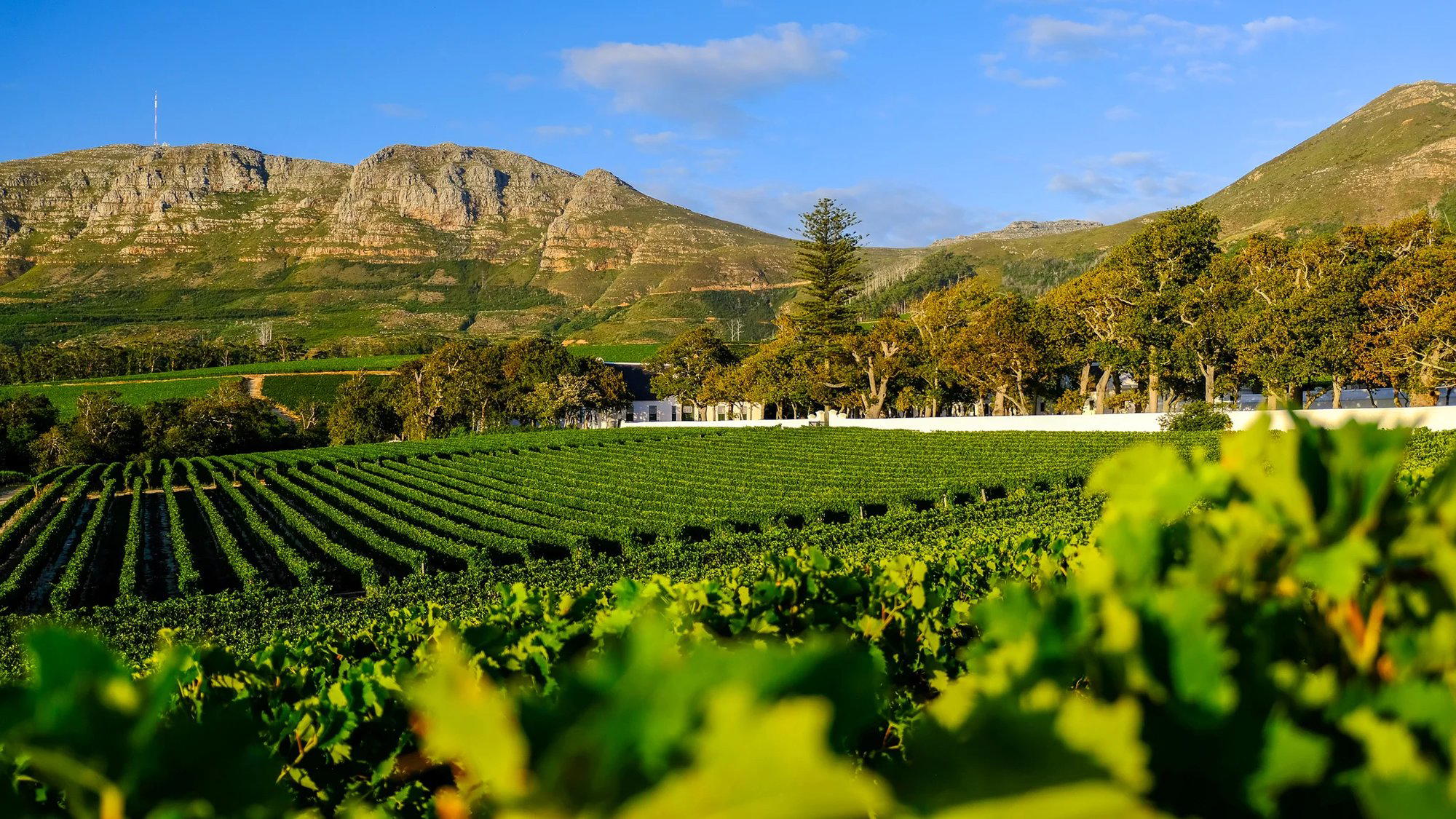
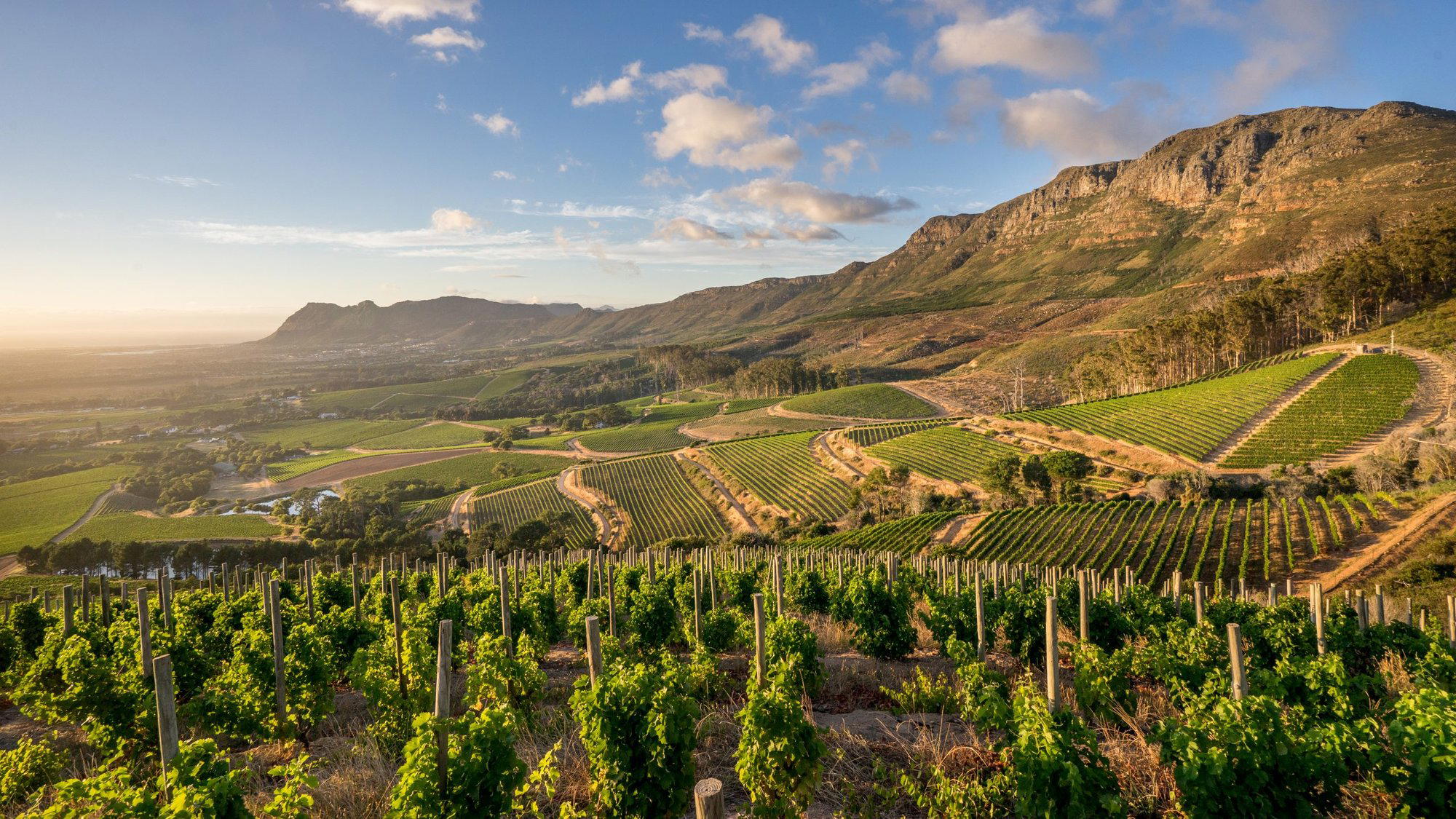
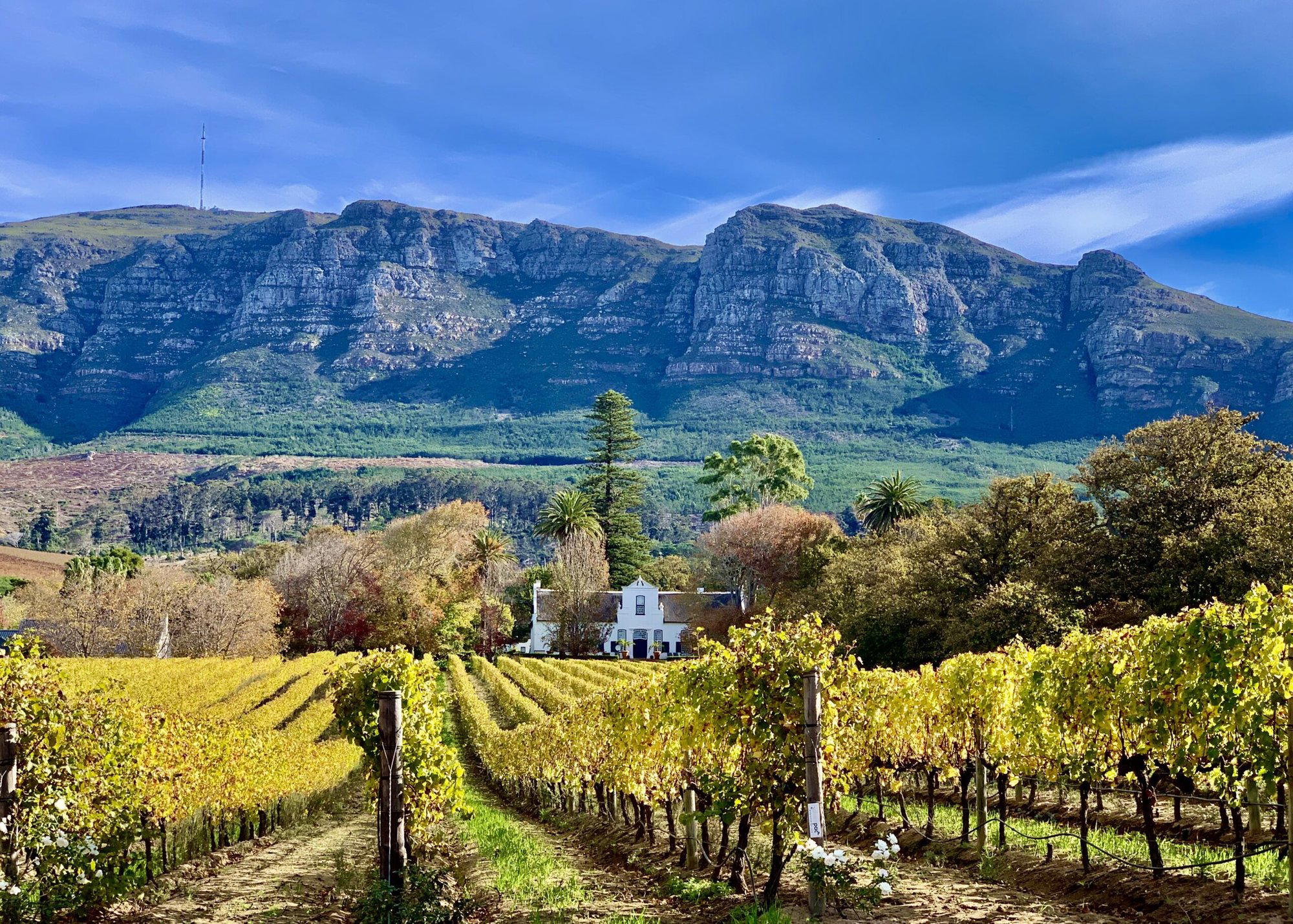
The drive up Constantia Main Road tells you something before you arrive. The canopy thickens, the air cools by several degrees, and the Constantiaberg ridge begins to press in from the left. This is not the sun-baked flatlands of Stellenbosch or the wide valley floor at Paarl. The Constantia Valley sits at the southern edge of the Cape Peninsula, open to cold fronts rolling in off the Atlantic, and the effect on its wines is measurable: longer hang times, preserved acidity, and a structural tension that distinguishes the leading bottles from this valley from anything produced further inland.
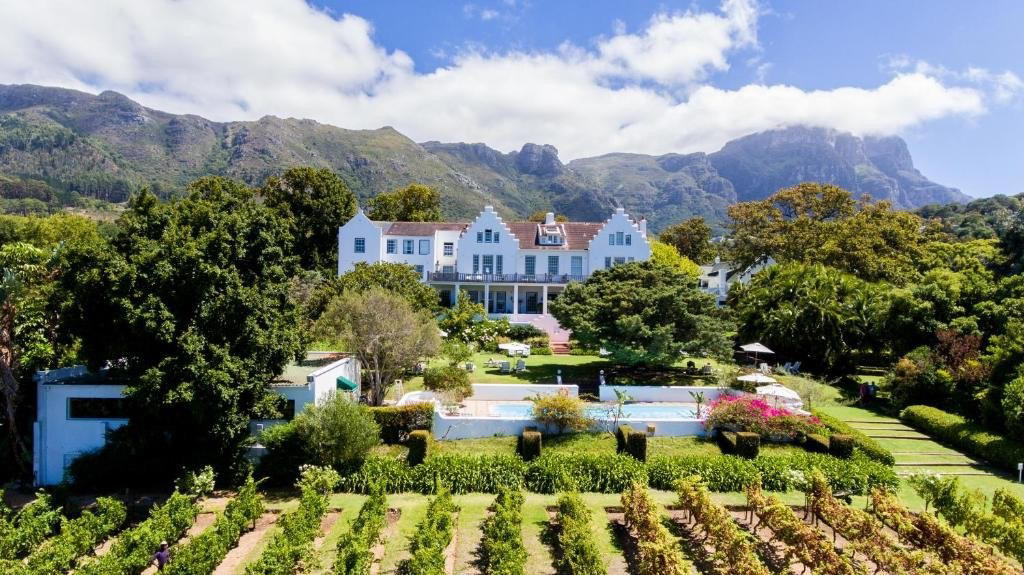
Beau Constantia sits on the upper slopes of that ridge, at 1043 Constantia Main Rd, at an elevation that places it above the fog line but within reach of afternoon moisture from False Bay. That positioning is not incidental. In a valley where altitude and aspect determine ripening windows almost as much as variety choice, where a property sits on the slope is the first editorial decision a winery makes. Beau Constantia's site aligns it with the cooler, more restrained producers at the upper end of the valley rather than those on the warmer, more sheltered lower terraces.
The Constantia Terroir Argument
Constantia is the oldest wine-producing region in the Southern Hemisphere, and it spent most of its modern history being underestimated. The valley sat in Stellenbosch's shadow for decades, treated as a scenic detour rather than a serious wine address. That framing has shifted. The combination of decomposed granite and Table Mountain Sandstone-derived soils, moderate summer temperatures held in check by the Cape Doctor and Atlantic systems, and the valley's proximity to two large bodies of water has begun attracting serious attention from critics who track cool-climate expression in South African wine.
The comparison set is worth understanding. Groot Constantia, the valley's anchor estate, operates on historical authority and volume, producing across a wide range. Constantia Glen has built its reputation on Bordeaux-style blends from refined sites. Buitenverwachting produces some of the valley's most consistent Sauvignon Blanc and has done so across multiple decades. Within that peer group, Beau Constantia occupies the niche of smaller-scale, site-focused production, where the elevation and slope aspect drive the winemaking conversation rather than the other way around.
That approach has drawn external recognition. In a valley with several well-resourced competitors, that rating positions Beau Constantia as more than a scenic tasting stop.
Cool Climate, Granite Soils, Atlantic Proximity
The terroir case for Constantia wines rests on three interacting factors, and Beau Constantia's site engages all three. First, the soils: decomposed granite and sandstone-derived profiles that drain freely and stress the vine in ways that concentrate flavour without excessive heat ripening. Second, the temperatures: the valley rarely reaches the summer highs of the Winelands interior, and night-time cooling is consistent, preserving aromatic intensity through the growing season. Third, the moisture: proximity to both the Atlantic and False Bay means humidity and afternoon cloud cover moderate the sun exposure that would otherwise push sugars ahead of phenolic maturity.
The practical consequence of that combination is wines with natural tension. Sauvignon Blanc from this valley tends toward citrus and flinty minerality rather than the tropical fruit registers that dominate warmer South African regions. Reds, where grown at altitude on the Constantia slopes, carry a cooler-climate restraint that aligns them more closely with European structural models than with the ripe, generous style associated with some of the hotter Winelands appellations. For visitors interested in how South African wine has evolved beyond its mid-market stereotype, Constantia in general, and the upper-slope producers in particular, represent the clearest evidence.
Broader Western Cape wine picture includes producers working in very different registers. Cape Point Vineyards, on the peninsula's southern tip, operates with similar Atlantic influence and has documented some of the Cape's most compelling cool-climate white wines. Cape of Storms Distilling Co. occupies an adjacent category, translating Southern Cape botanical character into spirits rather than wine. Further afield, Creation Wines in Hermanus and Vergelegen Wine Estate in Somerset West both work in cooler maritime-influenced zones, providing useful reference points for anyone tracing the cool-climate thread across the Cape's wine regions.
Beau Constantia in the Winelands Context
Western Cape wine circuit has expanded considerably as an international destination, and the question of how to sequence a visit has become more complex. The Franschhoek valley offers the food-and-wine combination most comprehensively, with Babylonstoren anchoring the design-led estate experience at the upper end of that market. Stellenbosch covers the full range from high-volume tourist operations to serious single-vineyard producers, with Neethlingshof Estate representing the older heritage-estate model. Robertson, further east, produces volume at accessible price points, and Graham Beck Wines has built its reputation on méthode cap classique at that address. Paarl's Val de Vie Estate operates across lifestyle and wine categories simultaneously.
Constantia sits apart from all of those circuits in one important respect: it is suburban Cape Town. The valley is a 20-minute drive from the City Bowl, which means a visit to Beau Constantia does not require the full Winelands day-trip commitment. That accessibility shapes the type of visitor and, by extension, the experience format. The tasting room operates as a serious wine destination rather than a resort amenity, without the equestrian facilities, farm restaurants, and hotel accommodation that characterise the larger estate operations in Franschhoek and Stellenbosch.
For international visitors, this positioning has practical advantages. A morning at Beau Constantia can anchor a Cape Town wine day that also takes in Groot Constantia for historical context and Buitenverwachting for comparative Sauvignon Blanc, before returning to the city for dinner. That kind of focused half-day circuit is harder to construct in Stellenbosch or Franschhoek, where the distances between properties and the pull of the food offering tend to extend the visit. See our full Cape Town restaurants and experiences guide for how to sequence Constantia within a broader Cape Town visit.
For those extending beyond the Western Cape, Oude Molen Distillery in Grabouw operates in the nearby Elgin valley and offers a spirits counterpoint to the Constantia wine focus. The Elgin appellation, one valley east over the Hottentots Holland range, is itself a cool-climate story worth following, with apple-farming heritage and maritime influence that parallels some of the Constantia terroir arguments.
Planning Your Visit
Beau Constantia is located at 1043 Constantia Main Rd, positioned on the upper valley slope with views across toward False Bay. The property sits within easy reach of the M3 highway corridor that connects Cape Town's southern suburbs to the city centre, making it accessible by car without navigating the more complex mountain pass routes required to reach some Stellenbosch hillside producers. The Constantia valley's tasting rooms generally operate across standard daytime hours, and the shoulder seasons of late summer and autumn, when harvest activity adds context to the visit, tend to produce the most informative tasting experiences.
Comparable Venues
Comparable venues nearby, for context on price, style, and recognition.
| Venue | Cuisine | Price | Awards | Notes |
|---|---|---|---|---|
| Beau ConstantiaThis venue — the venue you are viewing | Viognier, Sauvignon Blanc | $20–30 | Not listed | Not listed |
| Constantia Glen | Sauvignon Blanc, Sémillon | $20–30 | Falstaff Winery - Listed | Constantia |
| Ibhu Indlovu Gin Distillery | Western Cape | Not listed | Not listed | Cape Town |
| Diemersdal Wine Estate | Sauvignon Blanc, Pinotage | $1–10 | Falstaff Winery - Listed | Durbanville |
Continue exploring
More in Cape Town
Wineries in Cape Town
Browse all →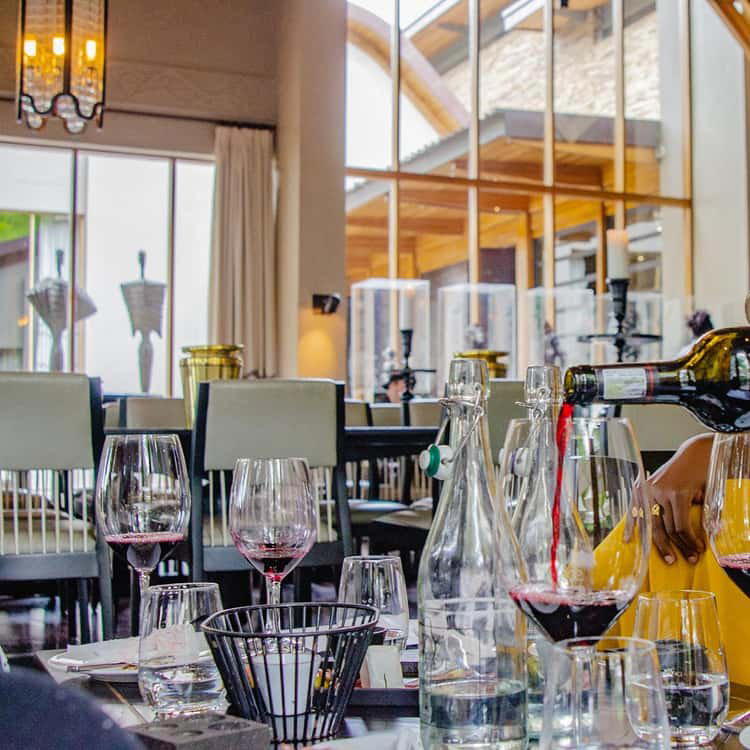
Bars in Cape Town
Browse all →
Restaurants in Cape Town
Browse all →
Details
- Scenic
- Elegant
- Modern
- Sophisticated
- Romantic Getaway
- Special Occasion
- Wine Education
- Terrace
- Panoramic View
- Sustainable
- Mountain
- Vineyard
- Viognier
- Sauvignon Blanc
- Semillon
- Cabernet Franc
- Merlot
- Cabernet Sauvignon
- Malbec
- Shiraz
- Petit Verdot
- Still White
- Still Red
- Wine Tasting
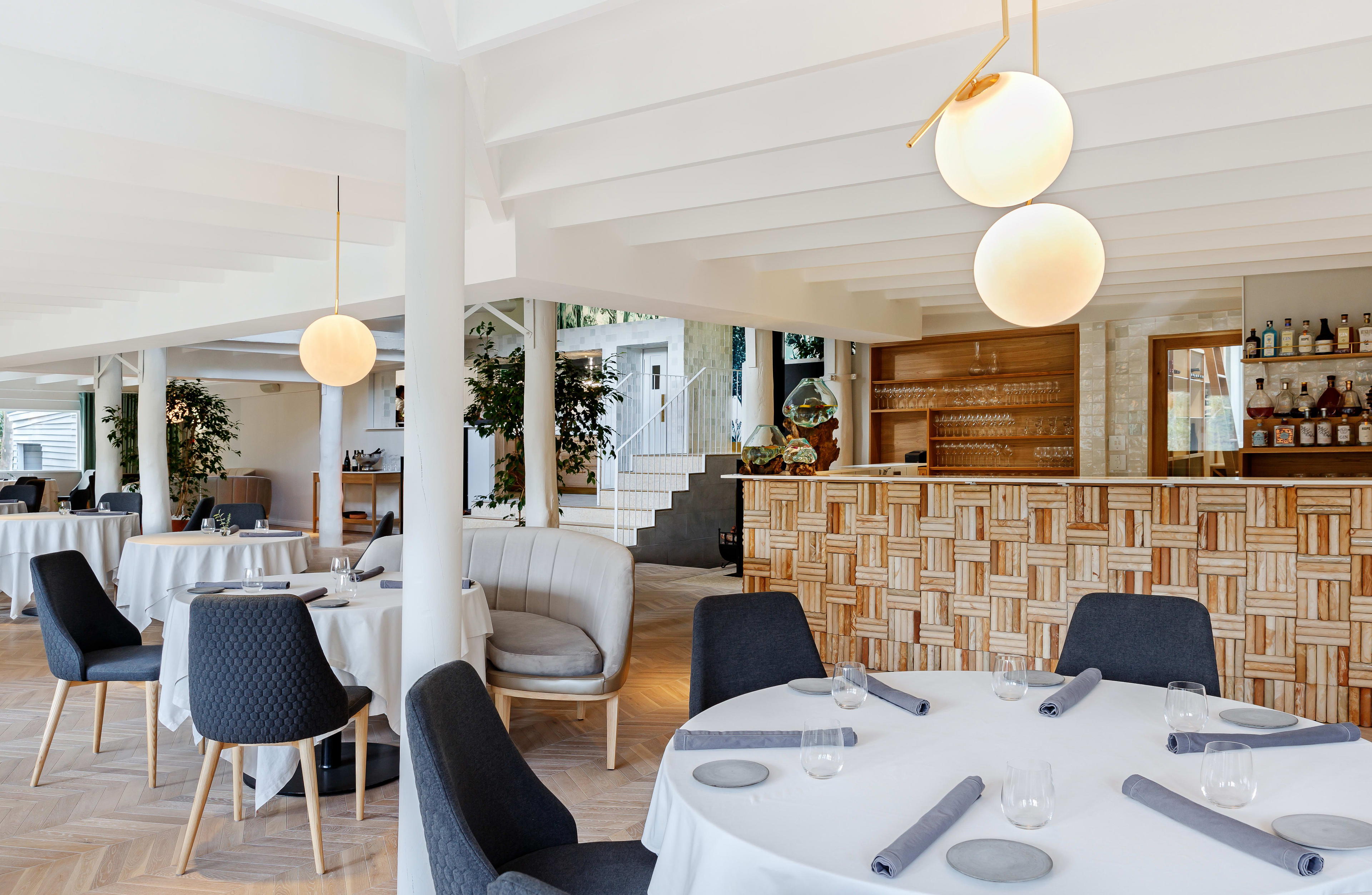
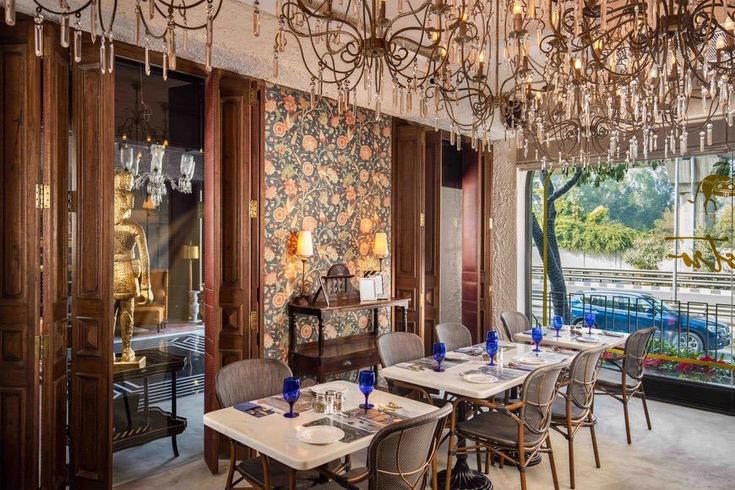
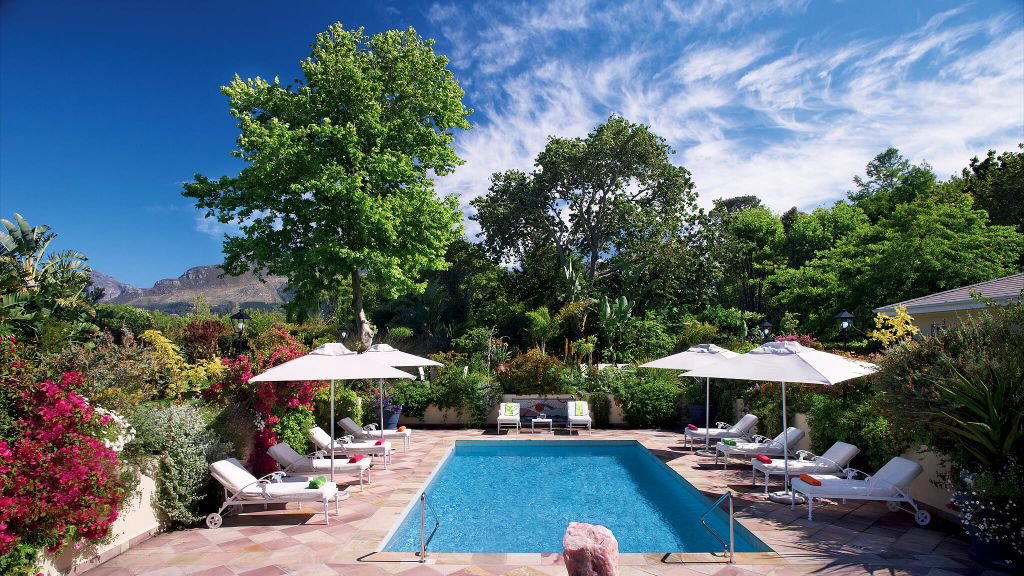
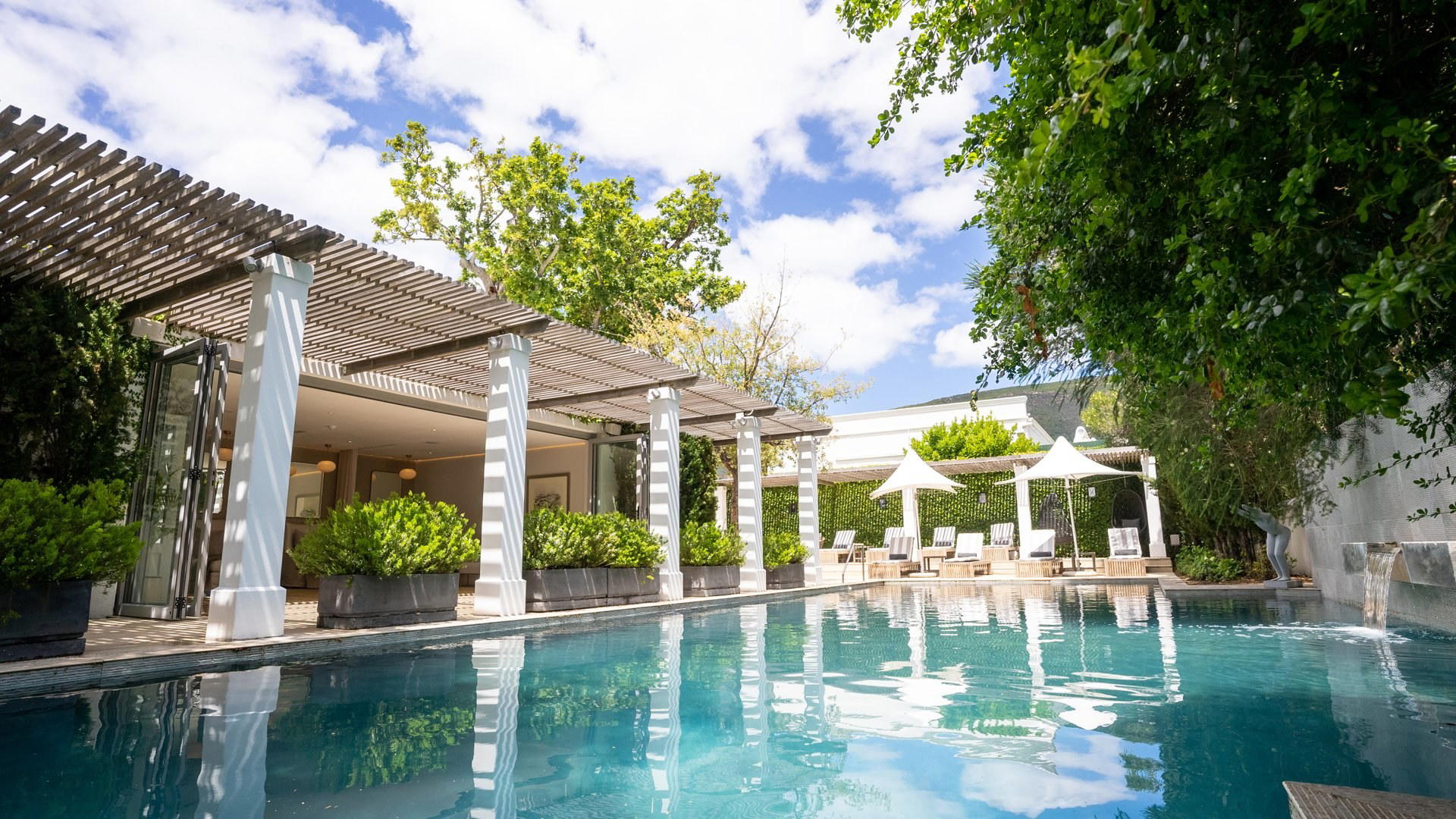
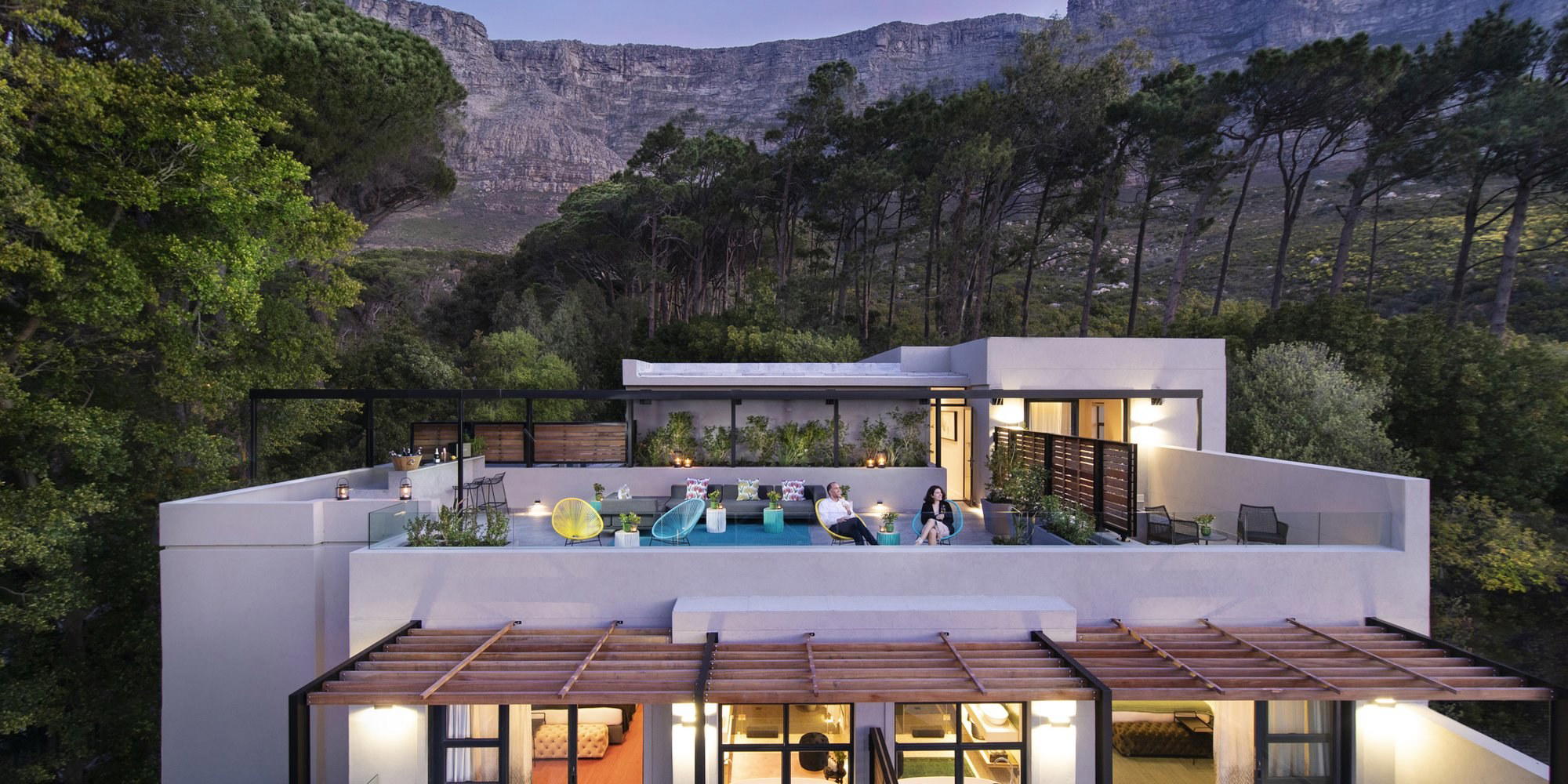
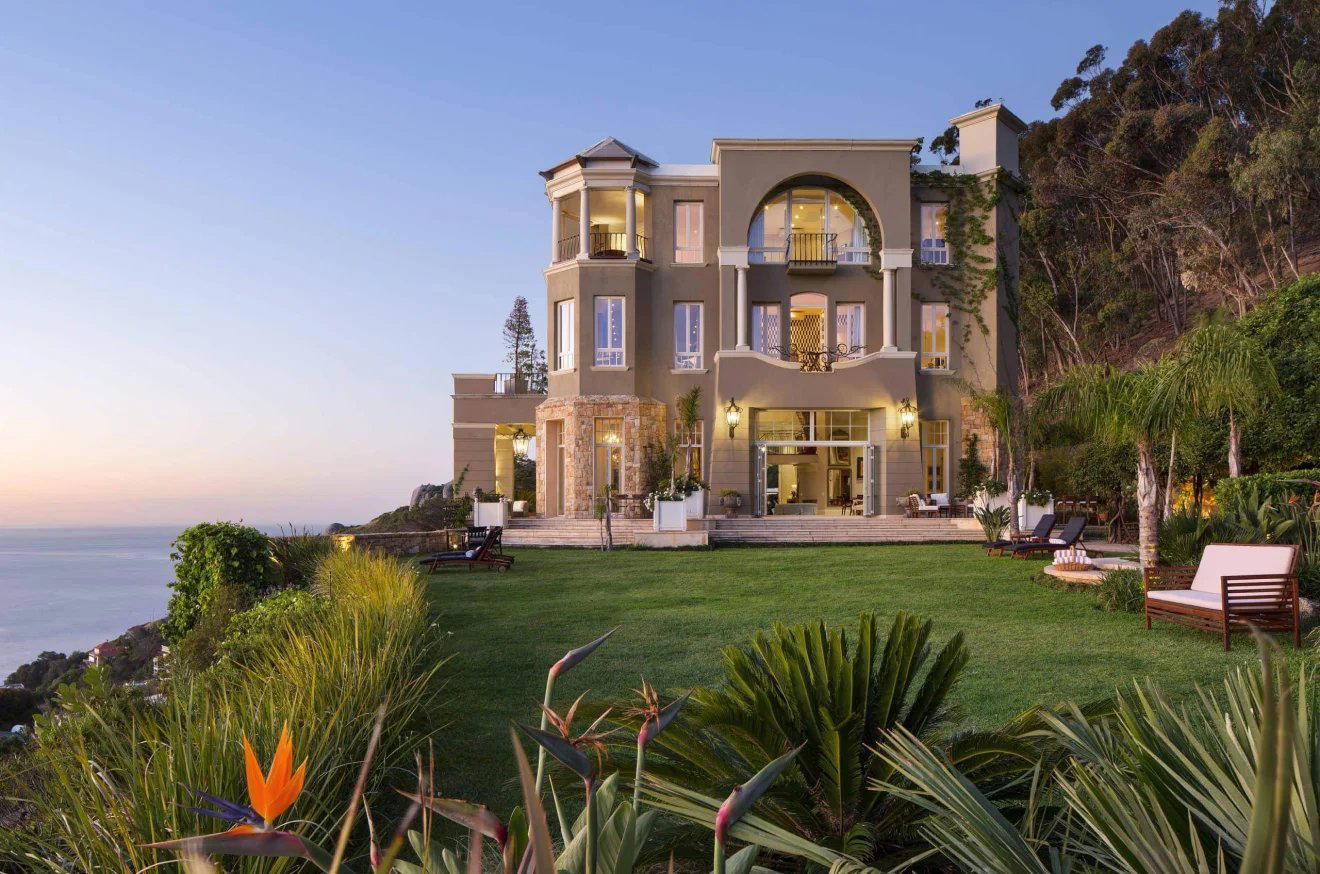
Contemporary glass-encased tasting room with serene, light-filled atmosphere blending seamlessly into dramatic natural vineyard and mountain landscape.