Plant
This listing is retired after a June 2026 status audit found the place inactive at its stored address.
- Address
- 8 Buiten St, Cape Town City Centre, Cape Town, 8000, South Africa
- Phone
- +27 72 521 9252
- Website
- plantcafe.co.za
- Directions
- Get directions
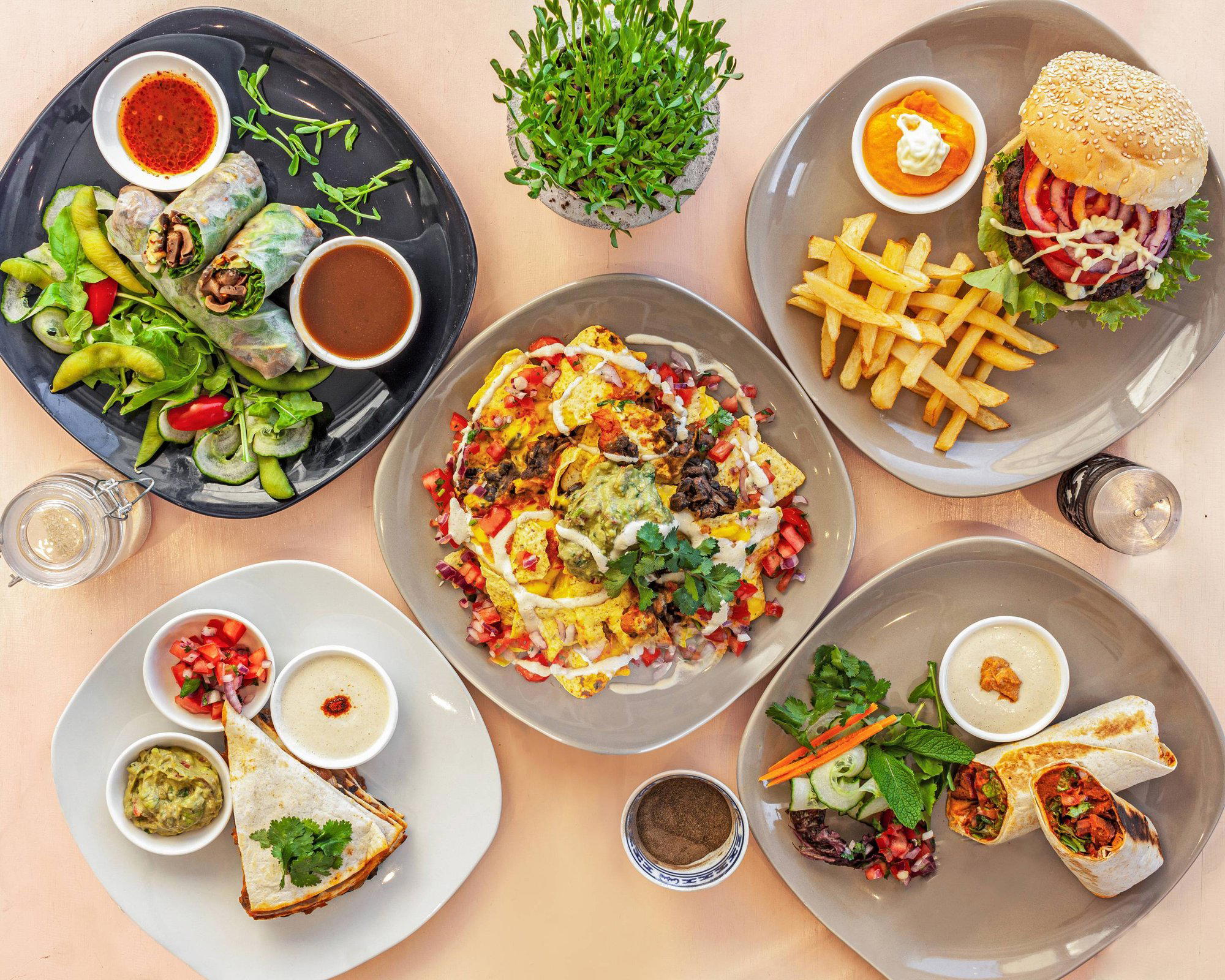
A Different Argument on Buiten Street
Cape Town's City Centre has never been the obvious address for destination dining. Plant is a vegan cafe at 8 Buiten St, Cape Town City Centre, Cape Town, 8000, South Africa. The neighbourhoods that draw critical attention tend to sit elsewhere: Woodstock for its industrial-cool restaurant conversions, the Southern Suburbs for estate-anchored tables, and the Atlantic Seaboard for views that do a lot of the marketing. Buiten Street, by contrast, is a quieter proposition. That relative anonymity is part of what gives Plant its character. The room does not compete with a panorama or a heritage courtyard. It asks you to pay attention to what is on the plate and, before that, to what has been done with the space itself.
Plant-based dining in South Africa occupies a particular position in the wider food conversation. In a country where braai culture and game meat carry significant cultural weight, a restaurant built entirely around vegetables, legumes, and plant-derived proteins is not operating from a position of consensus. It is making a case. The physical environment tends to reflect that seriousness of intent: plant-forward restaurants in cities like Cape Town, London, and New York have increasingly adopted interiors that communicate considered restraint rather than compensatory maximalism. The design language says: this is not a salad bar. It is a cooking program with a point of view.
The Space as Statement
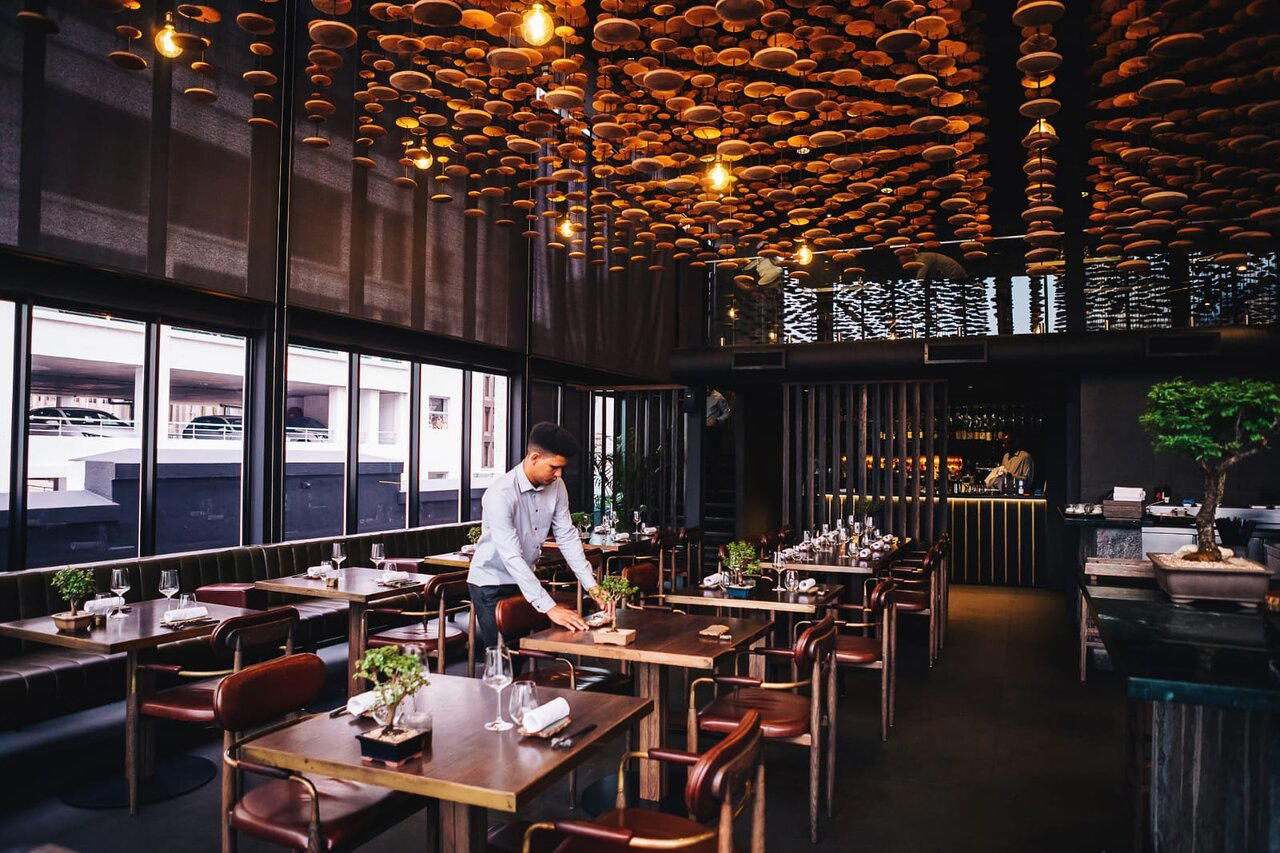
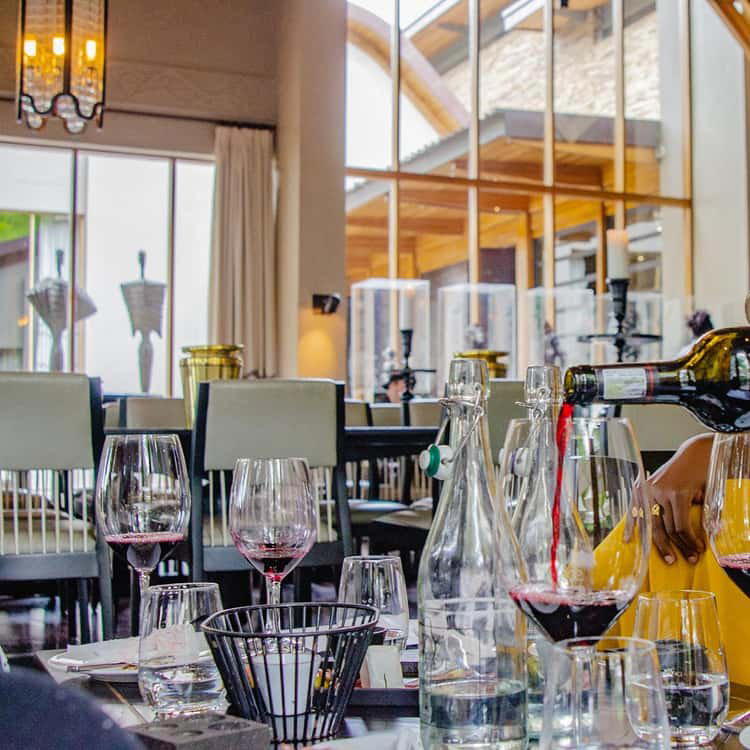
In the broader international pattern, plant-based fine dining tends to resolve into two distinct spatial registers. The first is the clinical, almost laboratory aesthetic: white surfaces, precise lighting, a kind of scientific remove that frames vegetables as subjects of study. The second is the warm, textural approach: natural materials, low light, an environment that reads as nurturing rather than analytical. Plant, at 8 Buiten Street, sits in the latter tradition. The address is a City Centre building, which means working with the structural givens of an urban interior rather than the sweeping volumes available to estate restaurants like Delheim Wine Estate in Stellenbosch or lodge settings such as Silvan Safari Lodge in Kruger.
That urban constraint is not a limitation in the hands of operators who understand it. City Centre dining rooms derive their atmosphere from compression and intimacy rather than from openness and light. Tables sit closer together; acoustics matter more; the relationship between the kitchen and the room is defined by proximity rather than spectacle. Plant's position on Buiten Street places it within walking distance of the Company's Garden precinct, which means it draws on a catchment that includes both CBD professionals at lunch and a more deliberate dinner crowd willing to come into the centre specifically for the restaurant.
Where It Sits in the Cape Town Conversation
Cape Town's premium restaurant tier is currently dominated by a set of kitchens that have built international recognition around South African ingredients read through various international frameworks. Fyn brings Japanese technique to local produce. La Colombe operates within a French-inflected fine dining grammar. Salsify at the Roundhouse and The Test Kitchen have each built programs around South African produce refined through modern techniques. 95 at Parks adds another entry point to that conversation. Plant operates outside that specific competitive set. It is not competing for the same Michelin-attention diner as those kitchens. Its comparable set is smaller and more internationally distributed: restaurants like Lazy Bear in San Francisco or, in a different register, the serious plant-forward dining programs that have emerged in European cities over the past decade.
Within South Africa more broadly, the serious dining conversation extends well beyond the Cape. Foundry in Sandton, Sympathy's Restaurant in Johannesburg, and Capito in Pretoria each represent the depth of that national scene. But Cape Town remains the city where ingredient-led, philosophically grounded dining has found fertile ground, partly because of proximity to the Winelands and partly because the city's international visitor profile sustains a clientele that has encountered this mode of eating elsewhere and comes looking for it here.
The Western Cape's Wider Table
Plant sits within a Western Cape dining geography that rewards lateral exploration. Wolfgat in Paternoster has demonstrated that foraged, coastal, plant-adjacent cooking can achieve international recognition from an address most people would never find independently. Le Quartier Français in Franschhoek represents the estate-and-village model of destination dining that anchors the Winelands circuit. These restaurants share a commitment to place-based ingredients but pursue it through different physical and culinary formats. Plant's City Centre location makes it the urban anchor in a potential itinerary that moves between the CBD and the wider peninsula and Winelands, a circuit that also includes coastal options like Wolfgat in Saldanha Bay and hotel dining programs like Ellerman House in Bantry Bay.
Planning a Visit
Buiten Street is accessible from the central CBD on foot or by short taxi ride from the V&A Waterfront area. As a City Centre address, Plant does not carry the logistical complexity of Winelands estate restaurants, where lunch service timing tends to be dictated by travel distances and wine-tasting itineraries. Visitors staying in the City Bowl or on the Atlantic Seaboard can reach Buiten Street without significant planning overhead. Plant is a casual, recommended-reservation venue at an estimated price of about $15 per person.
Frequently Asked Questions
What should I order at Plant?
Specific menu items shift with season and availability, which is characteristic of plant-based kitchens that build their programs around what is in supply rather than fixed signature dishes. The cooking approach at restaurants in this category in Cape Town tends to treat local produce as the primary reference point. Comparable kitchens in the city, including those covered in the EP Club Cape Town guide, demonstrate that the Western Cape's seasonal produce calendar rewards visiting at multiple points in the year.
How hard is it to get a table at Plant?
Plant's City Centre location and its position in a relatively specialist dining category mean it attracts a specific rather than general audience. Cape Town's upper-tier restaurants, including The Test Kitchen and La Colombe, book out weeks to months in advance, particularly during the December-to-February peak season when the city's international visitor numbers are at their highest. Plant, serving a more defined niche, may have different availability patterns, but summer bookings across Cape Town's serious dining addresses warrant advance planning regardless of the specific kitchen. Contacting the restaurant directly to confirm current booking lead times is the practical first step.
Is Plant a good option for non-vegan diners visiting Cape Town?
Plant-based restaurants in cities with a strong meat-and-seafood dining culture, Cape Town included, have generally had to build their programs to convert rather than simply confirm. The kitchen's appeal to non-vegan diners depends less on dietary flexibility and more on the quality of cooking as cooking, independent of ingredient category. In the same way that Le Bernardin in New York City is considered seriously by diners who do not eat fish primarily, a plant-forward kitchen earns cross-category credibility through technique and produce quality. Plant's position in Cape Town's City Centre, away from the estate-dining circuit, also makes it a practical option for diners constructing a multi-restaurant visit to the city rather than committing a half-day to a single destination.
The Essentials
Comparable venues nearby, for context on price, style, and recognition.
| Venue | Cuisine | Price | Notes |
|---|---|---|---|
| PlantThis venue — the venue you are viewing | City Bowl, Vegan Cafe | $$ | Not listed |
| Bodega Ramen | Bo-Kaap, Japanese Ramen Noodle Bar | $$ | Not listed |
| The Company's Garden Restaurant | City Bowl, South African Cafe | $$ | Not listed |
| Bao Down | Not listed | $$ | Schotschekloof, Asian Fusion Bao Buns & Small Plates |
| Lievita | Not listed | $$ | Schotschekloof, Authentic Neapolitan Pizza & Pasta |
| Pizza Connection | Woodstock, Contemporary Neapolitan Pizza | $$ | Not listed |
Continue exploring
More in Cape Town
Restaurants in Cape Town
Browse all →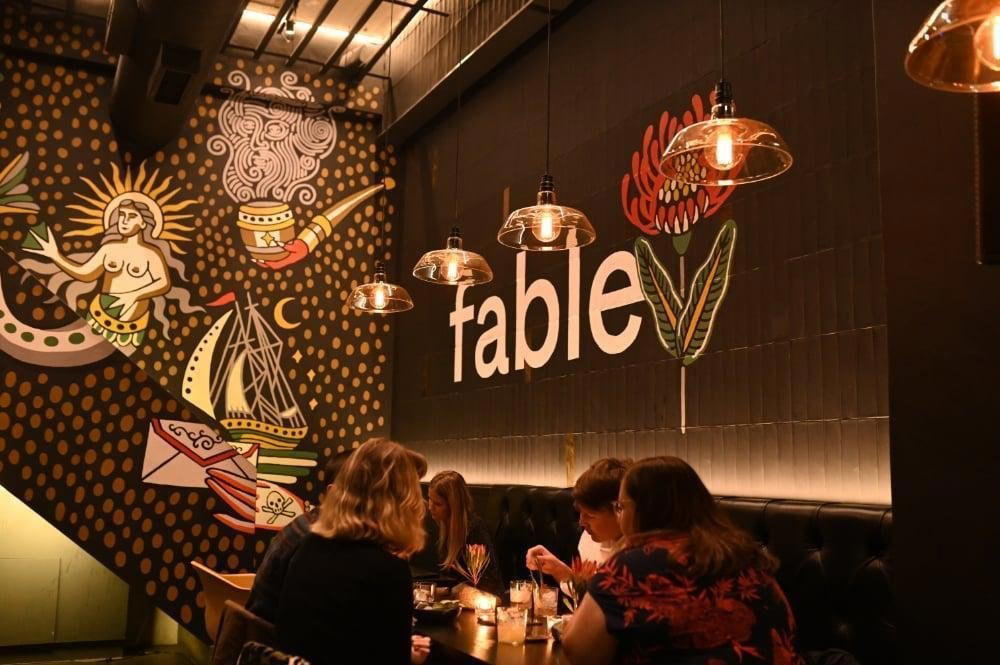
Bars in Cape Town
Browse all →
Hotels in Cape Town
Browse all →
At a Glance
- Trendy
- Modern
- Cozy
- Casual Hangout
- Standalone
- Natural Wine
- Local Sourcing