Groot Constantia

Falstaff Winery - Listed
South Africa's oldest working wine estate, Groot Constantia has been producing wine in Cape Town's Constantia Valley since 1685.

Pearl is the En Primeur Club membership app — saves, bookings, and concierge access live there. Same editors, same standards.
- Address
- Groot Constantia Rd, Constantia, Cape Town, 7806
- Phone
- +27 21 794 5128
- Website
- grootconstantia.co.za
- Directions
- Get directions
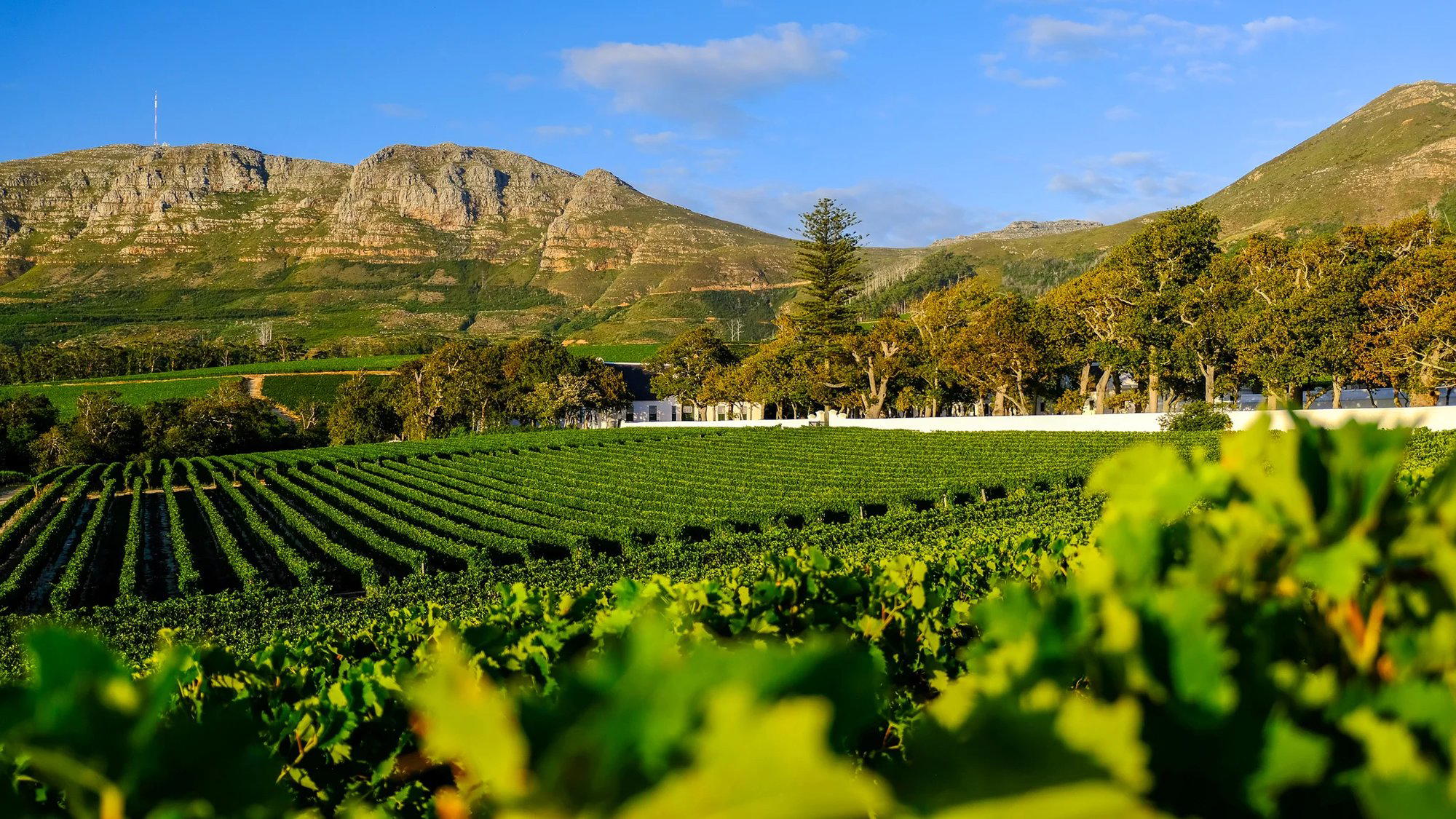
Where Three Centuries of Cape Wine Ritual Begin
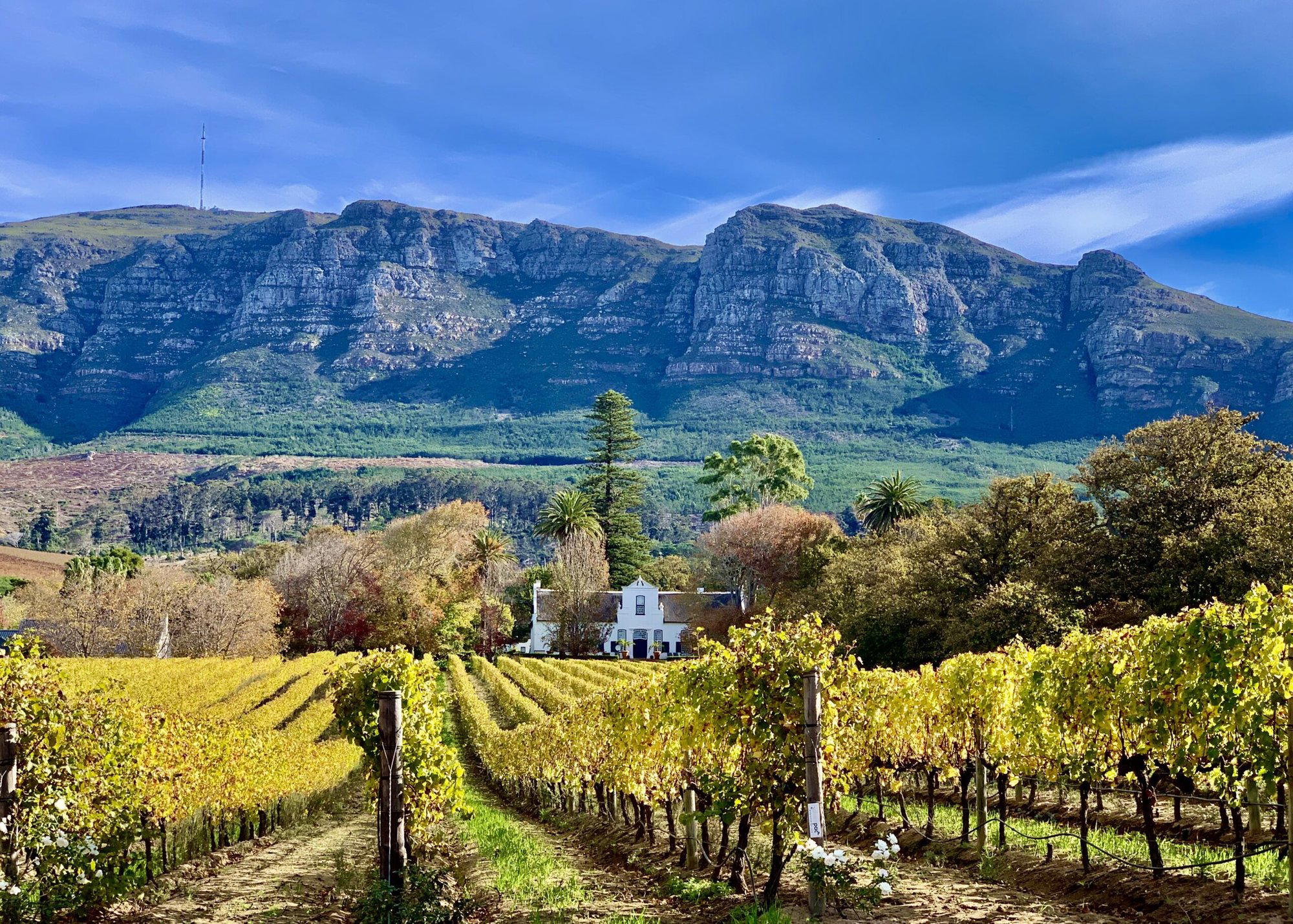
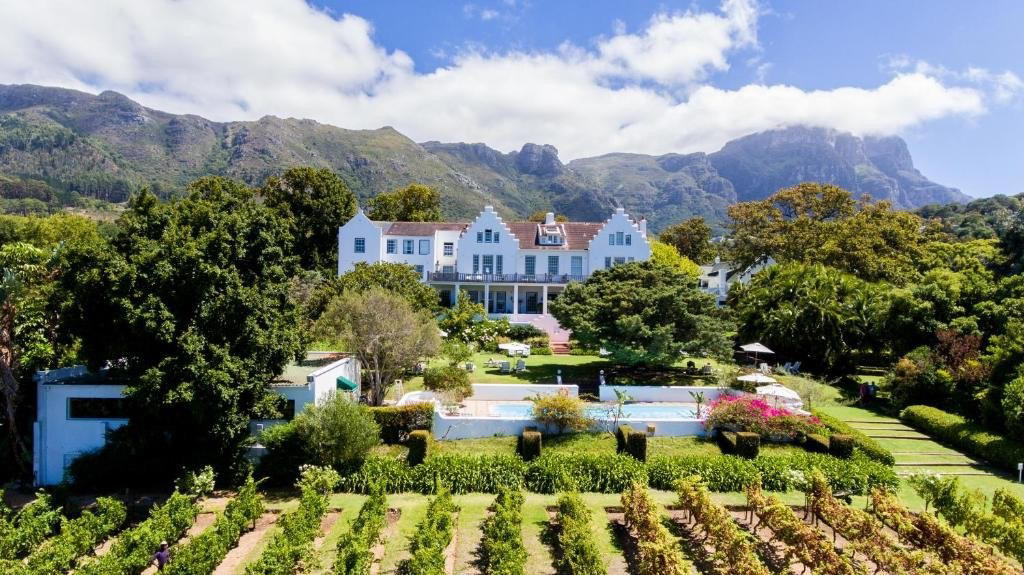
The approach to Groot Constantia along the oak-lined avenue off Constantia Road prepares you for what the estate delivers: a landscape shaped by deliberate continuity rather than renovation. The whitewashed Cape Dutch manor, the vine rows running toward the Constantiaberg, the cellar buildings with their triangular gables — everything here has been arranged around the act of receiving visitors into a working wine tradition, not a theme park reconstruction of one. This is the oldest continuously producing wine estate in South Africa, with records stretching to 1685, and the physical environment carries that weight without performing it.
Visiting Groot Constantia requires a particular pace. The estate does not reward rushing. Tasting rooms at properties of this age and scale function leading when visitors commit to the full progression: the grounds before the glass, the cellar before the food, the history before the wine. Cape winemaking at this latitude developed under conditions quite different from European precedent — soils leached by summer rains, mountain winds that cool the Cape Peninsula afternoons, a maritime influence that runs up the valley from False Bay. Understanding that physical context makes the wines more legible.
Constantia is the oldest wine-producing appellation in the Cape, and it operates as a distinct micro-region within Greater Cape Town: cooler than Stellenbosch, closer to the ocean, drawing visitors who arrive by car from the city in under thirty minutes. The valley's producers range from boutique to historic, and Groot Constantia anchors the historical tier while neighbours occupy different positions. Beau Constantia sits above the valley floor on a site that prioritises views and small-batch Syrah; Constantia Glen operates with a premium Bordeaux-blend focus and a sleek tasting architecture; Buitenverwachting brings both restaurant credentials and old-vine Sauvignon Blanc into its offer. Together they form a corridor where a visitor can spend a full day moving from property to property, each occupying a different part of the valley's identity. Groot Constantia is where that corridor begins, not only in geography but in historical logic.
For a property of this age and production scale, that consistency is the credential that counts.
The Dining Ritual at the Estate
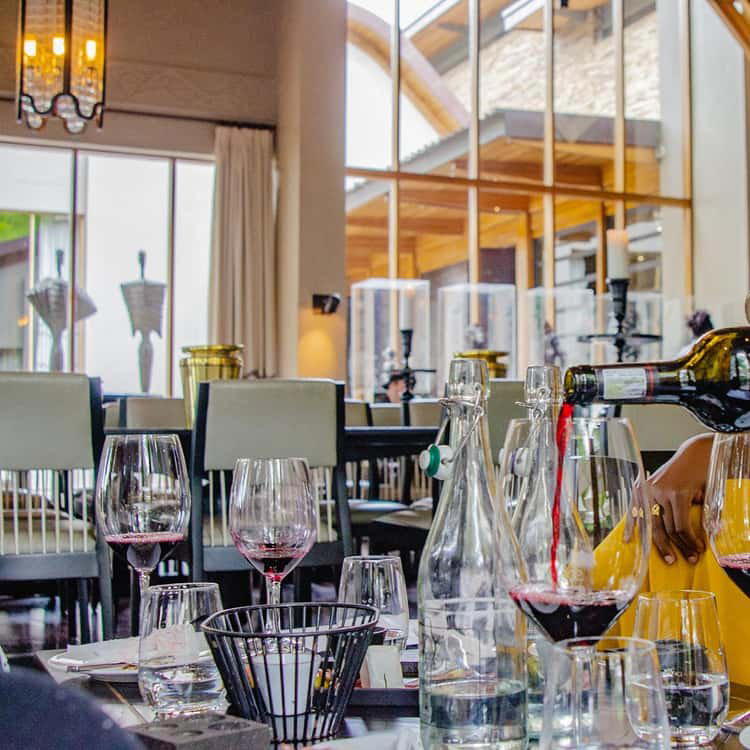
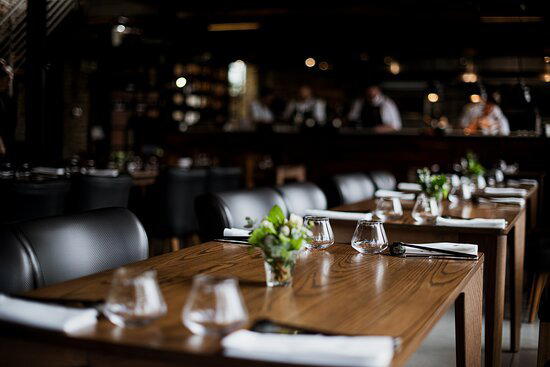
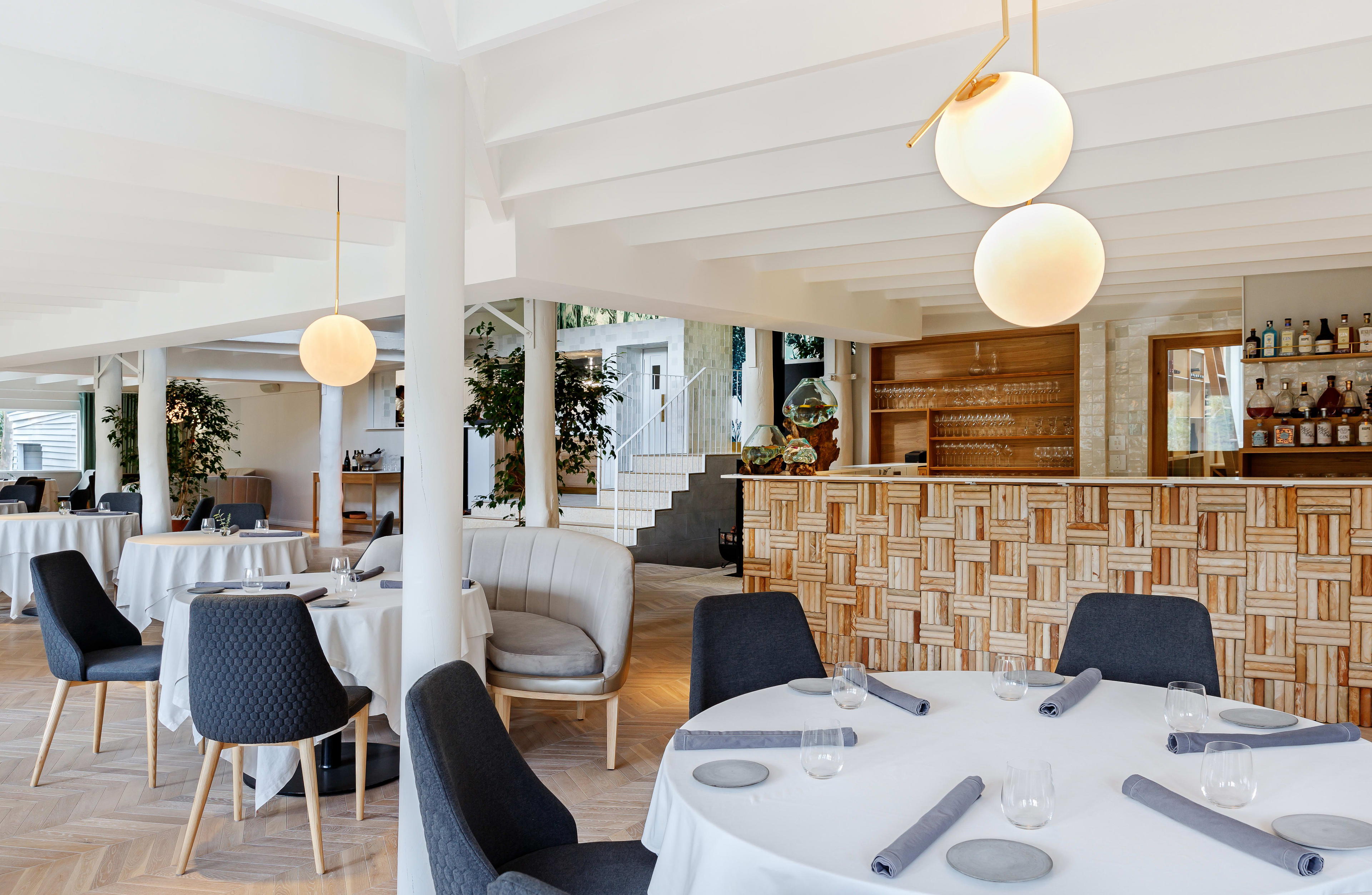
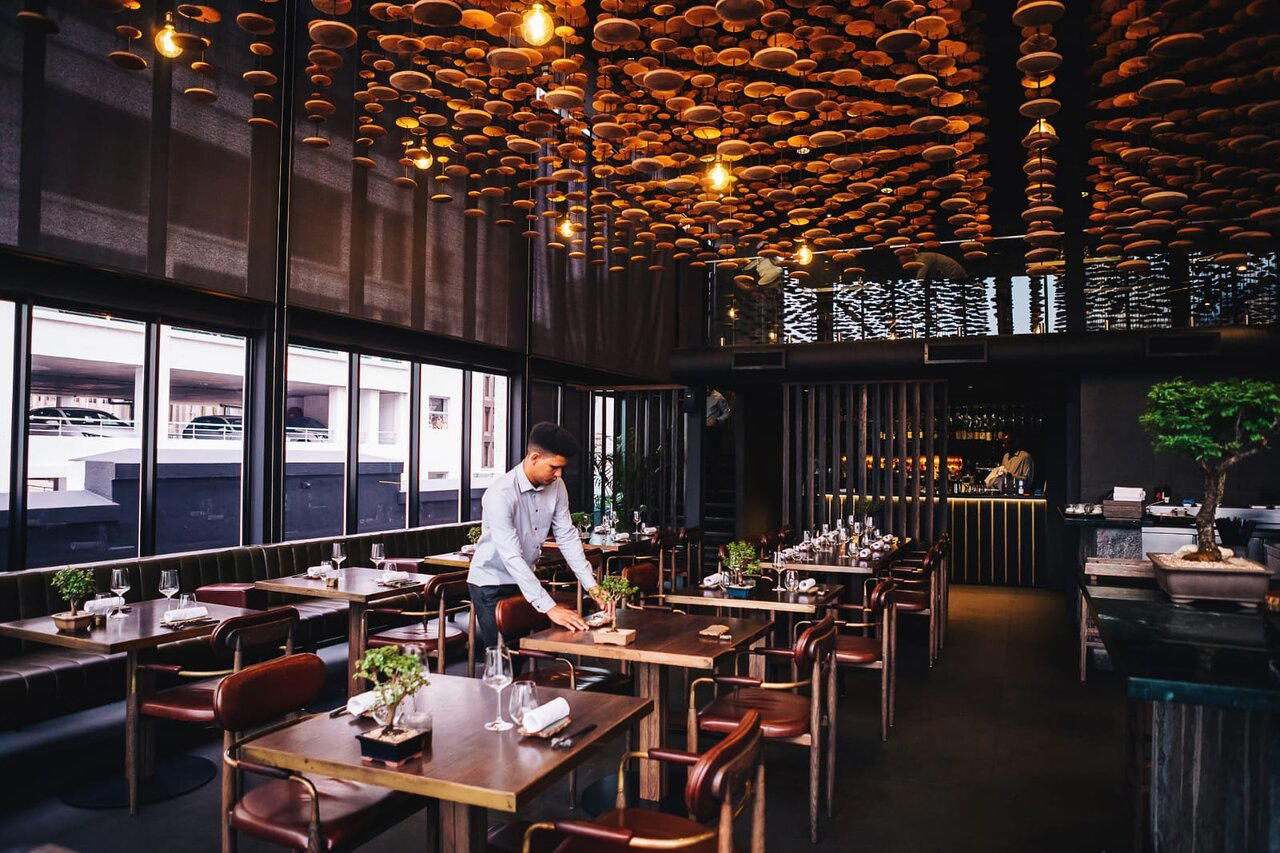
Two restaurants operate on the estate grounds, serving different functions within the visit. The format follows a pattern common to historic wine estates in the Cape: one space for sit-down meals that anchor the day, another for lighter eating between tastings. The ritual here is not a quick pour-and-leave transaction. Food, wine, and the physical setting are meant to be taken together, with the cellar tour or guided tasting preceding the meal rather than following it.
Cape winelands dining of this type draws on a tradition that blends Dutch-settler provisions with Cape Malay flavours and contemporary South African cooking. The food is not incidental to the estate visit, it is the mechanism by which a half-day trip extends into a full one. Visitors who treat the tasting room as a standalone stop and skip the restaurant are compressing an experience that is designed to unfold over several hours. The estate's size supports that extended rhythm in a way that smaller Constantia producers cannot always match.
For those contextualising the Cape winelands more broadly, estates like Babylonstoren in Franschhoek, Vergelegen Wine Estate in Somerset West, and Neethlingshof Estate in Stellenbosch operate similar full-day formats. The distinction at Groot Constantia is the Cape Town proximity and the specific historical weight, the manor house is a national monument, which shapes how the site is managed and experienced.
Constantia's Wine Character and What to Expect in the Glass
The Constantia Valley's cool climate and well-drained soils have historically favoured Sauvignon Blanc, Semillon, and the late-harvest Muscat-based wines that made the appellation famous in eighteenth-century Europe. The so-called Constantia wine, a sweet dessert style, was among the most sought-after bottles in Georgian England and Napoleonic France, referenced in both literature and diplomatic correspondence. That lineage is not merely decorative; it shapes the estate's programme and gives its wine education components a depth that newer producers cannot replicate.
Contemporary Groot Constantia production covers both red and white varieties across multiple labels, structured to address different visitor budgets and interests. The estate's scale means the range is wider than most Constantia neighbours. Visitors comparing across the appellation will find that Cape Point Vineyards, positioned further toward the peninsula, pursues a narrower, more single-minded white wine identity, while Groot Constantia covers more ground. Neither approach is superior; they serve different kinds of visitors.
Beyond the Cape, the South African premium wine scene extends through several distinct regions worth mapping. Graham Beck Wines in Robertson is the country's reference point for Cap Classique sparkling; Creation Wines in Hermanus brings a food-pairing-led model to the Hemel-en-Aarde Valley; Val de Vie Estate in Paarl integrates lifestyle amenities into a wine estate format. Groot Constantia's position in all of this is specific: it is the historical anchor, the place where the argument for Cape wine as a serious international tradition has the most documentary evidence behind it.
For visitors also interested in distilled spirits from the region, Cape of Storms Distilling Co. operates near the southern tip of the Cape Peninsula and represents a newer strand of Cape beverage production. Oude Molen Distillery in Grabouw offers a brandy-focused comparison point rooted in a different but parallel tradition. For Scotch whisky context among international visitors, Aberlour in Aberlour represents the kind of historic distillery model that Groot Constantia parallels in the wine world. And for a Napa Valley comparison on how historic winemaking estates carry forward a legacy identity, Accendo Cellars in St. Helena occupies a premium tier built on comparable terroir-first arguments.
Planning the Visit
Groot Constantia sits on Groot Constantia Road in Constantia, within Cape Town's southern suburbs, a drive of roughly twenty to thirty minutes from the city centre depending on traffic on the M3. The estate operates within standard Cape winelands hours and receives a high volume of visitors, particularly on weekends and during the summer season from November through February when Cape Town tourism peaks. Arriving mid-week, before noon, places you ahead of tour groups and gives the tasting rooms a quieter register. The on-site museum and cellar buildings add time to any visit; budget at least three to four hours if including a meal.
Booking the restaurant in advance is advisable for weekend visits. Tasting room access has historically operated on a walk-in basis for individuals, though group bookings require prior arrangement. The estate is accessible by car; no direct public transit route runs to the property, and rideshare from the city centre is practical for those not driving.
For broader Cape Town context across restaurants, hotels, and wine experiences, see our full Cape Town restaurants guide.
Reputation Context
Comparable venues nearby, for context on price, style, and recognition.
| Venue | Cuisine | Price | Awards | Notes |
|---|---|---|---|---|
| Groot ConstantiaThis venue — the venue you are viewing | Constantia | $10–20 | Falstaff Winery - Listed | Not listed |
| Beau Constantia | Viognier, Sauvignon Blanc | $20–30 | Not listed | Constantia |
| Buitenverwachting | Sauvignon Blanc, Chardonnay | Not listed | Falstaff Winery - Listed | Constantia |
| Republic of Hout Bay Distillery | Winery | Not listed | Not listed | Hout Bay |
| Nitida Wine Farm | Sauvignon Blanc, Semillon | Not listed | Not listed | Durbanville |
Recognition history
Dated appearances from independent guides and award organizations, with the underlying list record or original source where available.
Falstaff Winery - Listed
Falstaff
Continue exploring
More in Cape Town
Wineries in Cape Town
Browse all →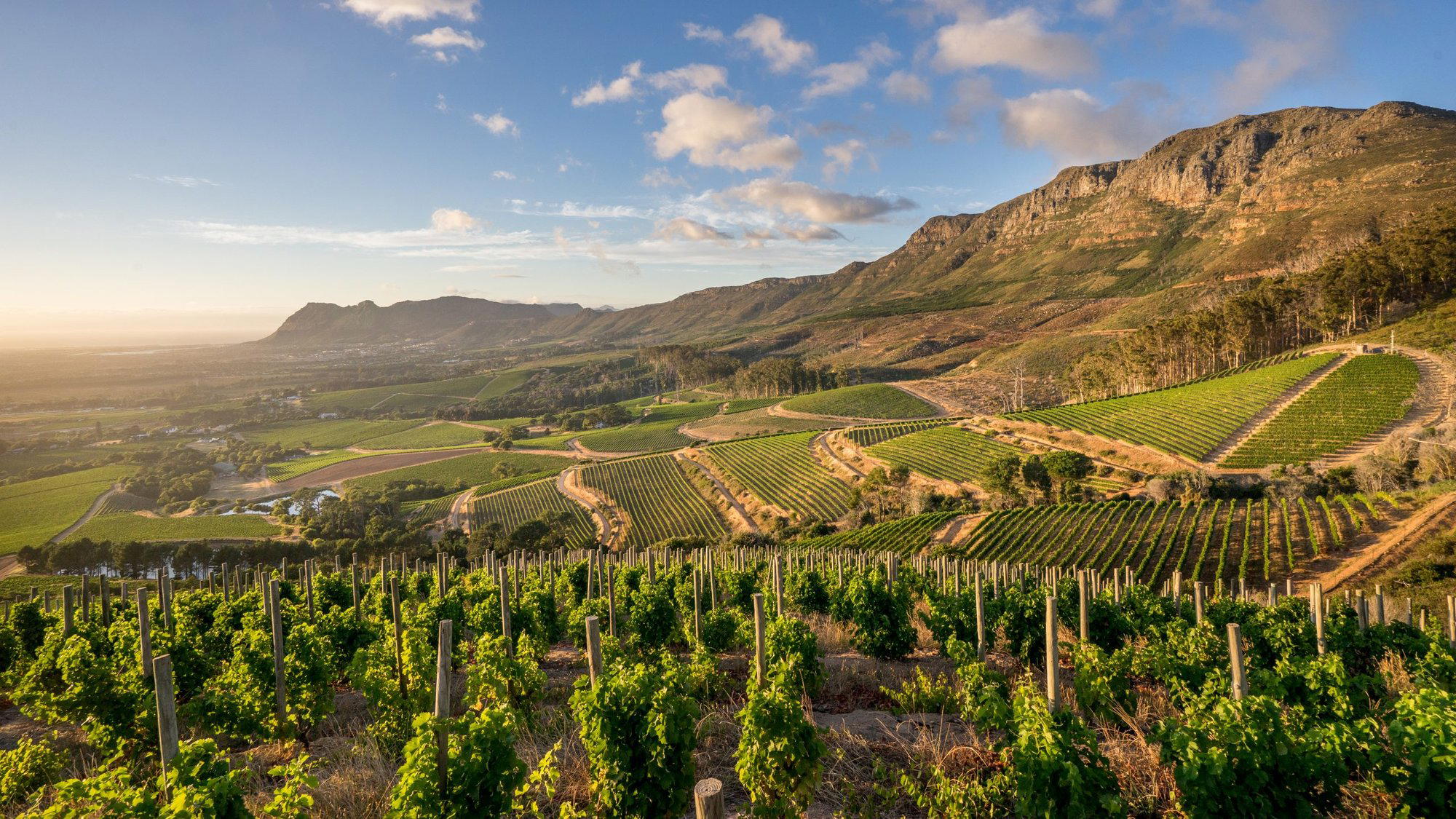
Bars in Cape Town
Browse all →
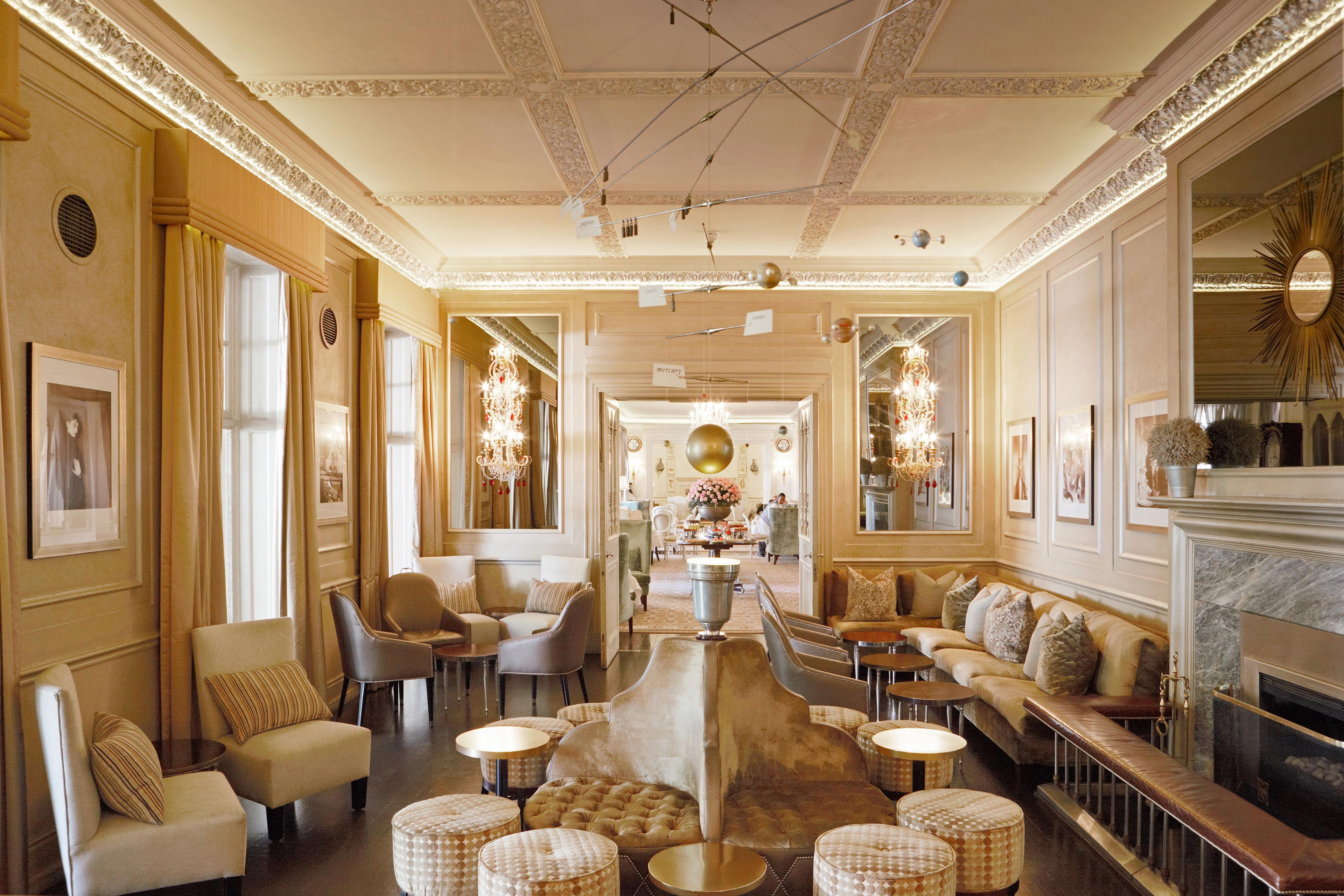
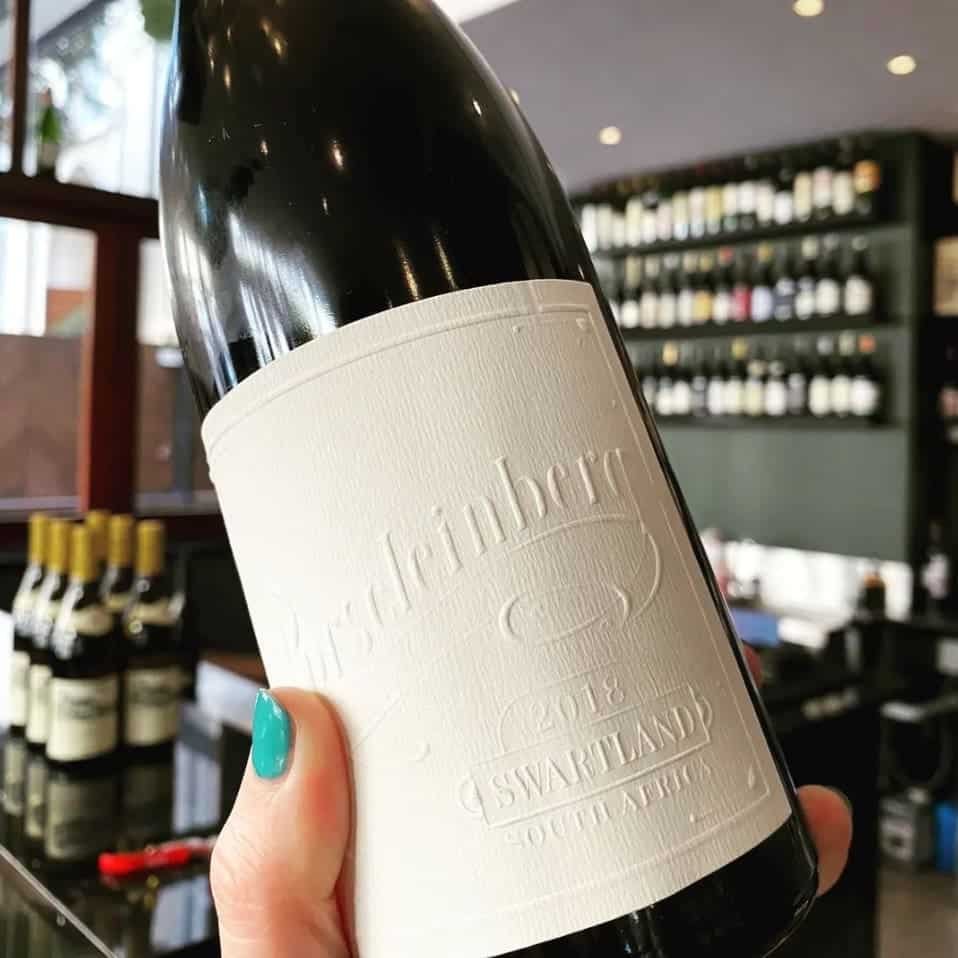
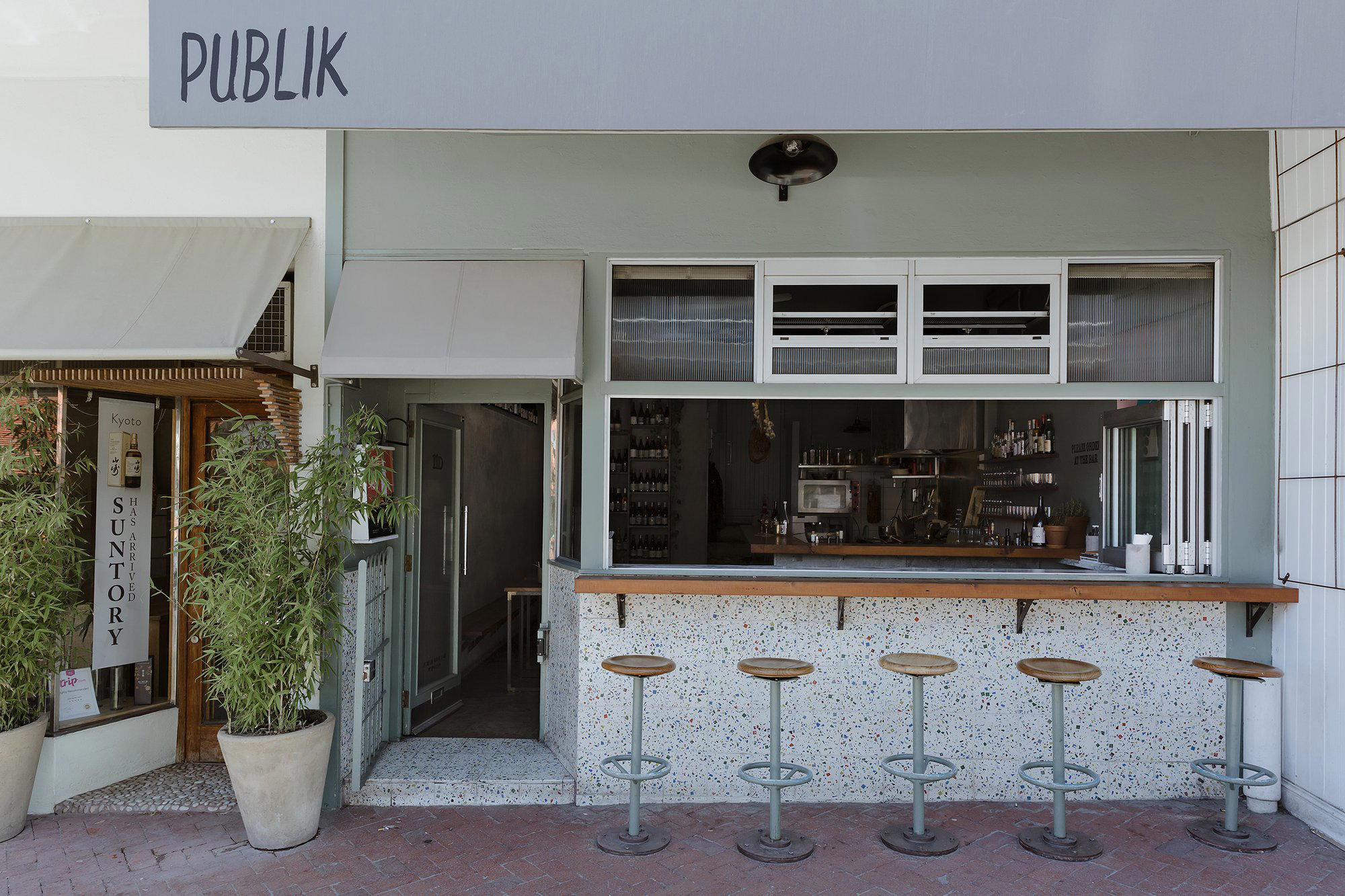
Restaurants in Cape Town
Browse all →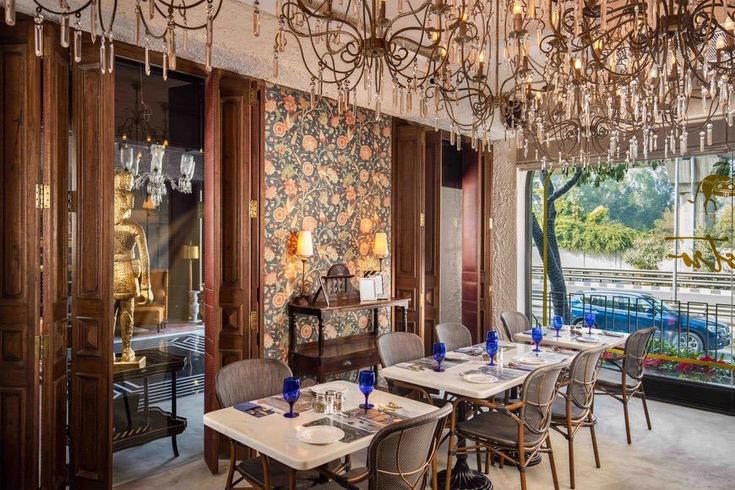
Details
- Historic
- Scenic
- Elegant
- Classic
- Well Known
- Wine Education
- Special Occasion
- Family
- Group Outing
- Vineyard Tour
- Historic Building
- Terrace
- Estate Grounds
- Vineyard
- Garden
- Mountain
- Still Red
- Still White
- Dessert
- Fortified
- Wine Tasting
- Chocolate Pairing
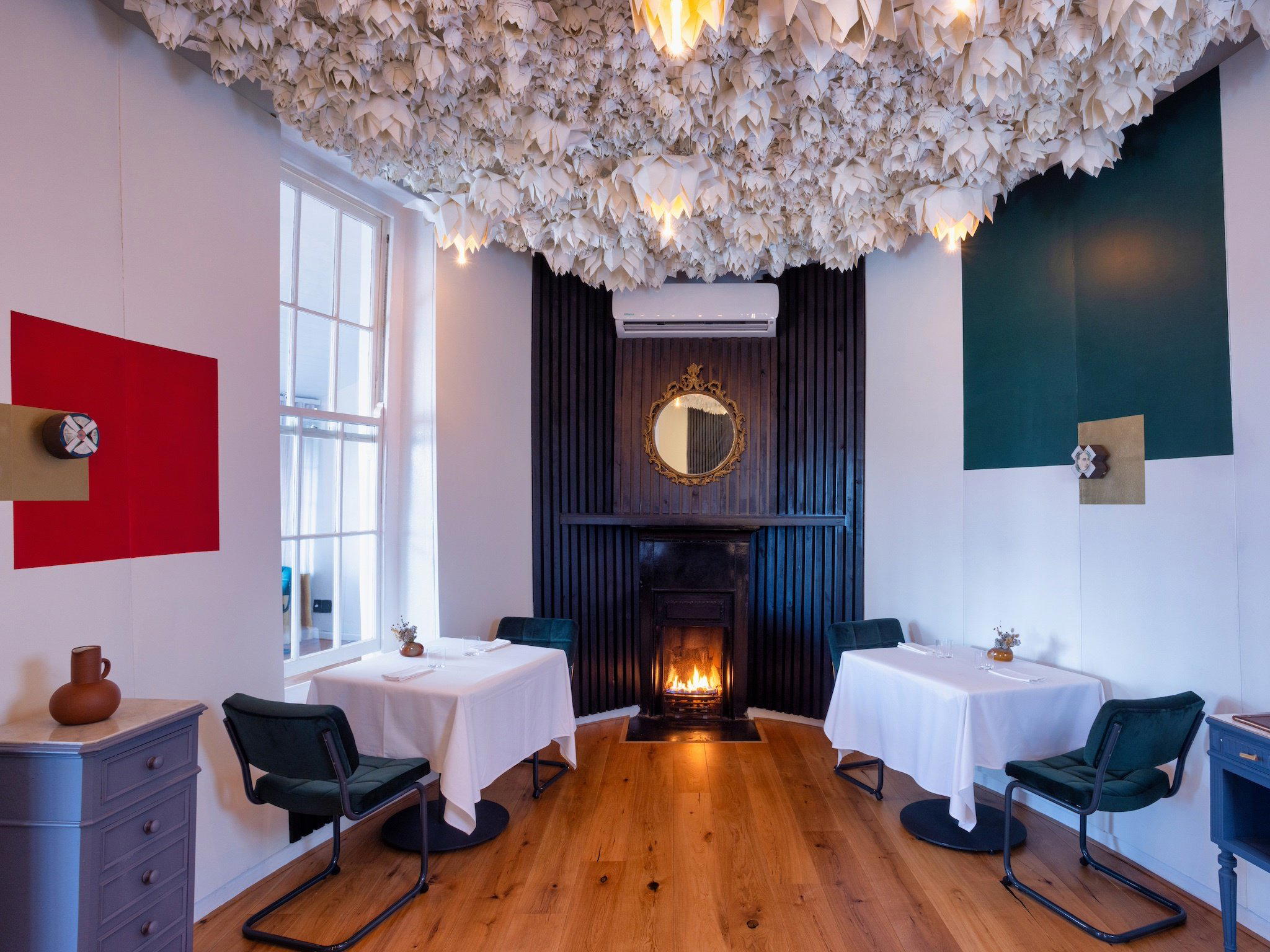
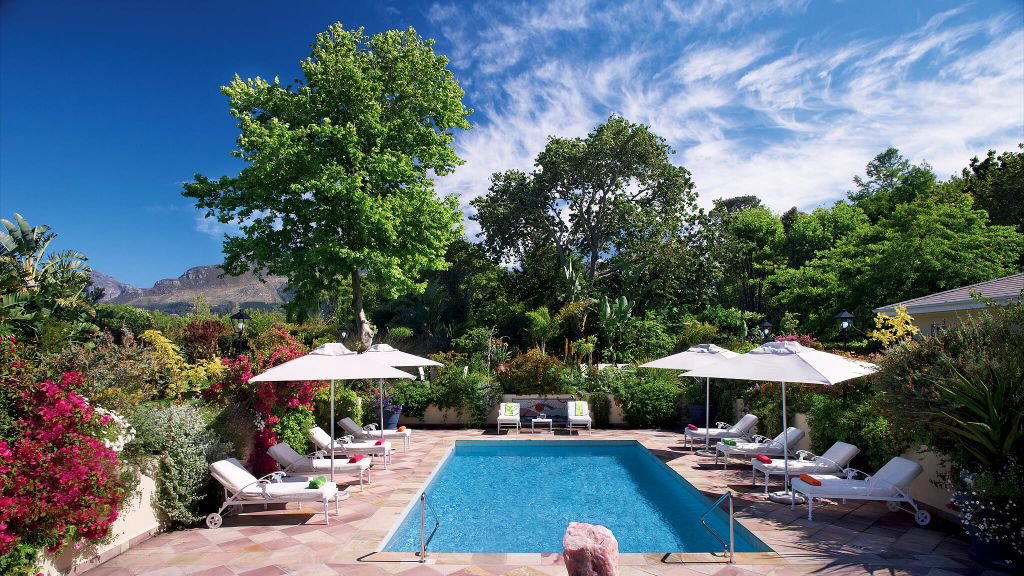
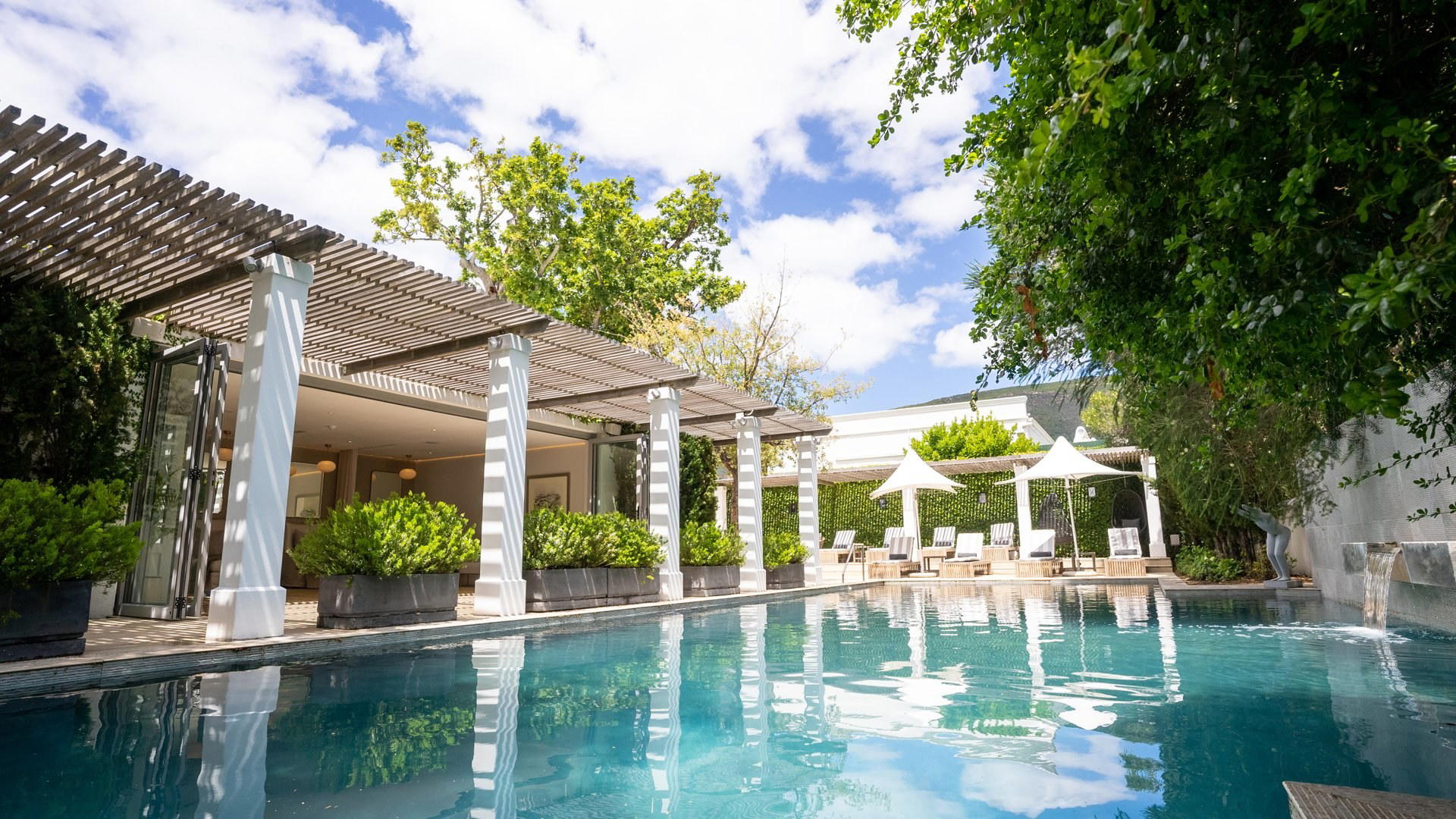
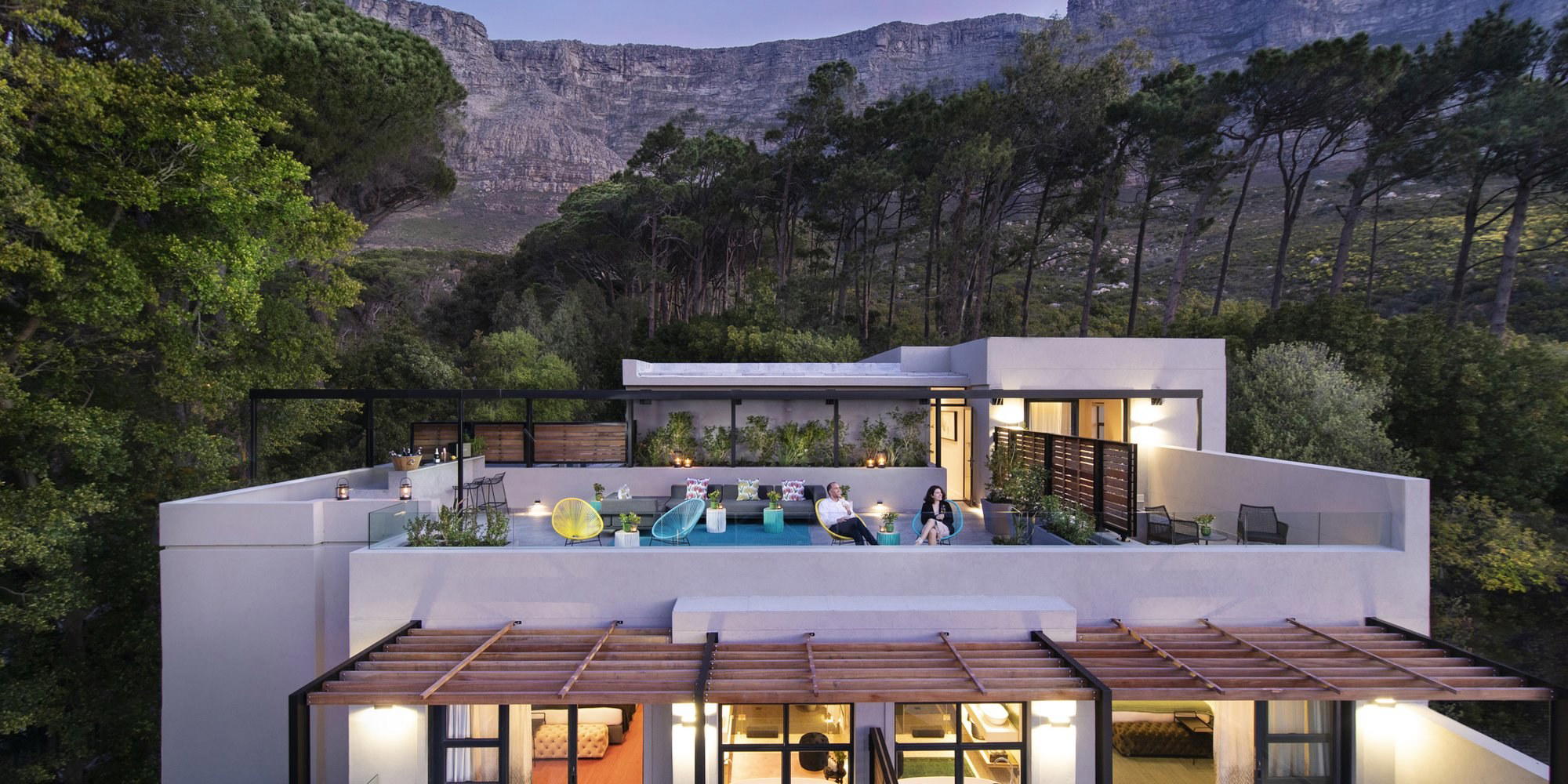
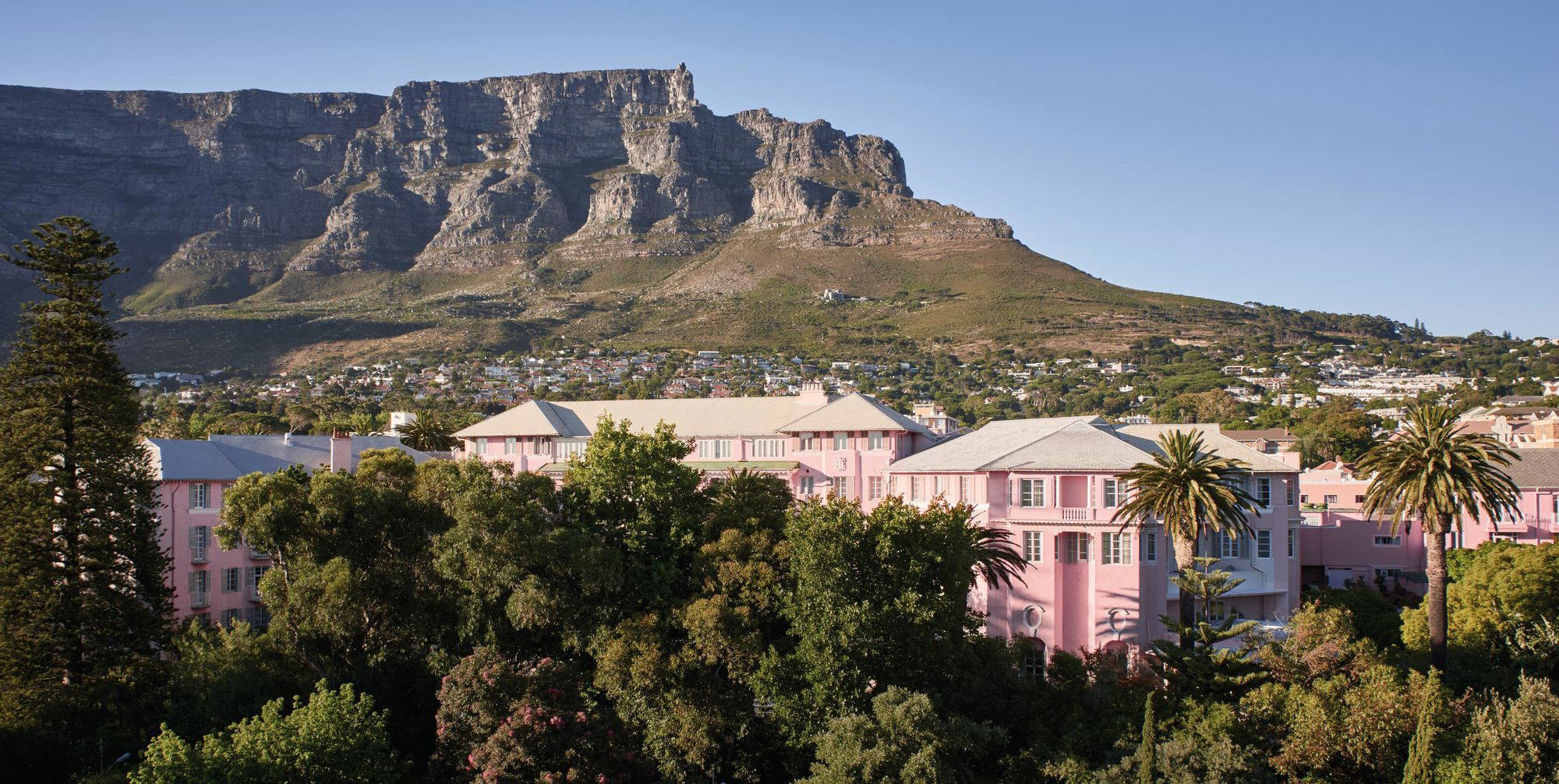
Historic Cape Dutch manor with lush gardens, vineyards, and mountain views; cozy fireplaces on rainy days and shaded outdoor terrace dining create a timeless, elegant atmosphere.