EAT YOUR HEART OUT
Our verdict
On Gill Street in Observatory, Johannesburg, Eat Your Heart Out occupies the kind of informal neighbourhood space that South Africa's independent dining scene increasingly relies on. The address places it in a creative corridor south of the city centre, where sourcing decisions and local producer relationships define the offer more than formal credentials. A practical choice for anyone tracing Joburg's grassroots food culture.

Pearl is the En Primeur Club membership app — saves, bookings, and concierge access live there. Same editors, same standards.
- Address
- 18a Gill St, Observatory, Johannesburg, 2198, South Africa
- Phone
- +27 11 648 9820
- Directions
- Get directions
Observatory's Independent Dining Register
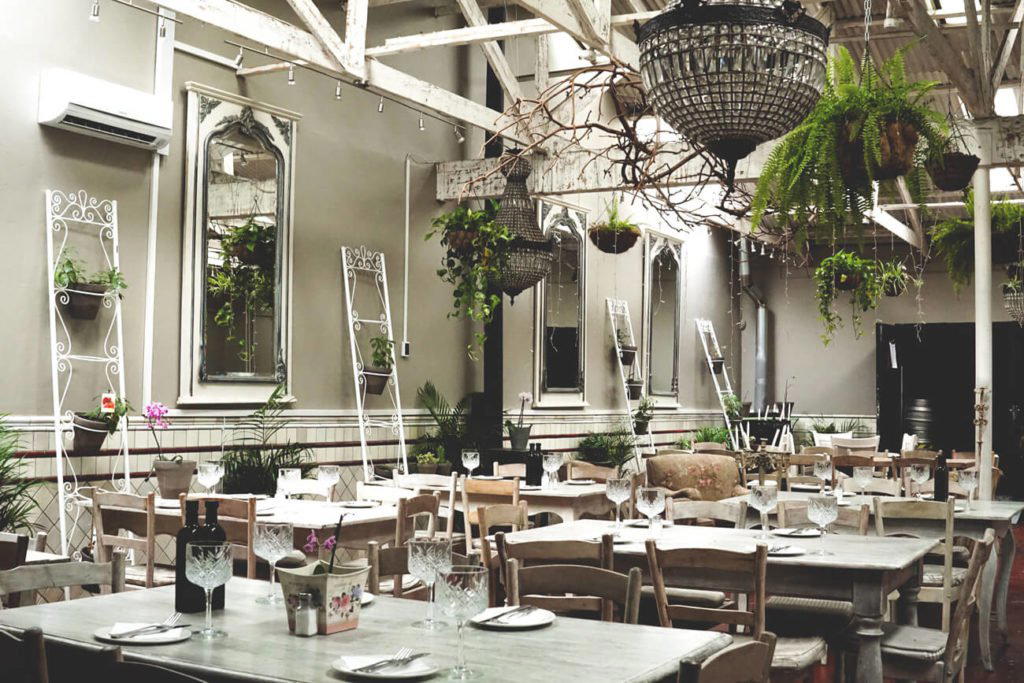
The stretch of Gill Street in Observatory sits at an interesting remove from Johannesburg's more polished restaurant districts. Where Sandton delivers venues like Foundry with corporate dining polish, and Rosebank trades in curated lifestyle spaces, Observatory belongs to a different tradition: the kind of inner-city neighbourhood where landlords are cheaper, communities are denser, and the food that emerges tends to be less performative and more direct. Eat Your Heart Out at 18a Gill St sits inside that tradition, drawing from a local-first ethos that reflects broader patterns in South African independent dining rather than any single chef's biography.
This is worth contextualising against the national scene. Across South Africa, the most discussed restaurants of the past decade have tended to sit in the Western Cape corridor: Wolfgat in Paternoster, Fyn in Cape Town, and Le Quartier Français in Franschhoek all operate with award infrastructure and international press attention behind them. Johannesburg's independent venues work with less of that scaffolding, which means the ones that survive tend to earn their audience through neighbourhood loyalty and repeat custom rather than destination tourism.
Where the Produce Comes From
South Africa's ingredient sourcing story is more layered than its restaurant reputation suggests. The country sits on extraordinary agricultural diversity: stone fruit from the Ceres valley, seafood from both Atlantic and Indian Ocean coastlines, game from Limpopo and the Kalahari, heritage grains from smallholders in KwaZulu-Natal, and urban farming networks that have grown steadily across Gauteng over the past decade. For restaurants operating in Johannesburg's inner suburbs, proximity to this supply is partly a function of relationships rather than geography — the city is landlocked, which means deliberate sourcing decisions matter more here than in Cape Town, where coastal ingredients are structurally close.
The Observatory pocket of Joburg has developed informal produce networks that connect small restaurants with weekend market suppliers, rooftop growers, and peri-urban farms in the East Rand and Soweto corridor. Venues in this tier tend to build menus around what those networks can reliably deliver, which produces a cooking style that prioritises seasonal availability and local producer relationships over fixed tasting formats. This is a model that Klein Jan in the Kalahari pursues at a remote, high-design level; in Observatory, the same principle operates at street level and without the lodge pricing.
Compare this approach with what happens at South Africa's more remote fine dining addresses. Silvan Safari Lodge in Kruger and Londolozi Game Reserve source within a bush-camp logic where the setting frames the produce narrative. Urban venues like Eat Your Heart Out have to make that argument without the landscape doing half the work, which places the sourcing decisions themselves at the centre of the offer.
The Inner-City Dining Pattern
Johannesburg's restaurant culture has always been distributed across nodes rather than concentrated in a single district. Sympathy's Restaurant represents one strand of the city's offer; the Observatory cluster, which includes Eat Your Heart Out, represents another. Both sit at a distance from the polished hotel dining that Ellerman House in Bantry Bay or Delaire Graff in the Helshoogte Pass command, where the room, the wine list, and the view arrive as a package around the food.
In Observatory, the room is the argument. The physical space on Gill Street reads as deliberately low-key, the kind of address that signals intention through restraint: no valet parking, no dress code signalling, no theatre of arrival. This format has precedent in South Africa's mid-tier independents, and it maps loosely onto informal dining movements in cities like San Francisco, where venues such as Lazy Bear built reputations on community dining formats rather than white-tablecloth infrastructure. In Joburg's terms, it connects to a lineage of neighbourhood restaurants that prioritise return visitors over walk-ins.
Reading the Setting
For a visitor coming from outside the city, Observatory rewards some orientation. The neighbourhood sits south of the CBD, adjacent to the medical precinct around Wits and the older residential streets of Yeoville. It has more in common with the creative-quarter character of places like Hartbeespoort's semi-rural corridor than with northern Joburg's retail-anchored dining strips, though without the water feature. Gill Street itself is a functional address rather than a destination thoroughfare, which means the venue sits for locals more than tourists.
That self-selection shapes the room. Eat Your Heart Out attracts the kind of diner who already knows Observatory, or who came specifically rather than accidentally. This produces a different energy than the Sandton or Rosebank venues that capture corporate and hotel-adjacent traffic. Whether that appeals depends on what the reader is after: a predictable room with a recognisable format, or something that reflects the texture of a specific Johannesburg neighbourhood.
For context on what a destination Gauteng lunch looks like at a higher price tier, Capito in Pretoria offers a useful comparison point within driving distance. For coastal contrast, Wolfgat in Saldanha Bay and The Chefs Table in Durban show how South African independents operate when the ocean is part of the sourcing brief. And for a sense of what Western Cape wine-country dining looks like, Delheim Wine Estate in Stellenbosch anchors the upper end of that register. For the full picture of what Johannesburg's dining scene currently offers across neighbourhoods and price points, see our full Hillbrow restaurants guide.
Planning a Visit
The address at 18a Gill St, Observatory places the venue within the inner southern suburbs of Johannesburg, accessible by car from most of the city's hotel clusters in under twenty minutes outside peak traffic. Observatory itself has limited on-street parking infrastructure, so arriving earlier or later than the main meal service window tends to reduce friction. Because no booking details, hours, or pricing data are currently available through EP Club's verified records, confirming current service times directly with the venue before visiting is advisable. The format, based on neighbourhood comparisons and the address tier, suggests an informal setting without the advance-booking pressure of destination fine dining.
Frequently asked questions
Can I bring kids to EAT YOUR HEART OUT?
Observatory's dining strip on Gill Street skews toward low-formality, community-rooted formats that tend to sit comfortably alongside families. The inner southern suburbs neighbourhood draws a mixed local crowd rather than a strictly late-night or fine-dining one.
What kind of setting is EAT YOUR HEART OUT?
The address at 18a Gill St places this squarely within Observatory's independent dining cluster, south of Johannesburg's CBD and adjacent to the medical precinct. Johannesburg distributes its restaurant culture across distinct nodes, and Observatory represents the inner-city, community-facing end of that spectrum rather than the polished corridor you find in Sandton or Parkhurst. Expect a neighbourhood room rather than a destination dining format.
Is Eat Your Heart Out a good option for visitors staying outside the Observatory area?
The Gill Street address in Observatory sits in Johannesburg's inner southern suburbs, accessible by car from most of the city's major accommodation nodes. Observatory occupies a different register from visitor-heavy areas like Sandton or Rosebank, which is part of its appeal for travellers who prefer eating where locals actually eat rather than in purpose-built hospitality districts. Journey time from the northern suburbs by car typically runs 20–30 minutes depending on traffic.
What should I eat at EAT YOUR HEART OUT?
EP Club's verified data does not currently include a confirmed menu or signature dishes so specific dish recommendations would rely on inference rather than fact. South Africa's agricultural diversity does give Johannesburg's inner-city independents strong sourcing options, from Highveld produce to coastal imports, but what Eat Your Heart Out specifically puts on the plate is best confirmed directly with the venue before visiting.
Comparison Snapshot
| Venue | Cuisine | Price | Awards | Notes |
|---|---|---|---|---|
| EAT YOUR HEART OUTThis venue — the venue you are viewing | South African Street Food | Not listed | Not listed | Not listed |
| Le Quartier Français | Modern South African Fusion Tasting Menu | $50–100 | World's 50 Best #36 | French Cuisine |
| Fyn | Modern Japanese-South African Fusion | $150–200 | World's 50 Best #82 · La Liste Top Restaurants | Japanese Fusion |
| La Colombe | Contemporary French-Asian Fine Dining | $200–300 | World's 50 Best #49 · La Liste Top Restaurants | South African |
| Salsify at the Roundhouse | Modern South African Fine Dining | $100–150 | World's 50 Best #88 · We're Smart World 1 Radish | South African |
| The Test Kitchen | Avant-Garde Fine Dining Fusion | Not listed | World's 50 Best #44 | South African |
Continue exploring
More in Hillbrow
Restaurants in Hillbrow
Browse all →
Bars in Hillbrow
Browse all →
Hotels in Hillbrow
Browse all →

Wineries in Hillbrow
Browse all →
Details
- Casual Hangout
- A La Carte