Among the konoba restaurants that line Korčula's medieval old town, Adio Mare occupies a stone-walled address on Ul. Sv Roka that has drawn visitors and locals for decades. The format is traditional Dalmatian: grilled fish, local wine, and the particular unhurried pace that the walled town demands. It sits in a different register from Korčula's modern-leaning restaurants, offering continuity rather than reinvention.
Pearl is the En Primeur Club membership app — saves, bookings, and concierge access live there. Same editors, same standards.
- Address
- Ul. Sv Roka 2, 20260, Korčula, Croatia
- Phone
- +38520711253
- Website
- konobaadiomare.hr
- Directions
- Get directions
 Saves & bookings on Pearl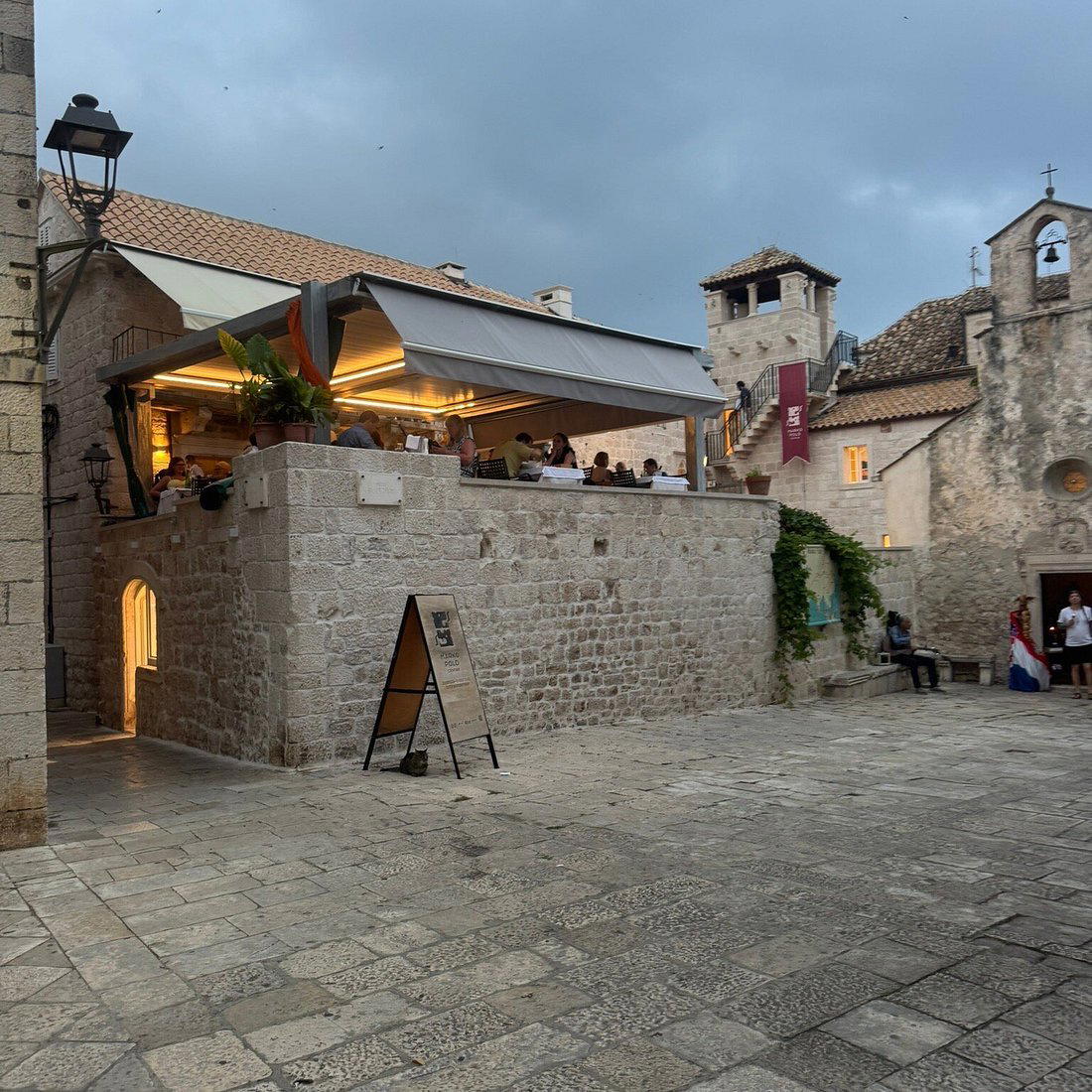
Stone Walls, Old Town Logic
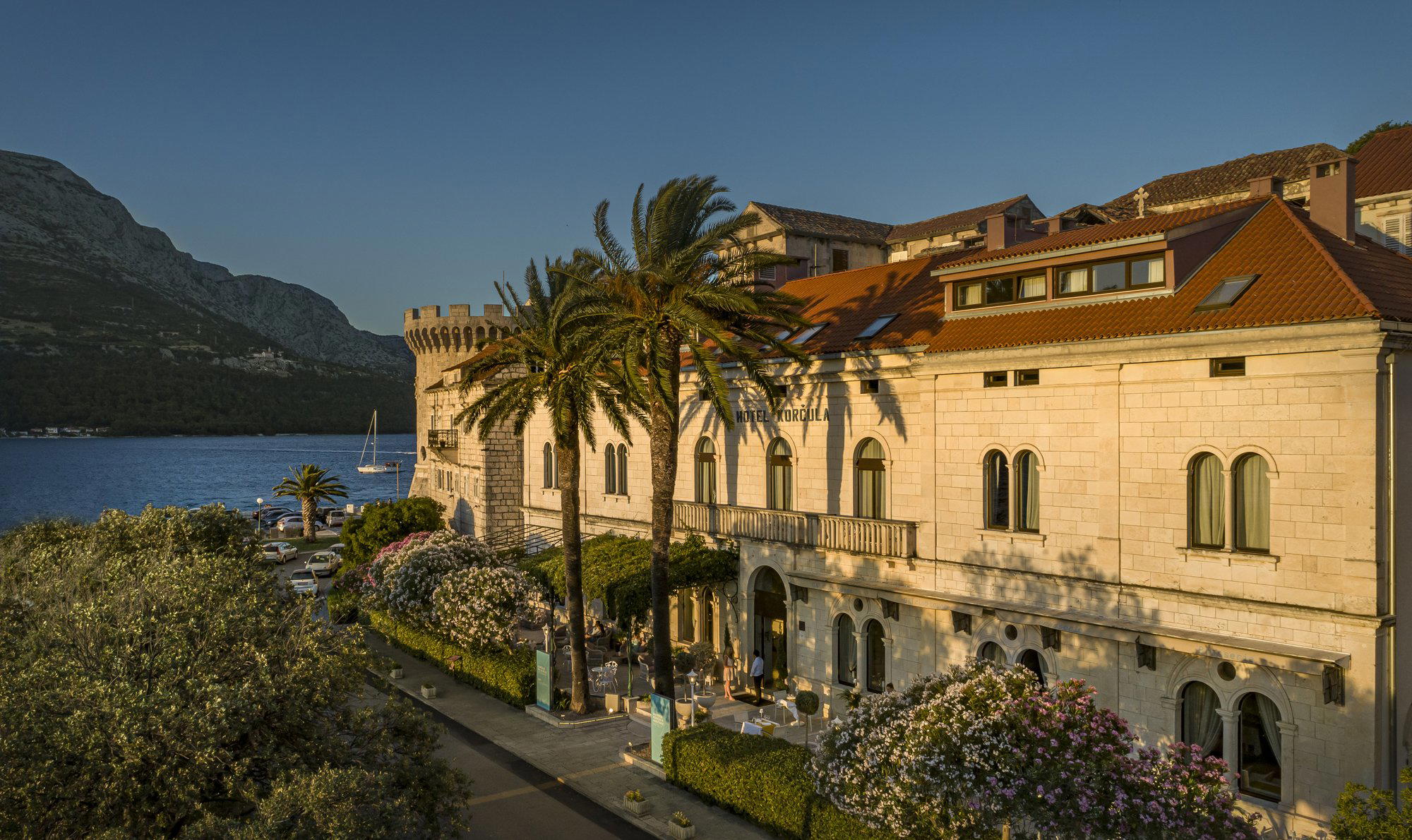
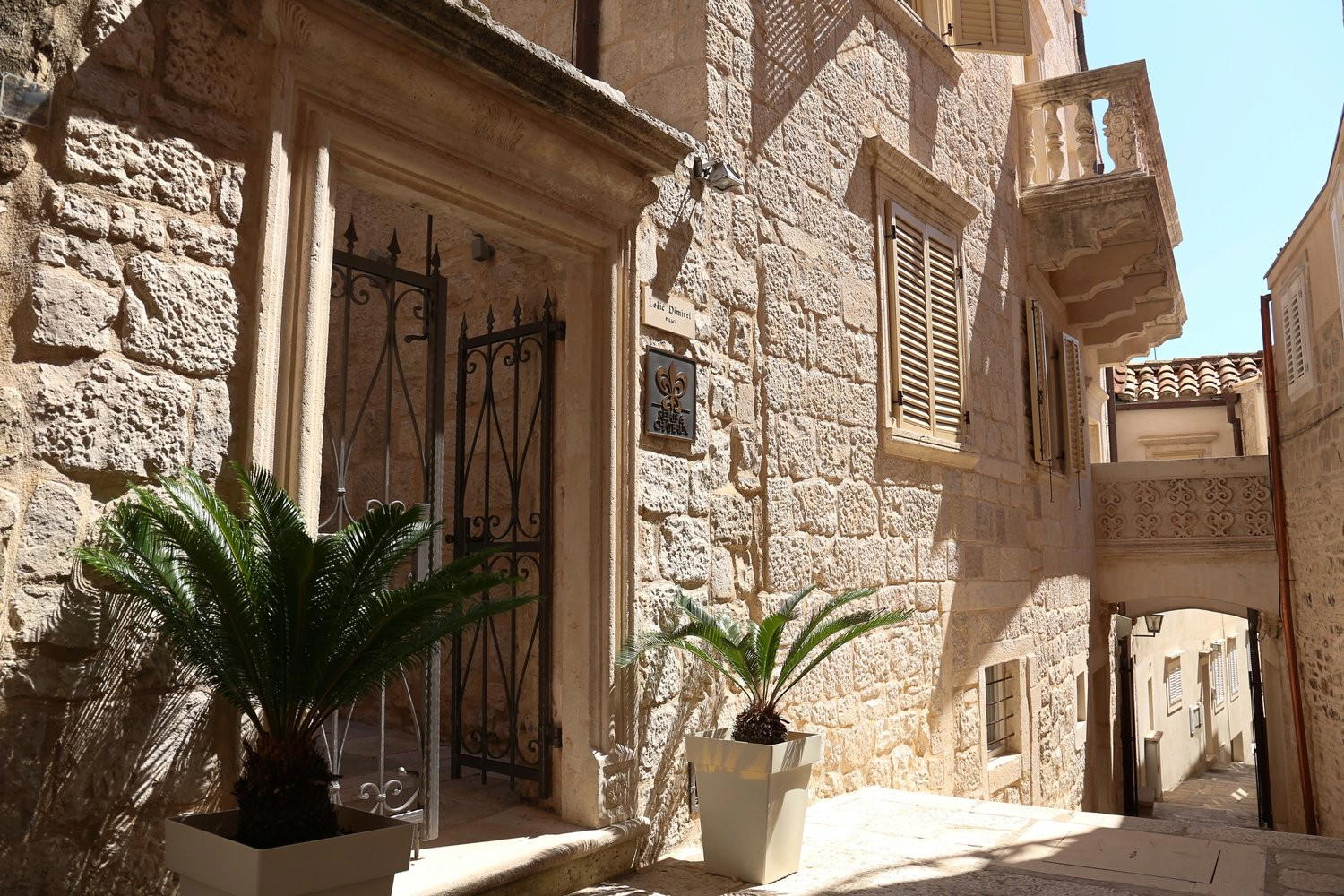
Korčula's old town is one of the Adriatic's better-preserved medieval settlements, a compact grid of limestone lanes built by Venetian hands over several centuries. The town sits on a small peninsula jutting into the channel between the island and the Pelješac coast, and its restaurants are mostly contained within or just outside the walls. That geography matters for understanding the dining character of the place: there is no sprawling restaurant strip, no waterfront boulevard to diffuse the crowds. What exists instead is a concentration of tables in a small physical space, all competing for the same pool of visitors arriving by ferry or catamaran from Split and Dubrovnik.
Within that context, Konoba Adio Mare holds a position that is worth examining on its own terms. The address on Ul. Sv Roka places it inside the old town walls, which immediately distinguishes it from venues that operate along the harbour periphery. Eating inside the walls means eating inside the architectural logic of the medieval town: stone vaulting, narrow approach lanes, a sense of enclosure that is quite different from a terrace overlooking the marina. For visitors who want the physical experience of the old town to carry through into dinner, that placement is relevant.
What Konoba Actually Means Here
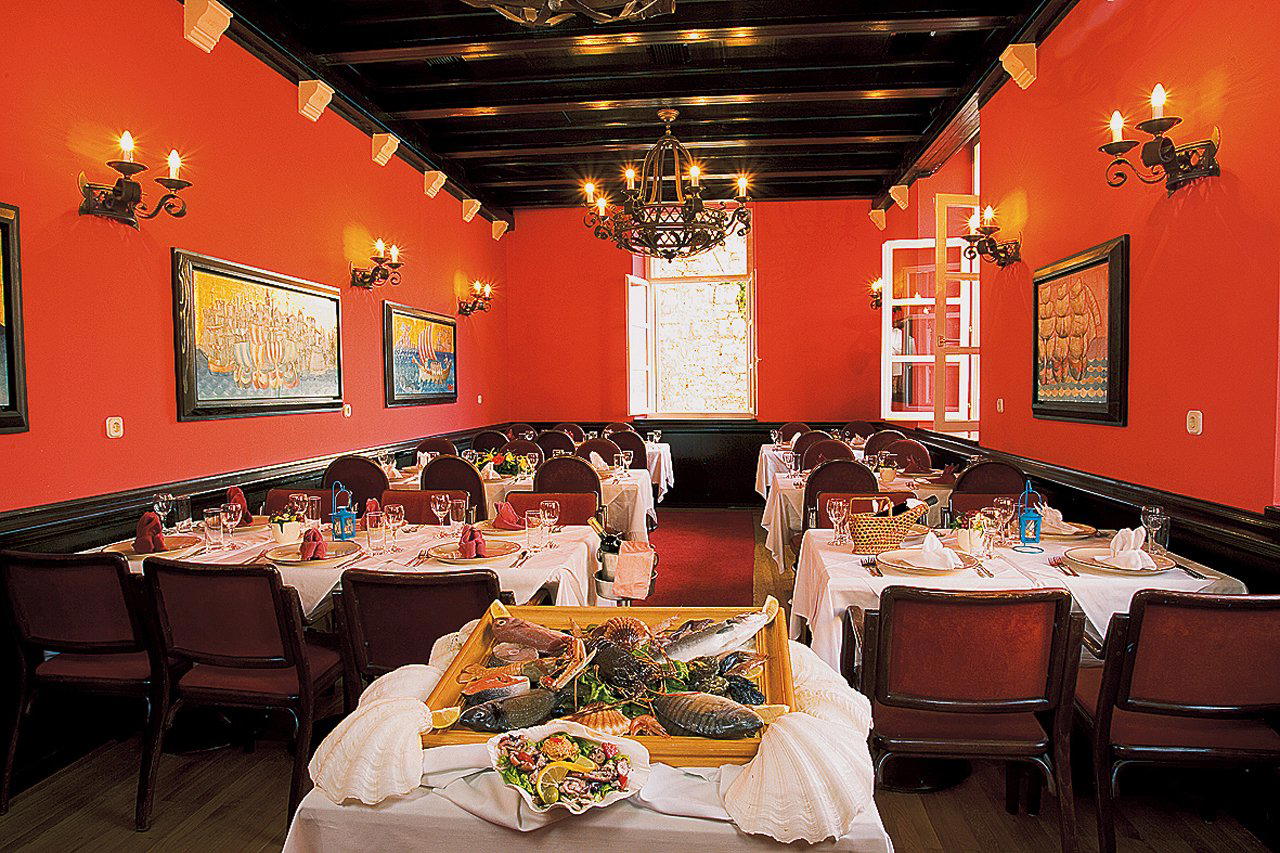
The konoba format across Dalmatia occupies a middle register between the informal family kitchen and the full-service restaurant. Historically, a konoba was a ground-floor storage space, often stone-vaulted, used for wine and provisions. As coastal tourism developed through the twentieth century, many of these spaces converted to dining rooms while retaining the structural vocabulary: thick walls, low ceilings, simple furniture, and a menu anchored to what the sea and the local gardens produce. The format survived because it fits both the architecture and the appetite of the region.
Konoba Adio Mare operates within that tradition rather than departing from it. The expectation at this category of venue is grilled fish and shellfish, local olive oil, peka preparations where available, and a wine list drawn from Dalmatian producers. Pošip, the white grape variety that is native to Korčula, typically appears on menus at this level alongside Grk, another island variety. The island's wine identity is distinct enough that even a traditional konoba engages with it by default: Korčula produces some of the more characterful white wines on the Croatian coast, and that context reaches the table without effort.
Positioning Against the Old Town comparable set
The old town contains several restaurants that address different points in the market. LD Restaurant operates at the upper end, with a modern cooking approach and pricing that reflects its ambition. Filippi works a Mediterranean register at a mid-tier price point. De Canavellis and Ignis add further texture to what is, by any measure, a small but relatively layered dining scene for an island of this size. Konoba Mareta operates in a similar traditional format and serves as a direct point of comparison for what Konoba Adio Mare offers.
What differentiates Adio Mare within this set is primarily its position as a long-running address in a location where tenure itself carries meaning. Visitor memory accumulates around a place like this over years and decades, creating a reputation that operates partly independently of any single season's cooking. That is not an argument for complacency, but it does explain why certain konoba addresses persist in the collective reference of people who have been visiting the Croatian coast for a long time.
Across the wider Croatian coast, the dining scene has developed considerably in the past decade. Pelegrini in Sibenik and Restaurant 360 in Dubrovnik operate at the summit of the regional market, while Agli Amici Rovinj and Nebo by Deni Srdoč in Rijeka represent Istria and Kvarner's more technique-driven end. Boskinac in Novalja, Krug in Split, Alfred Keller in Mali Lošinj, Dubravkin Put in Zagreb, and Korak in Jastrebarsko each occupy distinct niches in Croatia's broader restaurant structure. Against all of that, the Dalmatian konoba model represents a deliberately different proposition: it is not trying to compete on technique or ambition, but on continuity, locality, and the specific pleasure of eating grilled fish in a medieval stone room.
Planning a Visit
Korčula's old town runs at high occupancy through July and August, when ferries from Split and the catamaran from Dubrovnik bring consistent crowds into a physically limited space. Restaurants inside the walls fill early on summer evenings, and addresses with an established reputation fill faster than newer ones. Arriving before 7pm or later in the evening gives a more relaxed experience than the peak dinner window. The island is accessible year-round via ferry from Orebić across the channel, though restaurant hours and availability contract significantly outside the May to October window. For comparison, BioMania Bistro Bol in Bol on Brač operates on a similar seasonal rhythm, as does much of the central Dalmatian island dining scene.
Visitors with a reference point beyond the Adriatic should recalibrate expectations entirely. The konoba register is about reduction rather than elaboration: fewer elements, shorter cooking interventions, and a direct relationship between the morning's catch and the evening's plate. That simplicity is the point, not a limitation.
A Lean Comparison
Comparable venues nearby, for context on price, style, and recognition.
| Venue | Cuisine | Price | Notes |
|---|---|---|---|
| Konoba Adio MareThis venue — the venue you are viewing | Not listed | $$ | Not listed |
| Vrnik Arts Club | Vrnik, Modern Mediterranean Seafood | $$$ | Not listed |
| Ignis | Not listed | $$$ | Korcula Old Town, Modern Mediterranean Tapas |
| Maha | Korcula Town, Mediterranean Gastropub | $$ | Not listed |
| Konoba Mate | Pupnat, Traditional Dalmatian Konoba | $$ | Not listed |
| Konoba Mareta | Not listed | $$ | Korcula Old Town, Traditional Dalmatian Mediterranean |
At a Glance
- Rustic
- Cozy
- Intimate
- Date Night
- Special Occasion
- Family
- Open Kitchen
- Historic Building
- Extensive Wine List
- Local Sourcing
Current opening hours
- Monday
- 12–11 PM
- Tuesday
- 12–11 PM
- Wednesday
- 12–11 PM
- Thursday
- 12–11 PM
- Friday
- 12–11 PM
- Saturday
- 12–11 PM
- Sunday
- 5–11 PM
Hours can change for holidays and private events. Last verified .
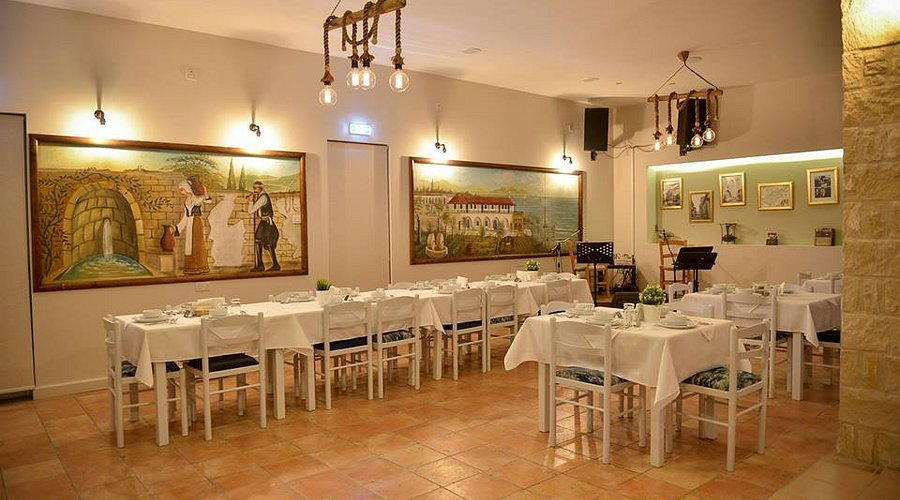
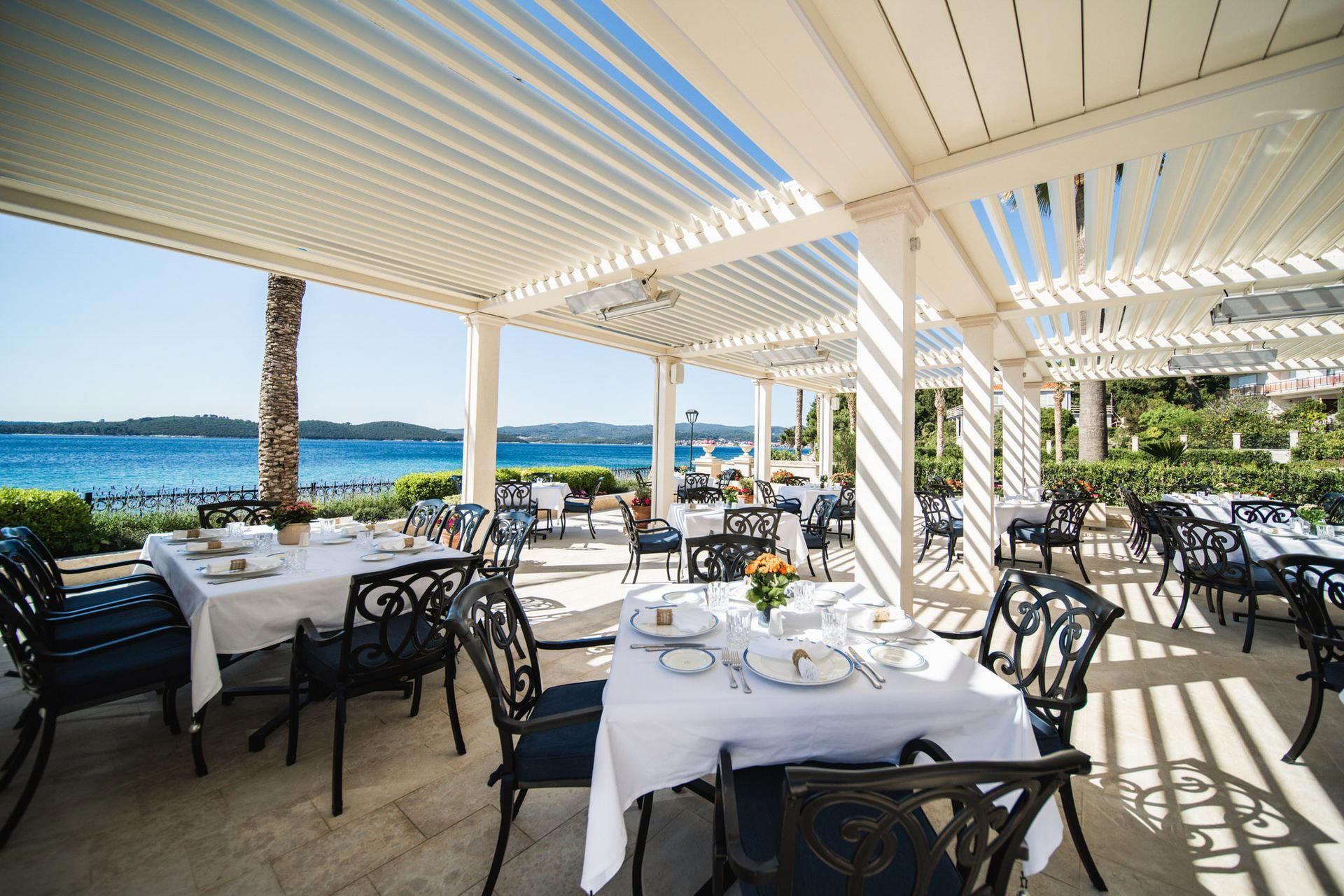
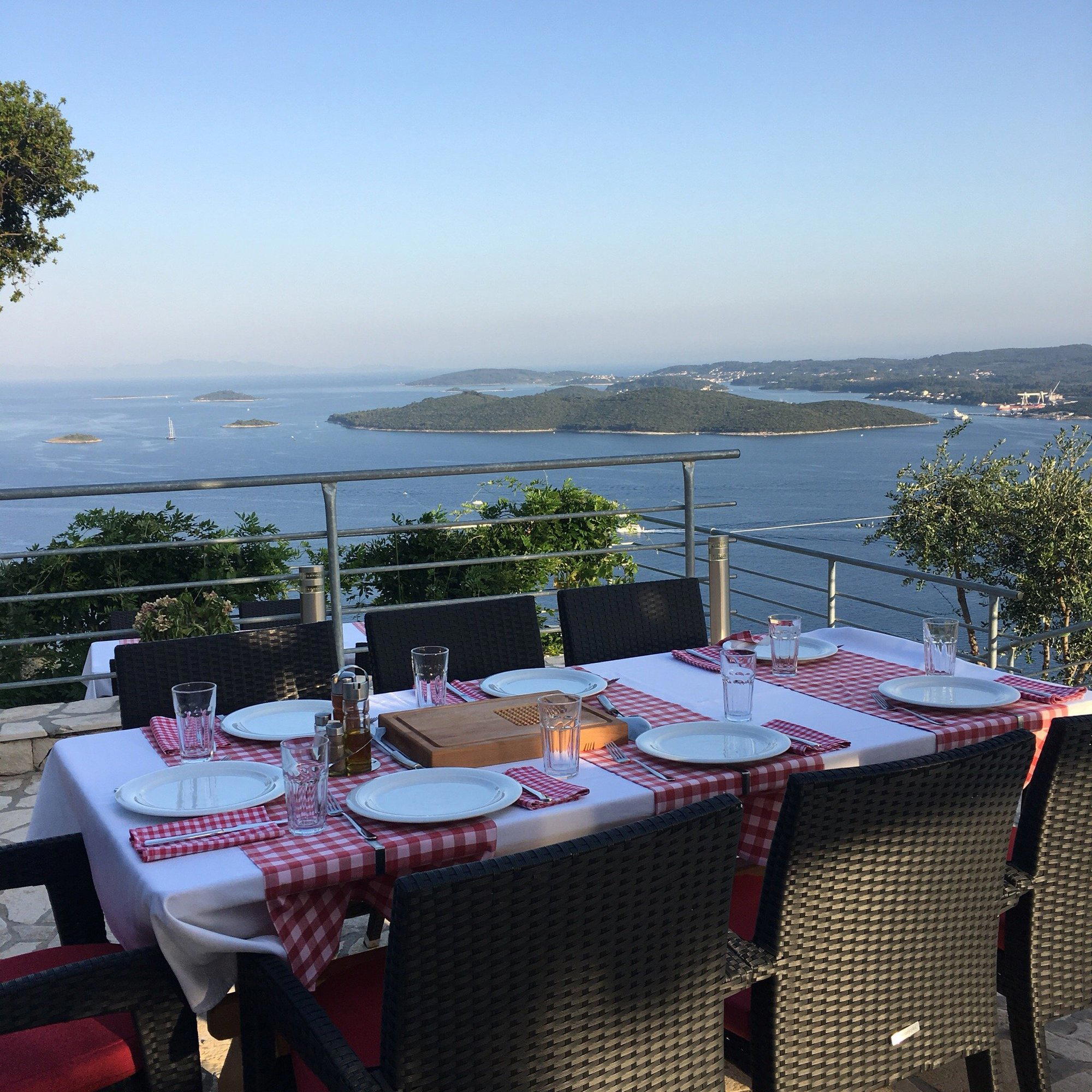
Rustic and cozy atmosphere in a renovated old Korčulanske kalafatska workshop with visible tools on walls, open kitchen grill, and warm lighting around six central tables.