Ignis occupies a address on Ul. Hrvatske Bratske Zajednice in Korčula's old-town fringe, placing it within one of Dalmatia's most storied island dining scenes. The name, Latin for fire, signals an intent toward open-flame technique, a cooking tradition with deep roots across the eastern Adriatic. Visitors should confirm current hours and availability directly before arrival, as operational details remain limited online.
Pearl is the En Primeur Club membership app — saves, bookings, and concierge access live there. Same editors, same standards.
- Address
- Ul. Hrvatske Bratske Zajednice 56, 20260, Korčula, Croatia
- Phone
- +385997593442
- Website
- restaurantignis.com
- Directions
- Get directions
 Saves & bookings on Pearl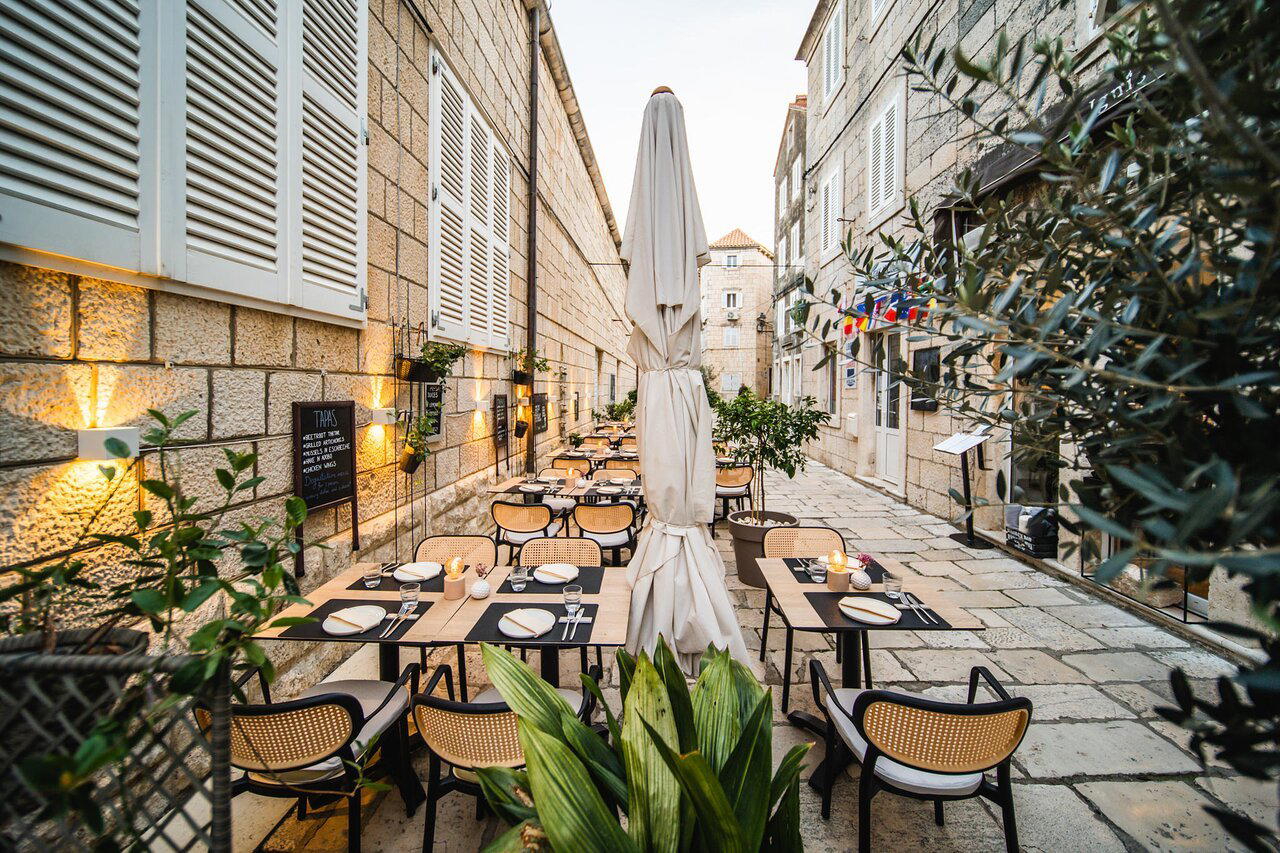
Fire, Stone, and the Dalmatian Table
Korčula's old town arrives on foot or by boat, and either approach conditions you before a single dish reaches the table. The medieval walls, the narrow limestone lanes, the harbour light shifting off the Pelješac channel, these are not backdrop; they are argument. Dining on Korčula has always meant contending with an environment that frames food culturally before the kitchen has a chance to. Ignis, at Ul. Hrvatske Bratske Zajednice 56 in Korčula, sits on the island's residential edge, outside the dense tourist corridor that surrounds the old-town gates.
The name is Latin for fire, and in the context of Dalmatian cooking that is not an abstract gesture. Open-flame and ember techniques, roasting under the peka, slow-cooking beneath an iron lid buried in charcoal, grilling over vine wood, are among the more persistent culinary signatures of the Croatian coast. These methods predate modern restaurant culture by centuries, rooted in pastoral and maritime economies where fuel was local, protein was seasonal, and cooking time was measured in hours rather than minutes. A restaurant that signals fire as its orienting principle on this island is positioning itself within that tradition, however contemporary its execution may be.
Where Ignis Sits in the Korčula Dining Order
Korčula's restaurant scene is smaller and more concentrated than comparable Dalmatian destinations. Dubrovnik has scale and international money; Split has urban energy and a year-round local dining culture. Korčula operates on a different register: seasonal, island-paced, dependent on a short summer window when visitor density justifies the full complement of kitchens. Within that compressed window, the island supports a tiered range of dining, from konoba-style operations serving traditional Dalmatian plates at accessible price points to a handful of more considered addresses that work with local product at higher ambition levels.
LD Restaurant occupies the upper bracket of that tiered range, operating as a modern cuisine address at the €€€€ level with a profile that reaches beyond the island's tourist season. Filippi holds the Mediterranean cuisine middle ground at €€€, anchoring a cohort of kitchens that treat the Adriatic larder seriously without tipping into tasting-menu formality. Konoba Adio Mare and Konoba Mareta represent the grounded, traditional end, dishes rooted in what the sea and the island's interior produce, priced and paced accordingly. De Canavellis adds another angle to this picture. Ignis's address and name signal a kitchen interested in the island's culinary character rather than tourist-facing generalism.
Dalmatian Cooking as Cultural Argument
The eastern Adriatic coast carries one of the more distinctive regional food identities in southern Europe, shaped by Venetian trade history, Ottoman proximity, and the specific constraints of Mediterranean island agriculture. Lamb from the karst interior, fish from the channel, olive oil from trees that have been producing on these islands for a thousand years, these are not romantic abstractions but the actual supply lines that have defined what cooks on Korčula work with across generations.
The island's most discussed indigenous contribution to Croatian cuisine is Pošip wine, a white grape variety grown almost exclusively on Korčula that produces wines of considerable structural discipline, high in acidity and minerality, suited to the fish and shellfish that define the coastal table. Any serious kitchen on the island with an interest in local food culture has a relationship with Pošip and with the family producers, particularly around the village of Čara, who grow it. This pairing of food and local wine culture is where Dalmatian dining distinguishes itself from the generic Mediterranean category it is sometimes lazily assigned to.
Croatia more broadly has been building a case for fine dining recognition over the past decade. Pelegrini in Šibenik holds Michelin recognition and operates within a similar coastal-heritage framework. Restaurant 360 in Dubrovnik has sustained critical attention at the higher end of the Adriatic dining conversation. On the islands, Boskinac in Novalja and Alfred Keller in Mali Lošinj have demonstrated that island settings can support serious culinary ambition beyond the summer season's easy revenues. Agli Amici Rovinj in Istria and Nebo by Deni Srdoč in Rijeka extend the map further north. Korčula has been slower to enter that national conversation at documented award level, but the quality of its raw materials, and the growing expectations of visitors who arrive having eaten well elsewhere in Croatia, creates pressure that kitchens on the island are beginning to respond to.
Planning a Visit
The island's dining season runs roughly from May through October, with the core summer months of July and August placing significant demand on all addresses, including those outside the old-town centre. Ignis is open Monday through Friday from 6 to 11:30 PM, closed Saturday, and open Sunday from 6 to 11:30 PM. Reservations are recommended.
For those who arrive in Croatia via its larger culinary anchors before reaching the islands, Dubravkin Put in Zagreb, Krug in Split, and Korak in Jastrebarsko represent the mainland tier of the country's serious dining. The island experience, seasonal, ingredient-led, slower in pace, reads differently from either of those urban contexts, and Korčula specifically offers a density of cultural and culinary history that rewards time spent eating across multiple addresses rather than concentrating on a single reservation.
- Eggplant Tempura with Honey and Goat Cheese
- Spinach Croquetas
- Hake in Adobo
- Lamb Naan Tacos
- Beef Cheeks with Beetroot
- Calamari in Cuttlefish Ink Steam Buns
Budget and Context
Comparable venues nearby, for context on price, style, and recognition.
| Venue | Cuisine | Price | Awards | Notes |
|---|---|---|---|---|
| IgnisThis venue — the venue you are viewing | Not listed | $$$ | Not listed | Not listed |
| Vrnik Arts Club | Vrnik, Modern Mediterranean Seafood | $$$ | Not listed | Not listed |
| Konoba Mareta | Not listed | $$ | Not listed | Korcula Old Town, Traditional Dalmatian Mediterranean |
| Filippi | Not listed | $$$ | Michelin Plate | Korčula Old Town, Modern Mediterranean Fine Dining |
| Konoba Adio Mare | Not listed | $$ | Not listed | Korcula Town, Traditional Croatian Seafood |
| Maha | Korcula Town, Mediterranean Gastropub | $$ | Not listed | Not listed |

At a Glance
- Modern
- Intimate
- Elegant
- Trendy
- Date Night
- Special Occasion
- Celebration
- Open Kitchen
- Standalone
- Terrace
- Sommelier Led
- Local Sourcing
- Farm To Table
Current opening hours
- Monday
- 6–11:30 PM
- Tuesday
- 6–11:30 PM
- Wednesday
- 6–11:30 PM
- Thursday
- 6–11:30 PM
- Friday
- 6–11:30 PM
- Saturday
- Closed
- Sunday
- 6–11:30 PM
Hours can change for holidays and private events. Last verified .
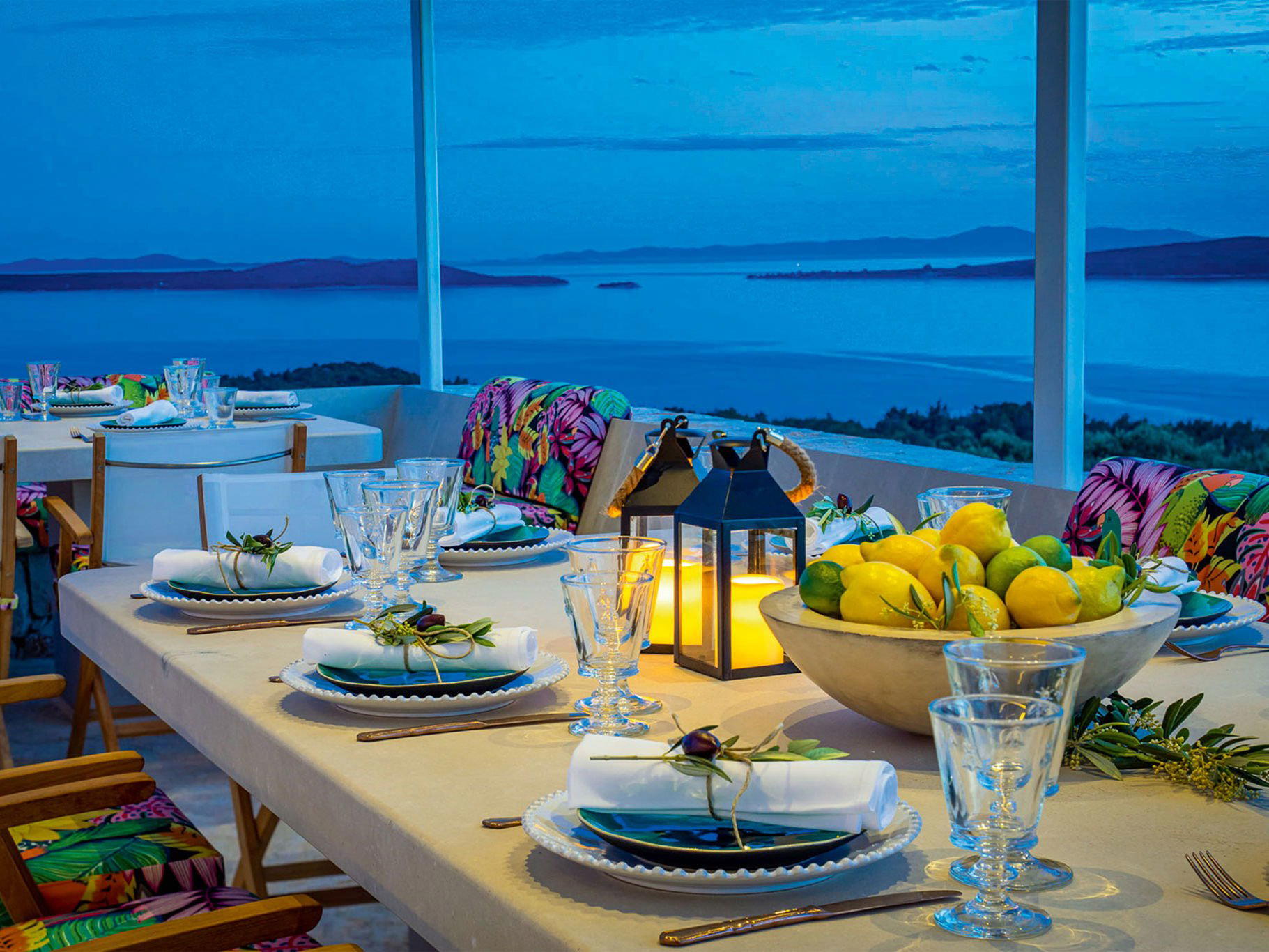
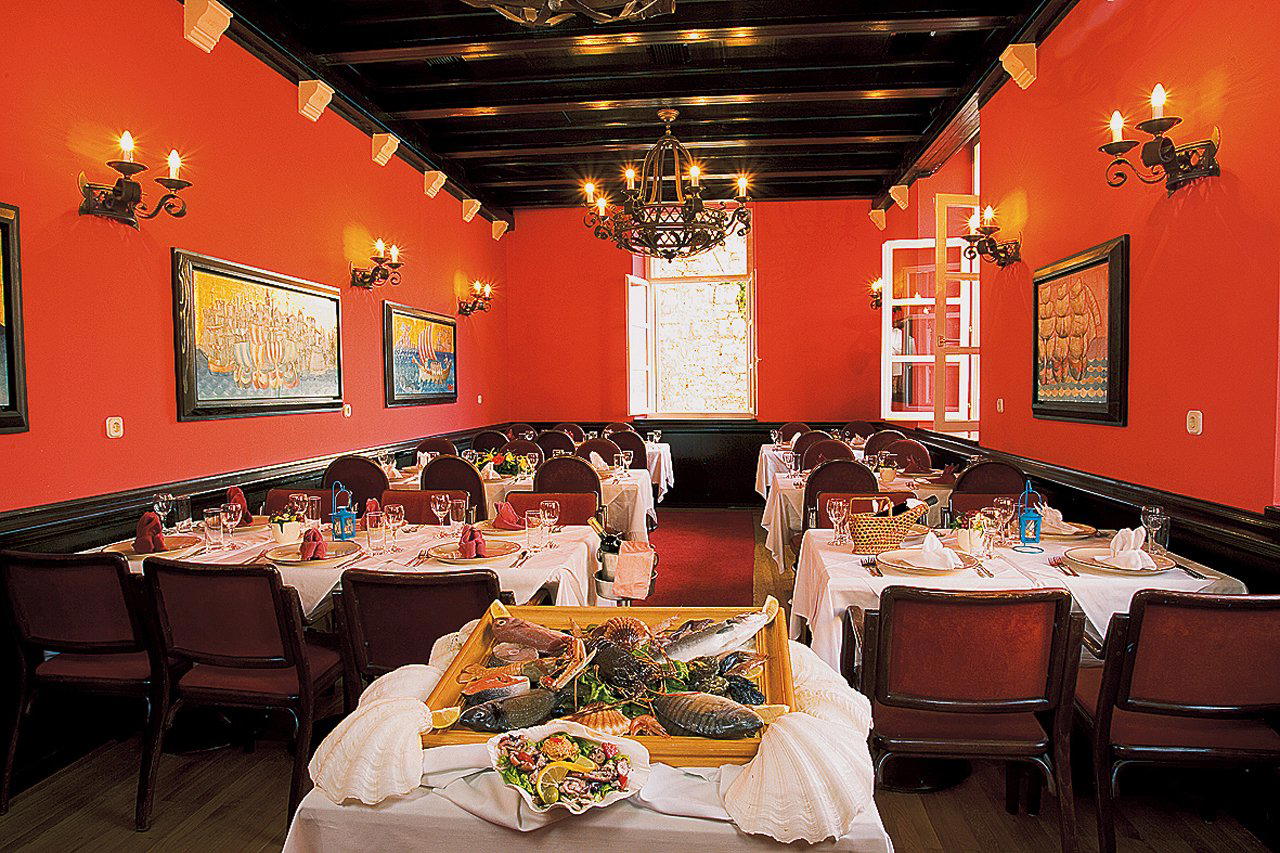
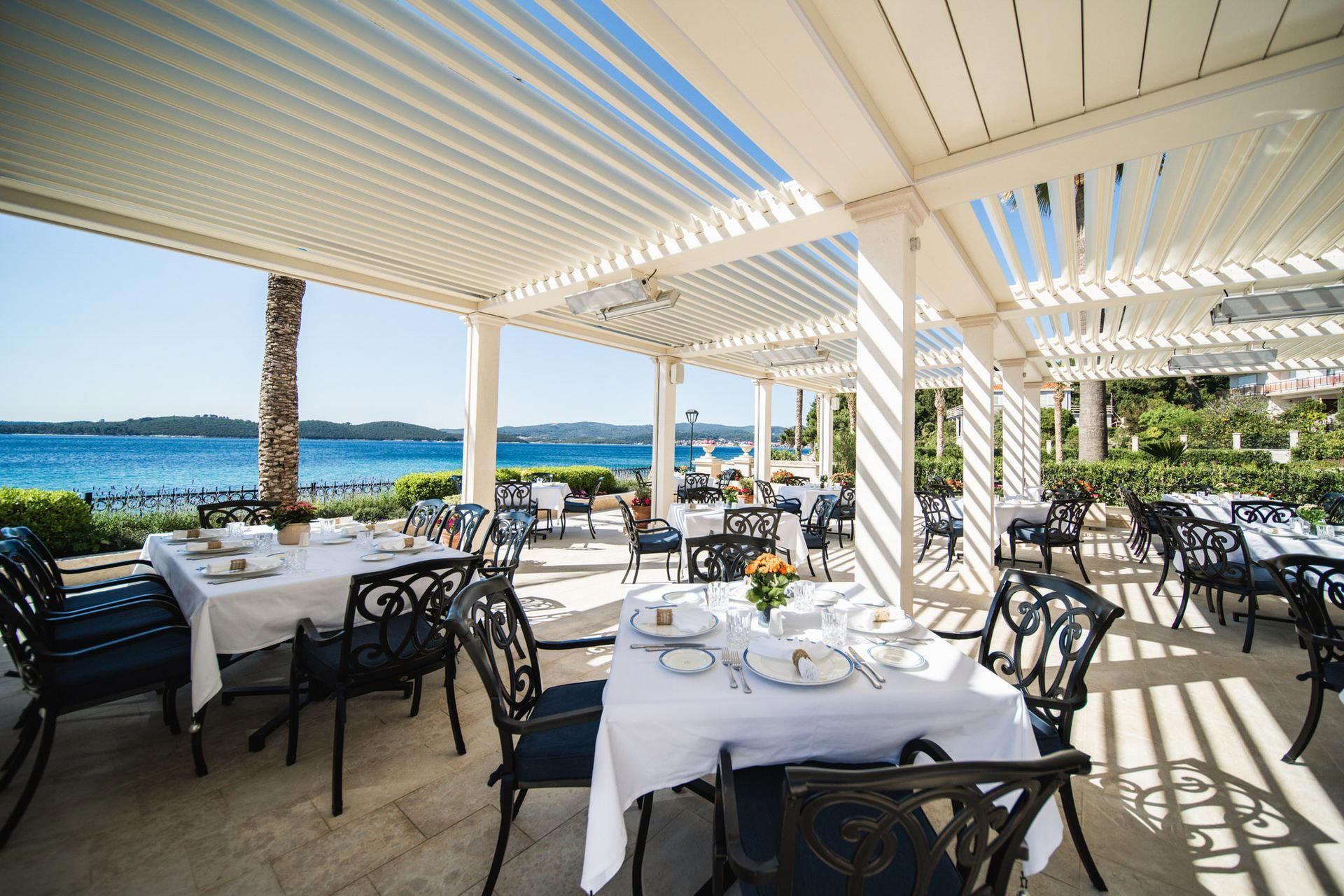
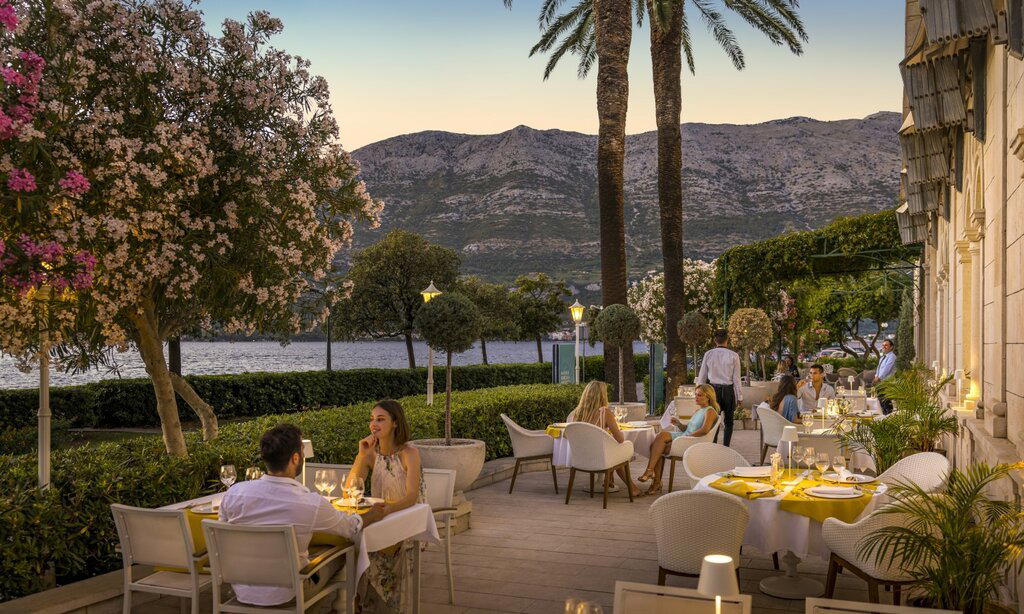
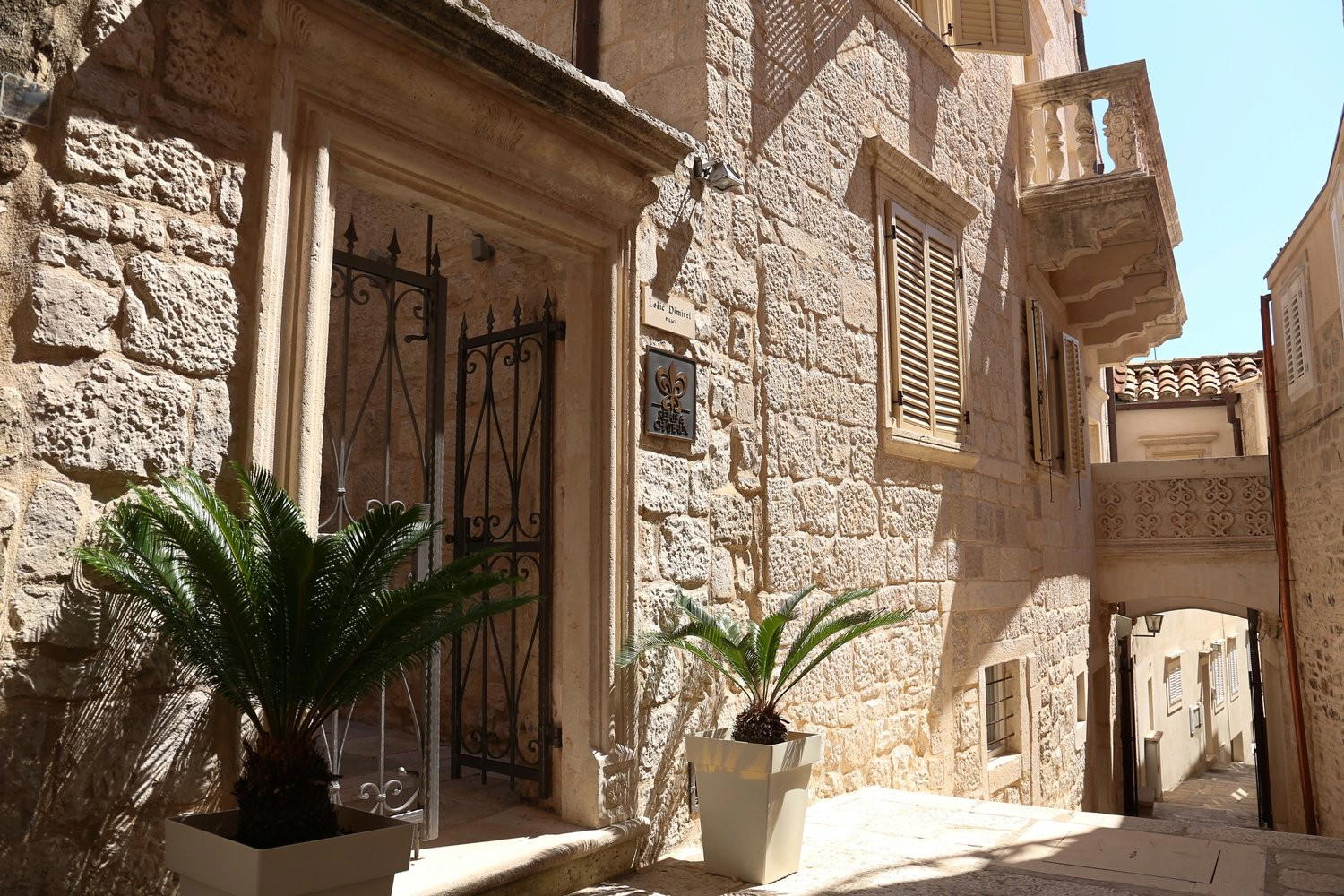
Intimate and sophisticated with warm lighting in a quiet cobblestone lane; beautifully presented dishes create an elegant yet relaxed dining atmosphere.