Set in the village of Žrnovo on the island of Korčula, Maha draws on the agricultural and maritime traditions of its immediate surroundings, placing local sourcing at the centre of its approach. The setting in the Dalmatian interior separates it from the island's harbour-facing dining scene, giving it a character closer to a rural konoba than a coastal terrace. For travellers moving beyond the old town, it represents a deliberate detour into how the island actually eats.
Pearl is the En Primeur Club membership app — saves, bookings, and concierge access live there. Same editors, same standards.
- Address
- Vrsi bb, 20275, Žrnovo, Croatia
- Phone
- +385916051207
- Website
- konobamaha.com
- Directions
- Get directions
 Saves & bookings on Pearl
Where the Island Feeds Itself
Korčula's most recognisable dining addresses sit within or immediately adjacent to the old town: counters serving fresh catch, terraces angled toward the strait, tables that turn over with the evening ferry crowd. Maha, addressed to Vrsi bb in the village of Žrnovo, operates at a remove from that circuit. Žrnovo is one of the oldest continuously inhabited settlements on the island, positioned inland where the terrain is agricultural rather than maritime, and the produce that defines the table here comes from that proximity to working land rather than from a wholesale port. The distinction matters in a region where local sourcing is often claimed and seldom literal.
Croatia's Dalmatian islands have long sustained a dual food culture: one oriented toward the sea and the tourist economy it supports, the other rooted in the interior smallholding tradition of olive groves, stone-walled kitchen gardens, and dryland viticulture. Maha's location in Žrnovo places it firmly in the second category. Arriving from Korčula town involves a short drive into the hills, and the shift in landscape from coastal promenade to dry-stone walls and fig trees is a reasonable preview of what the kitchen draws on.
The Sourcing Logic of Dalmatian Interior Cooking
Across Croatia's premium dining tier, there is a discernible movement toward ingredient traceability that mirrors patterns seen in comparable coastal cuisines. Places like Pelegrini in Sibenik and Agli Amici Rovinj in Rovinj have built identities around named local suppliers and seasonal calendars. The underlying argument is consistent: the Adriatic's ingredient quality is high enough that cooking at any serious level has to reckon with where things come from. On Korčula specifically, that means engaging with the island's own agricultural output, lamb from the island's flocks, olive oil pressed locally, wine from Pošip and Grk grapes grown in Dalmatian limestone soils, and vegetables from gardens that have been in continuous use for generations.
Žrnovo sits at the convergence of those supply lines. Its position away from the tourist waterfront means the surrounding land has not been repurposed in the way that coastal plots often are. What grows near Maha is likely to end up on the plate at Maha, and that compression of distance between field and kitchen is the defining characteristic of this kind of cooking. It is not a new idea, but on an island where the gap between what restaurants claim and what they deliver can be wide, proximity to source is a structural advantage rather than a marketing position.
Maha in the Context of Korčula's Dining Scene
The island's restaurant range runs from the LD Restaurant, which operates at the upper end of the price spectrum with contemporary technique and a wine programme serious enough to draw attention from beyond the island, through to mid-range Mediterranean addresses like Filippi, and newer entrants including De Canavellis and Ignis. Konoba Adio Mare represents the traditional konoba format within the old town. Maha occupies a different position from all of them: a village-based address where the eating is grounded in the agricultural rhythms of Žrnovo rather than the island's tourism economy. That separation from the harbour circuit is not a liability so much as a self-selecting filter. The readers who make the drive to Žrnovo are generally not choosing between Maha and an old-town terrace; they are making a different kind of choice about what they want from the meal.
On a broader Croatian scale, the conversation around food from specific places has sharpened considerably. Boskinac in Novalja on Pag has built a model around island-specific ingredients and estate wine that has earned sustained attention. Nebo by Deni Srdoč in Rijeka and Dubravkin Put in Zagreb operate within a similar framework of traceability and seasonal specificity. Krug in Split and Korak in Jastrebarsko extend that argument further inland. Maha's positioning in Žrnovo fits within this wider Croatian shift without requiring it to compete directly with any of them: the local supply context is specific to Korčula, and the island's terroir is genuinely distinct.
What the Setting Tells You
Approaching Maha from Korčula town, the drive through Žrnovo is itself informative. The village retains much of its stone architecture and working agricultural character, with gardens and groves that read as functional rather than decorative. This is not a staged rural aesthetic of the kind deployed at resort properties in other parts of the Adriatic. The physical environment surrounding the address reflects the same supply logic that should govern what arrives at the table: what grows here, what is raised here, what the island produces rather than what gets trucked in from the mainland. For reference points at a global scale, the farm-to-table positioning Maha operates within has analogues at places like Le Bernardin in New York City and Atomix in New York City, though both of those operate within different price tiers and urban supply ecosystems. The comparison is about the philosophical commitment to sourcing specificity rather than any direct equivalence in format or scale.
For visitors organised around the island's agricultural calendar, the months from late spring through early autumn give the broadest access to local produce. The summer tourist peak also compresses availability and complicates booking across the island generally, which makes Maha's village location a practical advantage: it sits outside the queuing and reservation pressure that affects harbour-facing restaurants during July and August. A short drive from Korčula town, roughly five to ten minutes depending on the route from the old town ferry terminal, is the only logistical consideration.
For travellers exploring Croatia's Dalmatian coast more broadly, the BioMania Bistro Bol in Bol on Brač offers another island example of ingredient-led eating with an organic framework. Alfred Keller in Mali Lošinj provides a further reference point for how island kitchens in the northern Adriatic are handling the sourcing question at a different price level.
Planning Your Visit
The address at Vrsi bb, Žrnovo places it on the eastern side of the island; most GPS navigation from Korčula town handles the route without difficulty. Given the village scale and the format implied by its location and character, reservations are likely to be worthwhile during the summer months.
In Context: Similar Options
Comparable venues nearby, for context on price, style, and recognition.
| Venue | Cuisine | Price | Notes |
|---|---|---|---|
| MahaThis venue — the venue you are viewing | Mediterranean Gastropub | $$ | Not listed |
| Ignis | Modern Mediterranean Tapas | $$$ | Korcula Old Town |
| De Canavellis | Neapolitan Pizza | $$ | Old Town |
| Konoba Adio Mare | Traditional Croatian Seafood | $$ | Korcula Town |
| Konoba Mareta | Traditional Dalmatian Mediterranean | $$ | Korcula Old Town |
| Vrnik Arts Club | Modern Mediterranean Seafood | $$$ | Vrnik |

At a Glance
- Cozy
- Rustic
- Scenic
- Casual Hangout
- Date Night
- Family
- Solo
- Group Dining
- Waterfront
- Terrace
- Standalone
- Beer Program
- Local Sourcing
- Farm To Table
- Waterfront
- Street Scene
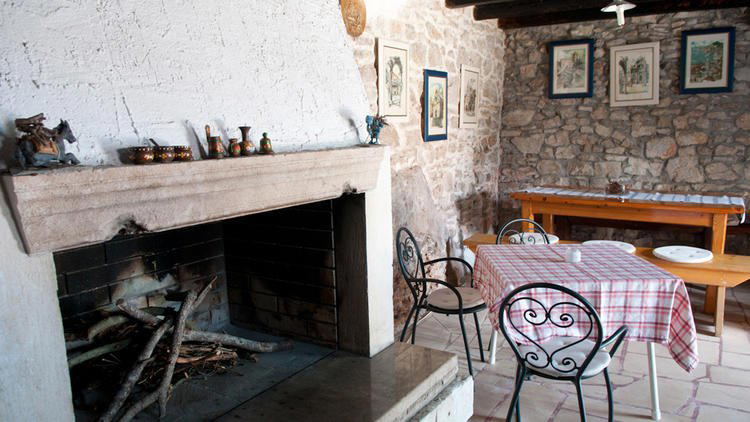
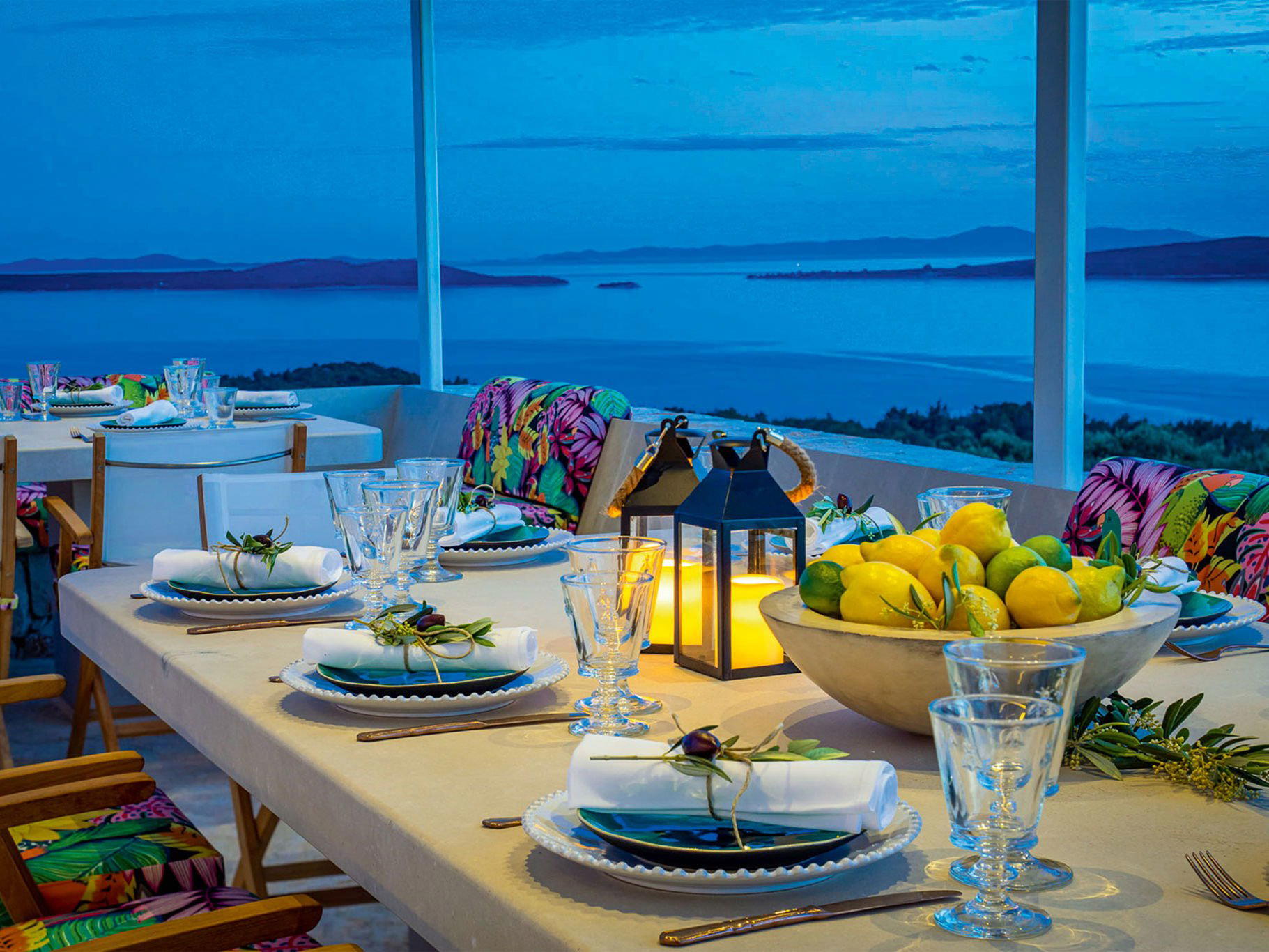
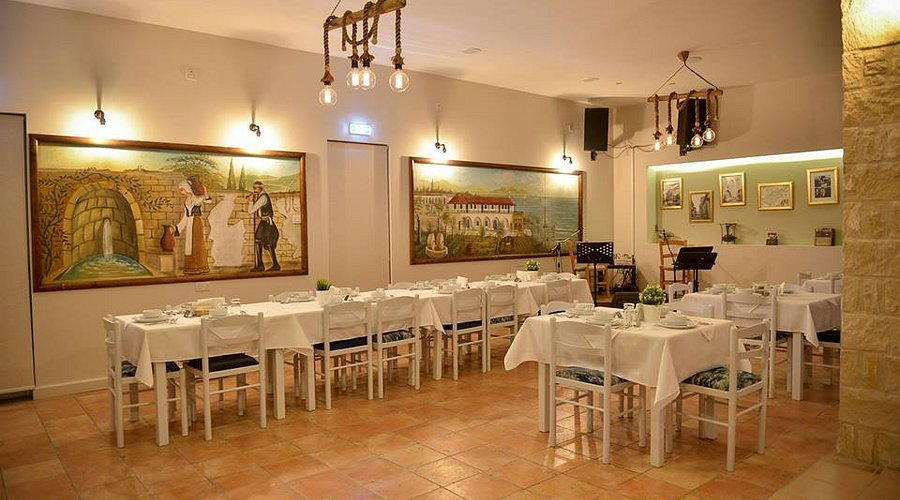
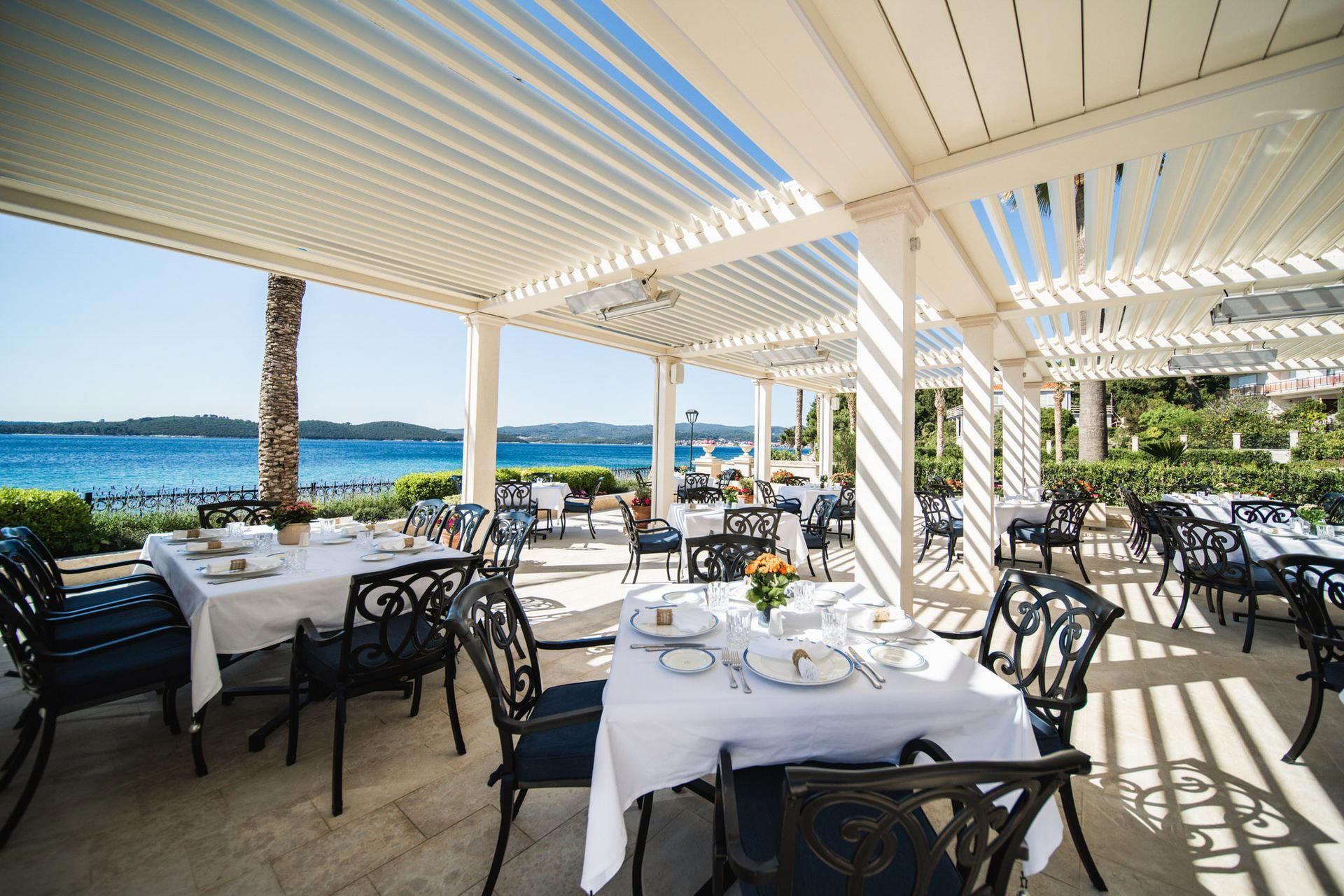
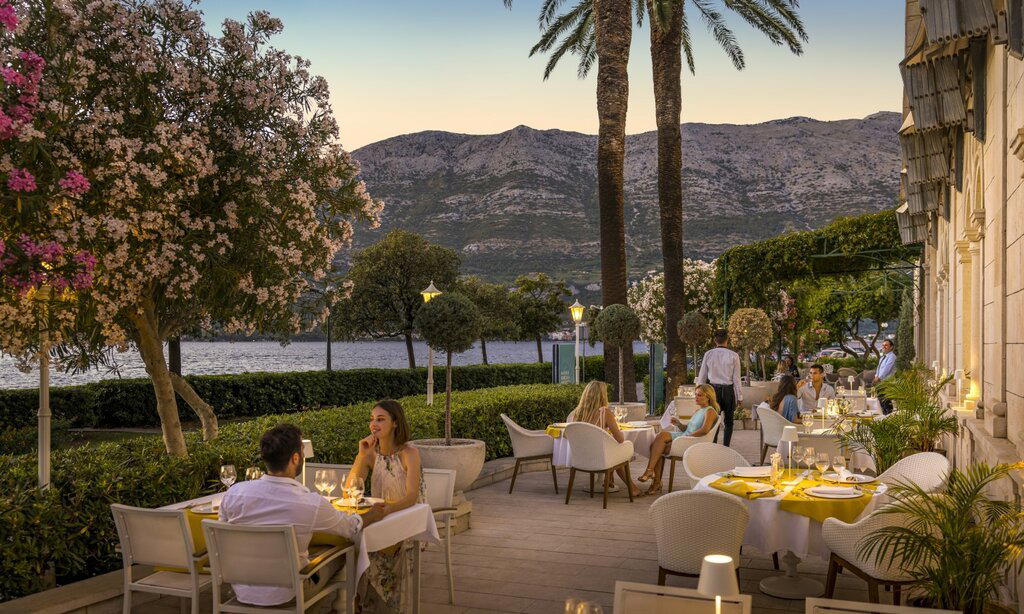
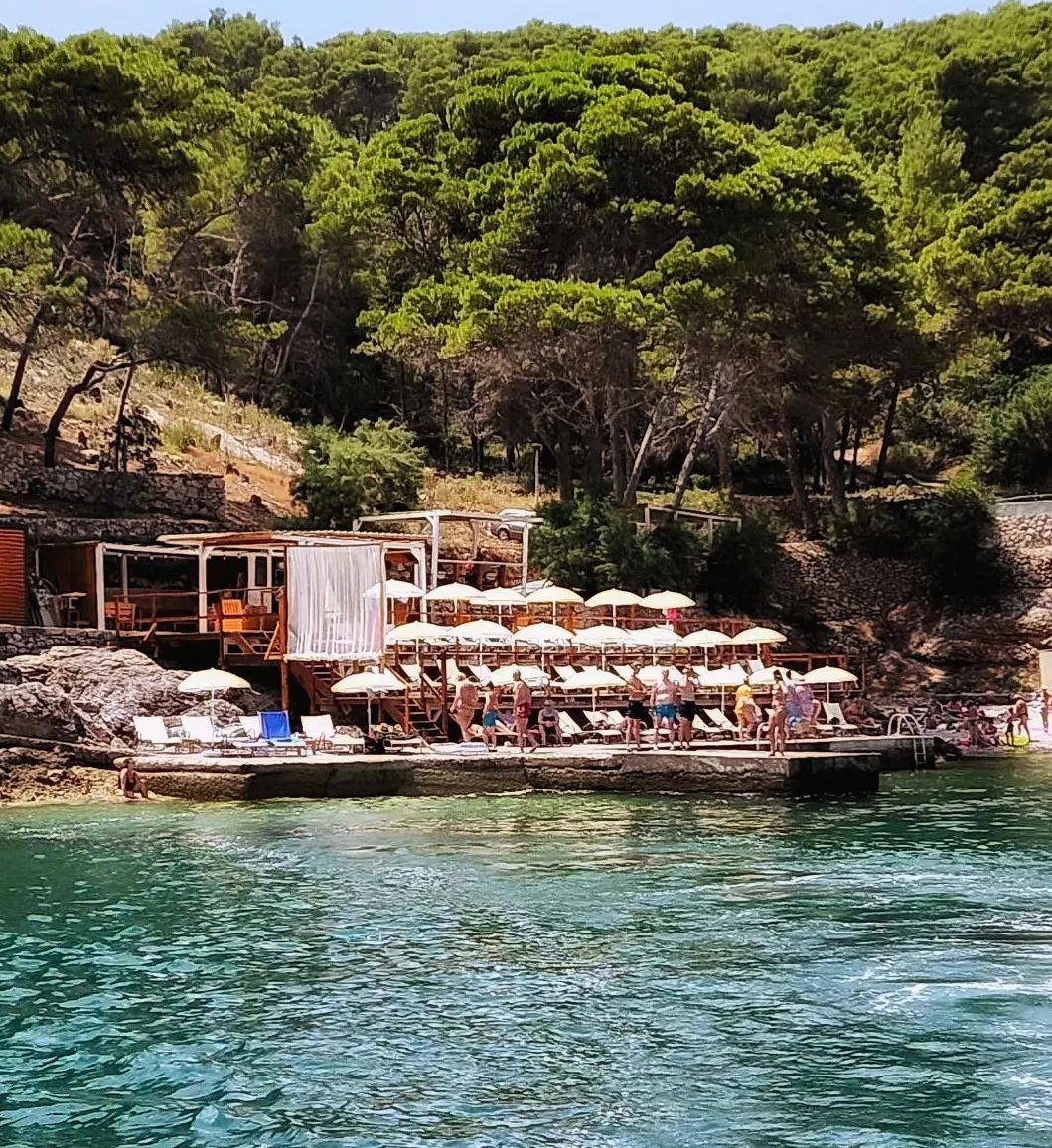
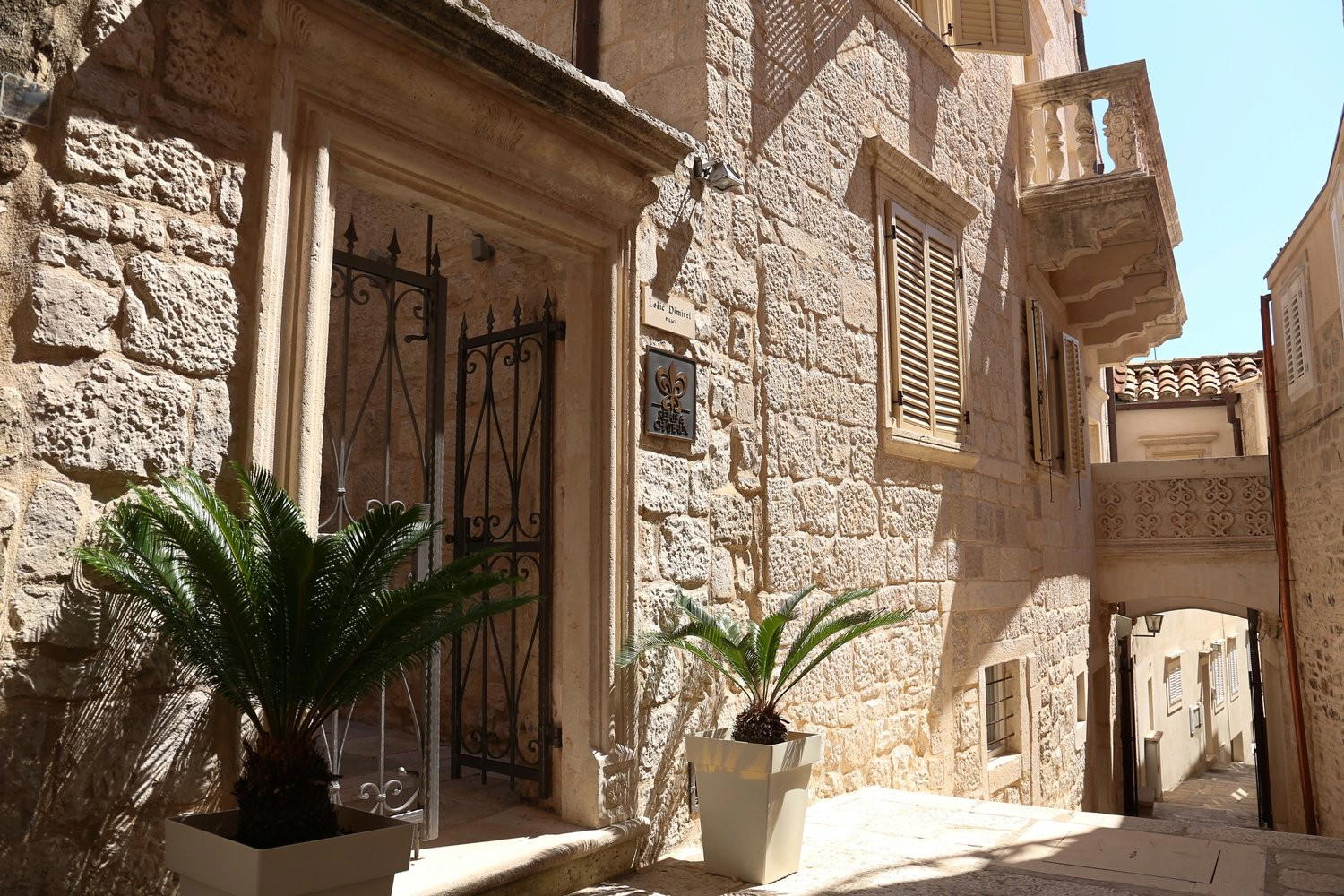
Rustic and cozy with a relaxed, inviting atmosphere; situated in a peaceful alley off the old town with natural light and a casual, unpretentious vibe that encourages lingering.