Konoba Doma
Konoba Doma operates from a quiet address in Sveti Petar u Šumi, in the rural interior of Istria, a region where konoba dining traditions run deeper than along the coast. The format here follows the inland template: locally sourced ingredients, unfussy preparation, and a setting that reads as genuinely domestic rather than staged. For anyone tracking Croatian interior dining against the coastal circuit, this is a useful reference point.
Pearl is the En Primeur Club membership app — saves, bookings, and concierge access live there. Same editors, same standards.
- Address
- Kranjci 18, 52404, Sveti Petar u Šumi, Croatia
- Phone
- +385915700171
- Website
- konoba-doma.business.site
- Directions
- Get directions
 Saves & bookings on Pearl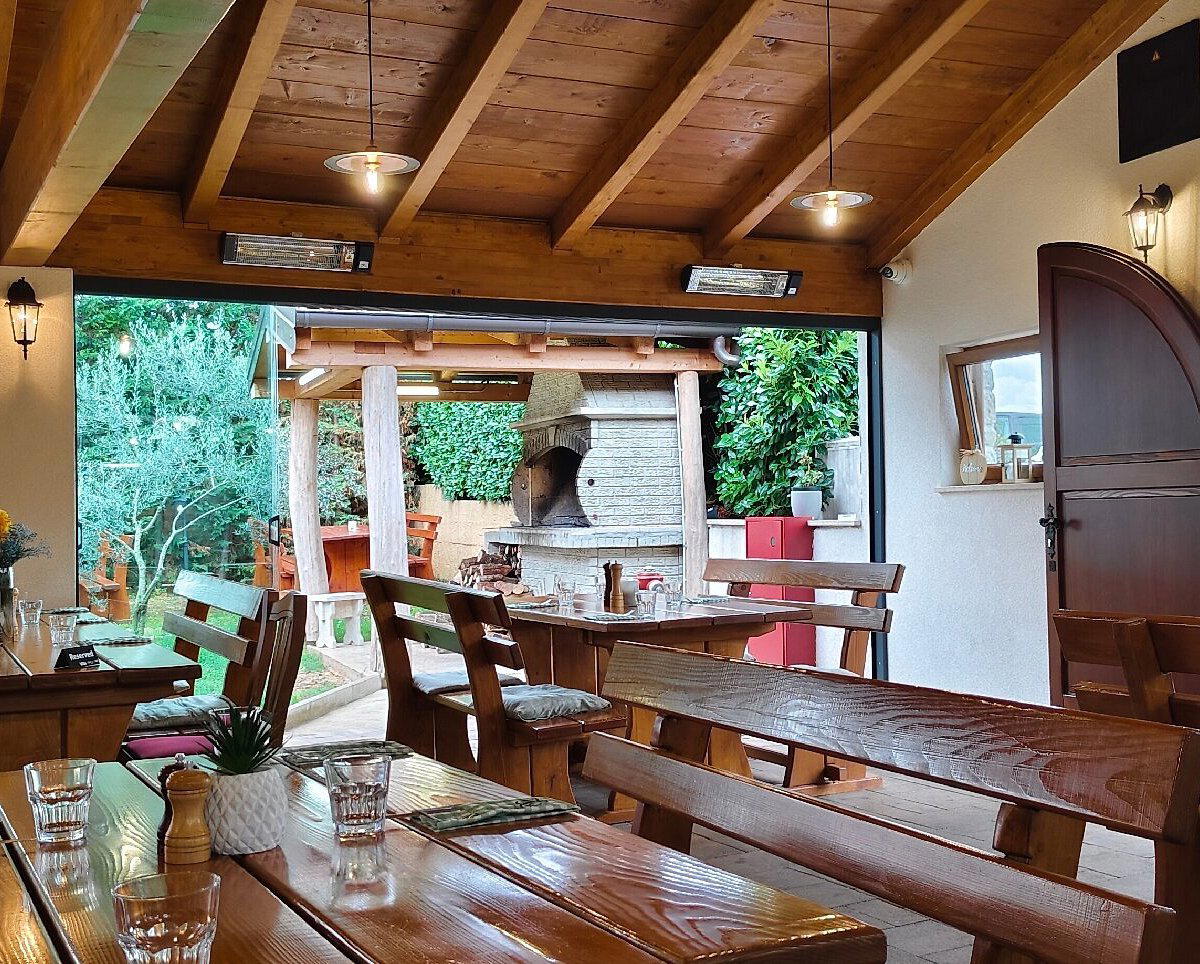
Istria's Interior and the Konoba Tradition
Croatia's dining conversation tends to collapse around its coastline. Pelegrini in Sibenik, Restaurant 360 in Dubrovnik, and Agli Amici Rovinj occupy the upper tier of that coastal circuit, where Mediterranean produce, Adriatic seafood, and international recognition shape menus and expectations alike. Move inland into the Istrian peninsula, however, and a different kind of table emerges: the konoba. These are village-scale establishments, typically family-operated, built around what the surrounding land and season provide rather than around what a tasting-menu format demands. Konoba Doma, at Kranjci 18 in Sveti Petar u Šumi, is an Authentic Istrian Farm-to-Table restaurant with a casual dress code and recommended reservations.
Sveti Petar u Šumi sits in central Istria, away from the summer pressure of Rovinj, Poreč, and the Pula coast. The villages in this part of the peninsula are spaced across a range of oak and pine, truffle-rich soil, and smallholder agriculture that has persisted through decades of change. That agricultural continuity is the context for any honest reading of what an inland konoba serves. The sourcing is short by necessity and by practice: what grows or grazes nearby reaches the table with a speed and directness that longer supply chains cannot replicate.
What Ingredient Sourcing Looks Like in This Region
Istria's interior is one of the few parts of the Adriatic hinterland where proximity to raw ingredients genuinely structures the menu rather than decorating a marketing page. The territory around Sveti Petar u Šumi sits within the broader Istrian truffle zone, which produces both black and white specimens, the latter commanding prices that put Périgord and Alba on notice during peak autumn season. Alongside truffles, the interior supports wild asparagus, foraged greens, game, domestic pork, and a lamb tradition that differs meaningfully from the Dalmatian model further south.
For a konoba operating in this geography, the sourcing logic is less a philosophy than a practical fact of location. Coastal restaurants like LD Restaurant in Korčula or Krug in Split work with what the Adriatic and Dalmatian hinterland supply; an inland Istrian konoba works with what the peninsula's interior provides, which skews heavily toward land-based proteins, preserved products, and the seasonal truffle harvest. The result is a table that reads differently from the coast, not better or worse, but oriented toward different raw materials entirely.
This sourcing distinction is also what separates the inland konoba format from the kind of produce-driven bistro model now common in Croatian cities. Dubravkin Put in Zagreb and Korak in Jastrebarsko engage with Croatian ingredients through a more considered, sometimes formally trained lens. A rural konoba like Doma operates on a different register, where the connection to source is structural rather than aspirational.
The Physical Setting and What to Expect
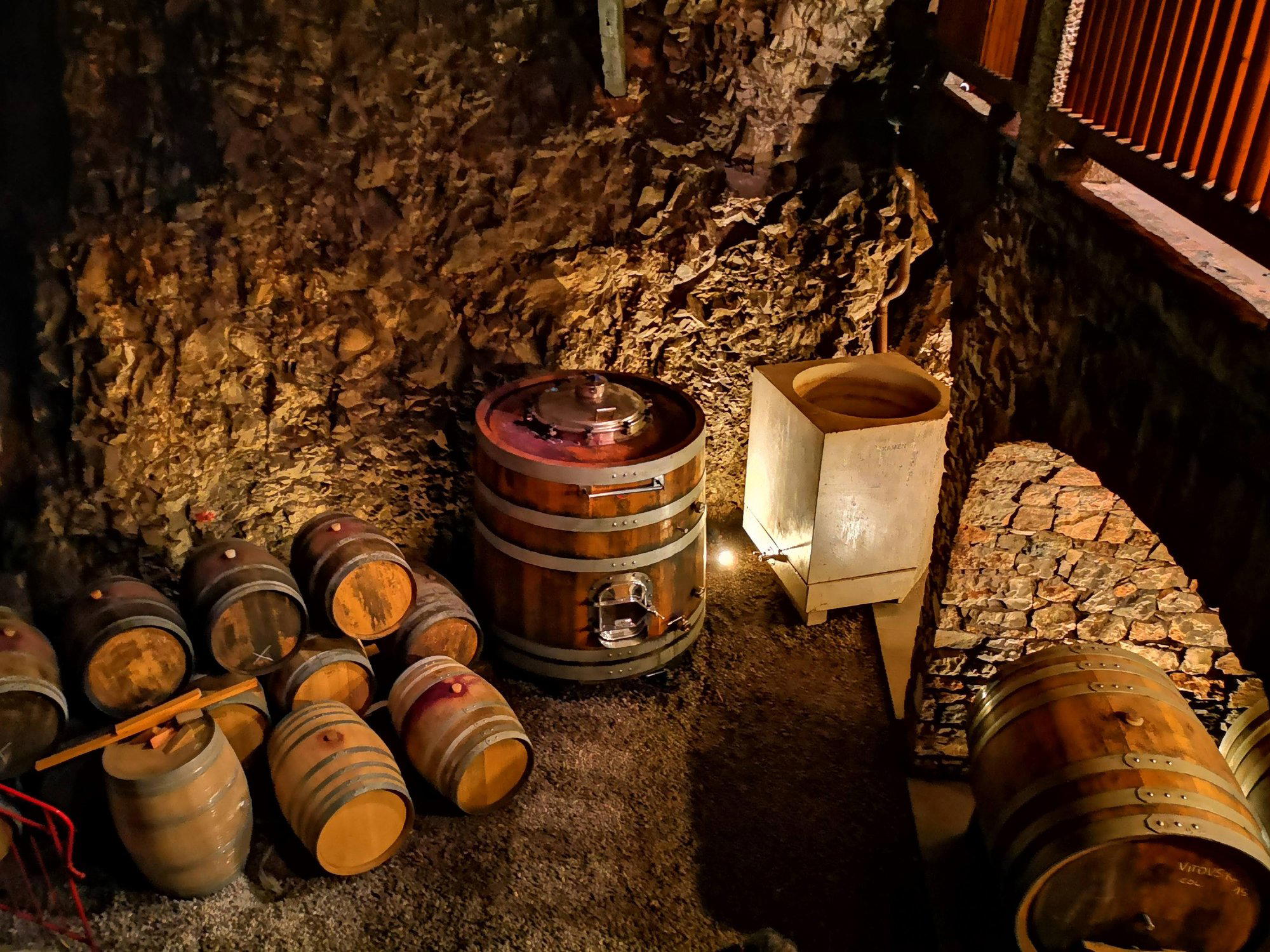
Arriving in Sveti Petar u Šumi from the main Istrian road network requires a deliberate turn away from the signposted tourist circuits. The village is small, quiet in the way that agricultural settlements in this part of Europe tend to be, and the address at Kranjci 18 places the restaurant in a genuinely domestic context. Konoba interiors in the Istrian interior typically lean toward exposed stone, wooden beams, and furnishings that read as household rather than designed. The surrounding settlement leaves little room for architectural pretension.
That physicality is relevant to the dining experience. Much of what makes inland Istrian konoba meals distinct from the polished mid-range and upper-tier restaurants along the coast is the absence of performance. There is no plating theatre here, no sommelier choreography on the level of what you might encounter at Nebo by Deni Srdoč in Rijeka or the technically ambitious rooms at Boskinac in Novalja. The format is direct: food comes from the kitchen to the table in a manner shaped by household cooking logic rather than restaurant theatre.
For readers oriented toward ingredient-forward dining in an unmediated setting, this kind of venue sits in its own tier. It is worth placing alongside BioMania Bistro Bol in Bol or Bodulo in Pag as part of a broader map of Croatian dining that extends beyond the coastal fine-dining circuit.
Planning a Visit
Sveti Petar u Šumi is most accessible by car; the village is not served by regular public transport connections, and the surrounding road network is rural. Given the inland Istrian context, one practical approach is to build a visit around the peninsula's interior itinerary, pairing a meal here with truffle-season activity in the broader region if timing aligns. Autumn, when both white and black truffles are in active harvest, is the period when inland Istrian kitchens are operating at their most characteristic. Spring brings wild asparagus and early foraged greens, making it a second natural window.
The inland Istrian meal sits well before or after coastal stops. Burin in Crikvenica, Cubo in Opatija, and Cantilly Garden Restaurant in Samobor each represent a different register of the country's dining range, and placing an inland konoba stop alongside them sharpens the contrast. For international reference points on ingredient-led cooking at the opposite end of the formality spectrum, Le Bernardin in New York City and Atomix in New York City illustrate how sourcing narratives are handled when institutional resources and recognition are in play, a useful calibration for understanding what the konoba model achieves without any of that scaffolding.
Comparable Venues
Comparable venues nearby, for context on price, style, and recognition.
| Venue | Cuisine | Price | Notes |
|---|---|---|---|
| Konoba DomaThis venue — the venue you are viewing | Authentic Istrian Farm-to-Table | $$$ | Not listed |
| Na Moru | Mediterranean Seafood Grill | $$$ | Valun |
| Male Madlene | Istrian Tapas & Fine Finger Food | $$$ | Santa Croce |
| Restoran Laurus | Mediterranean Adriatic Seafood & Grill | $$$ | Pobri |
| Marengo | Modern Mediterranean Seafood | $$$ | Mitan Marina |
| Dream | Istrian Fusion Mediterranean | $$$ | old town |
Continue exploring
More in Sveti Petar U Sumi
Restaurants in Sveti Petar U Sumi
Browse all →
Bars in Sveti Petar U Sumi
Browse all →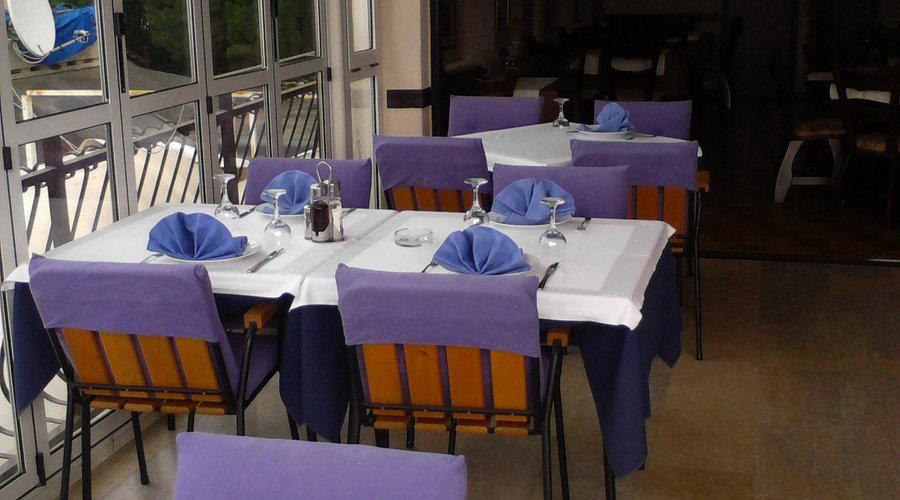
Hotels in Sveti Petar U Sumi
Browse all →
Wineries in Sveti Petar U Sumi
Browse all →
At a Glance
- Rustic
- Cozy
- Intimate
- Family
- Casual Hangout
- Special Occasion
- Garden
- Open Kitchen
- Farm To Table
- Local Sourcing
- Garden
Current opening hours
- Monday
- 2–10 PM
- Tuesday
- Closed
- Wednesday
- 2–10 PM
- Thursday
- 2–10 PM
- Friday
- 2–10 PM
- Saturday
- 12–10:30 PM
- Sunday
- 12–9 PM
Hours can change for holidays and private events. Last verified .
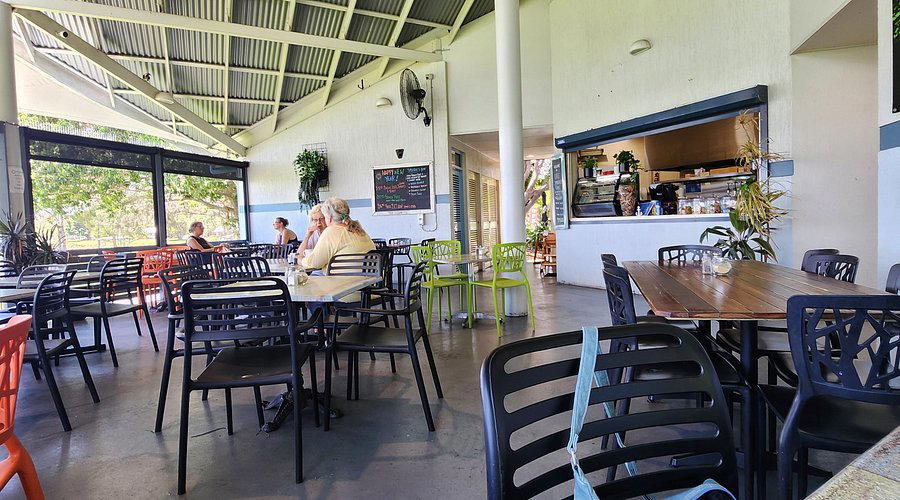
Cozy rural ambience with garden terrace seating under umbrellas and closed veranda, featuring a welcoming family atmosphere