Our verdict
Dream occupies a quiet address on Ul. Joakima Rakovca in Rovinj's old town, where the Adriatic dining tradition of letting local seafood and Istrian produce set the terms is still taken seriously. The restaurant sits within a compact but competitive scene that includes Michelin-recognised tables and serious wine programs. Reserve ahead during summer months when Rovinj's visitor density compresses availability across all categories.

Pearl is the En Primeur Club membership app, where members save venues, book tables and use the concierge.
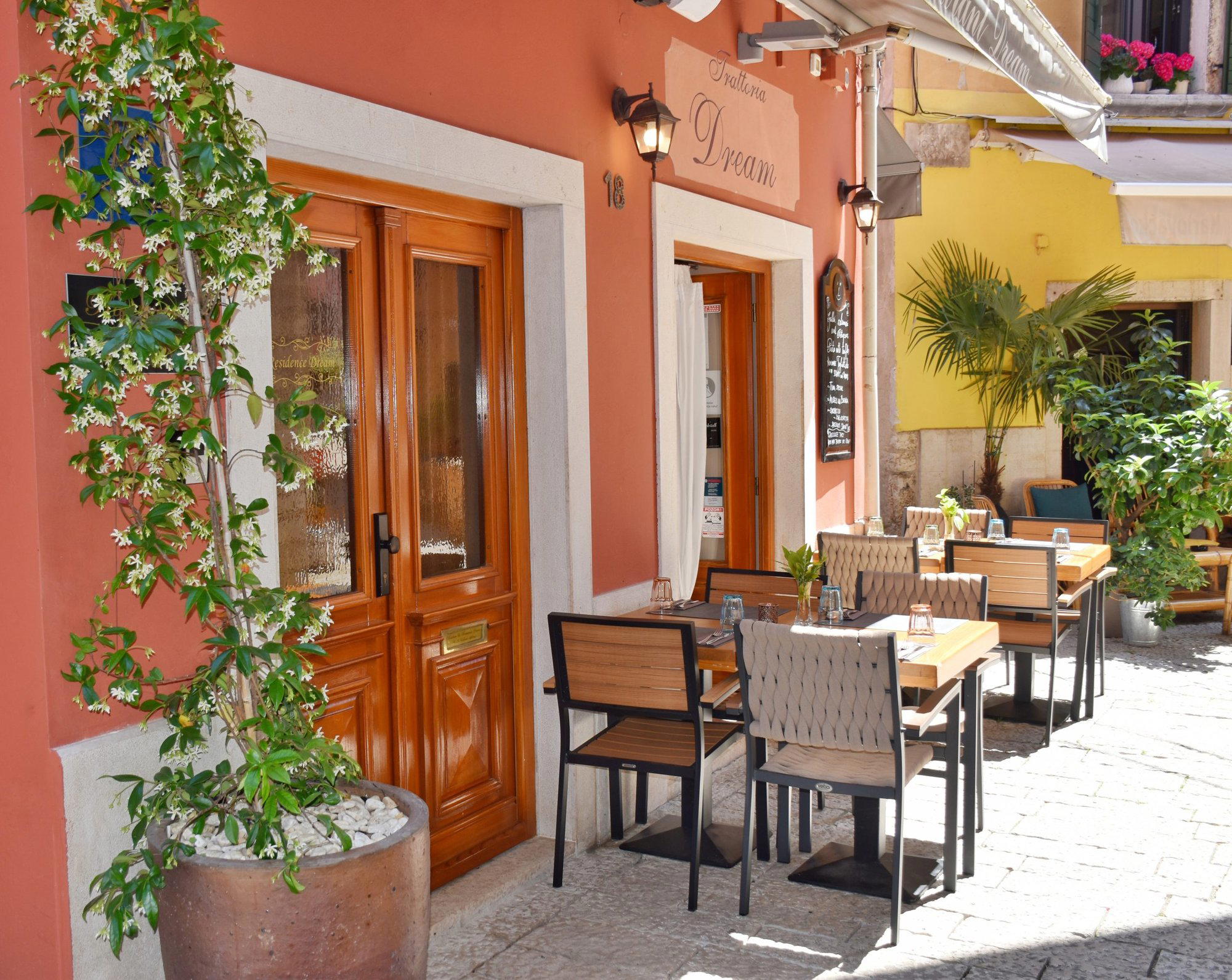
Where the Old Town Ends and the Table Begins
Rovinj's old town rises from the Istrian coastline in a tight spiral of cobbled lanes and terracotta-roofed buildings that have absorbed centuries of Venetian, Habsburg, and Yugoslav influence. The peninsula's restaurants occupy that layered history directly: dining here is never far from the sea, and the local culinary logic holds that Adriatic fish, Istrian truffles, and the peninsula's olive oils are the raw material from which everything else follows. Dream, on Ul. Joakima Rakovca, sits within this geography, a street address that places it inside Rovinj's historic core, where the density of serious restaurants makes positioning within the scene a meaningful act in itself.
The Istrian Culinary Frame
To understand where Dream sits, it helps to understand what Istrian cooking actually is. The peninsula's cuisine is one of the more structurally interesting in the Adriatic, shaped by the same border-crossing history that gave Rovinj its dual Croatian-Italian character. Coastal preparations, simply grilled fish, crudo treatments, brodetto, share menu space with the inland truffle culture centred around Motovun and Buzet, and with a wine tradition that runs from Malvazija Istarska on the white side to Teran and Refošk in red. The result is a regional cuisine that is not strictly Italian, not strictly Croatian, but somewhere productively between the two, which gives any serious restaurant here considerable creative latitude.
That latitude has been used with varying ambition across Rovinj's dining scene. At the far end of the range, Monte holds Michelin recognition and operates in the creative tasting-menu register, while Agli Amici Rovinj applies Italian contemporary technique to Istrian ingredients at a similar price tier. Cap Aureo occupies the creative bracket at comparable pricing. These restaurants set the reference point for what ambition looks like in this town, and they create a context in which any table in the old town is implicitly in conversation with them.
The Scene Dream Operates In
Rovinj's restaurant density in the old town is high relative to its population, which keeps quality pressure sustained. Visitors arriving in peak season, July and August, when the harbour fills and the lanes become genuinely congested, encounter a compressed booking window across the better addresses. This is not a town where good restaurants sit half-empty. The summer calendar in Rovinj effectively runs from late May through early September, with the shoulder months of May, June, and September offering better availability and cooler conditions for terrace dining, which most of the old town's restaurants rely on heavily.
For context on what Istrian dining looks like at the regional level, the peninsula's serious tables extend well beyond Rovinj. San Rocco in Brtonigla works the inland truffle and wine angle with hotel-restaurant integration. Further afield in Croatia, Michelin-starred addresses like Korak in Jastrebarsko and Nebo by Deni Srdoč in Rijeka show how Croatian fine dining has developed a distinct national register over the past decade. On the islands and coast, Alfred Keller in Mali Lošinj and LD Restaurant in Korčula occupy the higher end of the Adriatic dining spectrum. Pelegrini in Šibenik and Boskinac in Novalja round out a network of destination-grade Croatian restaurants that demonstrate how far the country's dining culture has moved since the early 2000s.
Rovinj's Seafood Tradition and What It Demands of a Restaurant
Adriatic seafood cooking at its most serious is a discipline of restraint. The fish that come out of these waters, brancin (sea bass), orada (gilt-head bream), škarpina (scorpionfish), and the various shellfish of the northern Adriatic, are treated with a precision that privileges the ingredient over the technique. The instinct to over-elaborate, which has occasionally overtaken Croatian coastal restaurants chasing international approval, sits uneasily against this tradition. The leading Istrian tables understand that the truffle shaved over handmade pasta and the fish pulled from the morning catch are already doing most of the work.
This creates a useful test for any restaurant in Rovinj: is the kitchen confident enough to let the ingredients lead, or is it compensating with accumulated technique? At the extremes of the scene, EL-NIRO positions specifically around seafood, while Cave Lab By Monte takes the experimental route that Monte's parent reputation enables. Dream's position within this range, its specific answer to the question of how much intervention the ingredients warrant, is the kind of detail that direct experience of the kitchen resolves.
Planning a Visit
Dream's address on Ul. Joakima Rakovca places it within walking distance of Rovinj's harbour and the old town's core. The practical logistics of visiting Rovinj are direct: the town is roughly a 90-minute drive from Pula airport and about 75 minutes from Poreč along the Istrian coast road. Parking in the old town itself is restricted, and arriving on foot or by water taxi from the marina is the standard approach for the peninsula's restaurants. Given the concentration of serious dining in a small geographic area, a visit to Rovinj is reasonably structured around two or three meals, allowing comparison across the scene's different registers. Our full Rovinj restaurants guide maps the scene across price tiers and styles. For those building a wider Croatian dining itinerary, Dubravkin Put in Zagreb, Krug in Split, and Restaurant 360 in Dubrovnik each anchor their respective cities. For a global reference on what disciplined seafood cooking looks like at its technical apex, Le Bernardin in New York City remains the benchmark; Lazy Bear in San Francisco shows what a tasting-menu format built on seasonal rigour achieves in a very different cultural context.
Frequently asked questions
Where is Dream located?
Dream is located at Ul. Joakima Rakovca 18, 52210, Rovinj, Croatia, Rovinj.
Is Dream in Rovinj worth visiting if you are staying outside the old town?
Dream's location on Ul. Joakima Rakovca puts it at the core of Rovinj's old town, walkable from the harbour and the main waterfront promenade regardless of where you are staying in the city. Rovinj is small enough that no accommodation is more than a short journey away. For visitors using the meal as an introduction to Istrian coastal cooking, the address is as central a reference point as the city offers.
What should I eat at Dream?
Istrian cooking runs on two strong tracks: the coastal one, built on Adriatic fish such as brancin and orada treated with minimal intervention, and the inland one anchored by truffles, porcini, and aged sheep's cheese. A restaurant on Ul. Joakima Rakovca in Rovinj's old town is positioned to draw from both. Look for whatever reflects the season, Istrian kitchens at this level tend to follow the peninsula's produce calendar rather than a fixed menu.
How hard is it to get a table at Dream?
Rovinj is a compact town that absorbs a large volume of visitors between July and August, and the old town's better-regarded restaurants fill quickly during that window. Dream's address on Ul. Joakima Rakovca places it within the most visited part of the city, which adds pressure on peak-season availability. Booking ahead by at least a week in summer is a reasonable precaution; shoulder months, May, June, and September, offer more flexibility.
Pricing, Compared
| Venue | Cuisine | Price | Awards | Notes |
|---|---|---|---|---|
| DreamThis venue (the venue you are viewing) | Istrian Fusion Mediterranean | Not listed | Not listed | Not listed |
| Agli Amici Rovinj | Modern Mediterranean Fine Dining | $200–300 | 2 Michelin Stars · La Liste Top Restaurants | Italian Contemporary |
| Cap Aureo | Creative Modern Mediterranean | $150–200 | 1 Michelin Star · Falstaff Restaurant - 93 Falstaff Points | Creative |
| Tekka by Lone | Japanese-Istrian Fusion | $50–100 | Michelin Plate | Japanese |
| Wine Vault Restaurant - Levante Edition | Mediterranean Fine Dining with Croatian Heritage | $50–100 | Michelin Plate | Regional Cuisine |
| Cave Lab By Monte | Modern Mediterranean Tasting Menu | $150–200 | Falstaff Restaurant - 94 Falstaff Points | Not listed |
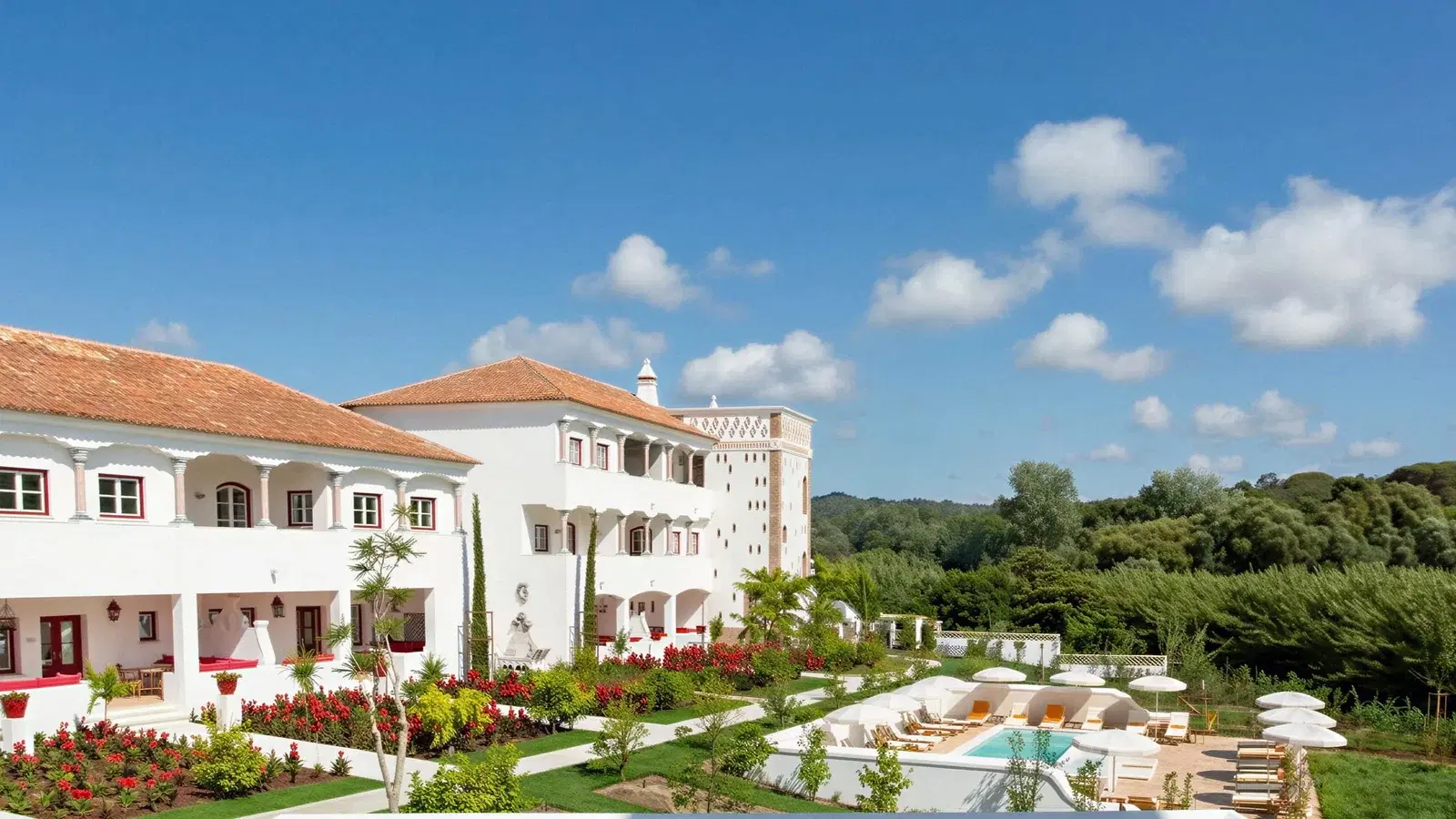
Continue exploring
More in Rovinj
Restaurants in Rovinj
All restaurants in Rovinj →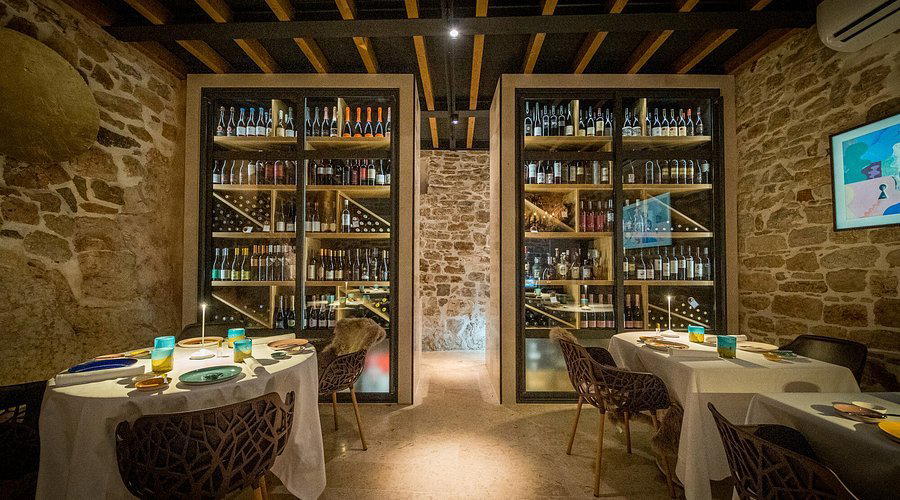
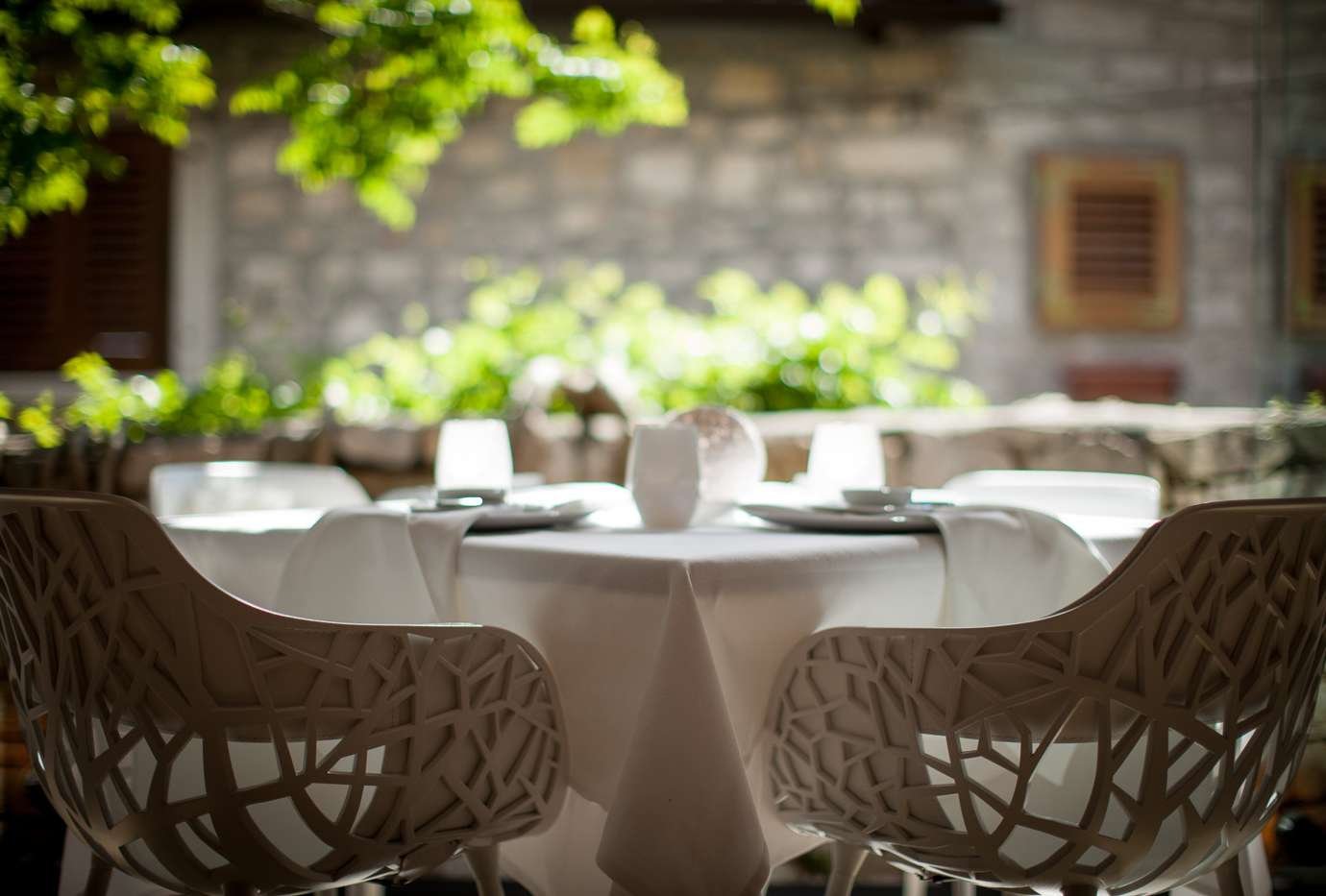
Bars in Rovinj
All bars in Rovinj →

Details
- Intimate
- Elegant
- Cozy
- Date Night
- Special Occasion
- Private Event
- Historic Building
- Extensive Wine List
- Local Sourcing
- A La Carte
- Vegetarian Friendly
- Vegan Options
- Gluten Free Options
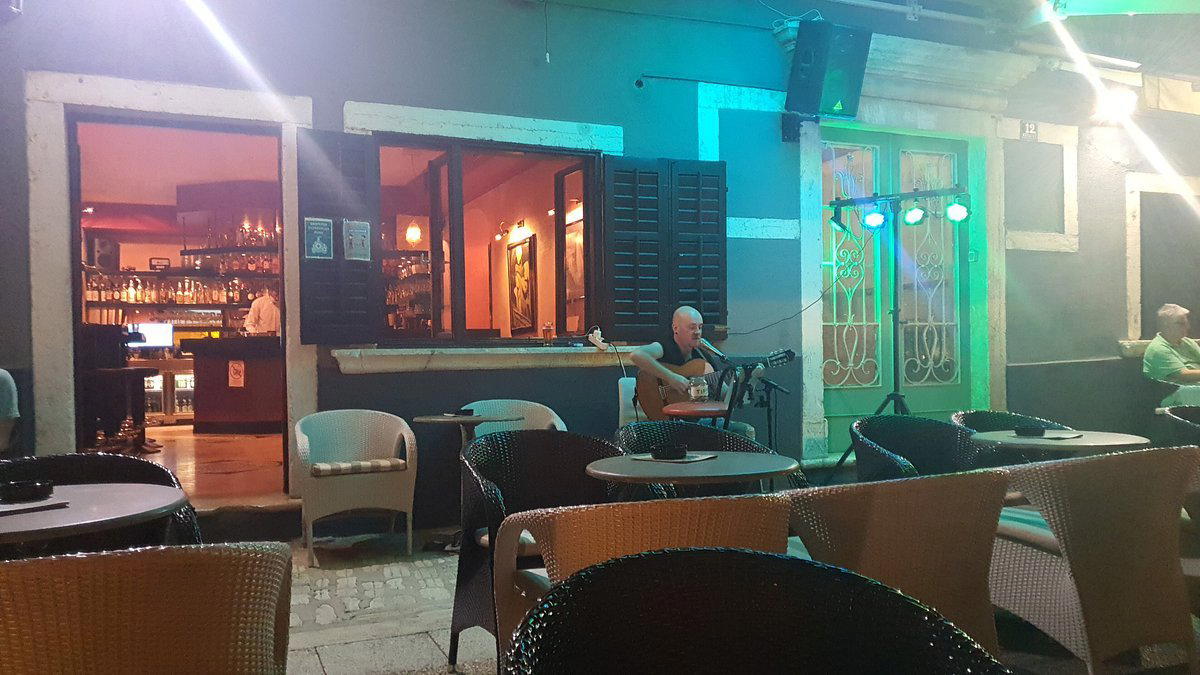
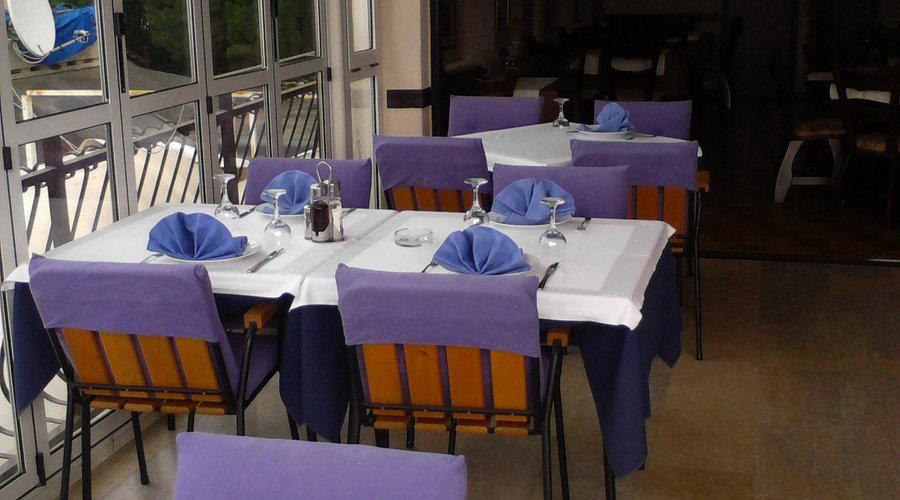
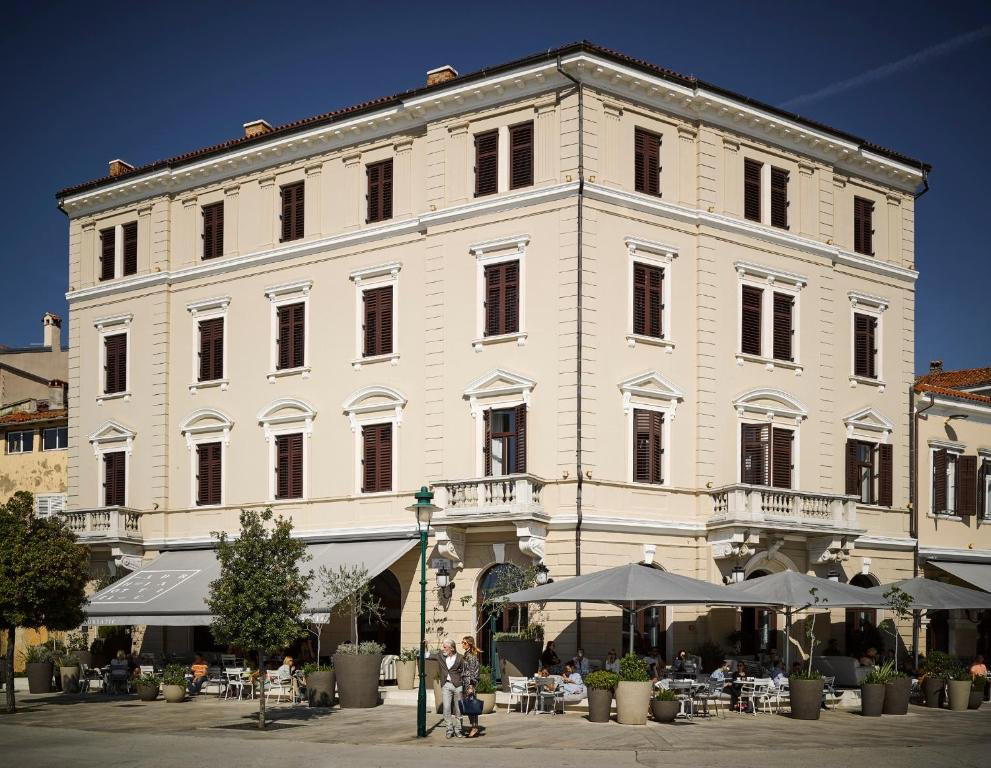
Cozy and intimate atmosphere in a beautifully restored historic building.