
Michelin Bib Gourmand
Our verdict
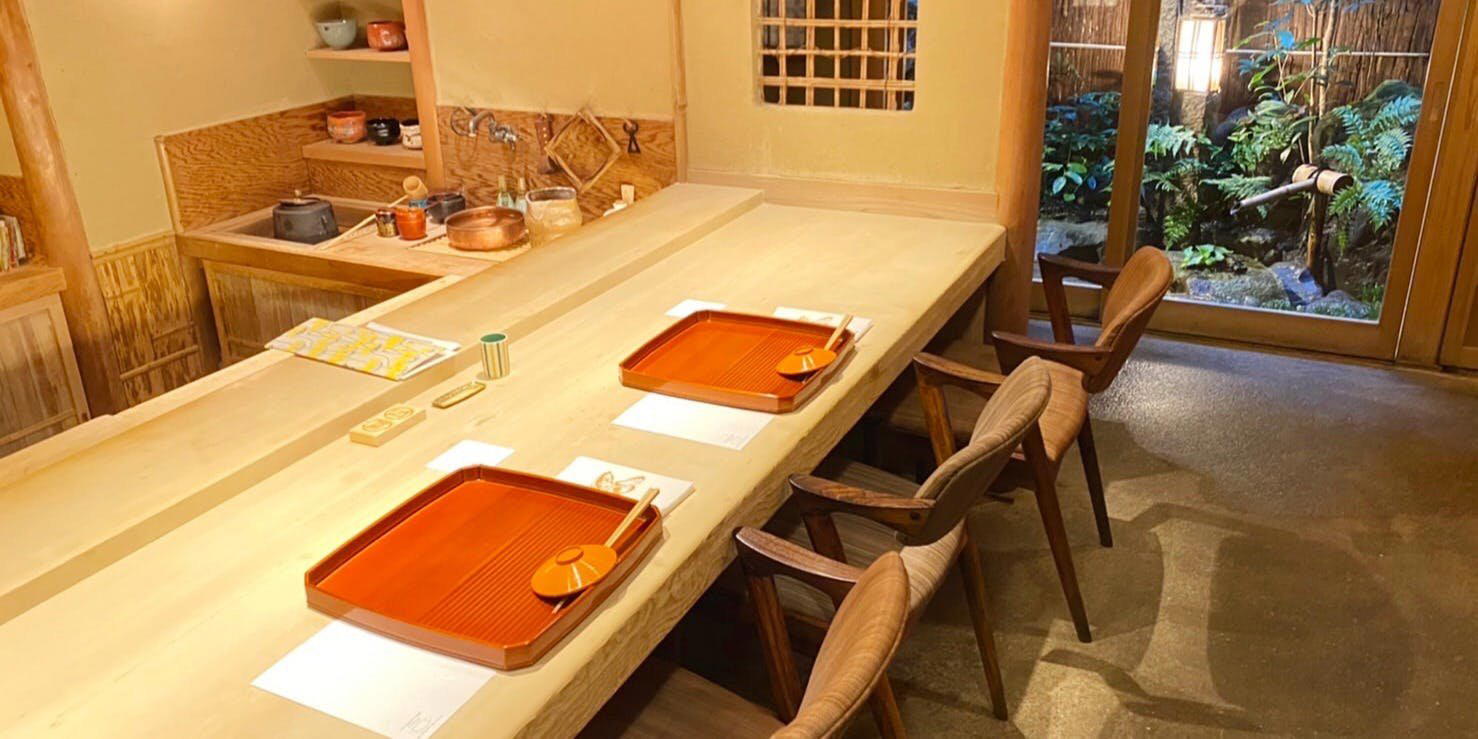
Saketosakana DNA in Kyoto is a Modern Japanese izakaya highlighting Sea of Japan seafood and local sake. Must-try dishes include Kombu and Bonito Dashi Soup, Charcoal-Grilled Fish, and Horse Mackerel Tempura. The restaurant pairs daily deliveries from Obama, Fukui, with a curated sake list from Fukui and Fushimi, creating memorable food-and-sake matches. Recognized with a Michelin Bib Gourmand (2024), the space offers counter seats facing an open charcoal grill and a warm, intimate atmosphere. Expect precise dashi, smoky grilled textures, and bright, clean sashimi that emphasize freshness and regional provenance.

Pearl is the En Primeur Club membership app — saves, bookings, and concierge access live there. Same editors, same standards.
- Address
- Japan, 〒600-8401 Kyoto, Shimogyo Ward, Torocho, 559-1 ジェイアイビル 1F
- Phone
- +81 75-365-5591
- Hours
- Mon–Sat 5:30–11 PMSun Closed
- Website
- saketosakanadna.com
- Directions
- Get directions
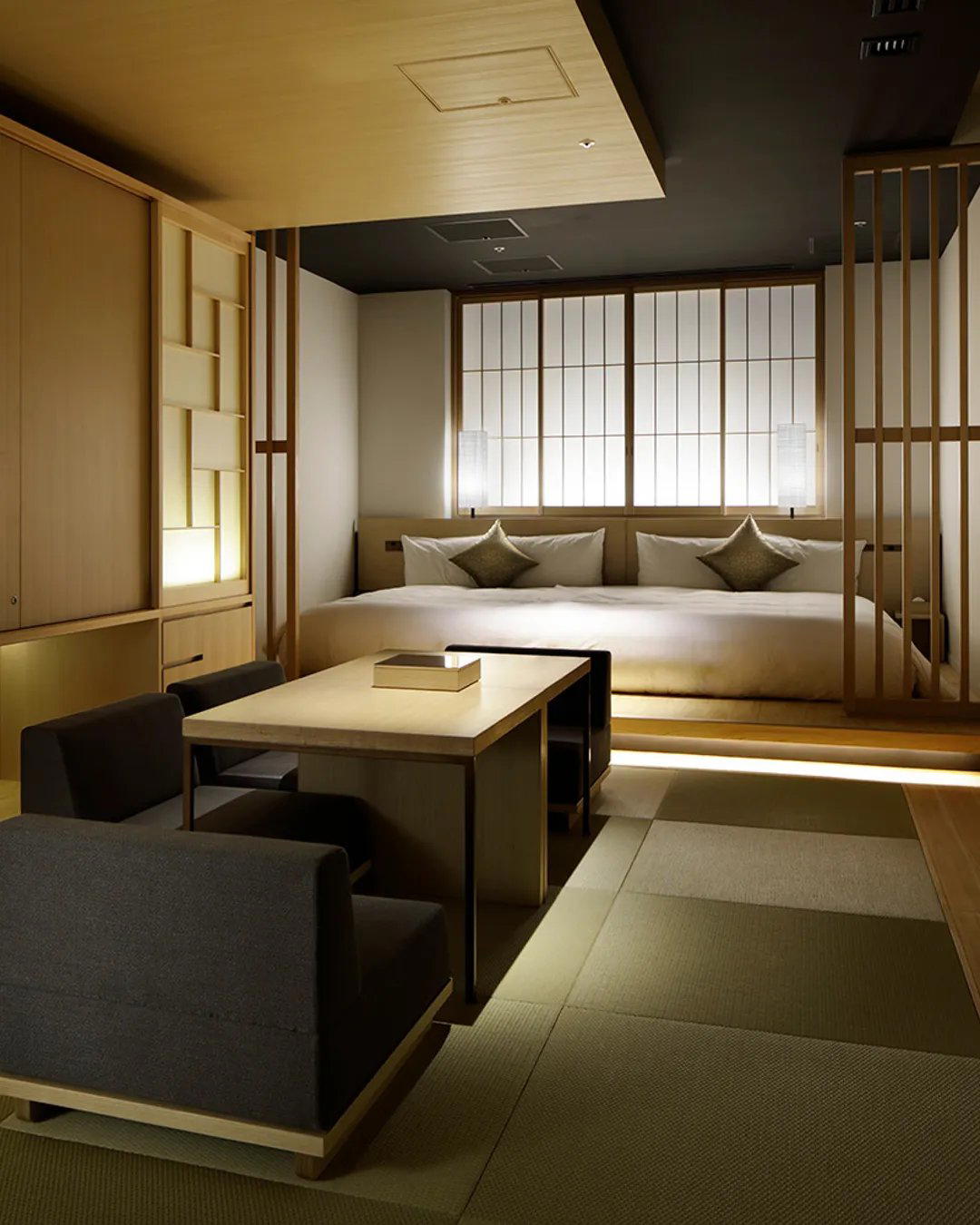
The menu
What to order
- Sashimi
- Charcoal grilled fish skewers
Where Kappo Discipline Meets the Izakaya Table
Shimogyo Ward sits south of Kyoto's ceremonial center, close enough to Gion and the old temple circuits to feel the city's weight of tradition, yet removed enough that its streets carry a quieter, more residential register. In this part of the city, the gap between the formal kappo counter and the informal izakaya has historically been wide. Saketosakana DNA, occupying the ground floor of the J.I. Building on Torocho, works inside that gap. The format is izakaya, which means the room invites lingering, sake-ordering, and multiple small dishes over an extended evening. The cooking draws on something more disciplined.
The Seasonal Logic of the Soup Section
Kyoto's dominant fine-dining tradition is kaiseki, a multi-course structure organized around seasonal produce, visual restraint, and the deliberate sequencing of flavors, textures, and temperatures. Most izakaya draw on none of this. What makes the menu at Saketosakana DNA worth examining is that its soup section operates with exactly the kind of seasonal awareness kaiseki demands. The kitchen trained at a kappo, which in Japan sits between the open counter of a sushi bar and the private formality of a kaiseki room. That training shows specifically in technique: the soups are not afterthoughts but demonstrations of stock-building, seasoning precision, and ingredient selection at a level rarely visible in the izakaya category.
The seasonal rotation of fish and fishcakes as soup bases is the clearest expression of this. Rather than a fixed broth, the kitchen offers diners a choice of main ingredients tied to what is current at the market. This is the seasonal attentiveness that kaiseki codifies as a philosophical principle; here it appears as a practical offer across an accessible price point, which is what makes it editorially interesting. The same fish that might appear in a ¥¥¥¥ kaiseki progression appears here in a format where the diner can order a glass of sake alongside without the formal architecture imposing itself.
Supply Chains That Show on the Plate
The sourcing at this address is not incidental. Seafood arrives from Obama Port, a coastal town in Fukui Prefecture known for its access to Sea of Japan fish, including species that rarely reach landlocked city markets through standard distribution channels. The connection is familial: relatives working as seafood brokers in Fukui provide direct access. In practical terms, this means the fish at the table reflects what is moving through that specific regional port rather than what a generic Tokyo-based distributor is offering Kyoto restaurants that week.
This kind of regional supply chain sits inside a broader pattern across Kansai dining, where the leading informal restaurants tend to anchor their menus to personal connections with producers rather than category procurement. The approach at Saketosakana DNA mirrors what is visible at places like Komedokoro Inamoto in Kyoto, where producer relationships define the menu's seasonal range, and at Nonkiya Mune, where Kyoto-area agricultural specificity shapes the offering.
Cooking Method as Choice
One structural element of the menu that speaks to the kitchen's kappo roots is the preparation options offered to diners: sake-steamed, tempura, or char-grilled. Each method treats the same base ingredient differently, and the choice means the meal can move from light and broth-inflected to fried and textured to open-flame and smoky depending on what the diner selects. This is a form of menu architecture that requires a kitchen capable of executing all three techniques at a high level on the same service, on the same ingredient, without any one method dominating the others. For an izakaya operating at ¥¥ pricing, that technical range is notable.
The Family Structure as Service Model
The division of labor at Saketosakana DNA follows a pattern that the Michelin inspectors flagged directly in their notes: father at the bar, son in the kitchen, daughter on the floor. This is not a detail about warmth or atmosphere but about how the restaurant functions as a system. In a family-run format, the institutional knowledge of the place is distributed across people who share a history with the address. That coherence tends to produce consistency, which is one reason small family operations in Japan accumulate Michelin recognition at a rate that surprises visitors unfamiliar with how the guide weighs sustained reliability.
Position in Kyoto's Izakaya Tier
Kyoto's restaurant hierarchy is weighted toward kaiseki and kappo at the formal end. Venues like Gion Sasaki, Ifuki, and Kyokaiseki Kichisen operate at ¥¥¥¥ and represent the city's most ceremonially structured dining. Saketosakana DNA operates two price tiers below that bracket, holding a Michelin Bib Gourmand in both 2024 and 2025, which places it inside a specific category: restaurants where the quality-to-price ratio is the primary editorial point rather than prestige or ceremony. Within the izakaya format specifically, that sustained Bib Gourmand recognition over consecutive years signals that the consistency is not incidental.
For visitors who want to understand Kyoto's drinking-and-eating culture rather than its formal dining tradition, the izakaya tier is where the city's off-duty character shows. Saketosakana DNA sits alongside Eitaroya and Berangkat in the city's more informal category, though its kappo-trained kitchen technique places it in a distinct position within that tier. For context on how Kyoto's izakaya scene compares to the format in other cities, Benikurage in Osaka and Cube by Mika in Schwerin show how the izakaya idiom translates to different contexts.
The izakaya format also rewards comparison across Japan's regions. The approach at Saketosakana DNA, with its Kansai seafood sourcing and kappo-inflected technique, reads differently against Tokyo's izakaya culture, where the cooking tradition at places like Harutaka in Tokyo tilts toward sushi counter precision. Osaka's more exuberant register is represented by HAJIME, while places like akordu in Nara, Goh in Fukuoka, 1000 in Yokohama, and 6 in Okinawa map how regional Japan handles the relationship between technique and informality at different price points.
Our full Kyoto restaurants guide covers the complete range from kaiseki to izakaya. For broader Kyoto planning, see our Kyoto hotels guide, bars guide, wineries guide, and experiences guide.
At ¥¥ pricing, Saketosakana DNA also lands inside the same approachable range as Nijo Aritsune, another Kyoto address that demonstrates how the city's culinary standards distribute below the premium price tier.
Planning Your Visit
Address: 559-1 Torocho, Shimogyo Ward, Kyoto, J.I. Building 1F. Cuisine: Izakaya with kappo-trained kitchen. Price range: ¥¥. Awards: Michelin Bib Gourmand 2024 and 2025. Reservations: Dress: No stated dress code; izakaya-casual is standard. Hours:
What Should I Order at Saketosakana DNA?
The soup section is the clearest expression of the kitchen's training and should be a priority. It draws on seasonal fish and fishcakes sourced from Obama Port in Fukui Prefecture, meaning the available choices reflect what is current rather than a fixed offering. For the preparation of the main fish dishes, the sake-steamed option highlights the sourcing quality most directly, while char-grilled suits those who want the open-flame register that izakaya evenings favor. The tempura option brings a different textural logic to the same ingredients. The Michelin Bib Gourmand, held in both 2024 and 2025, specifically recognizes quality at accessible pricing, which means the menu's range is worth exploring beyond a single dish.
Comparable Spots, Quickly
| Venue | Cuisine | Price | Awards | Notes |
|---|---|---|---|---|
| Saketosakana DNAThis venue — the venue you are viewing | Japanese Izakaya with Fresh Seafood | $50–100 | Michelin Bib Gourmand | Not listed |
| Gion Sasaki | Modern Kaiseki | $300–500 | 3 Michelin Stars · La Liste Top Restaurants | Kaiseki, Japanese |
| cenci | Innovative Italian-Japanese Fusion | $100–150 | 1 Michelin Star · World's 50 Best #76 | Italian |
| Ifuki | Sumibi Kappo Kaiseki | $200–300 | 2 Michelin Stars · La Liste Top Restaurants | Kaiseki |
| Kyokaiseki Kichisen | Kyoto Kaiseki | $200–300 | 2 Michelin Stars · La Liste Top Restaurants | Japanese |
| Kyo Seika | Seasonal Chinese Fine Dining in Kyoto | Not listed | 1 Michelin Star | Chinese |
Recognition history
Dated appearances from independent guides and award organizations, with the underlying list record or original source where available.
Michelin Bib Gourmand
Michelin
Full recognition history (3 entries)
Michelin Bib Gourmand
Michelin
Michelin Bib Gourmand
Michelin
Continue exploring
More in Kyoto
Restaurants in Kyoto
Browse all →
Bars in Kyoto
Browse all →

Hotels in Kyoto
Browse all →
Wineries in Kyoto
Browse all →
Details
- Cozy
- Intimate
- Date Night
- Solo
- Casual Hangout
- Open Kitchen
- Sake Program
- Local Sourcing
- A La Carte
- Small Plates
- Sake
Current opening hours
- Monday
- 5:30–11 PM
- Tuesday
- 5:30–11 PM
- Wednesday
- 5:30–11 PM
- Thursday
- 5:30–11 PM
- Friday
- 5:30–11 PM
- Saturday
- 5:30–11 PM
- Sunday
- Closed
Hours can change for holidays and private events. Last verified .
Warm, welcoming family service in a stylish, relaxing space with counter seating overlooking the charcoal grill.