Restaurant Zirbelzimmer occupies a distinctive position in Salzburg's fine dining circuit, where the city's alpine sourcing traditions meet considered European technique. Situated on Schwarzstraße in the heart of the city, it draws on the ingredient-rich hinterland that defines the region's culinary character. For visitors working through Salzburg's serious restaurant tier, it warrants attention alongside the city's most established names.
Pearl is the En Primeur Club membership app — saves, bookings, and concierge access live there. Same editors, same standards.
- Address
- Schwarzstraße 5, 5020 Salzburg, Austria
- Phone
- +43 662 889772666
- Website
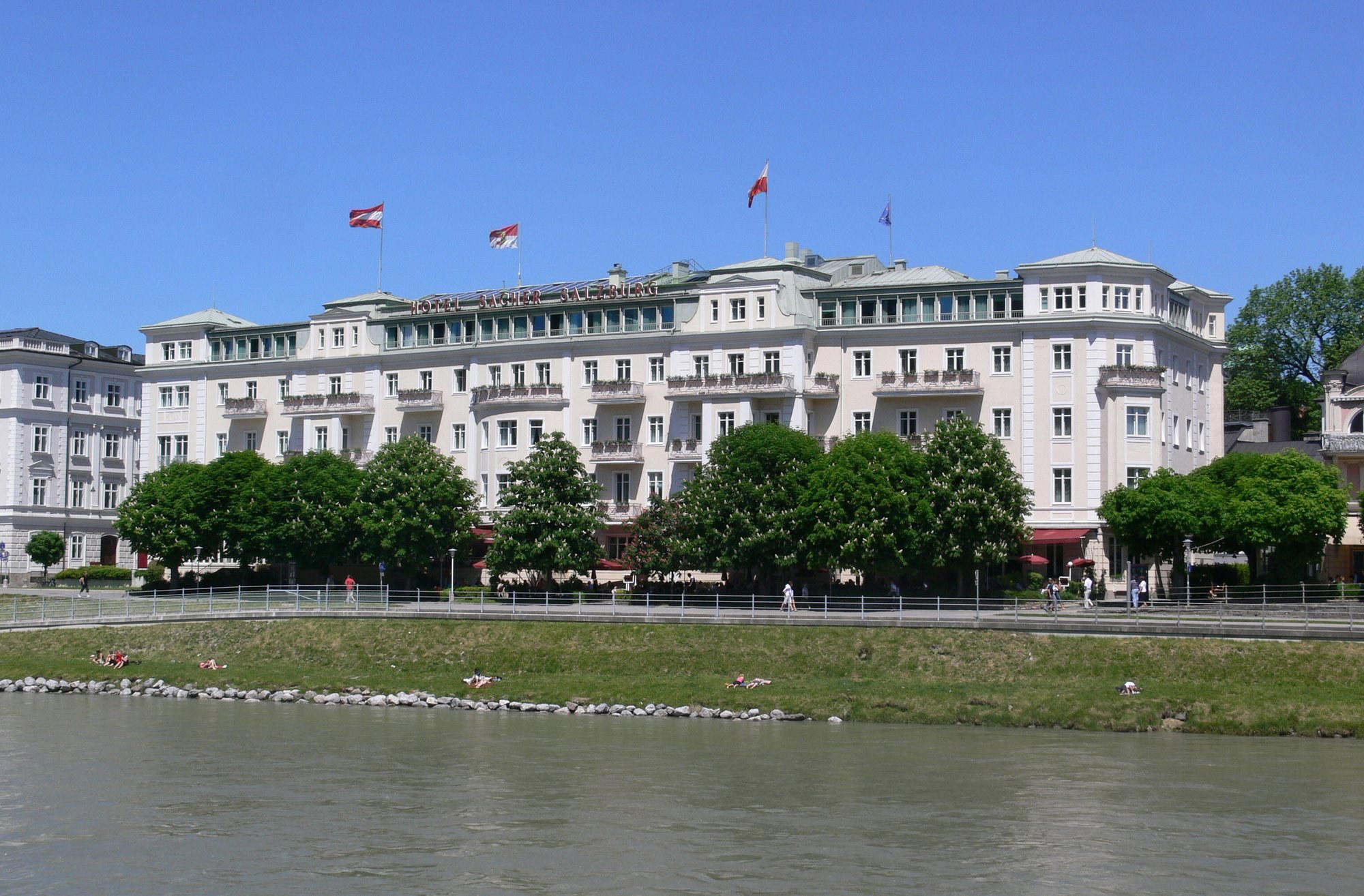
- sacher.com
- Directions
- Get directions
 Saves & bookings on Pearl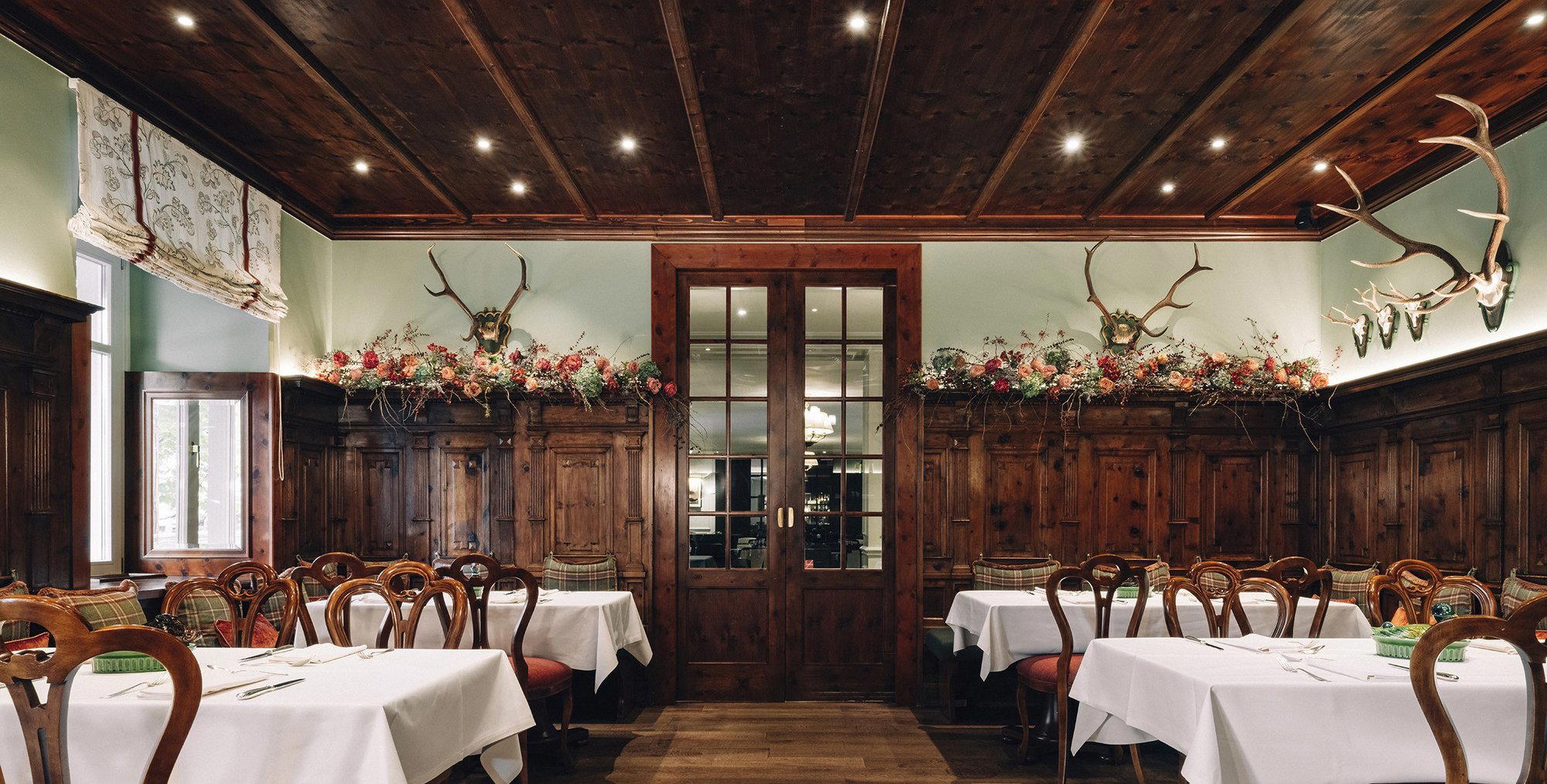
Where Alpine Sourcing Meets Salzburg's Fine Dining Tier
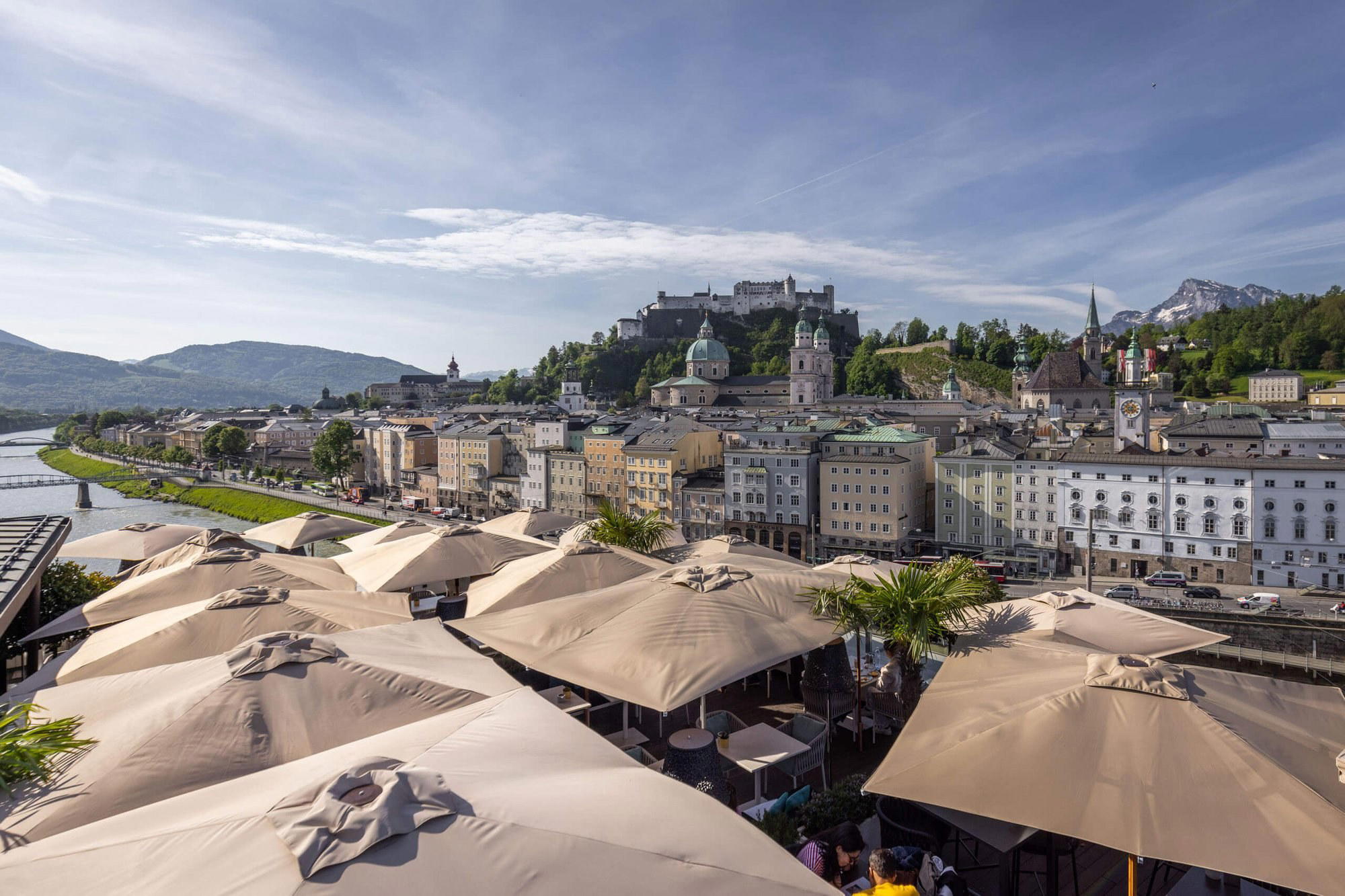
Salzburg's serious restaurant scene is smaller than its cultural reputation might suggest. The city that draws hundreds of thousands of visitors annually for its Mozart heritage and festival calendar supports a relatively tight cluster of destination-grade tables, venues where the cooking reflects a clear editorial point of view rather than a broad crowd-pleasing instinct. Restaurant Zirbelzimmer, at Schwarzstraße 5, sits inside that cluster, occupying a central address that places it within easy reach of both the Altstadt and the Salzach riverbank. That address alone signals something about the venue's intent: this is not a regional retreat requiring a drive into the hills, but a city-centre operation pitching directly at Salzburg's domestic dining-out audience and its more curated international visitors.
The physical positioning matters in a city where geography shapes dining character as much as cuisine does. Salzburg's most formally ambitious restaurants, Ikarus, with its rotating guest-chef format at Hangar-7, and Esszimmer, which operates at the creative Austrian end of the price spectrum, draw on a similar urban-meets-alpine identity. Zirbelzimmer sits within that broader current, a city restaurant with access to the sourcing networks that the Salzburgerland's forests, rivers, and farms make possible.
The Sourcing Logic Behind Austrian Alpine Cooking
The editorial angle that matters most when reading a restaurant like Zirbelzimmer is ingredient provenance. Austrian alpine cooking at the serious tier is not a single cuisine so much as a philosophy about proximity: the assumption that the leading raw material arrives from the closest credible source. The Salzach valley, the Tennengau district to the south, and the broader Salzkammergut lake region collectively produce a larder that few European city restaurants can replicate. Wild game, freshwater fish from cold mountain streams, cheeses from high-altitude pastures, and root vegetables shaped by short growing seasons at elevation, these are not marketing claims but the structural conditions that define what cooks in this region have access to.
That sourcing logic is what separates the Austrian alpine fine dining tier from its urban Central European counterparts in cities like Vienna or Prague. At Steirereck im Stadtpark in Vienna, the sourcing ambition is explicit and documented; the restaurant has built a public identity around named Austrian producers and a menu that functions almost as a seasonal map of the country. Salzburg's leading tables operate with similar sourcing intelligence but within a smaller, more regionally concentrated radius. The nearby Obauer in Werfen, roughly forty kilometres south along the Salzach, has long demonstrated what that regional sourcing depth looks like when executed at the highest level. Zirbelzimmer operates in the same geographical sourcing zone, with the advantage of a central city address.
Salzburg's Fine Dining Competitive Set
To place Zirbelzimmer accurately, it helps to map the city's fine dining tiers. At the leading sits Ikarus, which occupies a category of its own given its rotating international guest-chef model and location at the Red Bull-funded Hangar-7 complex. Below that, venues like Pfefferschiff, a creative-format restaurant operating in the leading price tier, and Esszimmer represent the modern Austrian creative approach: technically precise, seasonally driven, and priced accordingly. Senns represents the Austrian category at a different register, while The Glass Garden adds a creative format to the city's options. Zirbelzimmer occupies space within this competitive set, drawing on the same sourcing traditions while bringing its own interpretive approach to the Austrian alpine kitchen.
For visitors building a broader Austrian itinerary, the regional context extends well beyond Salzburg city. Döllerer in Golling an der Salzach, which has built a substantial reputation around its alpine-sourced tasting menu, sits less than an hour's drive south and represents a useful benchmark for understanding how the region's leading kitchens handle local produce at volume and ambition. Further afield, Kräuterreich by Vitus Winkler in Sankt Veit im Pongau has made herb-focused alpine sourcing its central identity, while Landhaus Bacher in Mautern an der Donau demonstrates what decades of commitment to Austrian produce can build in terms of institutional reputation.
What the Name Signals
The word Zirbelzimmer refers to a room panelled in Swiss stone pine, a wood prized across the Alpine arc for its distinctive warm grain and the faint resinous scent it releases over time. Zirbe panelling appears throughout Tyrolean and Salzburg architecture as a marker of quality interiors, particularly in historic inns and formal dining rooms where material craft was part of the hospitality proposition. A restaurant carrying this name is making a deliberate reference to that tradition: the interior as a form of sourcing in its own right, where the built environment draws from the same mountain geography as the kitchen. It is an aesthetic and cultural signal that positions the restaurant within a specifically alpine fine dining lineage, distinct from the neutral-contemporary interiors that most modern European restaurants default to. Across the Austrian Tyrol, comparable rooms anchored by Zirbe panelling appear at places like Schwarzer Adler in Hall in Tirol and Stüva in Ischgl, where the architecture and the cuisine operate as a coherent whole. Gourmetrestaurant Tannenhof in Sankt Anton am Arlberg and Restaurant 141 by Joachim Jaud in Mieming similarly operate within this alpine interior tradition. At Zirbelzimmer, the name functions as a shorthand for that broader commitment.
Planning a Visit
Salzburg's upper-tier restaurant tables are not uniformly difficult to book, but the city's festival calendar, particularly the Salzburg Festival in July and August, compresses demand sharply. During festival season, the city's most sought-after fine dining seats can fill weeks in advance, and visitors who treat bookings as an afterthought risk being shut out entirely. Outside festival periods, the shoulder months of April through June and September through October offer more flexibility and, better seasonal menus as spring and autumn produce cycles peak. Schwarzstraße 5 is accessible on foot from the main train station and from the Altstadt, making Zirbelzimmer a practical choice for visitors without a car. Le Bernardin in New York City or the community-sourced format at Lazy Bear in San Francisco, both of which demonstrate how ingredient provenance becomes a primary communication tool at the premium tier. Salzburg's equivalent argument is made through the alpine larder, and Zirbelzimmer is one of the city addresses where that argument is put forward most directly.
Comparable Venues
Comparable venues nearby, for context on price, style, and recognition.
| Venue | Cuisine | Price | Awards | Notes |
|---|---|---|---|---|
| Restaurant ZirbelzimmerThis venue — the venue you are viewing | Austrian Fine Dining | $$$$ | Not listed | Not listed |
| Triangel | Traditional Austrian | $$ | Not listed | Linke Altstadt |
| Goldener Hirsch | Modern Austrian Fine Dining | $$$$ | Michelin Plate | Linke Altstadt |
| KOLLER+KOLLER am Waagplatz | Traditional Austrian with International Influences | $$$ | Not listed | Altstadt |
| Gasthof Auerhahn | Regional Austrian Country Cooking | $$$ | Michelin Plate | Itzling Mitte |
| Arthotel Blaue Gans | Modern Austrian Regional | $$$$ | Not listed | Linke Altstadt |
At a Glance
- Elegant
- Romantic
- Classic
- Sophisticated
- Rustic
- Well Known
- Date Night
- Special Occasion
- Celebration
- Business Dinner
- Historic Building
- Hotel Restaurant
- Terrace
- Panoramic View
- Open Kitchen
- Extensive Wine List
- Sommelier Led
- Beer Program
- Local Sourcing
- Waterfront
Current opening hours
- Monday
- Closed
- Tuesday
- Closed
- Wednesday
- Closed
- Thursday
- 6–9 PM
- Friday
- 6–9 PM
- Saturday
- 6–9 PM
- Sunday
- Closed
Hours can change for holidays and private events. Last verified .
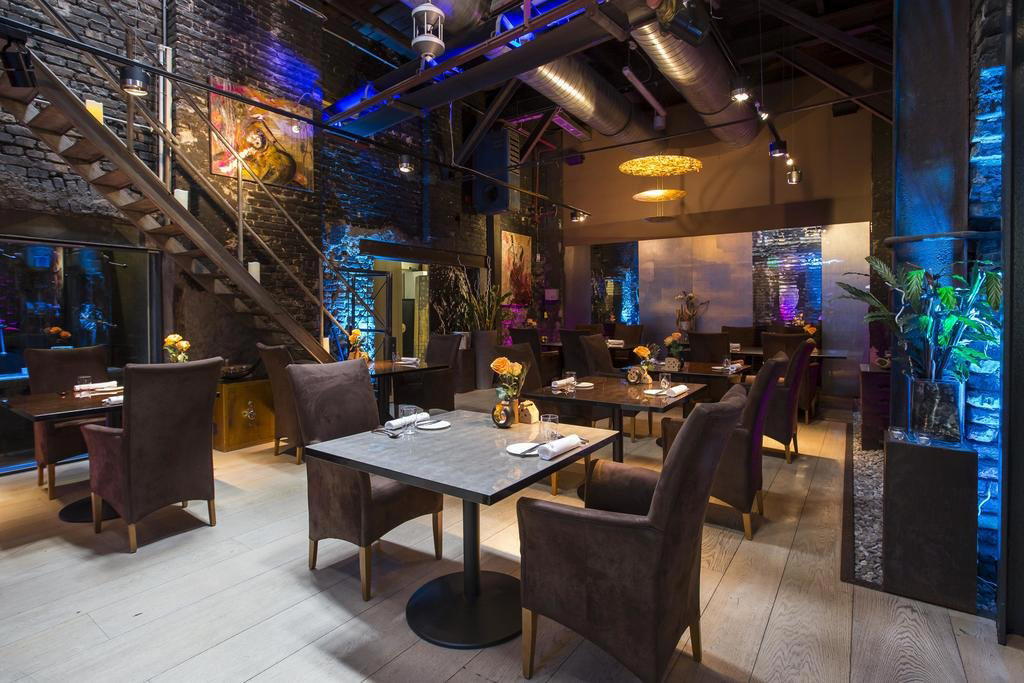
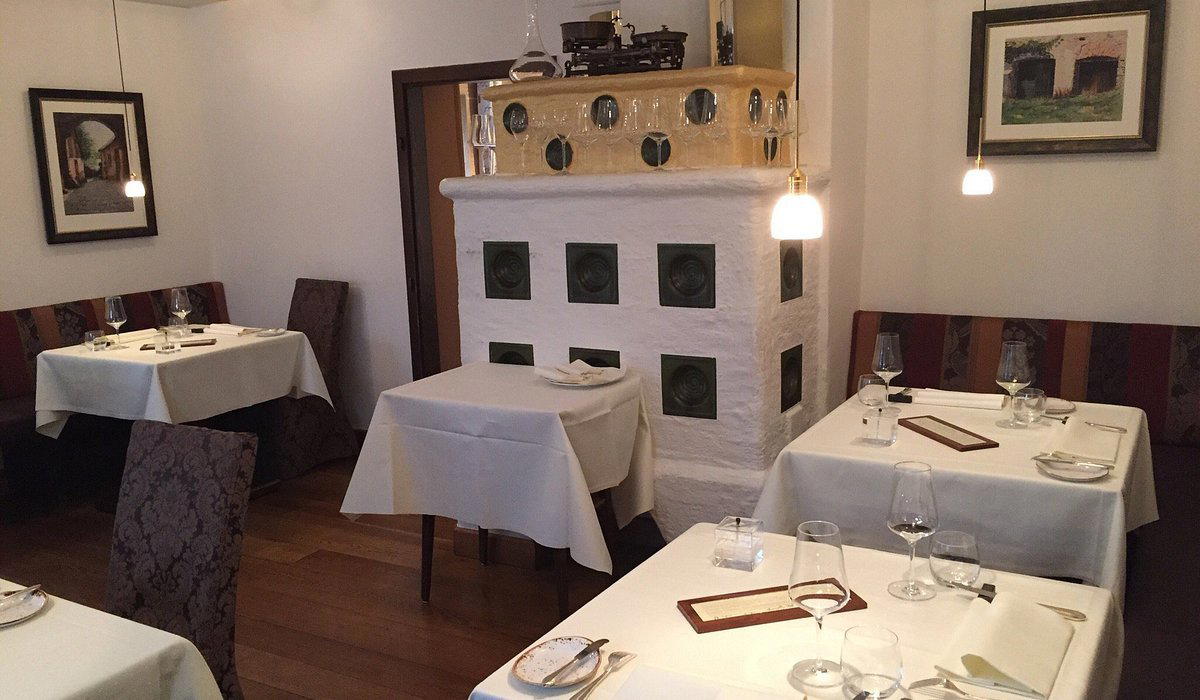
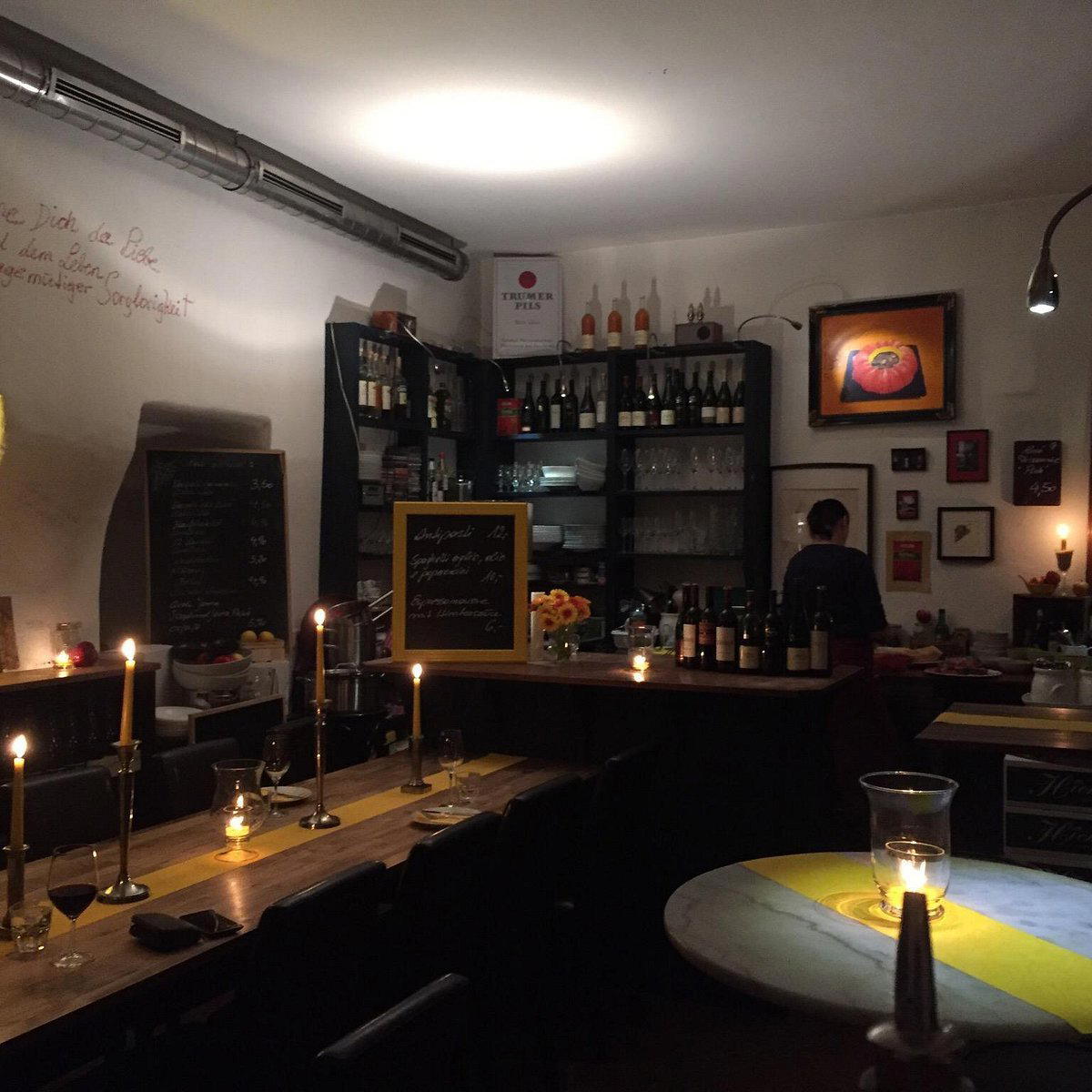
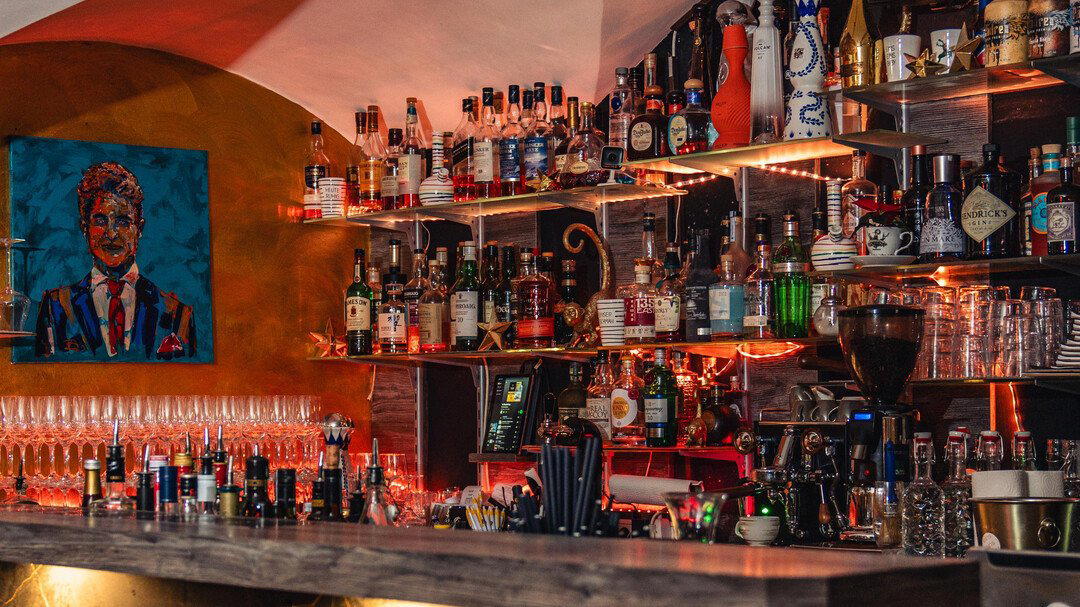
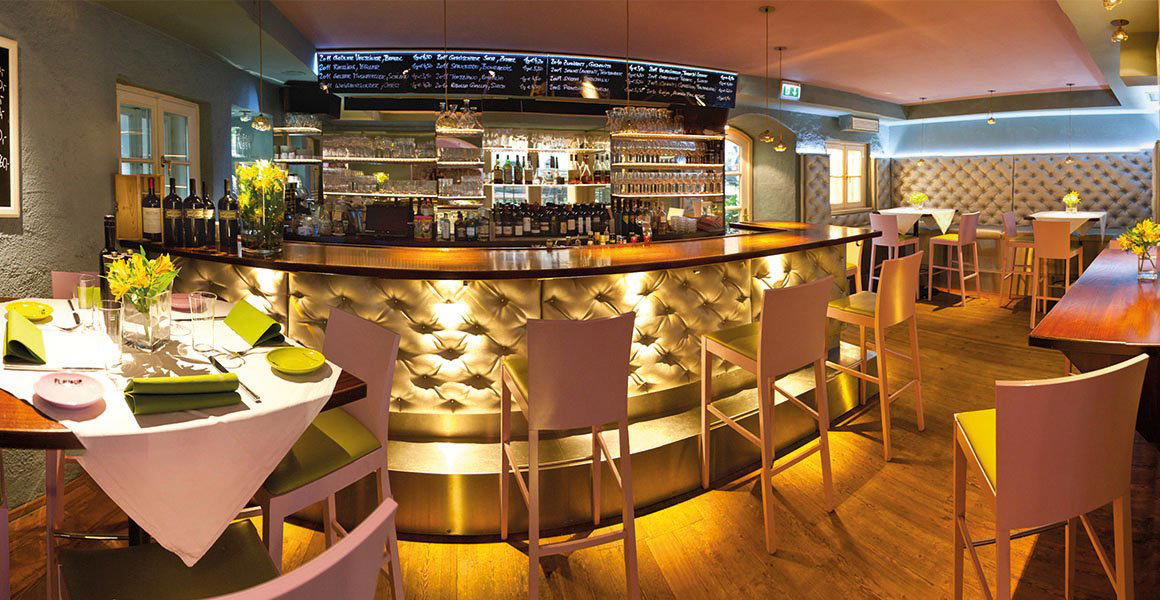
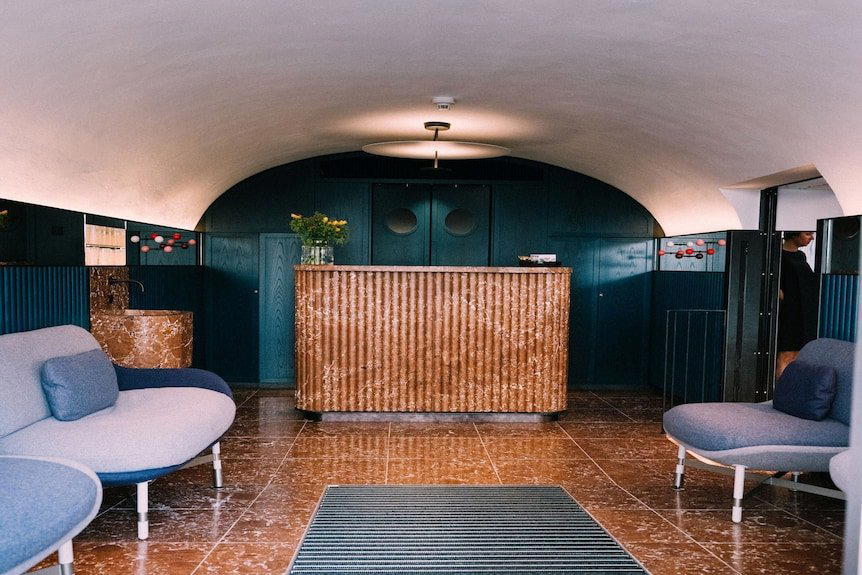
Warm, traditional Old World elegance with historical copper cookware, wood-paneled walls and ceilings, intimate lighting, and refined yet rustic charm creating an atmosphere of timeless sophistication.