KoKoB
KoKoB sits on Rue des Grands Carmes, a short walk from the Grand Place, in a part of Brussels where the dining options range from tourist-facing brasseries to quietly serious neighbourhood tables. The address places it within reach of the city centre's more considered restaurant cluster, where proximity to Belgium's broader farm-and-producer culture shapes what ends up on the plate.
- Address
- Rue des Grands Carmes 10, 1000 Bruxelles, Belgium
- Phone
- +32 2 511 19 50
- Website
- kokob.be
 Saves & bookings on Pearl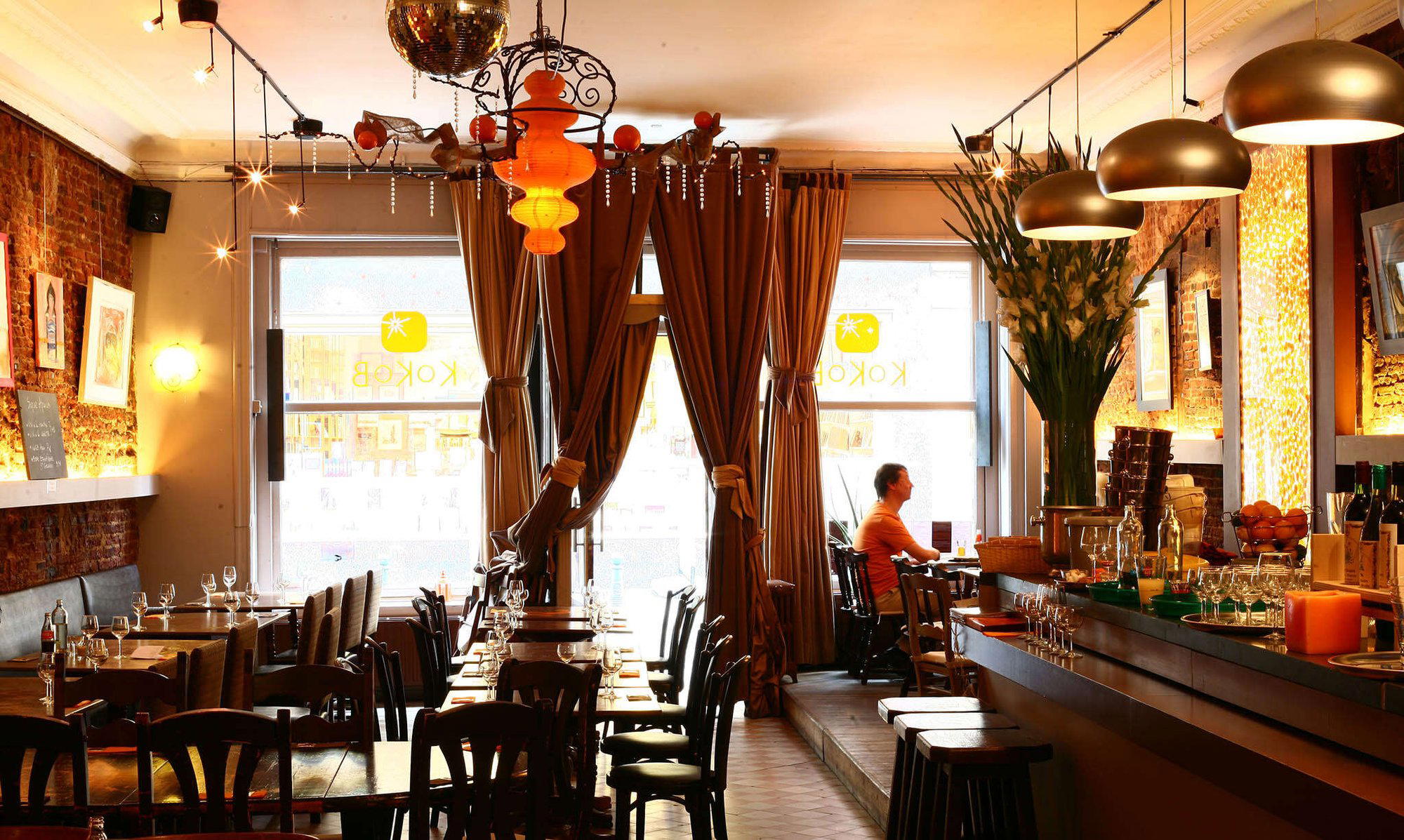
Where the Grand Place Gives Way to a Different Kind of Table
Brussels has a particular geography of eating. KoKoB is an Authentic Ethiopian restaurant at Rue des Grands Carmes 10 in Brussels, with an average spend of about $35 per person. The streets radiating outward from that gilded square are lined with moules-frites operations and souvenir-adjacent brasseries, most of them pointing their menus at volume rather than provenance. The further you move from the postcard centre, the more the city's dining culture reasserts itself: smaller rooms, more deliberate menus, producers listed by name rather than region.
KoKoB occupies Rue des Grands Carmes 10, a street that sits close enough to the Grand Place to carry its address weight but far enough from the main tourist drag to attract a different kind of diner. In a city that can segment sharply between the visitor economy and the local table, that positioning matters.
Belgium's Producer Network and What It Means at Street Level
To understand any serious Brussels restaurant, it helps to understand the agricultural and artisanal network that supplies it. Belgium punches well above its size in terms of producer density: Flemish coastal fisheries, Ardennes game suppliers, specialist cheesemakers in Wallonia, and a hop-growing tradition that underpins one of Europe's most sophisticated brewing cultures. The country's geography, compact and varied, makes short-supply-chain cooking practically viable in a way that larger countries struggle to replicate.
This matters because it shapes what the better kitchens in Brussels can credibly put on a plate. When comparison venues at the €€€€ tier, such as Boury in Roeselare or Vrijmoed in Gent, cite specific farms and coastal suppliers, they are drawing on a network that has been built and maintained over decades. That same network is available, in principle, to any Brussels kitchen willing to engage with it. The question for a restaurant positioned near the Grand Place is whether it is actually using those channels or defaulting to the convenience suppliers that serve the broader tourist-facing trade.
Belgium's most ambitious dining rooms, from Hof van Cleve in Kruishoutem to Zilte in Antwerp, have built reputations in part by making those sourcing decisions legible to the diner, either through menu annotation, tableside explanation, or the kind of seasonal rotation that signals a kitchen genuinely following the harvest rather than printing a fixed card. That standard has raised expectations across the country's restaurant tier.
The Neighbourhood and Its Dining Register
The immediate area around Rue des Grands Carmes sits within the broader Ilot Sacré and lower Sablon corridor, a part of Brussels that contains some of the city's more serious food retail, including specialist chocolate houses and delicatessens that source regionally. That retail density is not incidental: it reflects a neighbourhood food culture with above-average attentiveness to ingredient quality, which in turn creates a local diner base that notices when a kitchen is cutting corners on sourcing.
For context on the Brussels dining spectrum, the city's more ambitious addresses tend to cluster either in this central-adjacent zone or further out in residential neighbourhoods. Le Chalet de la Forêt in Uccle and La Paix in Anderlecht both operate at a remove from the tourist centre, which gives them a different kind of clientele and, often, a different degree of freedom in menu construction. A restaurant on Rue des Grands Carmes is working in a more mixed environment, where the walk-in trade from the Grand Place area is always a presence, and resisting the gravitational pull of that trade requires some deliberateness.
Ingredient Sourcing as the Distinguishing Variable
Across Belgium's most discussed restaurant tier, the sourcing conversation has shifted from a differentiator to a baseline expectation. Kitchens at venues like Willem Hiele in Oudenburg and De Jonkman in Sint-Kruis have made coastal and regional sourcing a structural part of their identity, to the point where the menu format itself is shaped by what is available on a given week. That model, at its leading, produces cooking that is tightly seasonal and that tastes of a specific place and moment.
The editorial question for any restaurant in this part of Brussels is where it sits on that spectrum. For comparison, La Durée in Izegem and Cuchara in Lommel both operate in the creative French-Belgian register at the €€€€ tier, and both position sourcing as part of their value proposition. In a global frame, the sourcing-as-identity approach is well-established at rooms like Le Bernardin in New York City, where ingredient provenance has been a public-facing commitment for decades, and at communal-format venues like Lazy Bear in San Francisco, where the seasonal sourcing calendar is part of the guest narrative.
What that context establishes is a set of expectations that informed diners carry into any serious room, including one on Rue des Grands Carmes. The physical environment, the neighbourhood, and the address tier all set a frame that the kitchen either delivers within or falls short of.
Brussels in a Wider Belgian Dining Conversation
Brussels operates as the administrative and symbolic centre of Belgium, but it does not dominate the country's fine dining map the way Paris dominates France's. Antwerp, Ghent, and the Flemish countryside all produce restaurants that outperform the capital at the summit tier. That distributional pattern means that a Brussels address does not automatically carry the credential weight it might in a more centralised culinary culture. A restaurant here earns its positioning against a national competitive set that is genuinely strong, including the venues listed above, rather than benefiting from capital-city default status.
For diners assembling a Belgium itinerary, that spread is useful information. See our full Grand Place restaurants guide for context on how the central Brussels dining options map against the broader national picture. Venues like Bozar Restaurant in Brussels, d'Eugénie à Emilie in Baudour, Ralf Berendsen in Neerharen, La Table de Maxime in Our, and Castor in Beveren all represent different points on the Belgian dining register and help frame what a room near the Grand Place is working against.
Planning a Visit
KoKoB is located at Rue des Grands Carmes 10, 1000 Brussels, within walking distance of the Grand Place and the broader Sablon area. The restaurant is recommended for reservations, and casual dress is appropriate.
At-a-Glance Comparison
Comparable venues nearby, for context on price, style, and recognition.
| Venue | Cuisine | Price | Awards | Notes |
|---|---|---|---|---|
| KoKoB | Authentic Ethiopian | $$ | , | Grand Place |
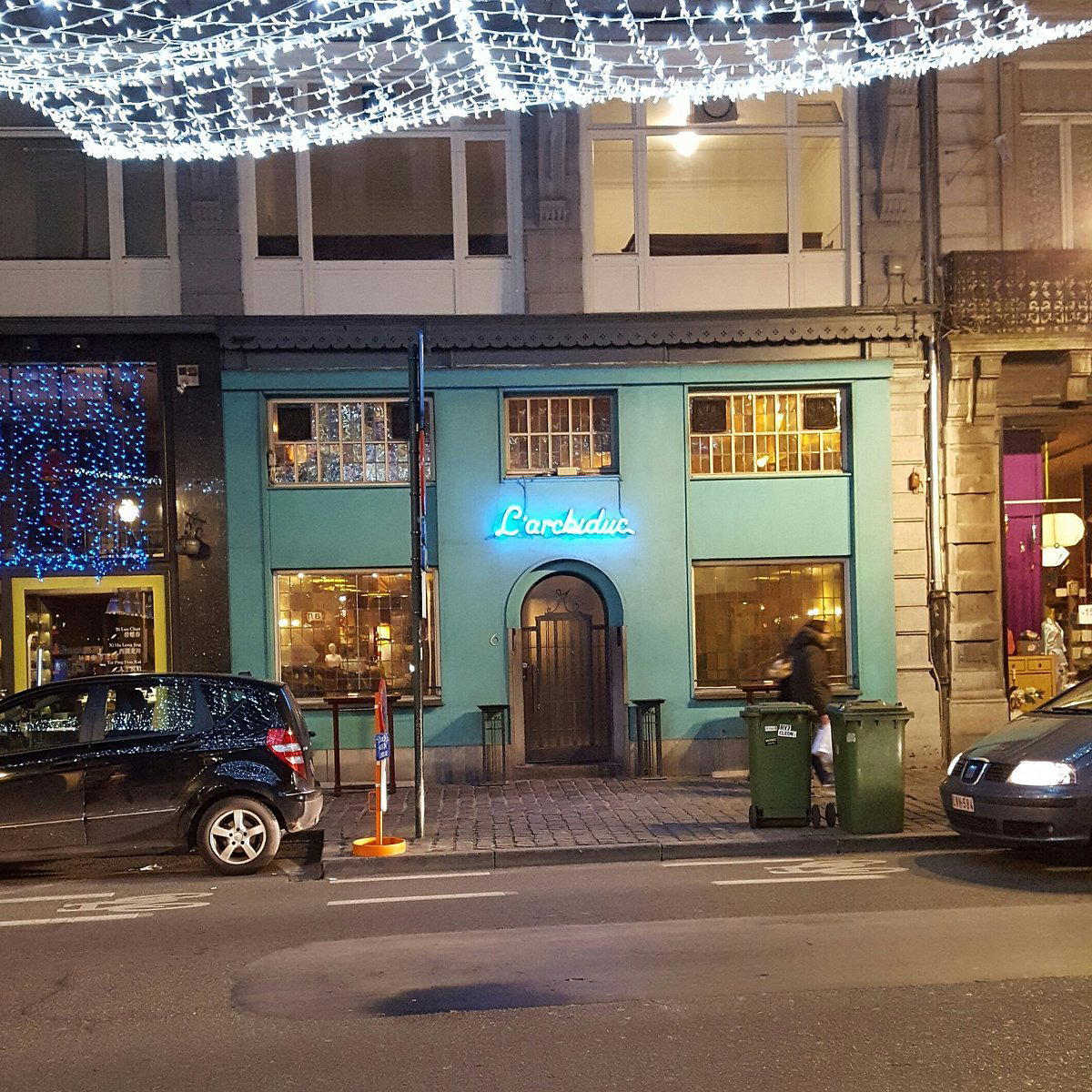
| L'Archiduc | cocktail_bar | $$ | , | Sainte-Catherine |
| 1000 Brussels | beer_bar | $$ | , | Grand Place |
| Le Lotus Bleu | Authentic Vietnamese | $$ | , | near Grand Place |
| Yamato | Authentic Japanese Ramen | $$ | , | Ixelles |
| Chez Jacky | Belgian Neighborhood Bistro | $$ | , | Châtelain |
Continue exploring
More in Grand Place
Restaurants in Grand Place
Browse all →
Bars in Grand Place
Browse all →
At a Glance
- Cozy
- Trendy
- Group Dining
- Casual Hangout
- Standalone
- Street Scene
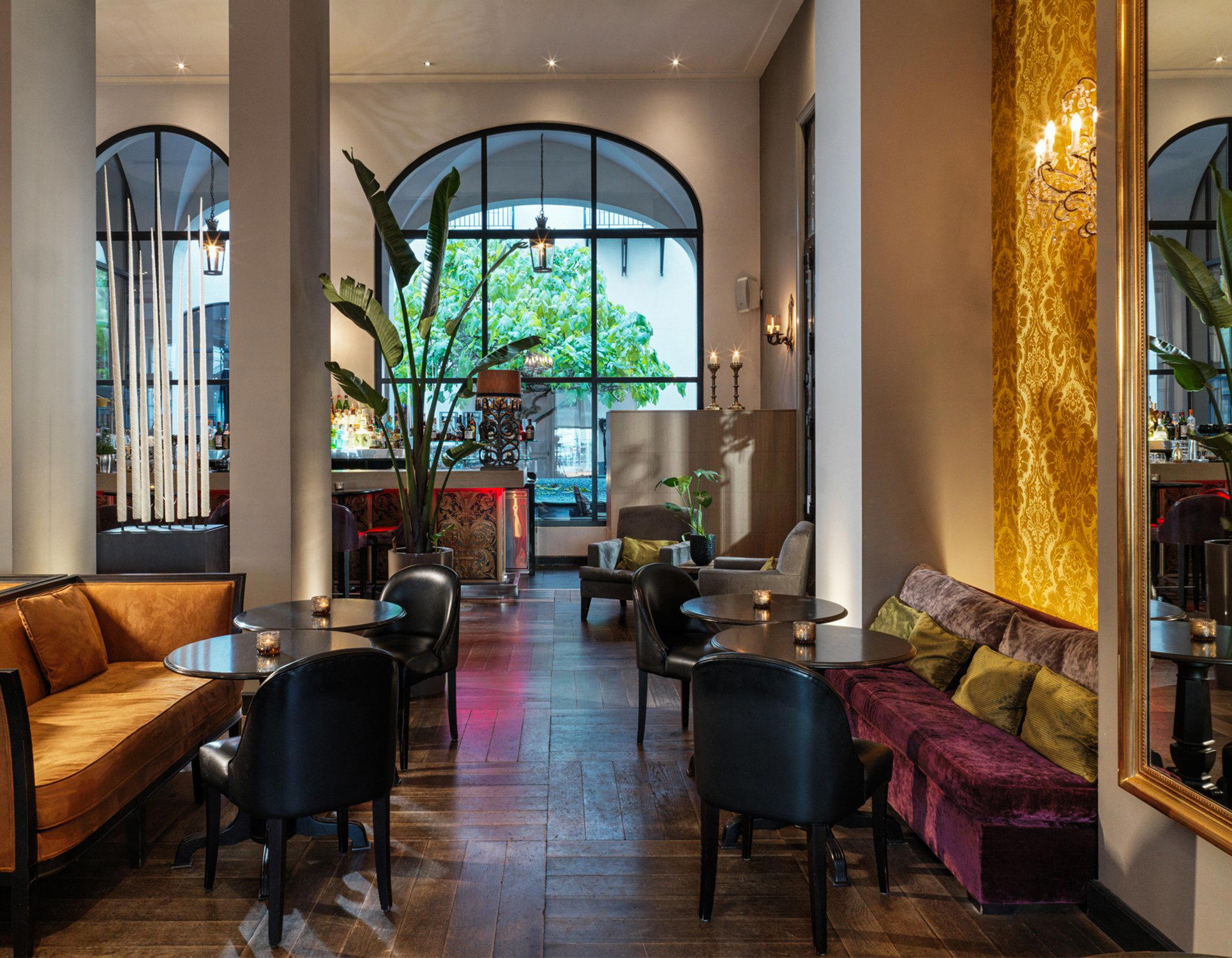
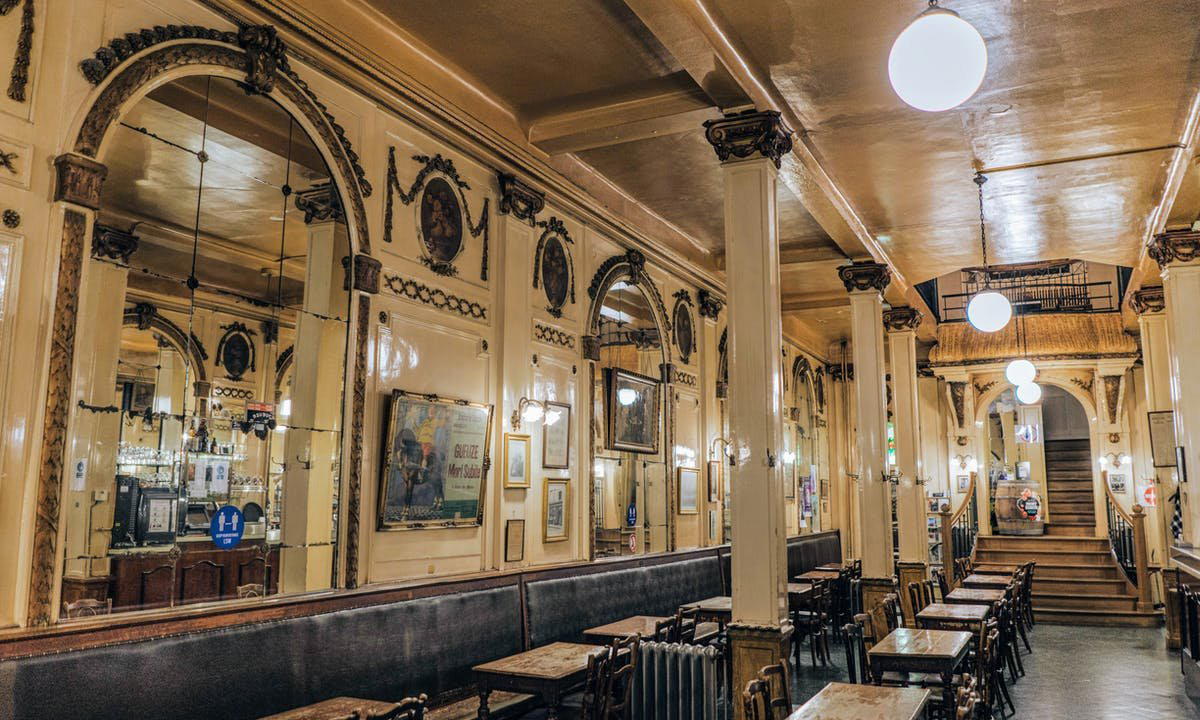
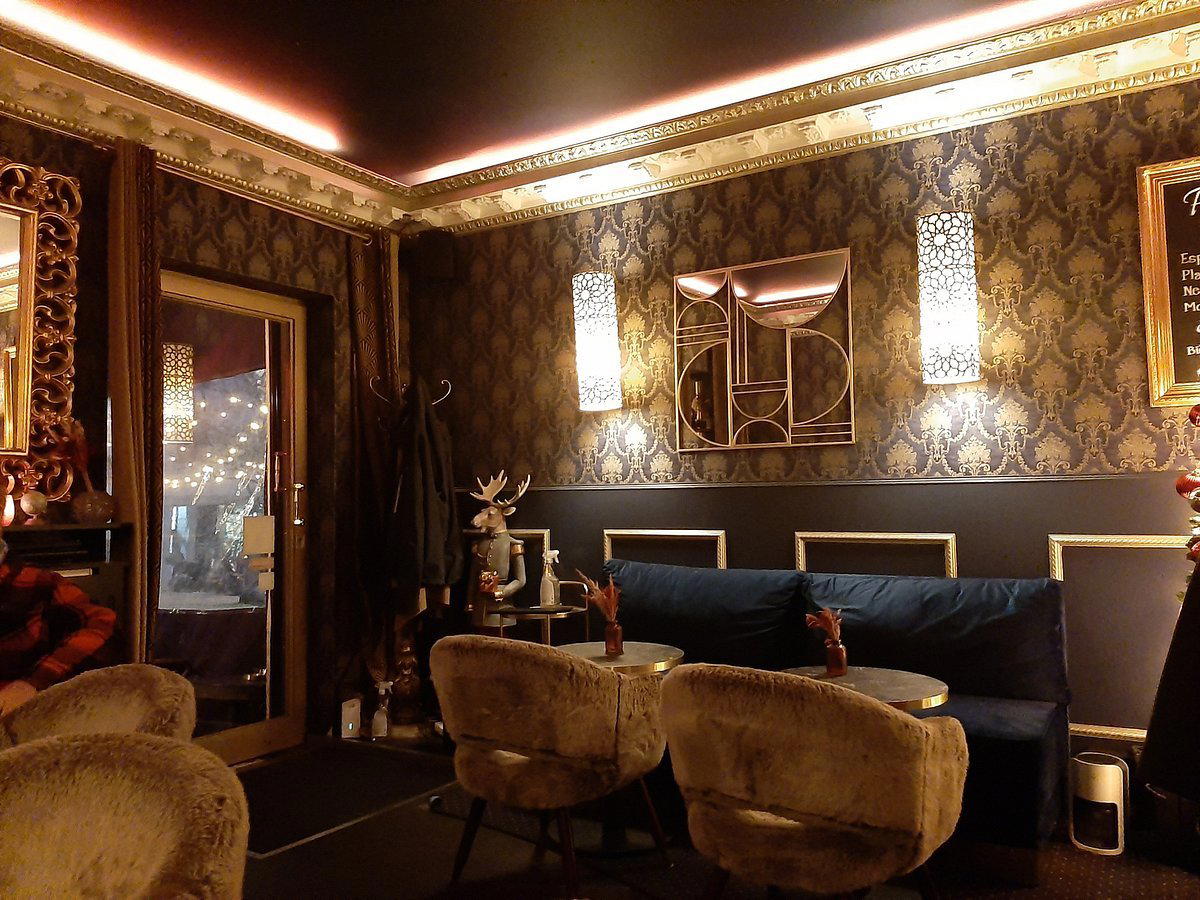
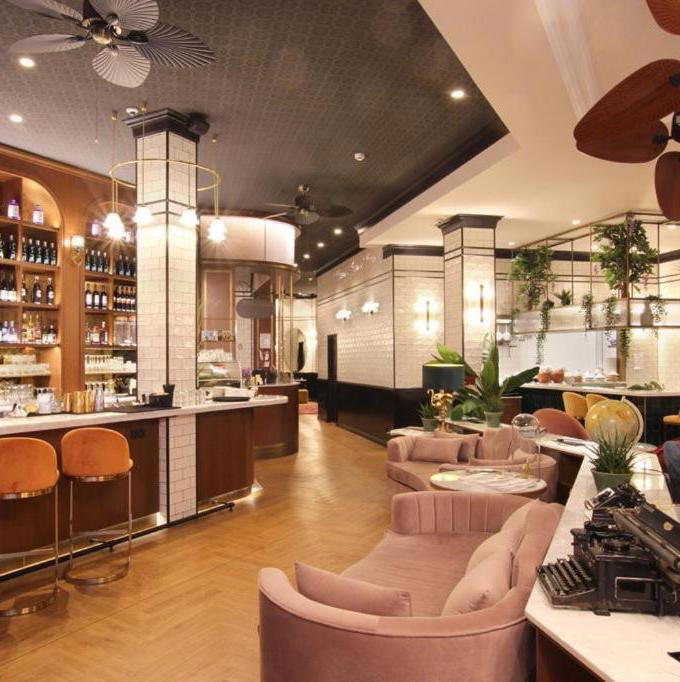
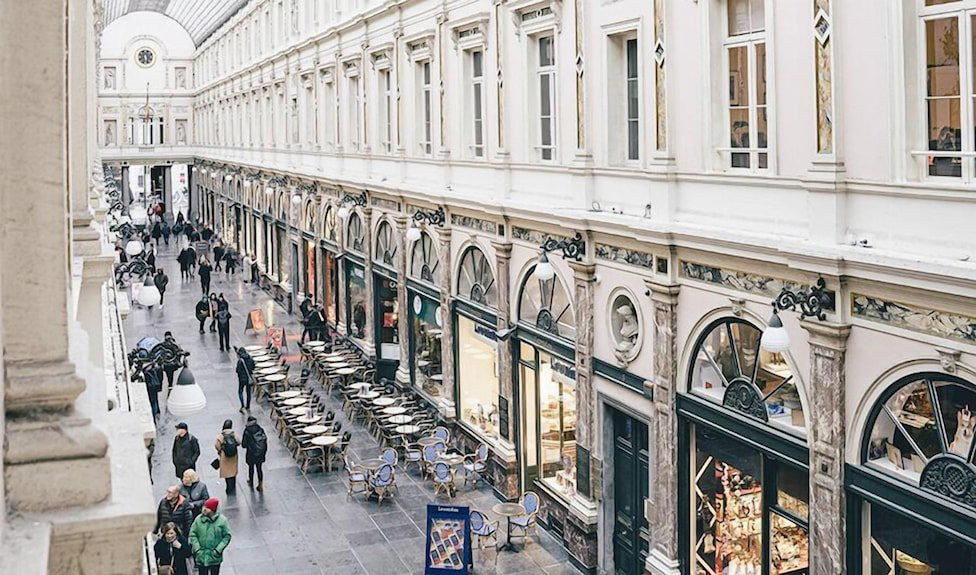
Warmly lit interior with quirky lamps, exposed brick walls, and a cozy boho atmosphere.