KOKO The Sushi Revolution
Sushi in Sardinia: The Ingredient Case for an Unlikely Address Sardinia occupies a specific position in Italian seafood culture that most visitors underestimate. The island's western and southern waters produce fish under conditions that differ...
Pearl is the En Primeur Club membership app — saves, bookings, and concierge access live there. Same editors, same standards.
- Address
- V. Guglielmo Marconi, 125, 09045 Quartu Sant'Elena CA, Italy
- Phone
- +393970881204
- Website
- ristoranti.mindup.consulting
 Saves & bookings on Pearl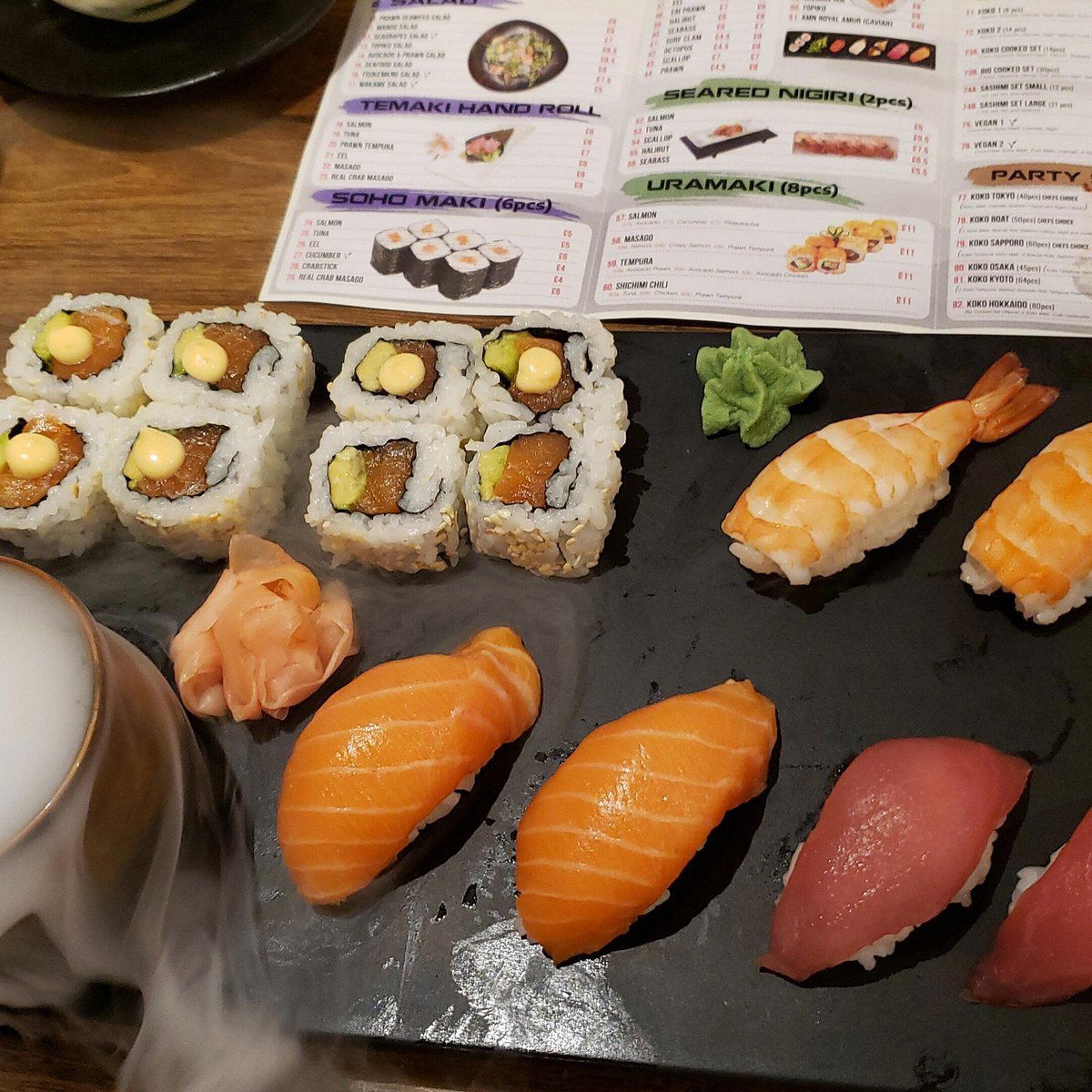
Sushi in Sardinia: The Ingredient Case for an Unlikely Address
Sardinia occupies a specific position in Italian seafood culture that most visitors underestimate. The island's western and southern waters produce fish under conditions that differ markedly from the Pacific or Atlantic sources that anchor traditional Japanese sushi supply chains: lower volumes, shorter transit distances to plate, and a Mediterranean character to the catch that changes the flavour profile of raw preparations in ways that continental Italian sushi restaurants rarely achieve. Quartu Sant'Elena, the coastal municipality immediately east of Cagliari, sits close enough to that supply to matter. It is in this context that KOKO The Sushi Revolution, on Via Guglielmo Marconi, makes its most coherent claim on attention.
The broader Italian sushi scene has divided across two distinct models. One follows the international template: imported bluefin from Spanish or Sicilian farms, salmon from Norway, standardised soy and rice sourced through restaurant distributors. The other, smaller cohort attempts to reframe sushi through local ingredient logic, using Mediterranean catch and regional producers to do what Japanese technique does with Japanese material. That second approach is inherently more demanding, because it requires sourcing discipline at every stage rather than defaulting to the established supply chain. Venues operating on that premise tend to sit in coastal cities where the fish market and the kitchen are close neighbours. Quartu Sant'Elena, with Cagliari's market infrastructure nearby, offers that proximity.
What Mediterranean Sourcing Actually Changes
The ingredient argument for Mediterranean-sourced sushi rests on a specific chain of reasoning. Fish pulled from warmer, saltier waters and served within hours of landing carries a different fat distribution and texture than cold-water fish that has travelled across multiple borders. In Japanese omakase, the quality conversation centres on ageing, temperature, and knife work. In a Mediterranean context, those same variables apply but the starting material is different enough that direct comparisons with Tokyo's Ginza counters become less useful than comparisons within the local seafood tradition itself. Italy's most discussed seafood restaurants, Quattro Passi in Marina del Cantone, Uliassi in Senigallia, Gambero Rosso in Marina di Gioiosa Ionica, all share a commitment to coastal sourcing as a first principle. A sushi restaurant in Sardinia that takes the same position is making a comparable argument, though through a Japanese structural lens rather than an Italian one.
What that means practically is that the menu at KOKO should be understood as a seasonal and supply-dependent document rather than a fixed list. Mediterranean catch varies across the calendar in ways that Pacific-sourced sushi menus do not. Late spring and summer bring different species to the Sardinian fish markets than autumn does. Any venue working with local sourcing at the level its name implies will adjust accordingly, which also means that what a guest encounters in June will differ from what they find in November. Visitors planning around a specific ingredient or preparation would do well to contact the venue in advance.
The Name as a Statement of Position
The phrase "The Sushi Revolution" in the venue's name is worth taking at face value rather than dismissing as marketing. In the Italian context, it locates KOKO in the reformist camp of the country's sushi scene, the group of restaurants arguing that Japanese technique applied to Italian or Mediterranean ingredients is a legitimate and distinct culinary proposition rather than a fusion compromise. That argument has precedent in other categories: France's bistronomie movement repurposed fine-dining technique in casual formats; Italy's own pizzerias have spent two decades elevating dough science and regional ingredient sourcing. A sushi restaurant in Sardinia making a similar argument about local fish and Japanese method is not doing something categorically different. It is applying the same logic to a different set of ingredients and techniques.
The broader Italian fine-dining conversation plays out across very different addresses. Osteria Francescana in Modena, Le Calandre in Rubano, Piazza Duomo in Alba, and Enoteca Pinchiorri in Florence all represent the Italian tasting-menu format at high commitment levels. Dal Pescatore in Runate, Reale in Castel di Sangro, and Atelier Moessmer Norbert Niederkofler in Brunico each frame sourcing and territory as the primary editorial statement of the menu. KOKO is doing something adjacent: not Italian cuisine at all, but using Italian coastal territory as the sourcing foundation for a non-Italian culinary structure. That is a distinct position and one that is more coherent in Sardinia than it would be inland.
Internationally, venues like Le Bernardin in New York and Atomix in New York have demonstrated what happens when serious technical discipline meets a commitment to specific sourcing in seafood and Korean fine dining respectively. The comparison is not one of tier, those are multi-award venues with decades of institutional recognition, but of principle: sourcing specificity as the organising logic of a restaurant's identity is a proven framework, not an experimental one. Enrico Bartolini in Milan and Da Vittorio in Brusaporto have similarly built long-term recognition around ingredient clarity at the high end of Italian dining.
Planning a Visit
KOKO The Sushi Revolution is located at Via Guglielmo Marconi 125 in Quartu Sant'Elena, reachable from Cagliari city centre in under fifteen minutes by car or by the CTM bus lines that connect the two municipalities. Quartu Sant'Elena is a large suburban coastal town rather than a tourist destination in its own right, which means the restaurant draws primarily from Cagliari's resident population and visitors who are staying in the wider metropolitan area. Given the sourcing-led premise, booking ahead is the sensible approach, particularly if visiting on a weekend or during the summer months when Cagliari's dining scene operates at higher capacity. Booking ahead is recommended, particularly at weekends and in summer.
In Sardinian coastal dining broadly, the register tends toward smart-casual in the evenings without the formality of a tasting-menu fine-dining room. The venue's name and positioning suggest a dining format rather than a quick-service one, but confirming format, cover count, and reservation requirements directly with the restaurant before visiting is the practical baseline here.
Comparable Venues
Comparable venues nearby, for context on price, style, and recognition.
| Venue | Cuisine | Price | Awards | Notes |
|---|---|---|---|---|
| KOKO The Sushi RevolutionThis venue — the venue you are viewing | Modern Japanese Sushi | $$ | , | |
| The Lido | Italian Lakeside Pizzeria & Beach Club | $$ | , | Cernobbio |
| Trattoria Ca' D'Oro - Cucina Tipica Veneziana | Traditional Venetian Trattoria | $$ | , | Cannaregio |
| Alassio Restaurant | Coastal Mediterranean & Italian Comfort Food | $$ | , | / |
| Gelateria Vernazza | Artisanal Italian Gelato | $ | , | Vernazza |
| Gelato di Natura | Artisan Italian Gelato | $ | , | Santa Croce |
Continue exploring
More in Quartu Sant Elena
Restaurants in Quartu Sant Elena
Browse all →
Hotels in Quartu Sant Elena
Browse all →
Wineries in Quartu Sant Elena
Browse all →
At a Glance
- Modern
- Trendy
- Date Night
- Casual Hangout
- Open Kitchen
- Sake Program
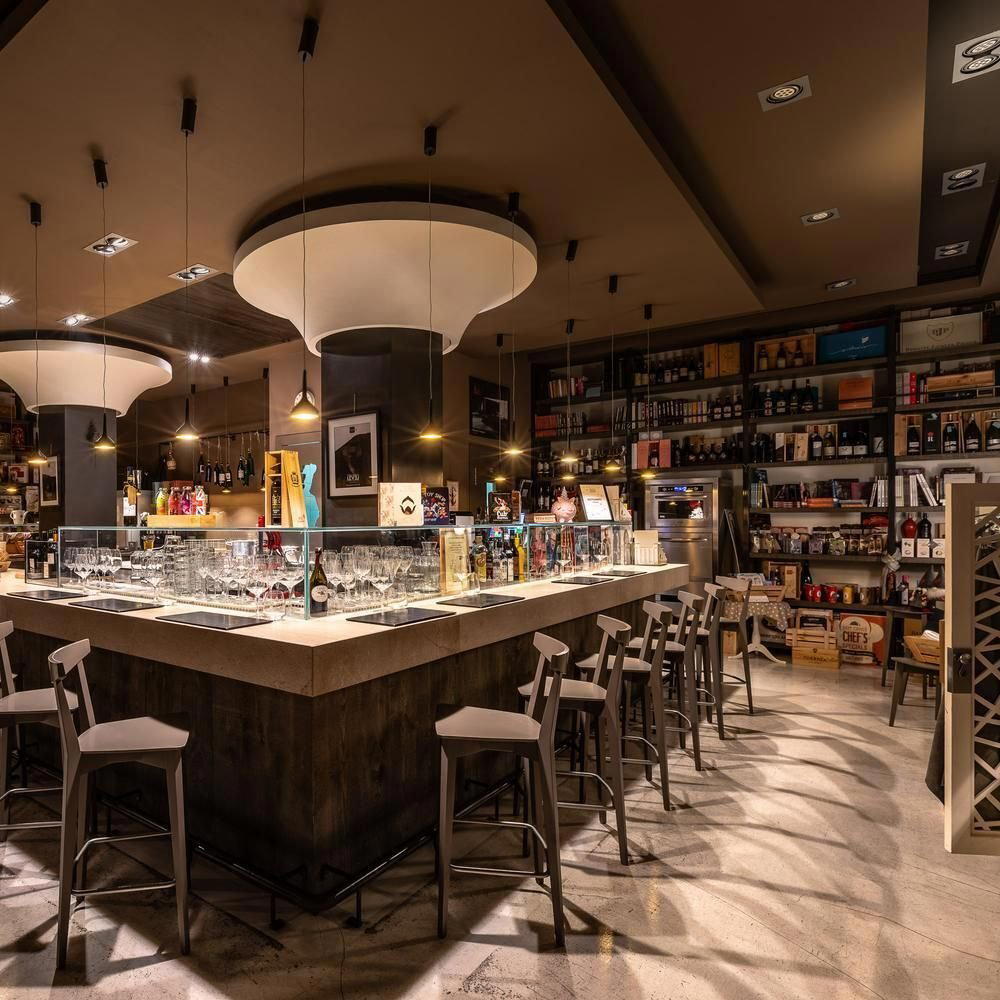
Intimate atmosphere with focus on fresh preparations and creative presentations.