
Among Cagliari's pizza establishments, Maiori at Vico Logudoro occupies a distinct position: a strict Neapolitan format, led by Emanuele Riemma, that has built a loyal following on the island through classical technique and sourcing discipline. The dough work, soft, well-leavened, and designed for digestibility, is what keeps regulars returning, alongside an American Bar that functions as a room in its own right.
Pearl is the En Primeur Club membership app — saves, bookings, and concierge access live there. Same editors, same standards.
- Address
- Vico Logudoro, 1, 09127 Cagliari CA, Italy
- Phone
- +39 070 804 6520
- Website
- instagram.com
- Directions
- Get directions
 Saves & bookings on Pearl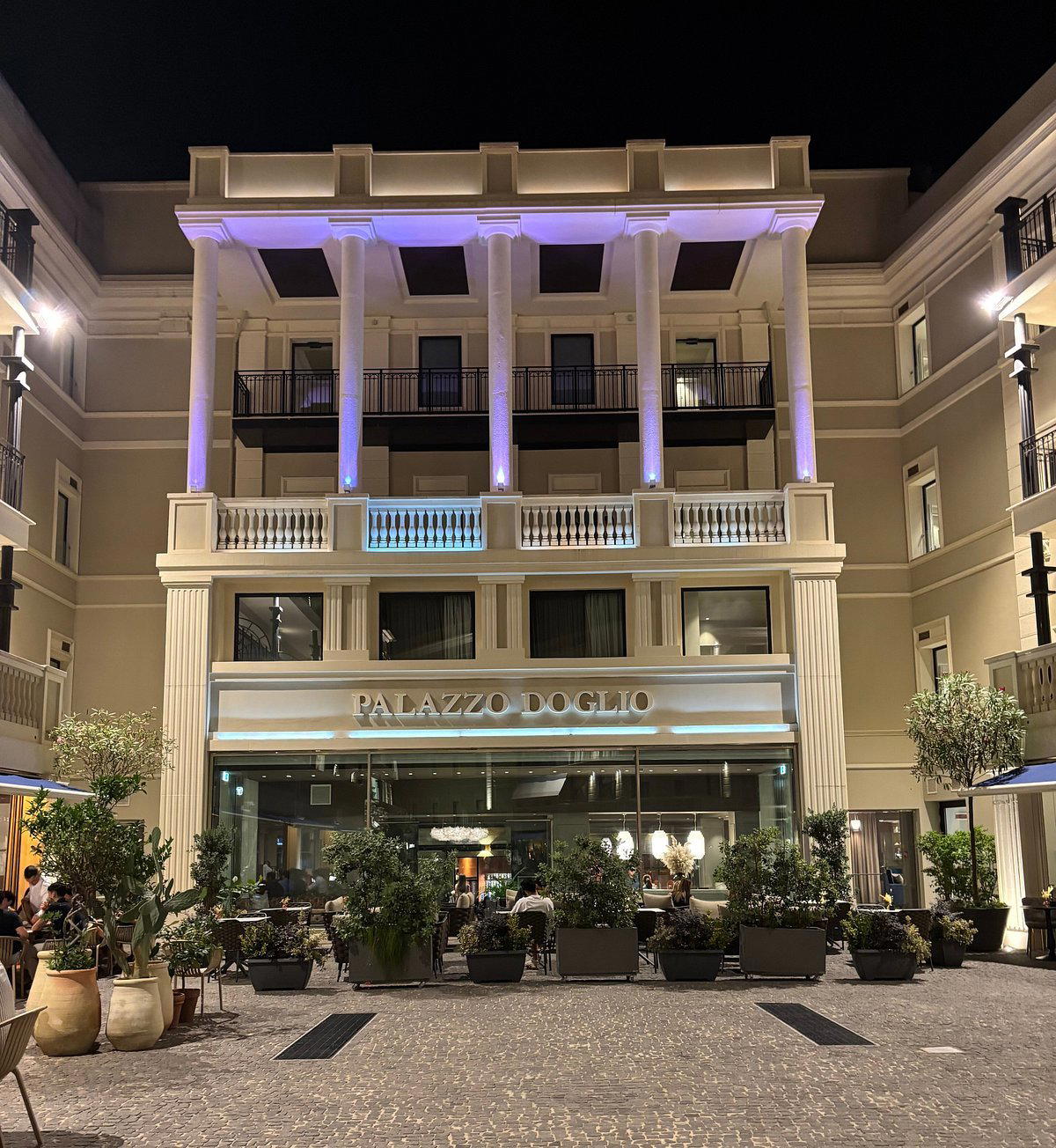
Where Naples Lands in Sardinia
Cagliari's dining scene has long been anchored in Sardinian regionalism: slow-roasted meats, bottarga-dressed pastas, fregola with clams, and the island's own vernaccia-laced kitchen logic. Against that backdrop, a strict Neapolitan pizzeria operating by classical Campanian rules occupies an unusual position, and Maiori, on the narrow stretch of Vico Logudoro, has used that position to build something closer to a neighbourhood institution than a casual stop. The city has plenty of pizza options across its centro storico and marina-facing streets, but few that hold to the doctrinal Neapolitan format without concession to local or contemporary trend.
That doctrinal commitment is the editorial point here. The Neapolitan pizza tradition has a specific vocabulary: double-zero flour, long fermentation, high-heat wood fire, a cornicione that blisters and chars, and a base that stays soft at the centre. Where Italian pizza culture has fractured into Roman teglia, Milanese versions, New York-style adaptations, and artisan hybrids, the Neapolitan canon insists on its own logic. Maiori operates inside that canon, applying it to an island city where the culinary frame is otherwise almost entirely Sardinian. That's a considered editorial statement in itself.
The Regulars' Case
The measure of a Neapolitan pizzeria's seriousness, for the people who eat there week after week, is rarely the headline topping. It's the dough. Long fermentation, typically 24 to 72 hours depending on temperature and ambient humidity, breaks down the gluten structure in ways that make the finished crust lighter and less dense on the stomach. It's the difference between a pizza you finish and feel fine about and one that sits heavily. For the clientele that treats this as a weekly ritual rather than an occasional outing, that digestibility is the reason they're back.
High-quality ingredient sourcing is the second recurring note from the venue's profile. In Neapolitan tradition, that typically means San Marzano tomatoes from the DOP zone south of Naples, fior di latte or buffalo mozzarella from Campanian producers, and imported salumi rather than local substitutions. Whether Maiori follows that sourcing map precisely is not documented in public records, but the framing of the pizzeria as a vehicle for "100% Neapolitan and traditional product" suggests an imported supply chain rather than a Sardinian-inflected one. For regulars, that consistency of material is as important as the technique.
Pizza at this level of regional specificity is also, in Cagliari's current dining structure, relatively accessible compared to the city's more ambitious contemporary tables. Venues like Amanõ, CUCINA.eat, and Duanima operate at a different price register and a different level of occasion-setting. ChiaroScuro and Da Marino al St Remy anchor the Sardinian and Mediterranean mid-range. Maiori operates in its own category: not fine dining, not casual indifference, but a specialist format with technical discipline applied to democratic Italian food. That positioning explains its regulars as much as its address does.
The American Bar as a Room Apart
What distinguishes Maiori from a straight pizzeria operation is the American Bar component, which available records flag as managed with a level of care that matches the kitchen's standards. The American Bar format in Italy has a specific historical register: it refers to a cocktail and aperitivo culture that took hold in Italian cities during the mid-twentieth century, distinct from the Campari-and-soda simplicity of an ordinary bar and oriented toward properly made mixed drinks. In a pizzeria context, a well-run bar functions as both a pre-pizza ritual space and a reason to arrive early, order a Negroni or a Spritz made with attention, and settle in before the main event. For regulars, the bar is often the gateway, it's where the evening starts, and where the tone of the experience is established before the dough arrives.
This dual-room identity gives Maiori a slightly wider evening structure than most of its pizza-only peers in Cagliari. It allows for the kind of extended visit that Italians have always understood: drink first, eat deliberately, linger. That rhythm is part of what builds loyalty in a neighbourhood context.
Neapolitan Pizza's Position in Italy's Wider Restaurant Map
To understand what Maiori represents in its city, it helps to place it briefly in Italy's larger pizza conversation. The country's most celebrated tables, Osteria Francescana in Modena, Enoteca Pinchiorri in Florence, Enrico Bartolini in Milan, Atelier Moessmer Norbert Niederkofler in Brunico, Dal Pescatore in Runate, and Quattro Passi in Marina del Cantone, occupy a different tier entirely, with creative ambition and tasting-menu formats that sit miles away from the Neapolitan canon. Pizza at Maiori's level is not in competition with that world; it's in conversation with a separate Italian tradition that prizes repetition, mastery, and the perfection of a constrained format over invention. The leading pizza practitioners in Naples and Campania have spent decades on that argument, and their peers in other Italian cities, and now in Cagliari, have built loyal followings by making the same case.
Internationally, comparisons to format-focused specialists like Le Bernardin or Atomix feel genre-incongruent, but the underlying logic is the same: a narrow format, executed with total commitment, generates a loyal clientele that doesn't need novelty because the execution itself is the draw.
Planning a Visit
Maiori sits at Vico Logudoro 1, in the Cagliari neighbourhood fabric rather than on the tourist-facing seafront strip. Getting there on foot from the centro storico is a reasonable proposition; the address places it within the city's compact residential grid. Walk-in timing or inquiry through local concierge channels is one reliable approach. Sardinian summer evenings fill restaurant dining rooms early, particularly for a format like this one that draws a local repeat clientele; arriving at the Italian dinner hour of 8pm or later may test availability on busier nights.
A Lean Comparison
Comparable venues nearby, for context on price, style, and recognition.
| Venue | Cuisine | Price | Notes |
|---|---|---|---|
| MaioriThis venue — the venue you are viewing | Palazzo Doglio, Modern Neapolitan Pizza | $$$ | Not listed |
| Sa Scolla | Genneruxi, Artisan Sardinian Pizza | $$ | Not listed |
| Luigi Pomata | Centro, Modern Sardinian Fine Dining | $$$ | Not listed |
| Gli Uffici | Castello, Modern Italian Fine Dining | $$$ | Not listed |
| Sarti del Gusto | Dining | Not listed | Not listed |
| CUCINA.eat | Not listed | $$ | Piazza Galileo Galilei, Modern Sardinian Bistro |
Recognition history
Dated appearances from independent guides and award organizations, with the underlying list record or original source where available.
50 Top Pizza Italy #58
50 Top Pizza
Continue exploring
More in Cagliari
Restaurants in Cagliari
Browse all →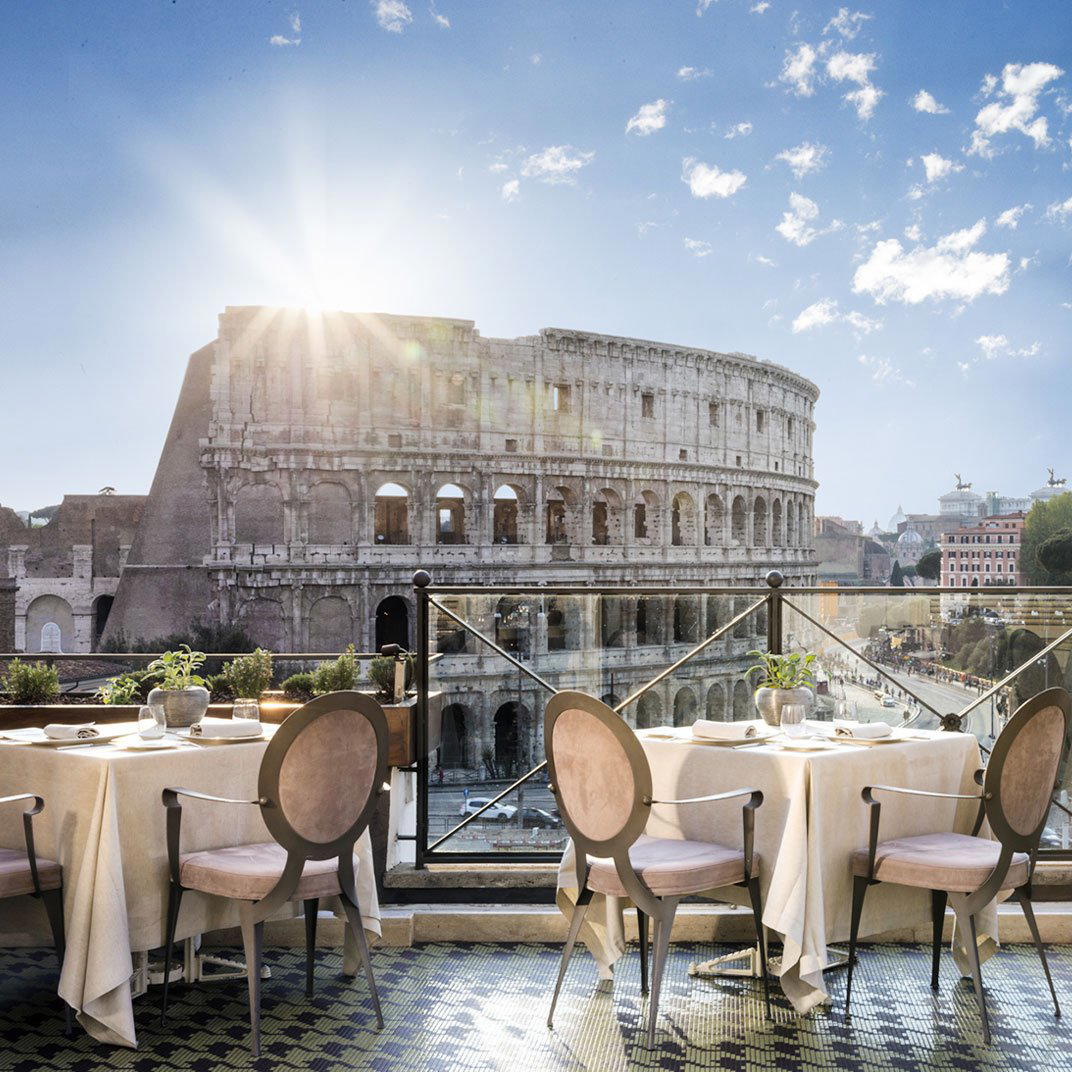
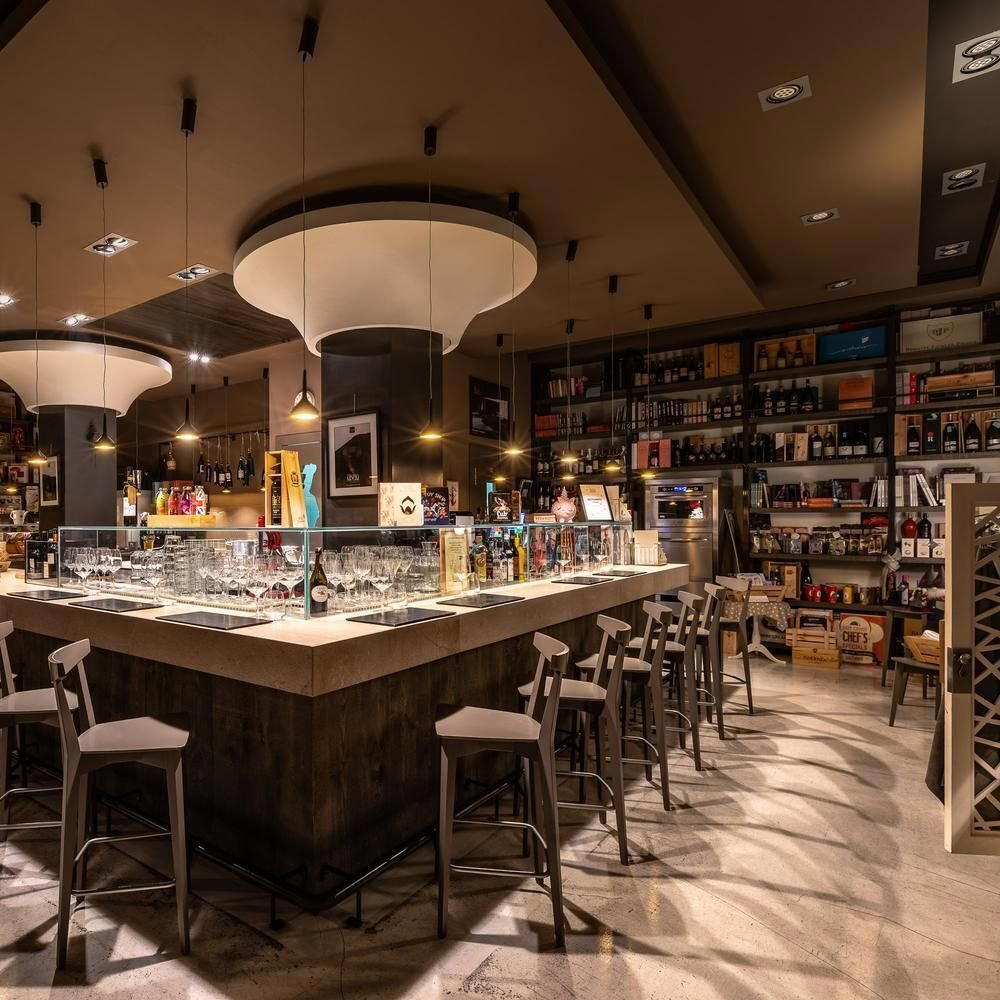
Bars in Cagliari
Browse all →
Hotels in Cagliari
Browse all →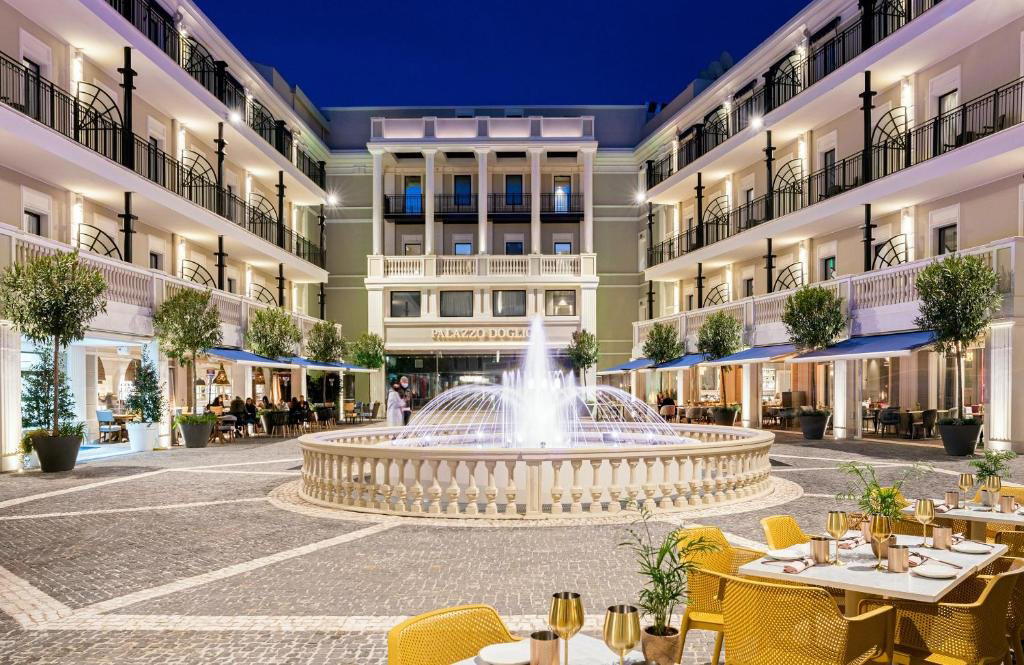

At a Glance
- Elegant
- Modern
- Sophisticated
- Date Night
- Casual Hangout
- Courtyard
- Craft Cocktails
Current opening hours
- Monday
- Closed
- Tuesday
- 7 PM–1 AM
- Wednesday
- 7 PM–1 AM
- Thursday
- 7 PM–1 AM
- Friday
- 7 PM–1 AM
- Saturday
- 7 PM–1 AM
- Sunday
- 7 PM–1 AM
Hours can change for holidays and private events. Last verified .
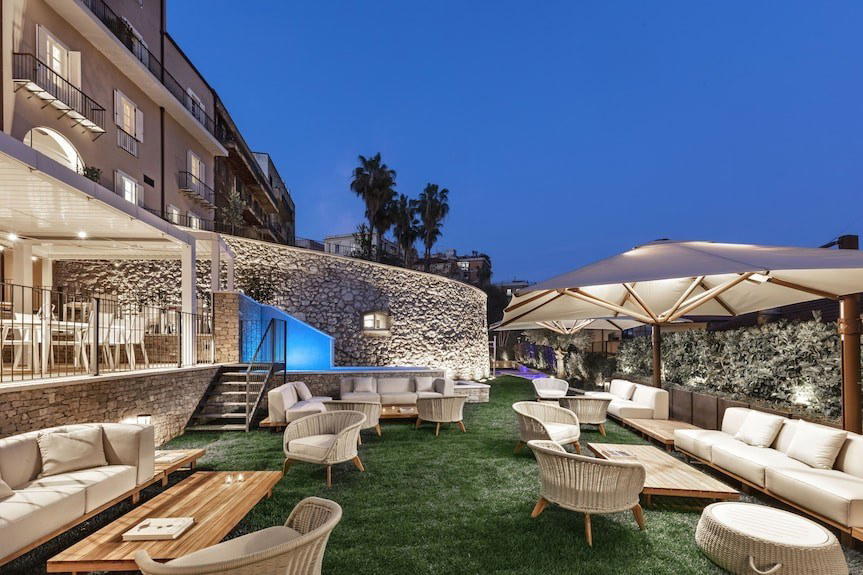
Elegant, modern, and bright atmosphere with attention to detail, described as chic and stylish by diners.