Kojacha

Kojacha earns its Michelin Plate recognition through a format that alternates Japanese and Chinese courses within a single meal, executed by two chefs with backgrounds at The Shilla Hotel. Set in Gangnam's Hakdong-ro neighbourhood, the private-room dining spaces and vintage 1950s–60s furnishings frame an experience that sits apart from Seoul's tasting-menu mainstream. Reservations are recommended well in advance at this ₩₩₩₩ price tier.
Pearl is the En Primeur Club membership app — saves, bookings, and concierge access live there. Same editors, same standards.
- Address
- South Korea, Seoul, Gangnam District, Hakdong-ro 97-gil, 17 코자차 1층
- Phone
- +82 10-9023-7771
- Directions
- Get directions
 Saves & bookings on Pearl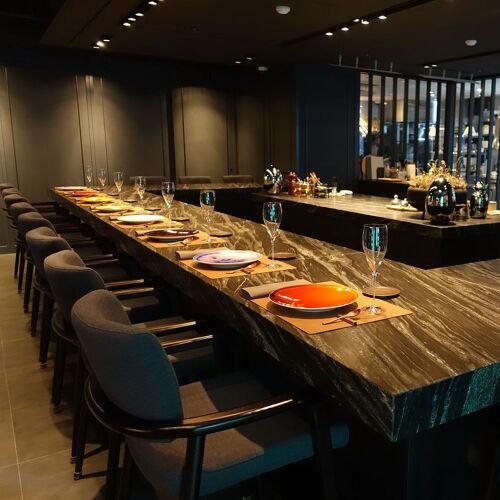
A Room to Itself: How Kojacha Frames the Meal Before the First Course Arrives
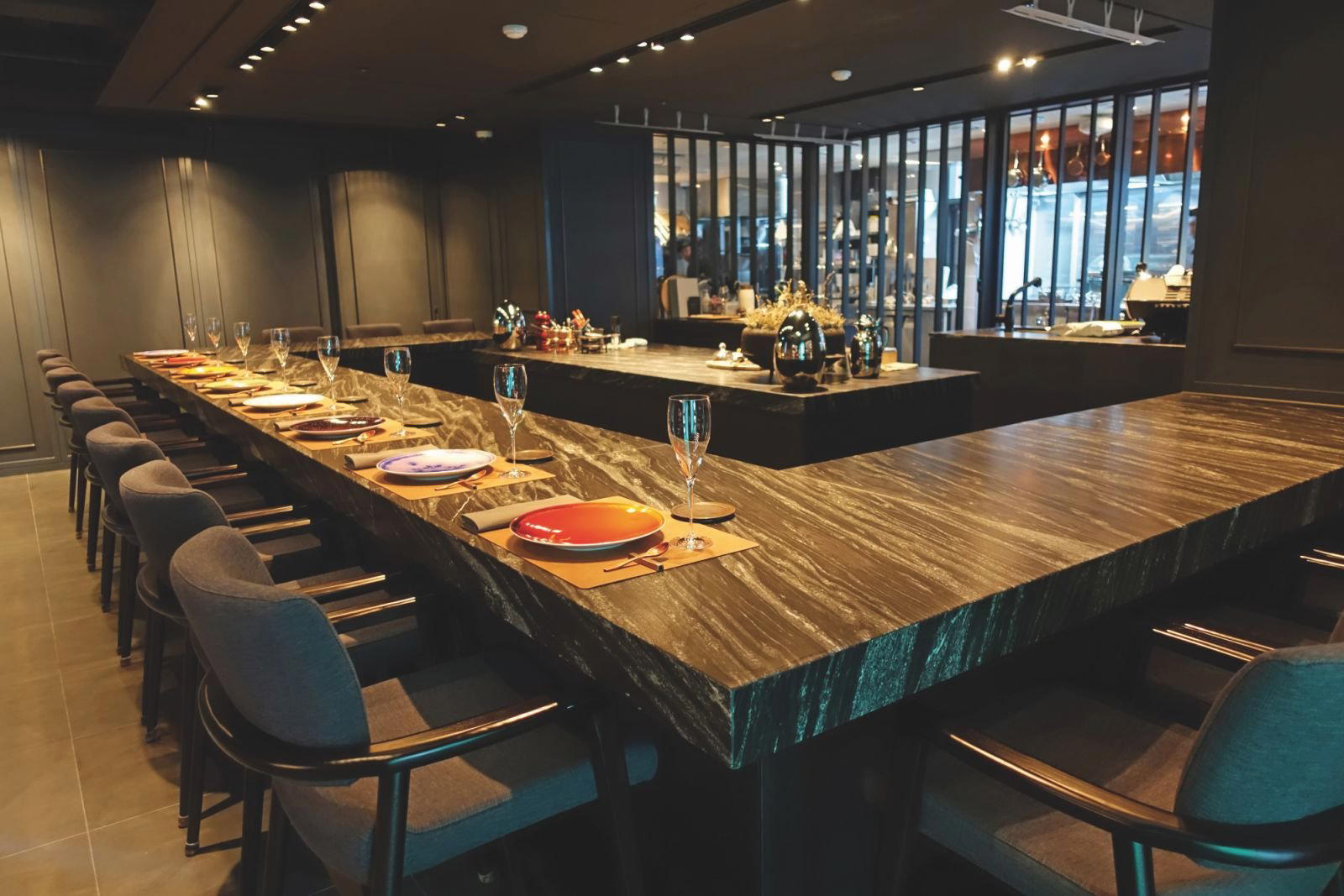
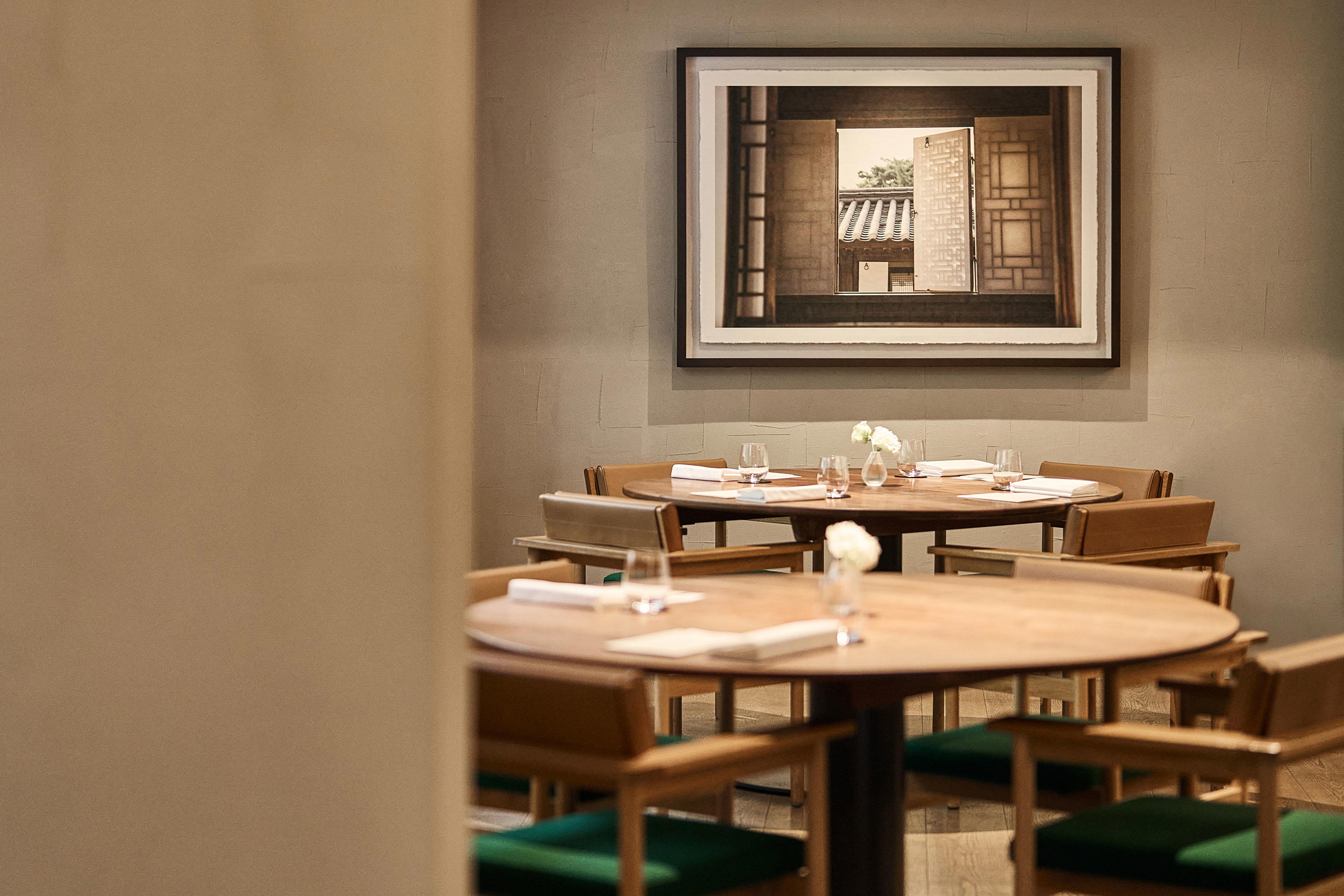
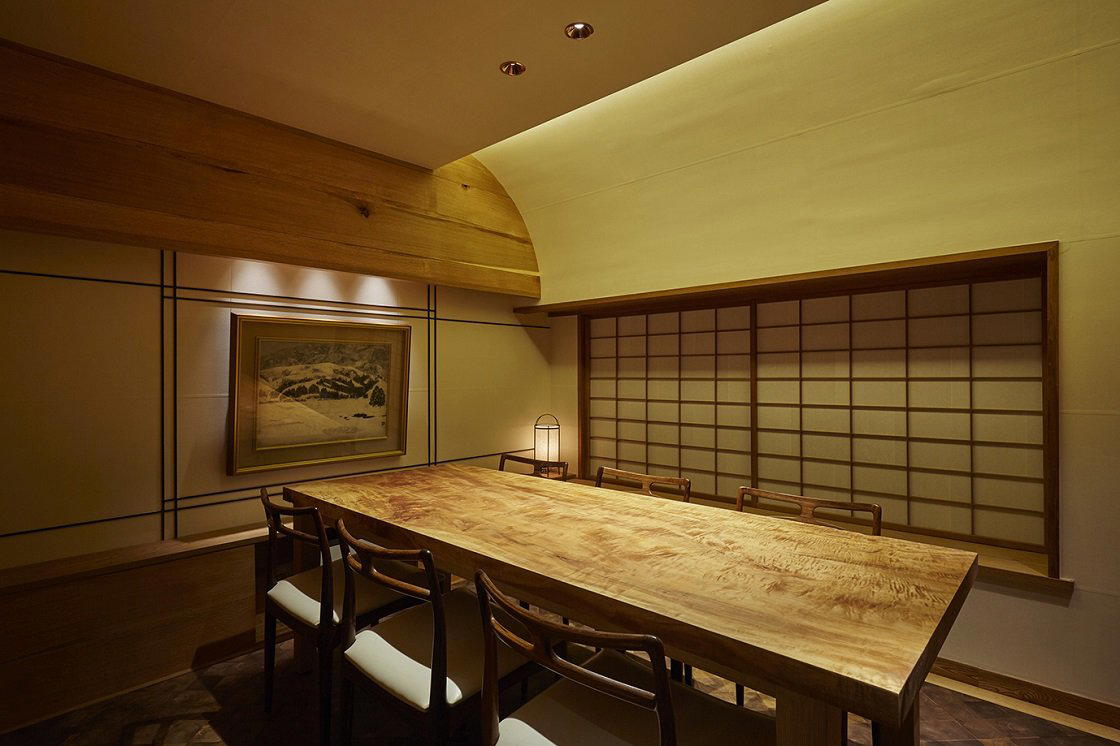
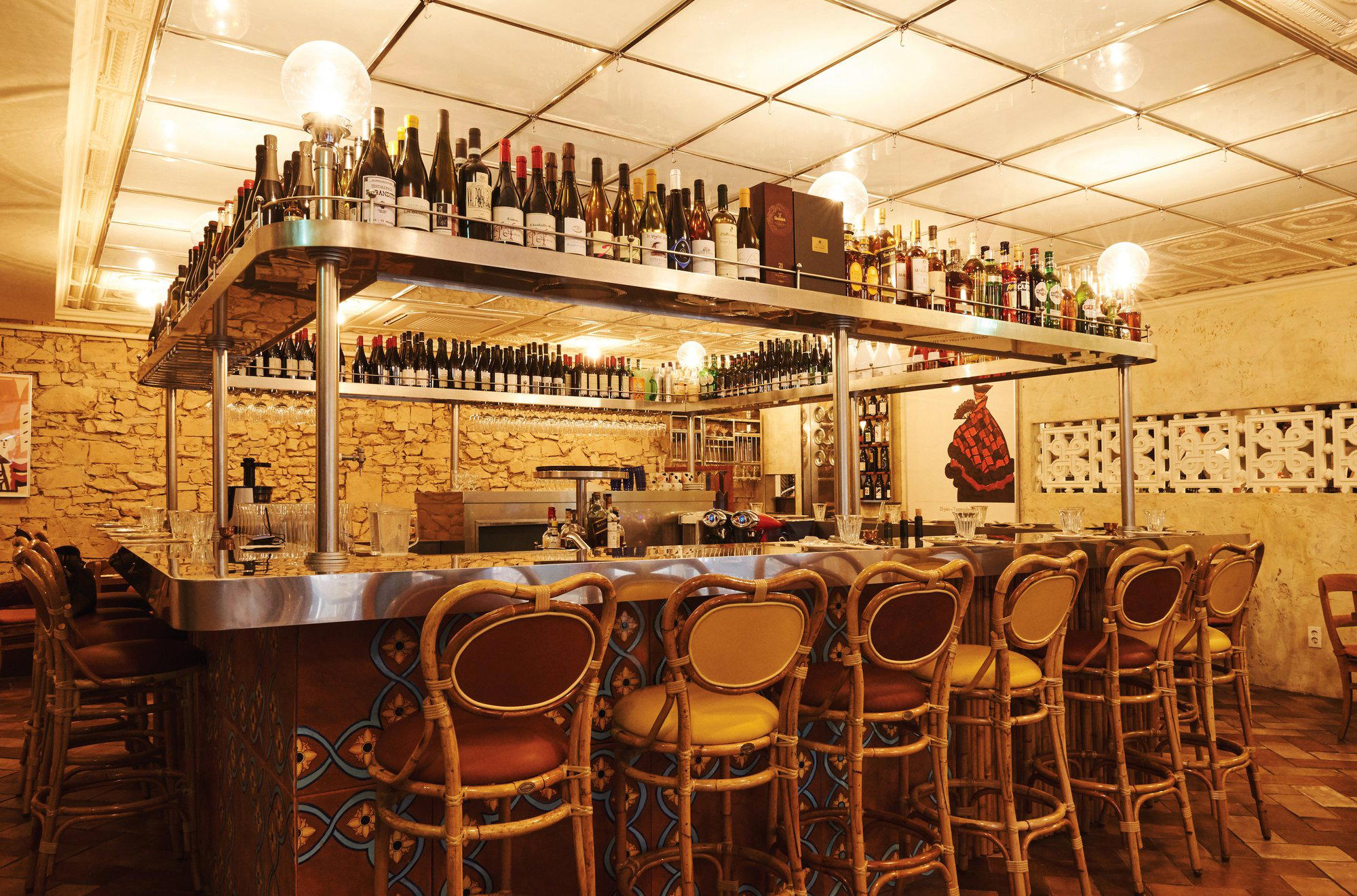
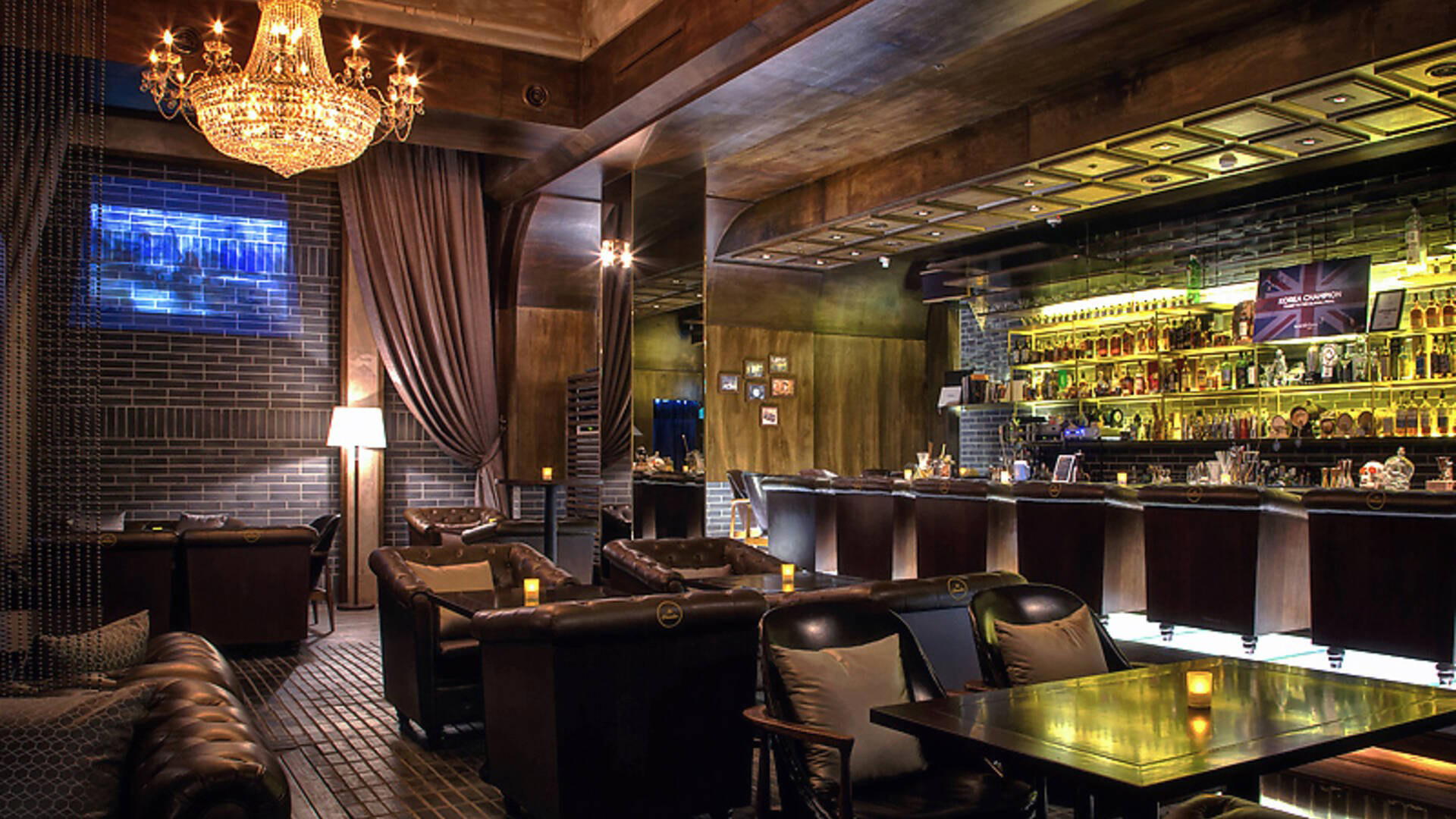
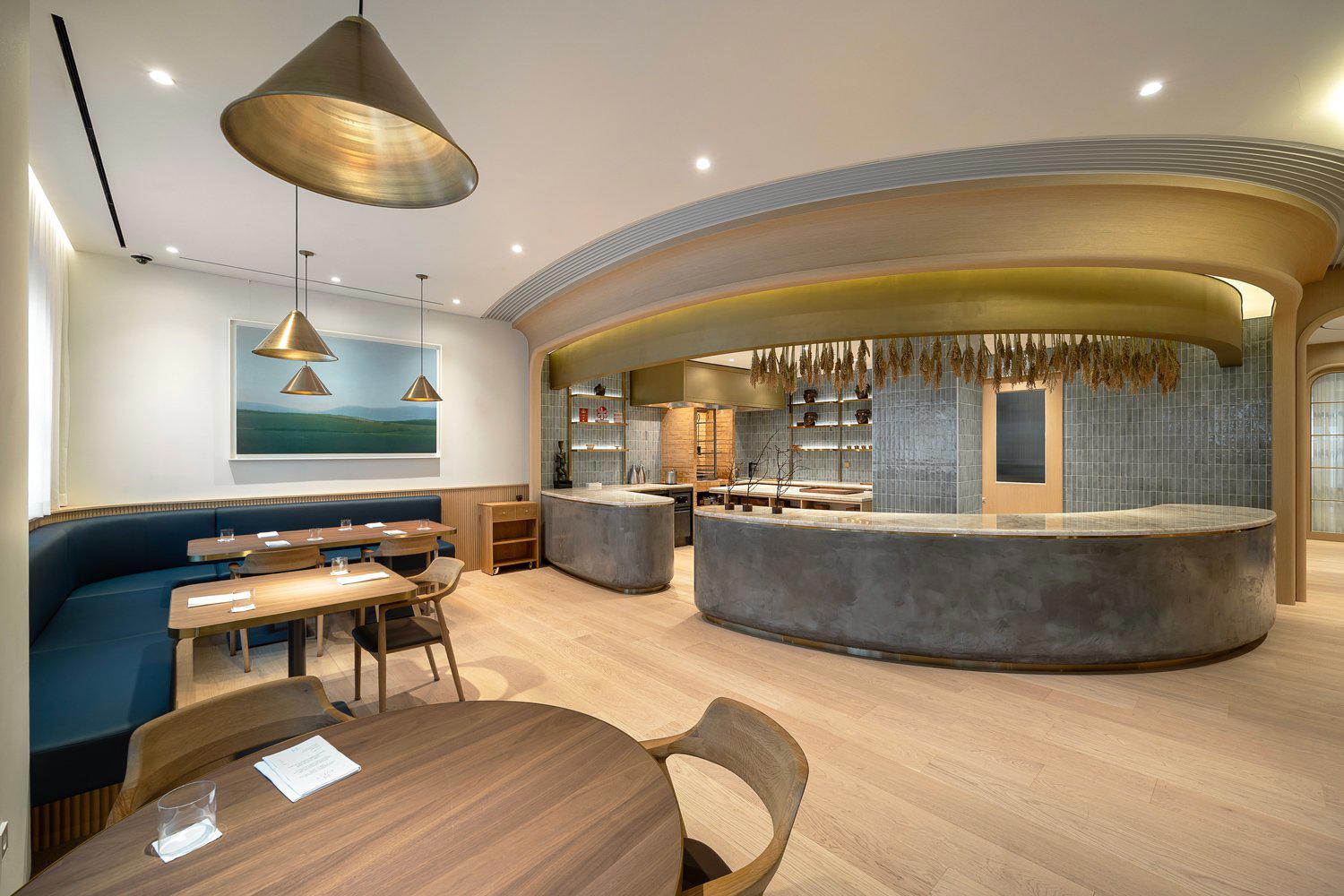
In Seoul's Gangnam District, where the dominant format for serious tasting menus tends toward open kitchens and communal counters, Kojacha takes a deliberately opposite position. Every dining space at the Hakdong-ro address is a private room. Vintage lighting and furniture sourced from the 1950s and 1960s set a mood that reads less like restaurant design and more like a carefully curated domestic interior, the kind of atmosphere that slows a meal down and signals that what follows will be unhurried. That physical framing matters because the cooking itself demands attention: a course-by-course alternation between Japanese and Chinese dishes, presented as a single coherent meal rather than as two separate cuisines running in parallel.
The name encodes the concept. "Ko" references the Korean identity of the chefs, "ja" points to Japanese, and "cha" to Chinese. The result is a format that Seoul's current tasting-menu circuit doesn't duplicate at this price tier, which puts Kojacha in a genuinely distinct competitive position among the city's ₩₩₩₩ restaurants.
The Arc of the Meal: Two Cuisines, One Progression
Seoul's premium dining scene has spent the past decade asserting Korean culinary identity on the global stage, with venues like Mingles and Jungsik building international reputations on exactly that premise. Kojacha takes a different route. Rather than centering Korean cuisine as the primary subject, it positions Korean culinary sensibility as the authorial perspective through which Japanese and Chinese traditions are interpreted and sequenced.
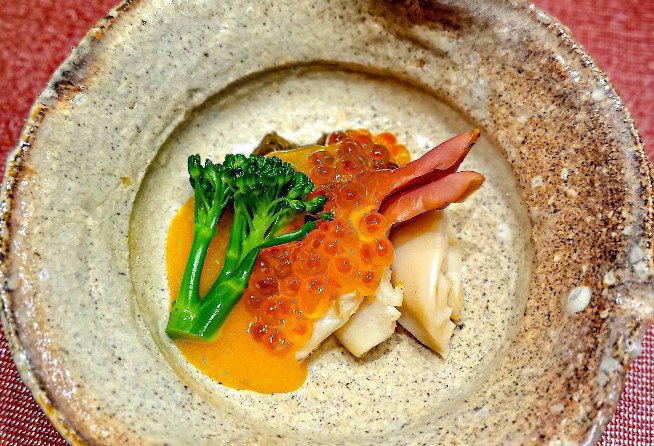
The tasting progression alternates between the two Asian traditions across multiple courses, which creates a rhythm unusual in formal dining. Most multi-course menus in this price bracket build linearly, lighter to heavier, simpler to more technically complex. Kojacha's alternating structure means the diner's palate shifts register between courses: the clean, often restrained flavors associated with Japanese kaiseki-influenced cooking placed in conversation with the deeper, more sauce-driven profile of refined Chinese technique.
Two dishes anchor the menu's cultural reference points. A chilled abalone salad is presented in a replica of a peacock-shaped soap dish used by a Qing Dynasty empress, a piece of tableware that carries historical weight and frames the Chinese culinary tradition as something with imperial roots, not just regional flavor. Shark fin braised in thick Chinese Superior Stock represents the other pole: a preparation that depends on technique and a long-established ingredient hierarchy in Cantonese and Chinese banquet cooking. Both dishes function as anchors in the progression, moments where the historical and technical depth of the cuisines being referenced becomes legible on the plate.
The overall effect is a meal structured more like a conversation between two traditions than a direct tasting menu. That format places Kojacha at a different register from Seoul's contemporary Korean fine-dining circuit, venues such as alla prima or Kwonsooksoo, and closer in spirit to the kind of chef-driven genre-building seen at One Degree North, where a singular format defines the proposition.
The Chefs' Backgrounds and What They Signal
Both Chefs Choi Yu-gang and Jo Yeong-du trained at The Shilla Hotel, one of Seoul's most established luxury hospitality institutions, which has long maintained serious culinary programs across Korean, Japanese, and Chinese cooking. That shared background is relevant context: it explains the technical fluency across more than one Asian tradition, and it connects the Kojacha format to a lineage of Korean hospitality where multi-cuisine expertise within a single institution was standard rather than notable.
The Michelin Plate awarded in 2025 confirms a base level of kitchen quality recognized by an external evaluator, placing Kojacha within the broader map of Seoul's Michelin-tracked restaurants. It stands apart in Gangnam for its private-room format and alternating Japanese and Chinese course menu.
Gangnam Context: Where This Address Sits
Hakdong-ro, the street address for Kojacha, sits within Gangnam's grid of upscale residential and commercial lanes south of the Han River. The district has a dense concentration of Seoul's serious dining, from long-established Korean fine-dining institutions to newer genre-crossing formats. At the ₩₩₩₩ price point, Kojacha competes in a bracket where the expectation is a full tasting menu experience with significant investment in tableware, service, and kitchen labor, expectations the private-room format, the custom tableware, and the course count all address directly.
For travelers covering broader South Korea, the dining culture that Kojacha sits within has regional counterparts worth noting: Mori in Busan and Baegyangsa Temple in Jangseong-gun represent other points on the spectrum of serious Korean dining outside the capital. Internationally, the genre of Asian-fusion tasting menus operating at this tier has parallels at taku in Cologne, Jun's in Dubai, and 53 in New York City, each navigating the same question of how to hold multiple Asian culinary traditions in a single coherent format.
Know Before You Go
Location: Hakdong-ro 97-gil 17, Gangnam District, Seoul, South Korea
Price Tier: ₩₩₩₩ (full tasting menu format)
Recognition: Michelin Plate (2025)
Format: Private dining rooms; alternating Japanese and Chinese course menu
4 based on 34 reviews
Booking: Contact via the restaurant directly; advance reservation recommended given private-room capacity
Awards and Standing
Comparable venues nearby, for context on price, style, and recognition.
| Venue | Cuisine | Price | Awards | Notes |
|---|---|---|---|---|
| KojachaThis venue — the venue you are viewing | Korean-Japanese-Chinese Fusion Fine Dining | $$$$ | Michelin Plate | Not listed |
| Mugunghwa | Modern Korean Royal Court Cuisine | $$$$ | Michelin Plate | Sajik-dong |
| Cesta | Modern Grill with Global Fusion | $$$ | Not listed | 한남동 |
| TocToc | Modern French-Asian Fusion | $$$ | Not listed | Noyu-dong |
| Sanro | Authentic Japanese Kaiseki | $$$$ | Michelin Plate | 압구정동 |
| 팔선 - Palsun - The Shilla | Authentic Traditional Chinese | $$$$ | Not listed | 광희동 |
Recognition history
Dated appearances from independent guides and award organizations, with the underlying list record or original source where available.
Michelin Plate
Michelin
Michelin Plate
Michelin
Michelin Plate
Michelin
At a Glance
- Elegant
- Intimate
- Sophisticated
- Date Night
- Special Occasion
- Private Dining
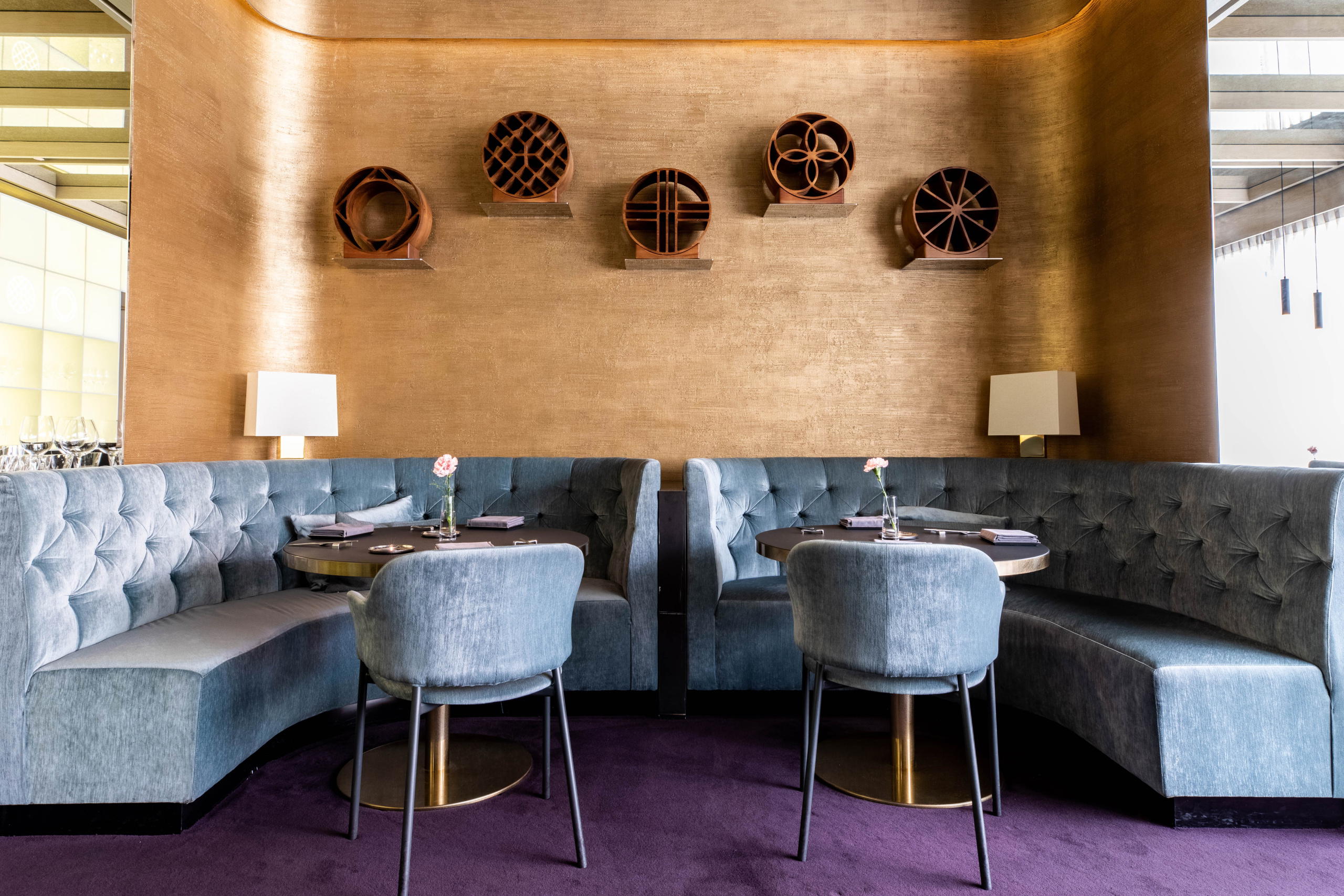
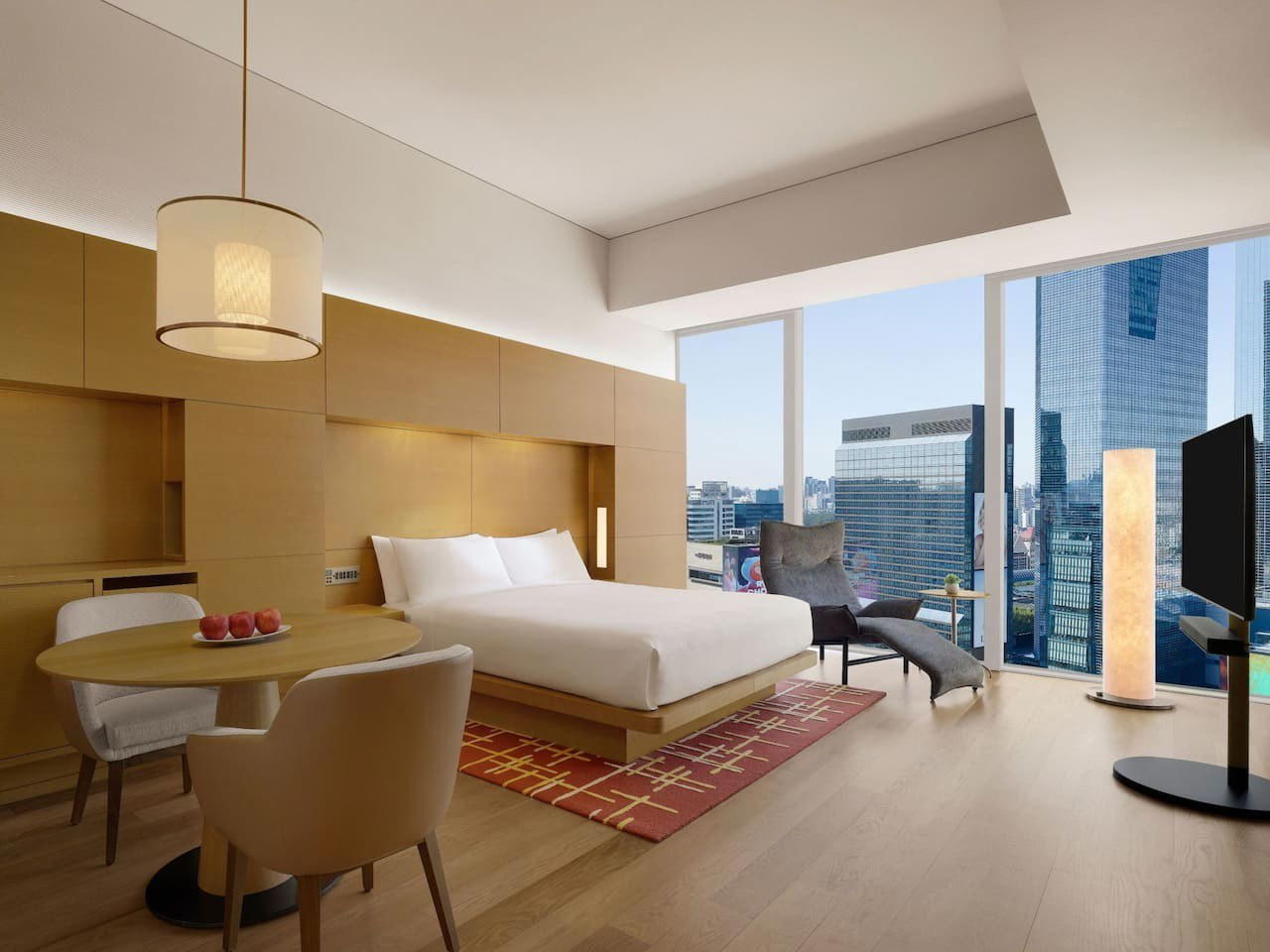
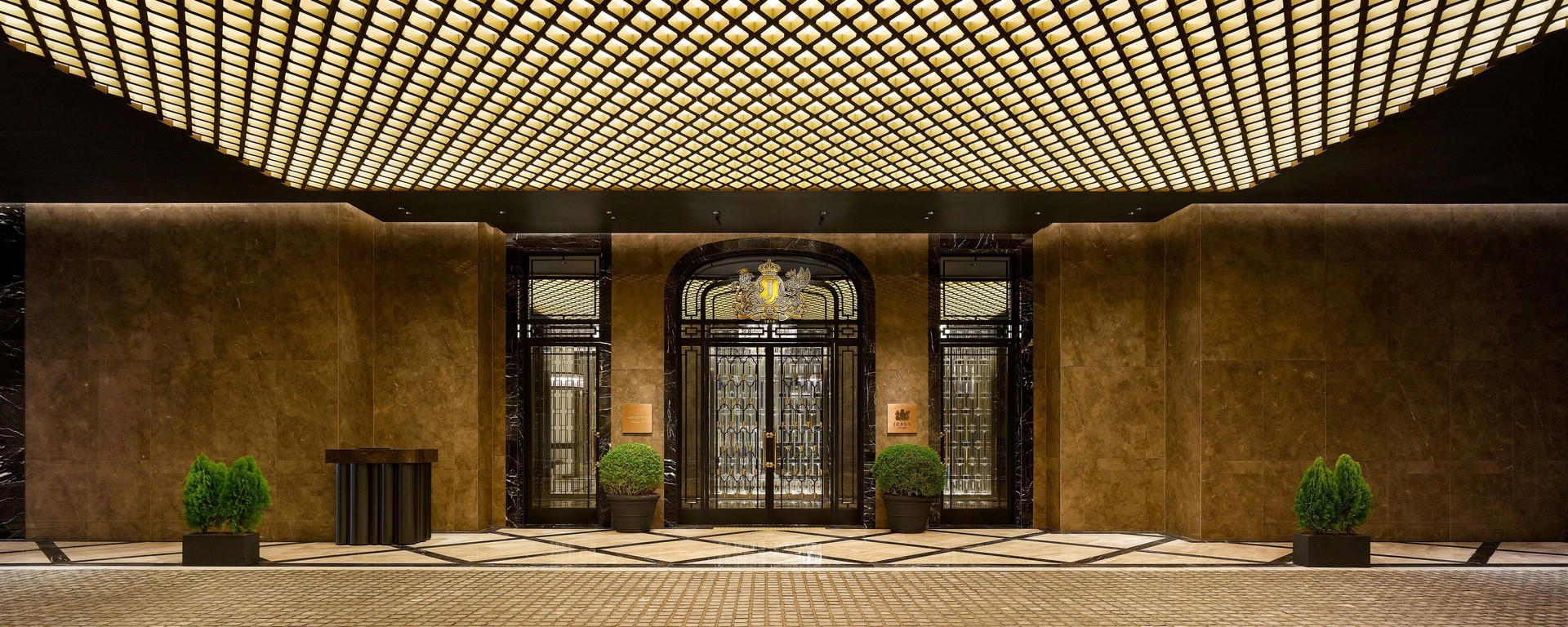
Vintage lighting and furniture from the 50s and 60s create a singular, elegant vibe.