

Michelin Plate · Wine Spectator Best of Award of Excellence
Our verdict
53 brings polished Pan-Asian dining into Midtown’s museum corridor, with Altamarea Group scale behind a menu that moves through Chinese and Singaporean reference points rather than a single national lane. The draw is the combination of ingredient-led luxury, a serious 450-selection wine program, and a room calibrated for New York energy rather than hushed ceremony.

Pearl is the En Primeur Club membership app, where members save venues, book tables and use the concierge.

The menu
What to order
- Black Cod Clay Pot
- Chicken and Truffle Xiaolongbao
- Duck Pie Tee
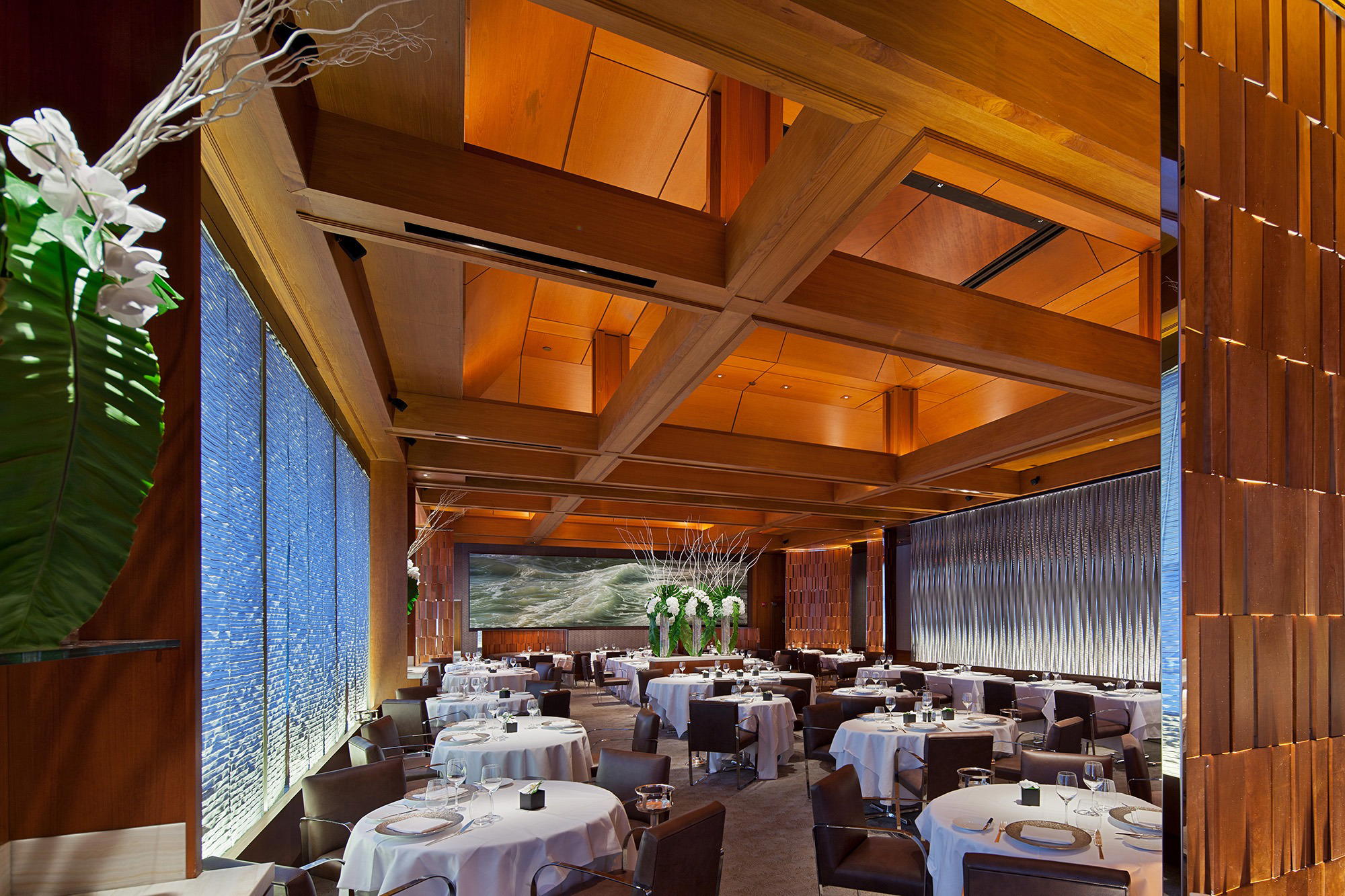
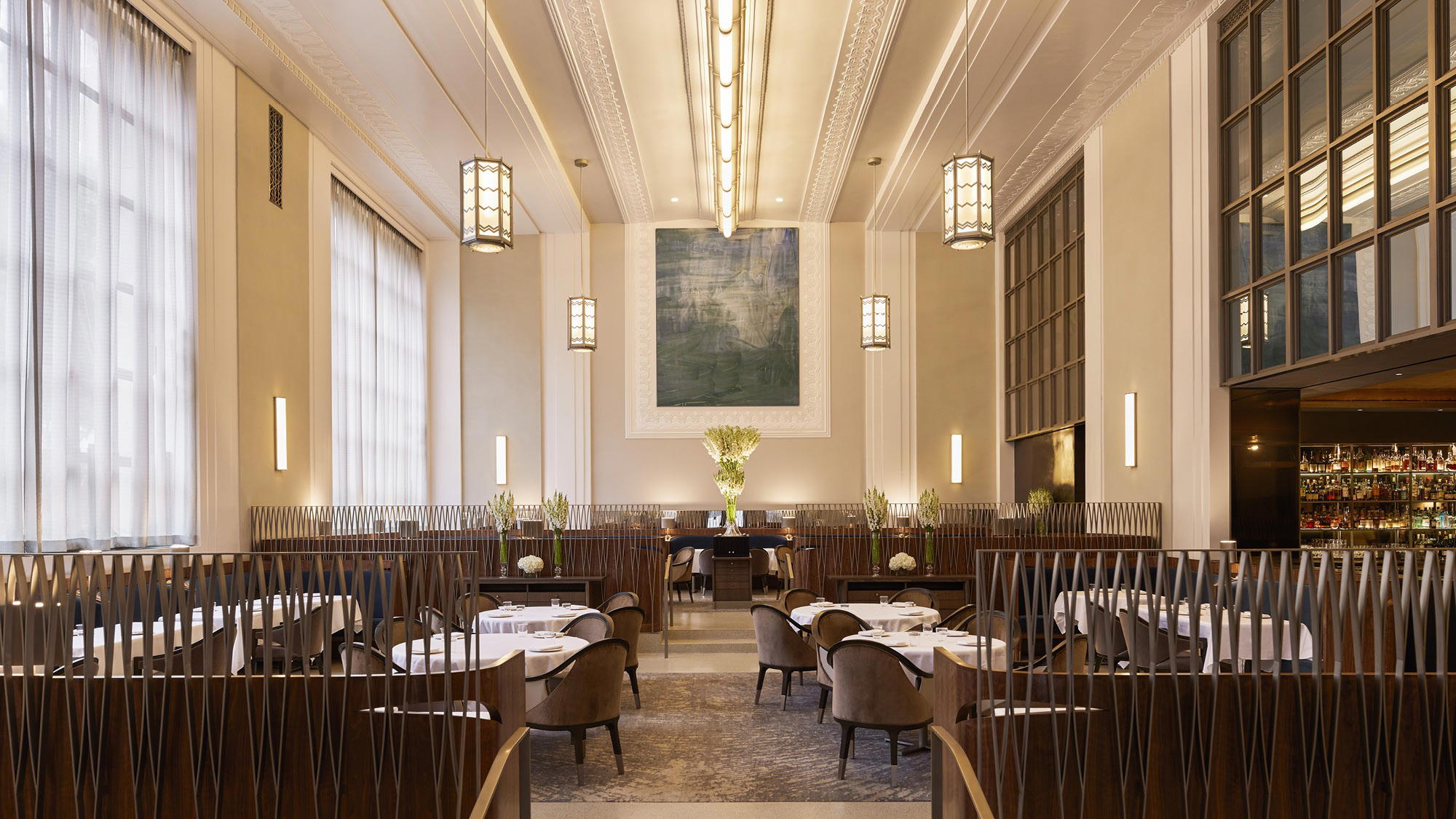
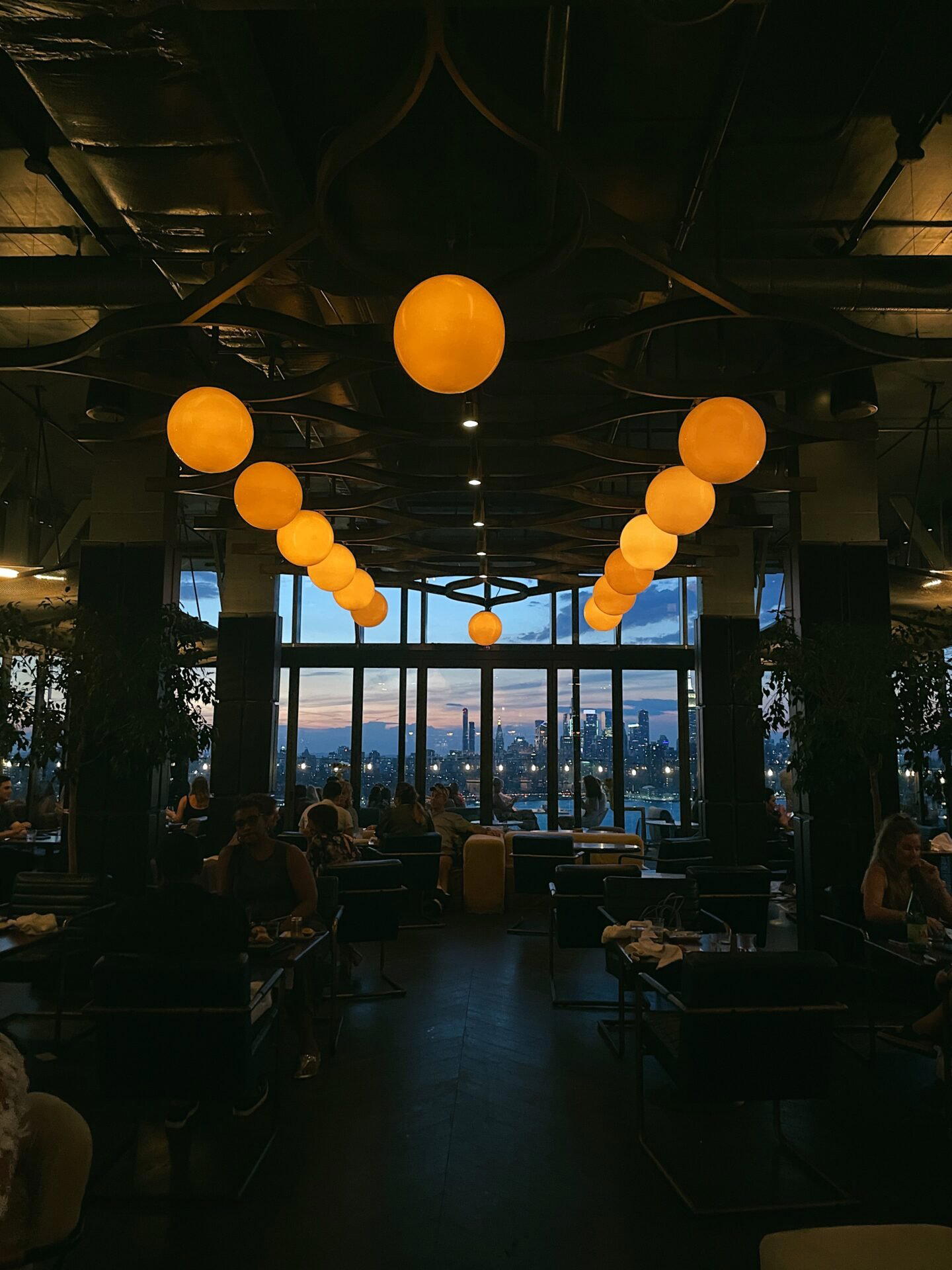
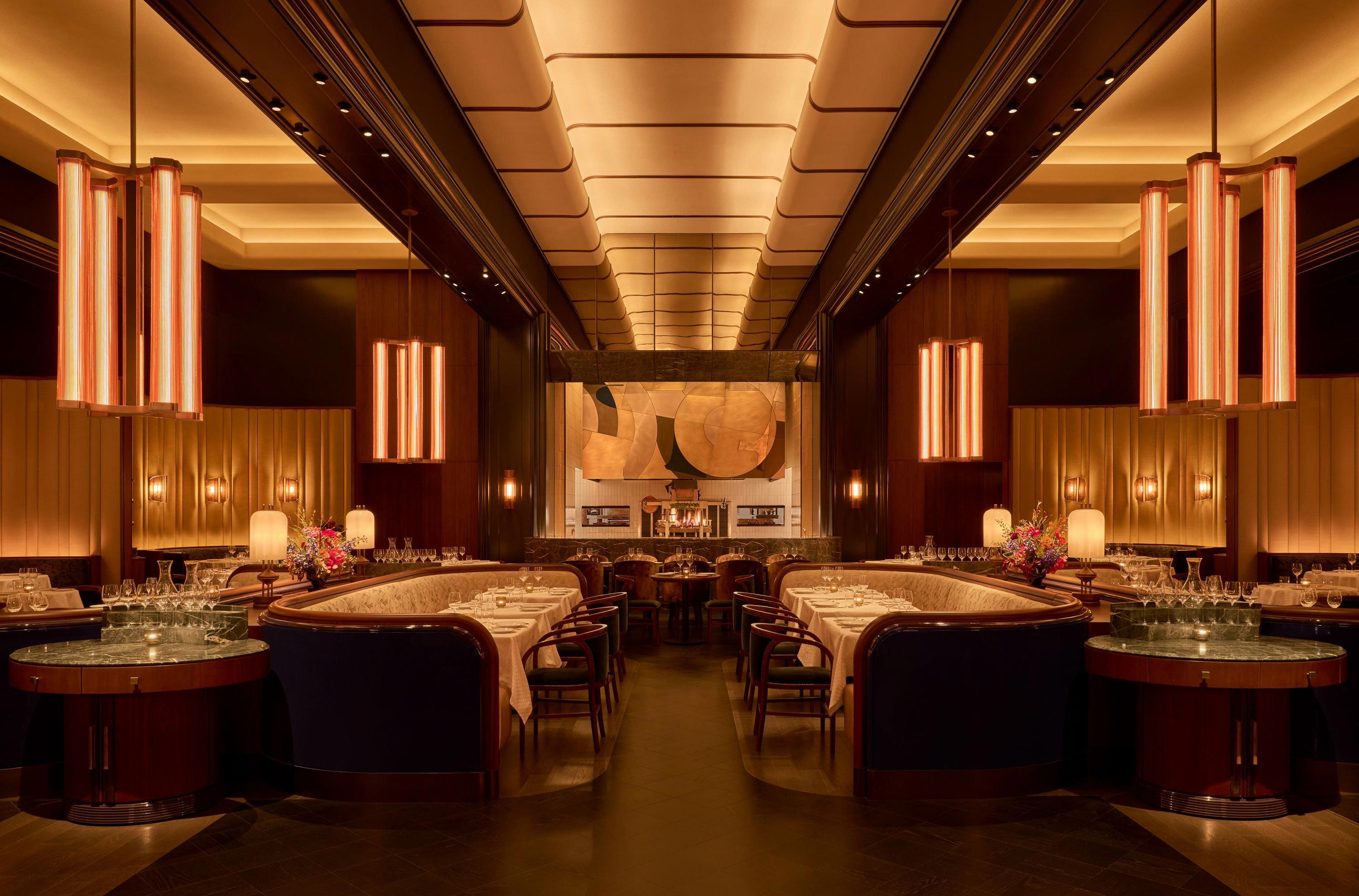
The first read is architectural: an upstairs bar and lounge, then a larger dining room below with wood patterns, banquettes, and a long bar that keeps the room moving. New York City rewards restaurants that handle theater without turning dinner into spectacle. 53 fits: dressed for a polished city night and built around familiar Chinese and Singaporean favorites delivered with precision.
New York’s dining scene has split into counter intimacy, tasting-menu precision, and grand-room dining with sharp service. 53 belongs to the third group. Its parentage matters: Altamarea Group knows ambitious New York City dining rooms at scale, and that discipline shows in the format and cooking.
Pan-Asian cooking with polished ingredients in the foreground
The menu’s center is Chinese and Singaporean, not a vague pan-regional sweep. In a city where “Asian” can become a soft label for anything soy-glazed or chile-laced, that matters. Familiar dishes are reworked with polished sourcing and memorable accents: soup dumplings with black truffle, kung pao quail with snap peas, and clay pots built around crispy rice. The ingredients signal ambition, but the forms stay legible.
That balance is the point. New York diners are fluent in regional Asian cooking, so polished dining must do more than add a luxury accent. The stronger move is control: poultry in a timing-dependent dish, rice texture managed so a clay pot has contrast, and dessert kept in the conversation rather than treated as an afterthought. The recognition around 53 notes that dessert is another point of interest, which matters because the last course has to follow chile, soy, vinegar, and roast flavors.
The useful lens is technical range: dumpling finesse, wok timing, clay-pot heat management, and desserts restrained enough to keep the meal balanced. In New York, that range is hard to keep consistent at scale. When it works, the meal feels less like fusion than a city restaurant translating several Asian dining traditions through a New York service machine.
For readers mapping the city’s broader dining scene, the contrast is instructive. Other New York City dining rooms sit in different format conversations, from casual specialists to more chef-driven registers. Against that spread, 53 reads as a grand-room answer to the same question: how far can Asian comfort forms move into polished dining before losing their original grammar?
A bar and room built for New York City dining patterns
The bar is part of the room’s signal, even without reducing the restaurant to a list of numbers. In a restaurant this polished, service has to support the pace of the room, the long bar, and tables ordering across several flavor registers. The point is not decoration; it is part of how the restaurant competes for serious-occasion dining in New York City.
That support affects how the food reads. Pan-Asian menus push service teams into difficult terrain: chile heat, vinegar, sweetness, soy depth, and aromatic sauces can expose lazy pacing. A serious room lets the team work across texture and intensity rather than treat the meal as one-note. The trust signal is practical: the menu crosses several flavor registers in one meal, so guidance has to be flexible.
The appeal is not incidental, but understand it through format, not sticker shock. New York has many ambitious restaurants; fewer combine a large-format dining room, ingredient-led Chinese and Singaporean references, and the kind of service infrastructure expected from a polished room. For diners choosing between a quiet counter and a room with pace, this is built for motion: sharing plates, a bar that foregrounds social energy, and enough structure for business dinners as well as late tables.
How to place it in a New York itinerary
New York City dining has changed from easy categories into serious planning territory. Cultural traffic, office entertaining, evening schedules, and hotel density create demand for restaurants that handle mixed occasions without feeling generic. That is where this room makes sense. It is not a stripped-down neighborhood meal; it is a polished New York dining room using Asian sourcing, technique, and flavor references for a dressed-up city night.
The strongest order is likely built around contrast: dumplings or small plates first, a poultry or wok-driven dish for heat and snap, then a clay-pot preparation for depth and texture, with dessert kept in the plan. That is the menu’s structure, not one prescribed tasting path. The better-known examples show three lanes at once: luxury accent, protein timing, and rice-based comfort. Ordering across them gives a clearer read than choosing only the flashiest ingredients.
New York readers can use 53 as a category marker. It suits a polished evening, not minimalist counters or casual regional specialists. For a wider city view, Our full New York City restaurants guide places it alongside other dining formats, while Our full New York City hotels guide, Our full New York City bars guide, Our full New York City wineries guide, and Our full New York City experiences guide help frame the rest of the trip.
The broader context is useful too. Asian dining in the United States now spans intimate bar formats, quick comfort, cross-cultural adjacency, plant-led cooking, and hotel-scale dining. Internationally, the category becomes even broader once format and local dining culture enter. 53 sits in that larger conversation as a New York City grand-room expression rather than a narrow specialist.
The editorial verdict is practical: choose this restaurant when the brief calls for a high-energy New York room, serious service, a glowing dining room, and Asian dishes that use polished sourcing without becoming abstract. It is less compelling as a low-key weeknight fallback. Its habitat is the planned dinner where room, table pacing, and the full arc of the meal matter as much as the individual plate.
Frequently asked questions
Can I bring kids to 53?
Yes. 53 serves familiar Chinese and Singaporean dishes such as soup dumplings and clay pots in New York City. The polished dining room and lively bar setting suggest a grown-up room, so families should plan accordingly.
Is 53 better for a quiet night or a lively one?
It leans lively. The upstairs bar and lounge set an active tone, and the long bar downstairs never slows down, while the dining room keeps the room polished rather than hushed.
Is 53 award-winning?
53 has received recognition for style, smarts, an upstairs bar and lounge, a glowing expansive dining room, and precise Chinese and Singaporean favorites from Altamarea Group.
What style of cooking does 53 do?
53 serves familiar Chinese and Singaporean favorites with Pan-Asian range, including soup dumplings with black truffle, kung pao quail with snap peas, and clay pots with crispy rice.
What's the pricing like at 53?
53 is positioned as a polished New York City dining room where thoughtful sourcing and a dressed-up setting are part of the appeal.
When can I go to 53?
Check directly with 53 for current hours and reservations.
How do I find 53?
53 is located in New York City.
Snapshot
Side-by-side context: comparable cuisine and price.
| Venue | Cuisine | Price | Awards | Notes |
|---|---|---|---|---|
| 53This venue (the venue you are viewing) | Contemporary Asian Fusion | $50–100 | Michelin Plate · Wine Spectator Best of Award of Excellence | Not listed |
| OKO Rye | Modern Japanese | $50–100 | Michelin Plate | Asian |
Recognition history
Dated appearances from independent guides and award organizations, with the underlying list record or original source where available.
Michelin Plate
Michelin
Wine Spectator Best of Award of Excellence
Wine Spectator
Full recognition history (3 entries)
Wine Spectator Best of Award of Excellence
Wine Spectator
Continue exploring
More in New York City
Restaurants in New York City
All restaurants in New York City →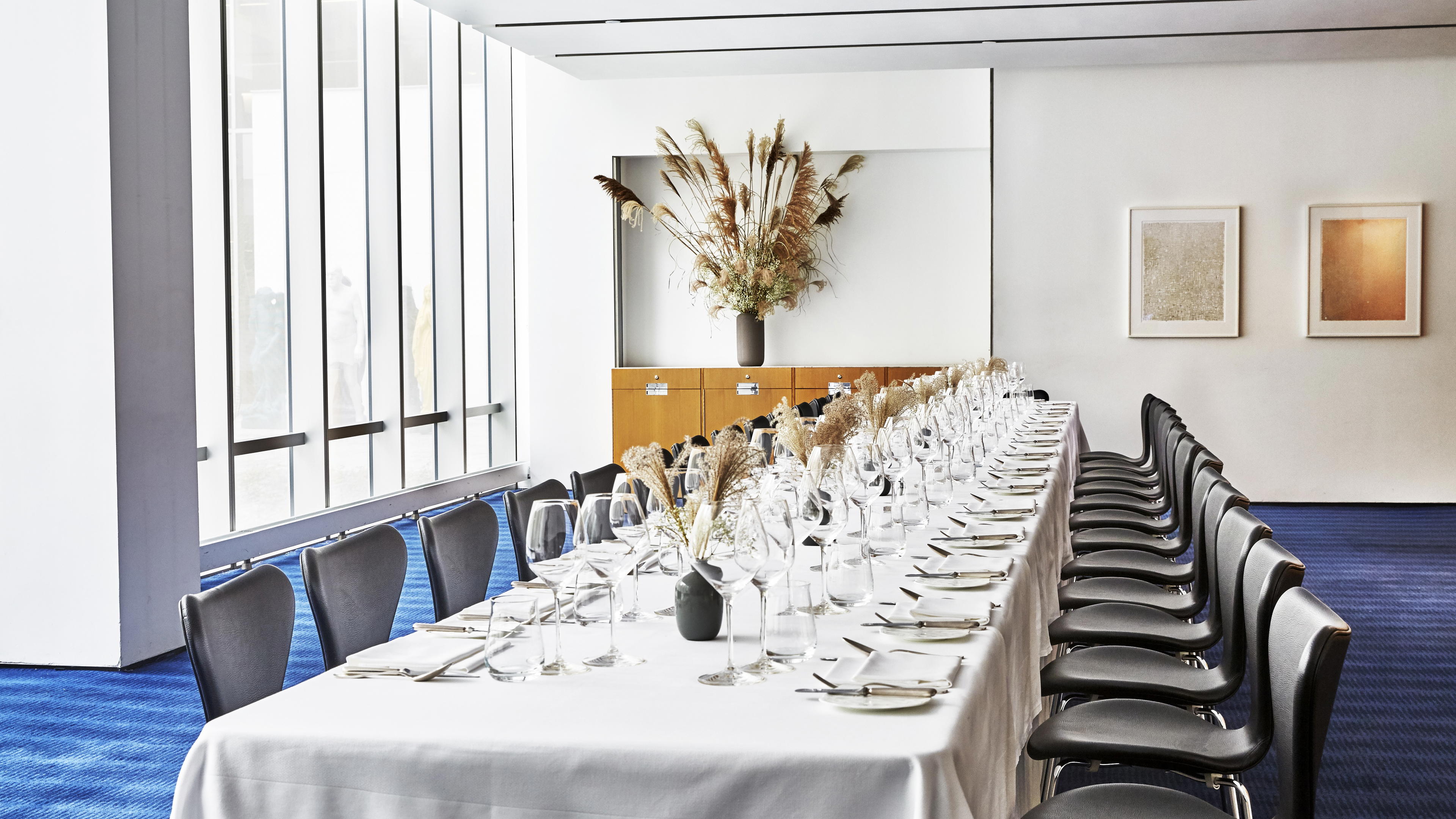
Bars in New York City
All bars in New York City →








53
The wine
53 holds the Wine Spectator Best of Award of Excellence, which Wine Spectator gives to lists of usually 350 or more selections.
- Wine Spectator
- Wine Spectator Best of Award of Excellence
- Selections
- 450
- Bottles in cellar
- 3,236
- List strengths
- France, California
- Wine director
- Nikki Ledbetter
- Extensive wine list
- Craft cocktails
Details
- Modern
- Elegant
- Trendy
- Sophisticated
- Date Night
- Business Dinner
- Special Occasion
- Open Kitchen
- Design Destination
- Private Dining
- Extensive Wine List
- Craft Cocktails
Current opening hours
- Monday
- 11:45 AM–2:30 PM, 5–10 PM
- Tuesday
- 11:45 AM–2:30 PM, 5–11 PM
- Wednesday
- 11:45 AM–2:30 PM, 5–11 PM
- Thursday
- 11:45 AM–2:30 PM, 5–11 PM
- Friday
- 11:45 AM–2:30 PM, 5–10 PM
- Saturday
- 5–10 PM
- Sunday
- 12–3 PM, 5–10 PM
Hours can change for holidays and private events. Hours as of .
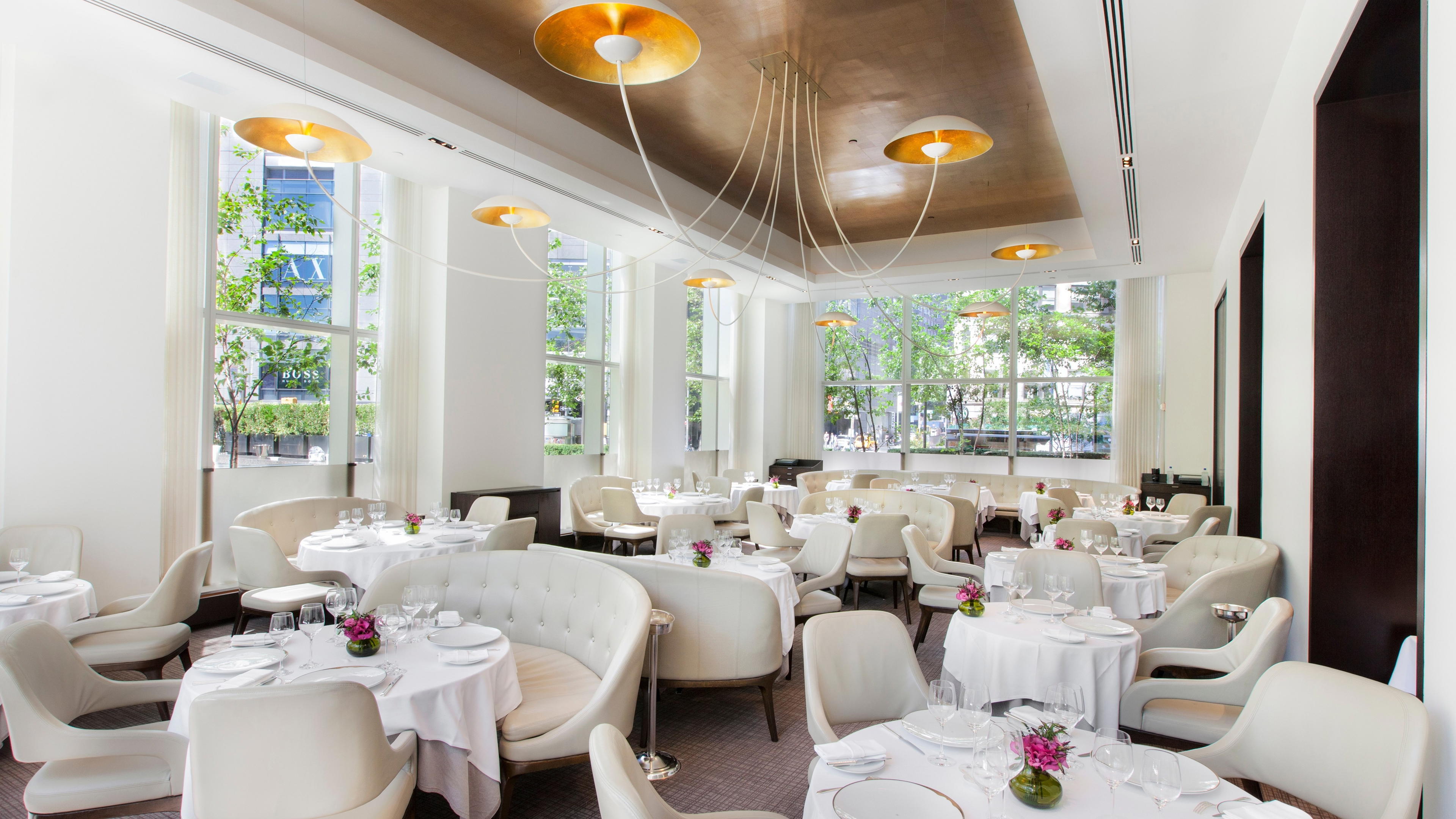
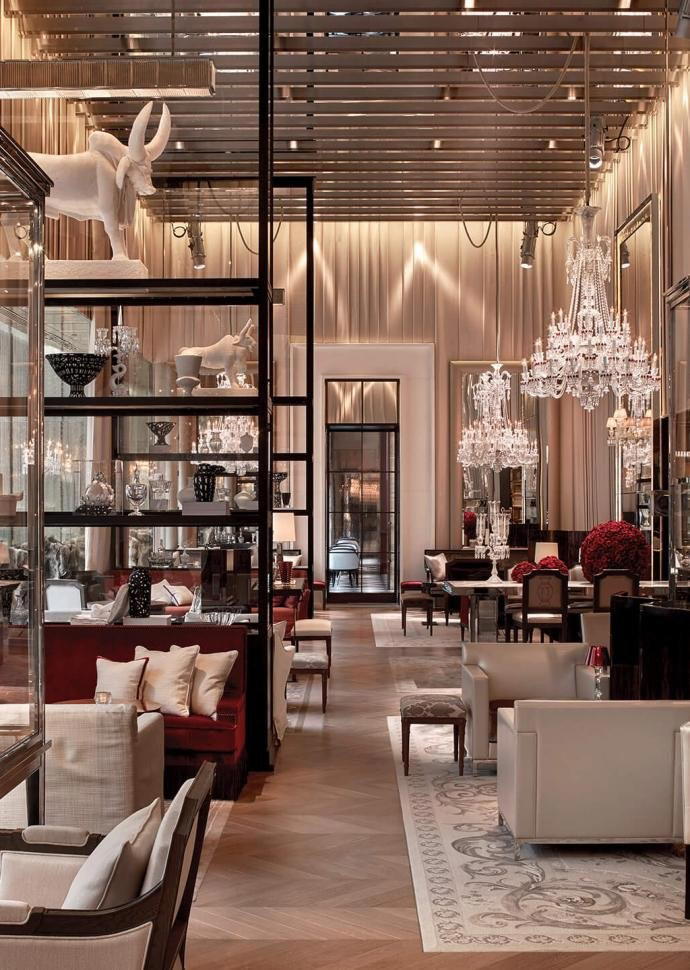
Glowing expansive dining room with sweeping wood patterns, sleek banquettes, high ceilings, and luxe atmosphere, brighter by day and intimate by night.