Norikaya
On South Western Avenue in Koreatown, Norikaya operates in a neighborhood that has become one of Los Angeles's most interesting corridors for Japanese-inflected dining. The address places it inside a dense dining district where format, ritual, and kitchen discipline matter more than room size or celebrity. Visitors navigating the higher end of LA's Japanese dining scene will find Norikaya worth tracking.
Pearl is the En Primeur Club membership app — saves, bookings, and concierge access live there. Same editors, same standards.
- Address
- 554 S Western Ave, Los Angeles, CA 90020
- Phone
- +12138168720
- Website
- norikaya.com
- Directions
- Get directions
 Saves & bookings on Pearl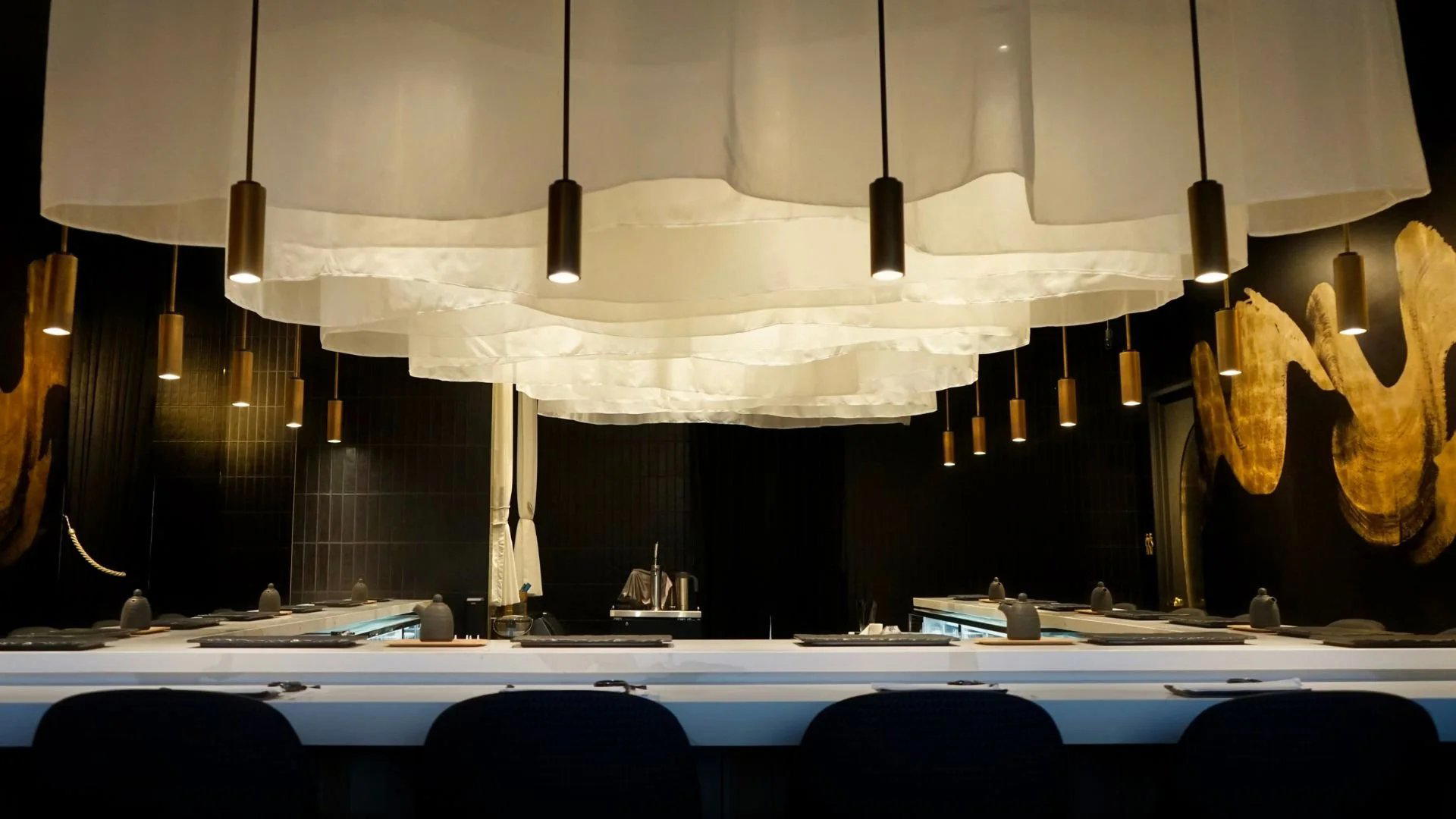
South Western Avenue and the Ritual of the Japanese Meal
Koreatown's dining corridor along South Western Avenue has quietly accumulated a concentration of Japanese and Japanese-adjacent restaurants that now rivals more publicized parts of Los Angeles. The neighborhood's density, its mixed residential and commercial character, and its relative distance from the press circuits of Hollywood or Beverly Hills mean that reputations here are built on repeat custom rather than opening-night coverage. Norikaya, at 554 S Western Ave, sits inside that logic: a neighborhood Japanese restaurant in Los Angeles that rewards the kind of diner who tracks a room by word of mouth over months before booking.
The Japanese dining ritual, at its most considered, is structured around restraint and sequencing. Whether the format is omakase, kaiseki, or something closer to izakaya with ambition, the leading rooms in this tradition share a common grammar: courses arrive with pauses that are deliberate, not accidental; the counter or table becomes a theater of small decisions; and the kitchen's relationship with the diner is transactional in precise sense of the word, every plate a proposition, every response from the diner noted. Los Angeles has developed a strong cohort of rooms that operate inside this grammar, from Hayato in the Arts District, which holds Michelin recognition for its kaiseki discipline, to Kato, which reframes the tasting format through a New Taiwanese lens. Norikaya's position on Western Avenue places it in a part of the city where that grammar is practiced with less institutional pressure and, often, more directness.
The Pacing and Etiquette of the Room
Japanese dining at the higher registers is not passive. The diner is expected to arrive with attention, to engage with what is served rather than simply consume it, and to understand that the kitchen's sequencing is not arbitrary. In rooms that take this seriously, there is an implied contract: the kitchen will not rush, and neither should the table. That pacing, which can unsettle diners accustomed to the faster rhythms of American casual dining, is precisely what distinguishes the tradition. A meal that moves through eight or ten courses over two hours is not slow by accident; it is calibrated to let each element register before the next arrives.
Los Angeles has become more fluent in this contract over the past decade. The city's Japanese-American population, its proximity to Japan, and the sustained presence of chefs with direct training lineages from Tokyo, Osaka, and Kyoto have all contributed to a dining culture that takes the ritual seriously. Somni and Providence approach formal pacing from different traditions, French and molecular respectively, but the underlying principle of the deliberate meal is shared. Norikaya operates in a neighborhood where that principle is embedded in the local dining culture rather than imported for a specific clientele.
Where Norikaya Sits in the Los Angeles Japanese Dining Tier
The upper tier of Japanese dining in Los Angeles is now competitive enough to support several distinct categories. Michelin-recognized rooms like Hayato command attention from destination diners and attract the kind of international press that sets a benchmark for the city. Below that, a second tier of serious, less-publicized rooms operates with comparable kitchen discipline at price points that reflect neighborhood positioning rather than trophy-address premiums. Western Avenue has several such rooms, and Norikaya's address places it in that second tier by geography alone, before any question of format or quality arises.
That positioning is neither a limitation nor a consolation. In a city as geographically dispersed as Los Angeles, the rooms that build particularly durable reputations are often the ones that serve their immediate neighborhood first and attract wider attention second. Osteria Mozza on Melrose built its reputation in part through neighborhood anchoring before becoming a reference point for Italian dining nationally. The same pattern applies to the Japanese dining corridor on and around Western Avenue.
For comparison across the American fine dining context more broadly, the disciplined tasting format that Norikaya's address and tradition suggest has equivalents in rooms like Lazy Bear in San Francisco, Addison in San Diego, and Atomix in New York, where Korean fine dining applies a similarly rigorous sequencing logic. Internationally, the kaiseki tradition that informs much of this category has a well-documented lineage traceable through rooms like 8½ Otto e Mezzo Bombana in Hong Kong, where precision and ritual are treated as equivalents of quality signal.
The Koreatown Address: What It Tells You
554 S Western Avenue is a Koreatown address, which carries specific implications for how a Japanese restaurant here positions itself. Koreatown is one of the densest dining neighborhoods in Los Angeles, with a food culture that is demanding, knowledgeable, and largely indifferent to the kind of exterior signaling that impresses visitors in other parts of the city. A room that works on this block works because the food is correct, not because the design or the press is. That is a useful filter. Rooms that survive here over time tend to have kitchen consistency as their primary asset.
The neighborhood's broader dining ecosystem includes some of the city's most technically precise Korean barbecue, several serious ramen operations, and a growing number of Japanese-Korean fusion formats that reflect the historical and cultural proximity of both cuisines. A Japanese restaurant in this context is not operating in a vacuum; it is in implicit conversation with a neighborhood that understands both traditions and applies real standards to both.
Planning Your Visit
Norikaya recommends reservations, and its regular hours run Tuesday through Thursday from 5:30 to 10 PM, Friday and Saturday from 5:30 PM to 12 AM, and Sunday from 5 to 9 PM; it is closed Monday. The broader pattern for this tier of Japanese dining in Los Angeles suggests reservations are advisable, particularly for weekend evenings, when the Western Avenue corridor draws diners from across the city.
| Venue | Cuisine | Price Tier | Neighborhood | Format Signal |
|---|---|---|---|---|
| Norikaya | Japanese | Not confirmed | Koreatown / Western Ave | Neighborhood counter |
| Hayato | Japanese / Kaiseki | $$$$ | Arts District | Michelin-recognized omakase |
| Kato | New Taiwanese / Asian | $$$$ | West LA | Tasting menu, counter |
| Vespertine | Progressive / Contemporary | $$$$ | Culver City | Multi-sensory tasting |
| Camphor | French-Asian | $$$$ | Downtown LA | Modern French hybrid |
For a fuller picture of where Norikaya sits within the broader Los Angeles dining scene, see the Los Angeles restaurants guide, which maps the city's serious dining rooms by neighborhood, format, and price tier. Comparable tasting-format rooms in other American cities worth cross-referencing include The French Laundry in Napa, Alinea in Chicago, Single Thread Farm in Healdsburg, Blue Hill at Stone Barns in Tarrytown, Le Bernardin in New York, The Inn at Little Washington, Bacchanalia in Atlanta, and Emeril's in New Orleans.
Pricing, Compared
Comparable venues nearby, for context on price, style, and recognition.
| Venue | Cuisine | Price | Notes |
|---|---|---|---|
| NorikayaThis venue — the venue you are viewing | Wilshire Center, Handrolls & Izakaya | $$$$ | Not listed |
| Maison Kasai | Not listed | $$$$ | Downtown, French-Japanese Teppanyaki Fusion |
| Katsuya | Not listed | $$$$ | Westwood, Modern Japanese Sushi & Omakase |
| Niku X | Not listed | $$$$ | Financial District, Modern Japanese Yakiniku |
| Manpuku Japanese BBQ Los Angeles | Sawtelle, Japanese Yakiniku BBQ | $$$ | Not listed |
| Sushi Zo Downtown Los Angeles | Not listed | $$$$ | Old Bank District, Modern Japanese Omakase |
Continue exploring
More in Los Angeles
Restaurants in Los Angeles
Browse all →
Bars in Los Angeles
Browse all →
Hotels in Los Angeles
Browse all →
Wineries in Los Angeles
Browse all →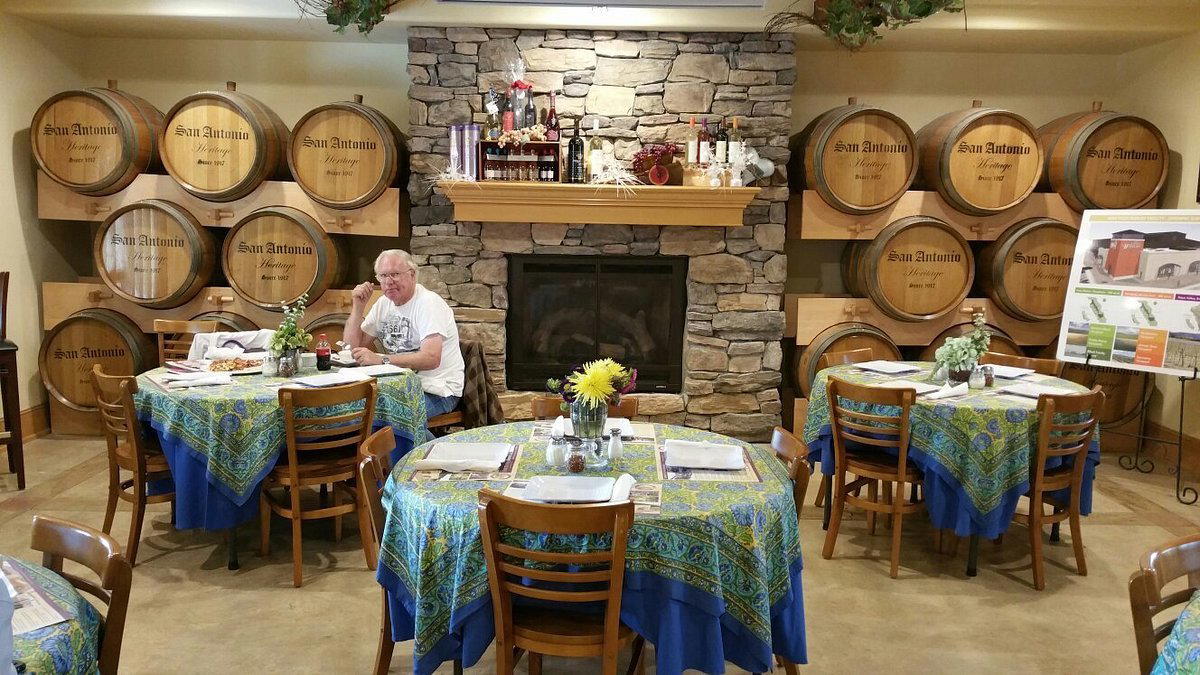
At a Glance
- Trendy
- Elegant
- Intimate
- Sophisticated
- Modern
- Date Night
- Solo
- Casual Hangout
- Open Kitchen
- Sake Program
Current opening hours
- Monday
- Closed
- Tuesday
- 5:30–10 PM
- Wednesday
- 5:30–10 PM
- Thursday
- 5:30–10 PM
- Friday
- 5:30 PM–12 AM
- Saturday
- 5:30 PM–12 AM
- Sunday
- 5–9 PM
Hours can change for holidays and private events. Last verified .
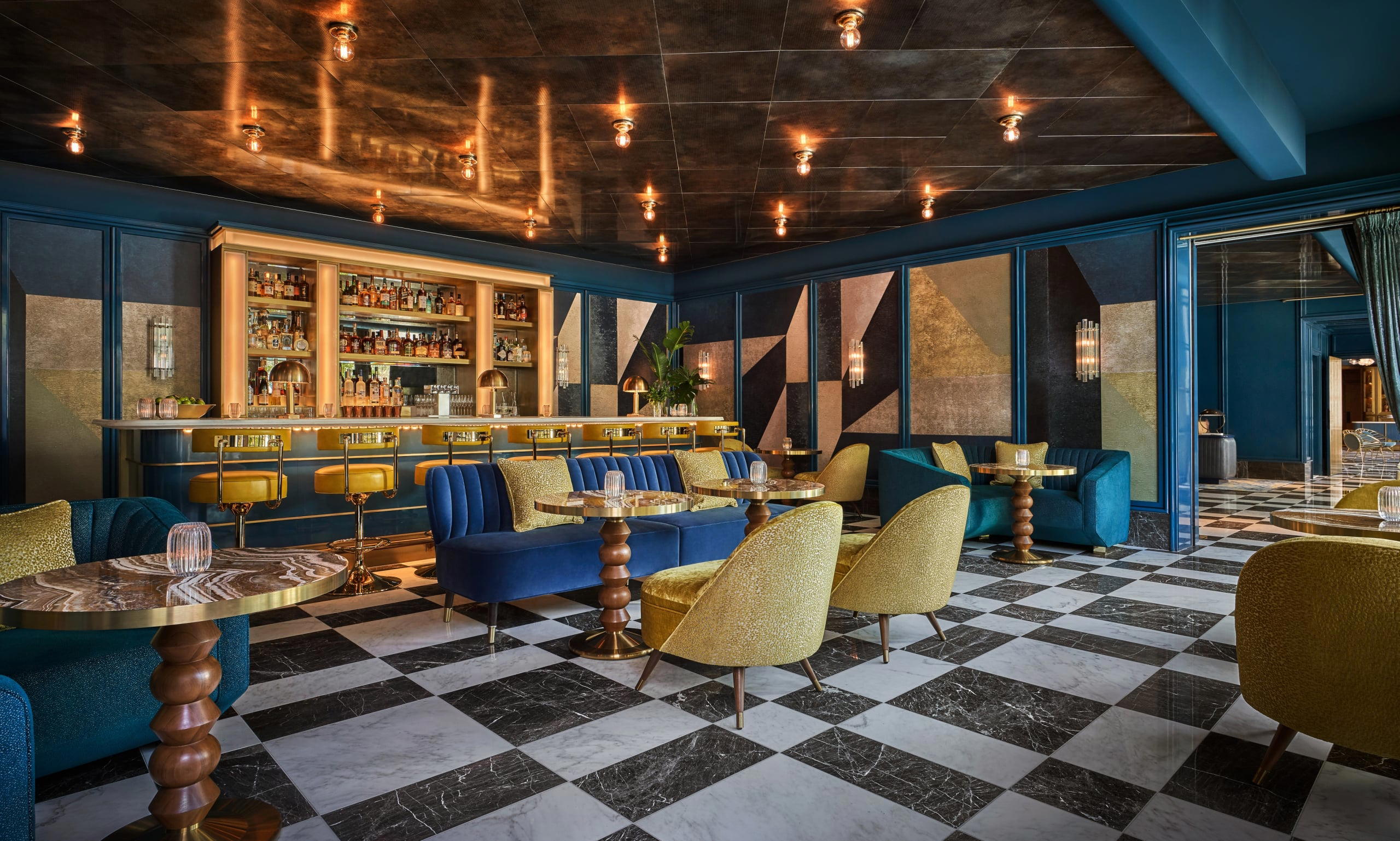
Sleek, chic design with undulating tapestries, serpentine gold accents, and a luxurious yet intimate atmosphere.